Endurance racing has always been less about outright sprint speed and more about survival under relentless stress. For 24 hours or longer, engines scream at redline, brakes glow, and drivers battle fatigue while machines absorb punishment few road cars could tolerate. These endurance racers were engineered not just to win, but to withstand mechanical torture lap after punishing lap.
Porsche 956
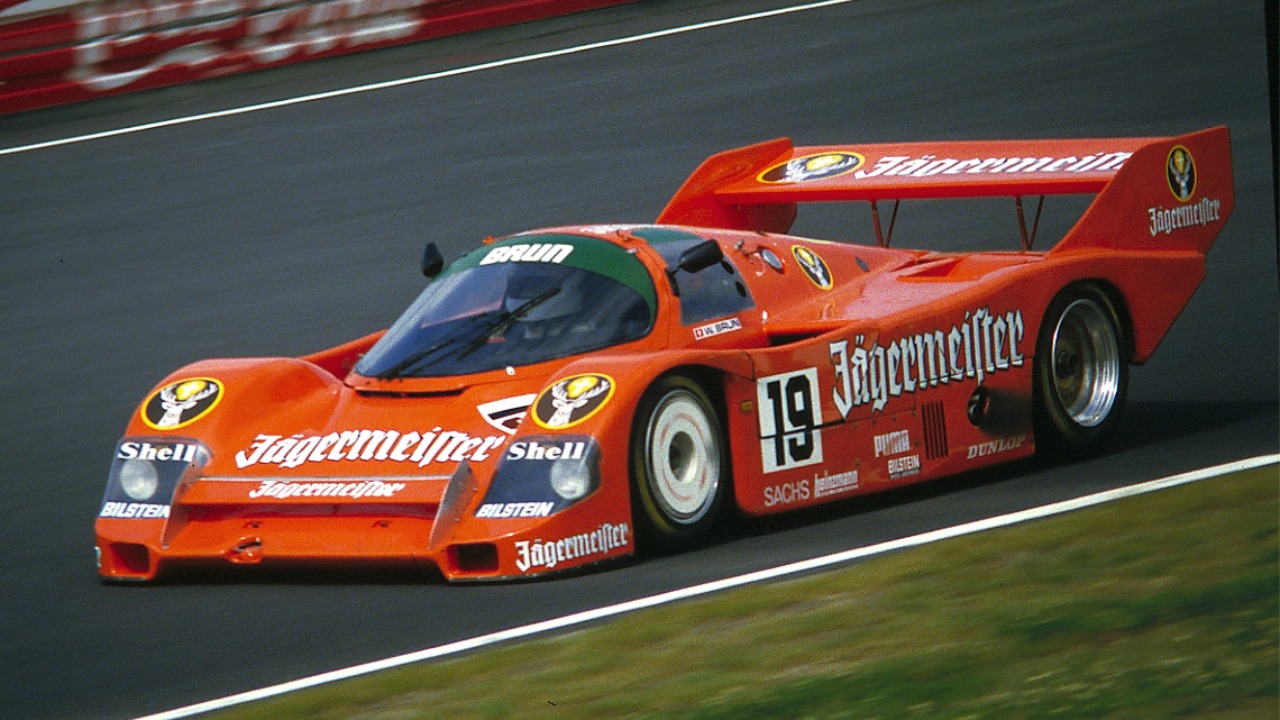
The Porsche 956 became the benchmark of Group C endurance dominance in the 1980s. Developed by Porsche, it combined ground-effect aerodynamics with a turbocharged flat-six engine built for sustained high-speed running. Its aluminum monocoque provided strength without unnecessary weight, crucial for surviving 24-hour punishment. At Le Mans, it proved both devastatingly fast and remarkably durable. The 956 showed that efficiency, reliability, and aerodynamic intelligence were just as important as peak horsepower in endurance warfare.
Audi R18 e-tron quattro

The Audi R18 e-tron quattro introduced hybrid technology to modern endurance competition with ruthless effectiveness. Built by Audi for the FIA World Endurance Championship, it paired a turbo-diesel engine with a front-axle energy recovery system. This setup delivered both efficiency and traction over long stints at Le Mans. Advanced lightweight construction and meticulous cooling systems ensured it could handle nonstop stress. The R18 demonstrated that electrified assistance could enhance durability and strategic flexibility over 24 hours.
Toyota TS050 Hybrid
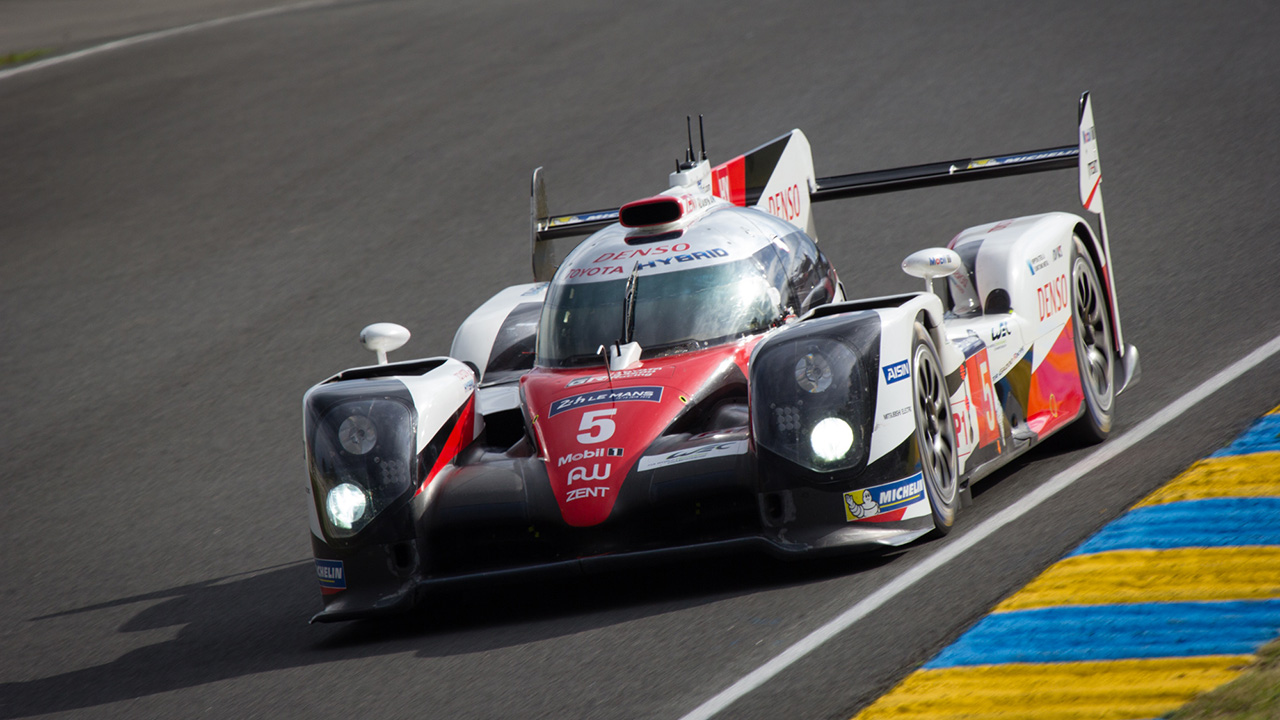
The Toyota TS050 Hybrid was engineered to conquer the heartbreak that once plagued its predecessor programs. Created by Toyota for top-level endurance racing, it used a twin-turbo V6 combined with a powerful hybrid system. Its energy recovery and deployment strategies were optimized for relentless long-distance performance. After years of near misses, the TS050 delivered multiple Le Mans victories through consistency and mechanical resilience. It proved that endurance success requires discipline in engineering as much as speed.
Ford GT40 Mk II
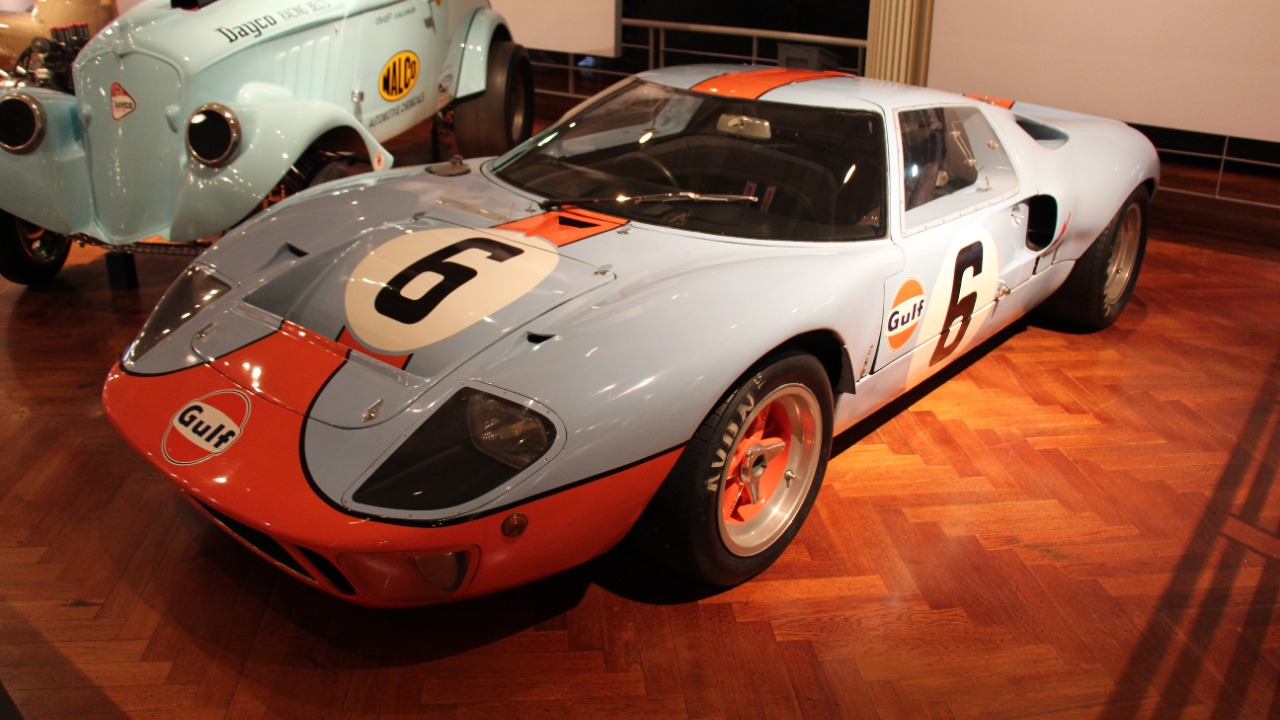
The Ford GT40 Mk II was born from a mission to defeat Ferrari at Le Mans, but survival was its real triumph. Developed by Ford Motor Company, it packed a massive 7.0-liter V8 designed to endure sustained high-speed straights. Reinforced components and improved cooling were critical after earlier reliability setbacks. Its famous 1966 24 Hours of Le Mans finish showcased durability under immense pressure. The GT40 Mk II became a symbol of brute-force engineering refined to survive 24-hour combat.
Ferrari 488 GTE
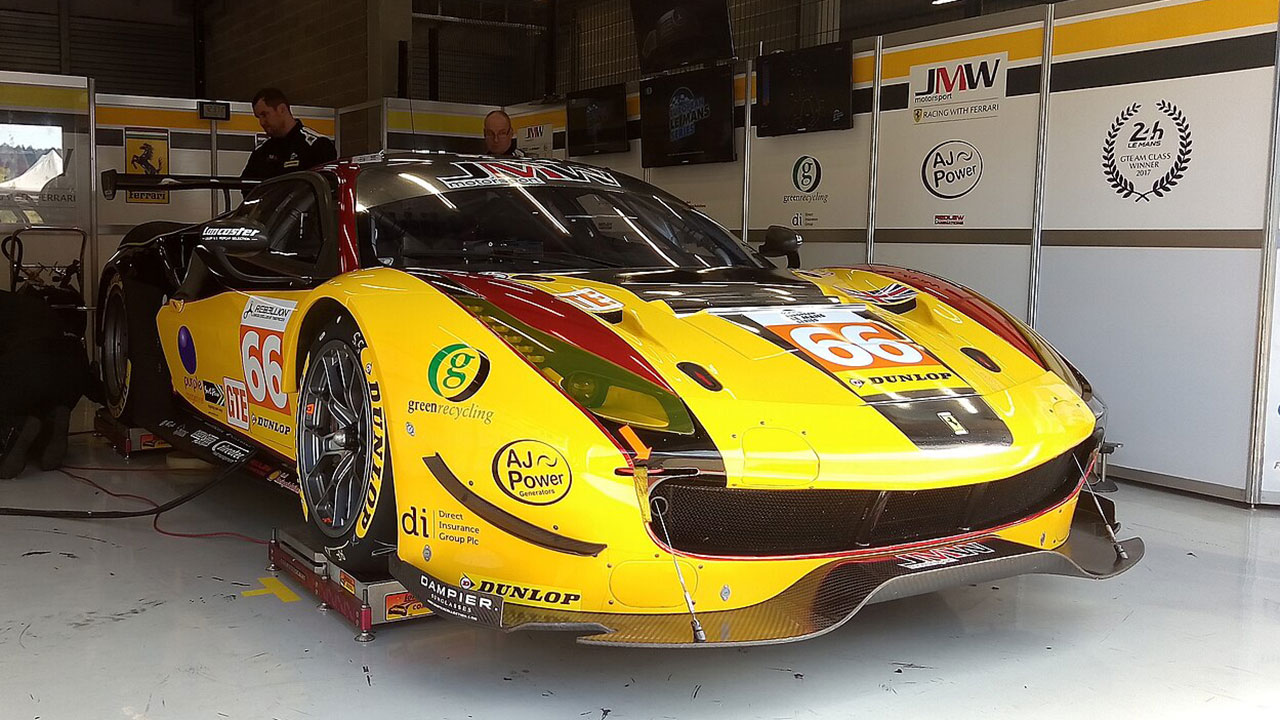
The Ferrari 488 GTE translated road-car performance into long-distance reliability. Engineered by Ferrari for endurance competition, it featured a twin-turbo V8 tuned for consistent output rather than explosive peaks. Aerodynamic balance and tire management were optimized for multi-hour stints. Robust braking systems and reinforced driveline components allowed it to withstand repeated stress cycles. The 488 GTE demonstrated that modern endurance racers must combine precision engineering with strategic efficiency to survive.
Peugeot 905
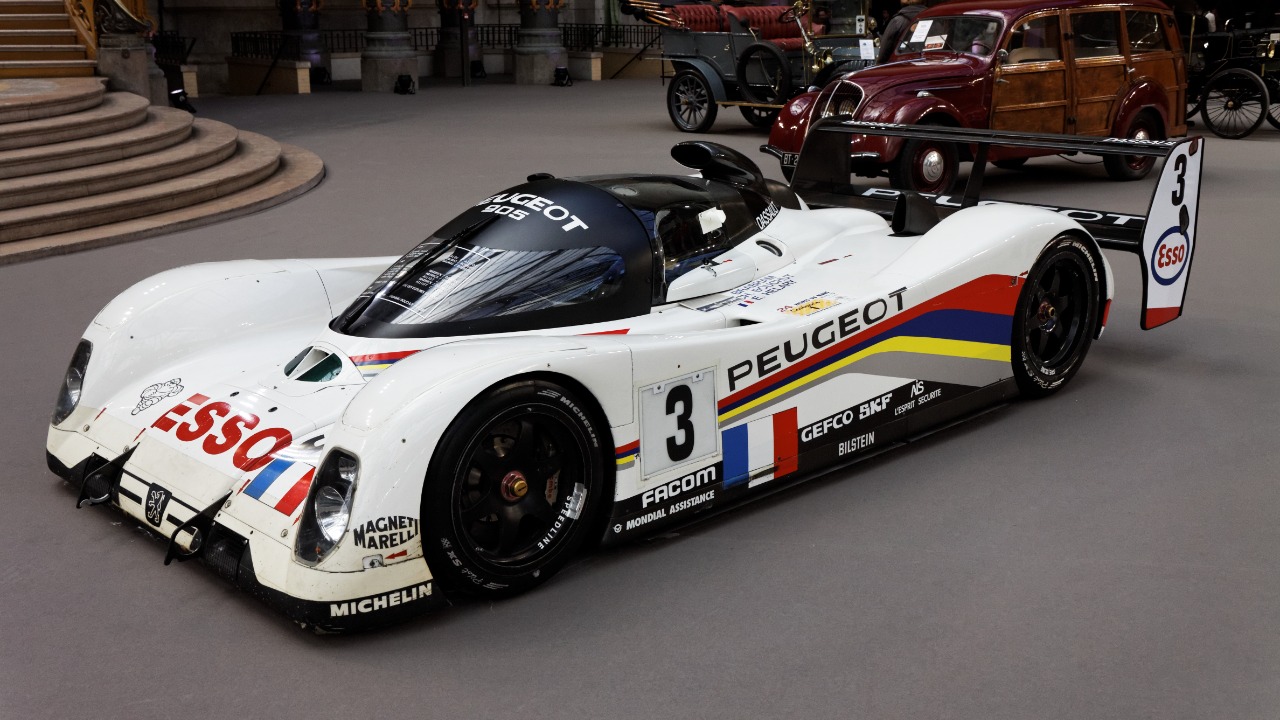
The Peugeot 905 marked a bold return to prototype racing for the French manufacturer. Built by Peugeot, it used a high-revving 3.5-liter V10 and a carbon-fiber chassis designed for strength and lightness. Early development struggles gave way to refined reliability by the early 1990s. Its Le Mans victories came from sustained pace rather than short bursts of speed. The 905 proved that endurance machines must evolve through testing and punishment before achieving lasting success.
Jaguar XJR-9

The Jaguar XJR-9 embodied late-1980s Group C endurance muscle. Developed by Jaguar in partnership with Tom Walkinshaw Racing, it used a robust V12 engine capable of maintaining high speeds for extended periods. Aerodynamic efficiency allowed it to balance downforce with straight-line speed on long circuits like Le Mans. Careful fuel management and cooling solutions were key to its resilience. The XJR-9’s 1988 Le Mans victory cemented its reputation as a machine built to survive flat-out punishment.
Bentley Speed 8

The Bentley Speed 8 represented a modern revival of classic endurance ambition. Created by Bentley with significant technical collaboration from Audi, it featured a twin-turbo V8 optimized for durability. Its closed-cockpit design improved aerodynamic stability and structural rigidity over long distances. Reliability and consistency, rather than outright qualifying speed, defined its approach. The Speed 8’s 2003 Le Mans win highlighted how disciplined engineering and robust components are essential for conquering endurance racing’s harshest tests.
More from Fast Lane Only