Some trucks earn respect in showrooms, but others earn it in mines, deserts, oil fields, and war zones. These machines didn’t become legends because of luxury or marketing hype; they proved themselves under crushing loads, brutal climates, and years of relentless use. Across continents, a handful of trucks built reputations for surviving work that should have broken them.
Toyota Hilux

Few vehicles have built a global durability myth quite like the Toyota Hilux. Produced by Toyota, the Hilux became synonymous with toughness in remote regions where maintenance is rare and terrain is unforgiving. From deserts in North Africa to farms in Australia, its simple diesel engines and ladder-frame construction kept working long after competitors gave up. Its reputation was amplified by extreme public durability tests that failed to kill it. The Hilux proved that straightforward engineering and mechanical simplicity could outperform complexity when survival mattered most.
Ford F-Series Super Duty

The Ford F-Series Super Duty became a backbone of American heavy industry and construction. Built by Ford Motor Company, these trucks were engineered with reinforced frames, high-output diesel engines, and towing capacities that pushed commercial limits. Oil fields, ranches, and utility fleets relied on Super Duty models to haul equipment day after day without complaint. The Power Stroke diesel variants in particular gained reputations for enduring extreme mileage under constant load. In countless job sites, the Super Duty earned loyalty by surviving workloads that felt closer to industrial machinery than personal transportation.
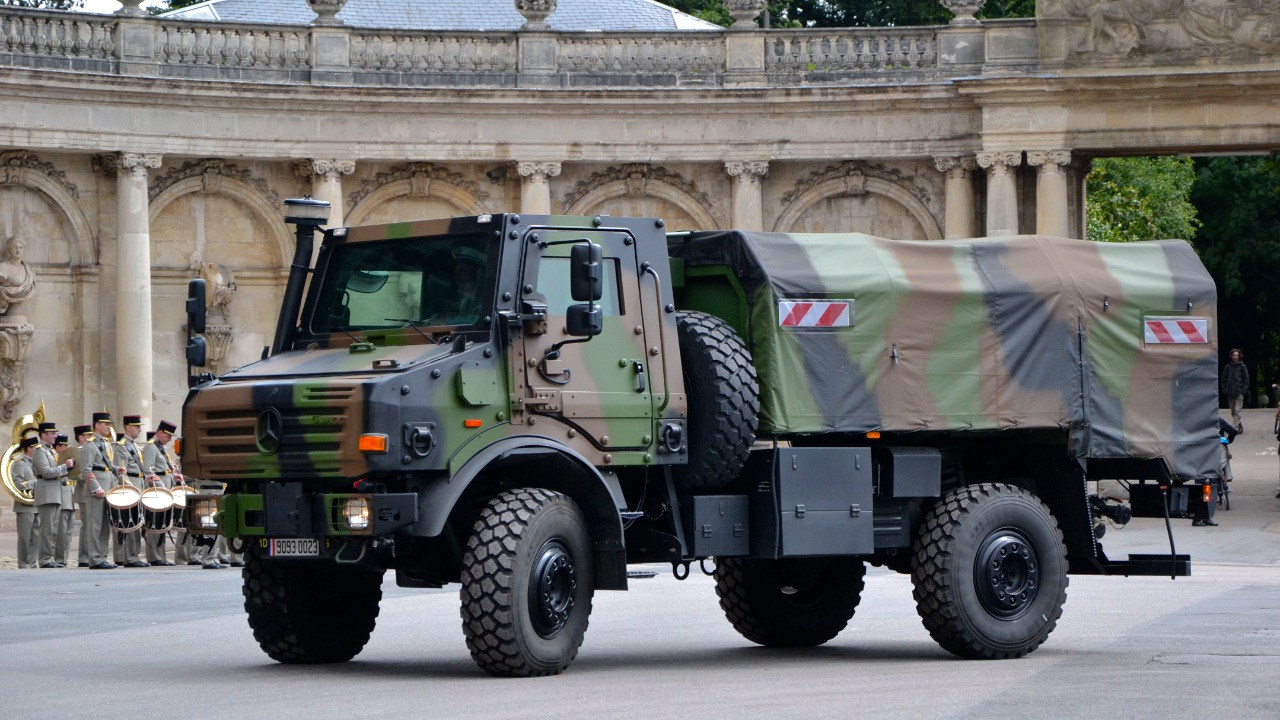
Mercedes-Benz Unimog

The Mercedes-Benz Unimog was designed from the beginning as an unstoppable tool rather than a lifestyle vehicle. Developed by Mercedes-Benz, it combined portal axles, extreme ground clearance, and torque-heavy diesel engines for unmatched off-road ability. Used by militaries, farmers, and disaster-response teams, the Unimog tackled mud, snow, and steep terrain while carrying equipment that would overwhelm ordinary trucks. Its modular design allowed attachments ranging from snowplows to cranes. The Unimog’s survival reputation comes from doing specialized, punishing jobs in places where breakdowns are not an option.
Chevrolet C/K Series

The Chevrolet C/K Series became a quiet legend across decades of American labor. Produced by Chevrolet, these square-body and later-generation pickups were known for robust small-block V8s and simple, serviceable drivetrains. Farmers, contractors, and small businesses kept them running for hundreds of thousands of miles with basic tools and steady maintenance. Rust might have claimed body panels, but frames and engines often outlasted expectations. The C/K trucks earned fame not through headlines, but through relentless daily work that refused to end.
Volvo FH
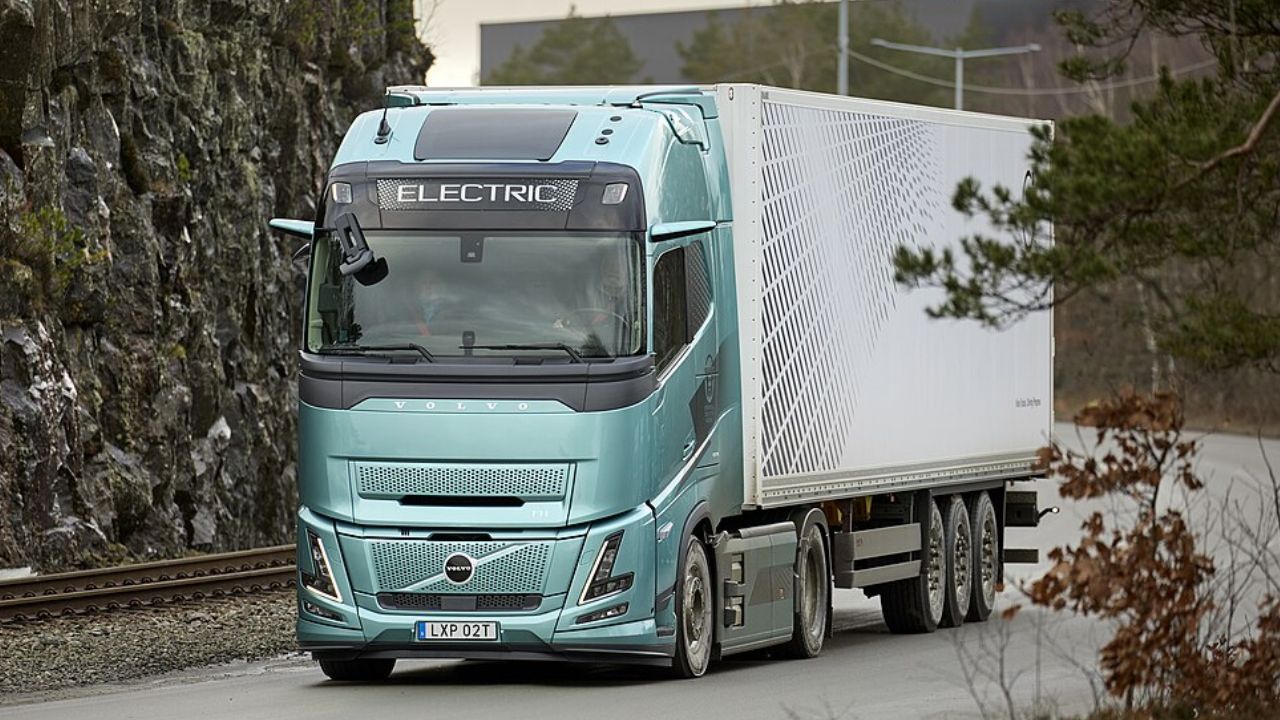
The Volvo FH reshaped expectations for long-haul durability in Europe’s demanding freight industry. Built by Volvo Trucks, it combined advanced safety systems with engines engineered for massive mileage between rebuilds. Logistics companies depended on the FH to cross entire countries under heavy cargo loads with minimal downtime. Driver comfort improvements also reduced fatigue, indirectly increasing operational endurance. Over time, the FH became known as a truck that could accumulate extraordinary mileage while maintaining structural integrity and mechanical reliability.
Dodge Ram 2500 Cummins

The Dodge Ram 2500 equipped with the Cummins diesel became a cult favorite among heavy haulers. Produced by Dodge in partnership with Cummins, it paired a stout inline-six turbo diesel with a chassis built for serious towing. Owners routinely reported engines surpassing 300,000 miles while pulling trailers near maximum capacity. Its straightforward mechanical layout made repairs accessible, even in rural environments. The Ram 2500 Cummins earned its reputation by surviving relentless towing assignments that would overwhelm lighter-duty pickups.
MAN TGS

The MAN TGS became a workhorse in construction zones and heavy transport fleets across Europe. Manufactured by MAN Truck & Bus, it was engineered for demanding payloads, rough terrain, and constant operation. Reinforced frames and high-torque diesel engines allowed it to handle gravel pits, infrastructure projects, and long-haul freight with equal confidence. Fleet operators valued its durability under continuous strain and its predictable maintenance cycles. The TGS built its fame through hard industrial labor rather than consumer visibility.
International Harvester Loadstar
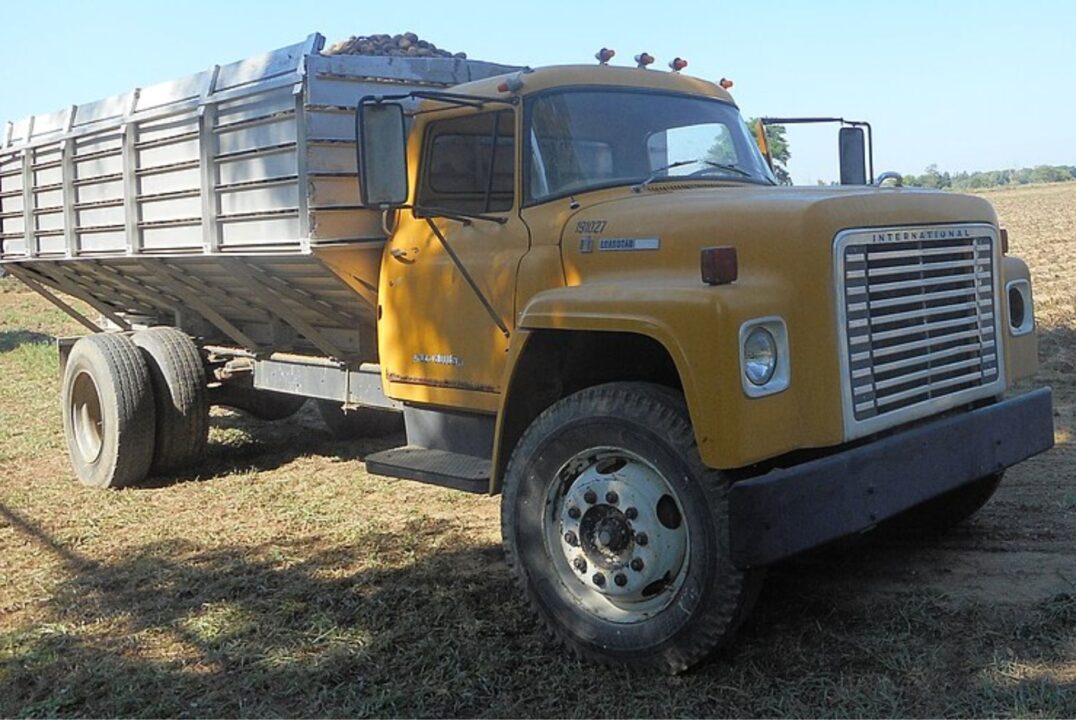
The International Harvester Loadstar earned a legacy in mid-20th-century America as an unbreakable medium-duty hauler. Built by International Harvester, it served as a farm truck, school bus chassis, and municipal utility vehicle for decades. Its rugged frame and torquey gasoline and diesel engines handled grain loads, equipment transport, and daily service routes without refinement but with remarkable persistence. Many examples remained operational long after newer trucks replaced them in fleets. The Loadstar’s fame rests on surviving generation-spanning workloads that tested both steel and engine alike.
More from Fast Lane Only