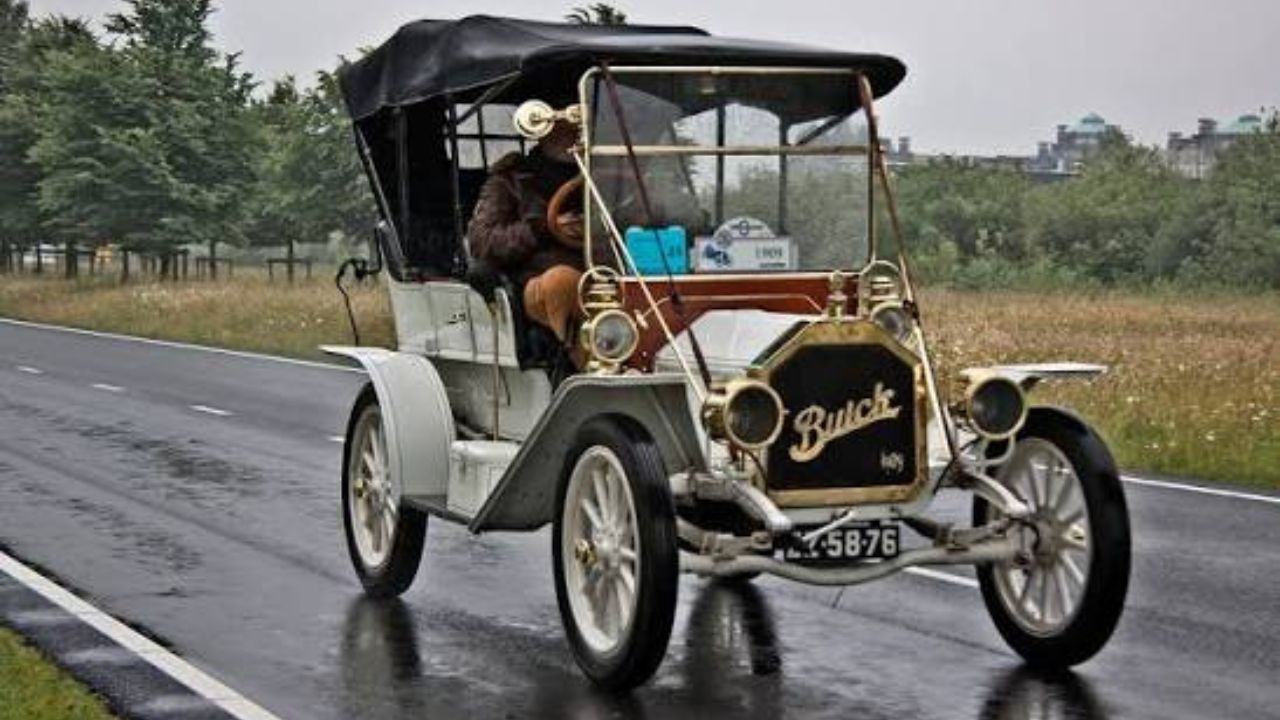
The Brass Era marked the automobile’s transition from a mechanical novelty to a symbol of freedom and innovation. Built between the late 1890s and the mid-1910s, these pioneering machines inspired clubs, road trips, racing events, and enthusiastic owners. Long before modern highways existed, they helped establish the foundations of the car culture that continues to thrive today.
Oldsmobile Curved Dash

The Oldsmobile Curved Dash became one of America’s first mass-produced automobiles, making car ownership attainable for far more people than expensive handcrafted vehicles. Its lightweight construction and simple controls appealed to new drivers eager to embrace motoring. As thousands reached customers across the country, owners began organizing rides, sharing maintenance tips, and forming some of the earliest automotive communities, helping create the social side of car ownership.
Cadillac Model G
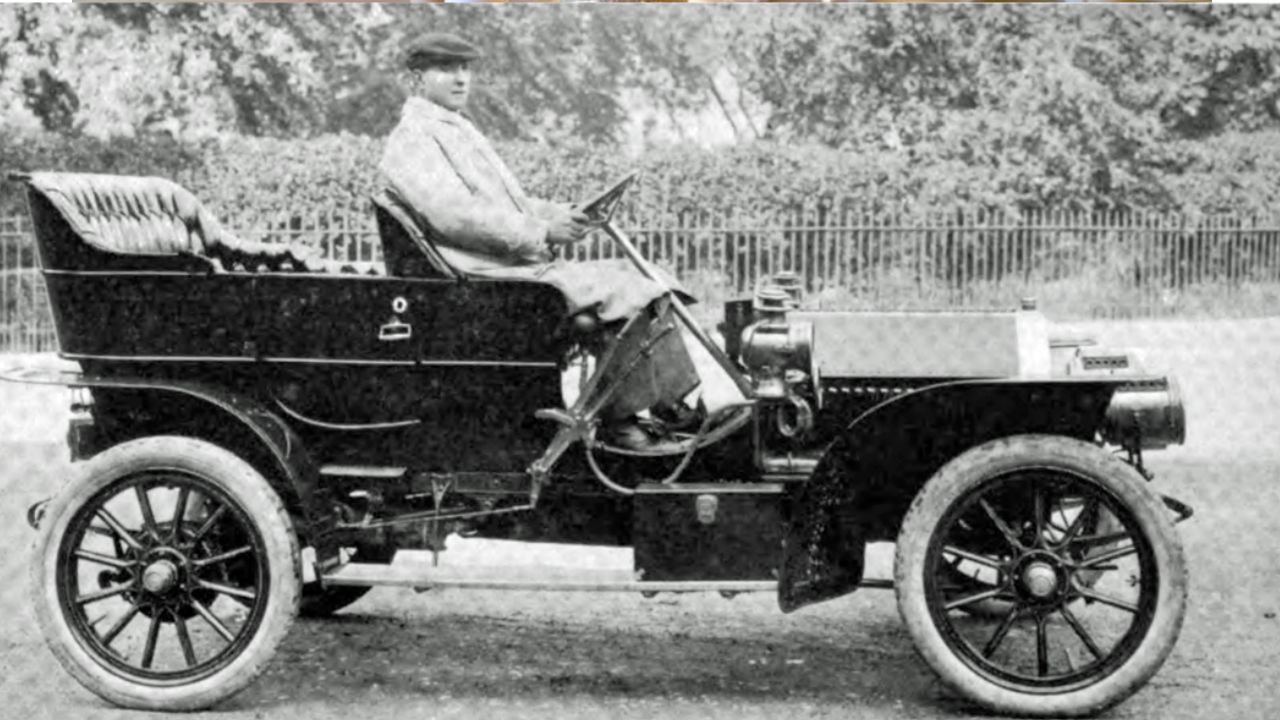
The Cadillac Model G demonstrated that precision engineering could dramatically improve the ownership experience. Known for its high manufacturing standards and dependable performance, it earned the confidence of motorists who expected consistent reliability. Its success encouraged longer journeys and strengthened public trust in automobiles as practical transportation. Cadillac’s commitment to quality also influenced enthusiasts who valued craftsmanship as much as speed or appearance.
Buick Model 10
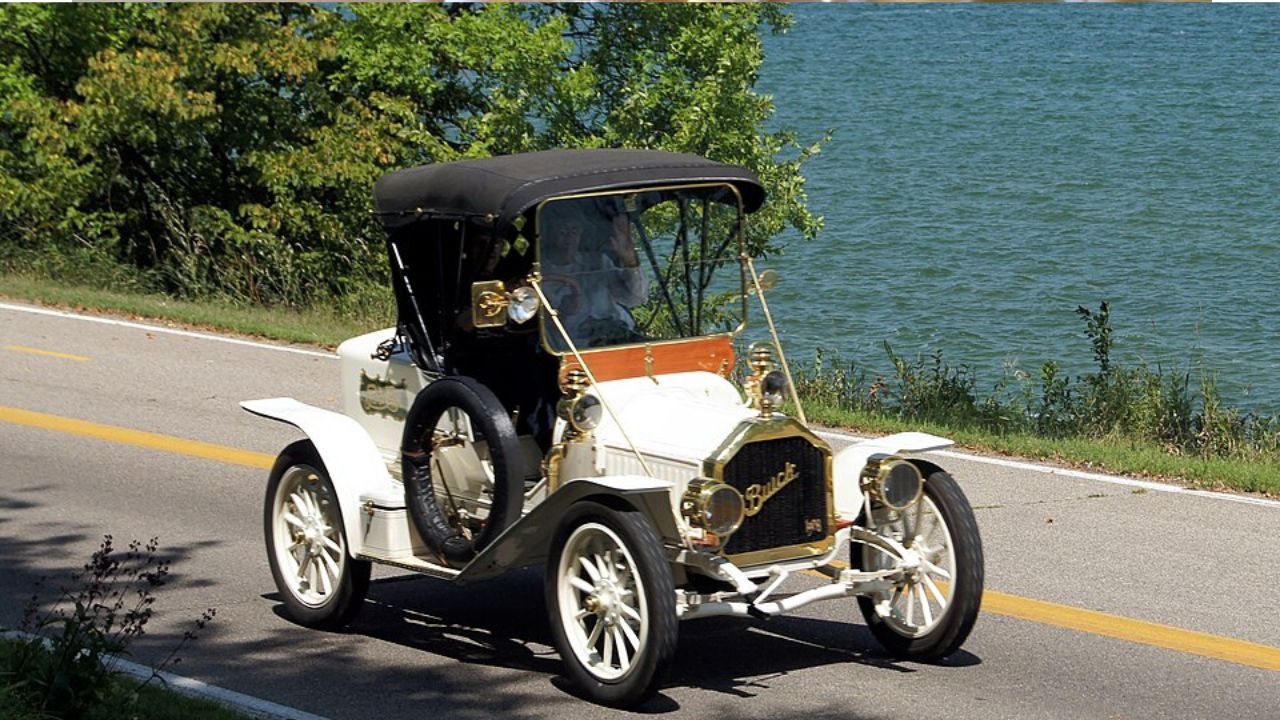
The Buick Model 10 introduced many drivers to the advantages of overhead-valve engine technology, delivering lively performance for its era. Its responsive power made driving more engaging while maintaining respectable dependability on challenging roads. Owners appreciated its versatility for both everyday transportation and recreational outings. The Model 10 helped establish Buick as a respected brand among early enthusiasts who enjoyed discussing engineering advancements and driving experiences.
White Model G Steam Car
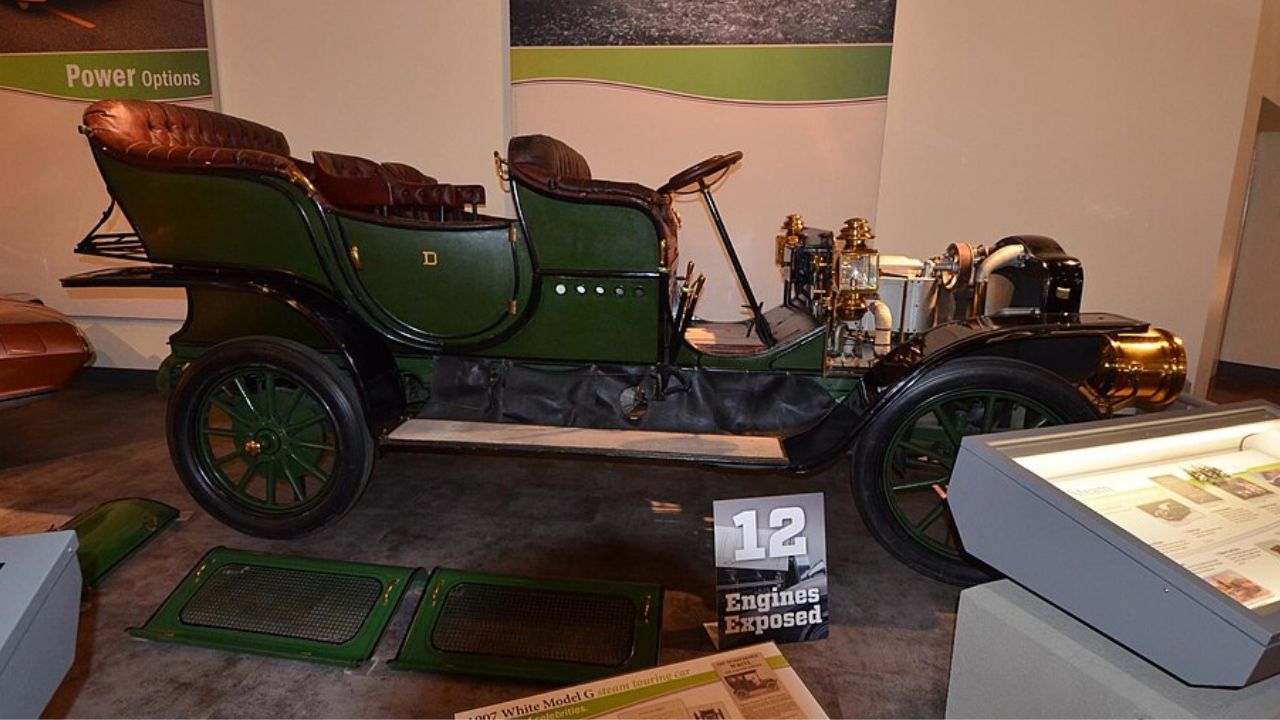
The White Model G Steam Car represented the impressive capabilities of steam-powered automobiles during the Brass Era. Known for smooth performance and quiet operation, it appealed to buyers seeking refinement before gasoline engines became dominant. Owners participated in touring events and social gatherings that celebrated early motoring. The popularity of White’s steam cars reflected the experimental spirit that helped shape the earliest automotive enthusiast communities.
Thomas Flyer Model K
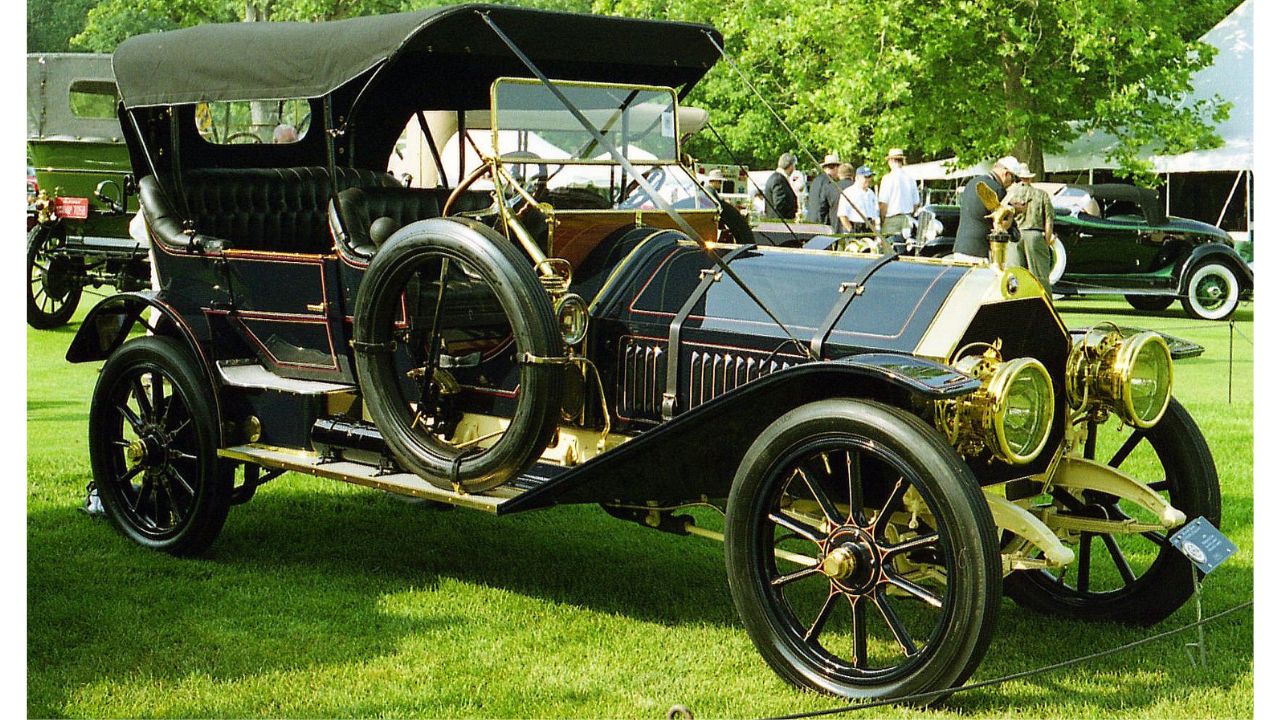
The Thomas Flyer Model K earned lasting fame after demonstrating remarkable endurance in one of history’s toughest international endurance competitions. Its reputation for toughness inspired confidence among adventurous motorists eager to travel beyond local roads. Owners admired its engineering excellence and viewed it as proof that automobiles could conquer enormous distances. The Thomas Flyer became an early icon of exploration, encouraging ambitious road travel and enthusiastic discussion among motorists.
Locomobile Model 48
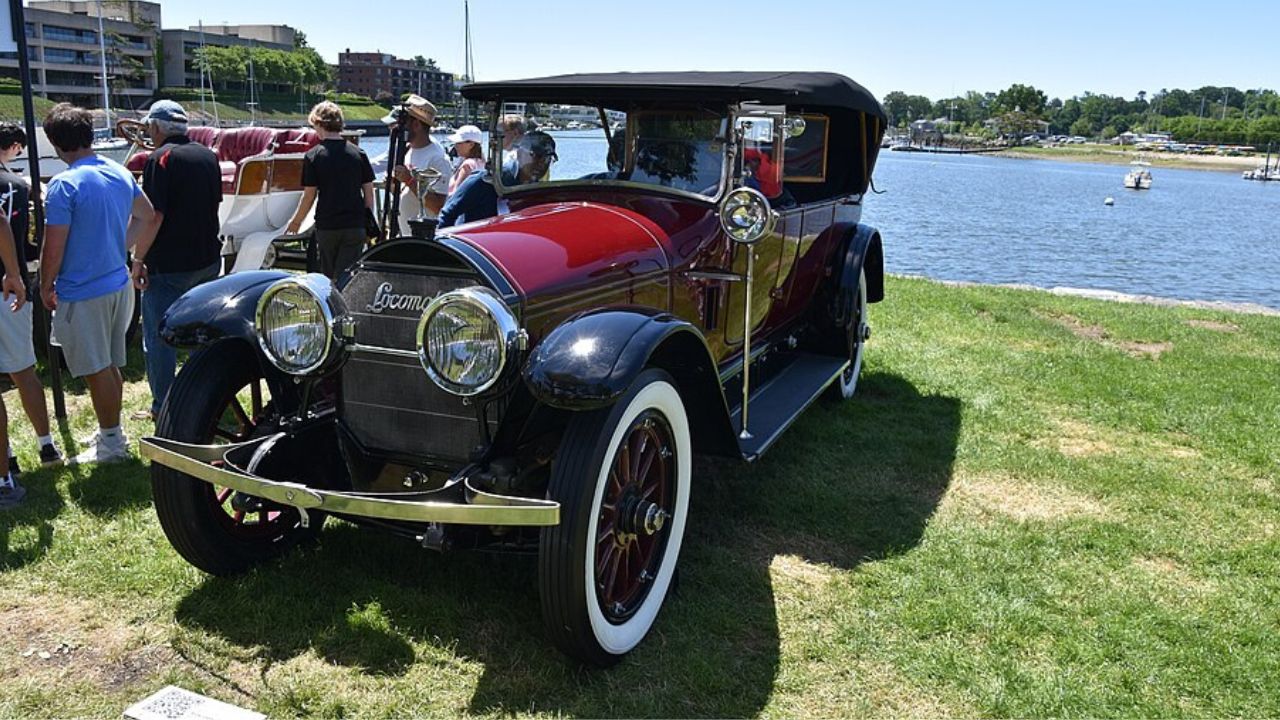
The Locomobile Model 48 blended luxury with advanced engineering, attracting buyers who wanted both prestige and dependable touring capability. Its smooth performance and elegant craftsmanship made it a favorite among affluent motorists who frequently participated in social drives and automobile club events. These gatherings celebrated both the machines and the shared passion for motoring, helping establish traditions that became defining features of early automotive culture.
Pierce Great Arrow
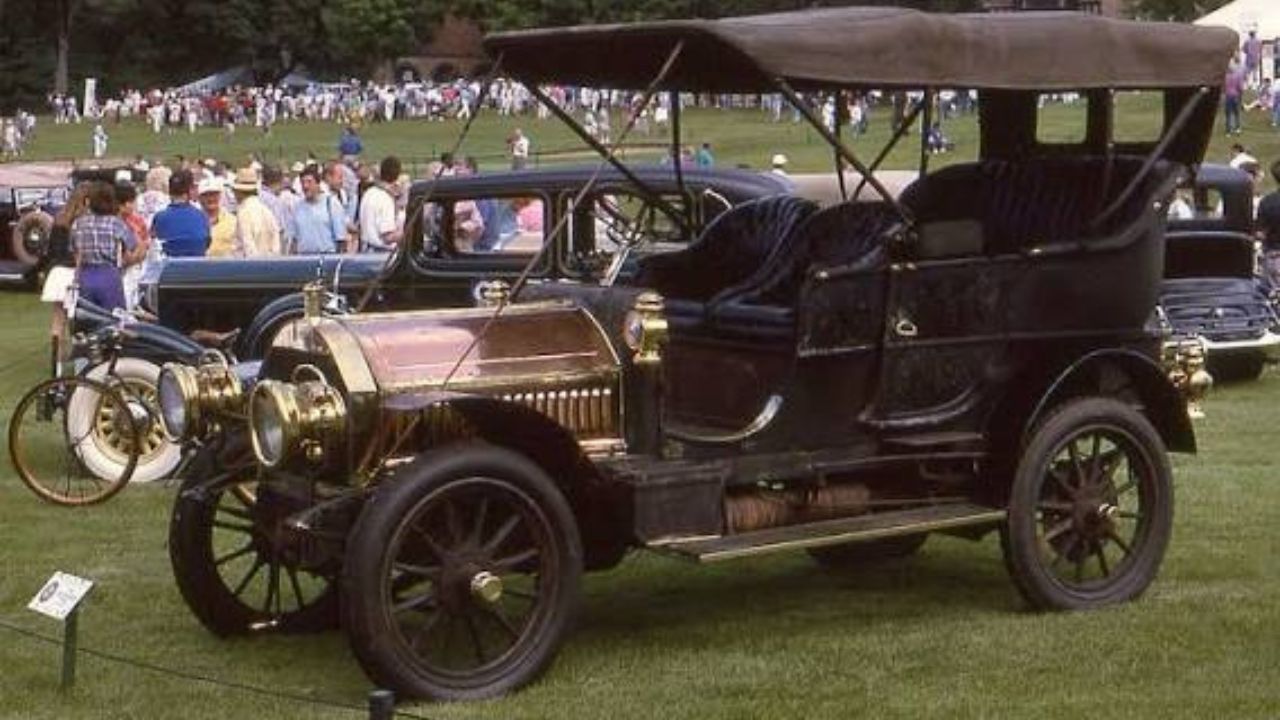
The Pierce Great Arrow earned recognition for outstanding endurance and luxury, particularly through its success in demanding reliability competitions. Wealthy owners used the car for ambitious touring adventures that demonstrated the expanding possibilities of automobile travel. Its achievements captured public attention and elevated motoring’s prestige, encouraging broader acceptance of cars as symbols of progress, exploration, and technological achievement during the Brass Era.
Mercer Type 35R Raceabout
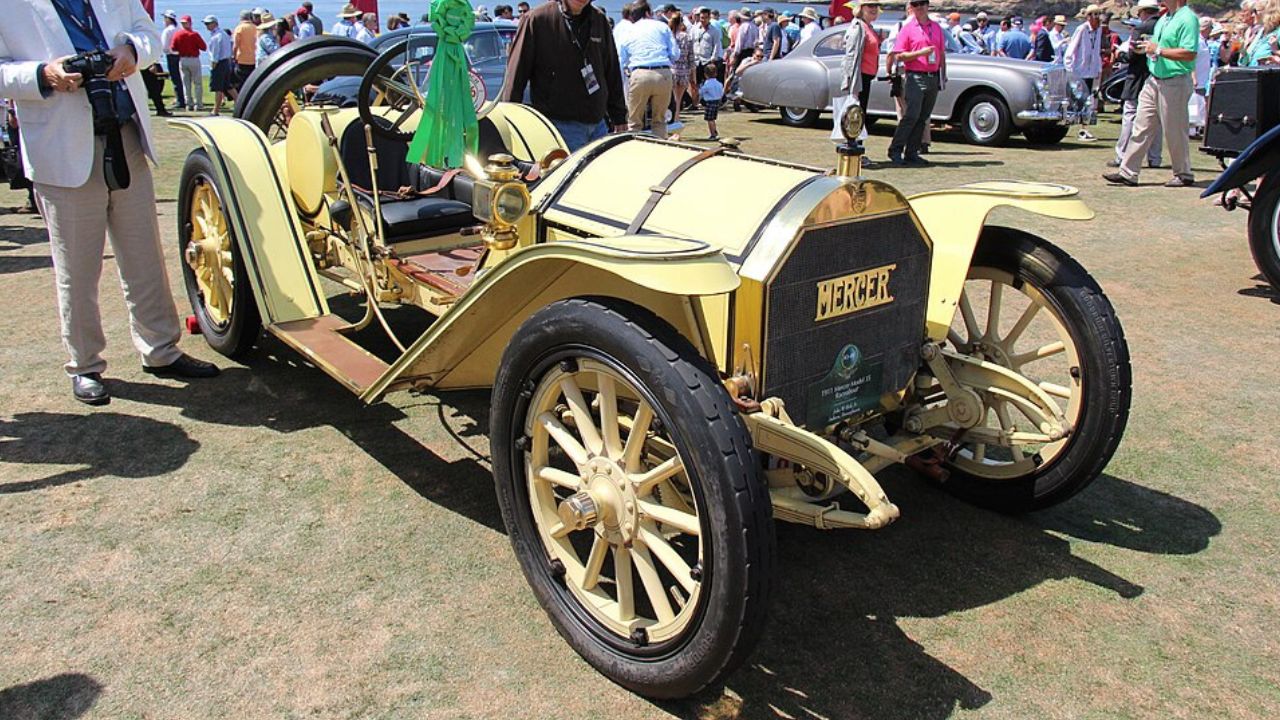
Few Brass Era cars captured the thrill of driving like the Mercer Type 35R Raceabout. Lightweight, powerful, and built with performance in mind, it became a favorite among enthusiastic drivers and racers. Its success on roads and competition courses helped create the image of the automobile as a source of excitement and personal expression. The Raceabout influenced generations of sports cars and helped establish performance driving as a core part of car culture.
More from Fast Lane Only
- Unboxing the WWII Jeep in a Crate
- 15 rare Chevys collectors are quietly buying
- 10 underrated V8s still worth hunting down
- Police notice this before you even roll window down
*Research for this article included AI assistance, with all final content reviewed by human editors