The late 1940s marked a major transition in automotive design. After World War II, manufacturers moved away from prewar styling and began introducing smoother bodies, new technologies, and more modern proportions. These eight automobiles helped define the new postwar era and influenced American motoring for years to come.
Tucker 48
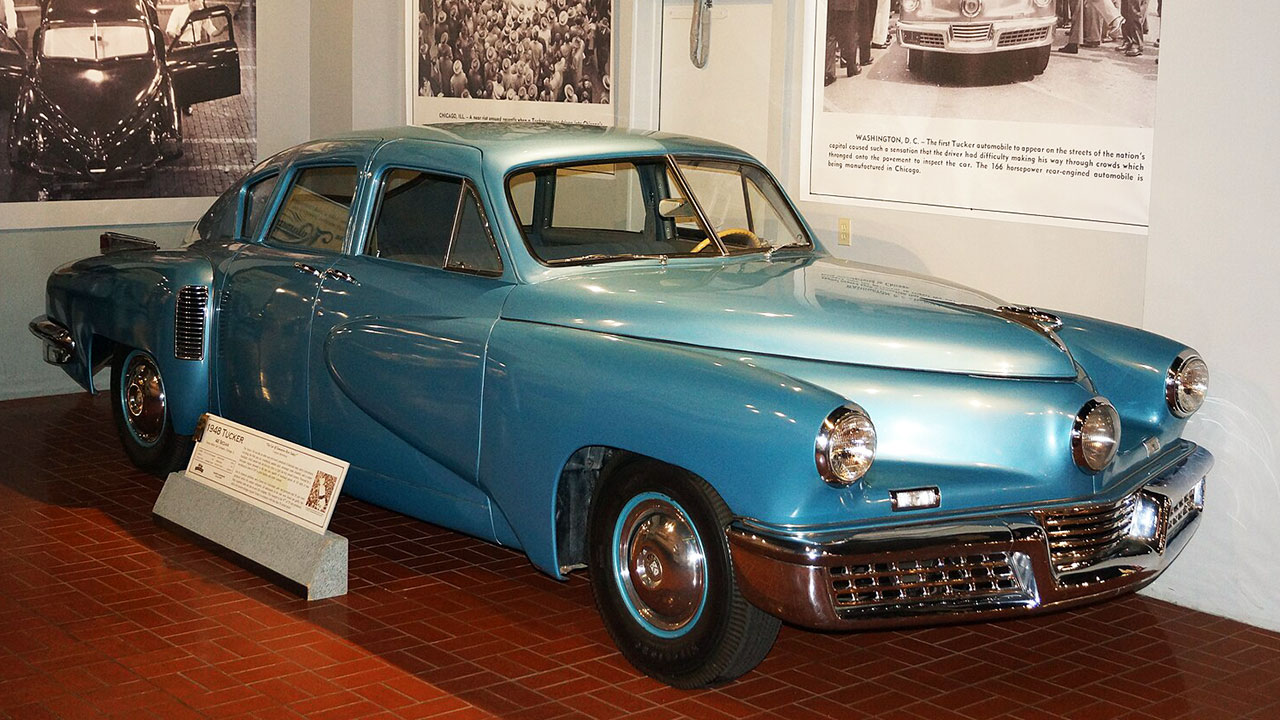
The Tucker 48 was one of the most ambitious American cars of the late 1940s. Its rear-mounted engine, independent suspension, safety-focused design, and distinctive central headlight made it radically different from conventional automobiles. Although production was extremely limited, the Tucker demonstrated that American car design could embrace innovative engineering and advanced safety concepts well ahead of the mainstream industry.
Chevrolet Fleetline
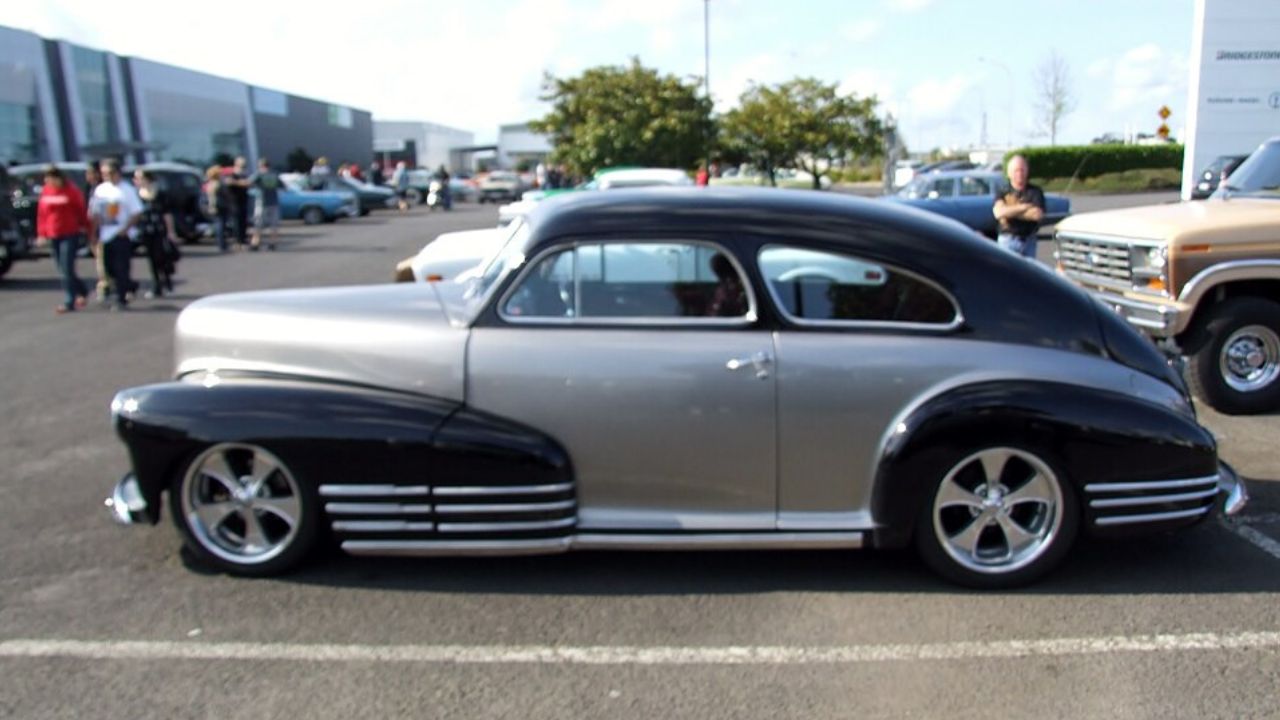
The Chevrolet Fleetline introduced a streamlined fastback appearance that represented a clear departure from traditional prewar shapes. Its rounded bodywork and flowing roofline gave it a modern presence, while Chevrolet’s familiar mechanical components kept it practical. The Fleetline became an important example of how American manufacturers were transitioning toward smoother, more aerodynamic styling after the war.
Buick Roadmaster
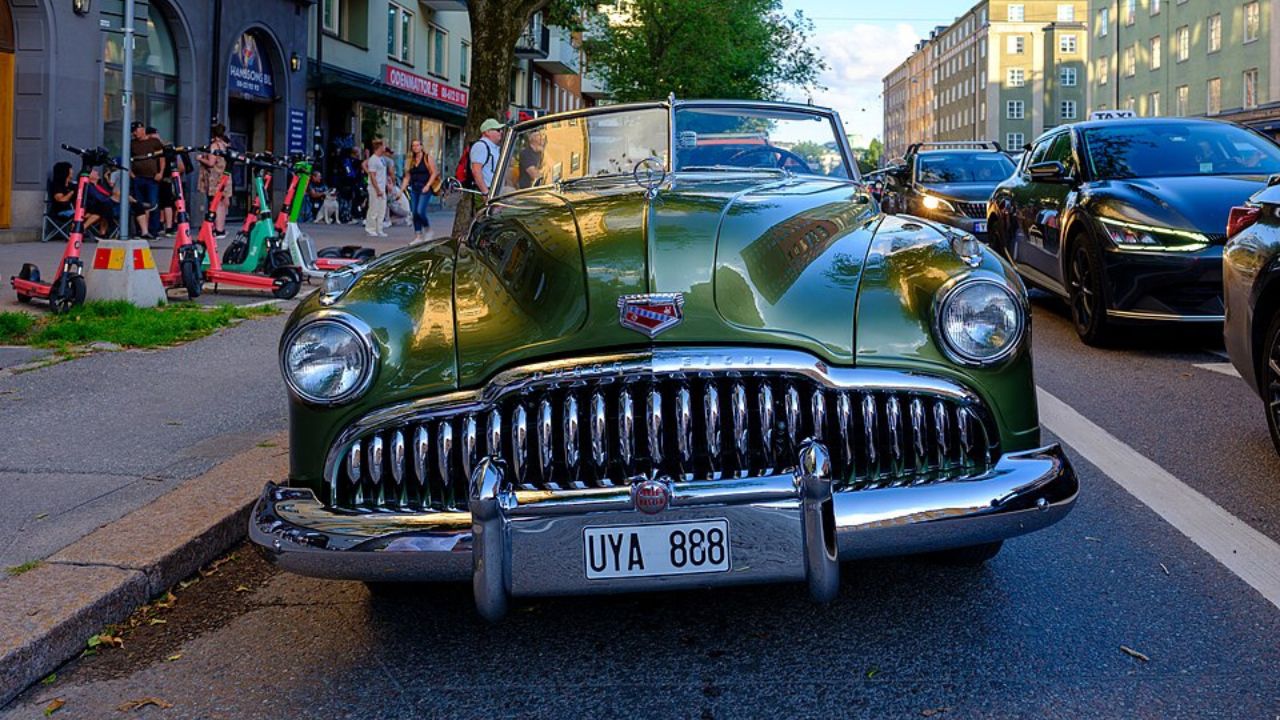
The Buick Roadmaster returned to civilian production with a combination of large-car comfort, strong performance, and increasingly modern styling. Its broad body and distinctive grille reflected Buick’s upscale image, while its powerful engine provided effortless highway performance. The Roadmaster helped demonstrate how quickly American automobiles were evolving as manufacturers responded to renewed consumer demand after years of wartime restrictions.
Cadillac Series 62
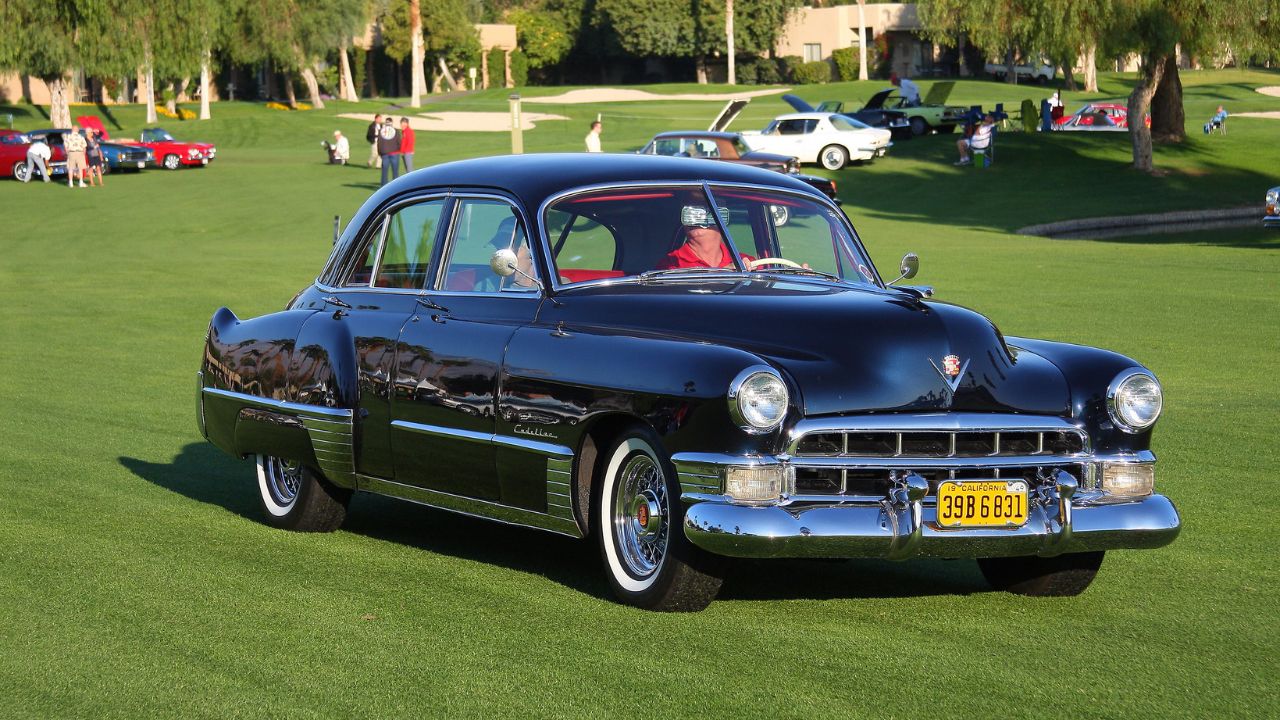
The Cadillac Series 62 represented the return of American luxury after World War II. Its flowing bodywork, powerful V8, and carefully finished interior gave it a modern appearance compared with many prewar automobiles. Cadillac quickly re-established itself as a symbol of postwar prosperity. The Series 62 helped establish the styling and engineering direction that would dominate American luxury cars during the 1950s.
Hudson Commodore
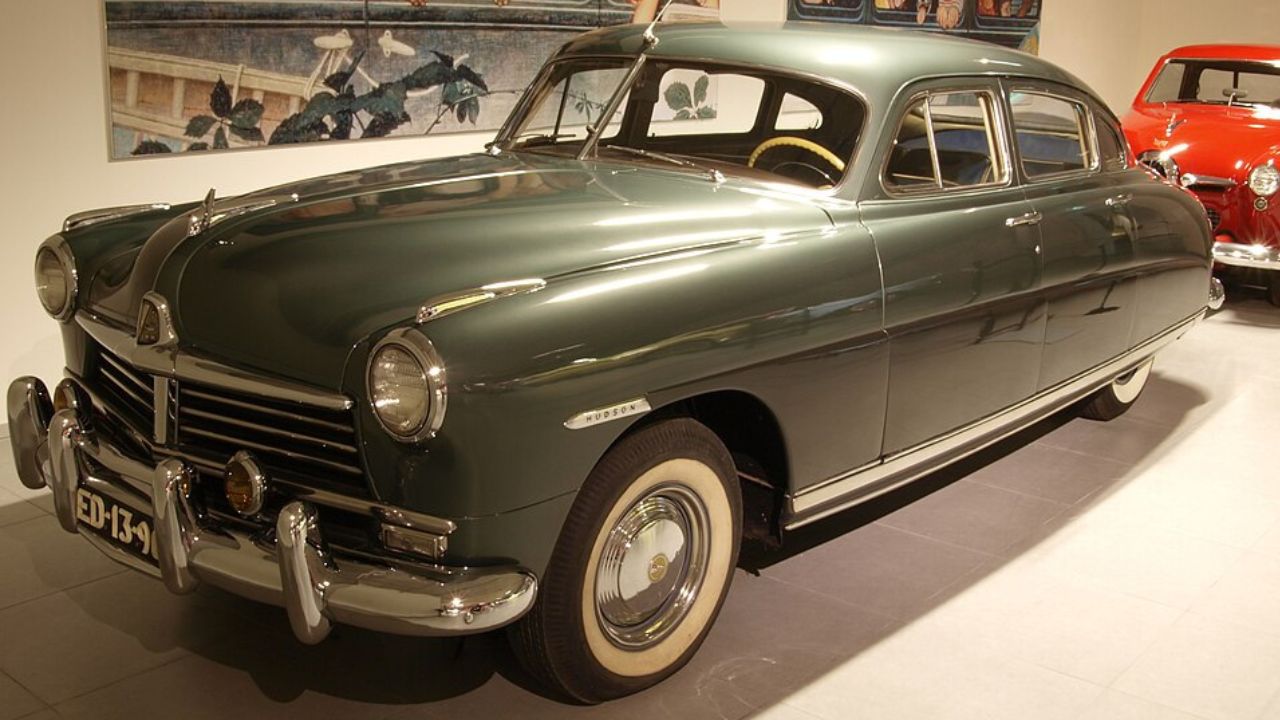
The Hudson Commodore stood out because of its streamlined appearance and relatively low body. Hudson’s design approach emphasized smooth shapes rather than the upright proportions common before the war. The Commodore also offered strong performance from its six- and eight-cylinder engines. Its styling previewed the more integrated body designs that would become increasingly common during the early 1950s.
Studebaker Starlight Coupe
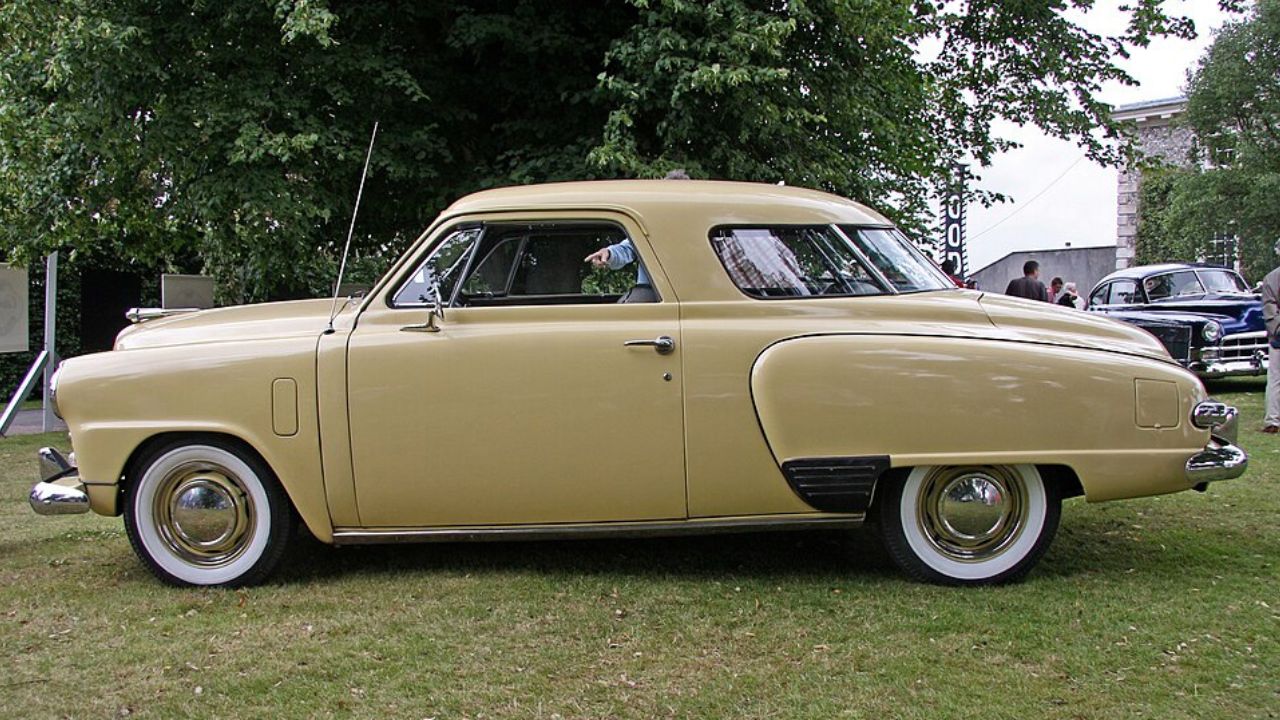
The Studebaker Starlight Coupe became one of the most recognizable postwar designs because of its unusual rear-window treatment and streamlined body. Its futuristic styling looked dramatically different from many conventional American cars. Studebaker’s willingness to experiment helped establish a distinctive identity for the company. The Starlight Coupe remains an important example of the creative design experimentation that followed World War II.
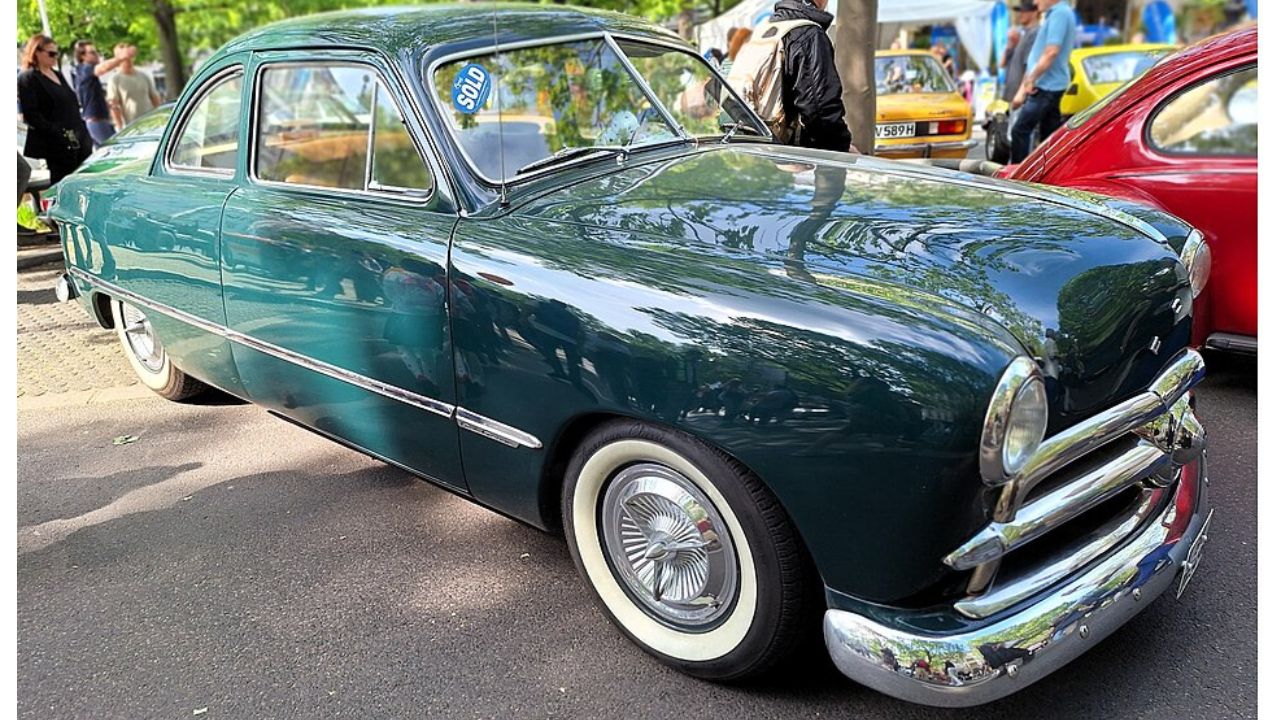
Ford Custom
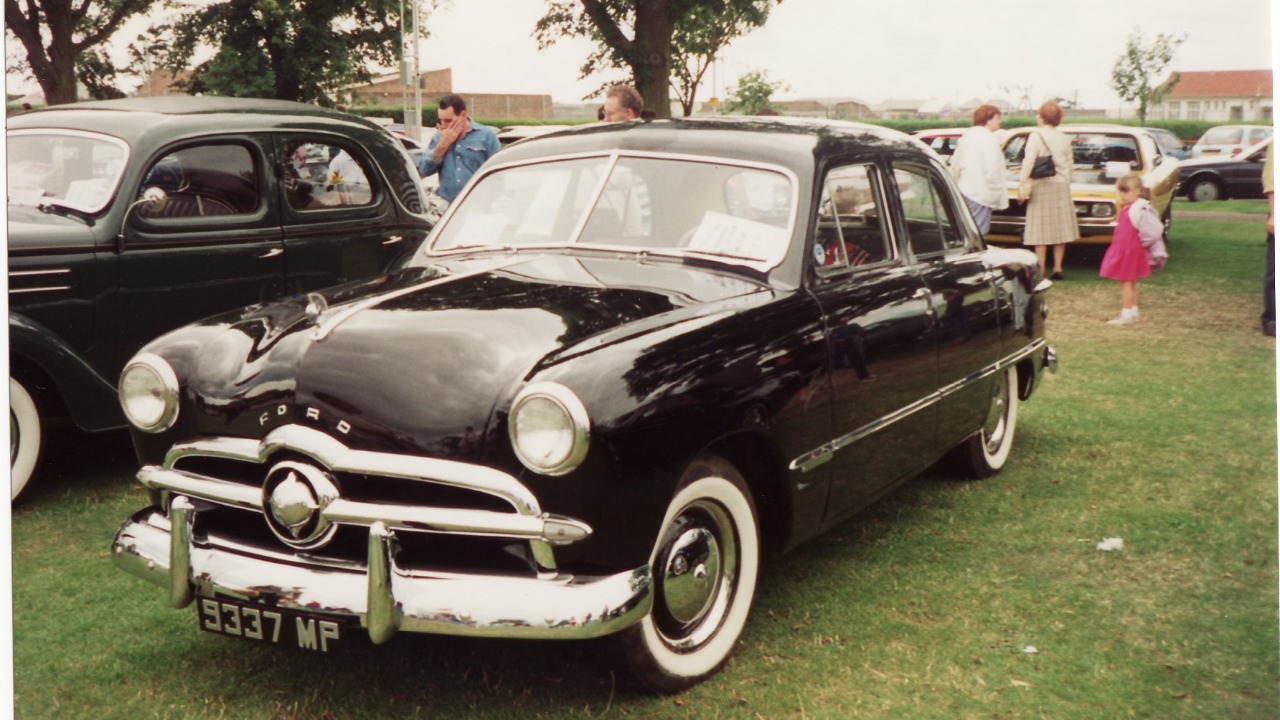
The Ford Custom represented Ford’s return to a modern civilian automobile market after wartime production. Its styling retained some traditional elements but introduced smoother body contours and more integrated proportions. Ford’s familiar flathead V8 provided dependable performance, while the spacious interior made it practical for American families. The model helped bridge the gap between prewar Ford designs and the company’s more modern postwar cars.
Chrysler Windsor
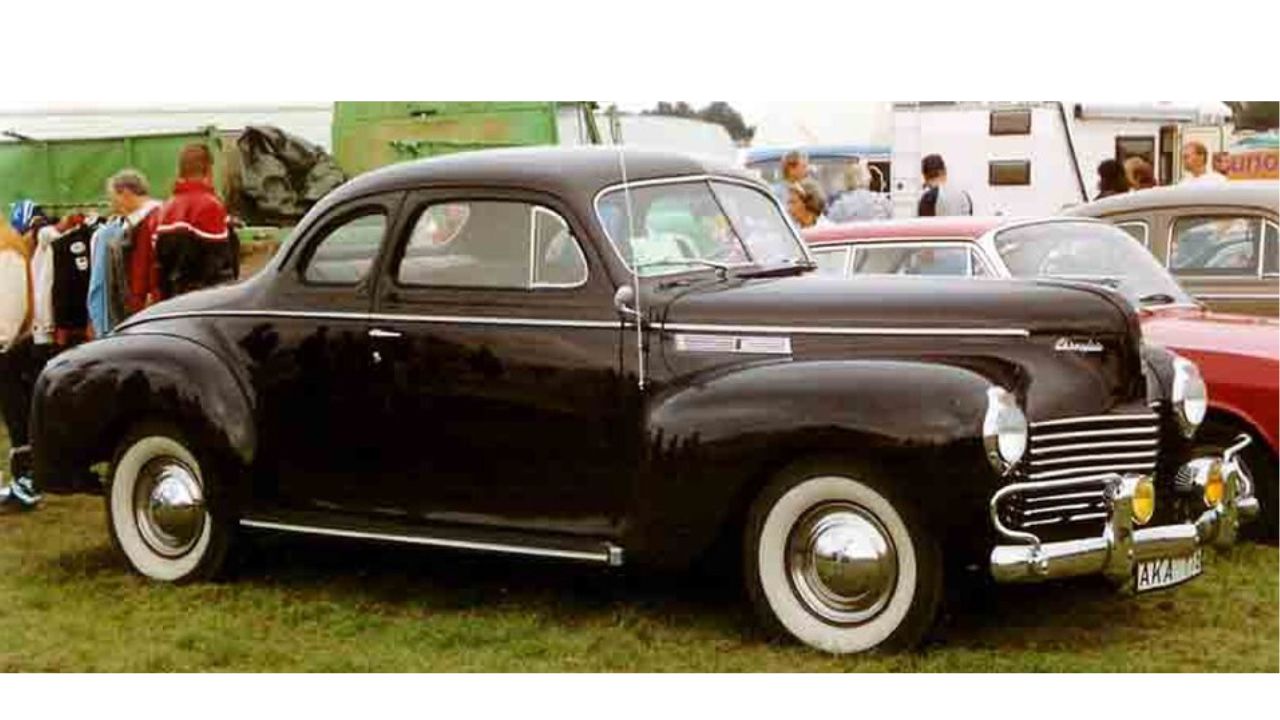
The Chrysler Windsor combined traditional American comfort with styling that was beginning to move toward the modern postwar era. Its broad body, smooth surfaces, and refined interior gave it a more contemporary appearance than many older designs. Chrysler also continued developing its engineering during this period. The Windsor helped establish the foundation for the larger and more dramatic automobiles that would define the 1950s.
More from Fast Lane Only
- Unboxing the WWII Jeep in a Crate
- 15 rare Chevys collectors are quietly buying
- 10 underrated V8s still worth hunting down
- Police notice this before you even roll window down
*Research for this article included AI assistance, with all final content reviewed by human editors