The 1970s brought major challenges to the performance-car world. Rising fuel prices, stricter emissions rules, and changing regulations forced manufacturers to rethink horsepower. Yet several cars continued offering exciting engines, sharp handling, and unmistakable character. These eight classics helped keep the spirit of performance alive during a difficult decade.
Pontiac Trans Am
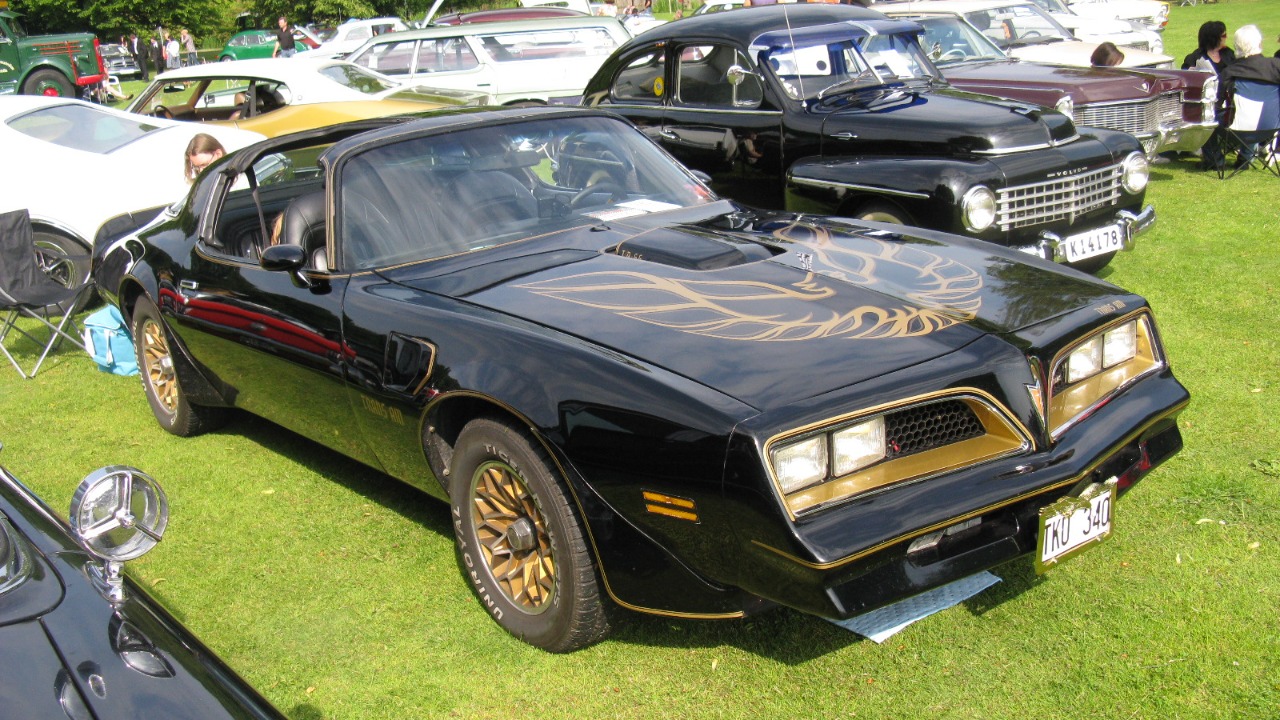
The Pontiac Trans Am remained one of America’s most recognizable performance cars throughout the 1970s. Even as engine power declined, Pontiac continued offering V8 engines, aggressive styling, and sport-focused suspension. Its distinctive hood graphics and shaker scoop gave it a strong visual identity. The Trans Am helped keep the muscle-car spirit alive when many competitors were becoming increasingly conservative.
Chevrolet Corvette

The Chevrolet Corvette survived the difficult transition into the 1970s while maintaining its two-seat sports-car identity. Although emissions regulations reduced engine output, the Corvette continued offering V8 power and rear-wheel drive. Its fiberglass body and unmistakable styling kept it relevant as an American performance icon. The Corvette proved that serious sports cars could survive even during challenging automotive conditions.
Ford Mustang II Cobra II
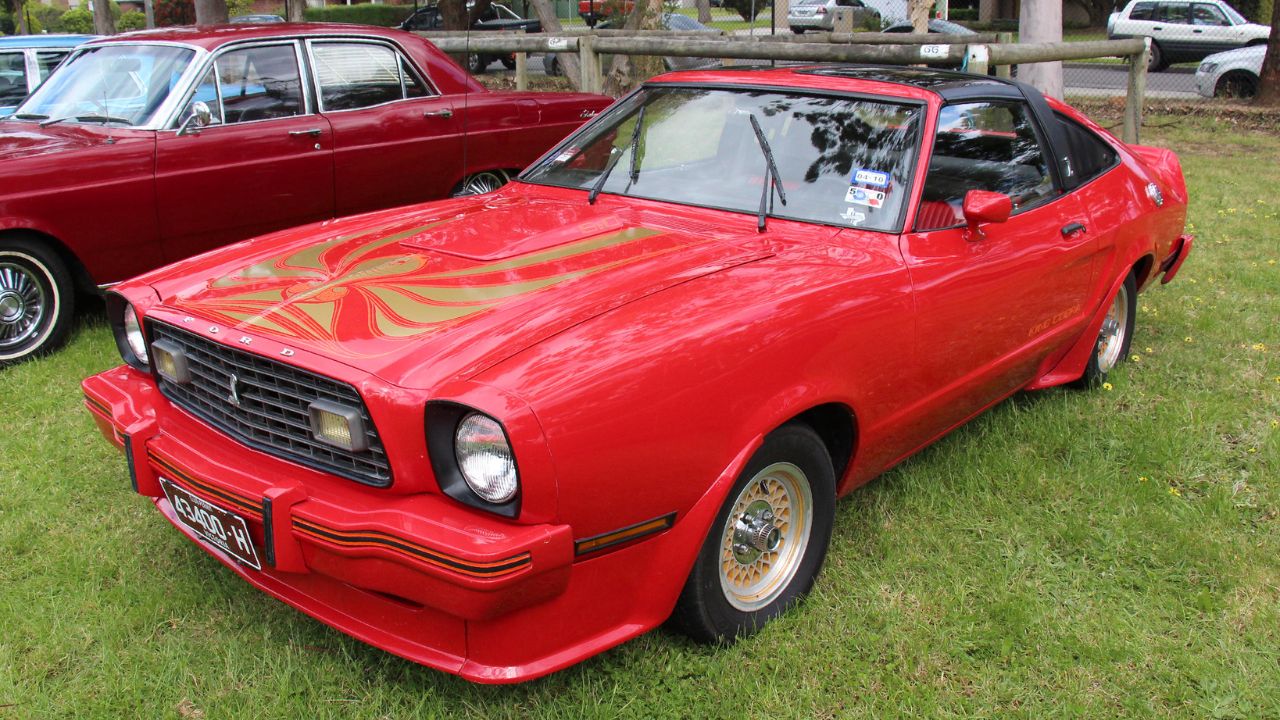
The Ford Mustang II Cobra II took a very different approach from the large muscle cars of the early 1970s. Its smaller body reflected changing fuel-economy demands, while the Cobra II package added sporty styling and performance-oriented details. Although it was not as powerful as earlier Mustangs, it helped keep the Mustang name connected to performance during a difficult period for American cars.
Chevrolet Camaro Z28
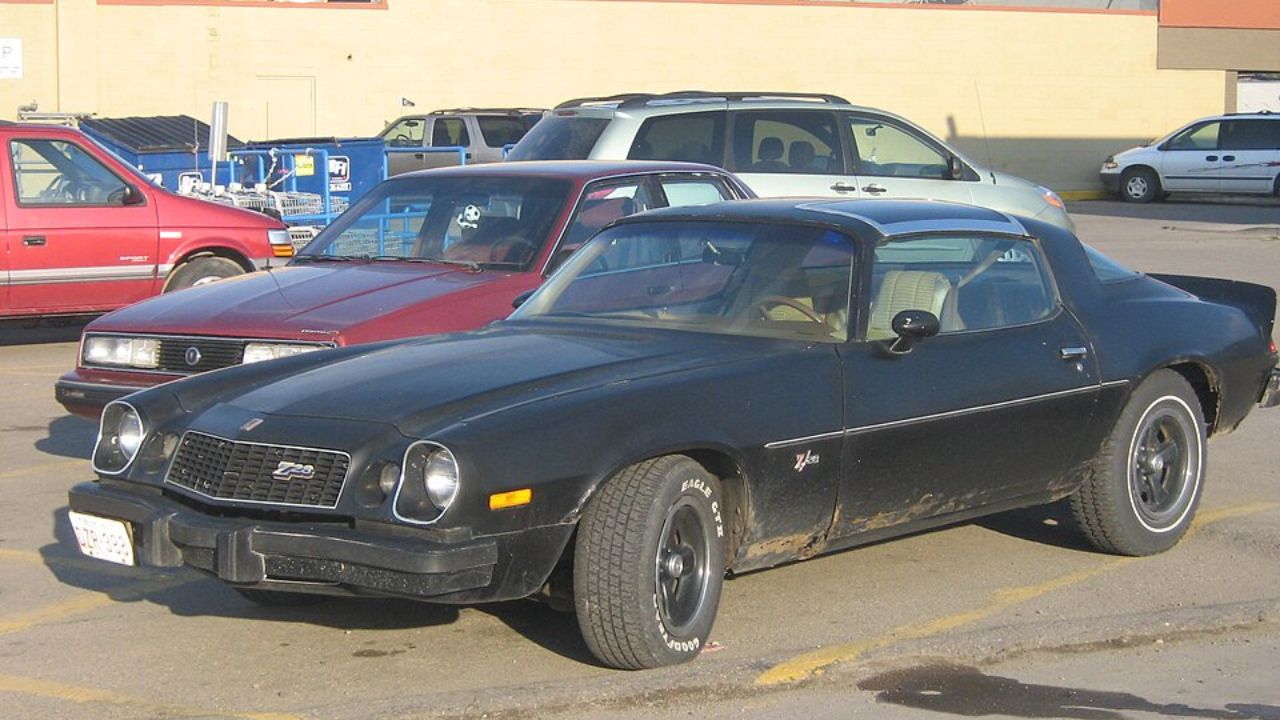
The Chevrolet Camaro Z28 continued offering a sporty alternative during an era when many performance models disappeared. Its V8 engine, rear-wheel-drive chassis, and aggressive appearance preserved the Camaro’s performance identity. Chevrolet’s decision to keep the Z28 available helped maintain interest in the pony-car segment. It became one of the few familiar performance names to survive the decade.
Dodge Challenger
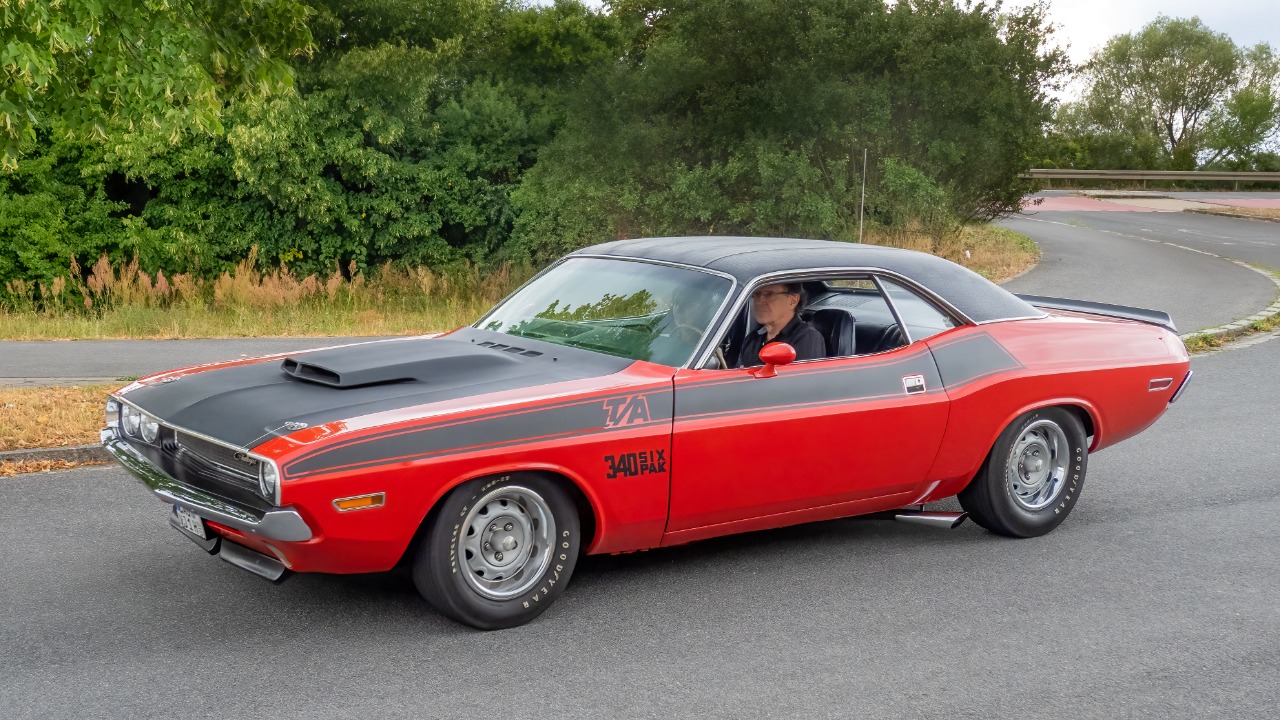
The Dodge Challenger entered the 1970s with powerful V8 options and dramatic styling that perfectly captured the muscle-car era. Although changing regulations and market conditions eventually limited its original run, early-1970s Challengers remained among the decade’s most exciting American cars. Their combination of big engines, bold designs, and strong acceleration helped preserve traditional muscle-car character.
BMW 2002
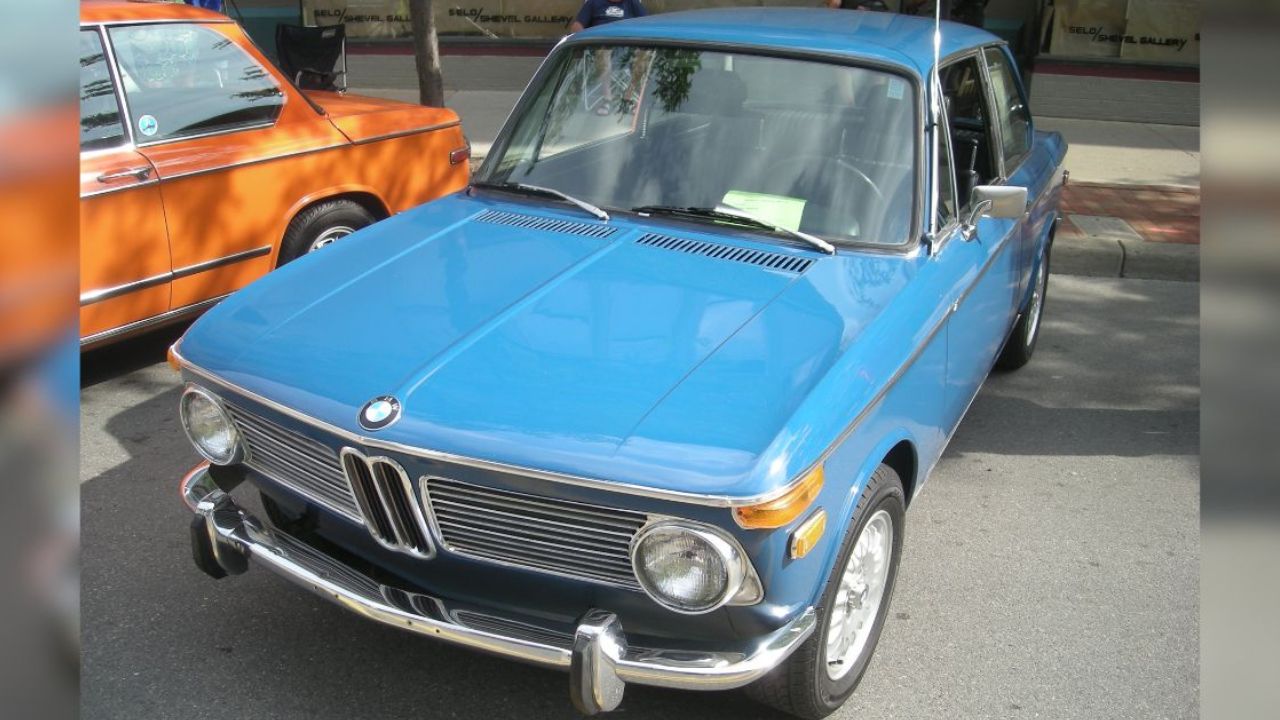
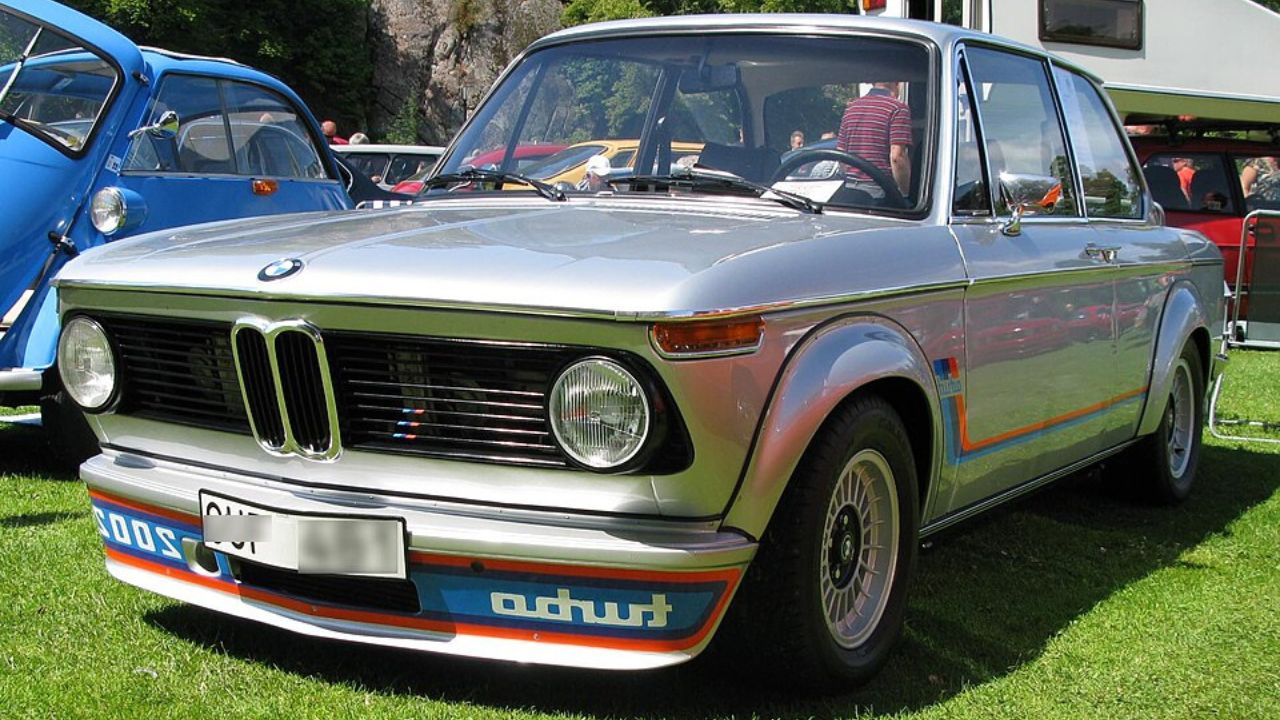
The BMW 2002 offered a different interpretation of performance during the 1970s. Its compact dimensions, lightweight construction, rear-wheel drive, and responsive handling made it enjoyable without requiring a huge engine. The 2002 demonstrated that performance could come from balance rather than sheer horsepower. Its influence helped establish the foundation for BMW’s later reputation for sporty compact cars.
Datsun 240Z
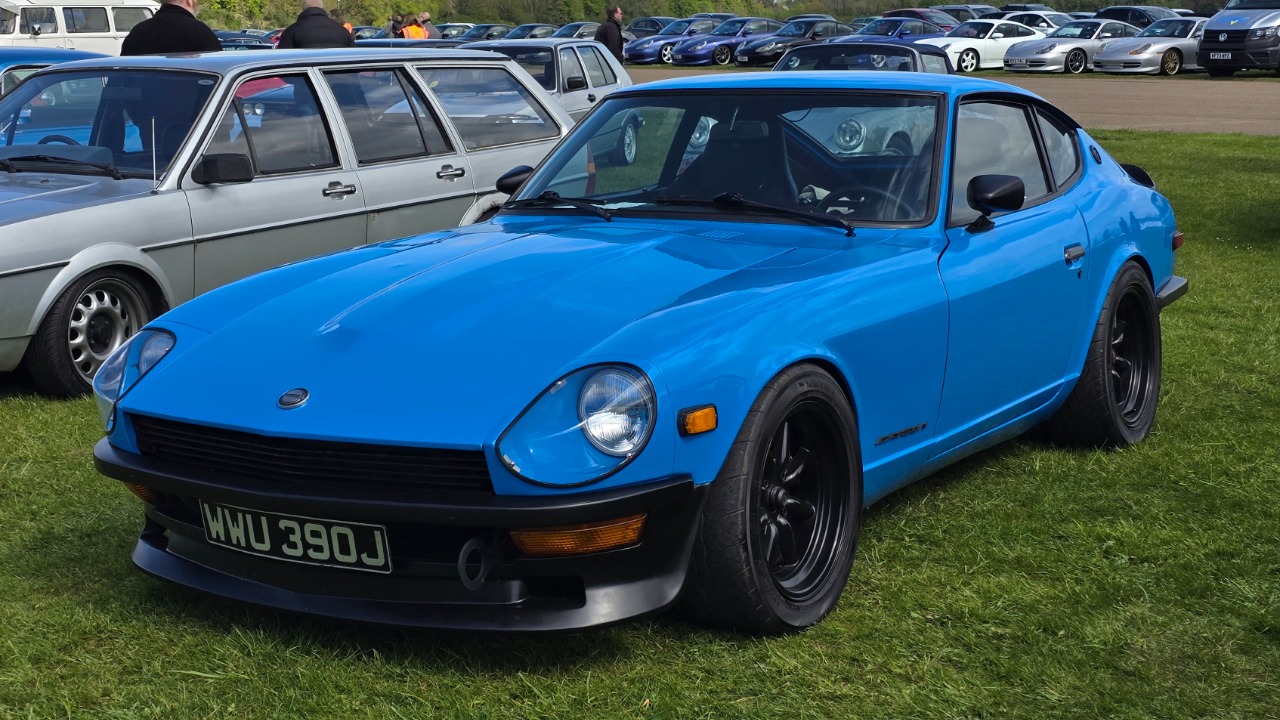
The Datsun 240Z became one of the most important affordable sports cars of the 1970s. Its lightweight body, inline-six engine, rear-wheel drive, and attractive styling gave buyers genuine performance without the price of many European alternatives. The 240Z showed that exciting driving could survive the changing automotive market and helped establish Japanese manufacturers as serious performance competitors.
Porsche 911

The Porsche 911 remained committed to performance throughout the 1970s despite major changes in the automotive industry. Its rear-mounted flat-six engine, distinctive shape, and excellent handling gave it a unique character. Turbocharged versions pushed performance even further. The 911 demonstrated that a carefully engineered sports car could continue evolving without abandoning its core identity.
More from Fast Lane Only
- Unboxing the WWII Jeep in a Crate
- 15 rare Chevys collectors are quietly buying
- 10 underrated V8s still worth hunting down
- Police notice this before you even roll window down
*Research for this article included AI assistance, with all final content reviewed by human editors