It’s no secret that not all cars hold their value equally, with some vehicles depreciating faster than others. From electric vehicles to luxury sedans, I’ve compiled a list of cars that have experienced significant drops in value, often leaving owners scratching their heads.
Chevrolet Volt
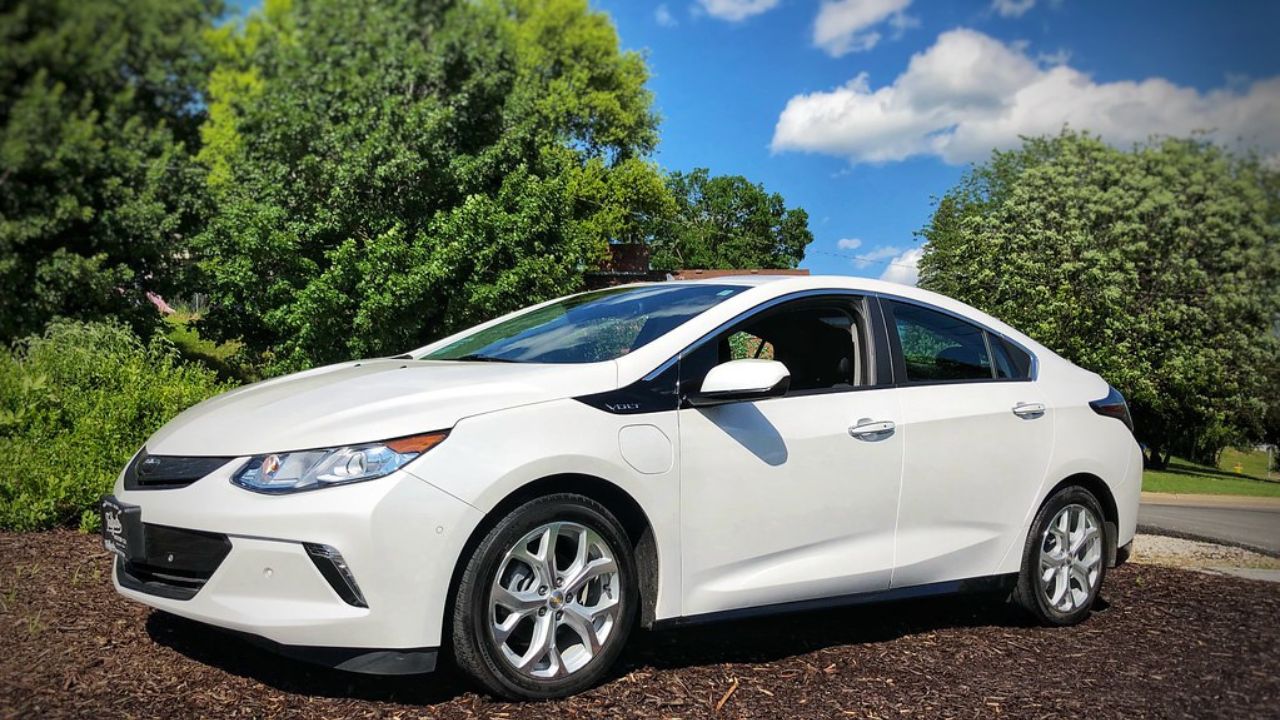
The Chevrolet Volt was once heralded as a game-changer in the hybrid market. Despite its innovative technology, the Volt has faced significant depreciation. Owners of the 2017 model reported that their cars lost about 50% of their value over just three years. While its electric range is impressive, consumer demand for hybrid cars has been inconsistent, contributing to its rapid depreciation.
Although the Volt was praised for its efficiency, the market’s shift towards full electric vehicles has overshadowed hybrids. Hybrid cars like the Volt often face steep depreciation as more advanced alternatives become available.
Fiat 500
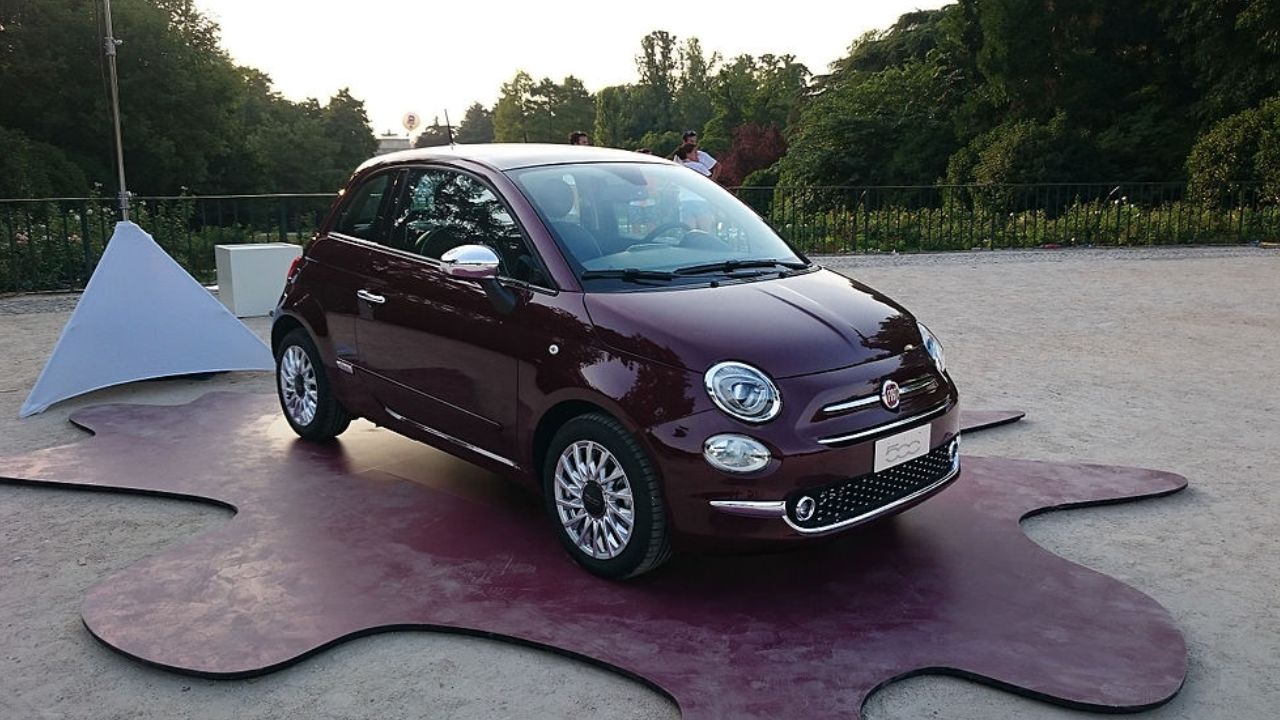
The Fiat 500 is a compact car that captured attention with its stylish design and Italian flair. However, its charm hasn’t translated into strong resale value. Many owners of the 2015 model have seen their cars lose almost 60% of their value within five years. The limited appeal of the Fiat 500 in the U.S., combined with its niche market, has contributed to this depreciation.
This small car struggled to compete with more versatile models, and its discontinuation in North America only further impacted its value. As a result, potential buyers have become wary of investing in a vehicle that lacks widespread support.
Nissan Leaf
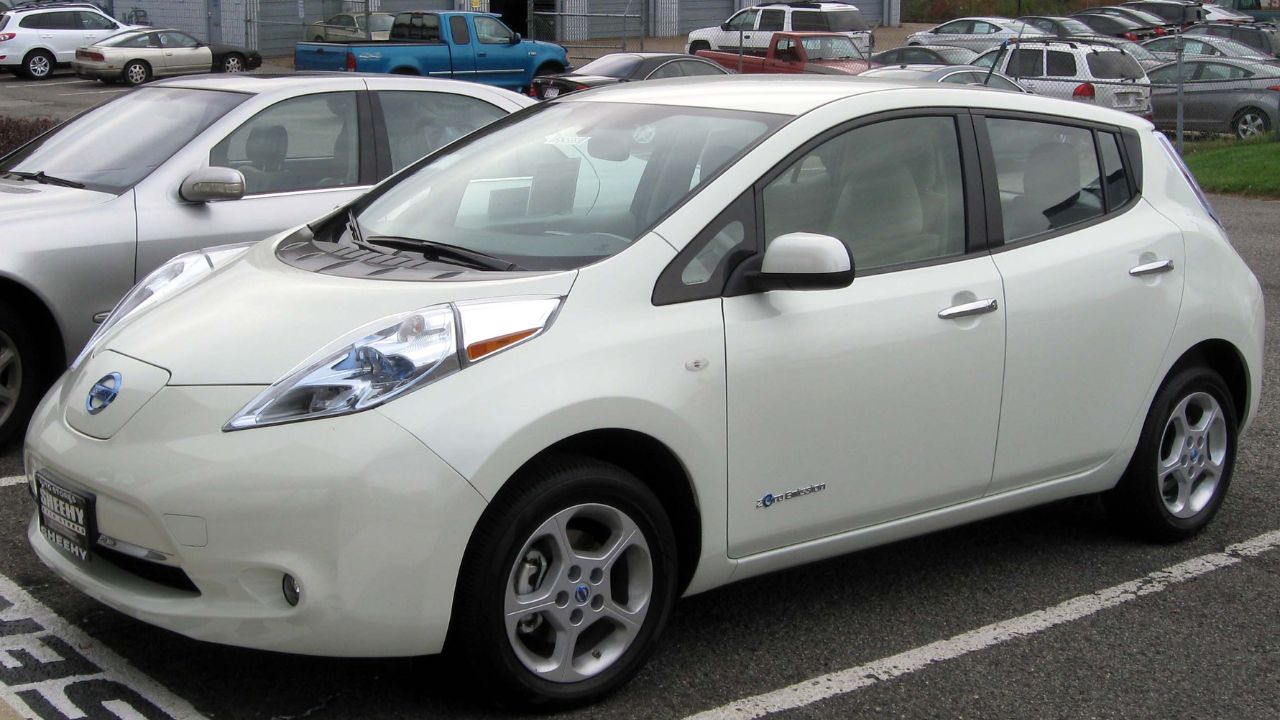
The Nissan Leaf was among the first mass-market electric cars, offering a glimpse into the future of sustainable driving. However, early models, particularly the 2011 Leaf, have experienced steep depreciation. The rapid advancement in electric vehicle technology has left older models behind, causing them to lose value faster than expected.
Battery degradation and limited range in earlier models have also been significant factors in the Leaf’s depreciation. Many consumers are opting for newer electric vehicles with longer ranges and advanced features, leaving the Leaf struggling to maintain its value.
Jaguar XF
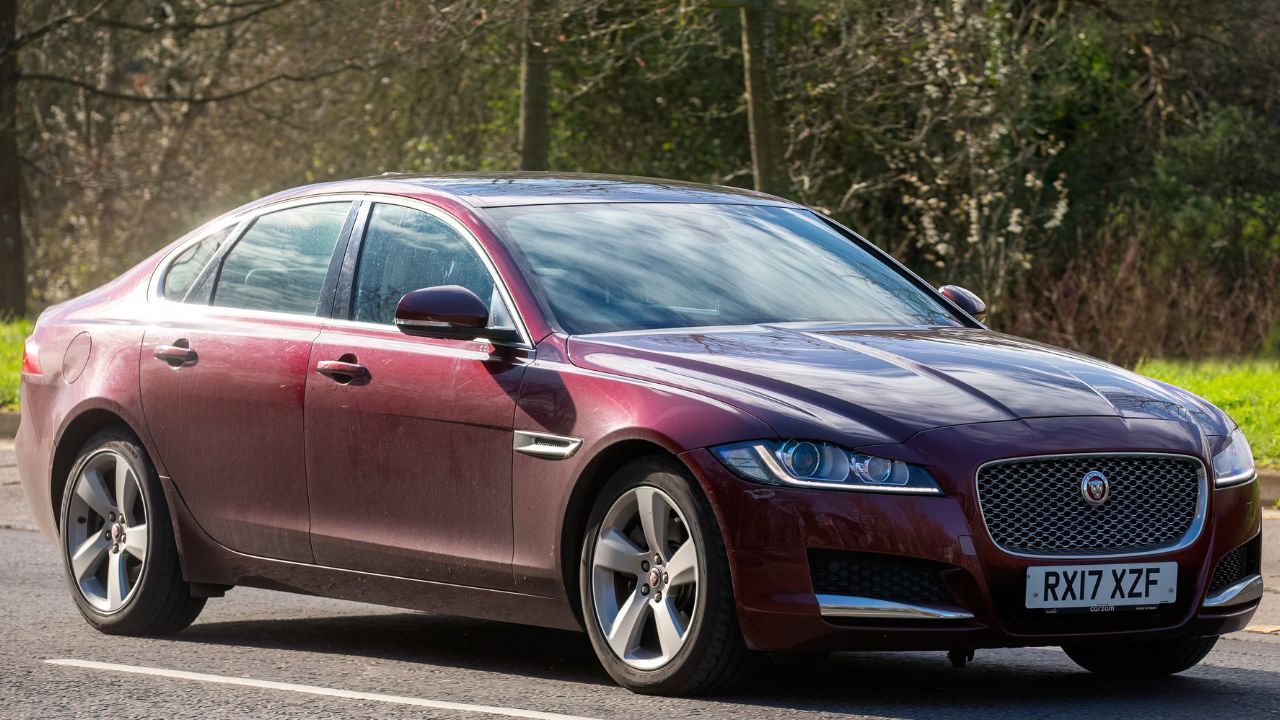
The Jaguar XF is a luxury sedan that boasts a combination of performance and style. Despite its appeal, the XF depreciates quickly, with the 2017 model losing over 50% of its value within three years. Luxury cars, such as the Jaguar XF, often face high depreciation rates due to their initial high price and maintenance costs.
While the Jaguar brand carries prestige, the XF has struggled to keep up with competitors in terms of technology and features. This lack of innovation has led to a loss of interest, contributing to its depreciation.
BMW 7 Series
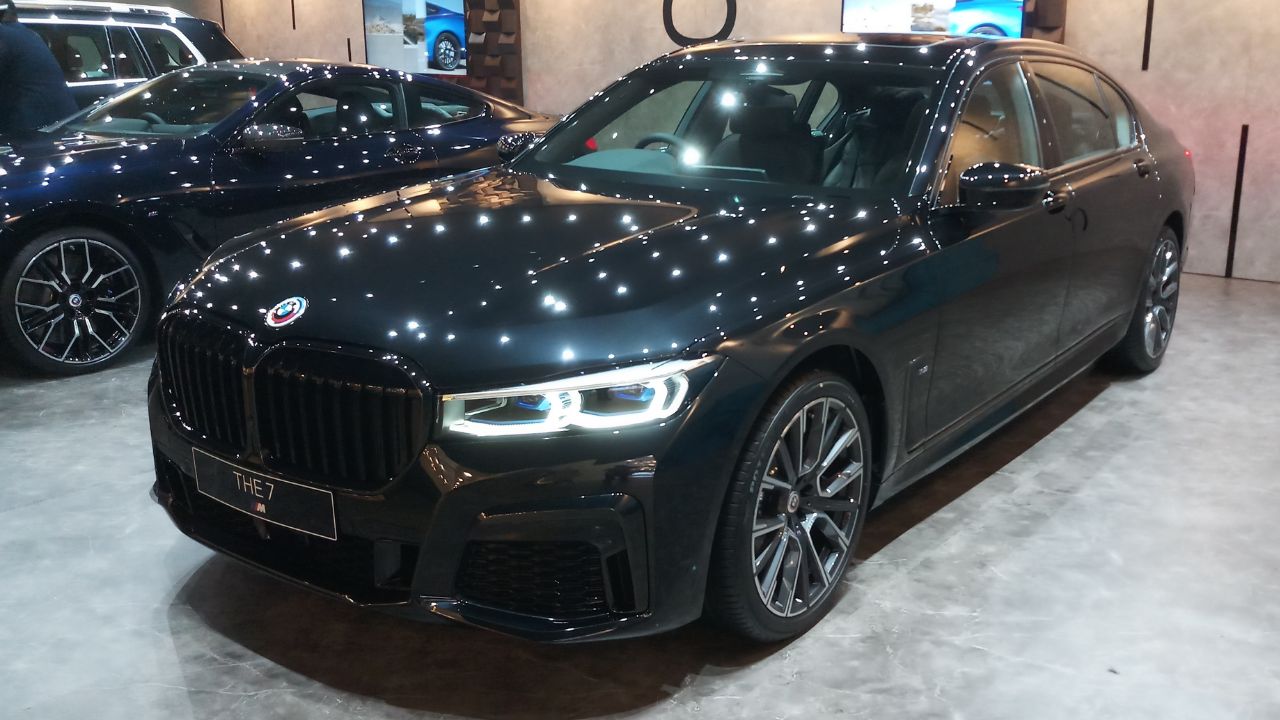
The BMW 7 Series is a flagship luxury sedan renowned for its performance and comfort. However, it has not been immune to depreciation, with some models losing nearly 60% of their value over five years. Like many luxury vehicles, the 7 Series incurs high maintenance costs, which can deter potential buyers and affect resale value.
The rapid pace of technological advancements in newer models has also contributed to the 7 Series’ depreciation. As newer features are introduced, older models struggle to compete, leading to a drop in their market value.
Cadillac CTS
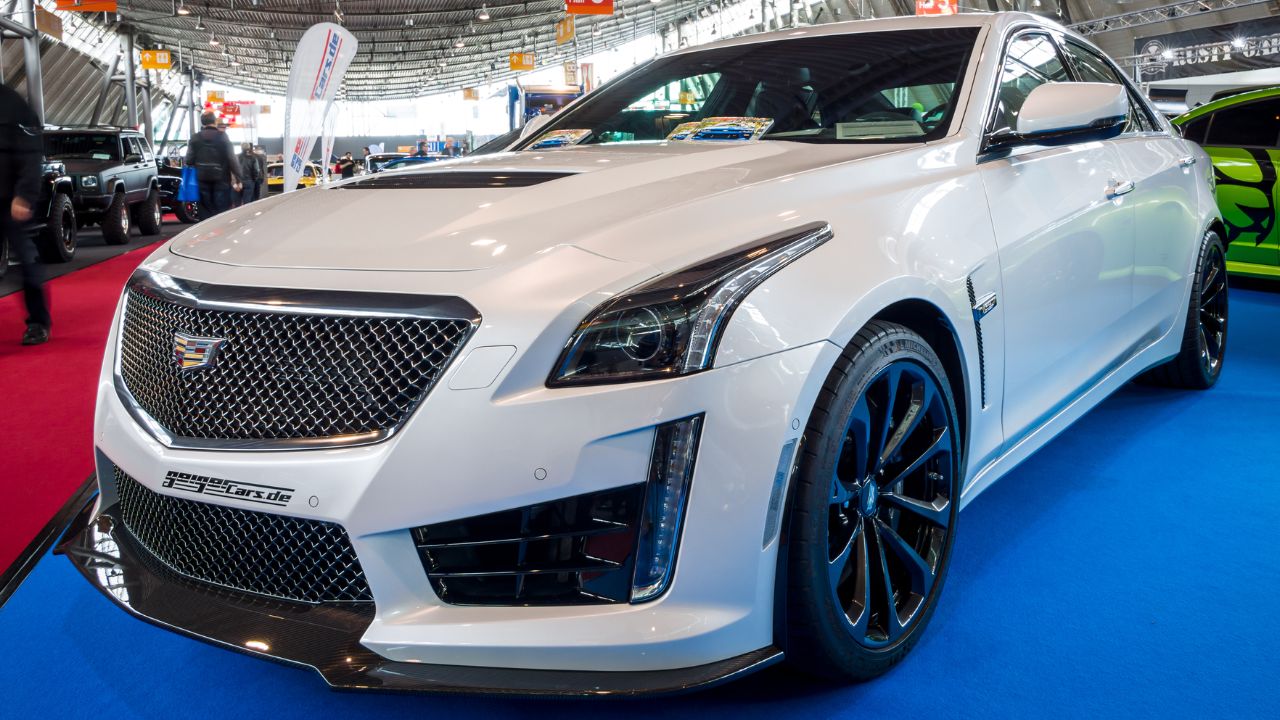
The Cadillac CTS has long been a symbol of American luxury, but it hasn’t been able to maintain its value as effectively as some of its competitors. Owners of the 2016 CTS have seen their cars depreciate significantly, losing nearly 55% of their value in just a few years. Changes in consumer preferences and the rise of crossovers have impacted the sedan market, which includes the CTS.
The Cadillac CTS struggles against its European rivals, which often offer more advanced technology and performance. As a result, the CTS has faced a steep depreciation curve, making it a less attractive option for potential buyers.
Ford Fusion Energi
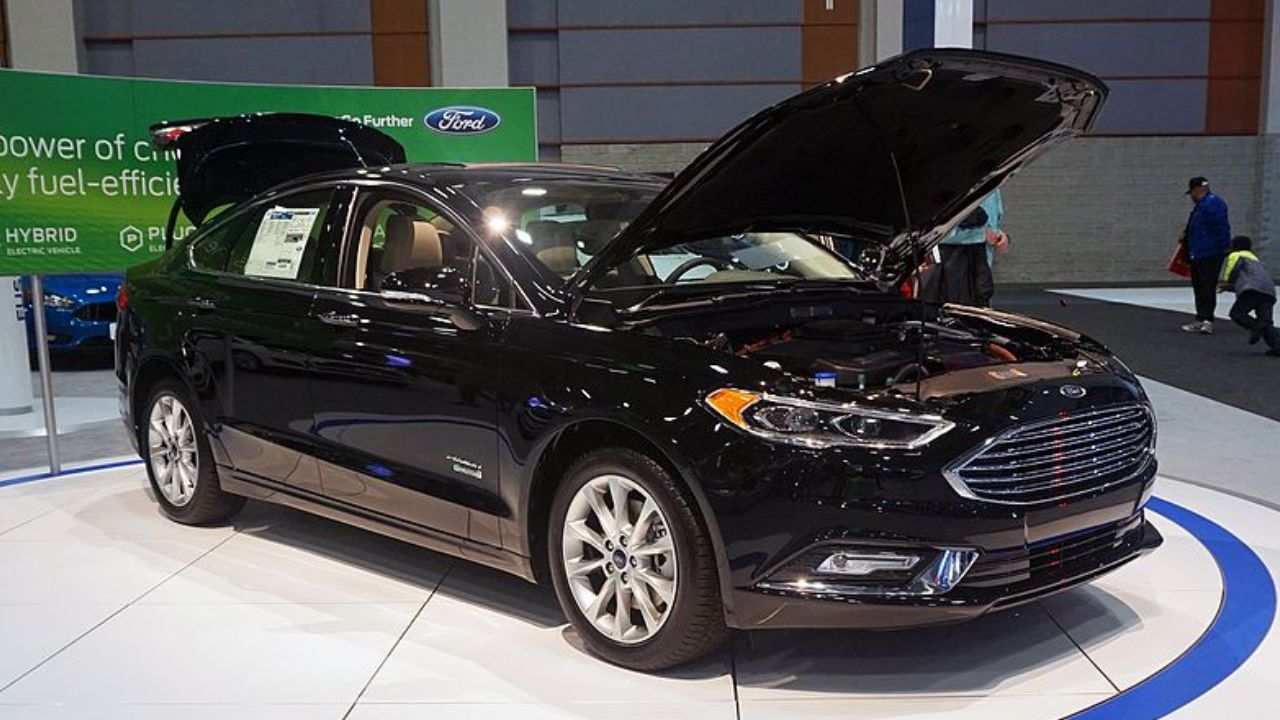
The Ford Fusion Energi is a plug-in hybrid that aimed to bridge the gap between gasoline and electric vehicles. However, its depreciation has been surprisingly swift. The 2017 model, for example, has lost over 50% of its value in a short span. The limited electric range and the availability of more efficient hybrids have impacted its resale value.
As consumers become more conscious of long-term efficiency and technology, the Fusion Energi’s appeal has waned.
Hyundai Genesis
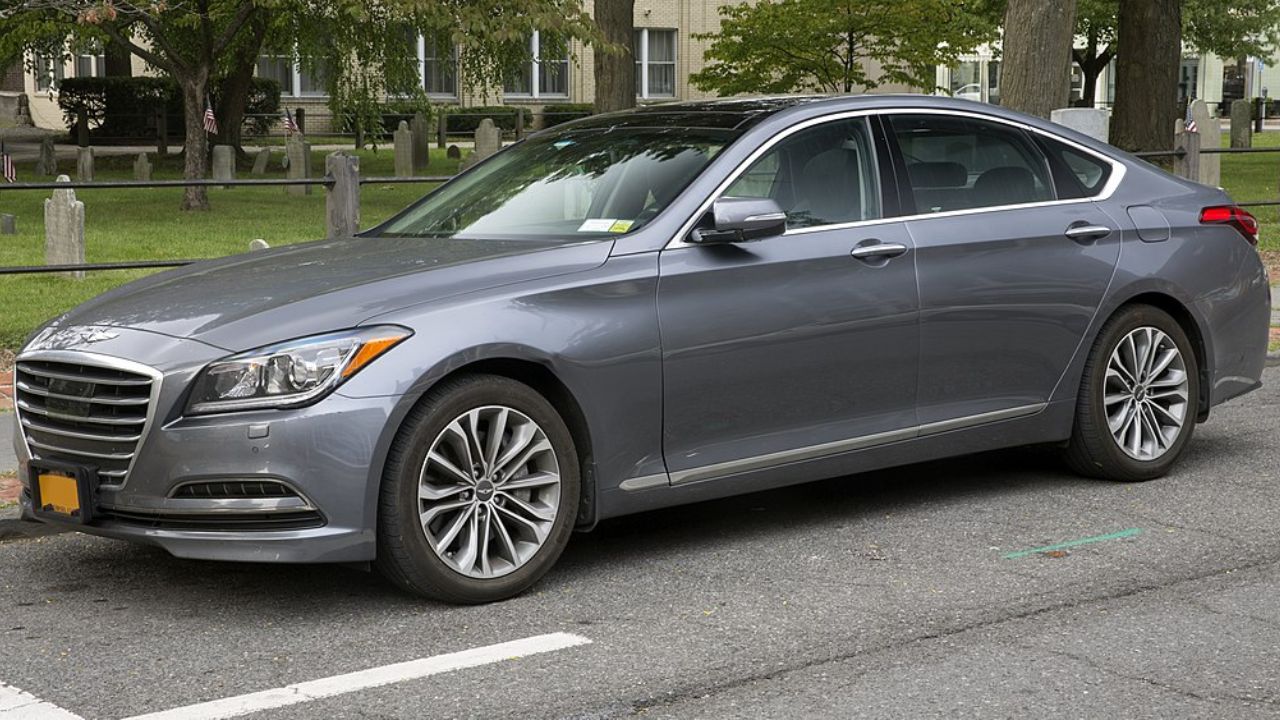
The Hyundai Genesis, known for its luxury features at a competitive price, has not been able to escape rapid depreciation. Despite its high-quality build and performance, the 2015 Genesis has seen its value drop by over 50% within a few years. The rebranding of the Genesis line into a separate luxury brand has also played a role in its depreciation.
The competition from established luxury brands and the evolving market has contributed to the Genesis’ struggle to retain its value.