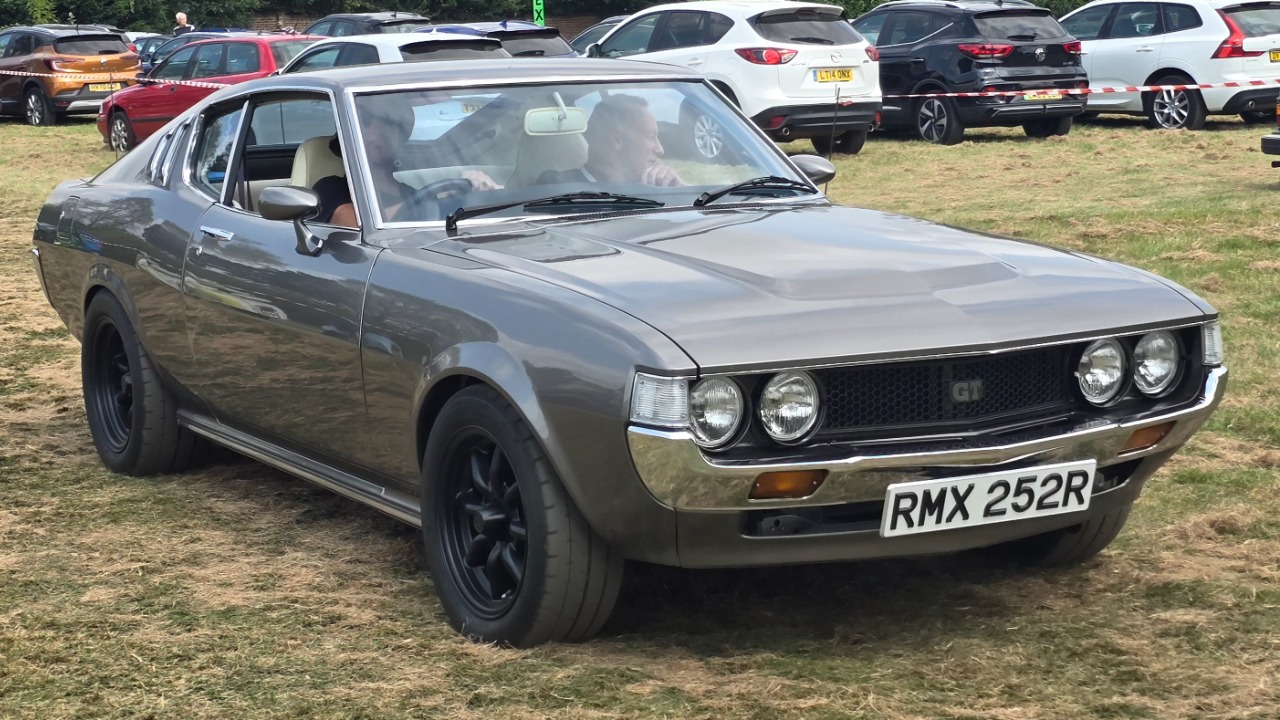
The 1970s forced automakers to rethink what a successful car needed to be. Fuel shortages, emissions rules, safety concerns, and changing consumer tastes pushed manufacturers toward smaller dimensions, better efficiency, front-wheel drive, and new forms of engineering. Some cars became famous, while others quietly introduced ideas that would influence the industry for decades.
Honda Civic
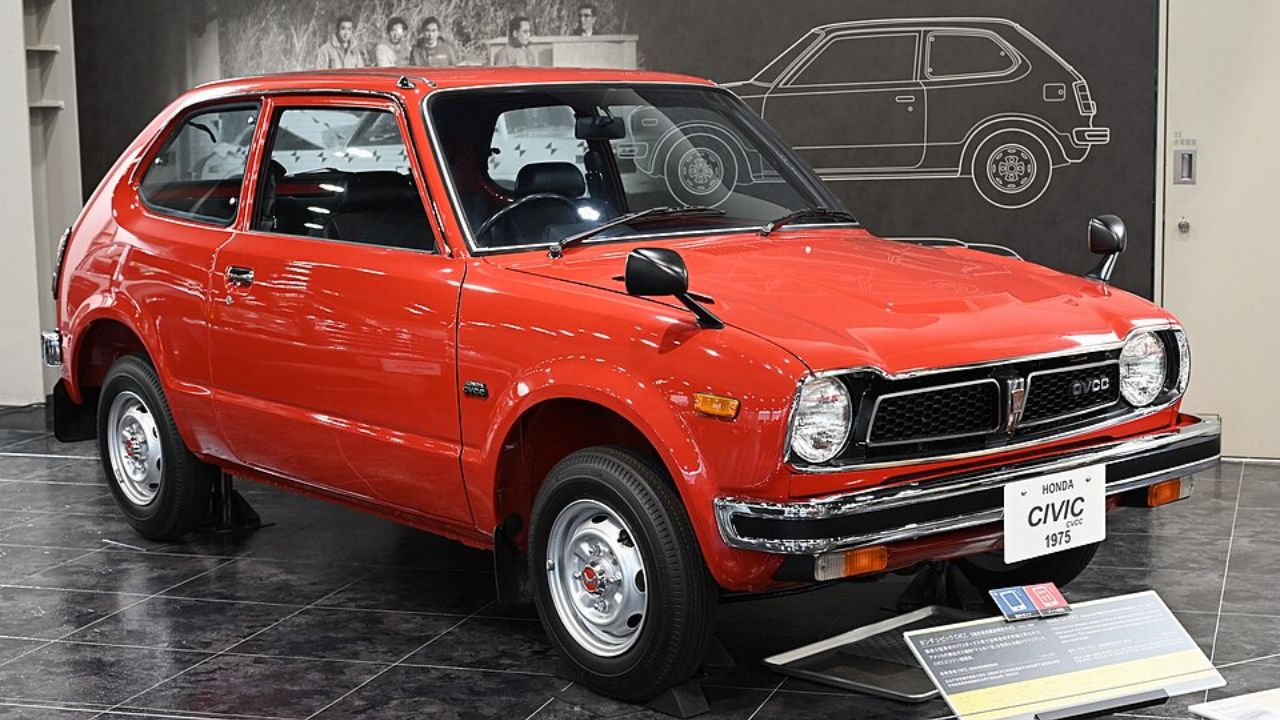
The Honda Civic arrived at exactly the right moment for a changing automotive market. Its compact dimensions, efficient four-cylinder engine, and practical hatchback body appealed to buyers facing rising fuel costs. The Civic demonstrated that a small car could be dependable, useful, and comfortable enough for everyday American driving. Its success helped accelerate the shift toward efficient Japanese automobiles.
Volkswagen Golf

The Volkswagen Golf helped establish the modern front-wheel-drive hatchback formula. Its transverse engine, compact dimensions, and useful interior created an efficient package without sacrificing practicality. The layout would eventually become standard across much of the global automotive industry. The Golf showed that buyers did not need a traditional rear-wheel-drive sedan to get a genuinely useful family car.
Fiat 128
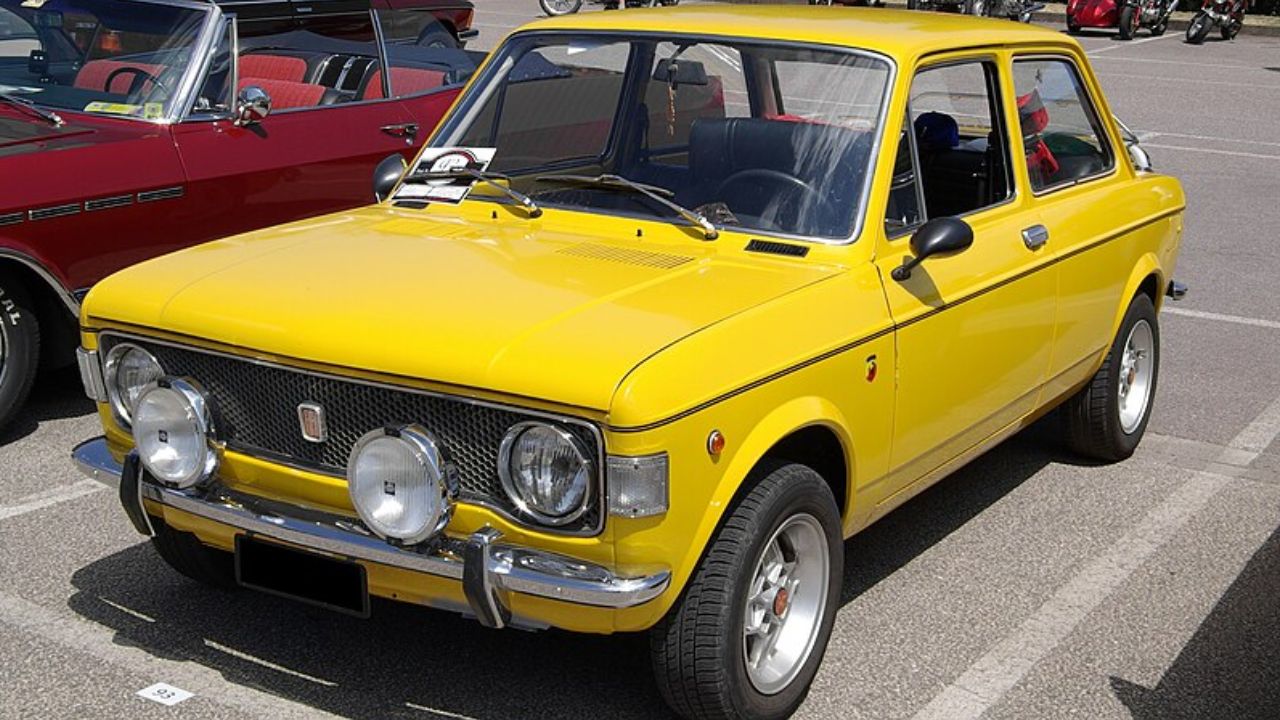
The Fiat 128 was one of the decade’s most influential examples of front-wheel-drive engineering. Its transverse engine and front-mounted drivetrain created an efficient use of interior space while keeping the exterior compact. The basic layout influenced countless later cars. Although the 128 is not as famous today as some rivals, its engineering helped shape the architecture of modern small cars.
Renault 5
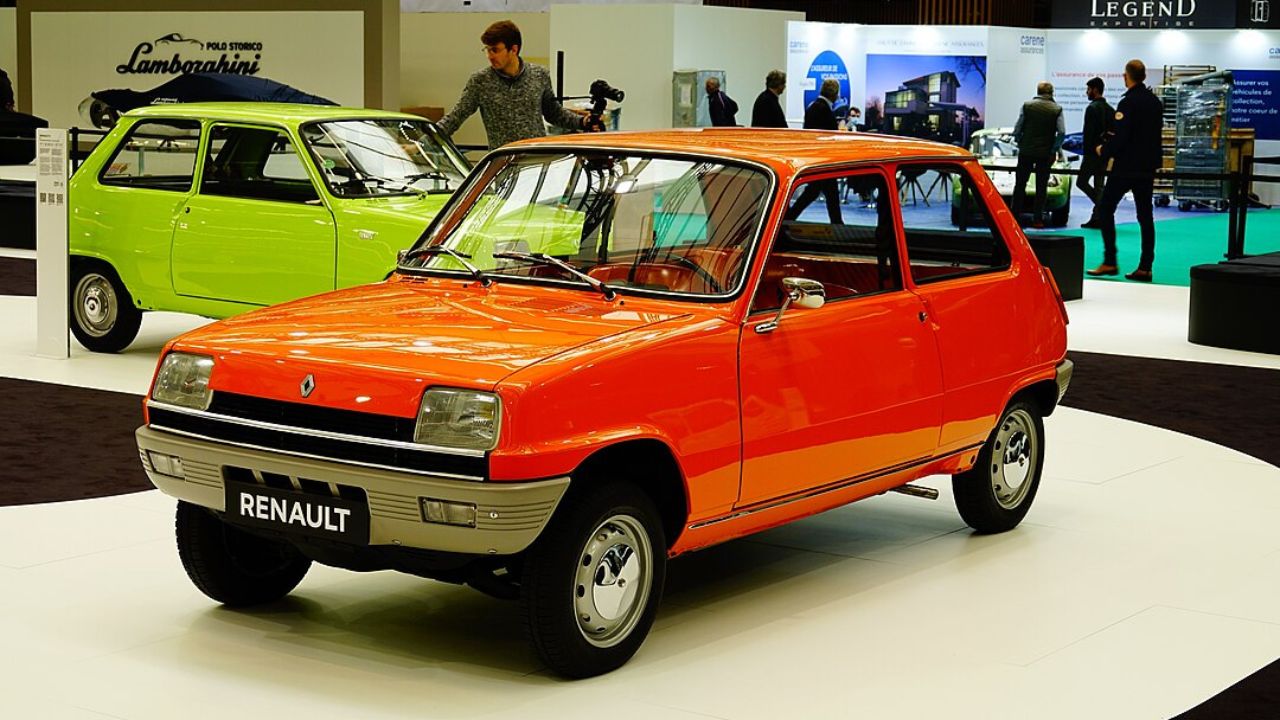
The Renault 5 demonstrated how much practicality could be packed into a small footprint. Its compact hatchback body, front-wheel-drive layout, and clever interior packaging made it especially well suited to urban driving. It also showed that economical cars did not have to be boring. The formula influenced later small hatchbacks throughout Europe and beyond.
Ford Fiesta

The Ford Fiesta became one of Ford’s most important responses to the changing automotive landscape. Its front-wheel-drive layout, compact body, and efficient engines reflected growing demand for economical transportation. Despite its small size, the Fiesta offered useful passenger and cargo space. It helped demonstrate that efficient small cars could become mainstream rather than remaining niche alternatives.
Audi 100
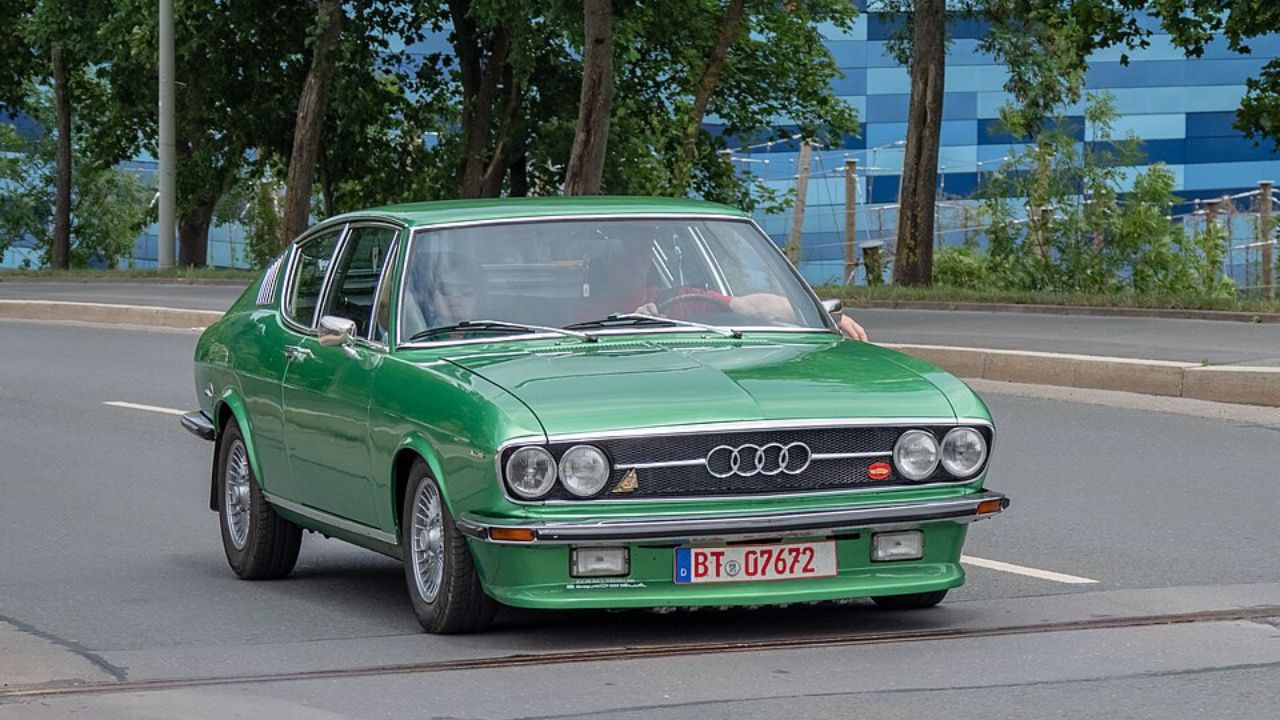
The Audi 100 helped advance the idea that aerodynamic design could improve both efficiency and refinement. Its clean shape reduced visual clutter while contributing to better high-speed performance. Audi also continued developing front-wheel-drive engineering and lightweight construction. The car represented a more modern approach to the family sedan at a time when many American vehicles were still built around traditional formulas.
Toyota Celica

The Toyota Celica brought sporty styling and affordable performance to a changing market. Its compact dimensions and efficient engines made it easier to live with than many larger American performance cars, while its rear-wheel-drive layout kept driving enthusiasts interested. The Celica demonstrated that fuel-conscious buyers did not necessarily have to abandon style or fun.
Ford Mustang II
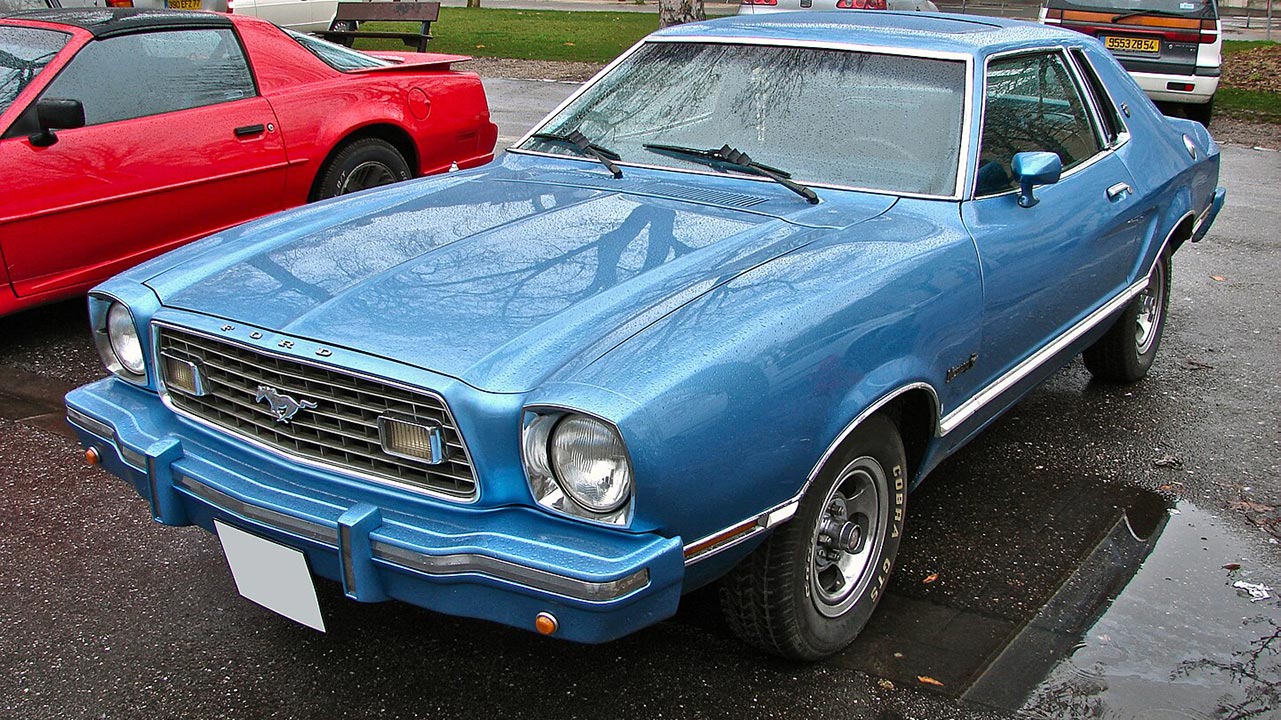
The Ford Mustang II is often criticized when compared with earlier Mustangs, but its importance to the changing automotive industry is easy to overlook. Smaller dimensions, lighter construction, and efficient four-cylinder and V6 options reflected the realities of the 1970s. It kept the Mustang name alive during a difficult period and showed how an iconic performance badge could adapt to a dramatically different market.
More from Fast Lane Only
- Unboxing the WWII Jeep in a Crate
- 15 rare Chevys collectors are quietly buying
- 10 underrated V8s still worth hunting down
- Police notice this before you even roll window down
*Research for this article included AI assistance, with all final content reviewed by human editors