The automotive landscape has seen dramatic shifts over the decades, particularly in engine design and sizing. While once celebrated for their massive engines, many of these powerhouses faded from the spotlight due to a confluence of factors that have often been overlooked.
Historical Context of Giant Engines
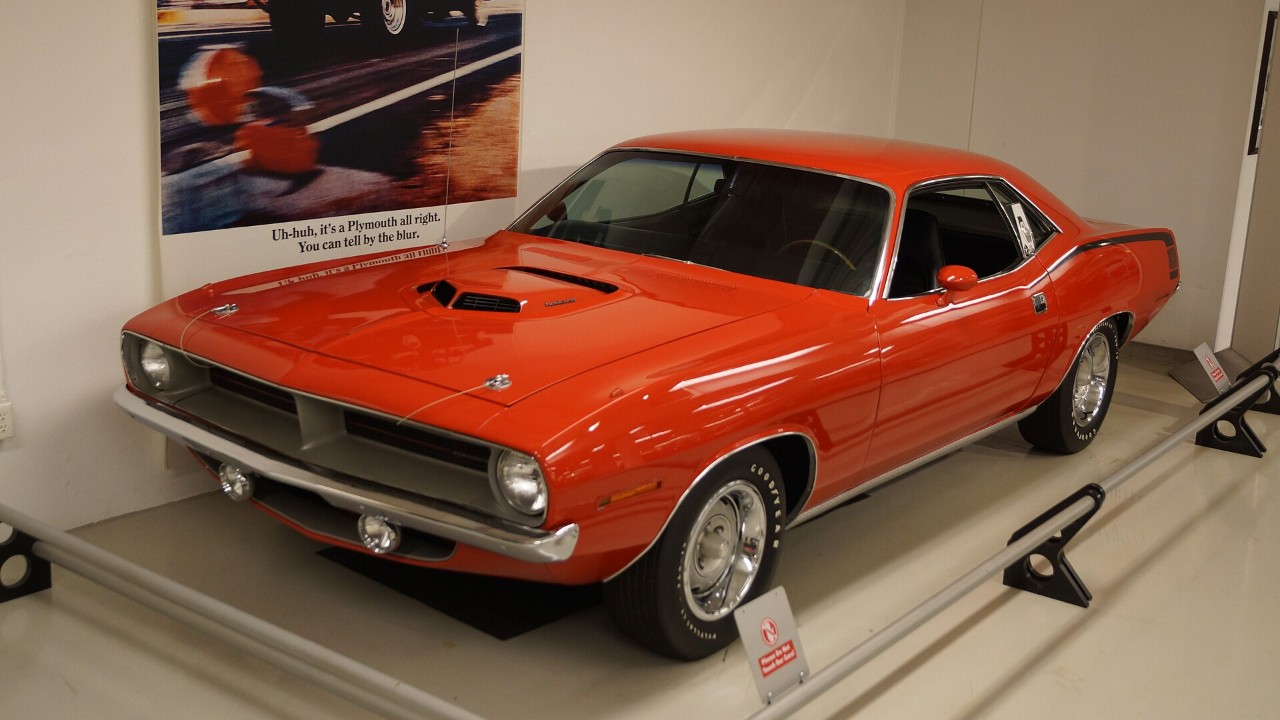
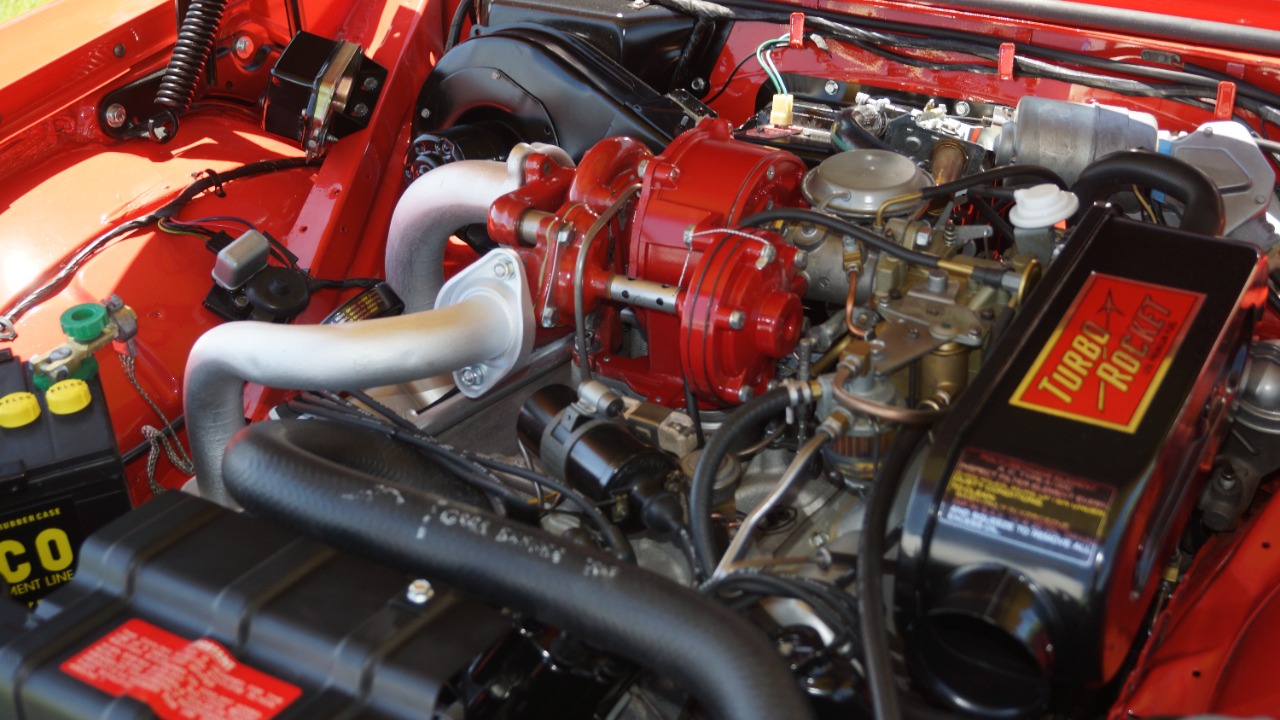
The golden age of American muscle cars, particularly in the 1960s and 1970s, was characterized by an insatiable demand for power and performance. Iconic models like the Ford Mustang and Chevrolet Camaro boasted massive V8 engines that became synonymous with speed and aggression. This era was fueled by a cultural obsession with horsepower, driven by both competition between manufacturers and the burgeoning car culture that permeated American society. The thrill of racing on open highways and the allure of the racetrack made large engines a symbol of freedom and rebellion.
However, this passion for power was not without its challenges. The oil crises of the 1970s brought about a rapid increase in fuel prices, which fundamentally altered consumer preferences. As gas prices skyrocketed, the once-coveted large engines began to lose their appeal. Buyers started to reconsider the practicality of maintaining a gas-guzzler, which led to a shift in focus toward smaller, more efficient vehicles. The economic conditions of the time forced manufacturers to rethink their strategies, paving the way for the evolution of automotive engineering.
Technological Advancements and Efficiency
The landscape of automotive engineering underwent a transformation as fuel efficiency standards and environmental regulations emerged. The introduction of the Corporate Average Fuel Economy (CAFE) standards in the late 1970s aimed to reduce fuel consumption and improve air quality. This regulatory framework made it increasingly difficult for manufacturers to justify the production of large engines that did not meet these new benchmarks.
Innovations in engine technology began to take center stage. Smaller engines equipped with turbocharging and hybrid technology offered performance that rivaled, and in some cases exceeded, their larger counterparts without the burden of excessive fuel consumption. For instance, the Ford EcoBoost engine, which debuted in 2009, combined turbocharging with direct fuel injection to deliver impressive power while maintaining fuel efficiency. Additionally, the advent of computer-aided design (CAD) revolutionized engine development, enabling engineers to create compact, lightweight engines that provided enhanced performance while adhering to stricter regulations.
Changing Consumer Preferences
As the automotive landscape evolved, so did consumer preferences. A growing awareness of sustainability and environmental concerns led many buyers to seek out more eco-friendly options. The appeal of gas-guzzling vehicles diminished as consumers increasingly prioritized fuel efficiency and lower emissions. This shift was not merely a trend; it represented a fundamental change in consumer attitudes towards vehicle ownership.
Rising insurance and maintenance costs associated with larger engines also played a significant role in shifting buyer decisions. As insurance premiums for high-powered vehicles increased, many consumers opted for smaller, more manageable options that offered lower overall costs. Furthermore, the growing popularity of SUVs and crossovers, which often feature smaller engines equipped with advanced technology, demonstrated that consumers could have both performance and efficiency in one package. Models like the Honda CR-V and Toyota RAV4 became household names, proving that size was no longer synonymous with power.
Market Forces and Manufacturer Decisions
The economic downturns of the late 2000s further influenced automotive manufacturers to prioritize cost-effective production methods. With shrinking profit margins, many automakers pivoted towards smaller engines that delivered better fuel economy and adhered to stricter regulations. The financial crises prompted a reevaluation of market strategies, leading to a decline in the production of large engines.
Major automakers made strategic shifts in response to changing market conditions. For example, Dodge, known for its powerful HEMI engines, faced increasing pressure to adapt. The company began to phase out some of its larger engine options in favor of more efficient models. The Dodge D-Series trucks, once celebrated for their robust engines, became less common as the market moved towards more versatile and fuel-efficient vehicles. This trend highlighted the necessity for automakers to innovate or risk obsolescence in an ever-evolving market.
Legacy and Nostalgia
Despite the decline of giant engines, their cultural significance in American automotive history remains profound. For many car enthusiasts, these engines represent a time of unbridled freedom and raw power. The roaring sound of a V8 engine is still celebrated at automotive shows and in classic car communities, where the legacy of these vehicles is preserved. Events like the annual Muscle Car and Corvette Nationals showcase the enduring appeal of American muscle cars, drawing thousands of visitors eager to admire these iconic machines.
The nostalgia surrounding giant engines has spurred a resurgence in the restoration and appreciation of vintage vehicles. Many enthusiasts are dedicated to preserving these classic cars, often investing significant time and resources into bringing them back to their former glory. This passion for restoration contrasts sharply with modern preferences for efficiency and eco-friendliness, highlighting the dichotomy between past and present automotive culture. Enthusiasts often gather on forums such as Reddit to share their love for these vehicles and discuss the challenges and joys of restoration.
The Future of Engine Design
Looking ahead, one cannot help but wonder about the future of larger engines in the ever-evolving automotive market. While there may be a declining trend for mass-produced vehicles with giant engines, niche markets such as luxury and performance vehicles could see a potential resurgence. Brands like Ferrari and Lamborghini continue to produce high-performance models with powerful engines, suggesting that there remains a demand for exhilarating driving experiences.
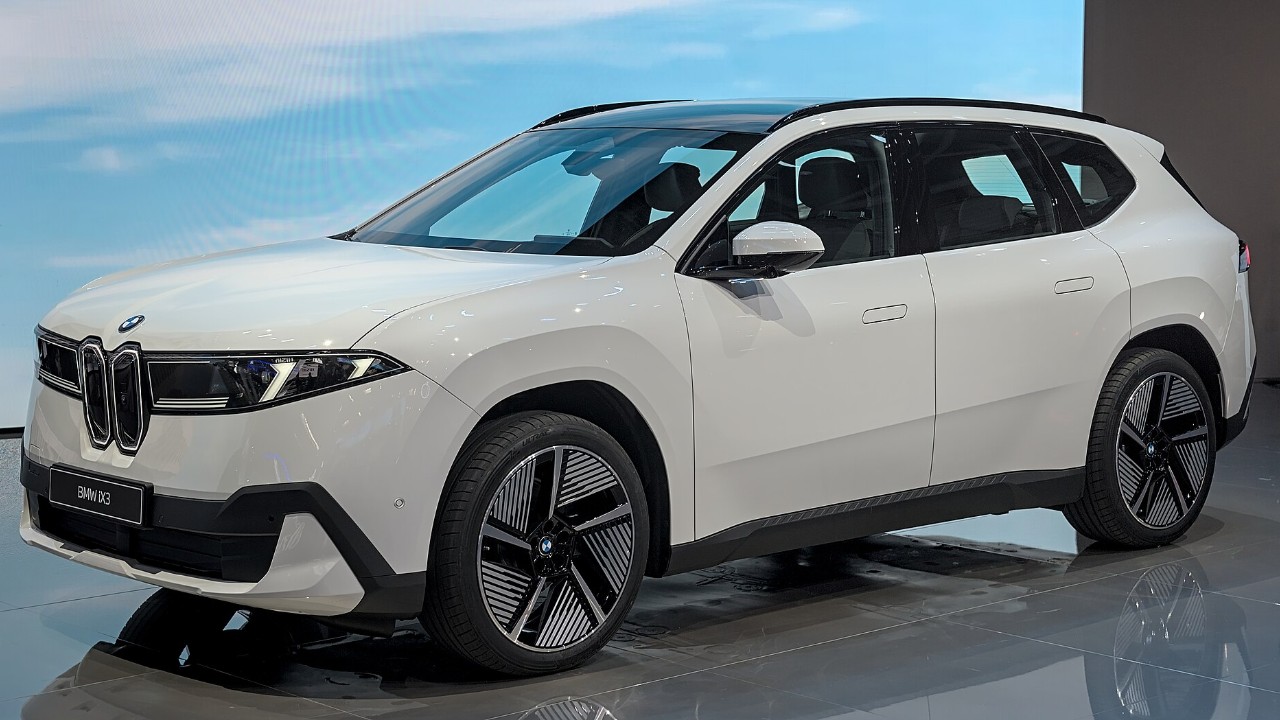
Moreover, the rise of electric and hybrid technologies is redefining what constitutes a powerful engine in the automotive industry. Electric vehicles (EVs) like the Tesla Model S have demonstrated that instant torque and high performance do not require traditional combustion engines. As more manufacturers invest in electric drivetrains, we may find that the definition of power evolves, blending the nostalgia of giant engines with modern efficiency requirements.
In conclusion, the fading of giant engines from the automotive landscape is a complex phenomenon influenced by a multitude of factors, ranging from historical context and technological advancements to changing consumer preferences and market forces. While the roar of a large engine may be less common on our roads today, its legacy continues to captivate car enthusiasts and remind us of a time when size and power reigned supreme.
More from Fast Lane Only
- Unboxing the WWII Jeep in a Crate
- 15 rare Chevys collectors are quietly buying
- 10 underrated V8s still worth hunting down
- Police notice this before you even roll window down
*Research for this article included AI assistance, with all final content reviewed by human editors.