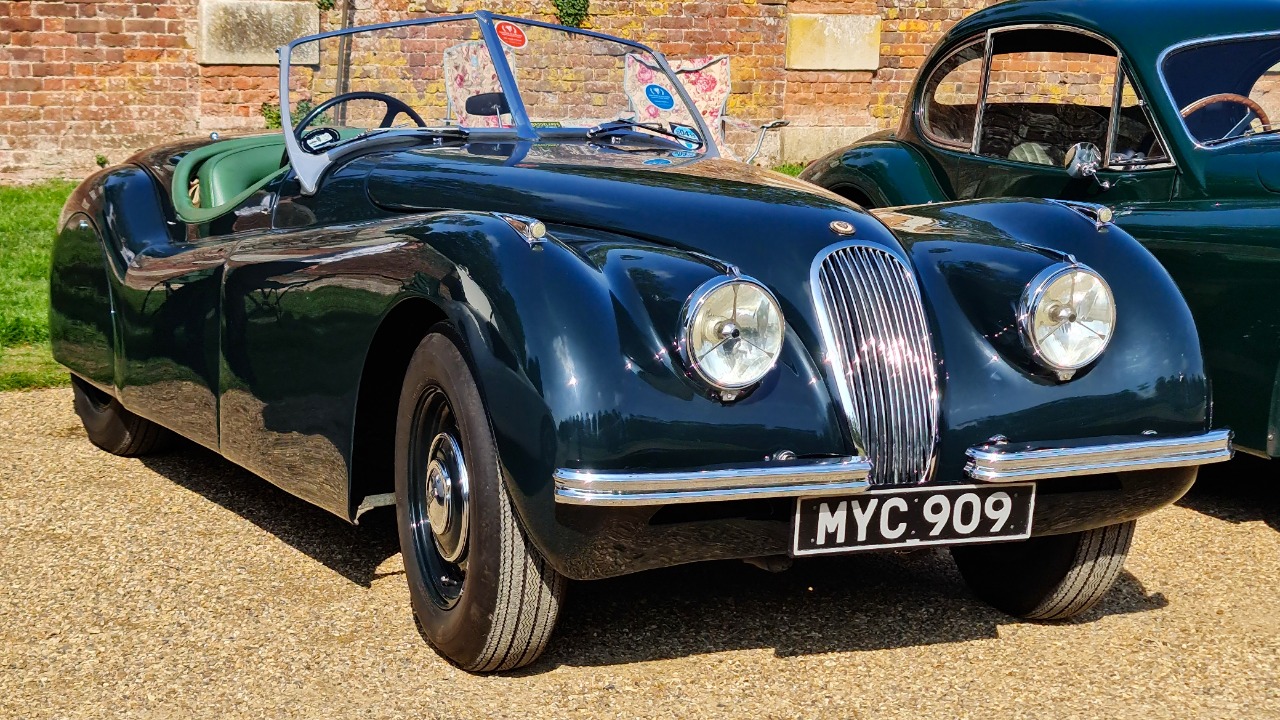
Classic British roadsters captured a style of driving focused on simplicity, lightweight balance, and pure connection between car and driver. Long before modern convertibles became packed with technology and luxury features, these machines delivered open-air excitement through responsive steering, lively engines, and timeless styling. Decades later, they still represent the spirit of traditional top-down motoring better than almost anything else.
MG B Roadster
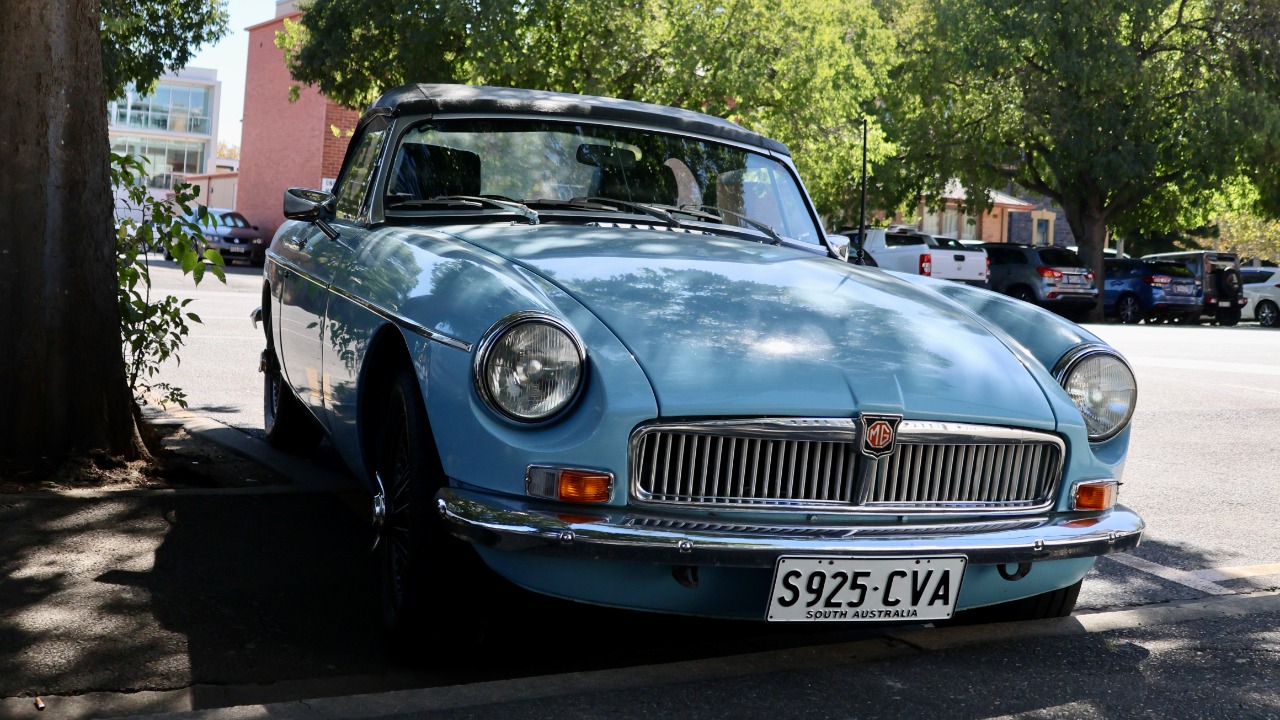
The MG B Roadster became one of the defining British roadsters because it combined approachable handling with timeless styling and everyday usability. Its lightweight body and simple mechanical layout created a relaxed but engaging driving experience perfect for winding roads and weekend cruising. Owners appreciated how easy the car was to maintain compared to more exotic sports cars of the era. The MGB’s lasting popularity helped make it a worldwide symbol of classic open-top British motoring.
Triumph TR6
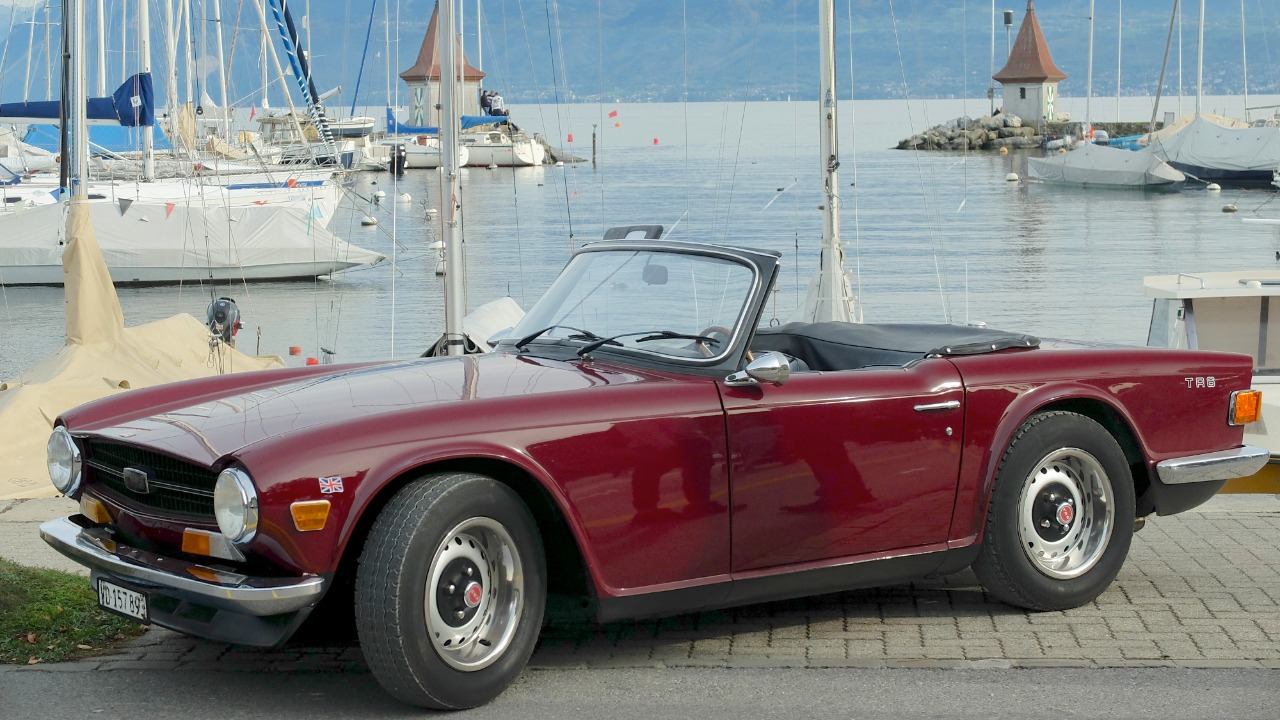
The Triumph TR6 earned loyal enthusiasts through its muscular styling and strong inline-six engine that delivered more torque and character than many smaller British sports cars. The TR6 combined traditional roadster proportions with a more aggressive personality, giving drivers a satisfying blend of cruising comfort and spirited performance. Its direct steering and unmistakable exhaust note made top-down driving feel exciting without unnecessary complexity or refinement.
Austin-Healey 3000
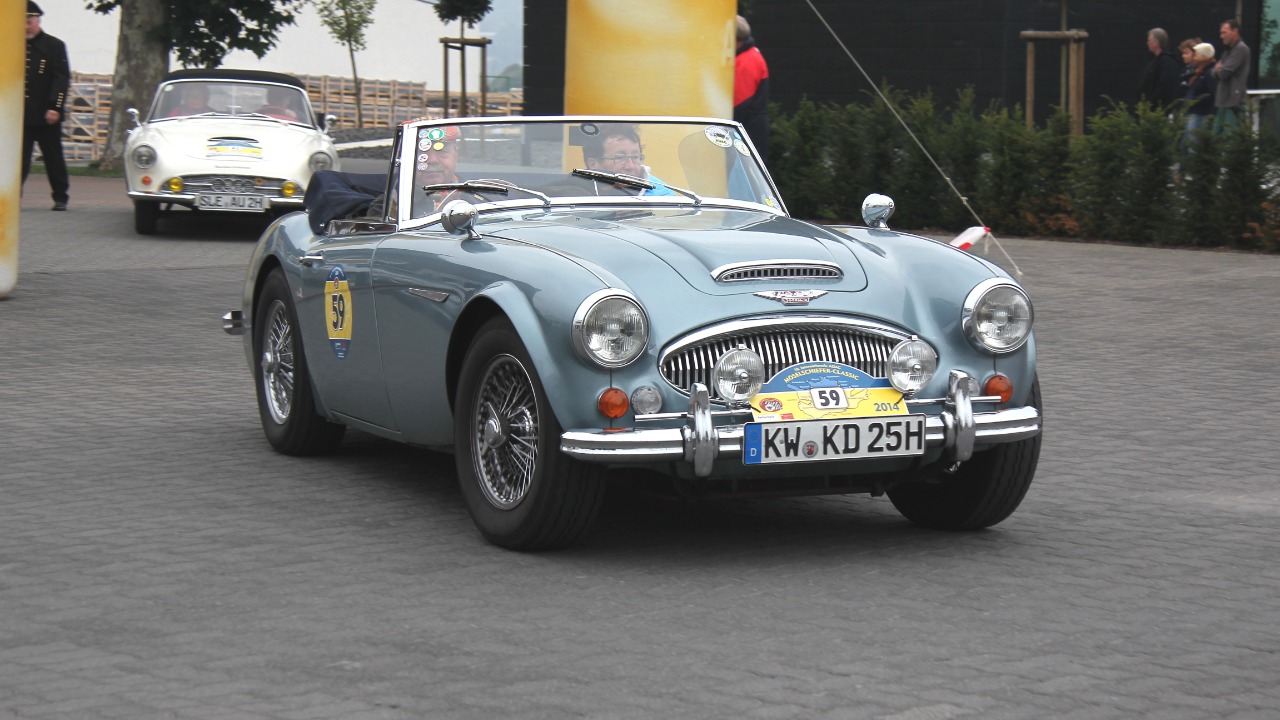
The Austin-Healey 3000 became legendary because it paired elegant styling with strong six-cylinder performance capable of handling long-distance touring and motorsport competition alike. The car’s low stance, wire wheels, and unmistakable exhaust sound gave it tremendous visual and mechanical character. Drivers admired how naturally it balanced open-air comfort with lively performance. Even today, the Austin-Healey 3000 remains one of the most respected and recognizable British sports cars ever built.
Lotus Elan Series 2
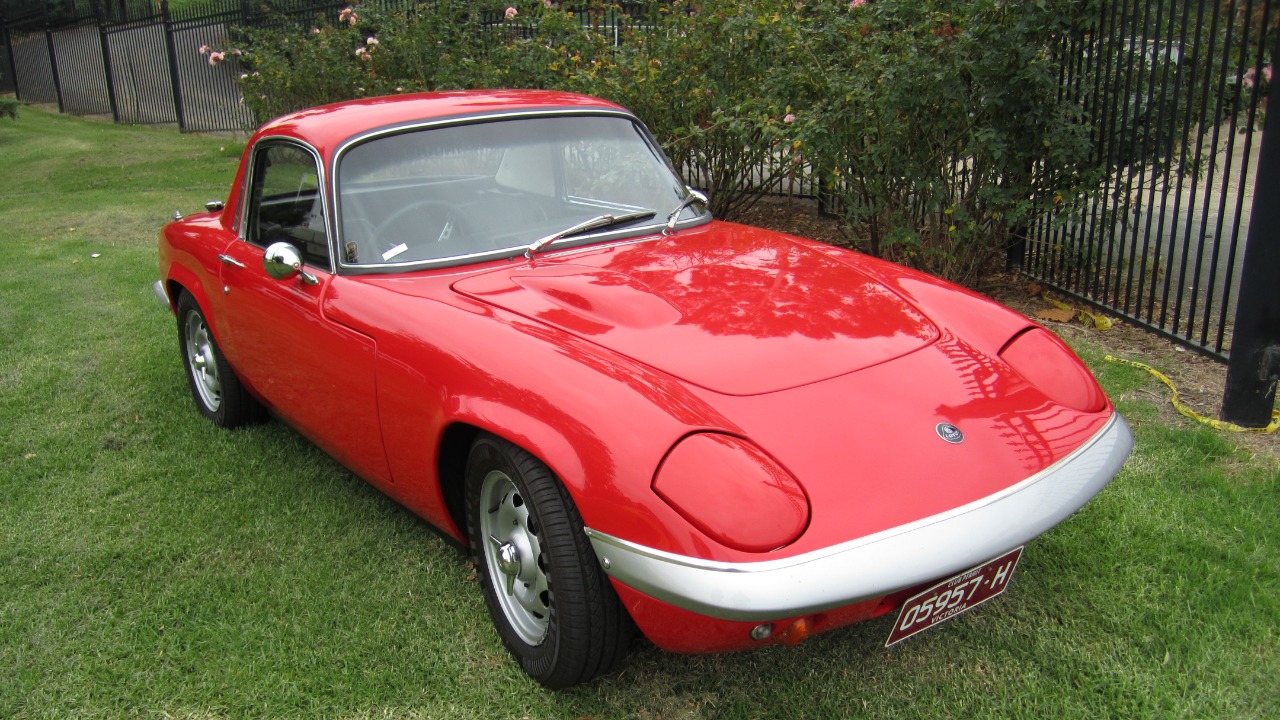
The Lotus Elan Series 2 redefined sports-car handling through Colin Chapman’s philosophy of lightweight engineering and precise chassis tuning. Its compact dimensions and responsive steering created a driving experience that felt incredibly agile and connected to the road. Unlike larger grand tourers, the Elan focused almost entirely on balance and driver involvement. Many modern sports cars still draw inspiration from the Elan’s remarkably pure approach to open-top performance.
Sunbeam Alpine
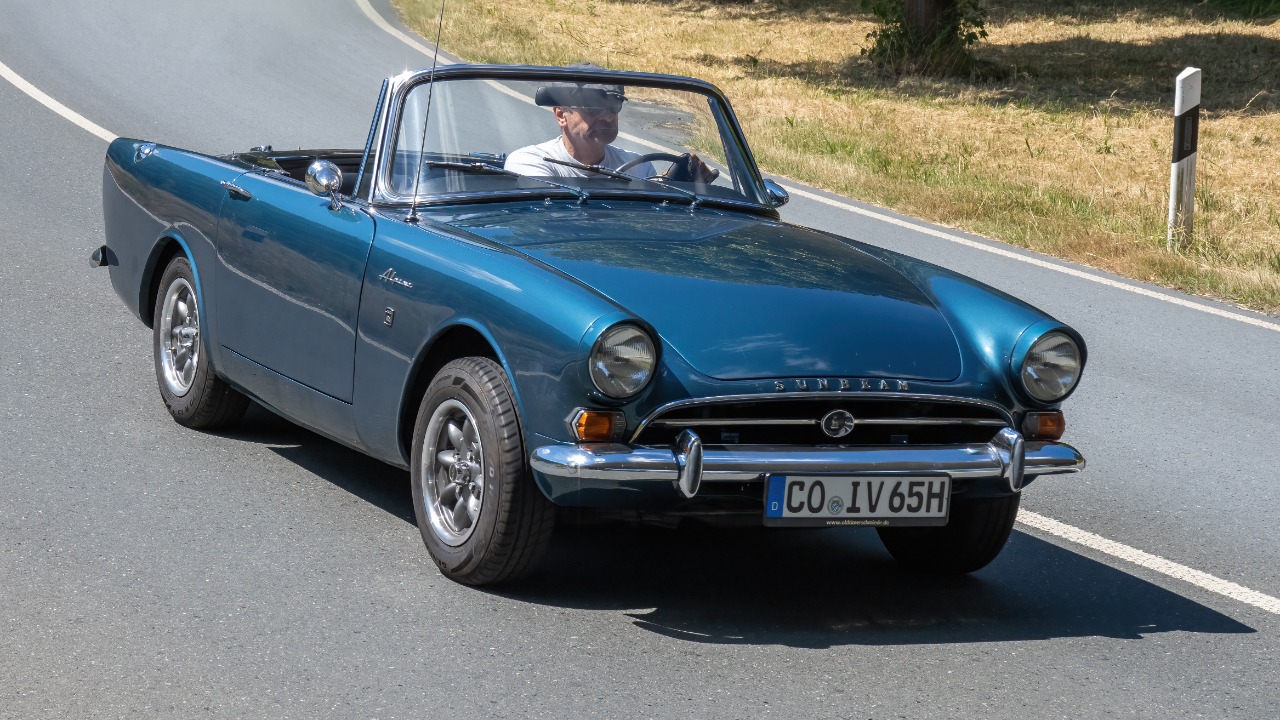
The Sunbeam Alpine gained popularity because it offered stylish open-top driving with a more approachable and comfortable personality than some harsher sports rivals. Its elegant body lines and smooth driving manners made it appealing for relaxed touring while still preserving classic roadster engagement. Enthusiasts appreciated the Alpine’s charm and balanced road behavior. The car also gained cultural recognition through film appearances that helped strengthen its timeless image.
Morgan Plus 4
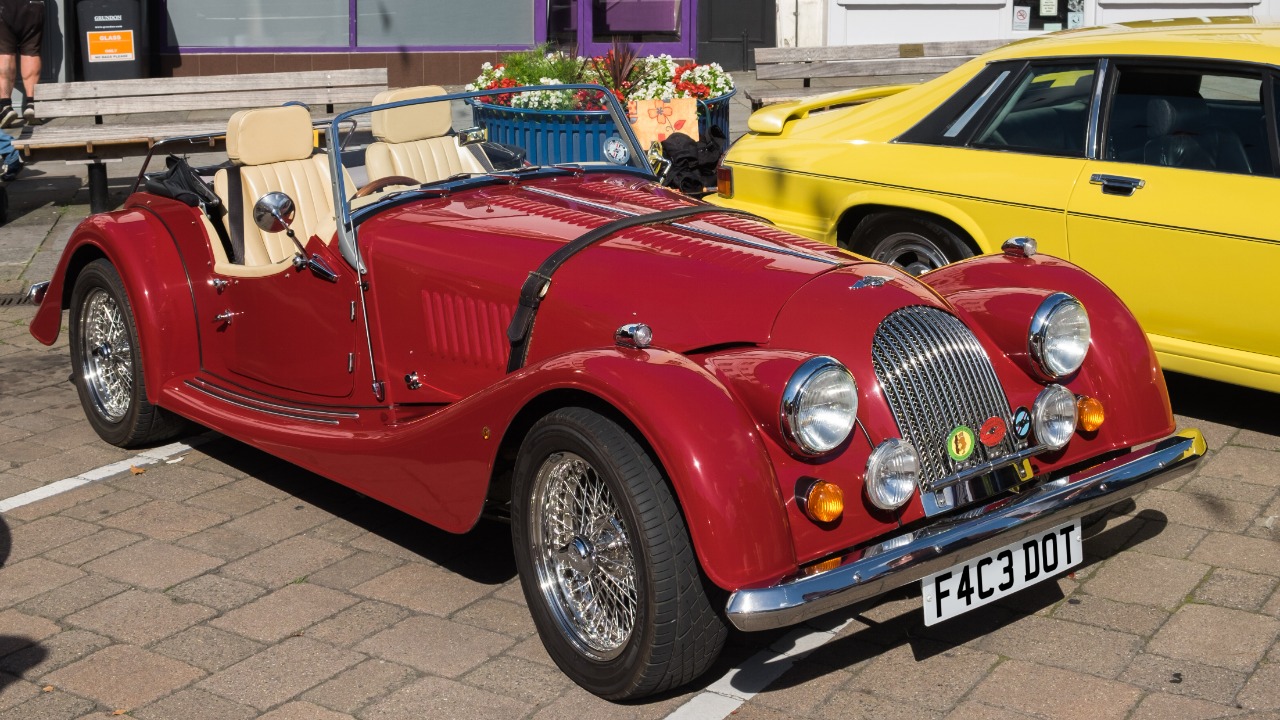
The Morgan Plus 4 continues defining classic British motoring because it retained old-world craftsmanship and traditional styling long after most manufacturers modernized completely. With exposed fenders, lightweight construction, and lively performance, the Plus 4 delivers a remarkably mechanical and analog driving experience. Drivers feel connected directly to the road and engine in ways modern convertibles rarely replicate. Its enduring design philosophy helped preserve the spirit of vintage British sports cars into modern times.
Triumph Spitfire
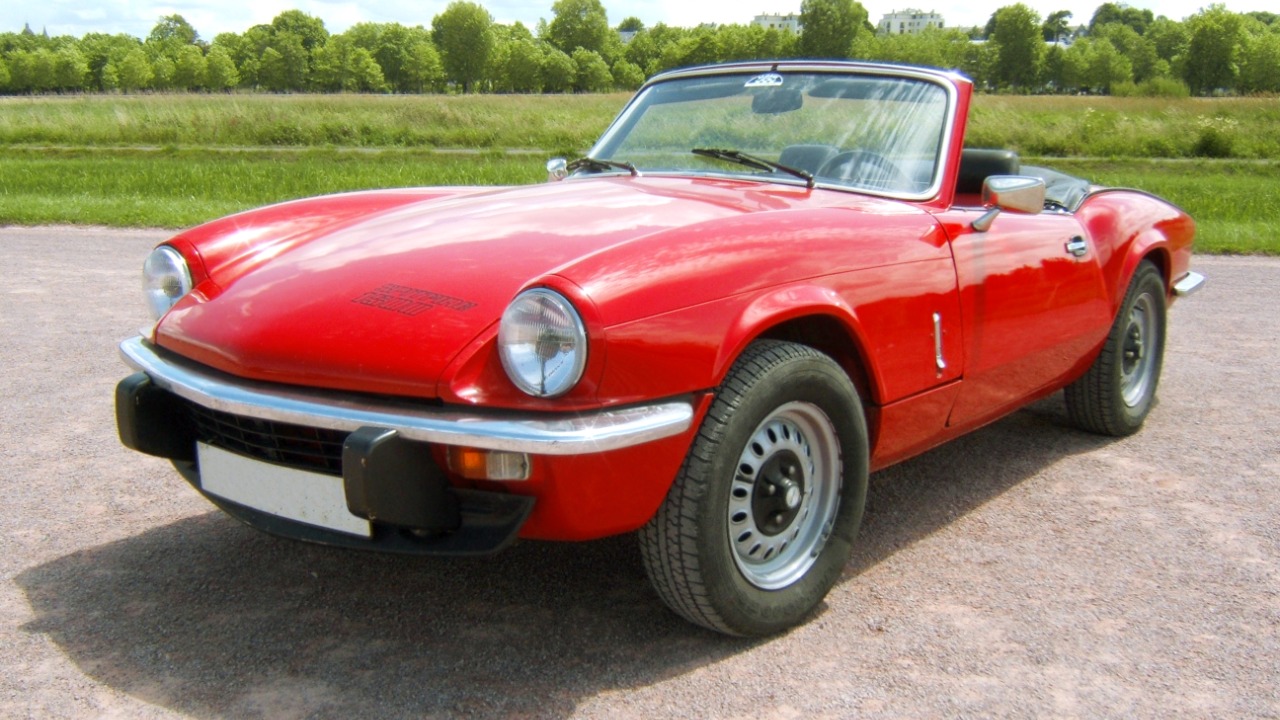
The Triumph Spitfire became beloved for delivering affordable open-top driving fun with charming styling and lightweight agility. Smaller and simpler than many larger sports cars, the Spitfire emphasized maneuverability and driving enjoyment over outright speed. Owners appreciated its responsive steering, compact proportions, and approachable personality on narrow roads. The car introduced countless enthusiasts to British sports-car culture and remains one of the most recognizable classic roadsters ever produced.
Jaguar XK120
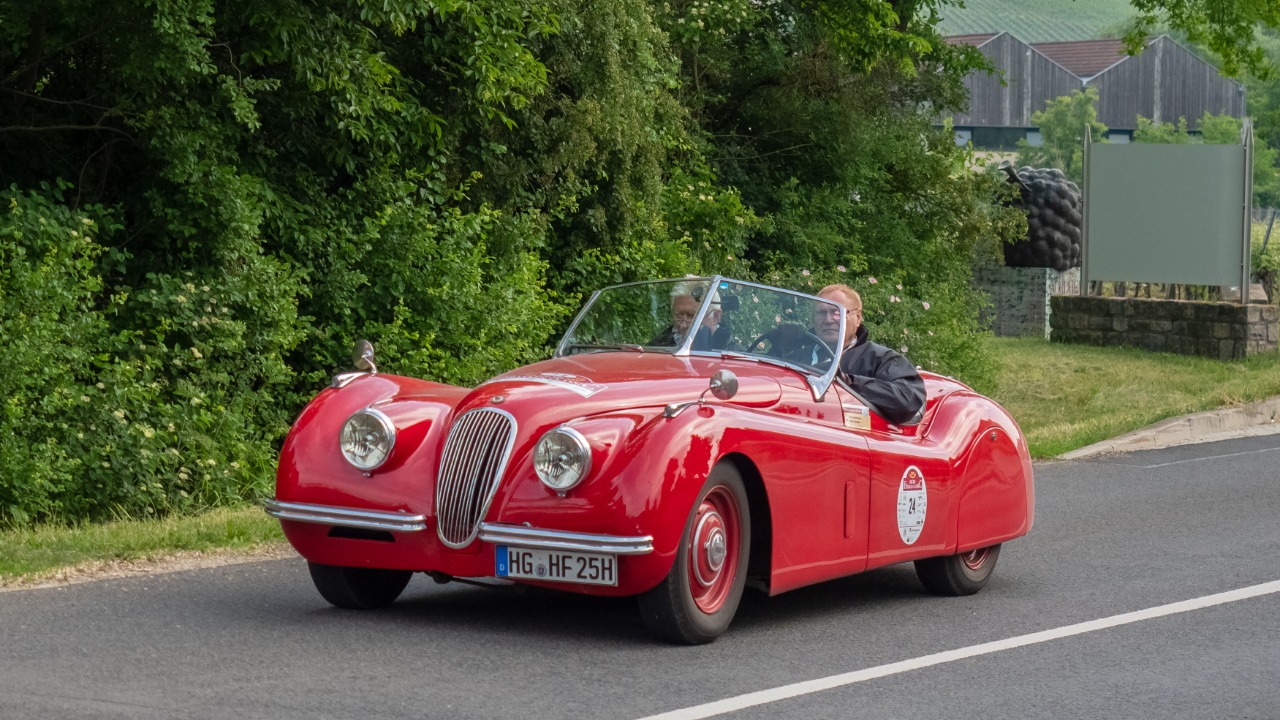
The Jaguar XK120 stunned the automotive world because it combined breathtaking styling with performance levels rarely seen in production cars of its era. Its long hood, flowing bodywork, and powerful inline-six engine created one of the most elegant and capable roadsters of the postwar period. Drivers admired its high-speed touring capability and smooth mechanical character. The XK120 helped establish Jaguar as a global performance brand while defining classic British automotive sophistication.
More from Fast Lane Only