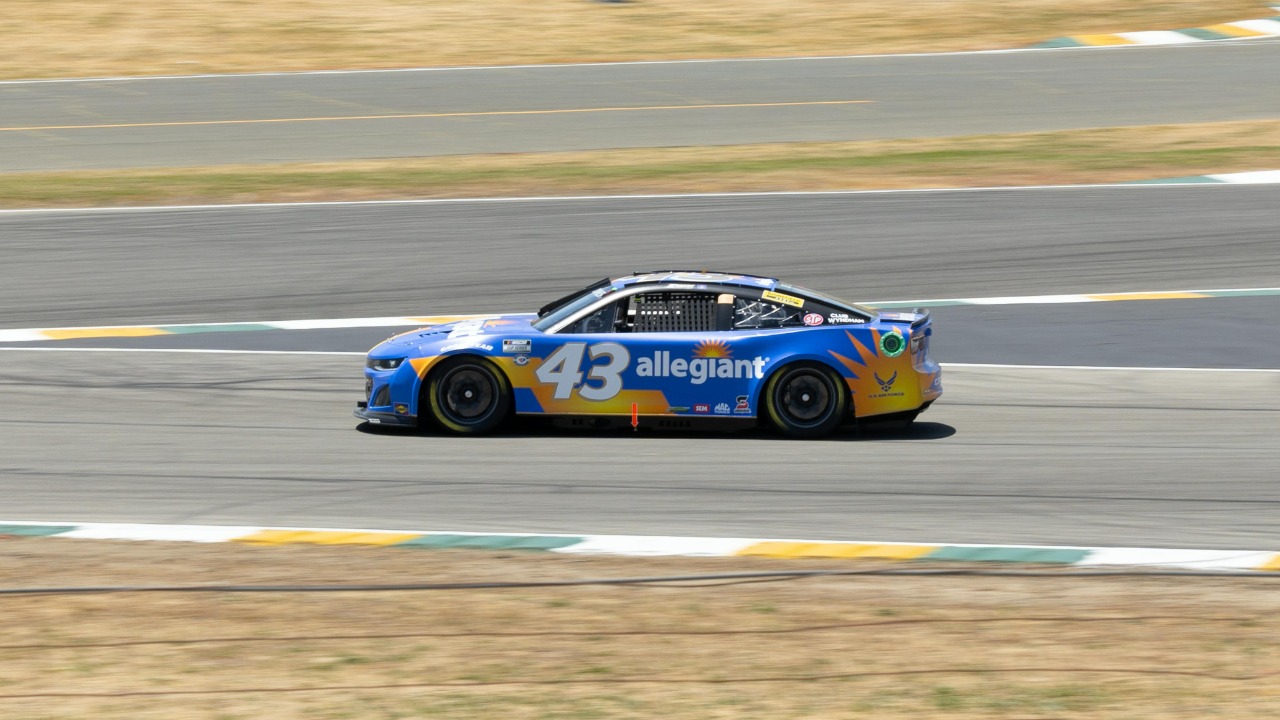
Short-track racing has always demanded a different kind of stock car. Tight corners, constant traffic, aggressive contact, and rapid throttle response rewarded machines built for toughness and precision rather than pure top speed. Across local bullrings and legendary ovals nationwide, these stock cars earned reputations for relentless dominance and unforgettable performances that helped shape American grassroots racing culture.
Chevrolet Monte Carlo Aerocoupe
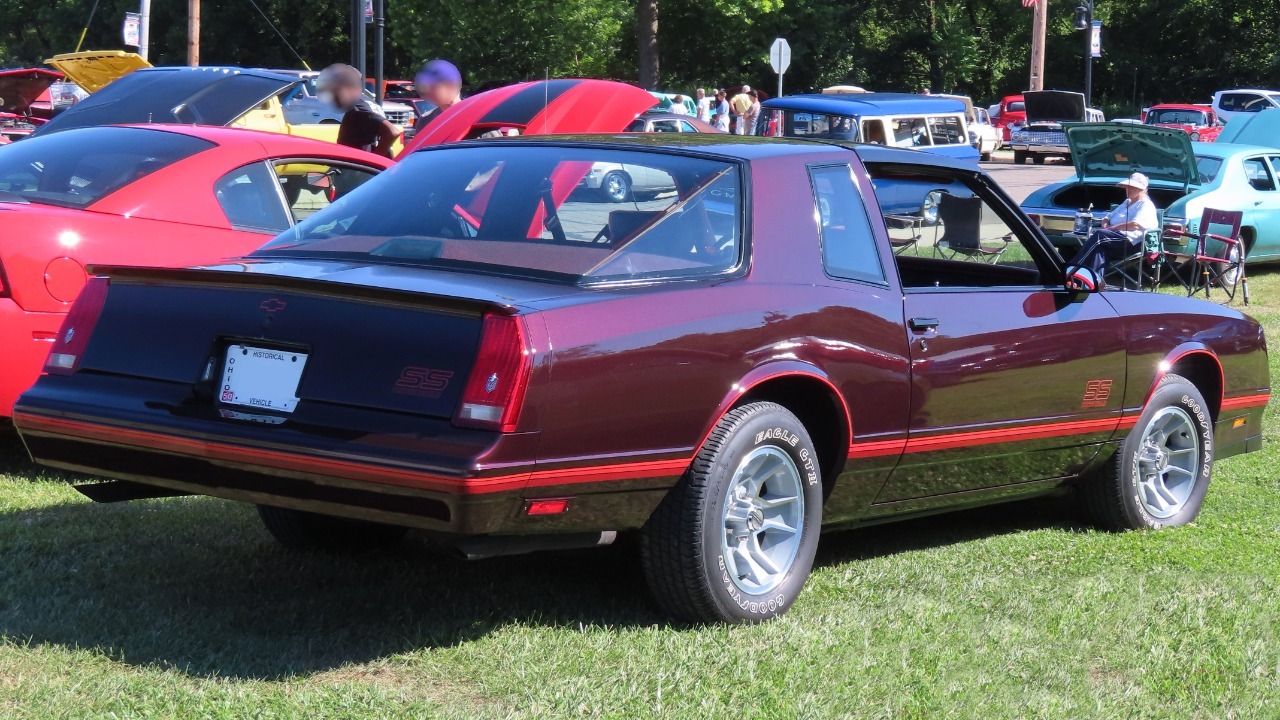
The Chevrolet Monte Carlo Aerocoupe became feared on short tracks because its balanced chassis and strong V8 performance allowed drivers to rotate smoothly through tight corners while maintaining excellent acceleration off exits. Though originally designed with aerodynamic improvements for larger NASCAR tracks, the Aerocoupe also proved highly effective in close-quarters racing. Its combination of stability, durability, and predictable handling helped countless drivers remain competitive during intense short-track battles across the United States.
Ford Thunderbird NASCAR 1987
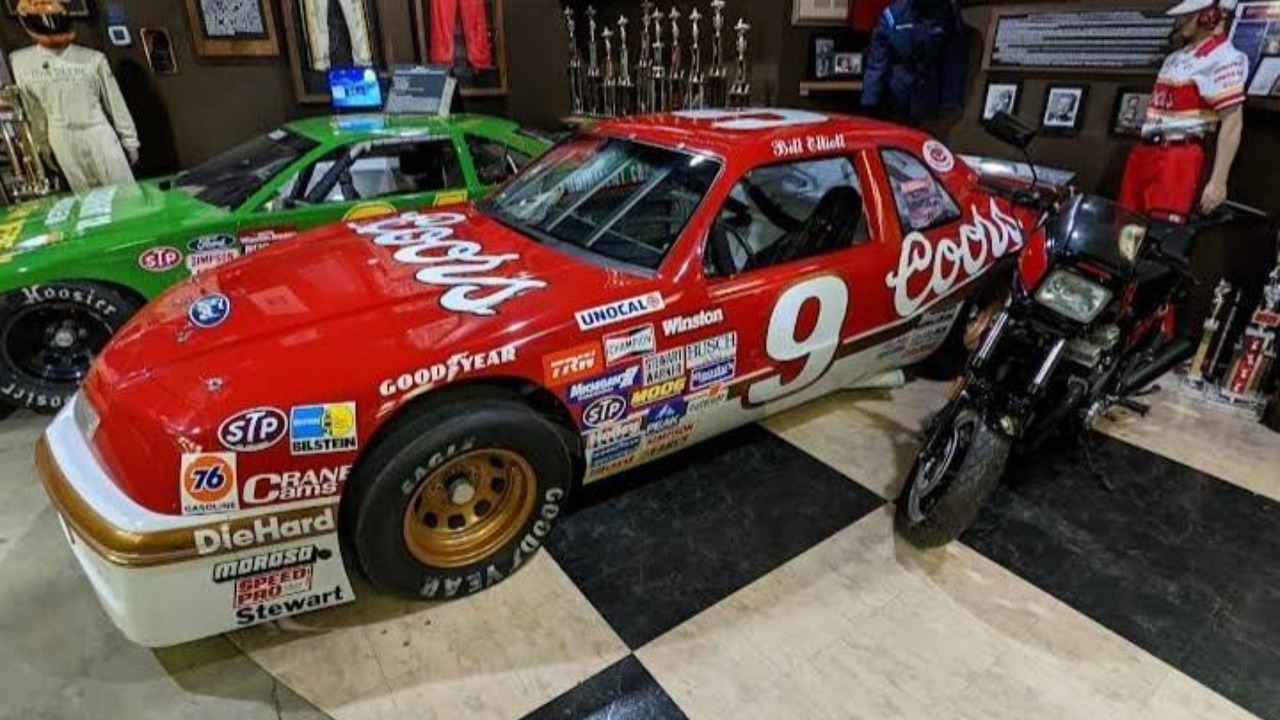
The Ford Thunderbird NASCAR 1987 dominated many short-track events thanks to its slippery body shape and highly refined racing setup. Drivers appreciated how controllable the Thunderbird felt while navigating heavy traffic and aggressive bumper-to-bumper racing conditions. Its success during the late 1980s helped Ford become a major force in stock-car competition nationwide. Even today, many fans still associate the Thunderbird with the gritty and highly competitive short-track era of American racing.
Chevrolet Lumina NASCAR
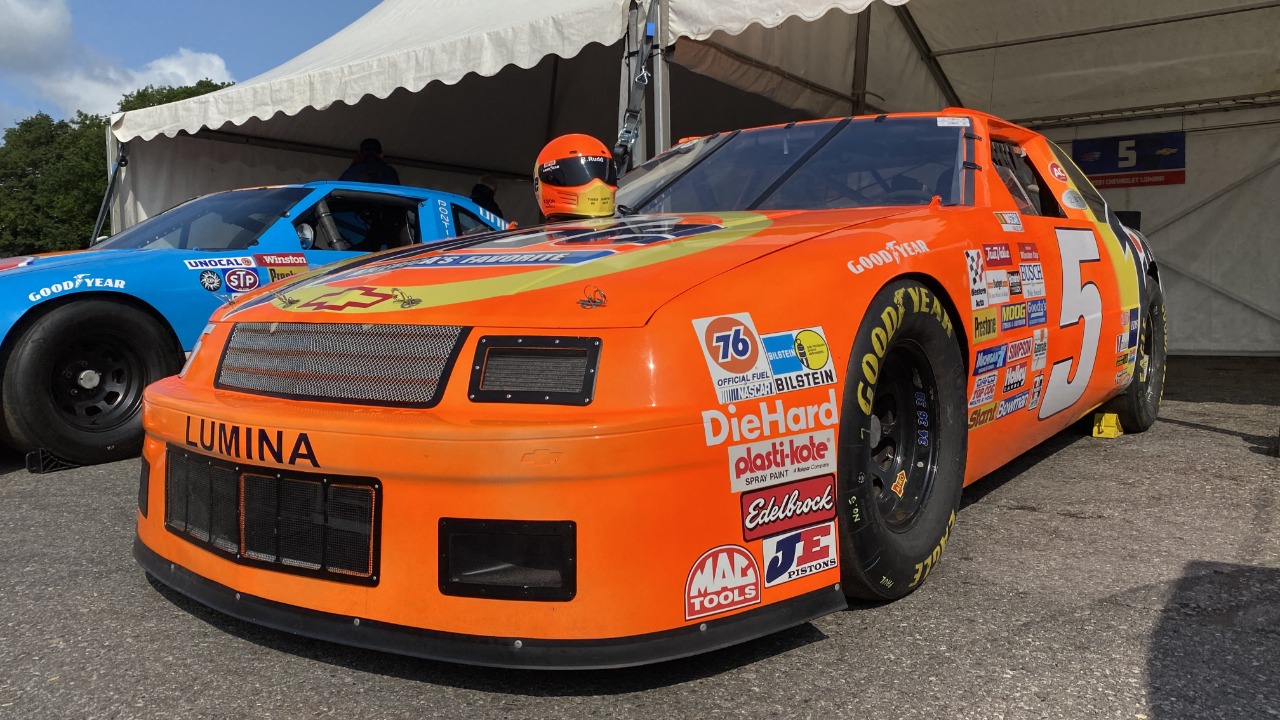
The Chevrolet Lumina NASCAR earned respect because it adapted surprisingly well to rough short-track competition despite its more modern body shape. Teams found ways to tune the chassis for excellent corner entry and strong drive off tight turns, making the Lumina highly competitive at smaller venues. Its aggressive front-end styling and strong Chevrolet V8 power gave it unmistakable presence during local and national stock-car events throughout the early 1990s.
Dodge Charger NASCAR 2006
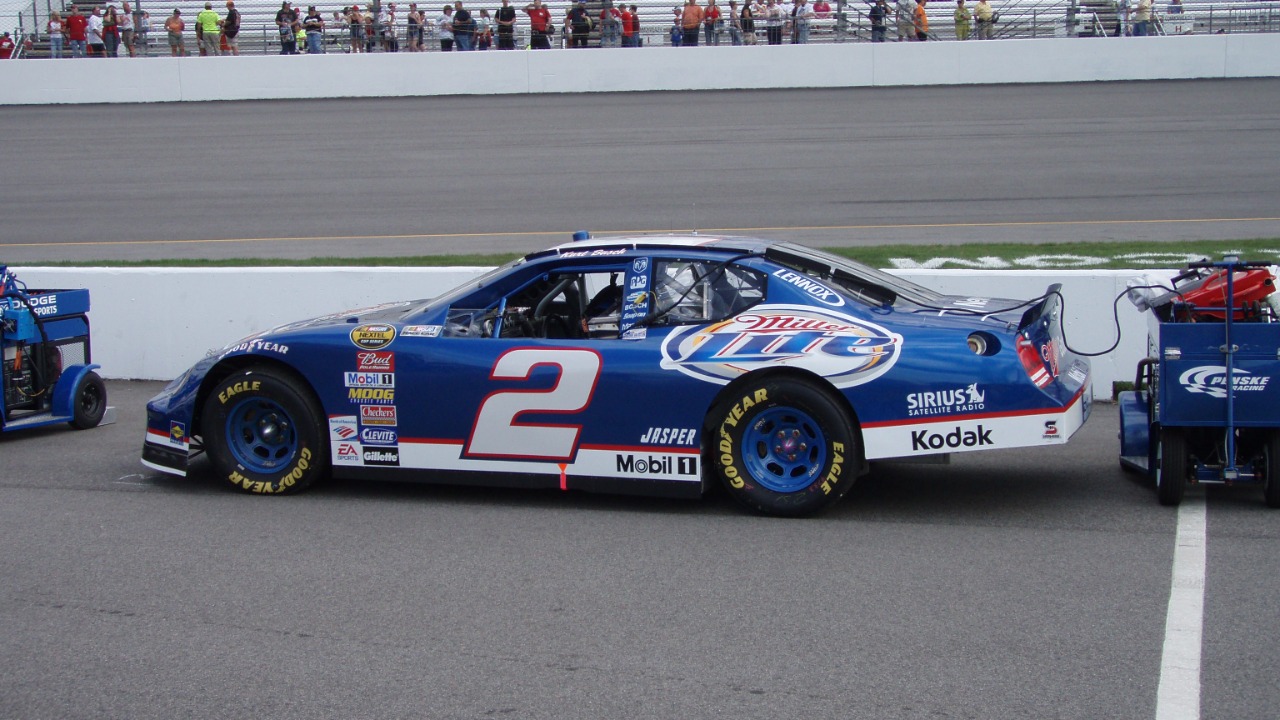
The Dodge Charger NASCAR brought Mopar back into serious stock-car competition and quickly became competitive on demanding short tracks. Drivers praised the Charger’s front-end grip and stable braking characteristics during heavy side-by-side racing. Its return also revived enthusiasm among longtime Dodge racing fans who remembered Chrysler’s earlier NASCAR glory years. The car’s aggressive appearance and physical driving style fit perfectly within the rough atmosphere of American short-track racing culture.
Pontiac Grand Prix NASCAR
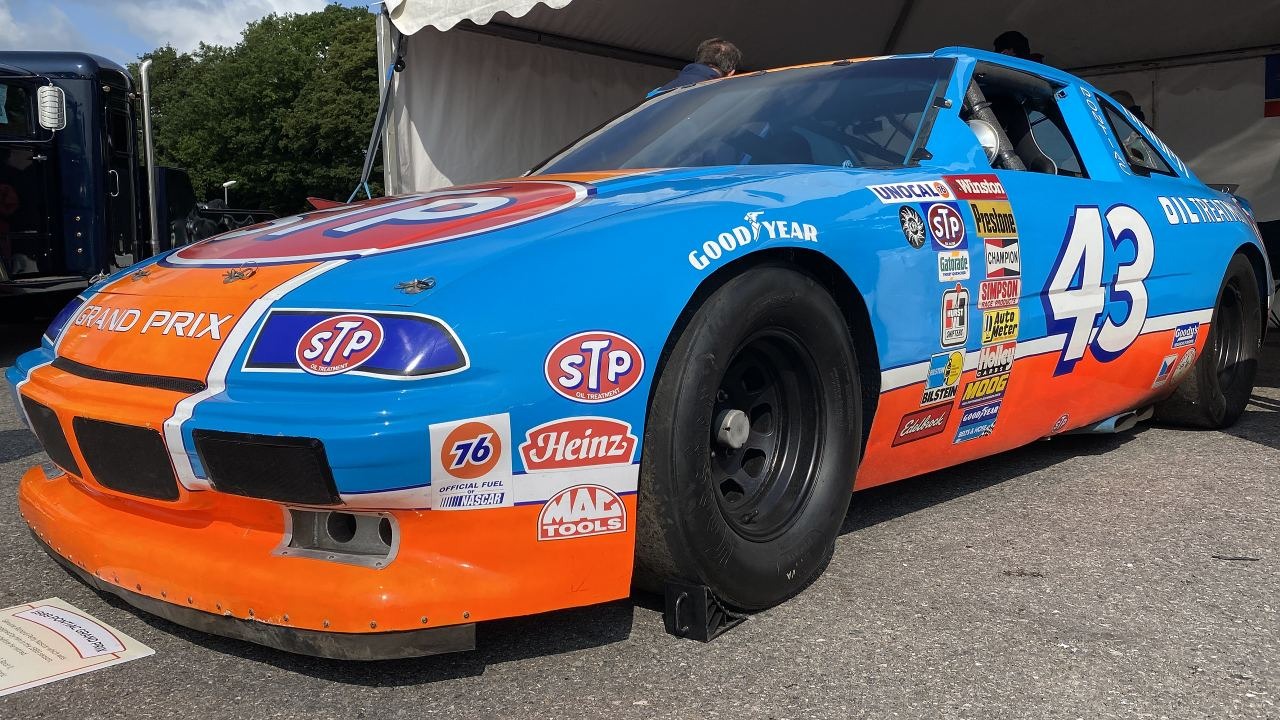
The Pontiac Grand Prix NASCAR became a consistent threat at short tracks because teams developed highly refined setups that maximized traction and cornering efficiency. Pontiac’s strong NASCAR presence during the 1980s and 1990s helped the Grand Prix build a loyal following among racing fans. Drivers appreciated how effectively the chassis handled constant braking and throttle transitions required at tight oval circuits across America.
Buick Regal NASCAR
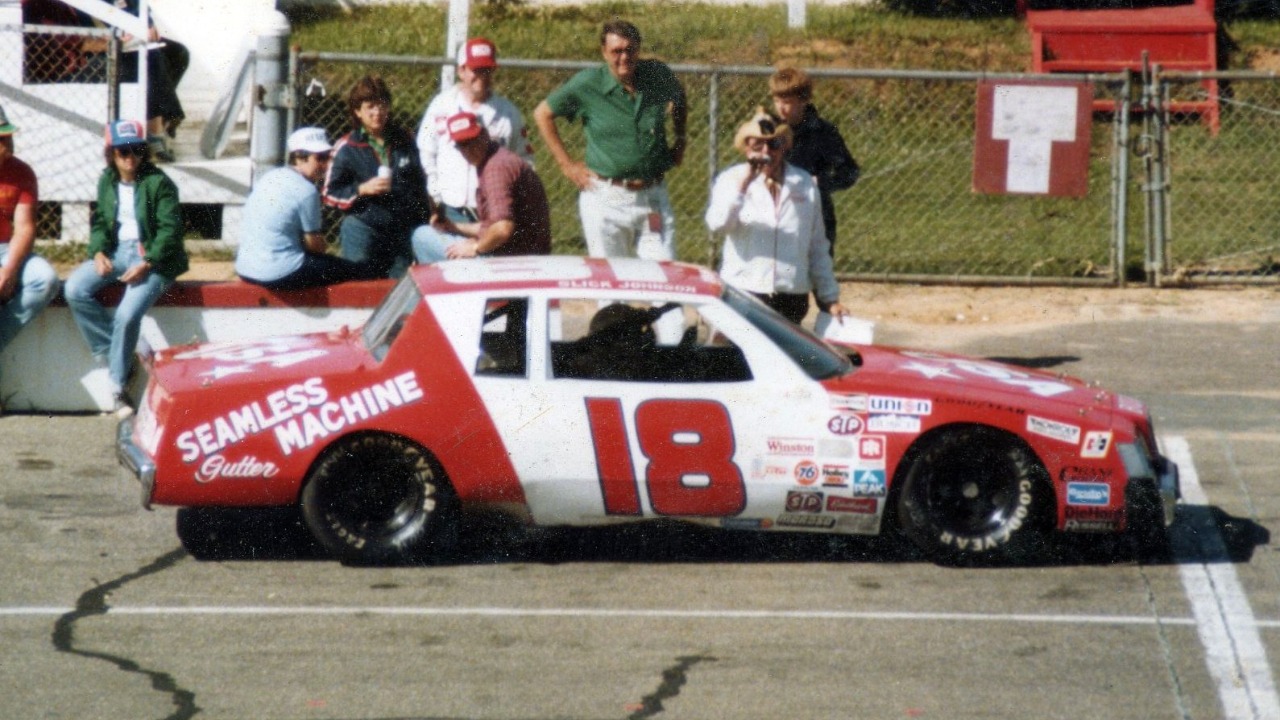
The Buick Regal NASCAR surprised many competitors by becoming one of the strongest stock-car platforms of its era. Buick’s aerodynamic advantages combined with reliable V8 power made the Regal highly competitive at both superspeedways and smaller short tracks. Its ability to survive physical contact and maintain speed over long races earned enormous respect among teams. The Regal helped establish Buick as a serious performance brand within American motorsport culture.
Oldsmobile Cutlass Supreme NASCAR
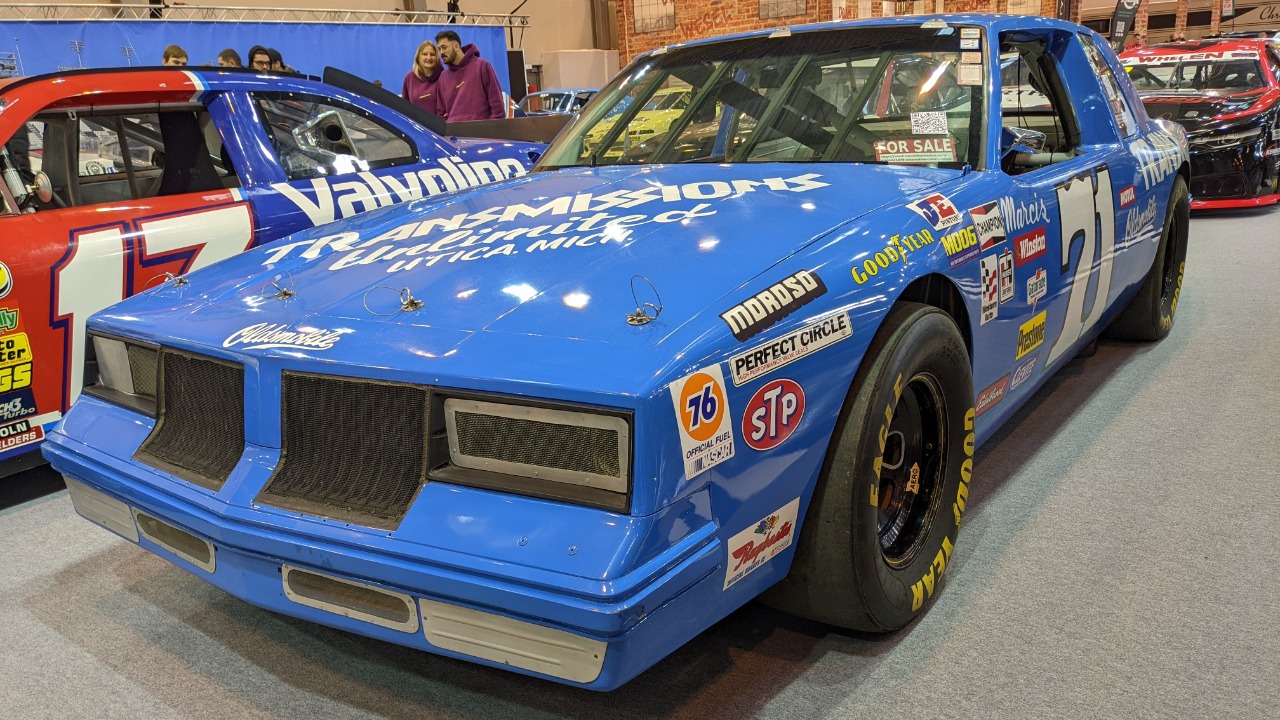
The Oldsmobile Cutlass Supreme NASCAR gained a reputation for toughness and consistency during some of stock-car racing’s most competitive years. Short-track racers appreciated the platform’s predictable handling and ability to withstand aggressive racing conditions without losing competitiveness. The Cutlass Supreme became especially popular among independent teams searching for durable and reliable stock-car platforms capable of surviving demanding local racing schedules.
Plymouth Superbird NASCAR
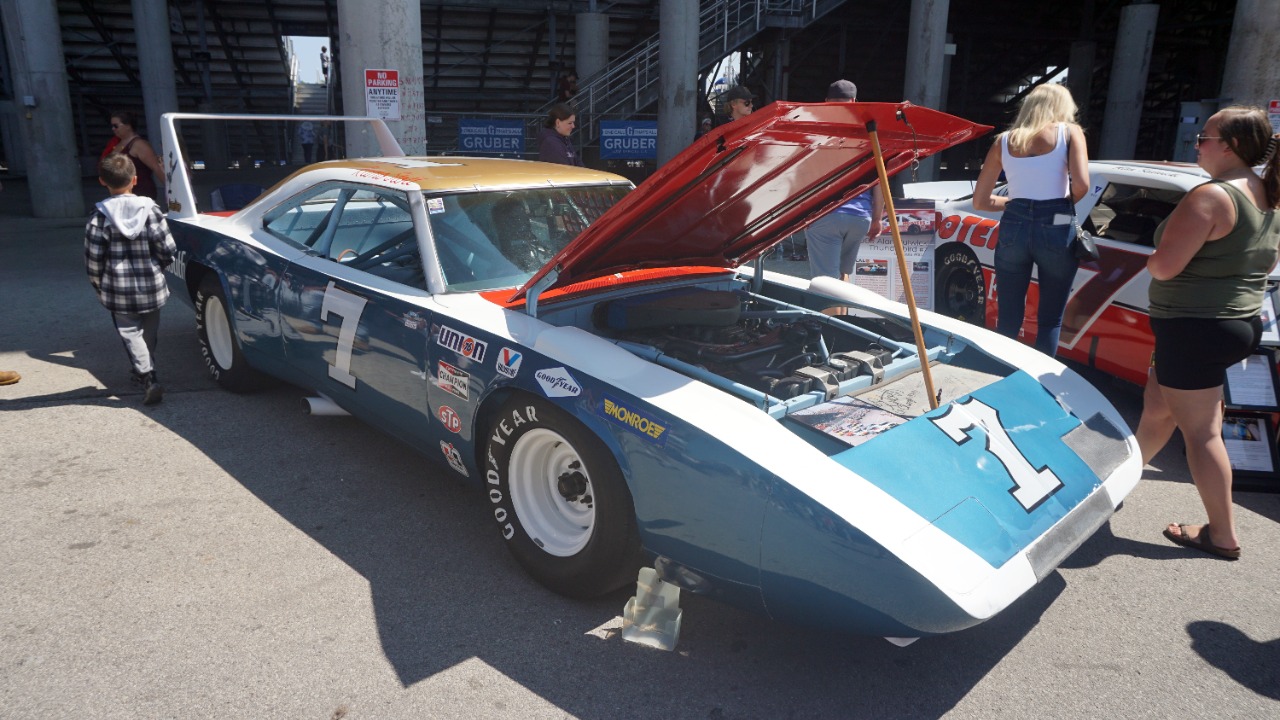
The Plymouth Superbird NASCAR looked almost unreal on short tracks because its towering rear wing and pointed nose stood out dramatically against more traditional stock cars. Although designed mainly for high-speed superspeedway dominance, the Superbird’s enormous power and intimidating presence also made it unforgettable at smaller circuits. Crowds instantly recognized the car wherever it appeared, and competitors understood they were facing one of the boldest engineering experiments in NASCAR history.
More from Fast Lane Only