The end of World War II marked a turning point for the automotive industry as manufacturers shifted from military production back to civilian transportation. Although many early postwar models evolved from prewar designs, they symbolized renewed optimism and growing prosperity. These 1940s classics helped families return to everyday life while laying the foundation for the exciting automotive innovations that followed.
1946 Ford Super Deluxe Tudor Sedan
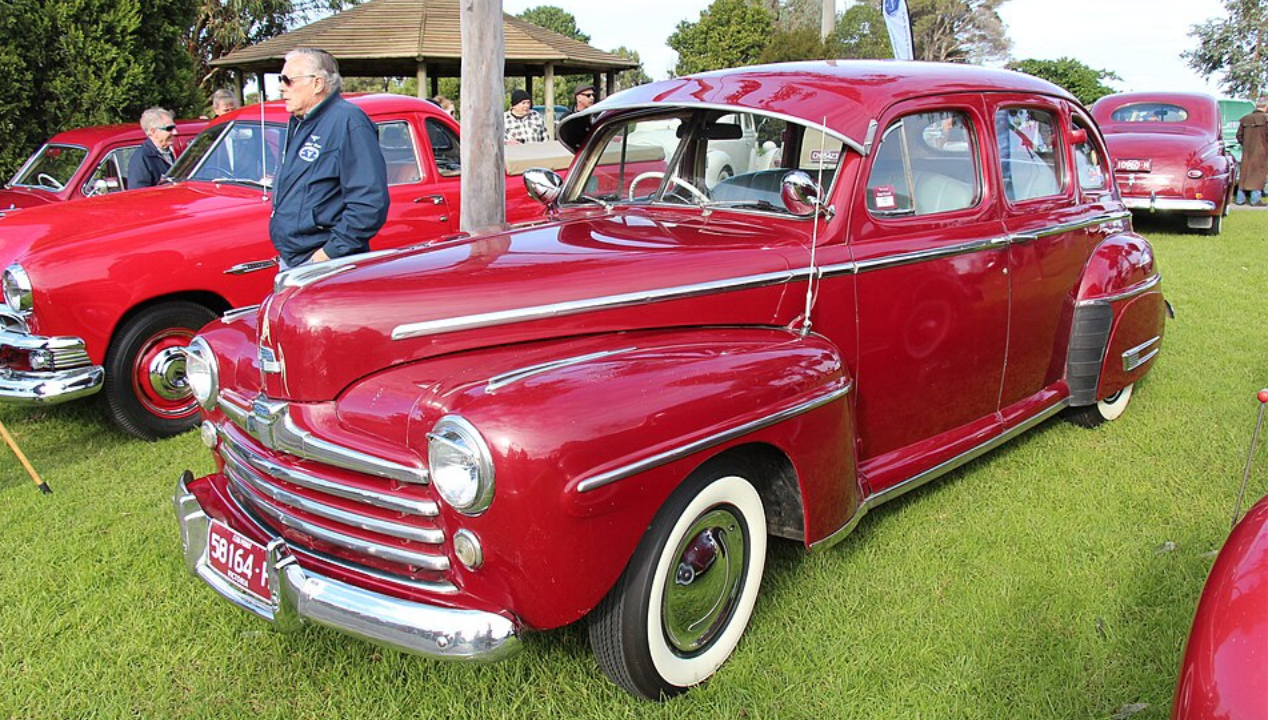
The 1946 Ford Super Deluxe Tudor Sedan became one of America’s first widely available postwar automobiles, giving buyers a familiar yet welcome return to personal transportation. While its styling closely resembled prewar models, demand was overwhelming after years of wartime shortages. Comfortable seating, dependable flathead V8 power, and solid construction made it a trusted family car that represented a hopeful new beginning for countless motorists.
1947 Chevrolet Fleetmaster Sport Sedan
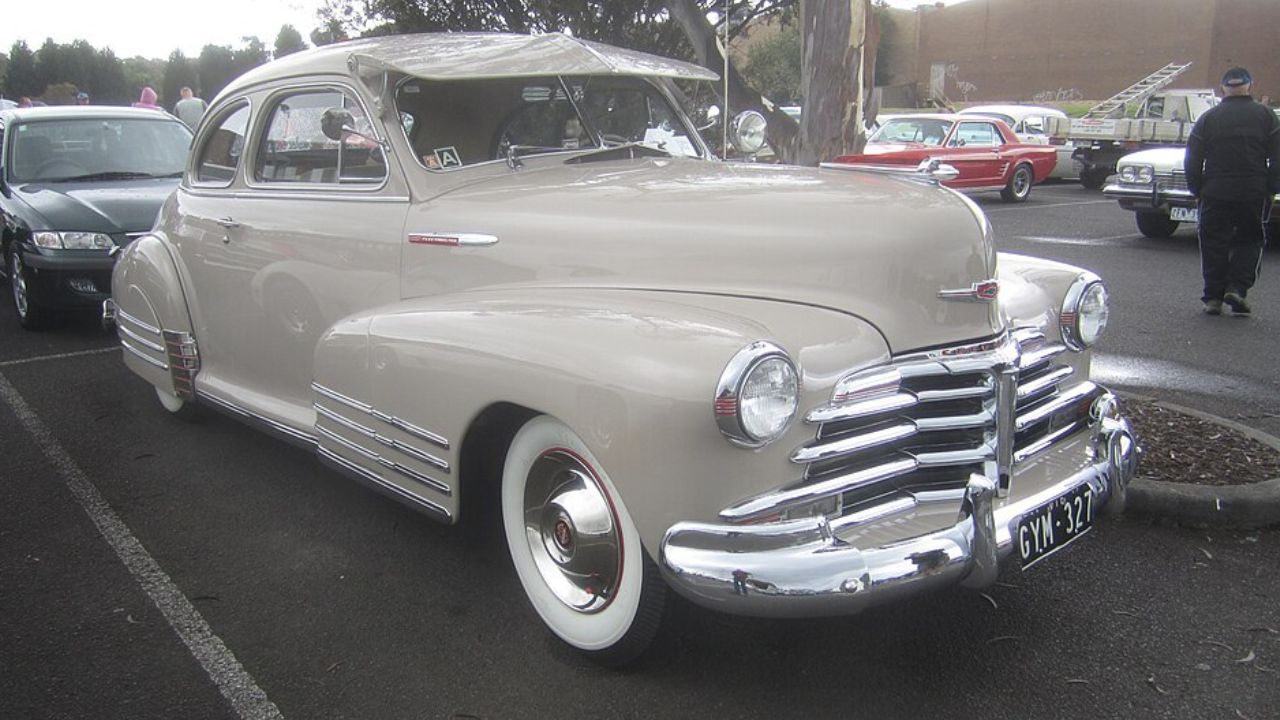
The 1947 Chevrolet Fleetmaster Sport Sedan offered reliable transportation at a time when Americans were eager to return to normal life. Its rounded body, spacious cabin, and proven inline-six engine made it an appealing choice for growing families. Chevrolet focused on durability and everyday practicality, helping the Fleetmaster become one of the country’s most recognizable postwar sedans and an important symbol of renewed consumer confidence.
1948 Tucker 48 Sedan
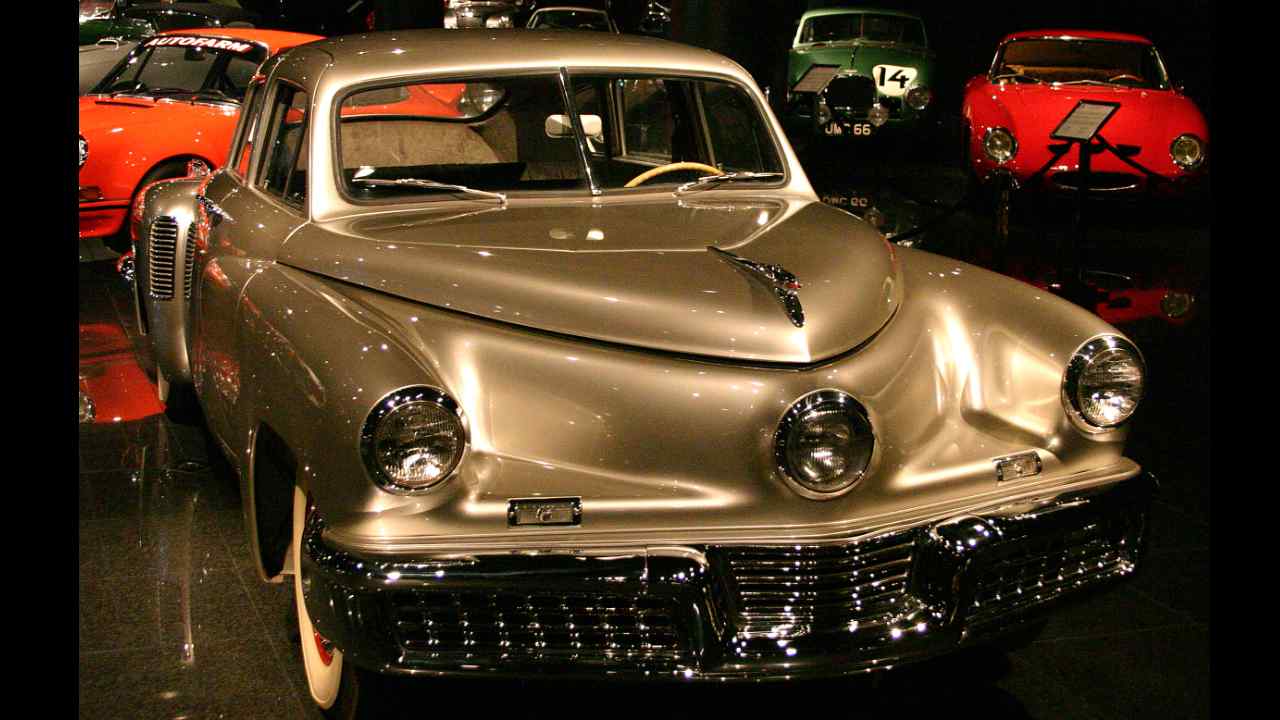
The 1948 Tucker 48 Sedan challenged conventional automotive thinking with bold engineering and futuristic styling. Designed with safety innovations including a padded dashboard, center-mounted headlight, and rear-mounted engine, it stood apart from every competitor of its era. Although production ended after only a small number were built, the Tucker 48 became an enduring symbol of innovation, ambition, and the optimism that followed the war.
1949 Oldsmobile 98 Futuramic Sedan
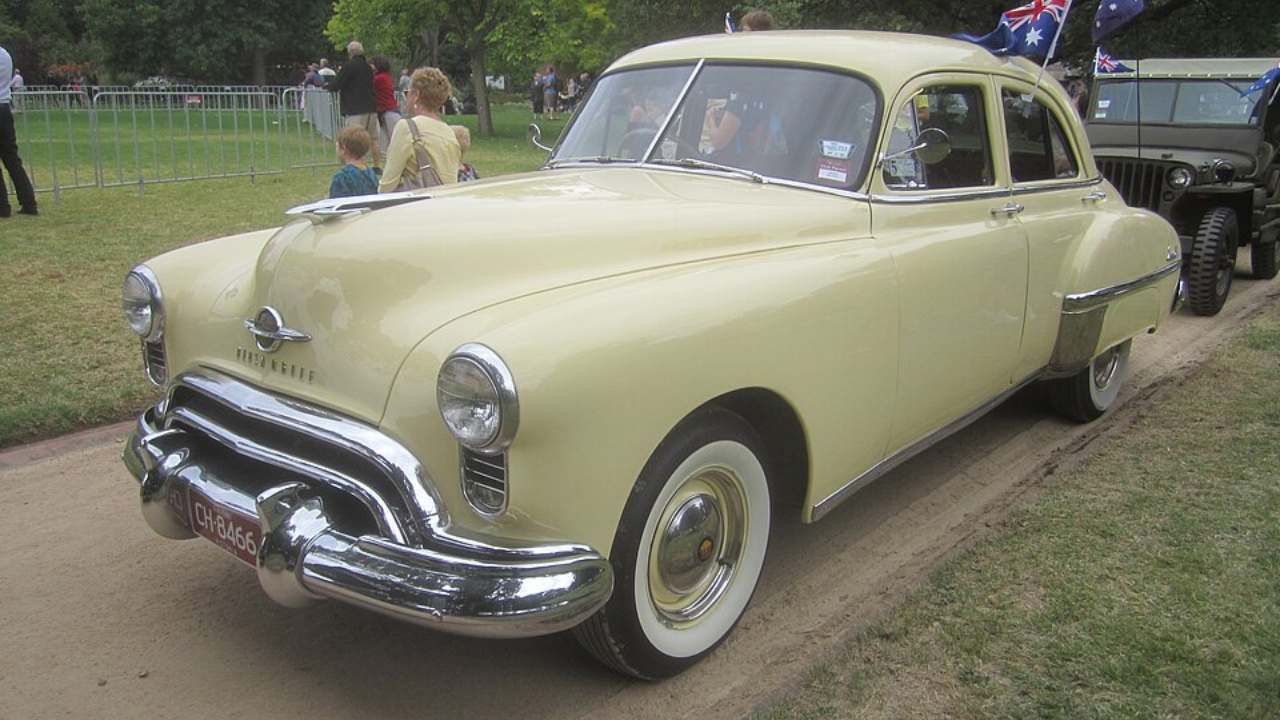
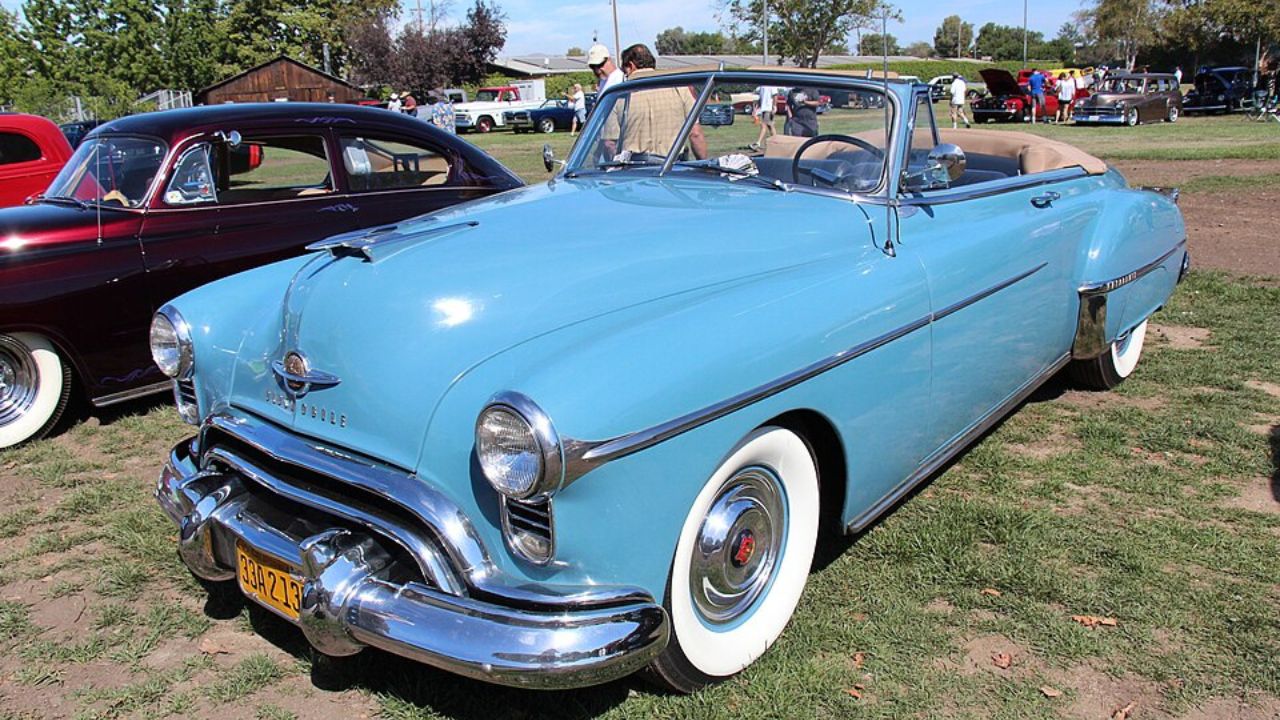
The 1949 Oldsmobile 98 Futuramic Sedan introduced a sleek new body that reflected America’s changing automotive tastes. Its modern envelope styling replaced separate fenders with smoother, more integrated lines, giving the car a contemporary appearance. Combined with Oldsmobile’s reputation for comfort and engineering excellence, the Futuramic Sedan demonstrated that the industry was ready to move confidently beyond prewar traditions.
1949 Cadillac Series 62 Coupe de Ville
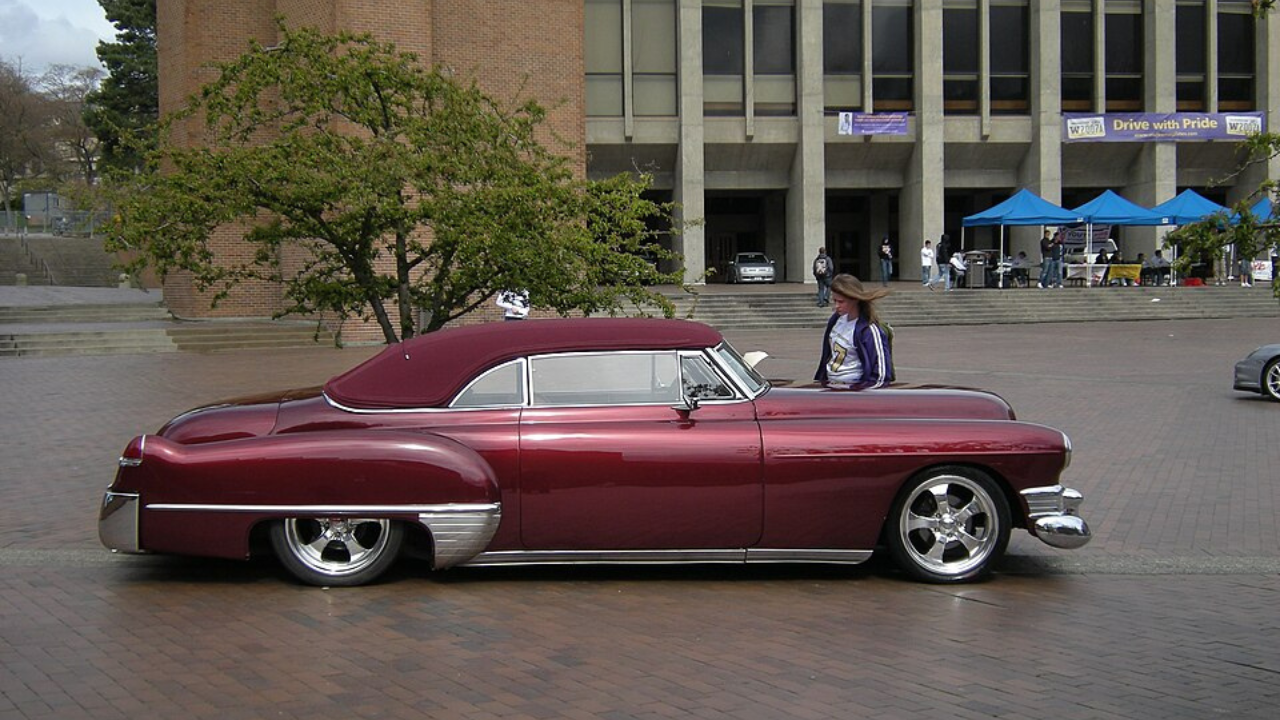
The 1949 Cadillac Series 62 Coupe de Ville showcased luxury in a rapidly modernizing America. Featuring Cadillac’s revolutionary overhead-valve V8 and elegant pillarless hardtop styling, it established new standards for premium automobiles. Small tailfins hinted at future design trends, while refined performance reinforced Cadillac’s prestige. The Coupe de Ville perfectly captured the confidence and excitement of the nation’s postwar economic recovery.
1949 Mercury Eight Club Coupe
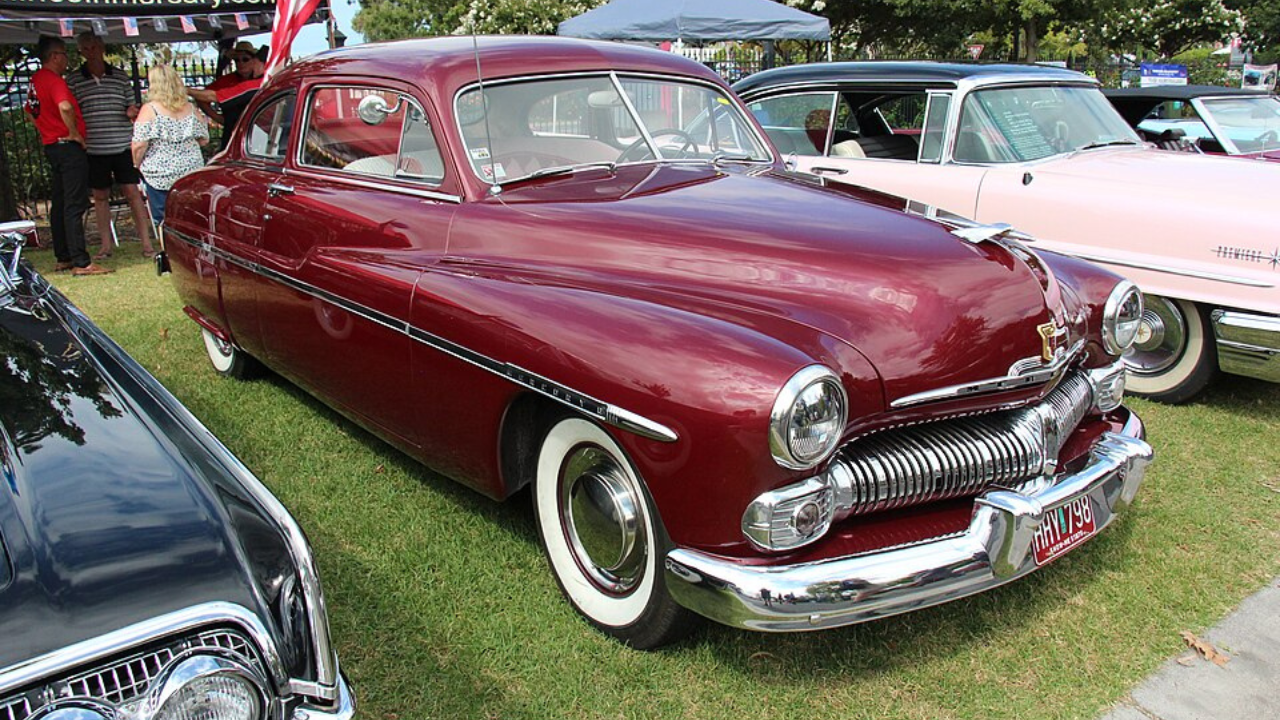
The 1949 Mercury Eight Club Coupe introduced an all-new design that departed dramatically from earlier Mercury models. Its smooth “pontoon” body, wider stance, and integrated fenders created a cleaner, more modern appearance. Powered by Mercury’s dependable flathead V8, it quickly became popular with families and custom-car enthusiasts alike. The Eight Club Coupe reflected America’s growing desire for stylish yet practical transportation.
1949 Lincoln Cosmopolitan Sedan
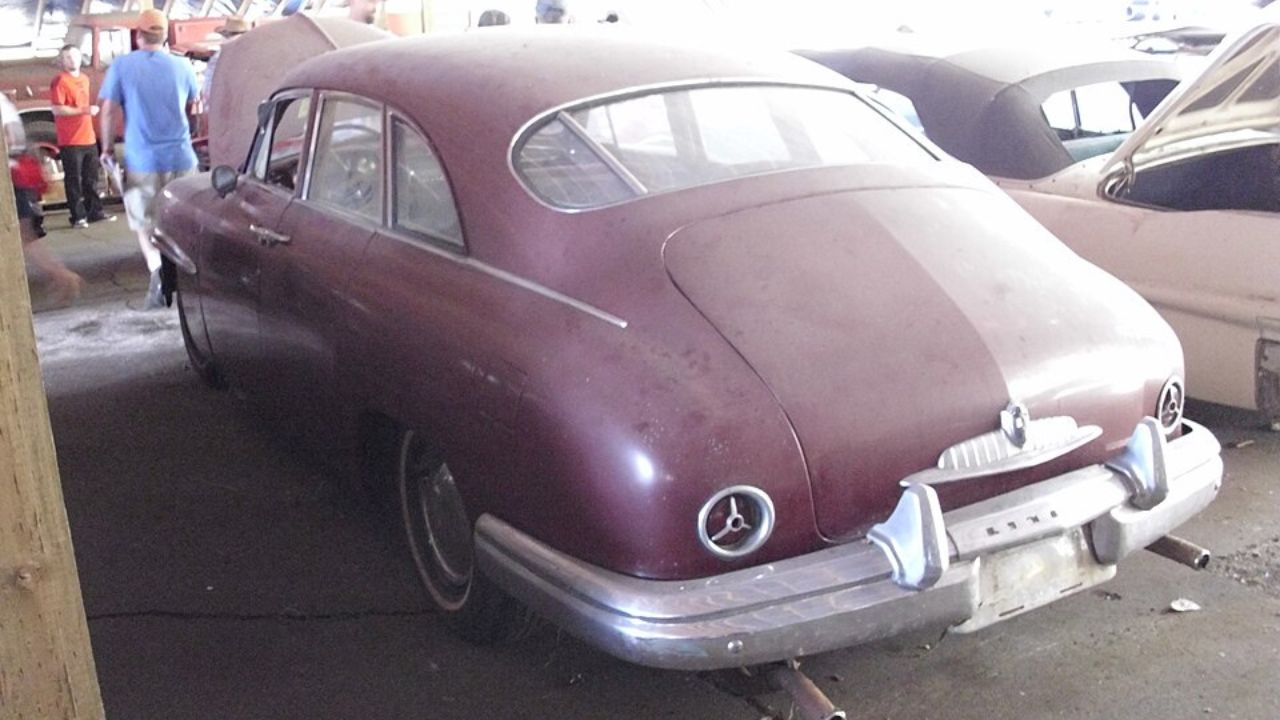
The 1949 Lincoln Cosmopolitan Sedan represented the brand’s commitment to luxury during the first years of the postwar era. Its spacious interior, refined ride, and distinctive integrated body design gave it a commanding presence on the road. Frequently chosen by business leaders and government officials, the Cosmopolitan reinforced Lincoln’s reputation for prestige while embracing the streamlined styling that defined late-1940s automotive design.
1949 Nash Airflyte Ambassador Sedan
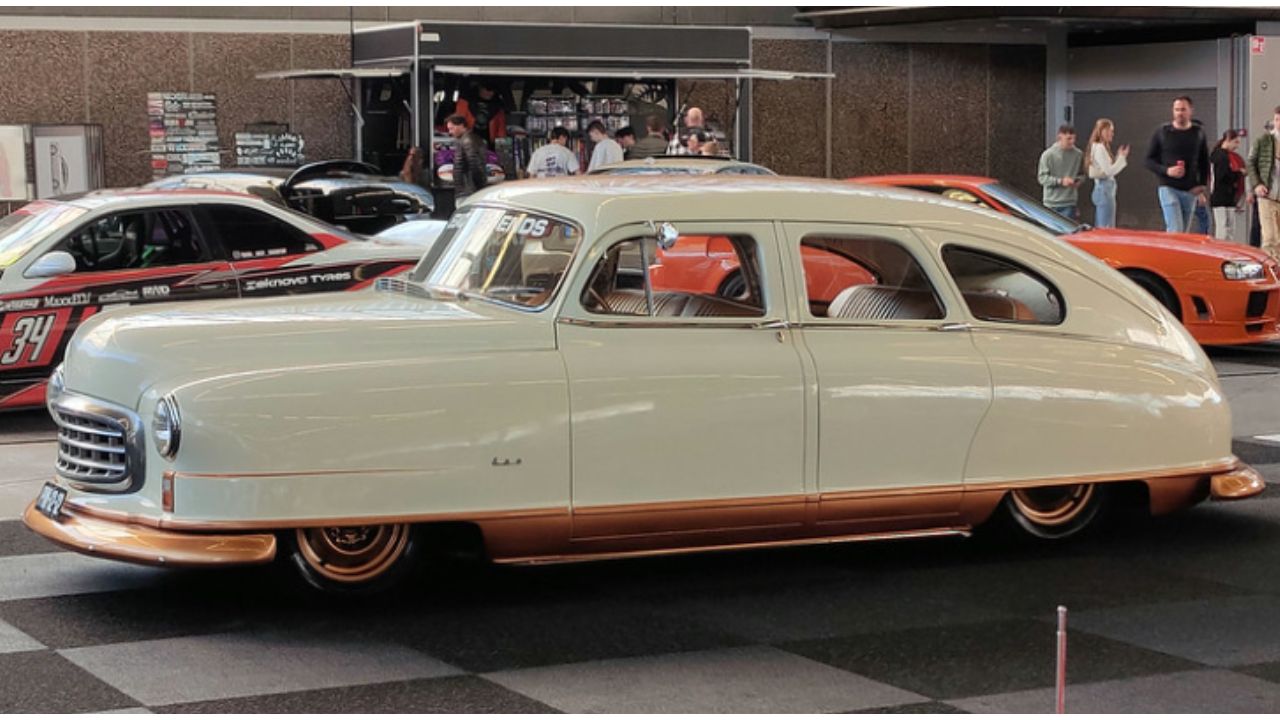
The 1949 Nash Airflyte Ambassador Sedan stood out with one of the most aerodynamic production designs of its time. Its fully enclosed fenders, rounded roofline, and integrated body reflected Nash’s willingness to embrace modern engineering and styling concepts. Inside, comfort and practicality remained priorities for long-distance travel. The Airflyte Ambassador Sedan helped demonstrate that postwar automobiles could be both innovative and comfortable without sacrificing reliability.
More from Fast Lane Only
- Unboxing the WWII Jeep in a Crate
- 15 rare Chevys collectors are quietly buying
- 10 underrated V8s still worth hunting down
- Police notice this before you even roll window down
*Research for this article included AI assistance, with all final content reviewed by human editors