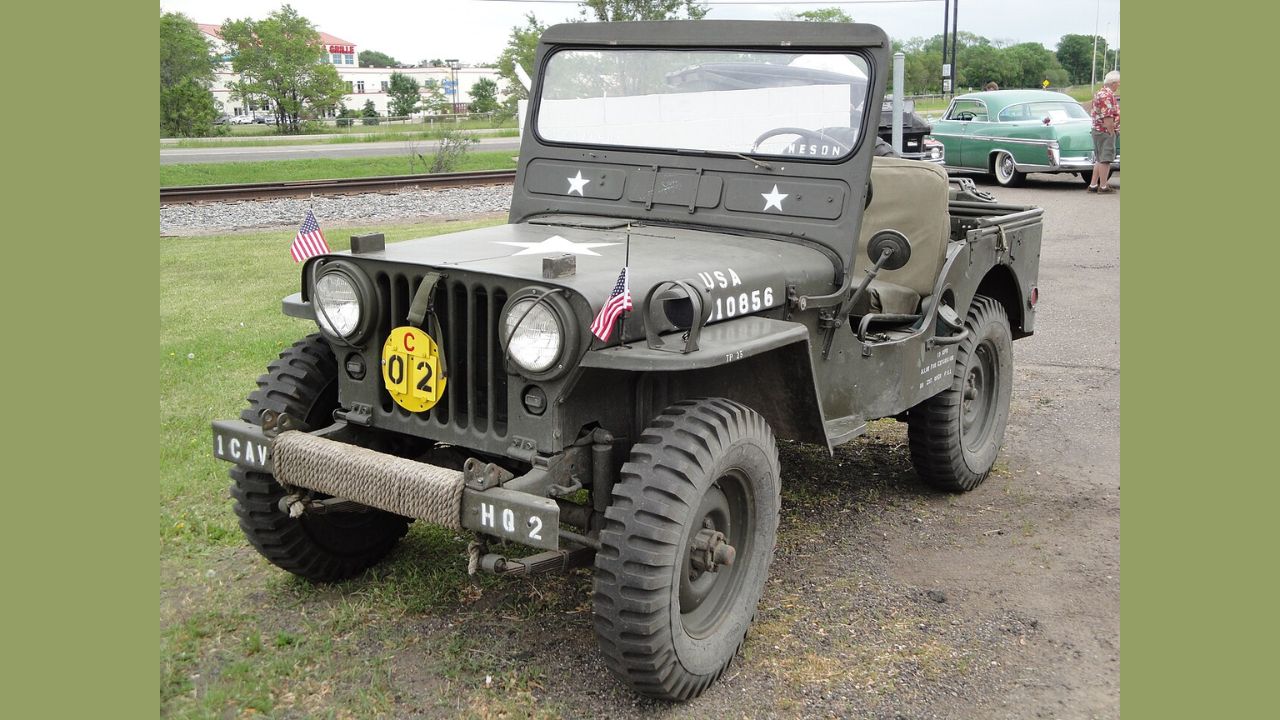
When World War II ended, the Willys Jeep had already proven itself as one of the most capable military vehicles ever built. Designed for reliability, mobility, and simplicity, it served on battlefields across multiple continents. After the war, however, the Jeep’s story was far from over. Surplus military vehicles, licensed production, and civilian demand helped the Willys Jeep spread around the world, where it became a trusted tool for farming, industry, exploration, and everyday transportation.
Surplus Jeeps Found New Owners Everywhere
As military forces reduced their wartime fleets, thousands of Willys MB Jeeps became available as surplus. Governments, businesses, farmers, and private buyers quickly recognized their value as affordable and durable four-wheel-drive vehicles.
Many countries purchased surplus Jeeps to rebuild transportation networks damaged during the war. Others distributed them to agricultural communities, where they proved capable of hauling equipment, pulling trailers, and traveling across terrain that ordinary cars could not handle.
Their compact size, dependable drivetrain, and excellent off-road ability allowed them to adapt to an incredible variety of jobs.
Instead of ending their service, the war gave the Jeep an entirely new beginning.
Civilian Models Expanded Their Popularity
Recognizing the growing demand, Willys introduced civilian versions known as the CJ, or “Civilian Jeep.” These models retained much of the rugged engineering that had made the military Jeep successful while adding features better suited to peacetime use.
Farmers appreciated the Jeep’s ability to power agricultural equipment through optional power take-off systems, while foresters, utility companies, and construction crews relied on it for transportation in remote areas. Hunters, ranchers, and outdoor enthusiasts also embraced its unmatched ability to reach difficult locations.
The Jeep quickly became more than a military vehicle—it evolved into one of the world’s most versatile utility vehicles.
Its practical design appealed to buyers across countless industries.
Licensed Production Created a Global Vehicle
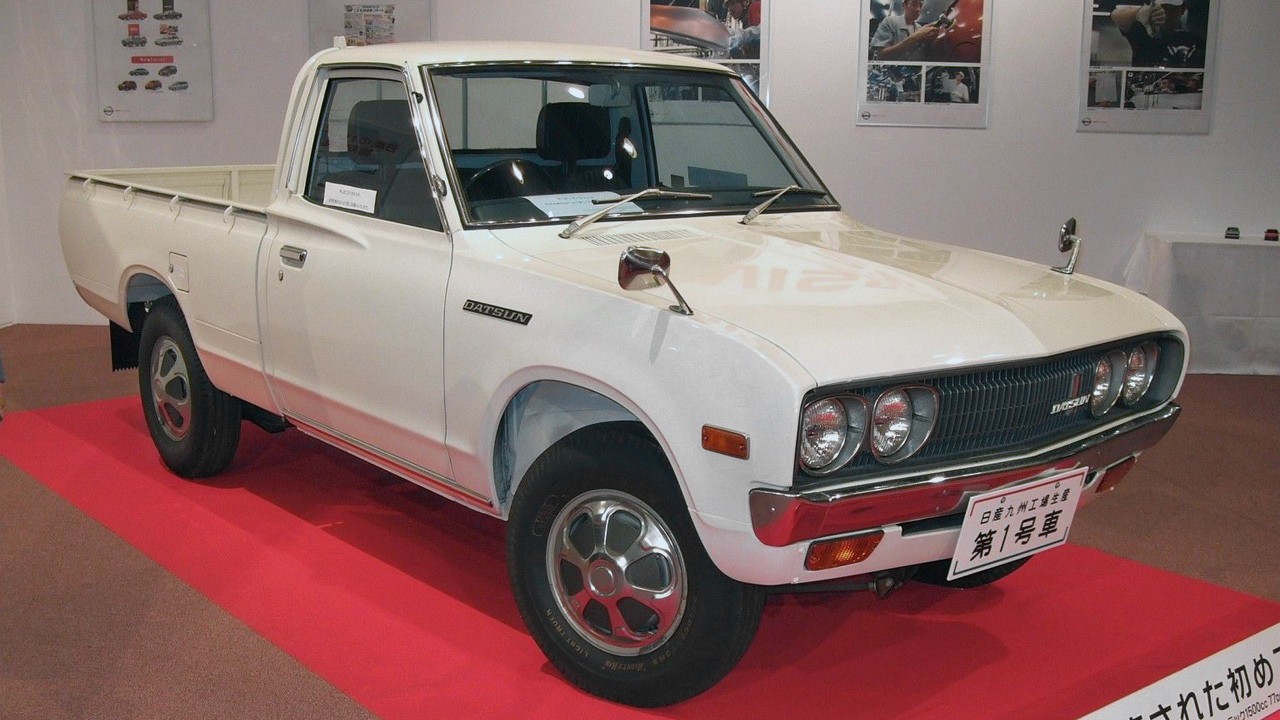
One of the biggest reasons the Willys Jeep spread so widely was that it was built in numerous countries under licensing agreements. Manufacturers in nations such as India, Japan, South Korea, France, and several South American countries produced local versions tailored to regional needs.
These domestically assembled Jeeps helped reduce costs and ensured replacement parts were readily available. Some versions remained remarkably faithful to the original design, while others evolved with new engines, improved suspensions, and updated body styles.
Because production continued in different forms for decades, the Jeep became familiar to generations of drivers far beyond the United States.
Its influence reached nearly every continent.
A Legacy That Still Inspires Off-Road Vehicles
The Willys Jeep laid the foundation for the modern sport utility vehicle and established principles that continue to influence off-road engineering today. Lightweight construction, four-wheel drive, excellent ground clearance, and mechanical simplicity became defining characteristics of countless vehicles that followed.
Many surviving Willys Jeeps remain operational, appearing at military history events, classic vehicle shows, and off-road gatherings around the world. Collectors value them not only for their wartime significance but also for their role in transforming civilian transportation after the conflict ended.
Looking back, the Willys Jeep spread around the world after World War II because it offered something few vehicles of its time could match: dependable performance in almost any environment. Its remarkable adaptability allowed it to move seamlessly from the battlefield to farms, forests, villages, and remote frontiers, earning a lasting place in automotive history as one of the world’s most influential utility vehicles.
More from Fast Lane Only
- Unboxing the WWII Jeep in a Crate
- 15 rare Chevys collectors are quietly buying
- 10 underrated V8s still worth hunting down
- Police notice this before you even roll window down
*Research for this article included AI assistance, with all final content reviewed by human editors