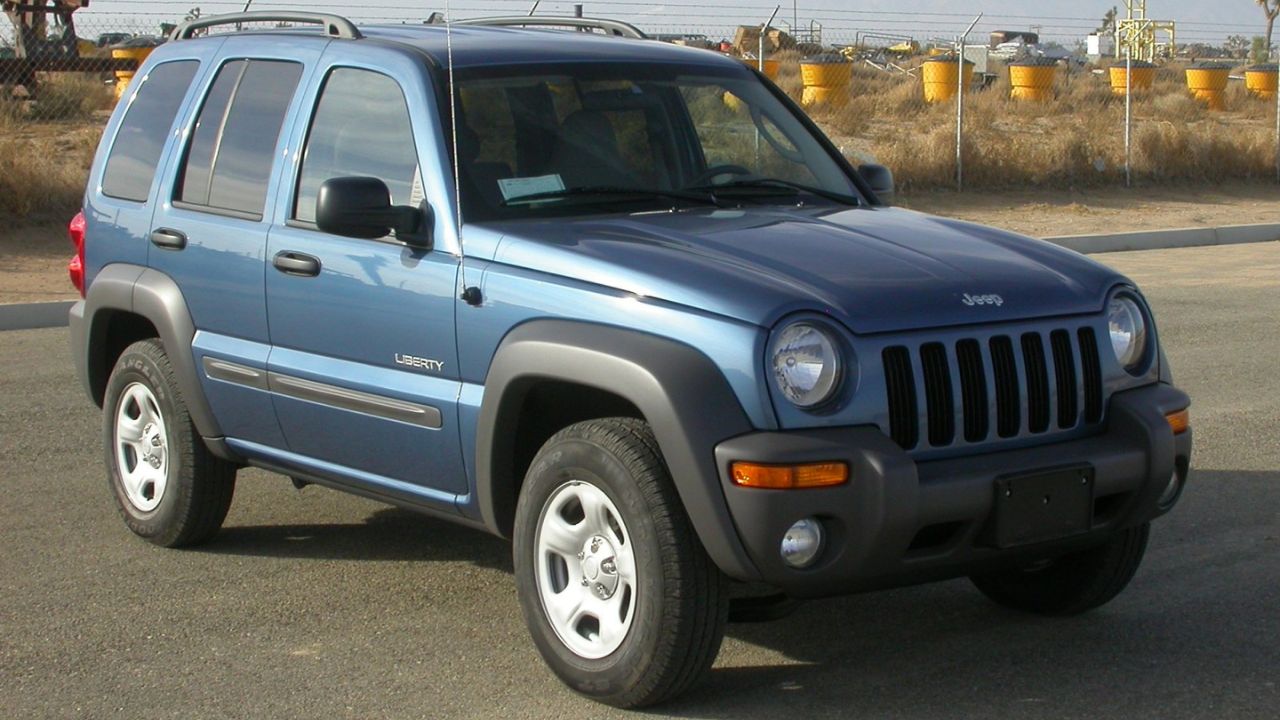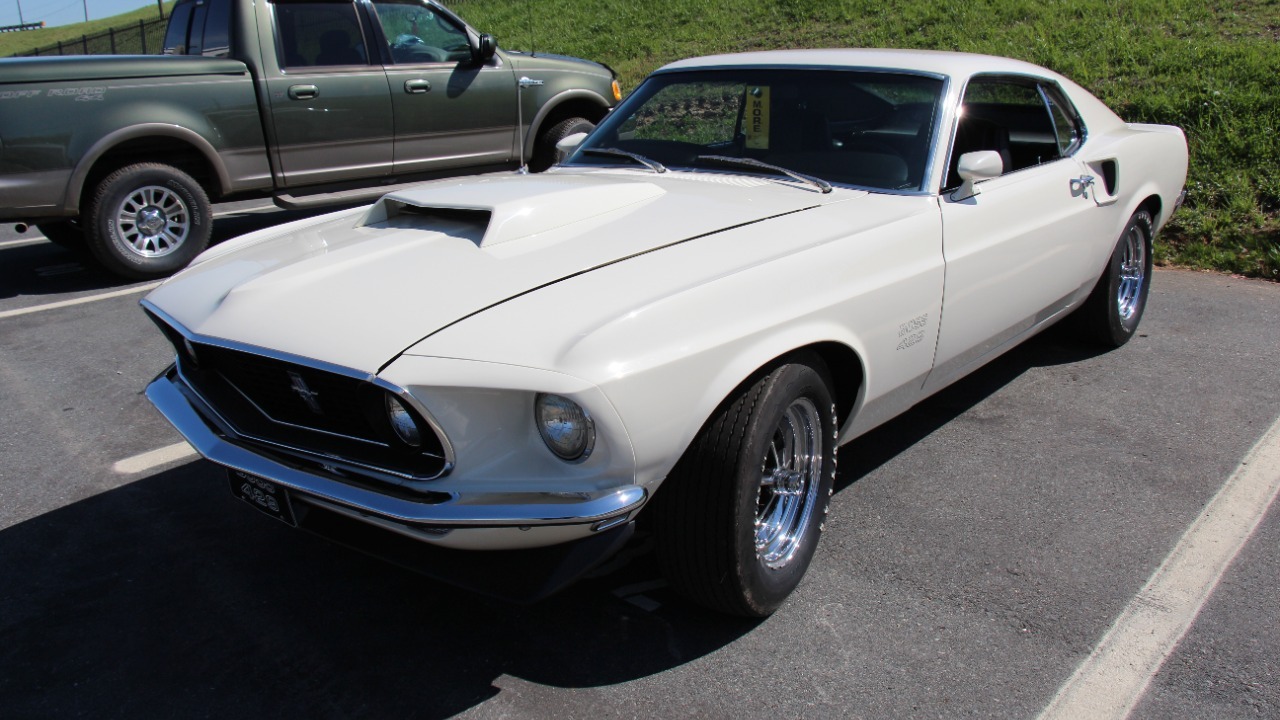
As muscle cars grew faster during the 1960s and early 1970s, insurance companies began realizing young drivers suddenly had access to enormous horsepower at affordable prices. Rising accident rates, street racing, and expensive claims forced insurers to raise premiums dramatically on high-performance models. These classic muscle cars became especially feared because their speed and popularity created serious headaches for the insurance industry.
Plymouth Road Runner 426 HEMI
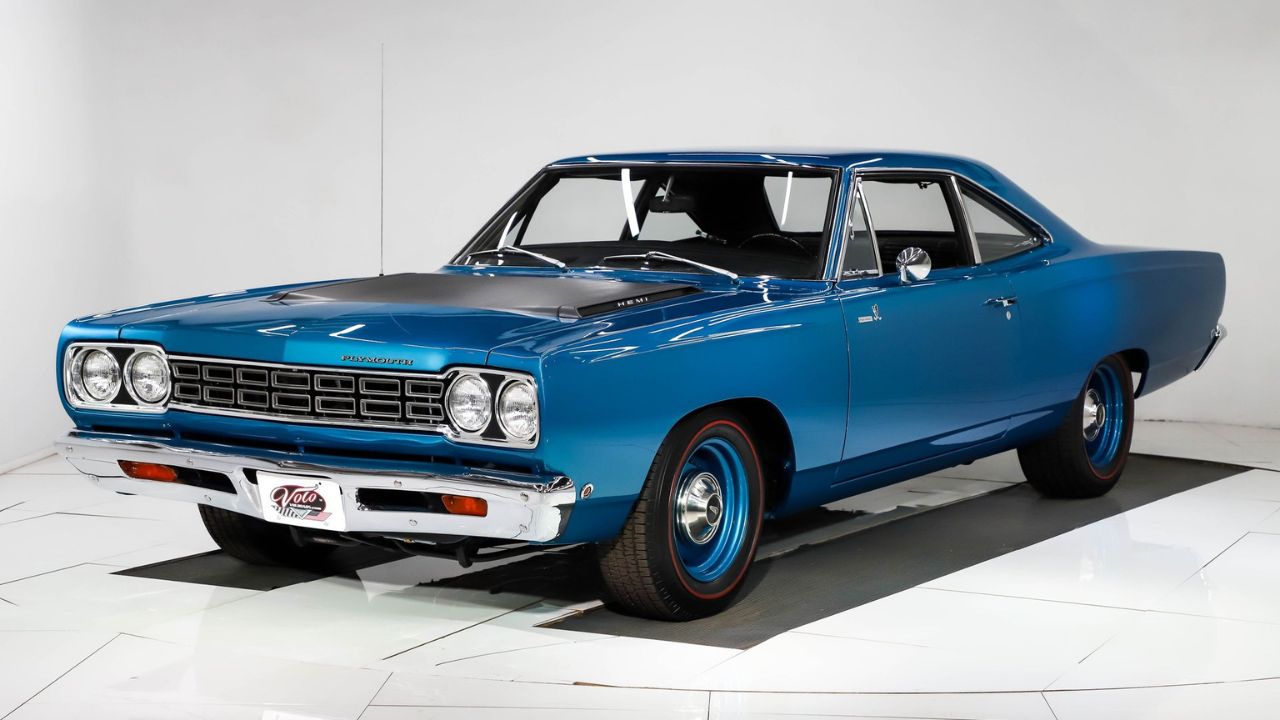
The Plymouth Road Runner 426 HEMI alarmed insurers because it combined relatively affordable pricing with brutal HEMI performance. Young buyers suddenly had access to enormous horsepower capable of dominating drag strips and street races alike. The car’s lightweight interior and focus on raw speed encouraged aggressive driving behavior. Insurance companies quickly recognized the Road Runner as one of the highest-risk muscle cars of its era.
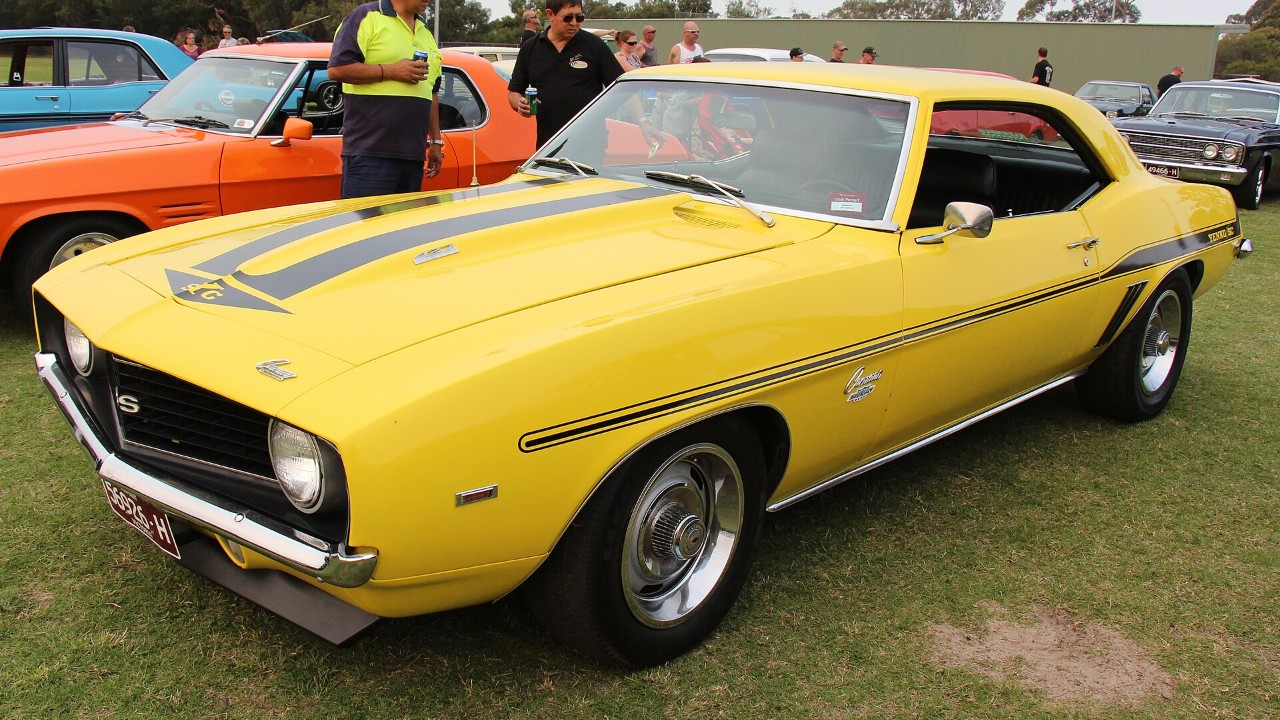
Chevrolet Camaro ZL1 1969
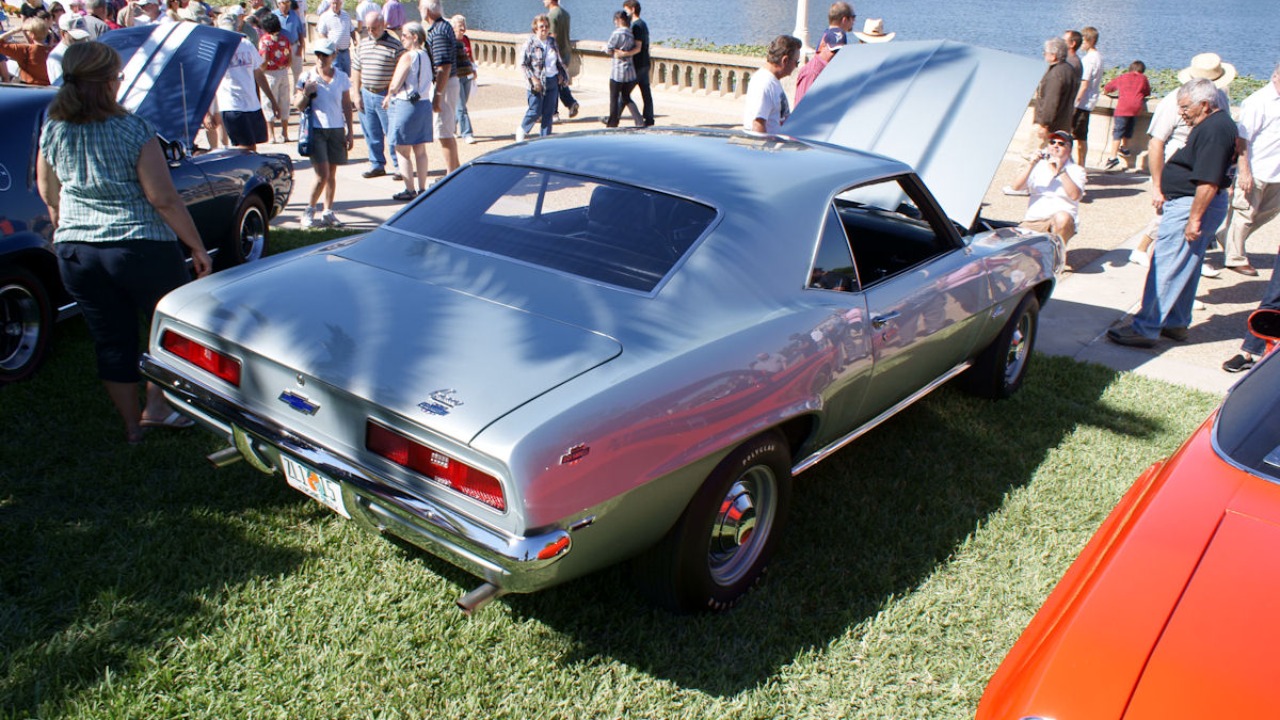
The Chevrolet Camaro ZL1 became an insurance nightmare because its race-derived aluminum 427 engine delivered shocking acceleration in a compact body. Official production numbers remained low, but the ZL1’s performance reputation spread rapidly among enthusiasts. Few street cars could challenge its straight-line speed during the late 1960s. Insurers viewed the combination of lightweight construction and massive horsepower as extremely dangerous.
Dodge Charger Daytona
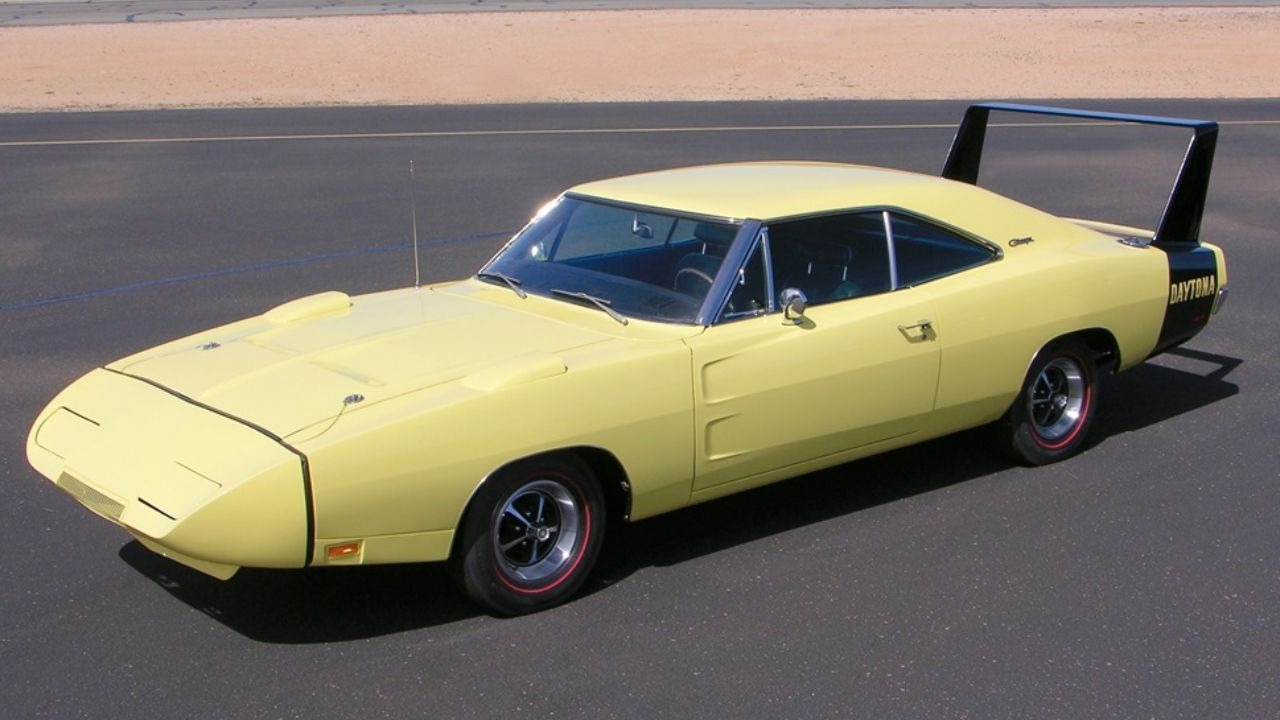
The Dodge Charger Daytona worried insurance companies because its NASCAR-inspired engineering made it exceptionally fast at high speeds. The huge rear wing and pointed nose transformed the Charger into a serious performance weapon rather than just a stylish coupe. Drivers frequently pushed the car aggressively to experience its aerodynamic capabilities. Its intimidating image and HEMI power only increased insurer concerns further.
Pontiac GTO Judge
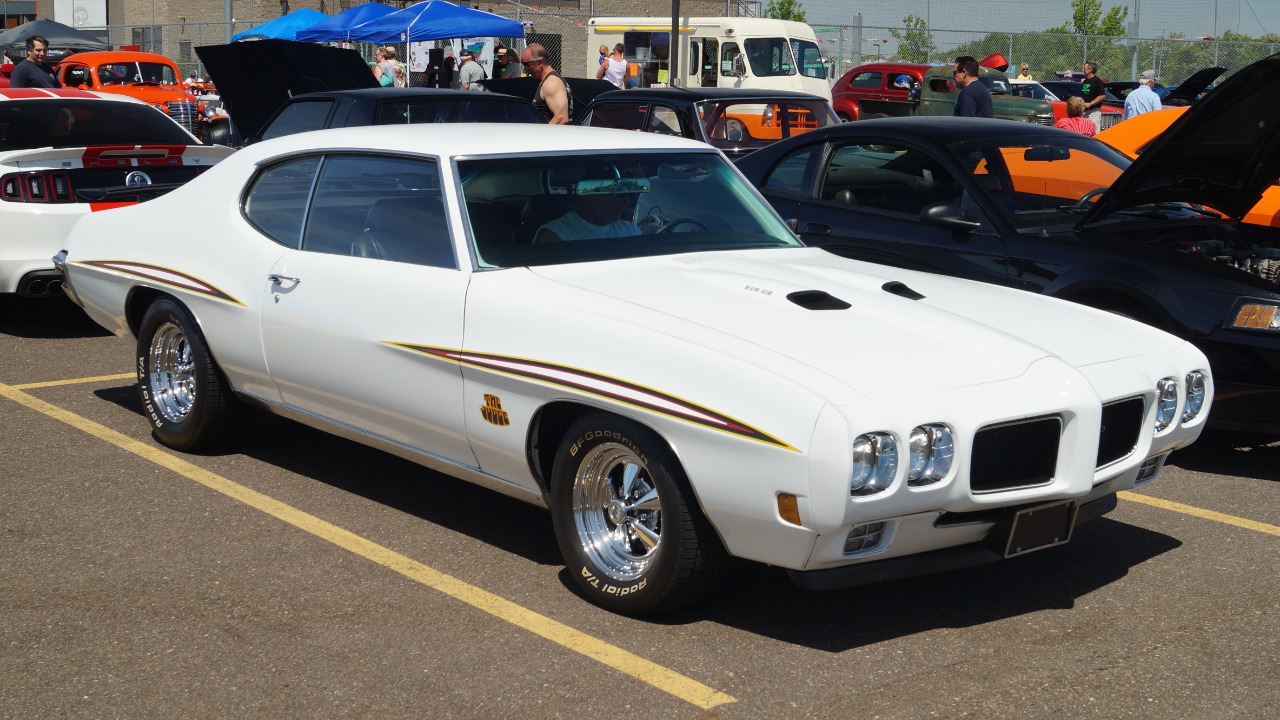
The Pontiac GTO Judge became associated with youthful street-racing culture almost immediately after release. Bright colors, aggressive graphics, and powerful Ram Air engines made the Judge especially appealing to younger drivers seeking attention and performance. Insurance companies noticed rising claims involving high-powered GTO models quickly. The Judge helped symbolize the growing connection between muscle cars and risky driving behavior.
Ford Mustang Boss 429
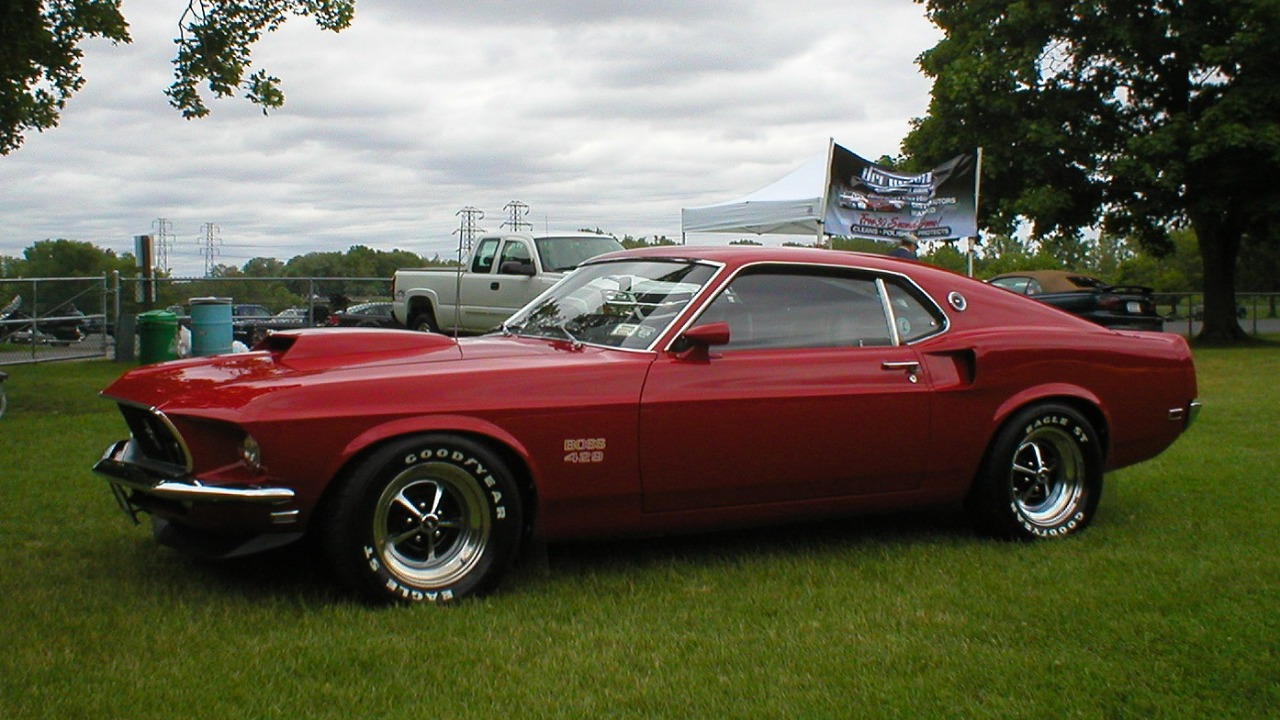
The Ford Mustang Boss 429 created insurance concerns because its enormous semi-hemi engine delivered race-level power in a relatively compact Mustang platform. Originally developed partly for NASCAR homologation, the Boss 429 carried an intimidating performance reputation from the beginning. Enthusiasts respected the car’s incredible top-end power and aggressive personality. Insurers viewed it as a costly and high-risk vehicle almost immediately.
Buick GSX Stage 1
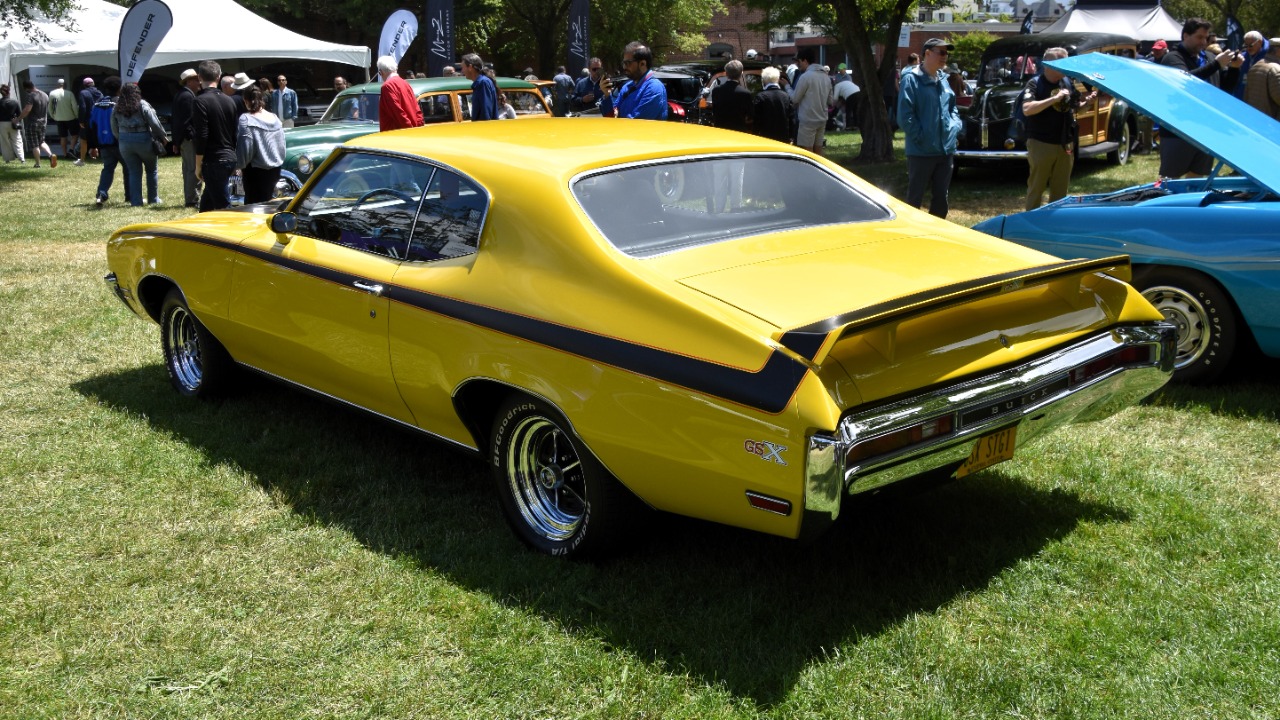
The Buick GSX Stage 1 shocked insurers because its massive 455 engine produced extraordinary low-end torque capable of overwhelming rear tires easily. Despite Buick’s traditionally conservative image, the GSX became one of the quickest muscle cars available during the early 1970s. Drivers appreciated how deceptively fast the car felt in real-world conditions. Insurance companies quickly realized performance danger was no longer limited to youthful brands alone.
AMC Rebel Machine
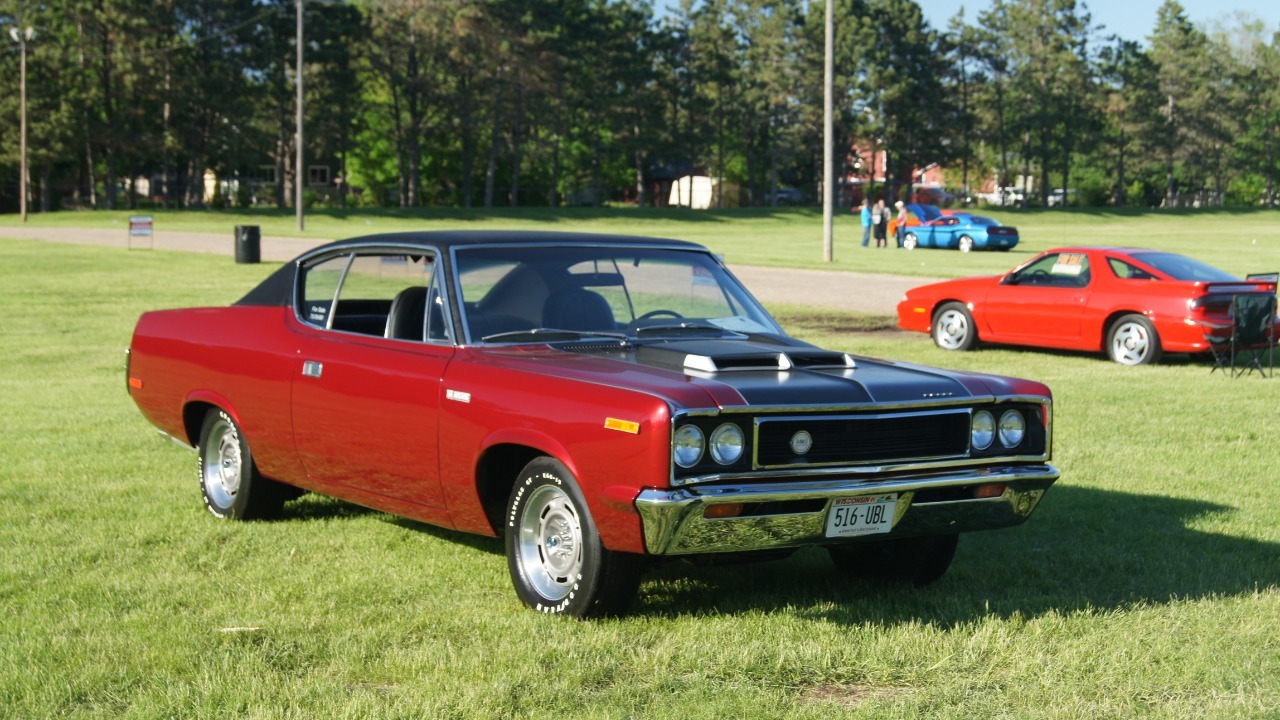
The AMC Rebel Machine alarmed insurance companies because it offered strong V8 performance at competitive pricing from a smaller manufacturer eager to challenge Detroit rivals. Bold patriotic graphics and aggressive marketing targeted performance enthusiasts directly. The Rebel Machine’s speed surprised many competitors and owners alike during street races and drag events. Insurers treated it cautiously because of its growing performance reputation.
Oldsmobile 442 W-30
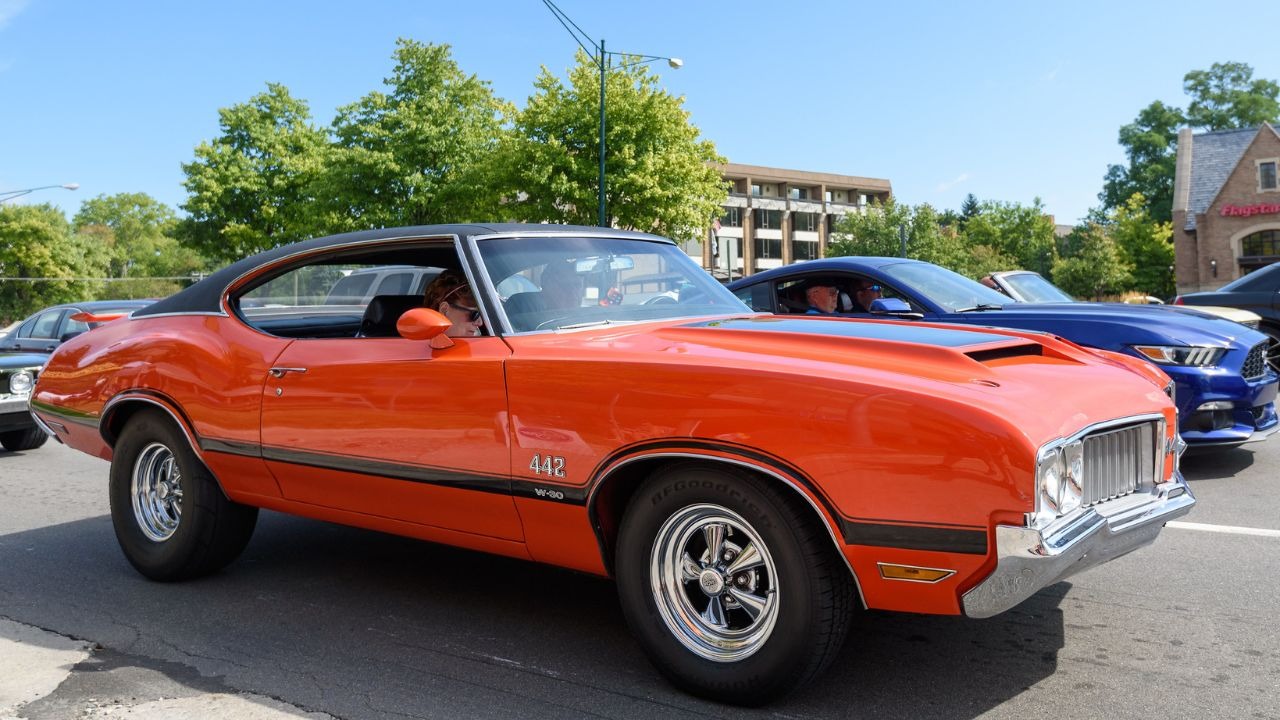
The Oldsmobile 442 W-30 worried insurers because it combined strong acceleration with enough comfort to encourage long-distance high-speed driving. Functional induction systems and serious engine upgrades made W-30 models especially capable during the muscle-car horsepower wars. Drivers respected the car’s ability to compete directly with more famous rivals from Chevrolet and Mopar. Insurance companies recognized quickly that the 442 delivered genuine high-risk performance.
More from Fast Lane Only