Drag racing engines endure some of the harshest conditions in motorsport, surviving extreme heat, violent acceleration, and enormous cylinder pressures in repeated bursts of full-throttle abuse. The best designs earned legendary reputations not just for power, but for durability under impossible stress. These engines became icons because they repeatedly survived punishment that would destroy ordinary performance machines instantly.
Chrysler 426 Hemi
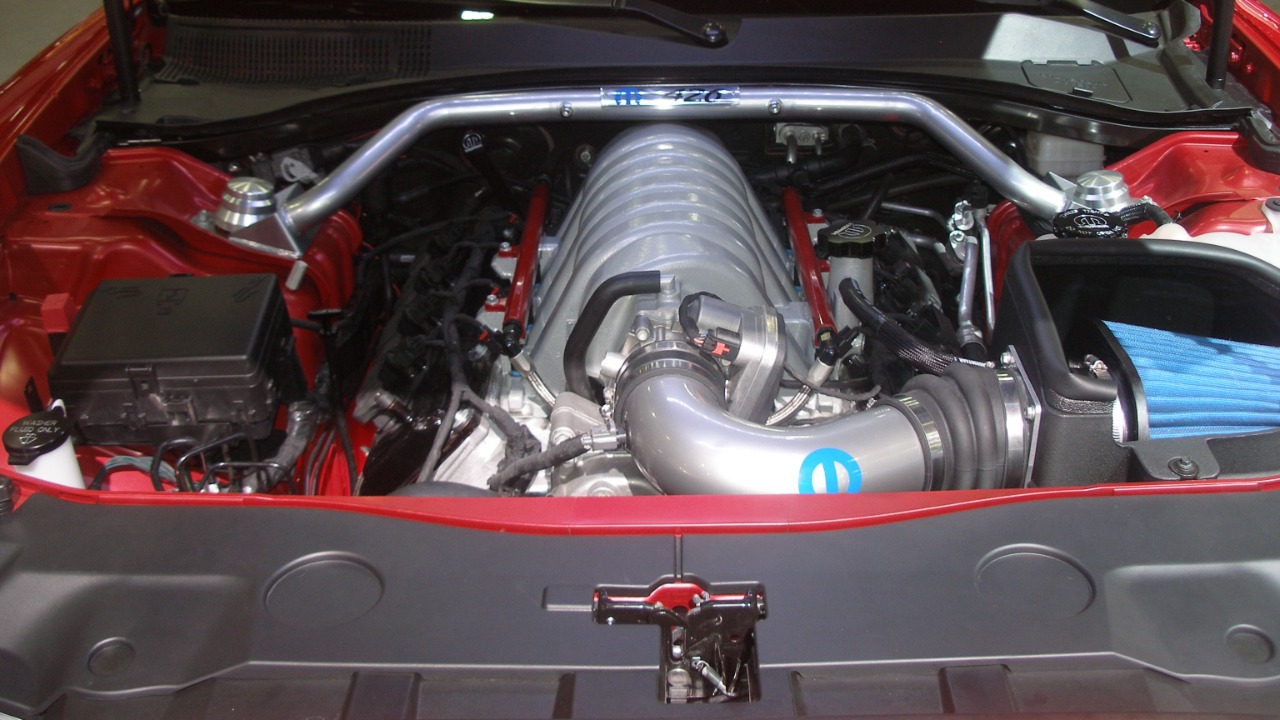
The Chrysler 426 Hemi became one of the most feared drag racing engines ever created. Developed by Chrysler, its hemispherical combustion chambers and massive airflow capability allowed racers to extract extraordinary horsepower reliably. Thick block construction helped it withstand enormous stress under supercharged and nitromethane-fueled conditions. Drag racers quickly discovered the platform could tolerate power levels far beyond factory expectations. The 426 Hemi’s dominance cemented its reputation as a near-indestructible foundation for serious quarter-mile competition.
Chevrolet Big-Block 454
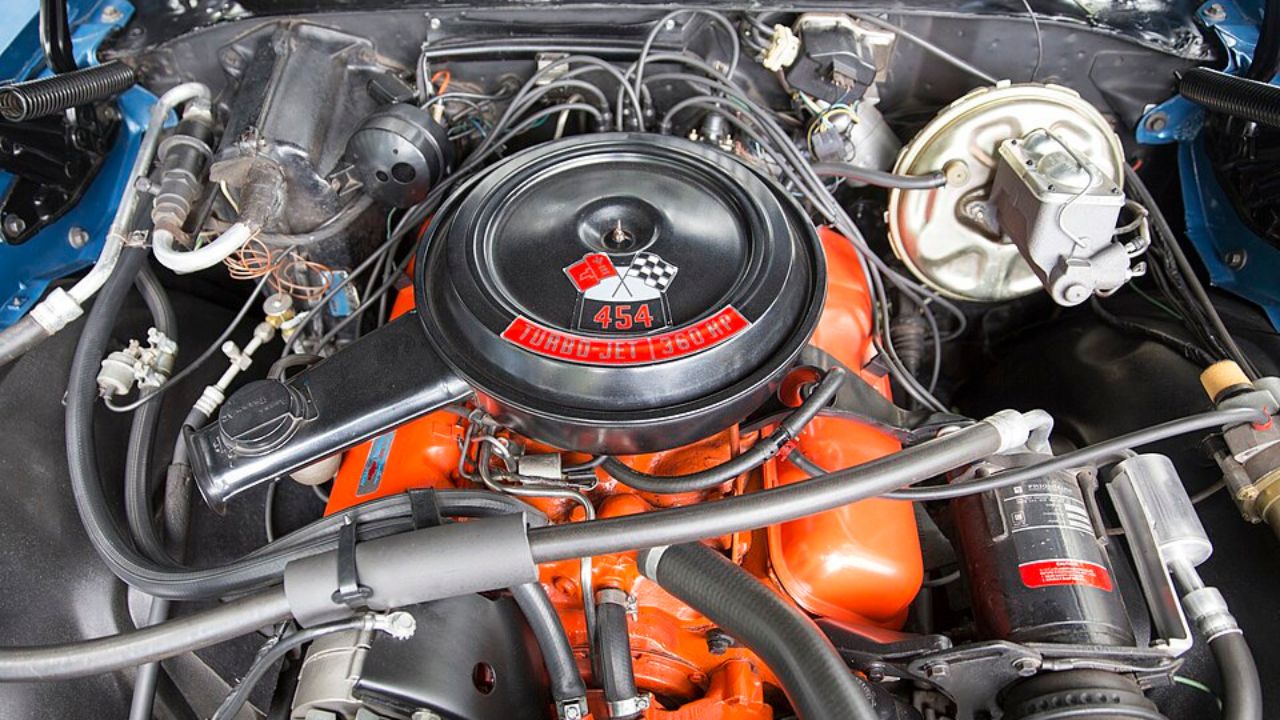
The Chevrolet 454 big-block earned widespread respect across drag strips for its simplicity and strength. Produced by Chevrolet, it featured massive displacement and robust internals capable of handling substantial modifications. Racers appreciated the engine’s ability to generate huge torque without requiring exotic engineering solutions. Aftermarket support expanded rapidly as competitors pushed horsepower levels higher. The 454 became a favorite because it consistently survived repeated high-rpm punishment with proper preparation.
Ford Boss 429
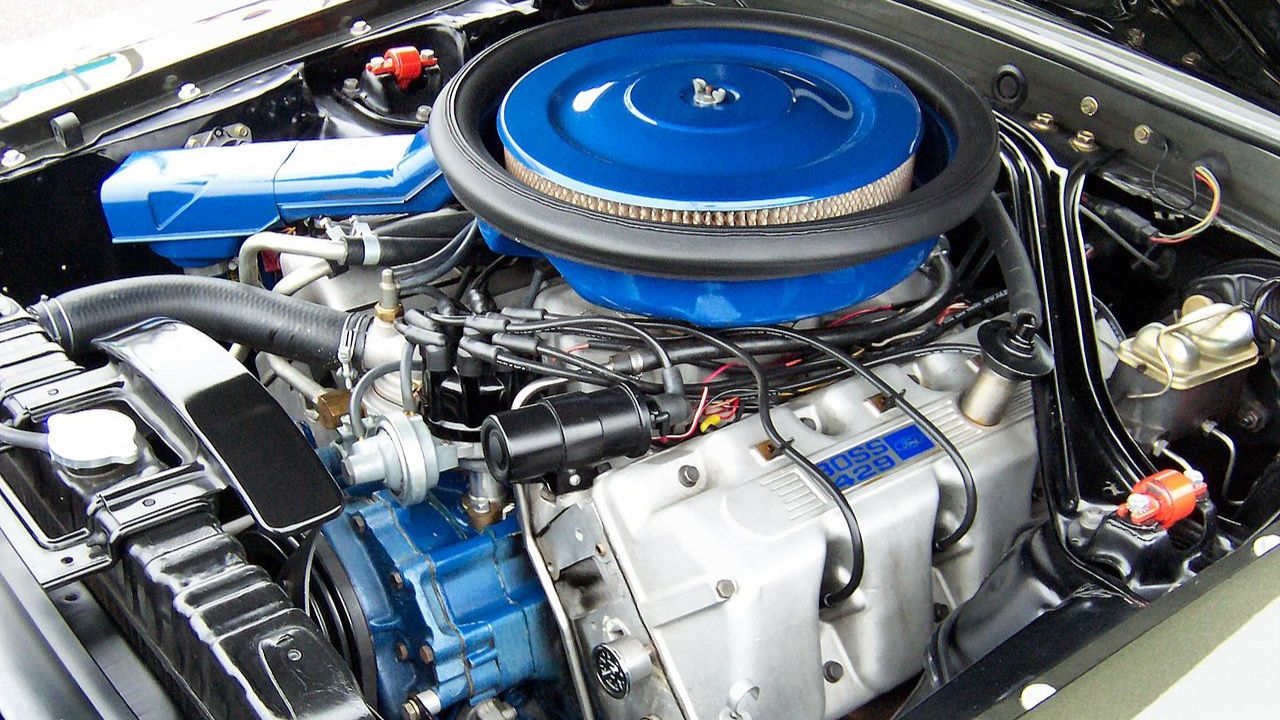
The Ford Boss 429 originated as a NASCAR-focused engine, but drag racers quickly recognized its enormous performance potential. Built by Ford Motor Company, it used oversized cylinder heads and strong bottom-end construction designed for sustained high-speed durability. Racers exploited its airflow advantages in both naturally aspirated and forced-induction applications. Its rarity increased its mystique within drag racing culture. The Boss 429 became respected for surviving extreme horsepower levels while maintaining impressive reliability.
Keith Black Hemi
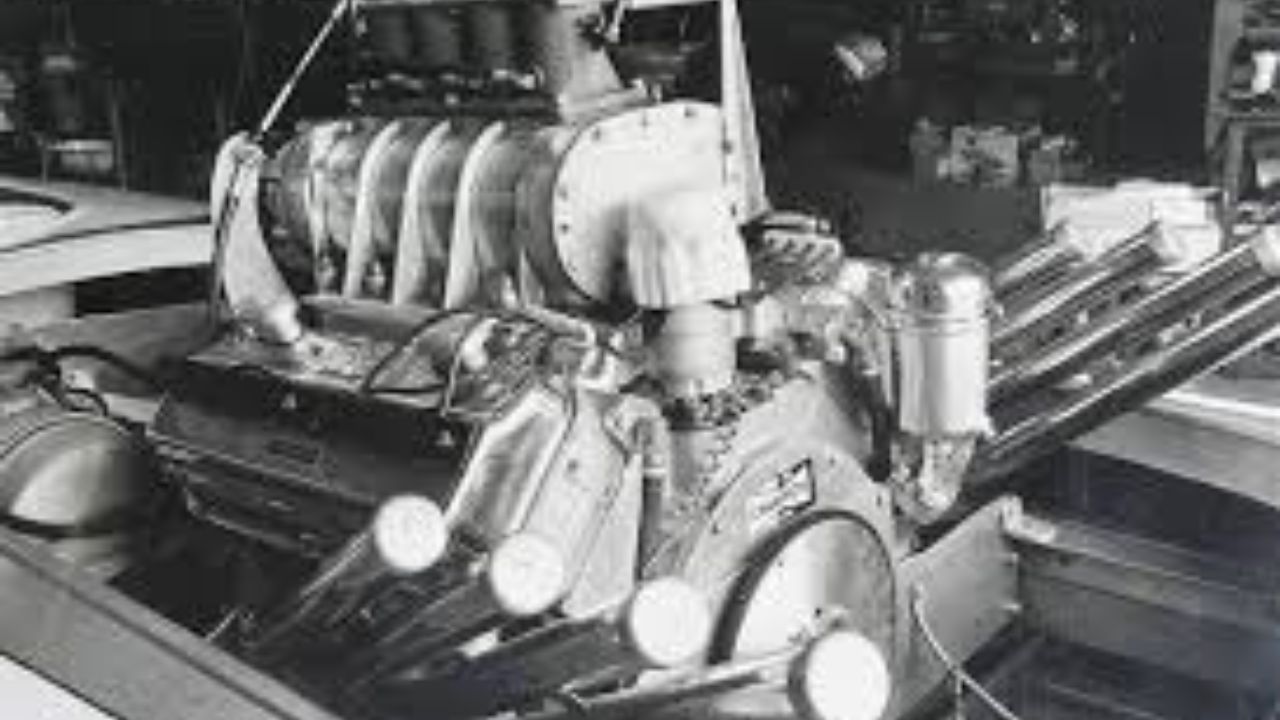
The Keith Black Hemi transformed the original Chrysler Hemi architecture into a specialized drag racing weapon. Developed by Keith Black Racing Engines, it featured reinforced components and race-focused modifications built specifically for Top Fuel and Funny Car competition. These engines routinely endured explosive combustion forces from nitromethane fuel mixtures. Constant rebuilding remained necessary, yet the architecture consistently survived astonishing power output. The Keith Black Hemi became synonymous with professional drag racing durability and brute-force horsepower.
Toyota 2JZ-GTE
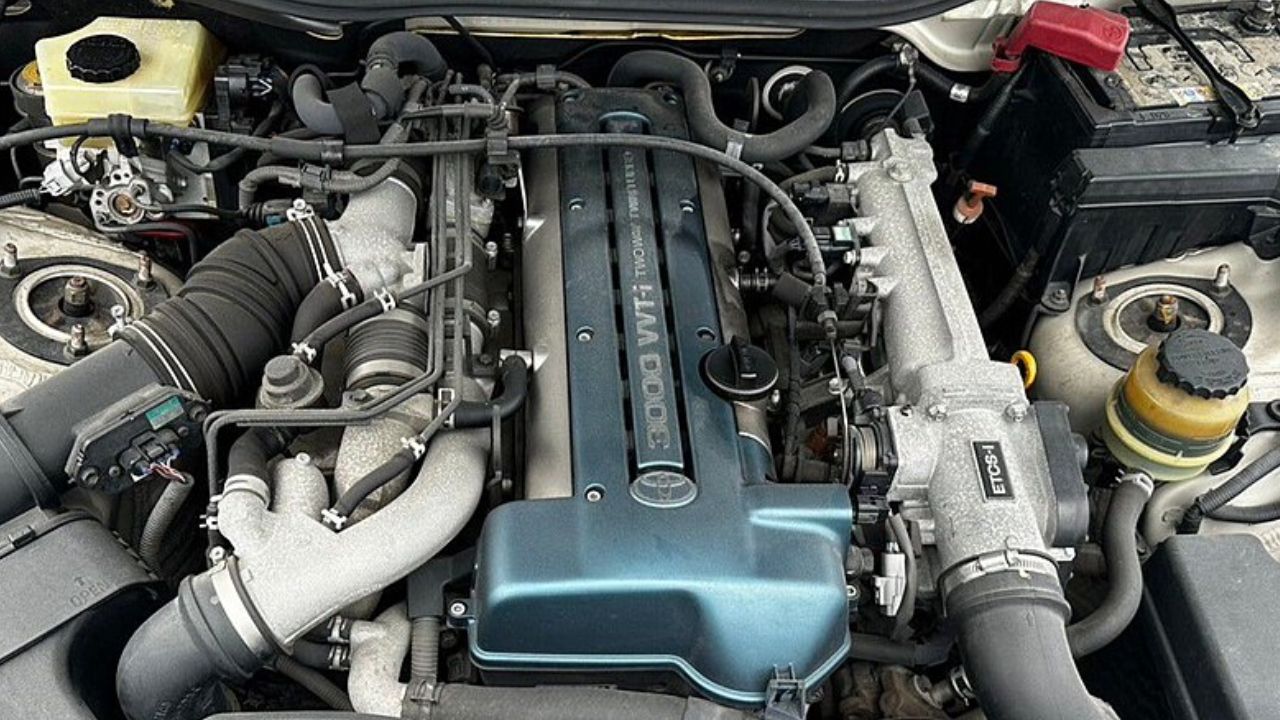
The Toyota 2JZ-GTE earned legendary status among import drag racers for its extraordinary strength under boost. Developed by Toyota, it featured a cast-iron block and robust internals capable of handling massive turbocharged power increases. Tuners regularly pushed stock-bottom-end examples far beyond factory horsepower ratings. Its smooth inline-six design also tolerated sustained high-rpm abuse exceptionally well. The 2JZ became a cornerstone of modern drag racing culture because it repeatedly survived extreme tuning experimentation.
Buick Turbo 3.8 V6
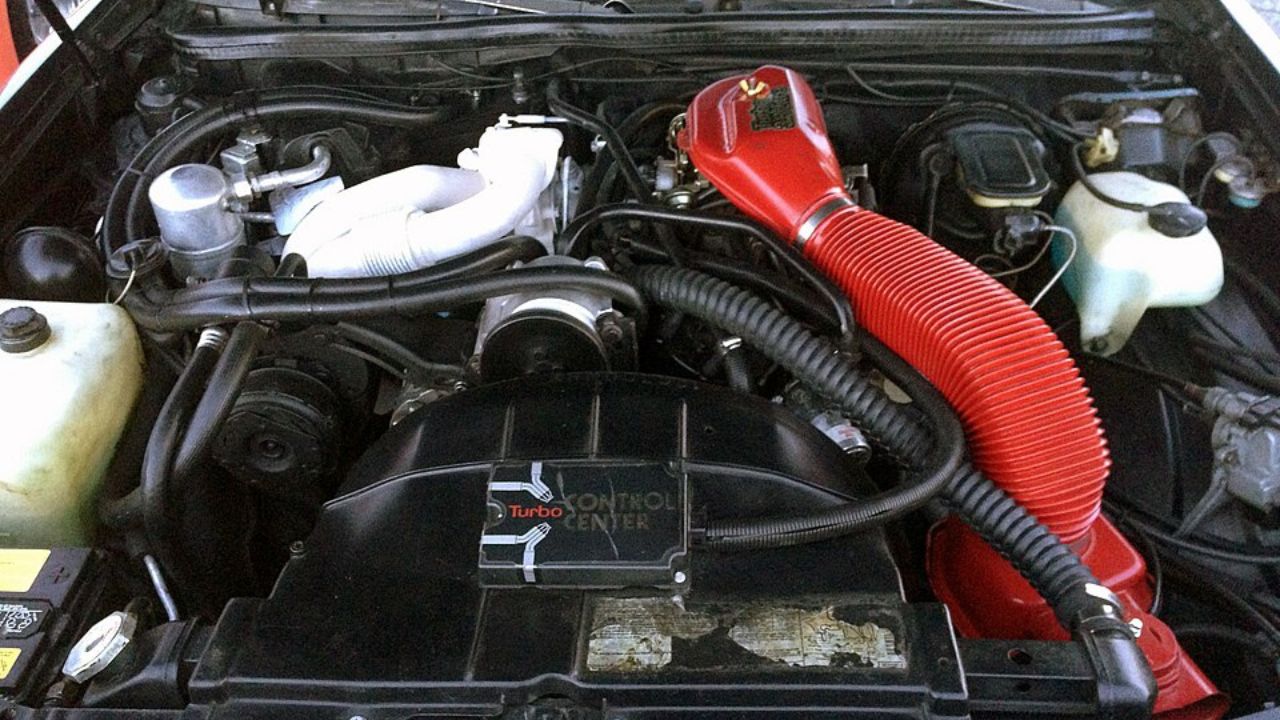
The turbocharged Buick 3.8-liter V6 shocked competitors with durability and acceleration during the 1980s drag racing scene. Produced by Buick, it used strong block architecture and turbocharging efficiency to deliver enormous torque. Racers discovered the engine could withstand significant boost increases without immediate failure. Lightweight construction also improved weight distribution compared to larger V8 competitors. The Buick turbo V6 became legendary for consistently surviving brutal quarter-mile abuse while humiliating bigger engines.
Chevrolet LSX
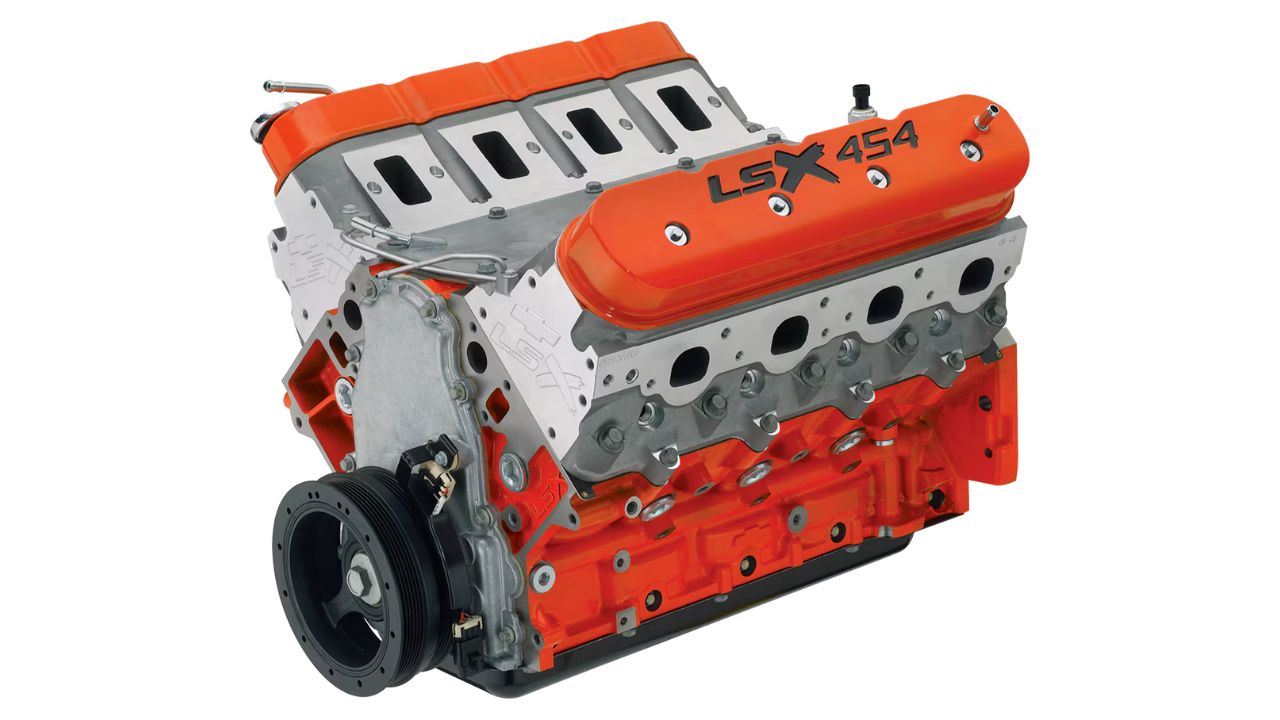
The Chevrolet LSX platform modernized drag racing reliability for the high-horsepower era. Developed by Chevrolet, it strengthened the already respected LS architecture with reinforced blocks and race-ready internals. Compact dimensions and excellent airflow made it adaptable for countless racing combinations. Turbocharged and supercharged setups regularly produced four-digit horsepower numbers reliably. The LSX became dominant because it combined modern engineering efficiency with the durability needed for repeated drag strip punishment.
Nissan RB26DETT

The Nissan RB26DETT became a drag racing icon through its ability to survive enormous turbocharged stress. Built by Nissan for the Skyline GT-R, it featured strong block construction and advanced engineering that encouraged aggressive tuning. Racers around the world extracted massive horsepower using upgraded turbo systems and reinforced internals. High-rpm durability helped separate it from many rival engines. The RB26DETT earned lasting respect because it consistently handled brutal performance increases without losing its competitive edge.
More from Fast Lane Only