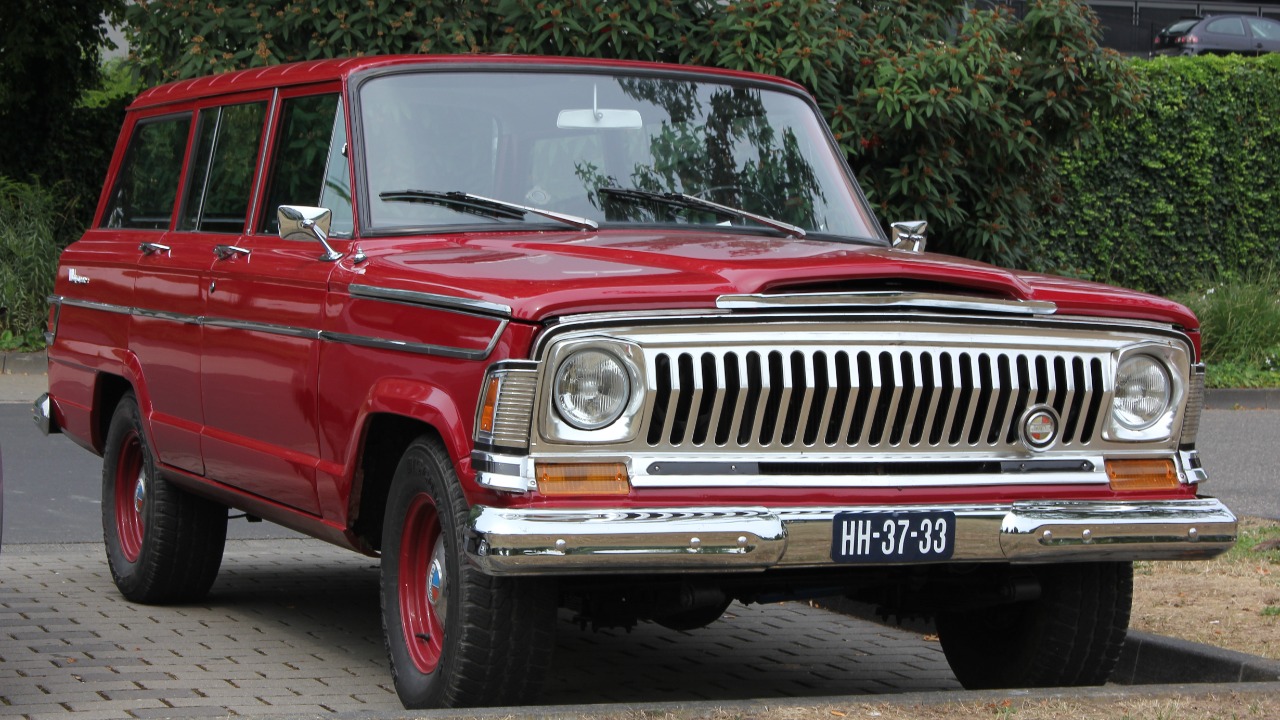
The story of America’s first luxury SUV is often overshadowed by more contemporary models, yet it represents a pivotal moment in automotive history. The Jeep Wagoneer, introduced in 1963, was not just another vehicle; it was a groundbreaking concept that merged the utility of an off-road vehicle with the comforts of a luxurious ride. This exploration of the Wagoneer’s origins, evolution, and cultural impact reveals how it set the standard for a new class of vehicles that combined ruggedness with luxury.
The Birth of the SUV: A Historical Context
The 1960s and early 1970s were transformative years for the automotive industry. The post-war boom had led to a surge in automobile ownership, and families were increasingly seeking vehicles that could serve multiple purposes. The family car was no longer just a means of transportation; it became a reflection of lifestyle, freedom, and status. With the rise of suburban living, consumers began to demand vehicles that could accommodate larger families and their diverse needs. In response to this evolving market, the Jeep Wagoneer debuted as a pioneering solution that combined both utility and comfort.
The Wagoneer was introduced by the Willys Motor Company, which had a storied history in manufacturing rugged off-road vehicles. However, the Wagoneer was different; it was designed to cater to a more affluent customer base that desired a vehicle capable of both off-road adventures and family outings. As a response to the growing demand for versatile family vehicles, the Wagoneer’s launch was a bold statement that a car could be both rugged and luxurious. It laid the groundwork for what would soon become a booming segment in the automotive world: the luxury SUV.
Design and Features That Redefined Luxury
The Jeep Wagoneer’s design was revolutionary for its time. Unlike traditional SUVs, which often prioritized functionality over aesthetics, the Wagoneer integrated innovative design elements that appealed to a more upscale audience. Its exterior boasted a classic yet elegant silhouette, characterized by a long hood, wide stance, and distinctive wood paneling that became synonymous with its identity. This aesthetic choice set the Wagoneer apart from its competitors and helped to establish a new standard for luxury in the SUV category.
Inside, the Wagoneer was a revelation. It featured plush interiors, high-quality materials, and advanced technology for the era, such as air conditioning, power windows, and a state-of-the-art audio system. The combination of comfort and practicality made it an attractive option for families looking for a vehicle that could handle both daily commutes and weekend getaways. As the first luxury SUV, the Wagoneer’s design and features influenced the trajectory of subsequent models, paving the way for brands like Lexus, BMW, and Mercedes-Benz to enter the luxury SUV market with their offerings.
The Jeep Wagoneer’s Cultural Impact
The Jeep Wagoneer transcended its function as merely a vehicle; it became a cultural icon. In the 1970s and 1980s, the Wagoneer was often seen as a status symbol, associated with affluence and an adventurous lifestyle. Families who owned a Wagoneer were perceived as affluent, and the vehicle’s rugged yet refined image made it a favorite among celebrities and the elite. Its appearances in popular media, including films and television shows, further cemented its status as a symbol of success.
For instance, the Wagoneer made appearances in various films and TV shows, often driven by characters who embodied a sense of adventure and sophistication. Its portrayal in productions like “The Graduate” and “The Sopranos” showcased the vehicle as a testament to the American dream—a blend of rugged capability and refined living. This cultural resonance helped to establish the Wagoneer not just as a vehicle, but as a lifestyle choice that represented the aspirations of many American families.
Challenges and Competition in the Market
The Legacy of the Wagoneer in Modern Automotive Trends
The Jeep Wagoneer’s legacy is evident in the modern luxury SUV landscape. Its introduction not only established a new segment in the automotive market but also set a benchmark for what consumers expect from luxury vehicles today. The combination of off-road capability and upscale features has become the gold standard for many manufacturers. Today’s luxury SUVs, such as the Range Rover and the Audi Q7, owe a debt to the Wagoneer for paving the way and defining what a luxury SUV should be.
Furthermore, the evolution of luxury features in contemporary SUVs has been significantly influenced by the Wagoneer’s original design. Modern vehicles now come equipped with advanced technology, superior materials, and enhanced comfort, echoing the innovations that the Wagoneer introduced decades ago. Features such as adaptive cruise control, heated and ventilated seats, and state-of-the-art infotainment systems can trace their lineage back to the pioneering spirit of the Wagoneer.
Revival and Nostalgia: The Jeep Wagoneer’s Comeback
The nostalgia for classic vehicles has led to a revival of interest in the Jeep Wagoneer brand in the 2020s. In a bold move, Jeep announced the return of the Wagoneer, reintroducing it to a new generation of consumers eager for a blend of tradition and modernity. The new Wagoneer has been designed to cater to today’s luxury market, incorporating cutting-edge technology while retaining the classic elements that made it a beloved icon.
The modern iteration of the Wagoneer showcases advancements such as a fully digital instrument cluster, a panoramic sunroof, and a suite of driver-assistance features that enhance safety and convenience. By blending the nostalgia of the original Wagoneer with today’s technological innovations, Jeep aims to capture both new customers and those who have fond memories of the classic model. The significance of the Wagoneer’s return resonates with consumers in today’s automotive market, where the demand for luxury SUVs continues to grow.
A revival like this is not merely a marketing strategy; it reflects a broader trend in the automotive industry where manufacturers tap into the emotional connections that consumers have with classic models. The Jeep Wagoneer stands as a testament to the enduring appeal of vehicles that embody both ruggedness and luxury, proving that some stories in automotive history are worth revisiting.
More from Fast Lane Only
- Unboxing the WWII Jeep in a Crate
- 15 rare Chevys collectors are quietly buying
- 10 underrated V8s still worth hunting down
- Police notice this before you even roll window down
*Research for this article included AI assistance, with all final content reviewed by human editors.