Some vintage cars grow more appreciated as the years pass, earning admiration through timeless design, historical significance, and enduring craftsmanship. While trends come and go, these automobiles continue captivating enthusiasts and collectors alike. Their lasting appeal proves that truly exceptional engineering and styling never lose their ability to inspire future generations.
Auburn 851 Boattail Speedster
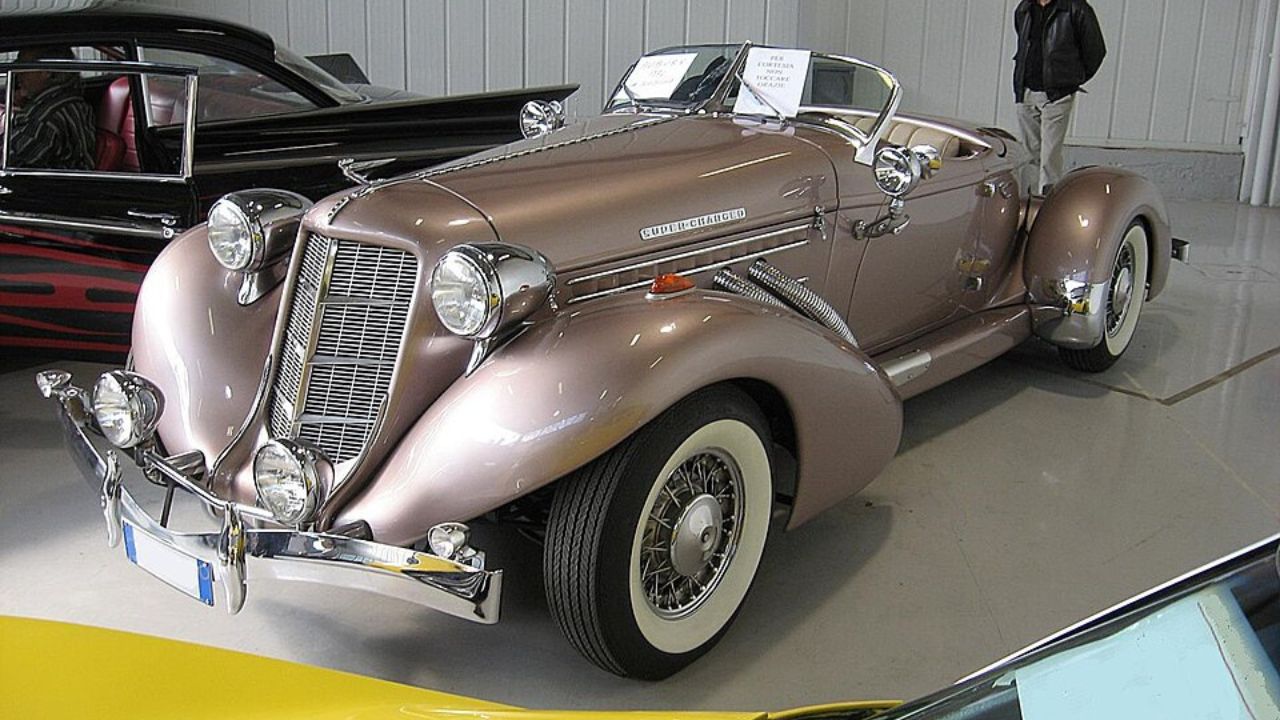
The Auburn 851 Boattail Speedster became an icon of prewar American luxury with its flowing fenders, dramatic boattail rear, and supercharged performance. Although production was limited, its elegant styling has only become more appreciated over time. Today, it stands among the most admired classics from the Golden Age of American motoring.
Delahaye 135MS
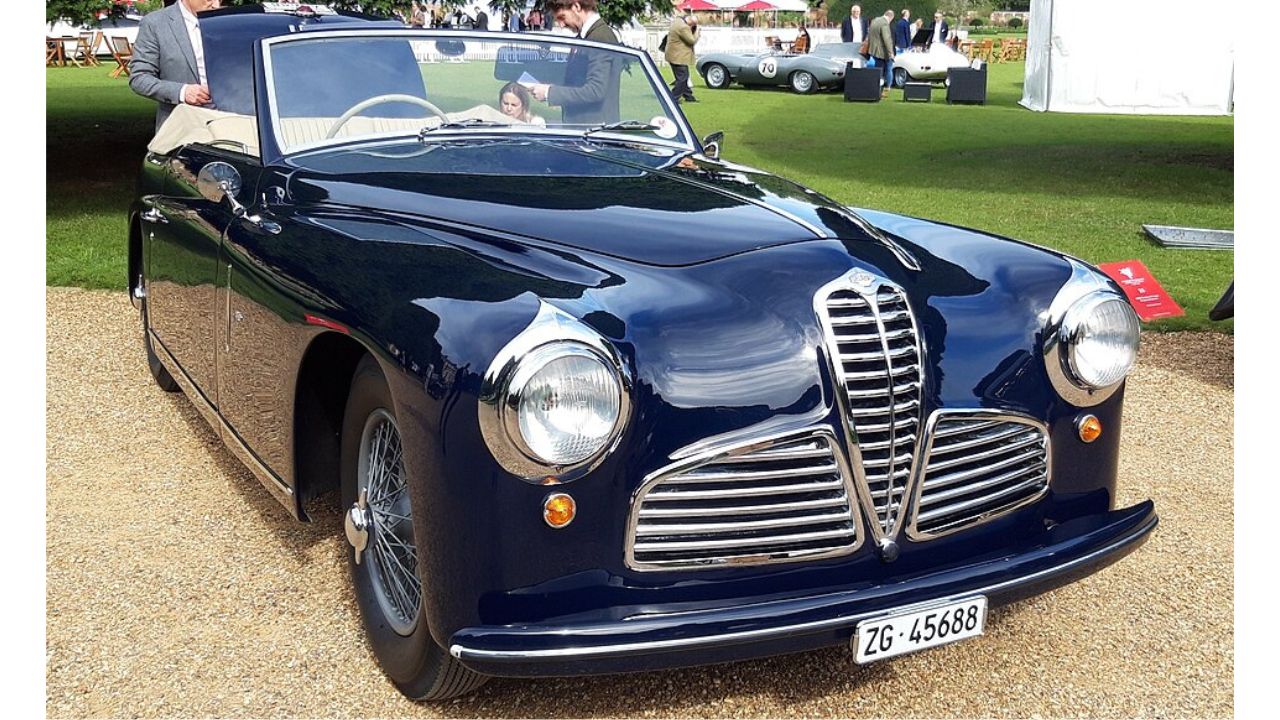
The Delahaye 135MS showcased French automotive artistry through handcrafted coachwork and refined engineering. Each example carried unique styling created by renowned coachbuilders, making every car distinctive. Collectors increasingly admire the model for its rarity, elegance, and craftsmanship, qualities that continue elevating its reputation many decades after production ended.
Packard Twelve
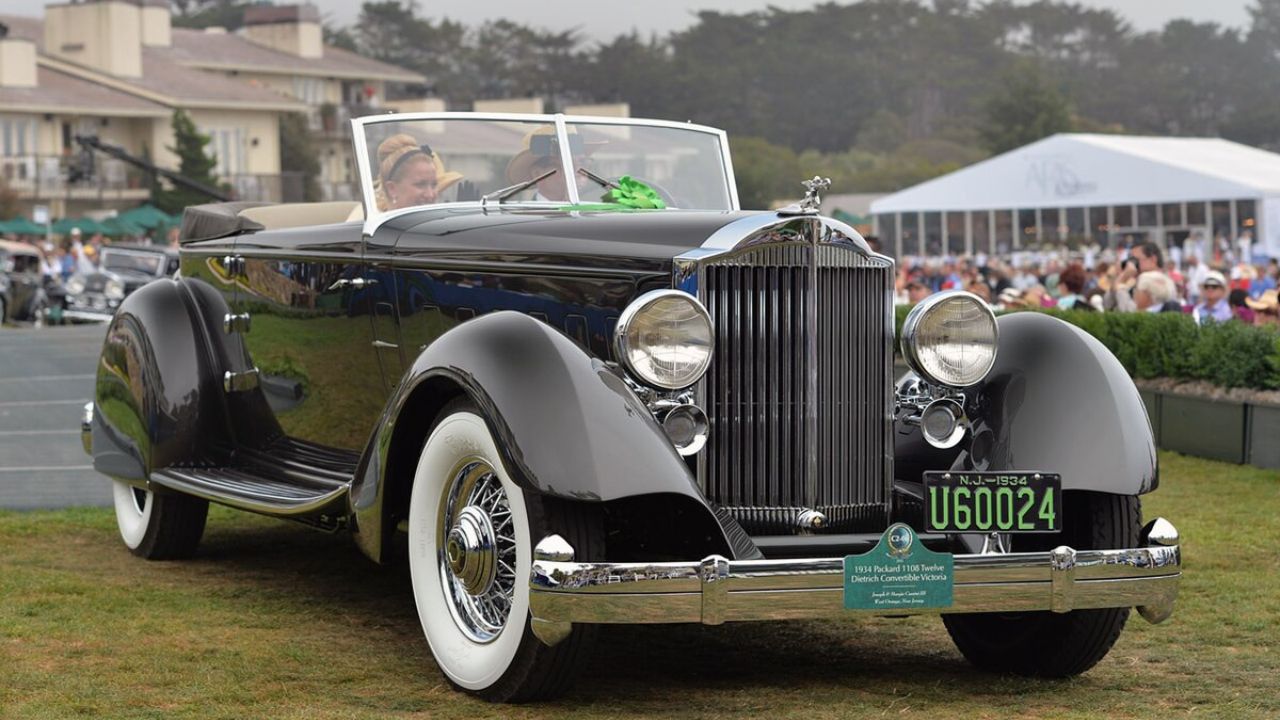
The Packard Twelve represented American luxury at its highest level during the 1930s. Powered by a smooth V12 engine and finished with exceptional attention to detail, it became a favorite among wealthy buyers. Modern collectors appreciate its remarkable engineering, graceful styling, and the prestige it continues to represent within classic automotive history.
Alfa Romeo 6C 1750
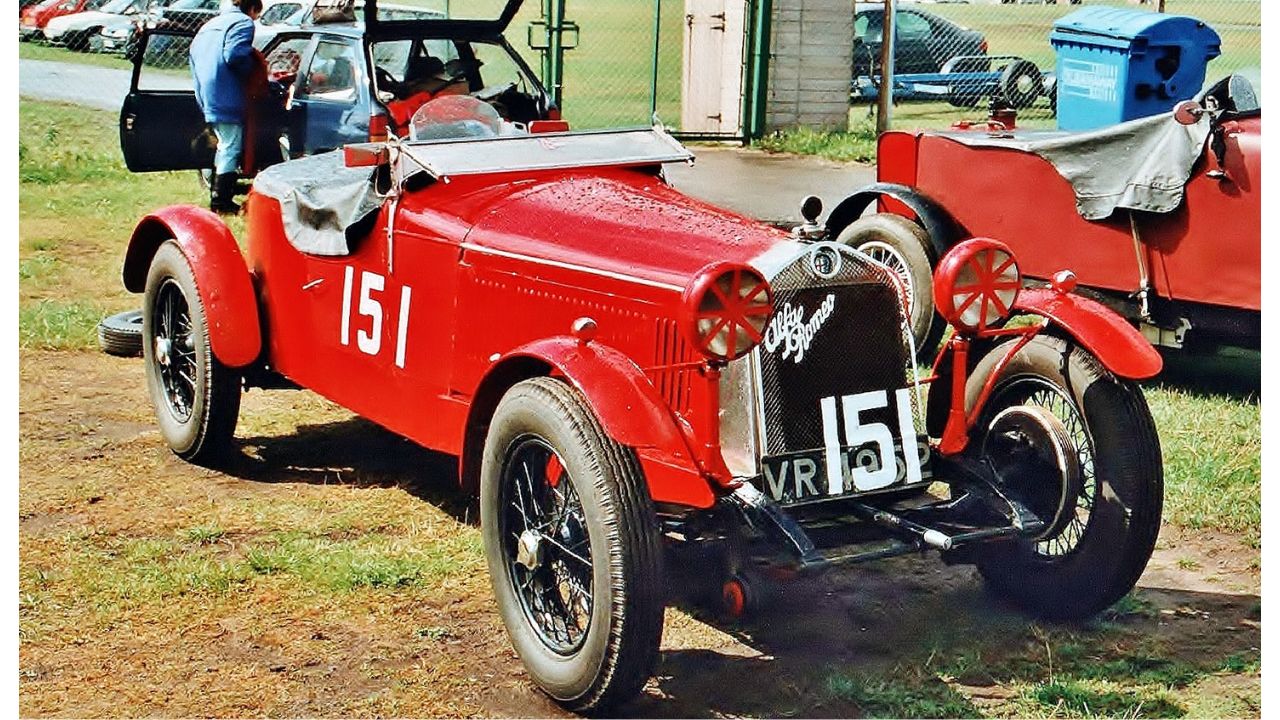
The Alfa Romeo 6C 1750 earned worldwide recognition through successful racing performances and elegant Italian design. Its responsive inline-six engine and beautifully proportioned body made it a standout in its era. As surviving examples became increasingly scarce, admiration for its engineering excellence and motorsport heritage has only continued growing.
Bentley 4½ Litre
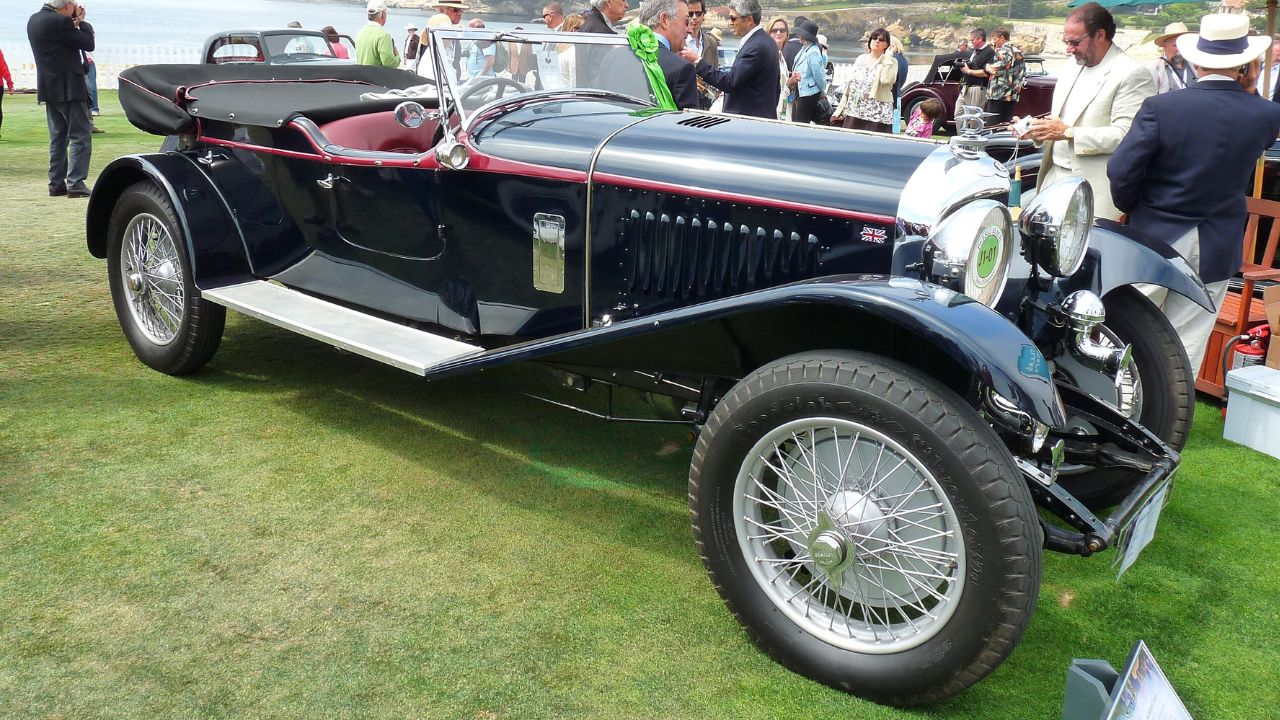
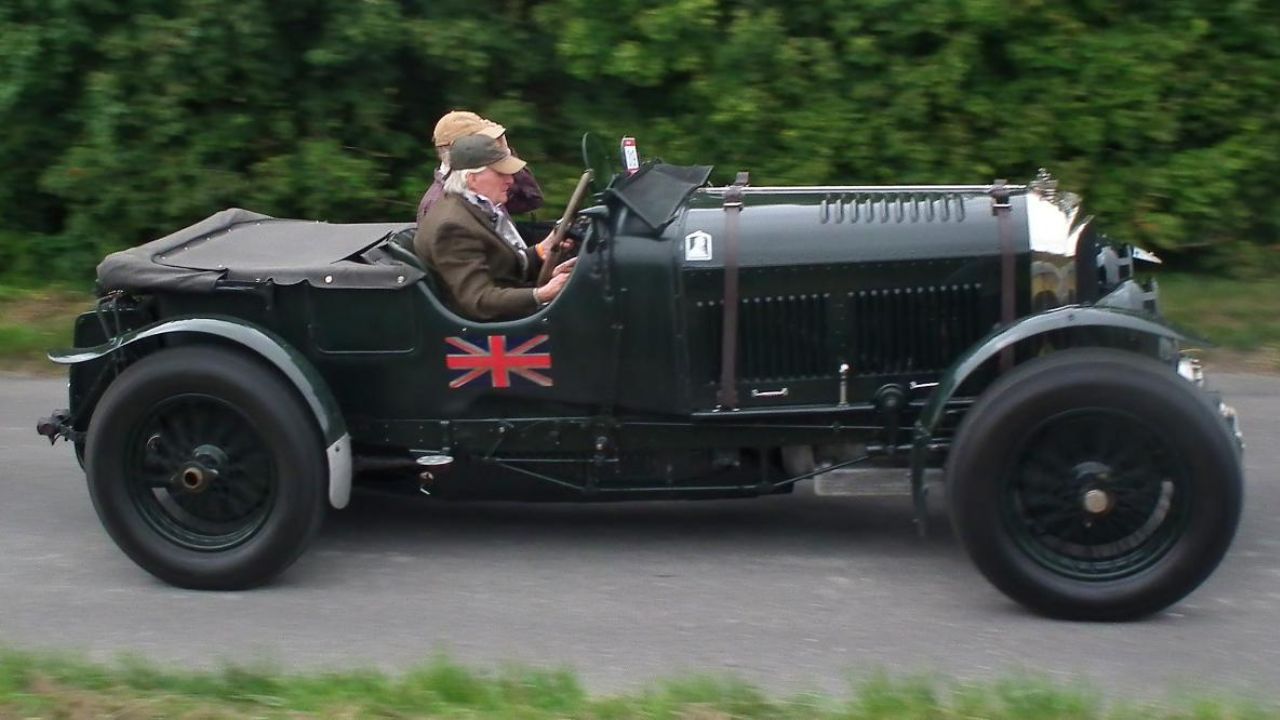
The Bentley 4½ Litre built its reputation through endurance racing success and robust engineering. Designed for both performance and reliability, it became one of Britain’s most respected sporting automobiles. Collectors continue valuing the model for its historical importance, mechanical durability, and connection to Bentley’s legendary prewar racing achievements.
Lincoln Model K
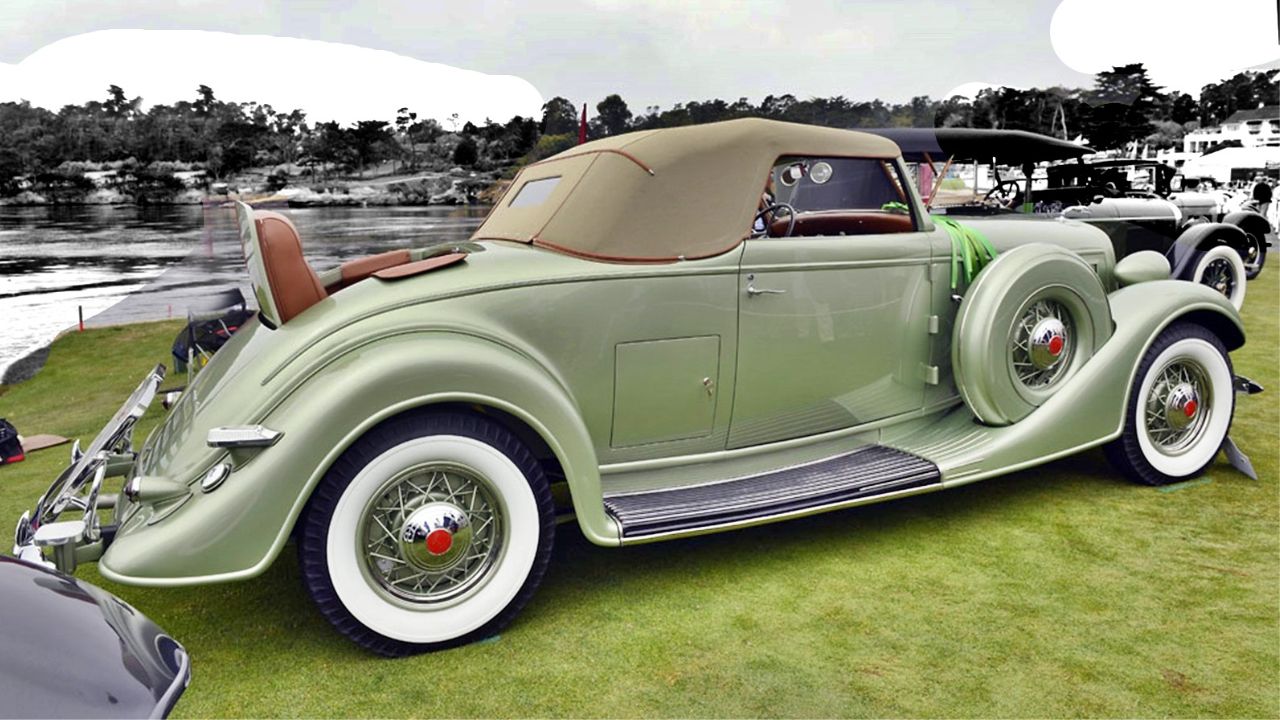
The Lincoln Model K reflected American craftsmanship with powerful V8 and V12 engines, luxurious interiors, and elegant custom coachwork. Though once overshadowed by competing luxury marques, it has gained greater recognition among collectors. Its impressive build quality and stately appearance make it one of the most admired American classics from the 1930s.
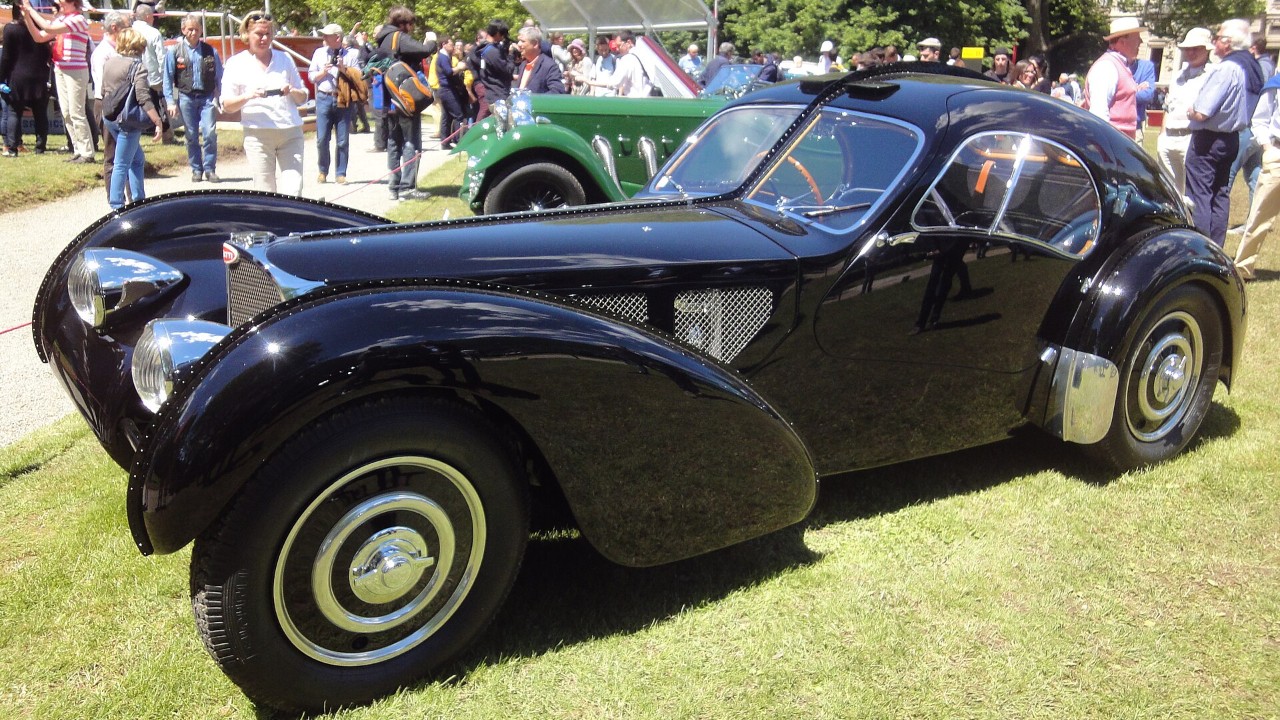
Bugatti Type 57
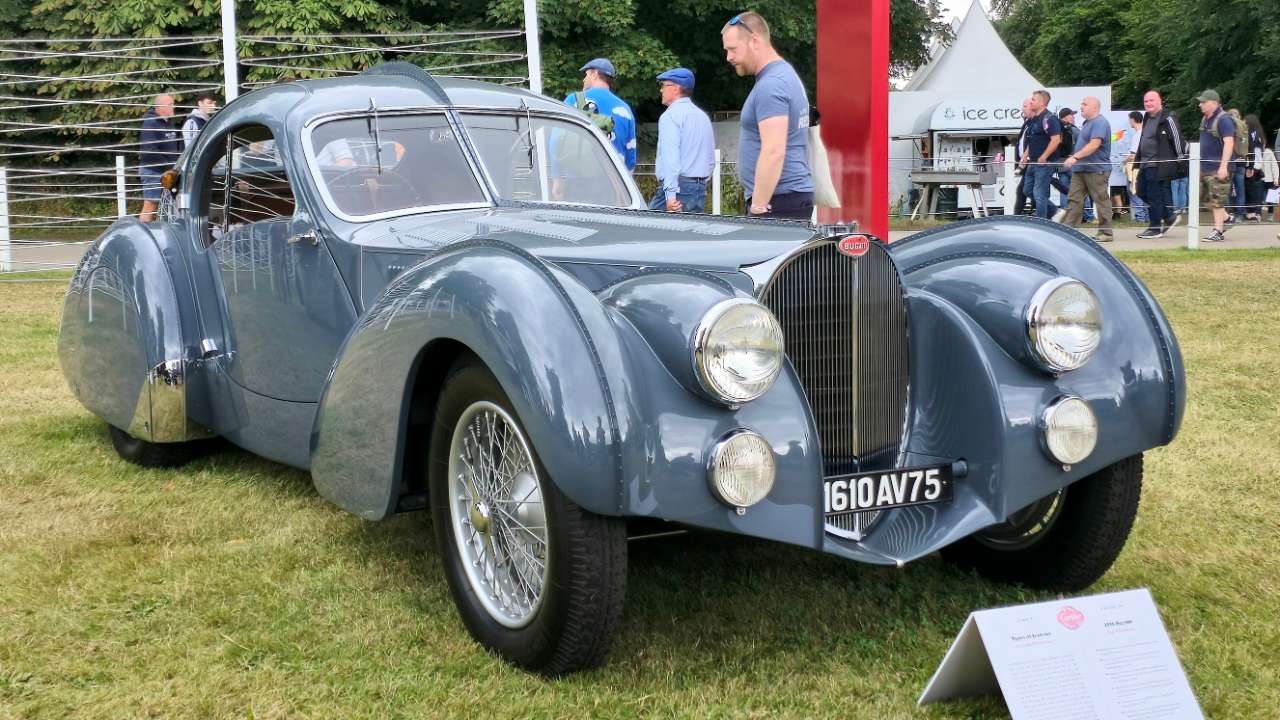
The Bugatti Type 57 blended engineering brilliance with extraordinary artistic design, creating one of the most celebrated luxury automobiles ever built. Available in several stunning body styles, it combined performance with elegance in remarkable fashion. Today, its rarity and timeless beauty place it among the world’s most admired collector cars.
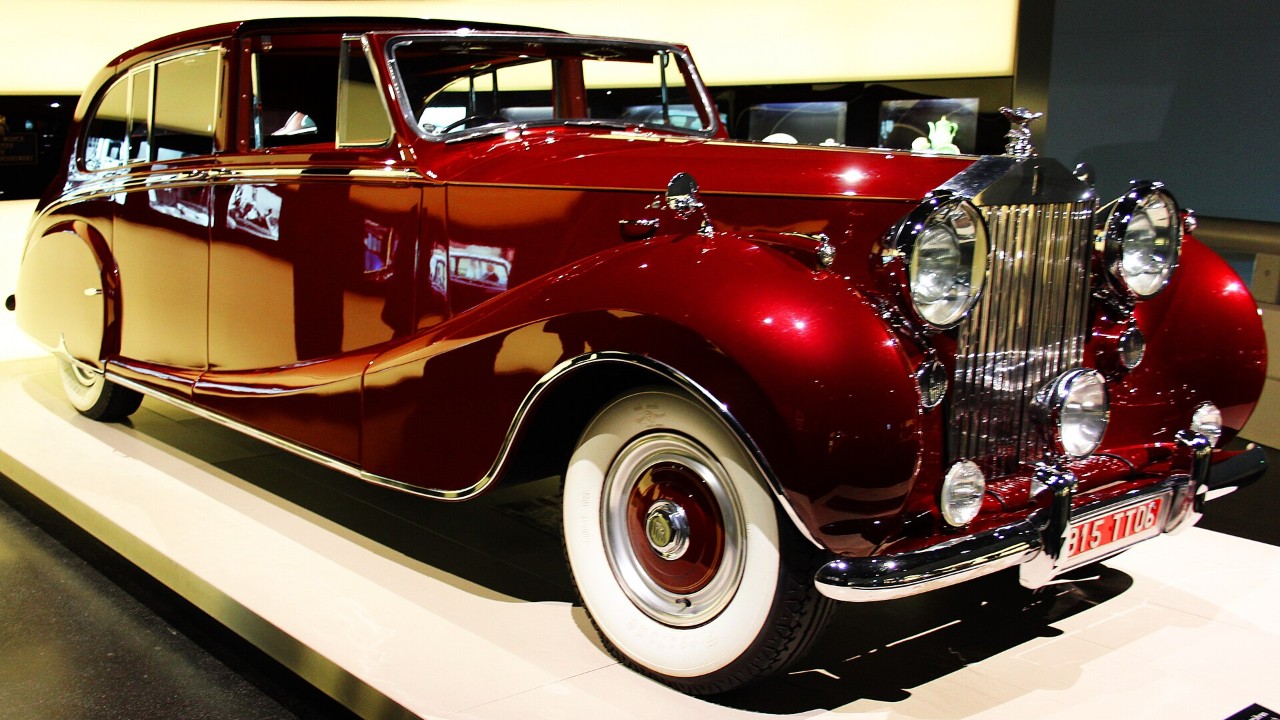
Rolls-Royce Phantom II
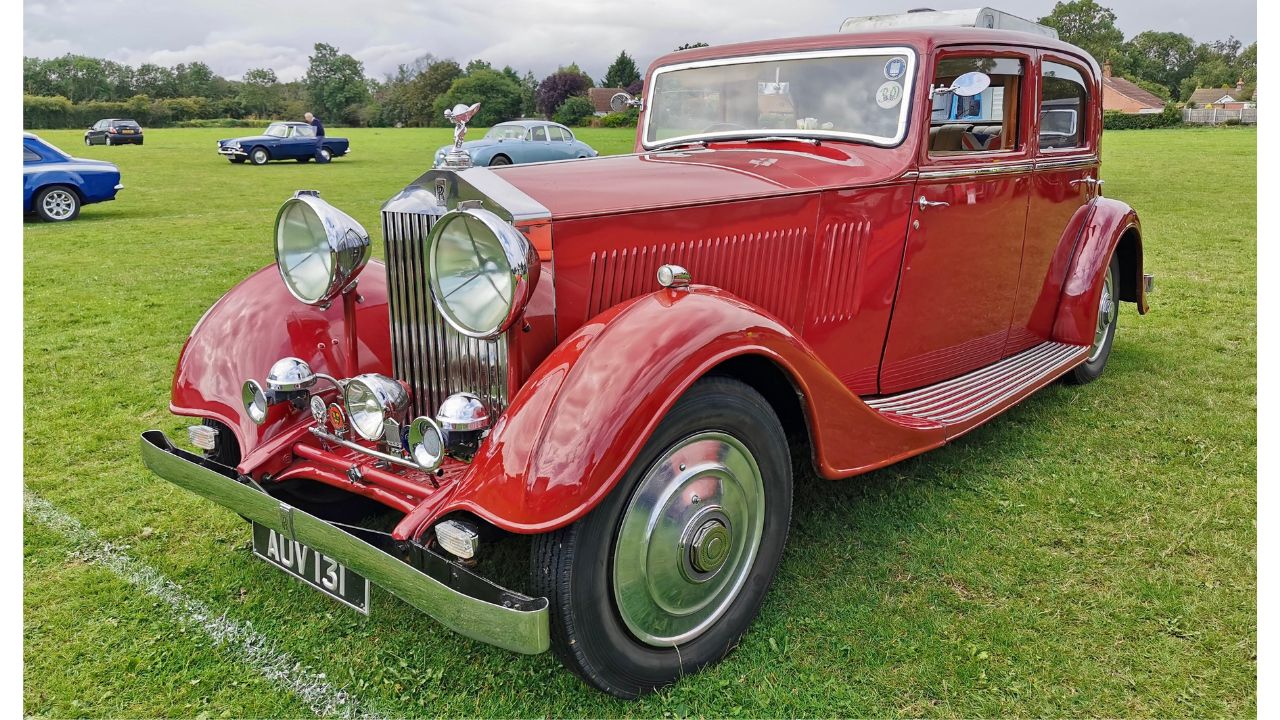
The Rolls-Royce Phantom II became synonymous with refinement, handcrafted quality, and effortless performance. Built with exceptional attention to detail, it served royalty, industrialists, and dignitaries around the world. Decades later, collectors continue admiring its stately presence, remarkable engineering, and enduring reputation as one of the finest luxury automobiles ever produced.
More from Fast Lane Only
- Unboxing the WWII Jeep in a Crate
- 15 rare Chevys collectors are quietly buying
- 10 underrated V8s still worth hunting down
- Police notice this before you even roll window down
*Research for this article included AI assistance, with all final content reviewed by human editors