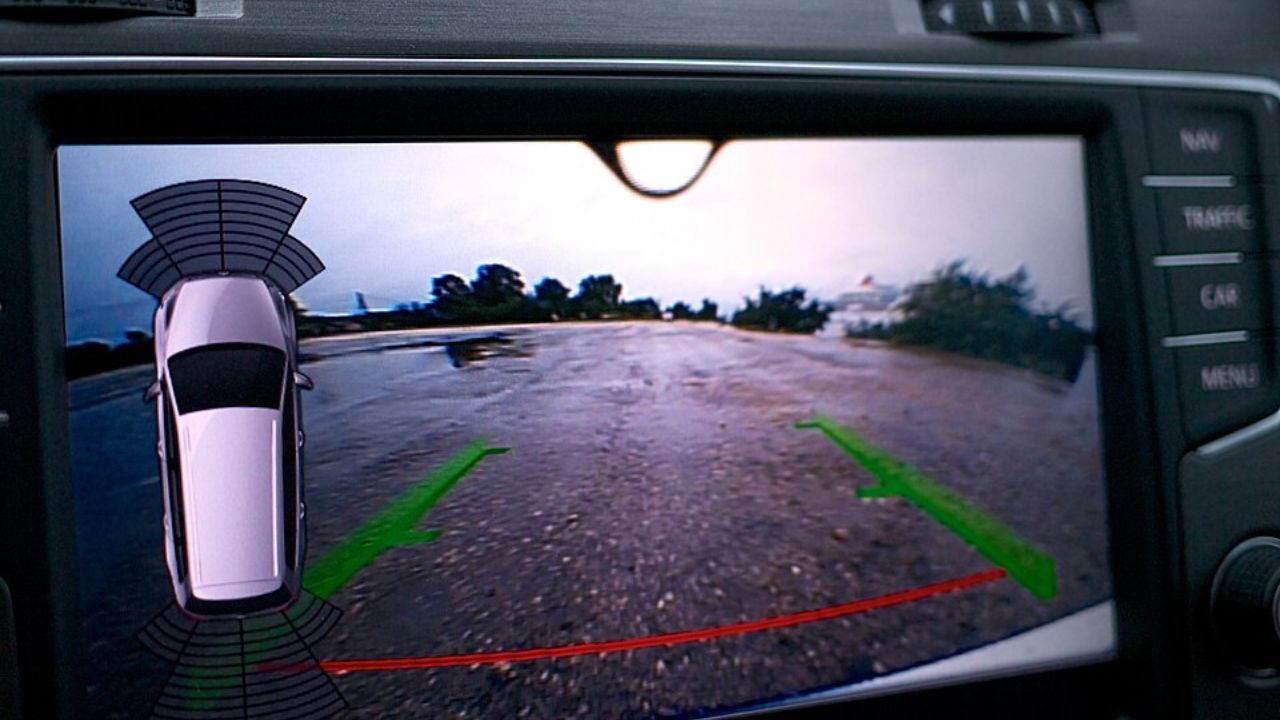
In the ever-evolving landscape of automotive technology, driver-assist features have become essential for enhancing safety and convenience on the road. These innovations offer peace of mind by aiding drivers in making informed decisions and reacting swiftly to dynamic driving conditions. Here’s a closer look at eight driver-assist features that are truly worth the investment.
Adaptive Cruise Control
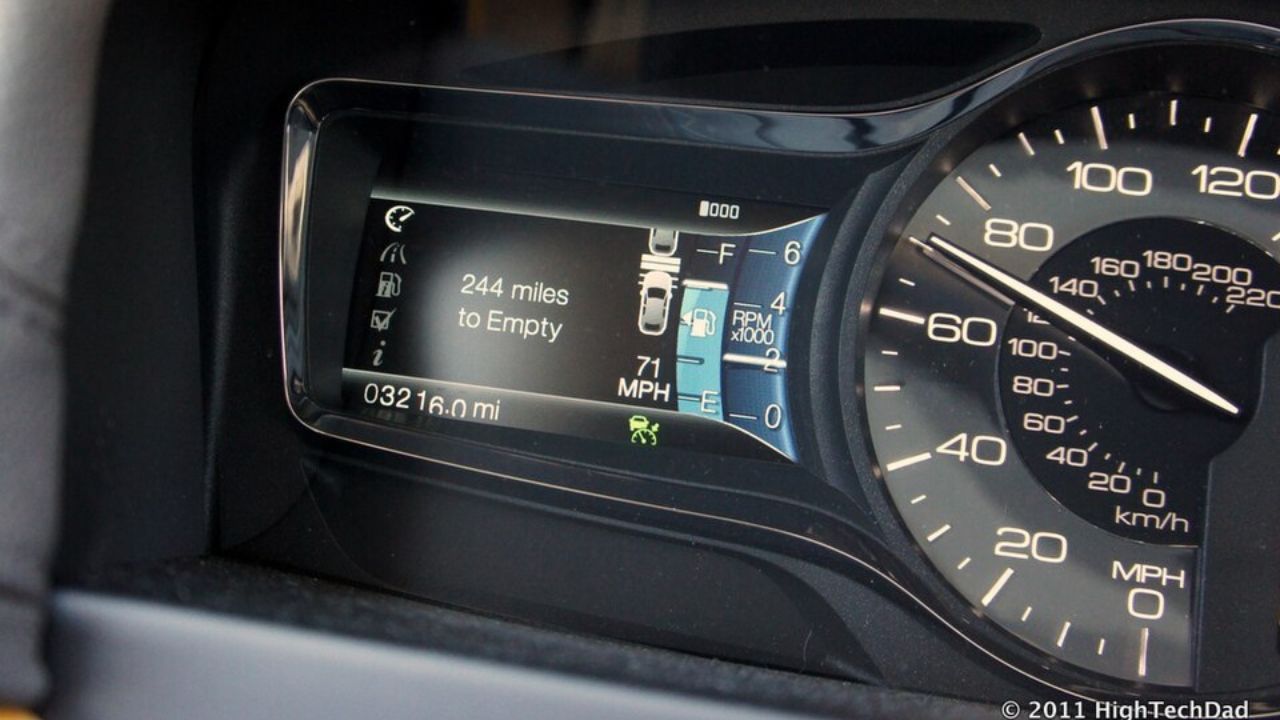
Adaptive Cruise Control (ACC) is a game-changing feature for long-distance driving, reducing stress and enhancing safety. By automatically adjusting the vehicle’s speed to maintain a safe distance from the car ahead, ACC ensures smooth driving on highways. The 2024 Toyota Camry, for example, comes equipped with a highly effective ACC system, allowing drivers to enjoy a more relaxed driving experience.
This system uses radar and cameras to monitor traffic conditions, adapting to changes in speed and traffic flow. ACC is particularly beneficial in congested traffic, as it can automatically slow down and accelerate, reducing the need for constant manual adjustments.
Lane Keeping Assist
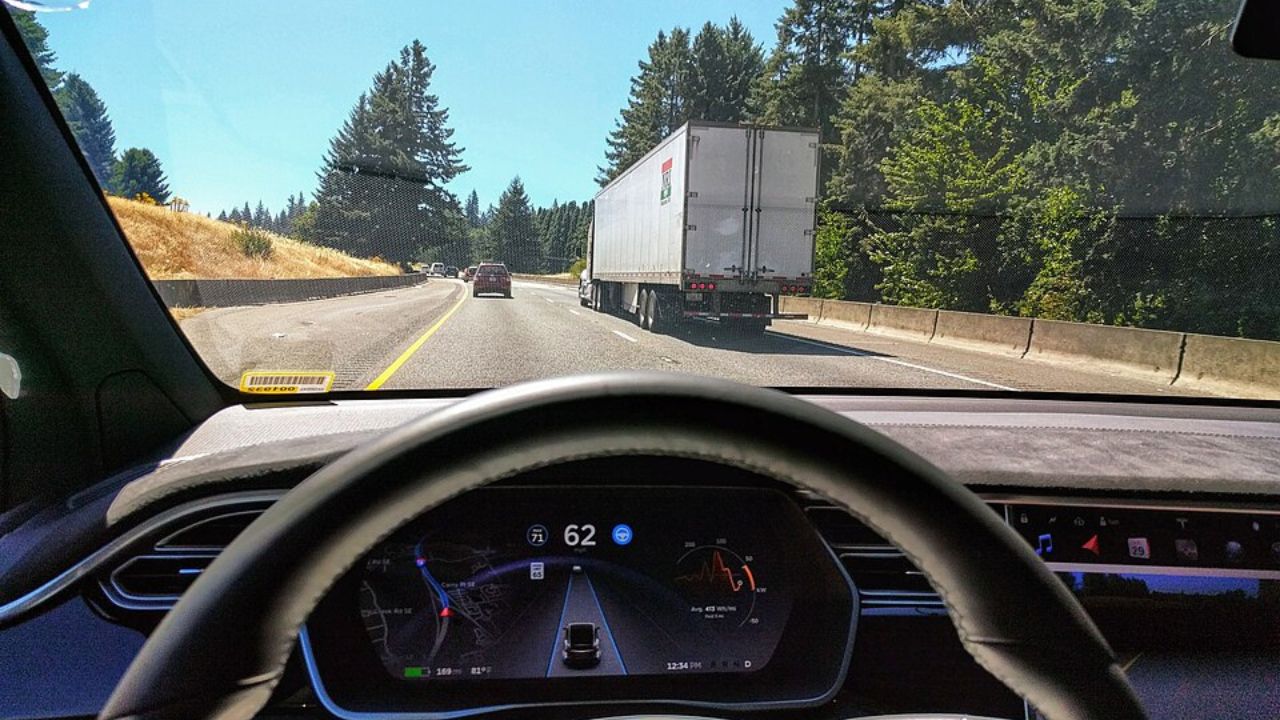
Lane Keeping Assist (LKA) helps prevent unintentional lane departures by gently steering the vehicle back into its lane. This feature is invaluable for highway driving, where accidental drifting can lead to hazardous situations. The 2025 Honda Accord offers a robust LKA system that enhances driver confidence and safety.
Using cameras to monitor lane markings, LKA provides subtle steering inputs to keep the vehicle centered. It’s a boon during long drives, where driver fatigue can impact attention, ensuring that your car stays on the right path.
Blind Spot Detection
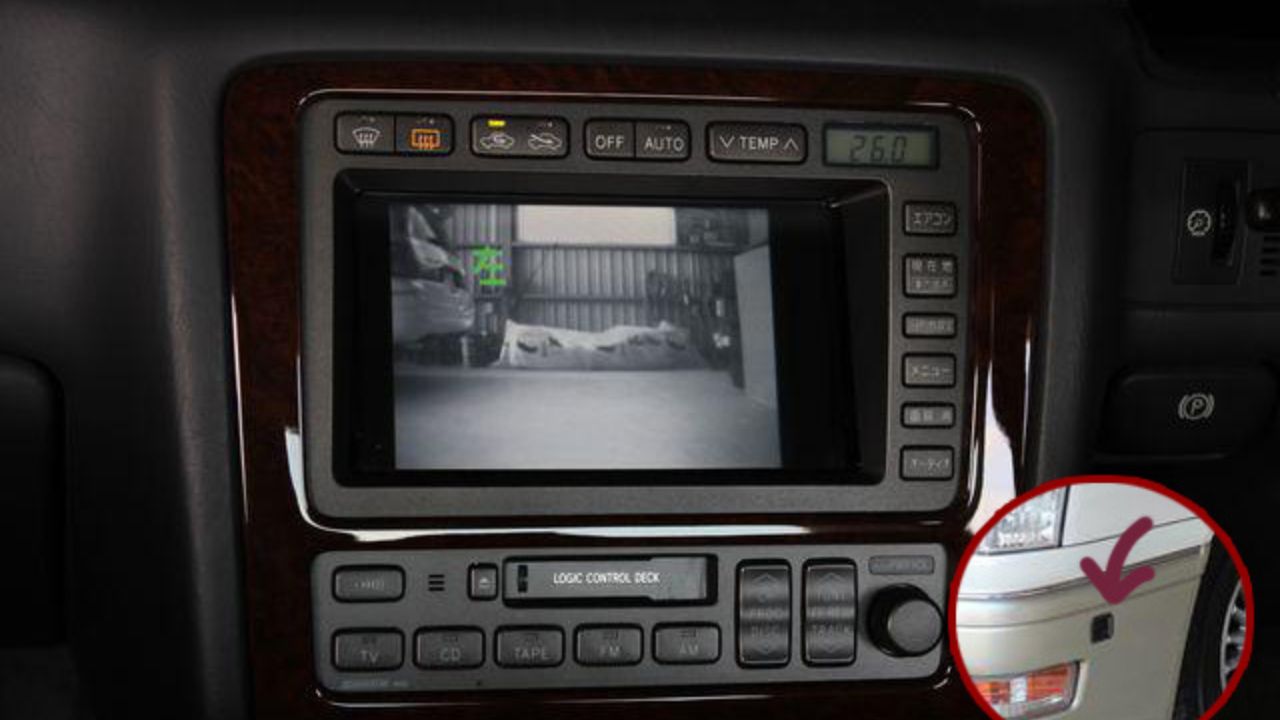
Blind Spot Detection (BSD) is a crucial safety feature that alerts drivers to vehicles hidden in their blind spots. This technology significantly reduces the risk of collision during lane changes. The 2024 Hyundai Sonata includes an effective BSD system, providing visual and auditory alerts to keep drivers informed.
BSD uses sensors to monitor areas not visible in the rearview or side mirrors, ensuring comprehensive awareness of surrounding traffic. This feature is especially useful in busy urban environments where quick lane changes are often necessary.
Automatic Emergency Braking
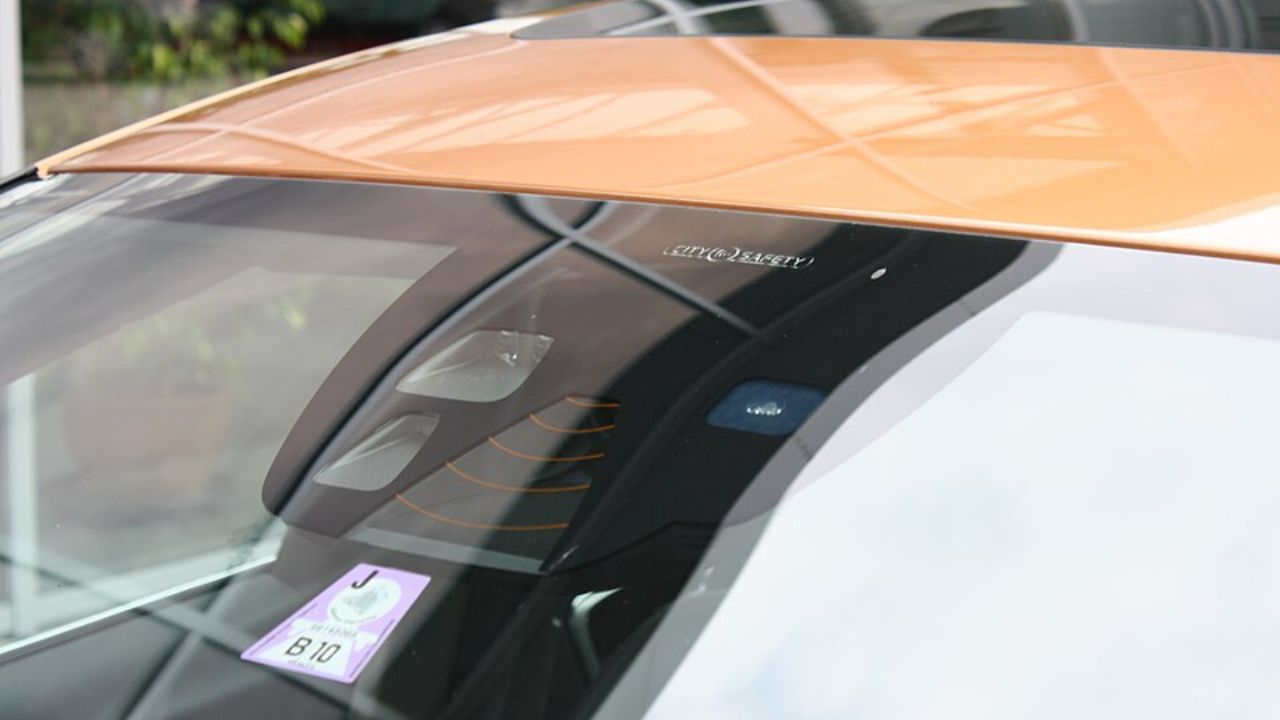
Automatic Emergency Braking (AEB) is designed to prevent collisions by automatically applying the brakes if an imminent crash is detected. This feature is a lifesaver in emergency situations where milliseconds matter. The 2025 Ford Mustang Mach-E comes with an advanced AEB system that enhances safety for both drivers and pedestrians.
AEB systems use a combination of radar and cameras to detect obstacles and assess collision risk. By providing an extra layer of protection, AEB helps mitigate the severity of accidents or avoid them altogether.
Rear Cross Traffic Alert
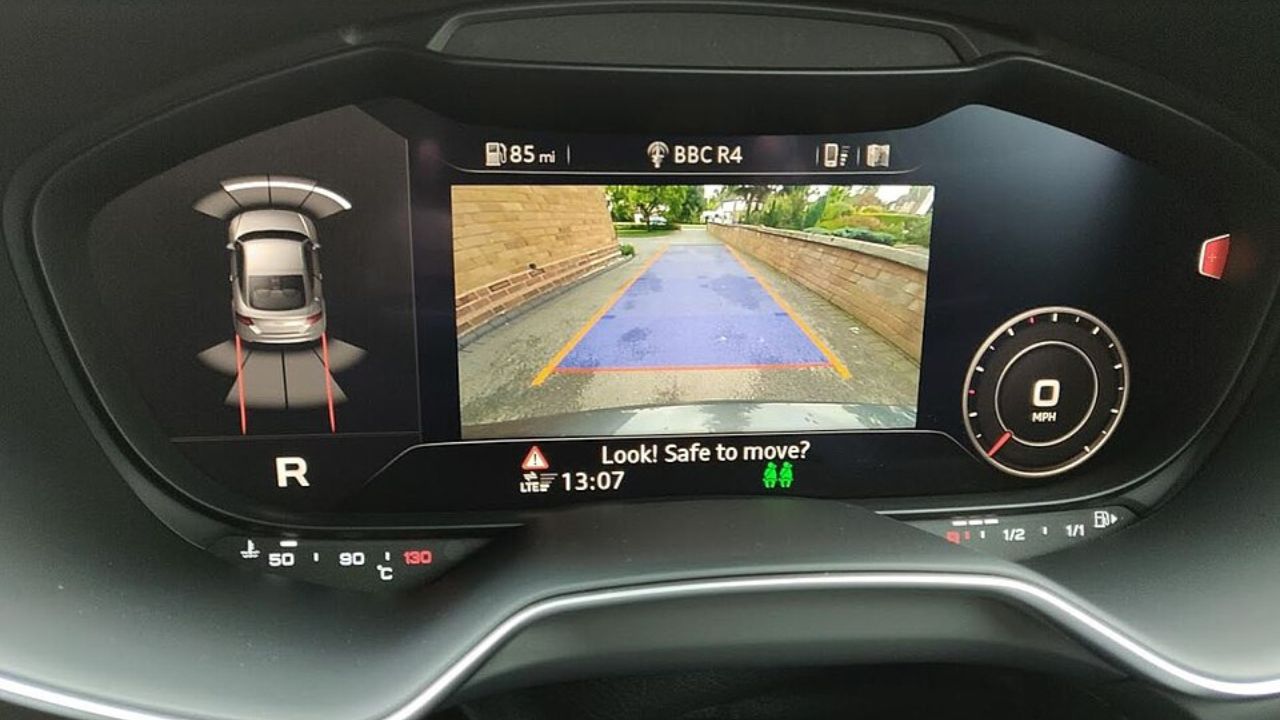
Rear Cross Traffic Alert (RCTA) is a valuable feature for reversing out of parking spaces or driveways. It warns drivers of approaching vehicles from either side, reducing the risk of a collision. The 2024 Subaru Outback includes an efficient RCTA system that enhances situational awareness.
RCTA is particularly useful in crowded parking lots where visibility is often limited. Using sensors to monitor cross-traffic, it ensures that drivers can back up safely, alerting them to potential hazards they might not see.
Parking Assist Systems
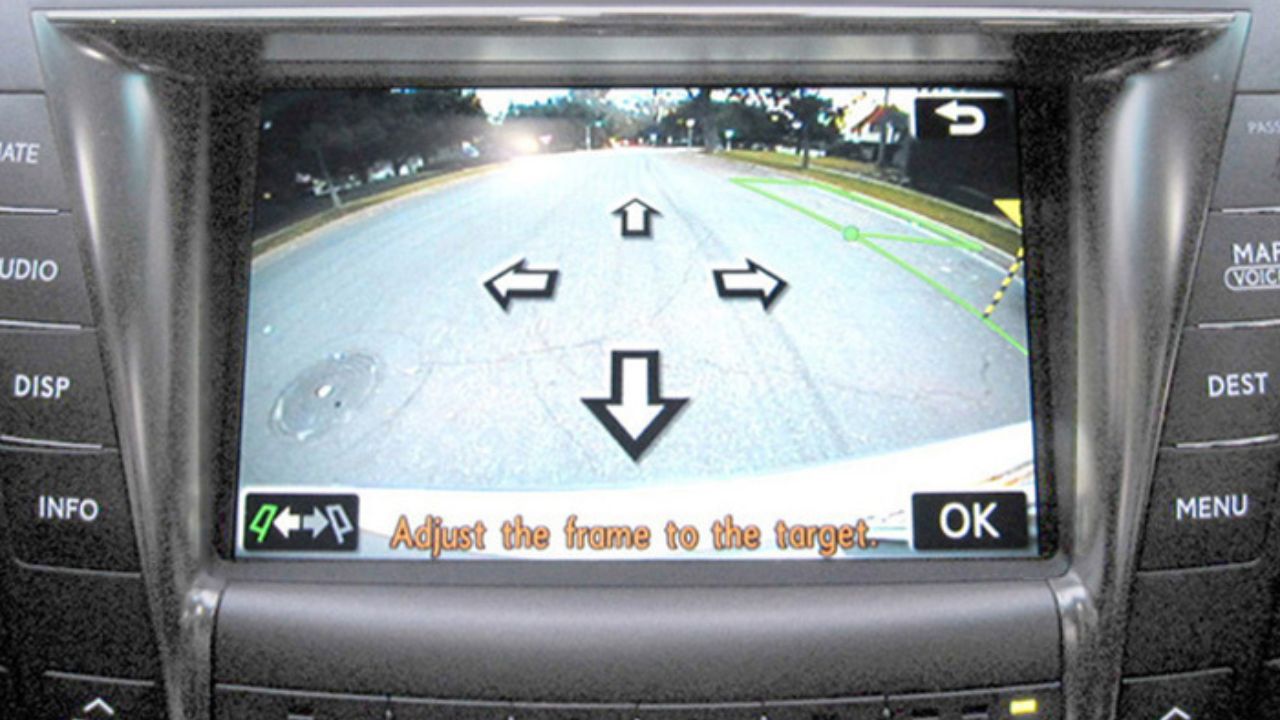
Parking Assist Systems take the stress out of parallel and perpendicular parking by automatically steering the vehicle into the space. These systems are a boon for those who dread tight parking spots. The 2025 BMW X5 features an advanced Parking Assist System that simplifies parking in challenging environments.
Using ultrasonic sensors and cameras, these systems guide the vehicle into parking spaces with remarkable precision. While the driver controls the accelerator and brake, the system handles the steering, ensuring a perfect park every time.
Traffic Sign Recognition
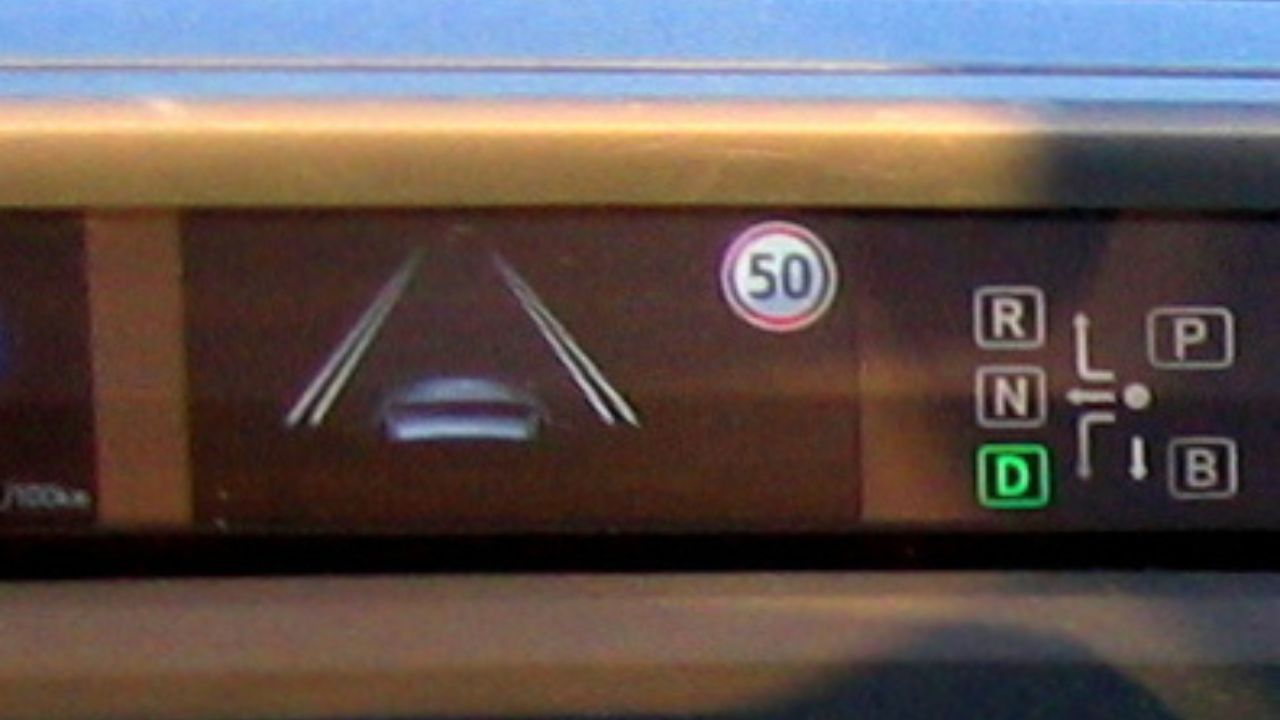
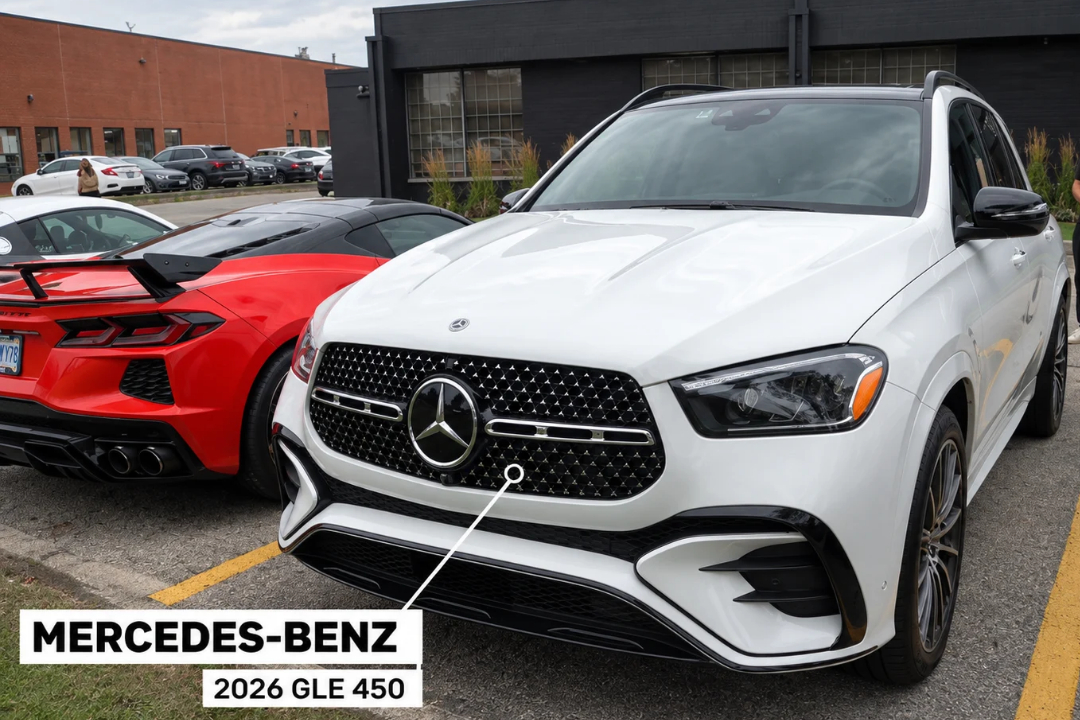
Traffic Sign Recognition (TSR) keeps drivers informed by detecting and displaying road signs on the vehicle’s dashboard. This feature ensures that drivers remain aware of speed limits and other vital information. The 2024 Mercedes-Benz E-Class offers a sophisticated TSR system that adapts to changing road conditions.
Using cameras to read road signs, TSR is particularly useful in unfamiliar areas where drivers may miss important signage. By keeping critical information in view, TSR helps maintain compliance with traffic regulations.
Driver Attention Monitoring
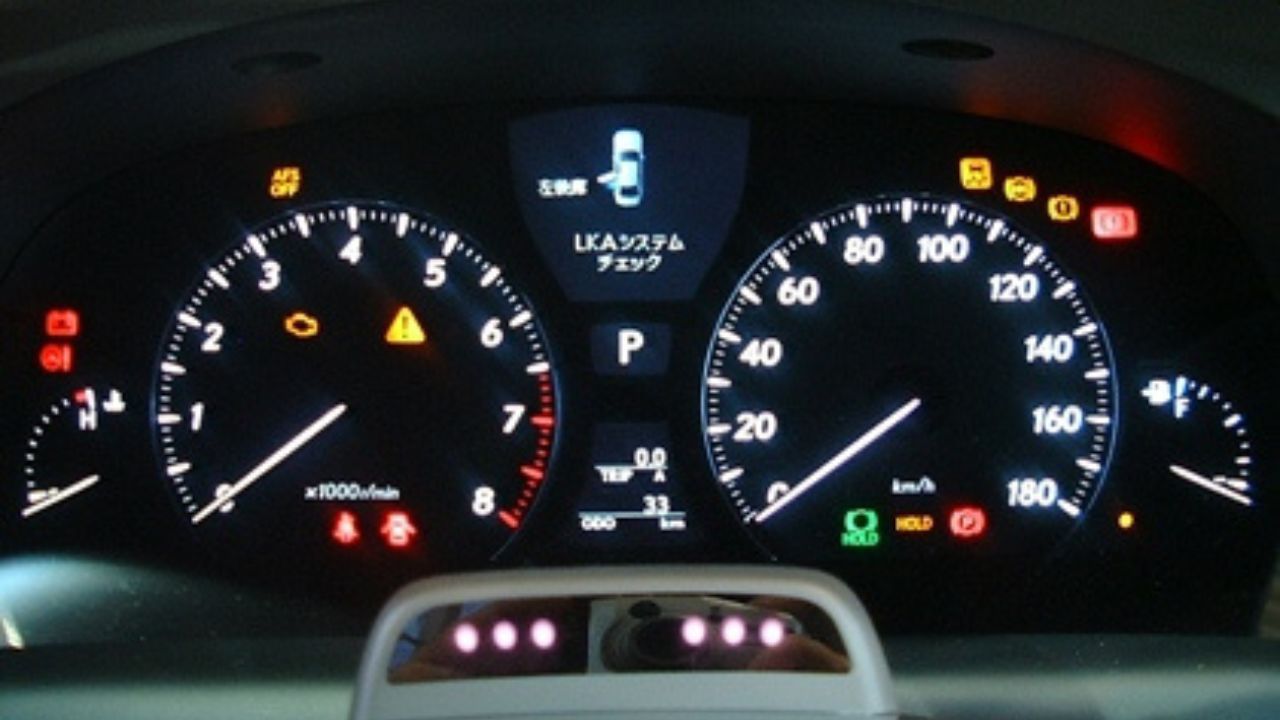
Driver Attention Monitoring systems enhance safety by detecting signs of drowsiness or distraction and alerting the driver to take a break. The 2025 Audi A6 includes an effective Driver Attention Monitoring system that promotes alertness on long journeys.
These systems typically use cameras and sensors to analyze steering inputs and driver behavior. By providing alerts when fatigue is detected, they encourage drivers to rest, reducing the risk of accidents caused by impaired attention.