The decision to purchase a vehicle often involves a comparison of costs over the lifetime of ownership. With the rise of electric vehicles (EVs), potential buyers are increasingly weighing the expenses associated with EVs against those of traditional gasoline-powered cars. Potential buyers must consider a variety of factors, including initial purchase costs, fuel and energy expenses, and long-term maintenance and repair. This comprehensive analysis will aid in informed decision-making.
Purchase Price and Depreciation
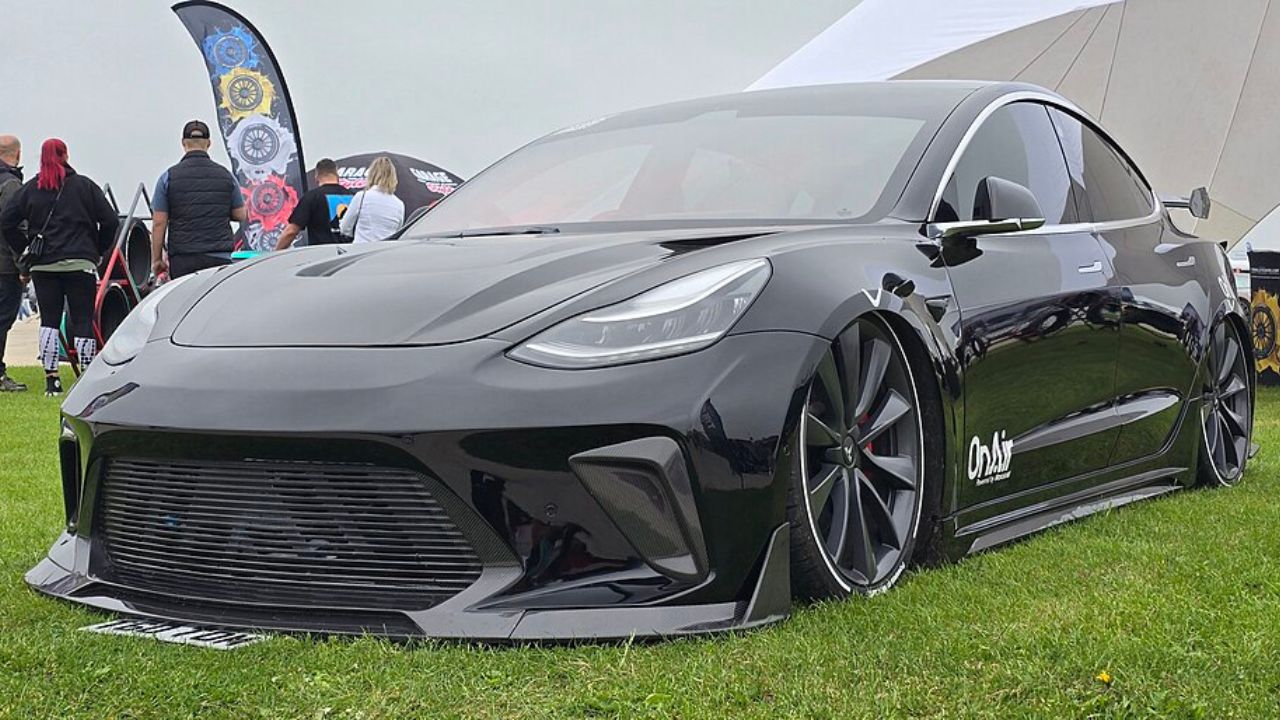
The initial purchase price is often the first factor potential car buyers consider. As of 2025, electric vehicles can have higher sticker prices compared to their gasoline counterparts. For instance, a 2025 Tesla Model 3 starts at approximately $40,000, while a comparable gasoline vehicle like the Honda Accord begins at around $27,000. However, the gap in upfront costs can be mitigated by government incentives. In the United States, federal tax credits of up to $7,500 are available for many EV models, effectively reducing the initial financial burden. Moreover, several states offer additional incentives, such as rebates or reduced registration fees, further enhancing the affordability of EVs.
Depreciation rates are another crucial aspect affecting overall ownership costs. Traditionally, EVs have experienced faster depreciation than gas vehicles, largely due to concerns about battery longevity and rapid technological advancements. However, this trend is changing. Many 2025 EV models, such as the Ford Mustang Mach-E, are now retaining value more effectively, thanks to improvements in battery technology and increased consumer confidence. Gasoline cars, like the Toyota Camry, still tend to hold their value well, but the gap is closing, making EVs an increasingly viable investment over a typical ownership period of five to seven years.
Fuel and Energy Costs
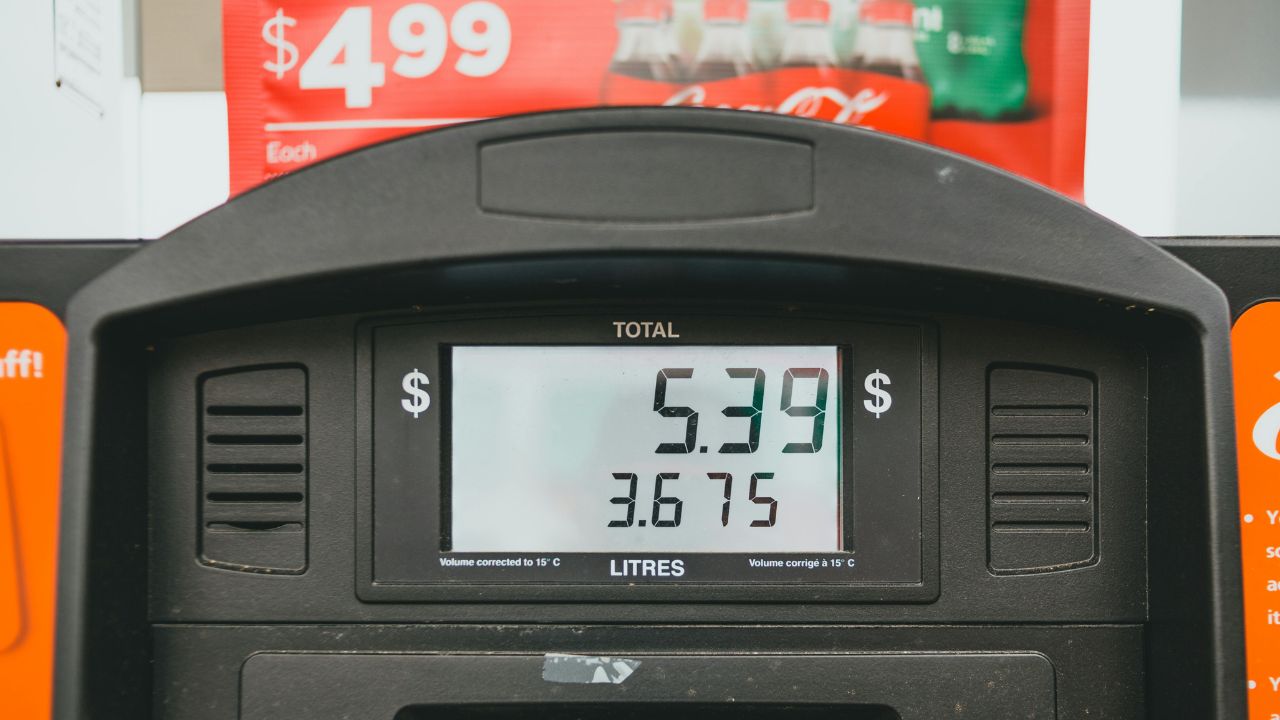
Fuel efficiency and gasoline prices have long been critical factors in calculating the total cost of ownership for gasoline vehicles. For example, the 2025 Toyota Corolla boasts a fuel efficiency of around 32 miles per gallon. However, fluctuating fuel prices can significantly impact long-term costs, with the average price of gasoline in the United States hovering around $3.50 per gallon in 2025. This volatility can lead to unpredictable expenses, making it challenging for owners to budget accurately over the life of the vehicle.
In contrast, charging costs for EVs are generally more stable, though they can vary based on regional electricity rates and charging habits. Charging an EV at home can cost as little as $0.13 per kilowatt-hour, translating to about $500 annually for an average driver covering 12,000 miles. Public charging stations, like those operated by ChargePoint or Electrify America, may charge higher rates, particularly for fast charging. For instance, fast-charging rates can range from $0.25 to $0.50 per kilowatt-hour, depending on the location and provider. Despite these variations, the overall energy cost for EVs tends to be lower than gasoline expenses over time.
Maintenance and Repairs
Routine maintenance for electric vehicles is generally less frequent and less costly compared to gasoline cars. EVs, such as the Nissan Leaf, have fewer moving parts and do not require oil changes, exhaust system repairs, or spark plug replacements. This simplicity translates to lower maintenance costs and fewer scheduled service visits. In contrast, gasoline vehicles like the Ford F-150 require regular oil changes, transmission fluid checks, and other routine services, which can add up over the years.
Long-term reliability and repair costs are also crucial considerations. While EVs are known for their reliability, battery replacement remains a major concern. However, advancements in technology have extended battery life, with many manufacturers offering warranties of 8 years or 100,000 miles. On the other hand, gasoline vehicles may face higher repair costs as they age, with potential issues arising in the engine, transmission, or fuel system. These factors contribute to the overall ownership costs and can influence a buyer’s decision.
Insurance and Tax Incentives
Insurance premiums for electric vehicles can be higher than those for gasoline cars due to the higher initial purchase price and the specialized knowledge required to repair EVs. For instance, insuring a 2025 Chevrolet Bolt may cost more than a comparable gasoline vehicle like the Hyundai Elantra. However, the cost difference is not solely dependent on vehicle type; factors such as safety features, driver history, and location also play significant roles.
Tax credits and incentives are a significant advantage for EV owners, helping to offset initial purchase costs and improve affordability. In addition to federal tax credits, states like California offer rebates up to $2,000 for qualifying EVs. These incentives can substantially reduce the effective cost of ownership, making EVs more attractive to potential buyers. Additionally, some regions offer benefits such as access to carpool lanes and reduced toll fees, further enhancing the appeal of electric vehicles.
Resale Value and Market Trends
Resale value is a critical factor for many car buyers, and the market for EVs is evolving rapidly. In the past, EVs like the Nissan Leaf faced steep depreciation, but recent models are proving more resilient. Factors such as improved battery technology and growing consumer demand for sustainable vehicles are contributing to stronger resale values. In contrast, gasoline vehicles, while traditionally holding their value well, may see a decline in demand as environmental concerns and regulatory pressures increase.
Market trends indicate a significant shift towards electric vehicles, with automakers like General Motors and Volkswagen committing to electrifying their fleets by the 2030s. This trend, coupled with potential regulatory changes to reduce carbon emissions, suggests that EVs will become increasingly mainstream. As infrastructure for charging continues to expand and technology advances, the overall cost of EV ownership is likely to become even more competitive with gasoline vehicles, impacting future ownership costs and vehicle value.