Throughout automotive history, certain engines have pushed the boundaries of power and performance, only to face restrictions due to their sheer capability. These engines have become legends, not just for their technical prowess but also for the controversies and regulations they inspired. Here’s a look at eight iconic engines that faced limitations, either through regulations or manufacturer decisions, highlighting their extraordinary achievements and the reasons behind their restrictions.
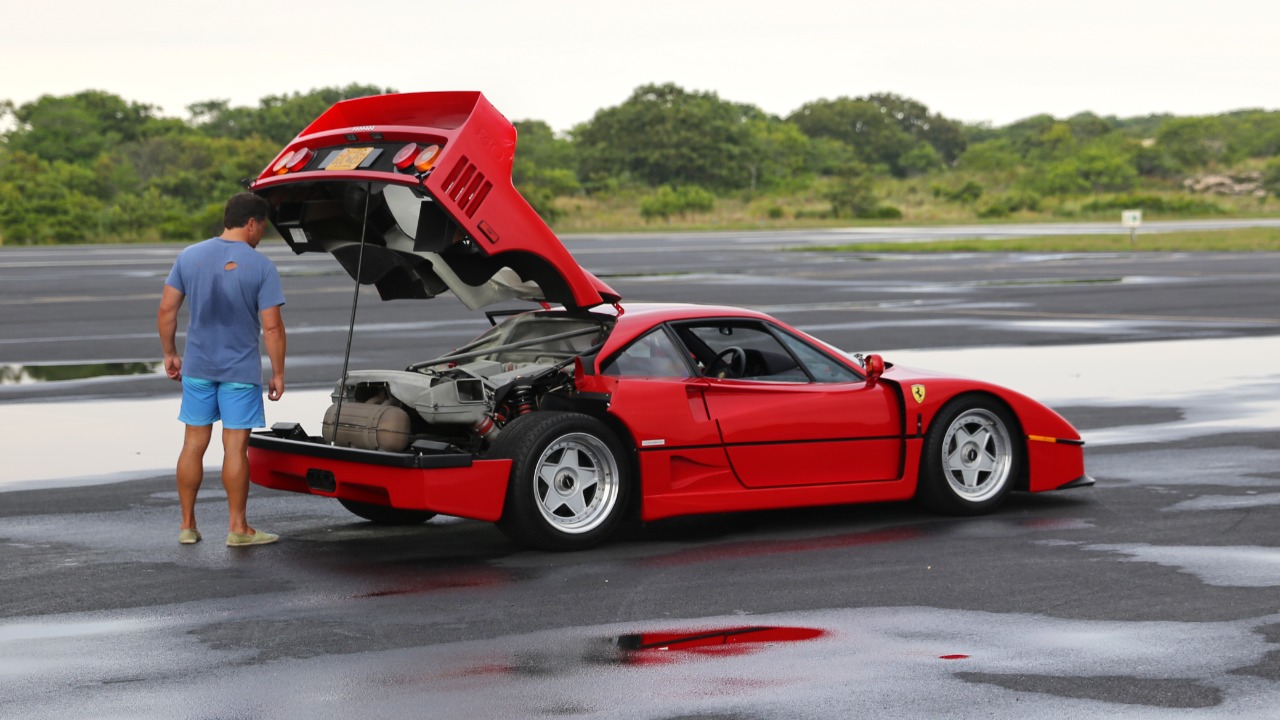
Ferrari F40 – The Turbocharged Legend
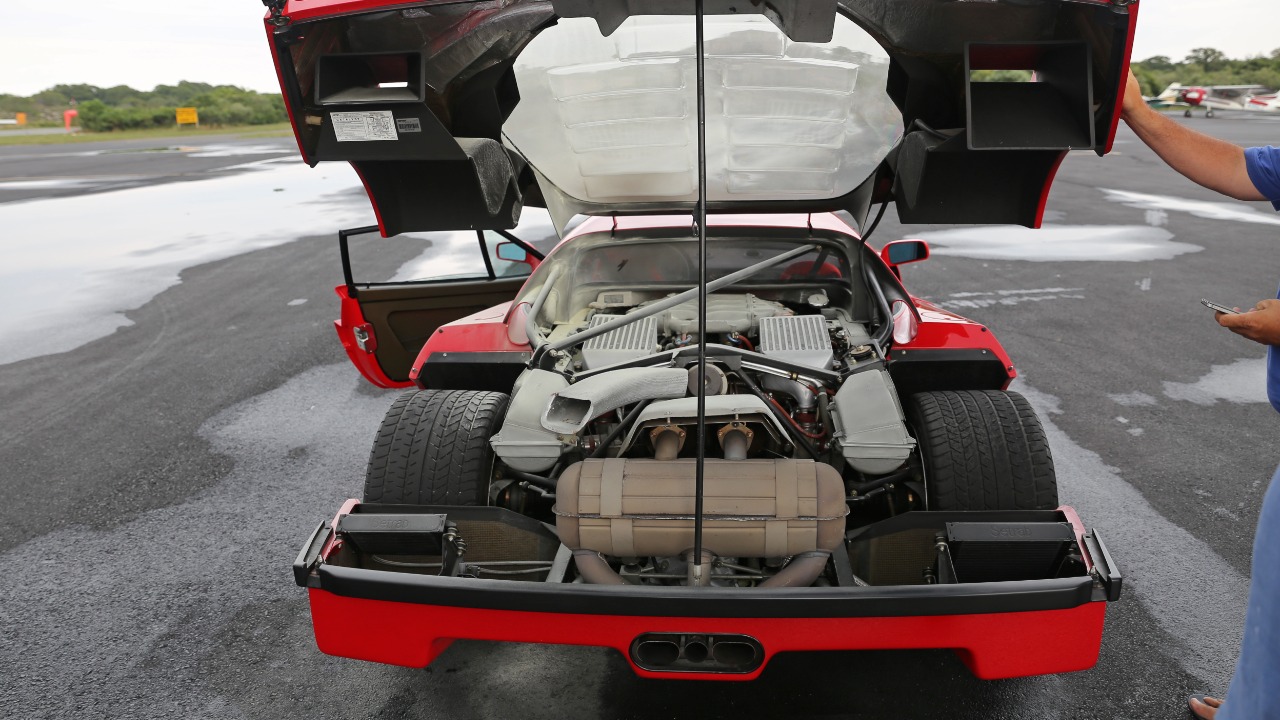
The Ferrari F40, launched in 1987, is often celebrated as one of the greatest supercars of all time. Its 2.9-liter twin-turbo V8 engine produced a staggering 478 horsepower, a figure that was groundbreaking for its time. However, the immense power and turbocharging technology led to concerns over reliability and emissions. As a result, Ferrari implemented stricter controls on its racing variants, limiting boost pressure and, consequently, horsepower in some configurations. This decision was partly due to the need for compliance with evolving motorsport regulations, which sought to promote fair competition.
Moreover, the F40’s raw power was coupled with a lightweight chassis, making it a thrilling yet challenging drive. Ferrari’s approach to limit the engine’s capabilities in certain applications reflects a balance between innovation and safety. The F40’s legacy as a turbocharged legend continues to inspire car enthusiasts and manufacturers alike, showcasing how power can be both a gift and a challenge in the automotive world.
Porsche 917 – The Race-Bred Beast
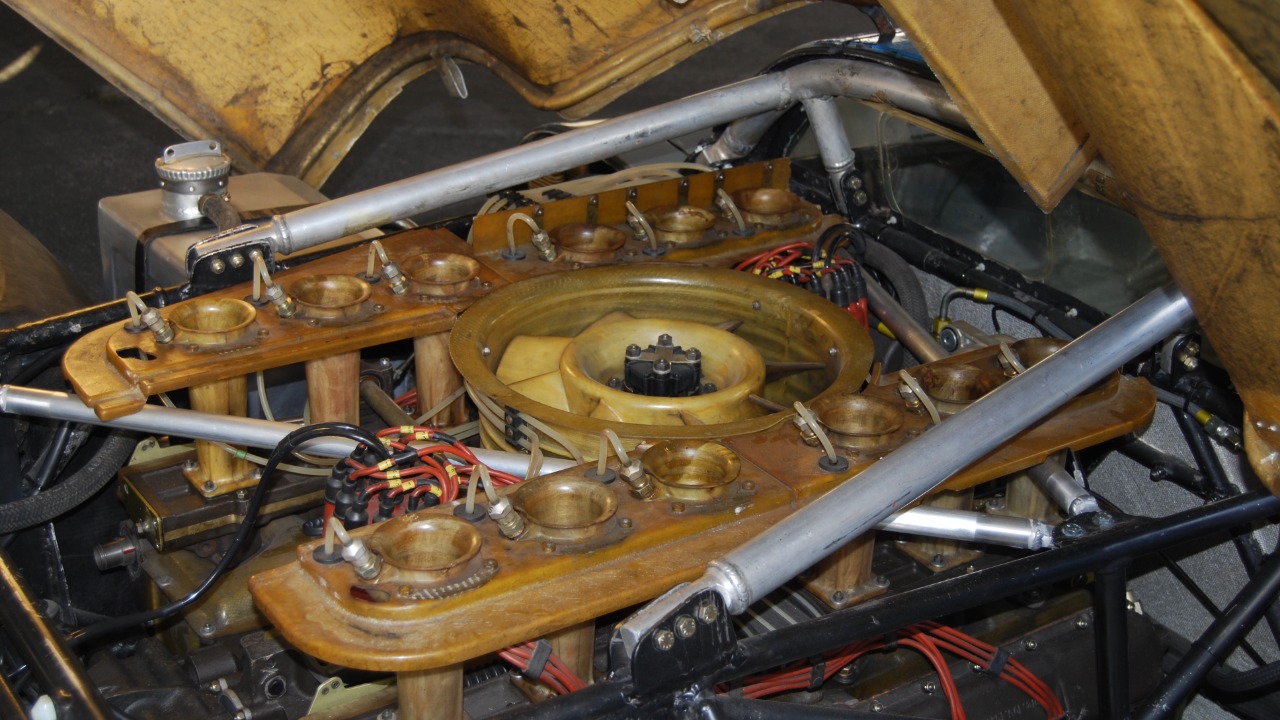
The Porsche 917 is a name synonymous with racing success, thanks to its incredible 4.5-liter flat-12 engine, which generated upwards of 600 horsepower. Introduced in the late 1960s, the 917 quickly became a dominant force in endurance racing, notably winning the 24 Hours of Le Mans in 1970 and 1971. However, its immense power led to concerns regarding safety and reliability, prompting the FIA to impose restrictions on engine displacement and power outputs in subsequent racing seasons.
Porsche had to adapt to these regulations, which ultimately shaped the future of endurance racing. The limitations not only aimed to level the playing field but also to enhance driver safety on the track. Despite these restrictions, the 917 remains an icon, demonstrating how even the most powerful engines must sometimes conform to regulations for the greater good of the sport.
Bugatti Veyron – The Hypercar Pioneer
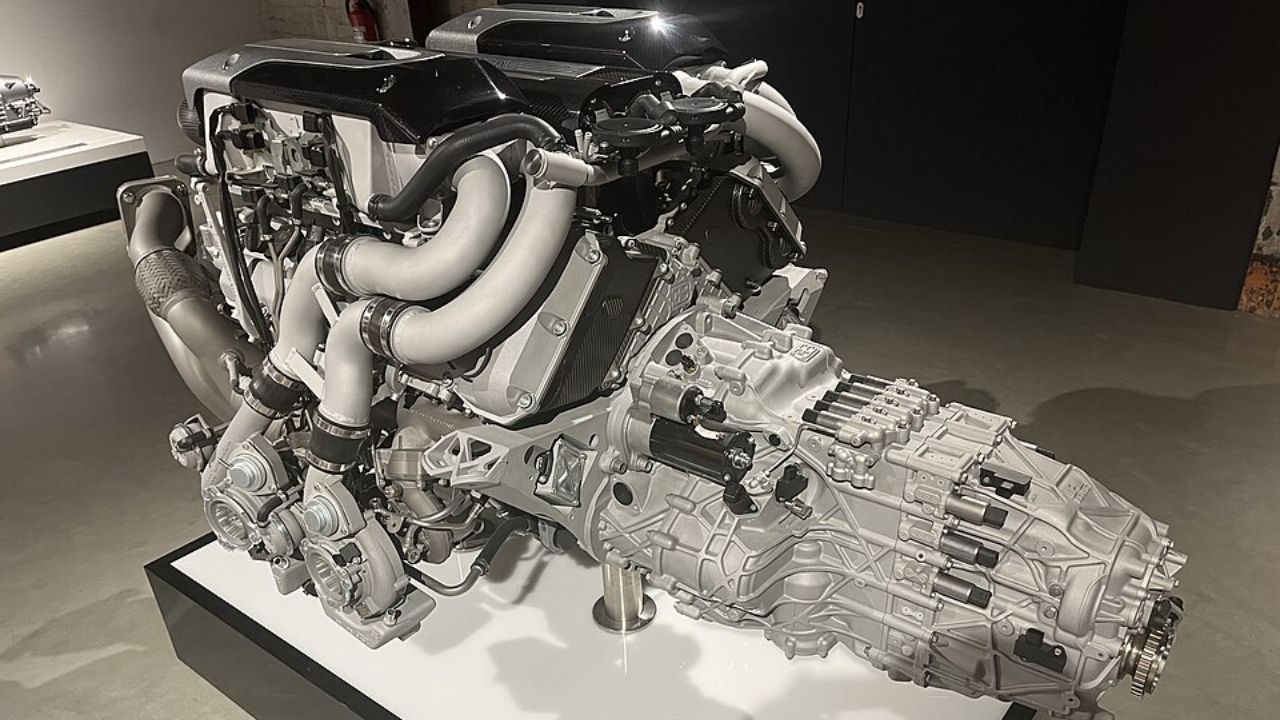
The Bugatti Veyron, launched in 2005, redefined the concept of a hypercar with its 8.0-liter quad-turbocharged W16 engine, producing an astonishing 1,001 horsepower. This power allowed the Veyron to reach speeds exceeding 250 mph, making it one of the fastest production cars ever. However, such extraordinary performance came with significant concerns regarding fuel consumption and emissions, leading to restrictions in various markets, particularly in Europe.
To comply with increasingly stringent environmental regulations, Bugatti had to focus on efficiency without sacrificing performance. These challenges resulted in the development of subsequent models like the Veyron Super Sport, which improved on the original’s performance while addressing regulatory concerns. The Veyron’s legacy continues to influence the hypercar segment, proving that even the most powerful engines must adapt to a changing automotive landscape.
Chevrolet Corvette ZR1 – The American Muscle
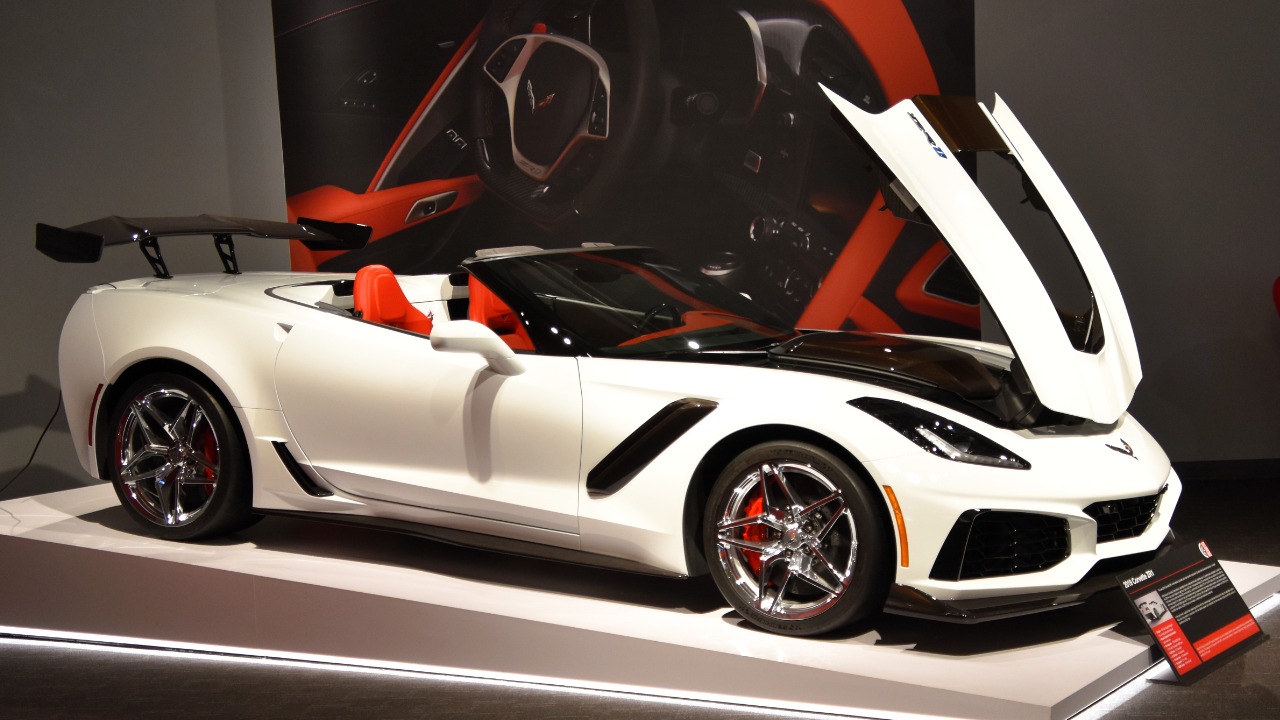
The Chevrolet Corvette ZR1 is a symbol of American performance, featuring a supercharged 6.2-liter V8 engine that delivers a staggering 755 horsepower. Introduced in the C7 generation, the ZR1 quickly garnered attention for its impressive speed and handling. However, its overwhelming power also raised questions about safety and emissions, prompting General Motors to implement restrictions on its performance in certain contexts, particularly in competitive racing.
To meet the changing landscape of automotive regulations, GM had to balance performance with compliance. This included refining the engine’s tuning and adjusting power outputs in specific racing scenarios. Despite these challenges, the ZR1 remains a testament to American muscle, showcasing how innovation and regulation can coexist in the pursuit of speed and excitement.
Lamborghini Miura – The Original Supercar
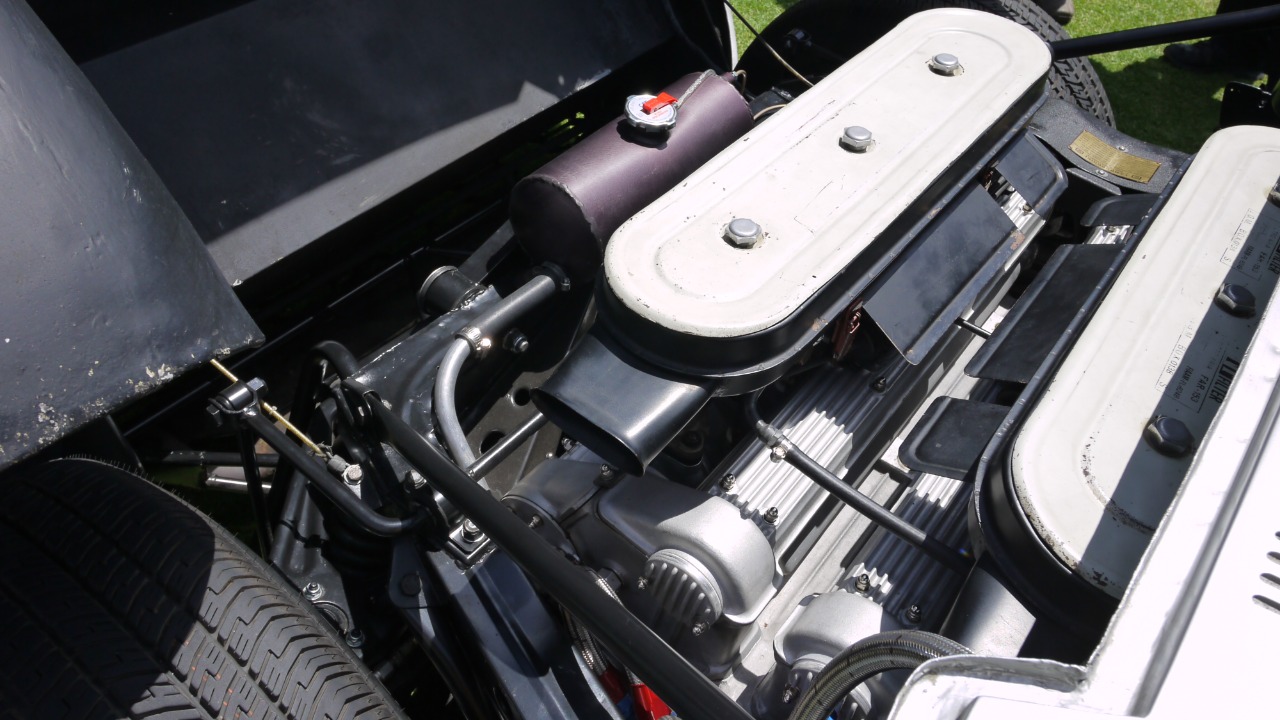
The Lamborghini Miura is often hailed as the first true supercar, featuring a 3.9-liter V12 engine that produced 350 horsepower. Launched in the 1960s, it set the standard for performance and style, captivating enthusiasts worldwide. However, the Miura’s powerful engine and unique design also brought challenges, particularly concerning safety and emissions, which led to restrictions on engine configurations and performance in subsequent models.
The Miura’s legacy is undeniable, but it also highlights the delicate balance between power and regulation. As manufacturers faced increasing scrutiny regarding safety and environmental impact, they had to adapt their designs, influencing the development of future supercars. The Miura’s impact on the automotive industry is still felt today, as it paved the way for the performance standards we see in modern vehicles.
Nissan GT-R – The Japanese Game Changer
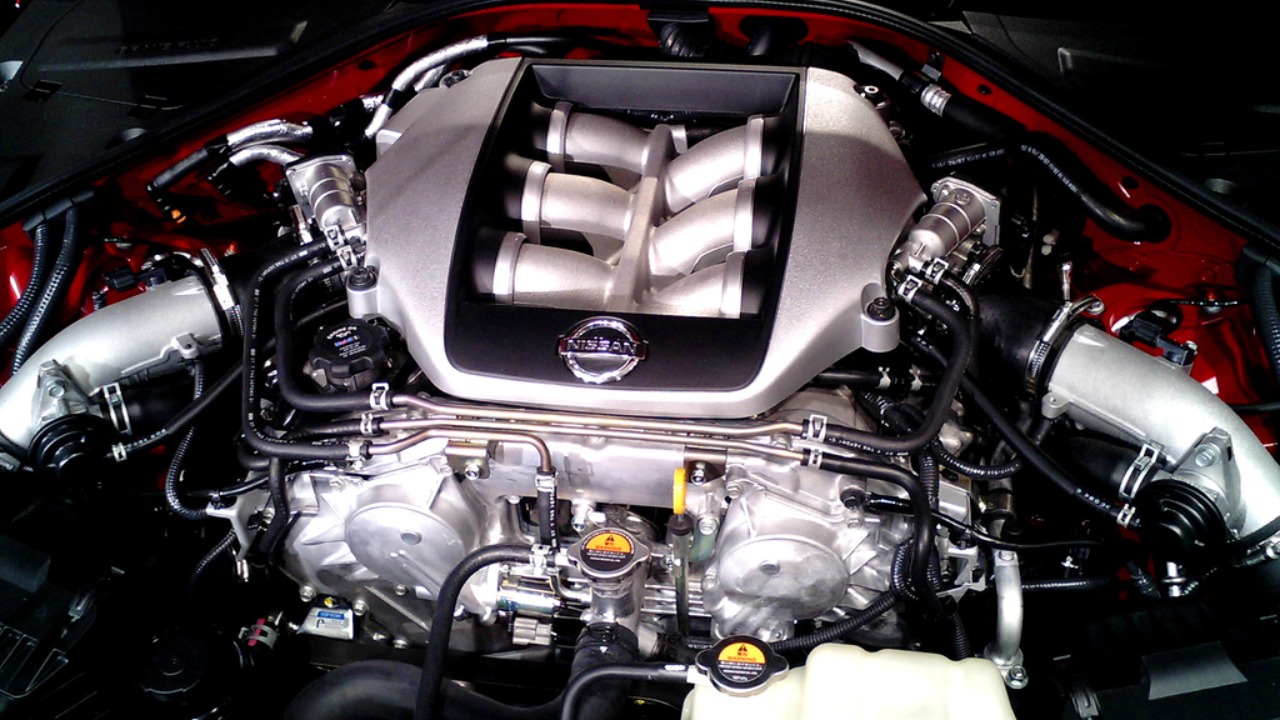
The Nissan GT-R has long been recognized as a game changer in the performance car segment, thanks to its 3.8-liter twin-turbo V6 engine that produces 565 horsepower. Launched in 2007, the GT-R quickly gained a reputation for its incredible speed and handling, rivaling much more expensive supercars. However, the power of the GT-R also attracted scrutiny, leading to various restrictions in both street and racing applications.
Nissan had to navigate these challenges by making adjustments to meet regulatory requirements while maintaining the GT-R’s performance credentials. This included refining the engine’s tuning to ensure compliance with emissions standards without sacrificing the exhilarating driving experience the GT-R is known for. The GT-R’s ability to adapt to changing regulations while remaining a top contender in the performance arena is a testament to Nissan’s engineering prowess.
Toyota Supra MK4 – The Tuner’s Dream
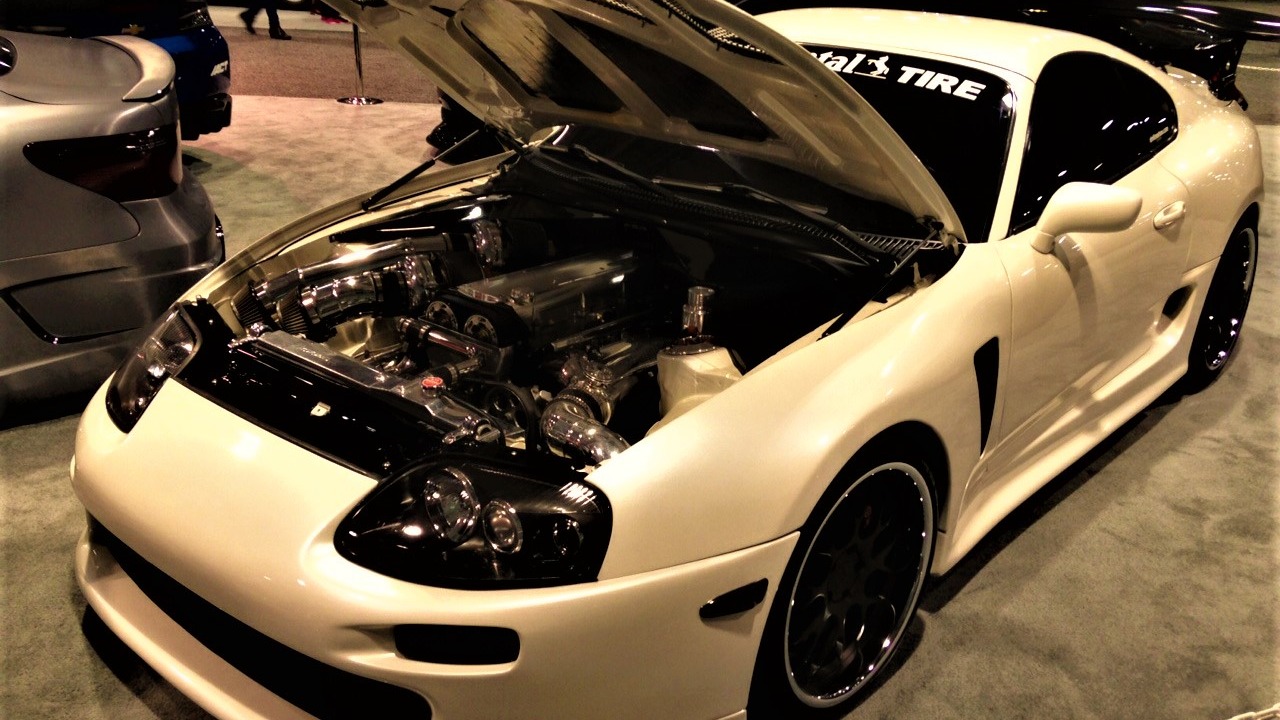
The Toyota Supra MK4, produced from 1993 to 2002, features a robust 3.0-liter inline-six engine known for its tuning potential. With stock power ratings of around 276 horsepower, many enthusiasts discovered that this engine could be modified to produce well over 1,000 horsepower with the right upgrades. However, the Supra’s immense tuning potential led to concerns over emissions and safety, prompting regulations that limited certain modifications.
The aftermarket community thrived around the Supra, but the engine’s capabilities also drew the attention of regulators, leading to restrictions on modifications for street use. Despite these challenges, the MK4 Supra remains a favorite among tuners and performance enthusiasts, illustrating how powerful engines can inspire a culture of innovation and creativity in the automotive world.
McLaren F1 – The Ultimate Driving Machine
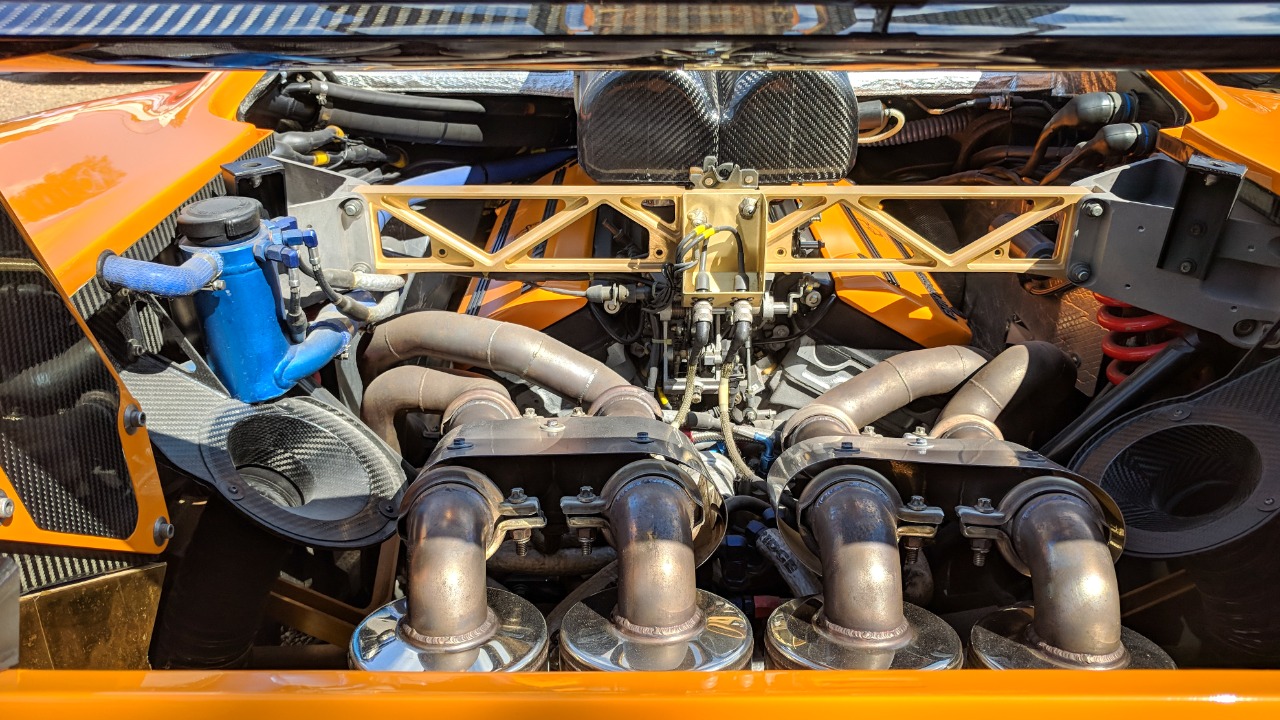
The McLaren F1, introduced in 1992, is often regarded as the pinnacle of automotive engineering. Its BMW-sourced 6.1-liter V12 engine produced an astounding 627 horsepower, allowing it to achieve a top speed of 240 mph. However, its remarkable performance and limited production resulted in regulatory scrutiny, particularly regarding emissions and safety standards. As a result, McLaren faced challenges in meeting these regulations, leading to restrictions on the F1’s availability in certain markets.
Despite these obstacles, the F1 set new benchmarks for performance and design that continue to influence modern supercars. The restrictions imposed on this legendary vehicle only add to its allure, making it a symbol of what’s possible when engineering excellence meets the constraints of regulation.
More from Fast Lane Only
- Unboxing the WWII Jeep in a Crate
- 15 rare Chevys collectors are quietly buying
- 10 underrated V8s still worth hunting down
- Police notice this before you even roll window down
*Research for this article included AI assistance, with all final content reviewed by human editors.