Some work trucks never became collector-car celebrities, but they quietly handled jobs that more famous pickups could not. They hauled equipment, served farms, supported businesses, and worked in places where comfort mattered far less than reliability. Many have disappeared from everyday roads, yet their usefulness helped shape the American truck market. These forgotten workhorses deserve more credit for how much they accomplished during their working lives.
Chevrolet C20
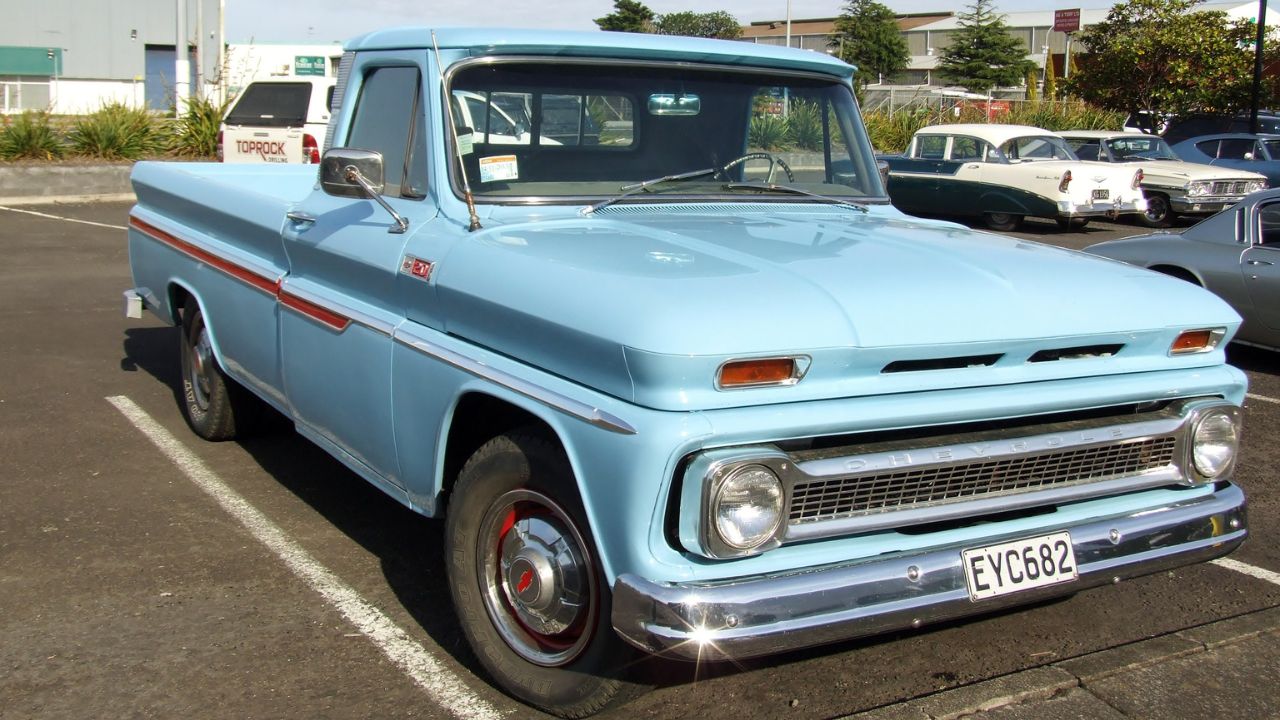
The Chevrolet C20 was built for owners who needed more capability than a basic half-ton pickup could provide. Its heavier suspension, stronger frame, and available V8 engines made it useful for hauling equipment, towing trailers, and handling farm work. Many C20s spent their lives doing jobs rather than appearing at shows, which is one reason they are easy to overlook today. Their straightforward construction also allowed owners and independent mechanics to keep them working for years. It was a practical truck designed around useful capability.
Ford F-600

The Ford F-600 occupied an important position between conventional pickups and larger commercial trucks. It was commonly used by contractors, farmers, municipalities, and businesses that needed serious payload capacity without stepping into a much larger truck. Its heavy-duty chassis could support utility bodies, dump beds, service equipment, and other specialized configurations. The F-600 was never glamorous, but that was not its purpose. It was essentially a platform for getting difficult jobs done, making it one of Ford’s more useful but less celebrated work trucks.
GMC 2500

The GMC 2500 offered buyers a heavier-duty alternative to ordinary light-duty pickups. Its stronger suspension and frame made it useful for hauling building materials, towing trailers, and supporting commercial work. Depending on the generation, buyers could choose from capable six-cylinder and V8 engines. These trucks often spent decades in working environments where scratches and dents mattered far less than getting the job finished. Because many were treated strictly as tools, surviving examples are now interesting reminders of how much work older pickups were expected to handle.
Dodge D100
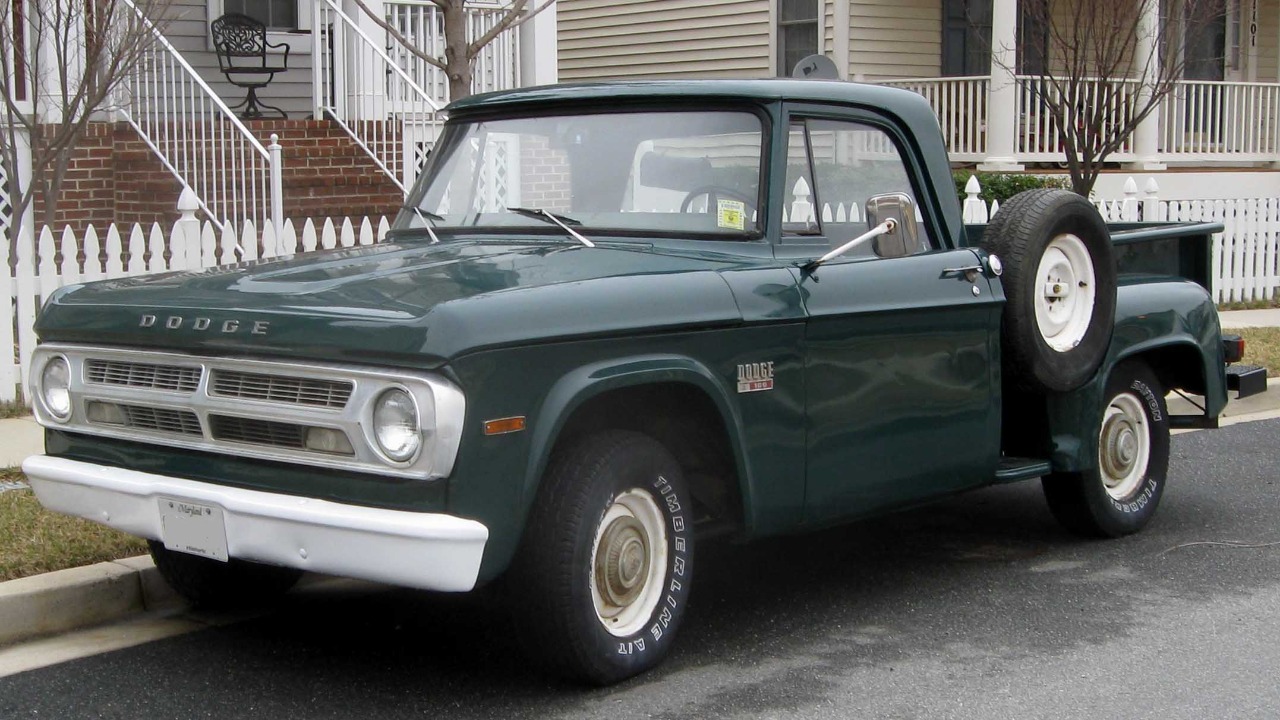
The Dodge D100 was a versatile light-duty truck that quietly served a huge range of customers. Farmers, tradespeople, small businesses, and private owners could use it for everything from hauling supplies to pulling modest trailers. Its traditional body-on-frame construction and simple mechanical systems made it relatively straightforward to maintain. The D100 did not always receive the attention given to Ford and Chevrolet pickups, but it was a capable competitor. Its broad range of configurations also allowed owners to tailor the truck to very different kinds of work.
Ford F-500
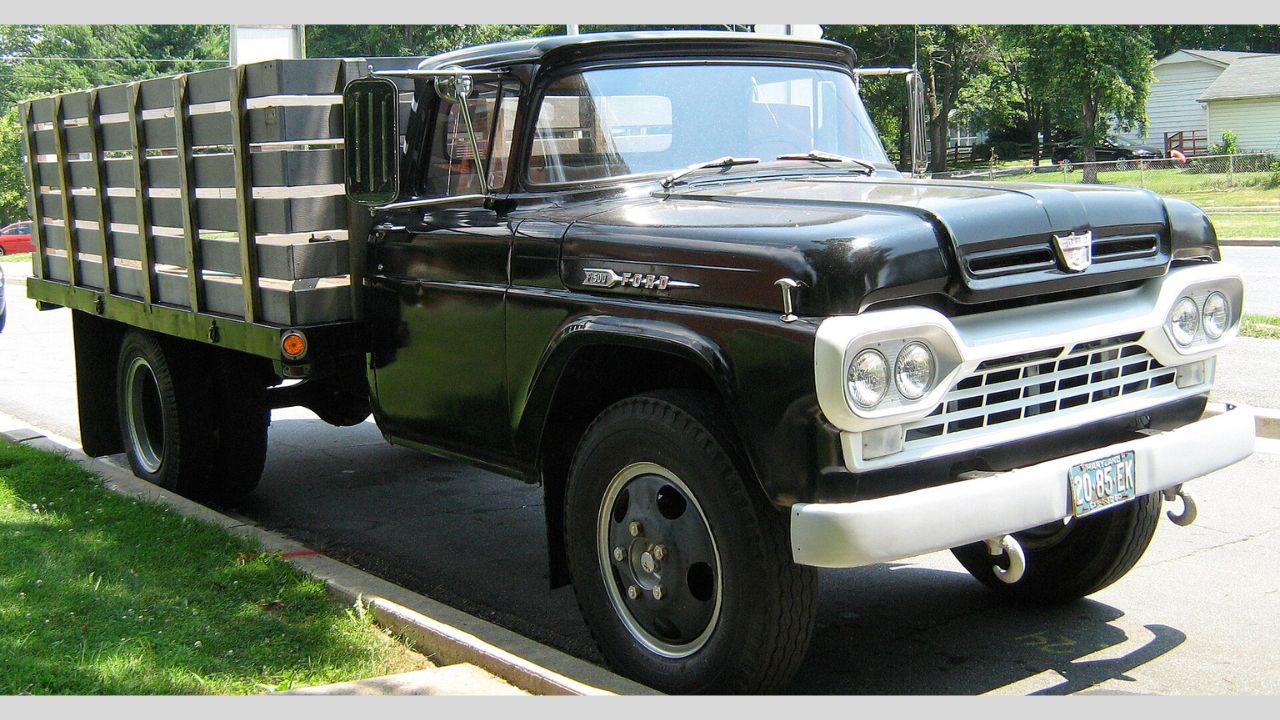
The Ford F-500 was designed for customers who had outgrown conventional pickups but did not necessarily need a full-size commercial truck. Its heavier-duty components made it suitable for demanding loads and specialized equipment. Many examples were fitted with service bodies, flatbeds, or other work-focused configurations, turning the basic truck into a mobile workshop or utility vehicle. The F-500’s importance was not about speed or styling. It was about providing a dependable foundation for businesses that needed a truck capable of working every day.
Chevrolet C30
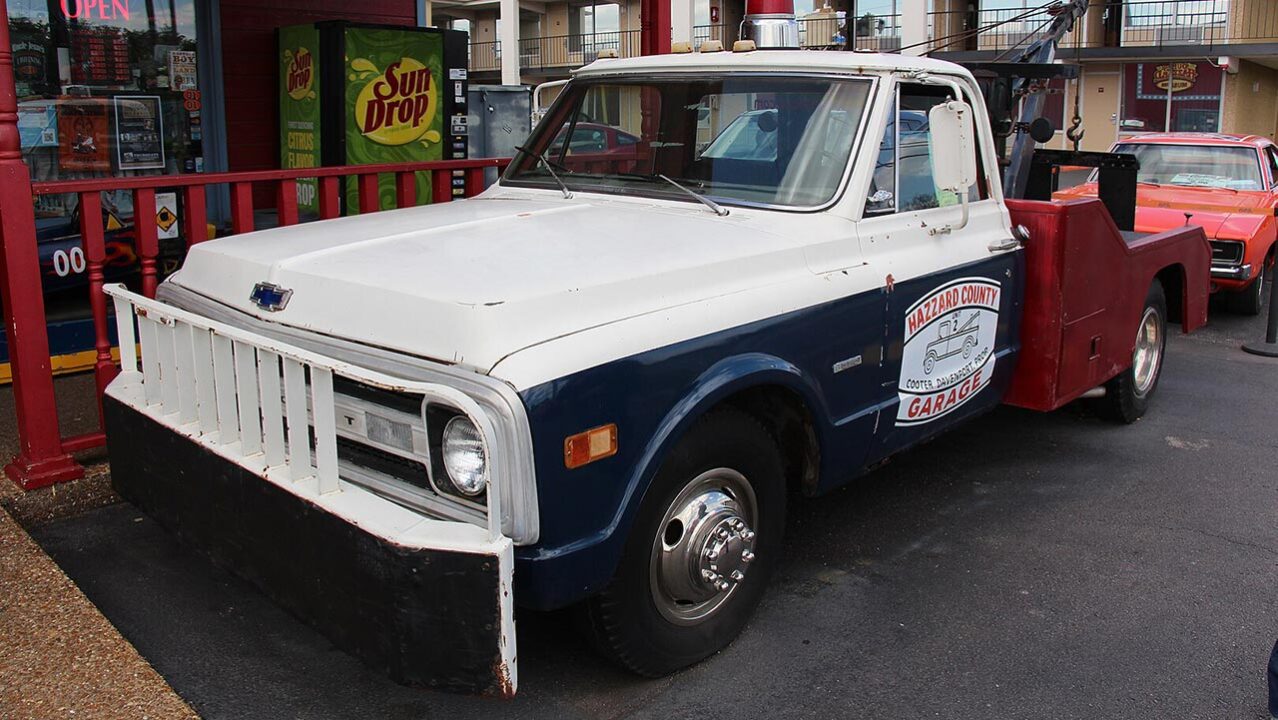
The Chevrolet C30 was a serious one-ton work truck that could be configured for hauling, towing, and commercial duties. Its heavier chassis and suspension allowed it to carry loads that would have been excessive for smaller pickups. Some were used as farm trucks, while others became service vehicles or tow rigs. The C30 was rarely purchased for appearance, and many accumulated hard miles before retirement. That working reputation makes surviving examples particularly interesting because they represent the practical side of classic American truck history.
GMC 3500
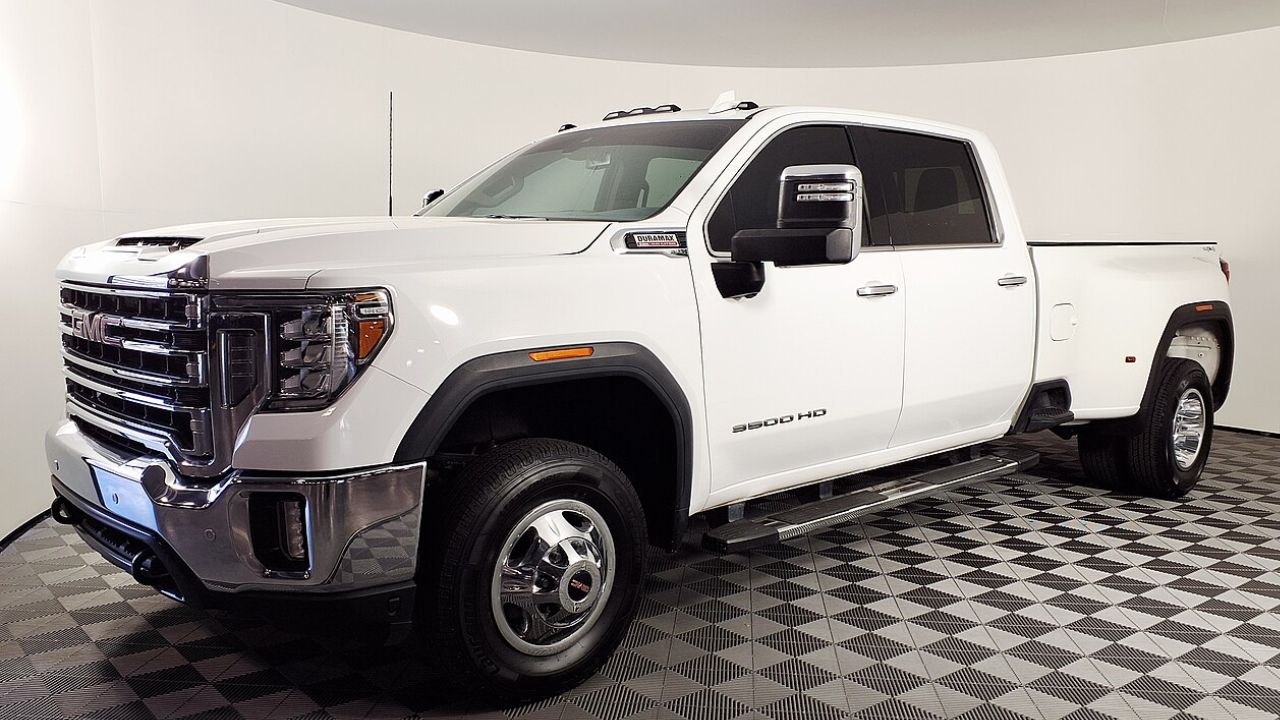
The GMC 3500 brought one-ton capability to buyers who wanted a substantial work truck without moving into a much larger commercial vehicle. Its sturdy frame and heavy-duty components made it suitable for construction, agriculture, towing, and utility work. Many were fitted with specialized beds or equipment, allowing them to serve as mobile workshops or job-site vehicles. The 3500 did not have the cultural fame of a muscle car, but its contribution to American businesses was arguably more important. It was built to produce rather than impress.
International Harvester Loadstar
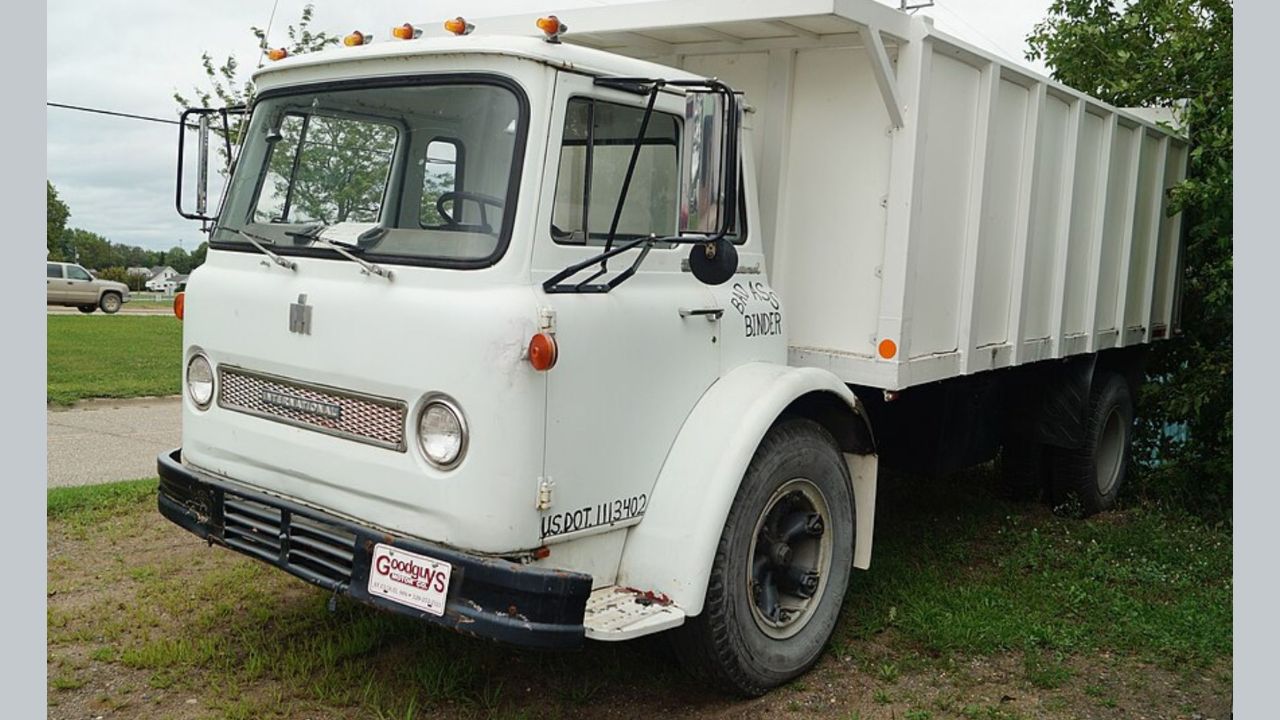
The International Harvester Loadstar was a versatile medium-duty truck that became a familiar sight in commercial and agricultural work. Its chassis could support dump bodies, stake beds, delivery bodies, and other specialized equipment, making it useful across many industries. The Loadstar was designed with practical serviceability in mind, which mattered greatly to businesses that depended on their trucks. Its straightforward appearance hides how adaptable the platform was. Many versions spent years carrying materials and equipment, quietly becoming essential parts of local businesses.
Ford Econoline Pickup
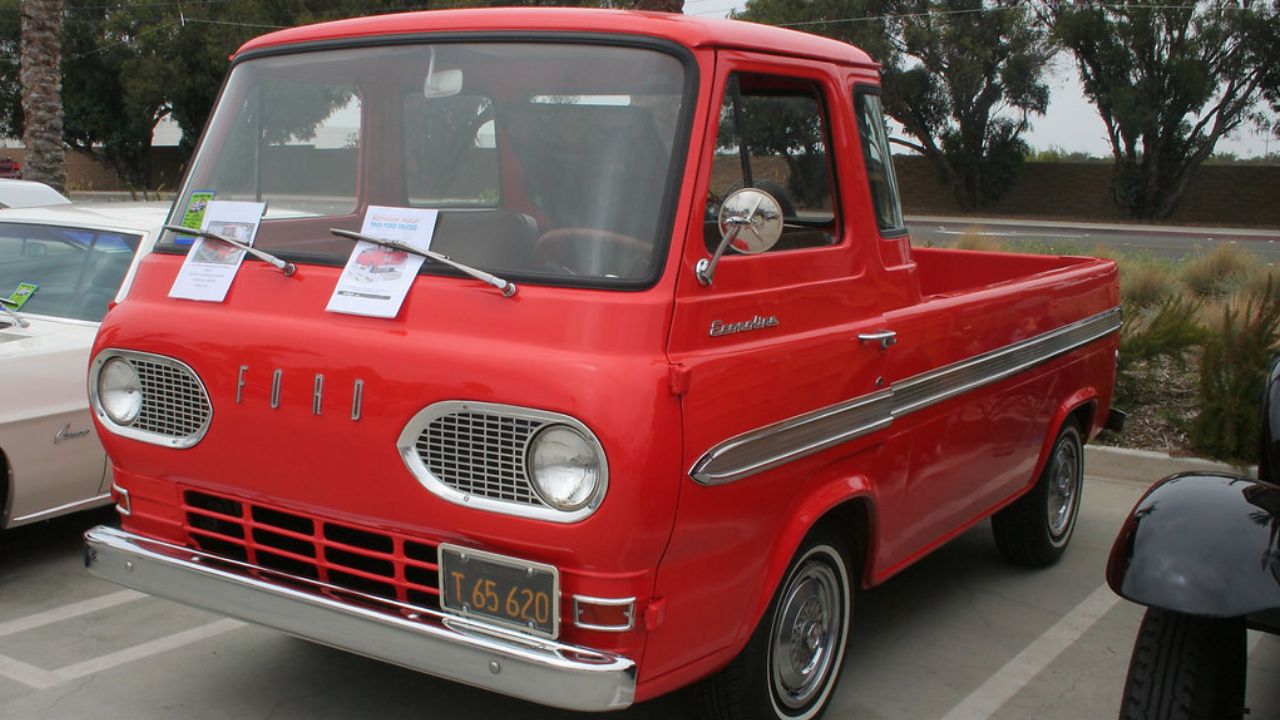
The Ford Econoline Pickup was an unusual approach to the compact work truck. Based on the Econoline van platform, it offered a small cargo bed while retaining the cab-forward layout that gave the van its distinctive appearance. It was particularly useful for businesses that needed an economical service or delivery vehicle in crowded urban areas. The design was unconventional compared with traditional pickups, but that was also its advantage. It provided useful cargo capacity in a compact package at a time when larger trucks dominated the market.
Chevrolet Corvair 95 Rampside
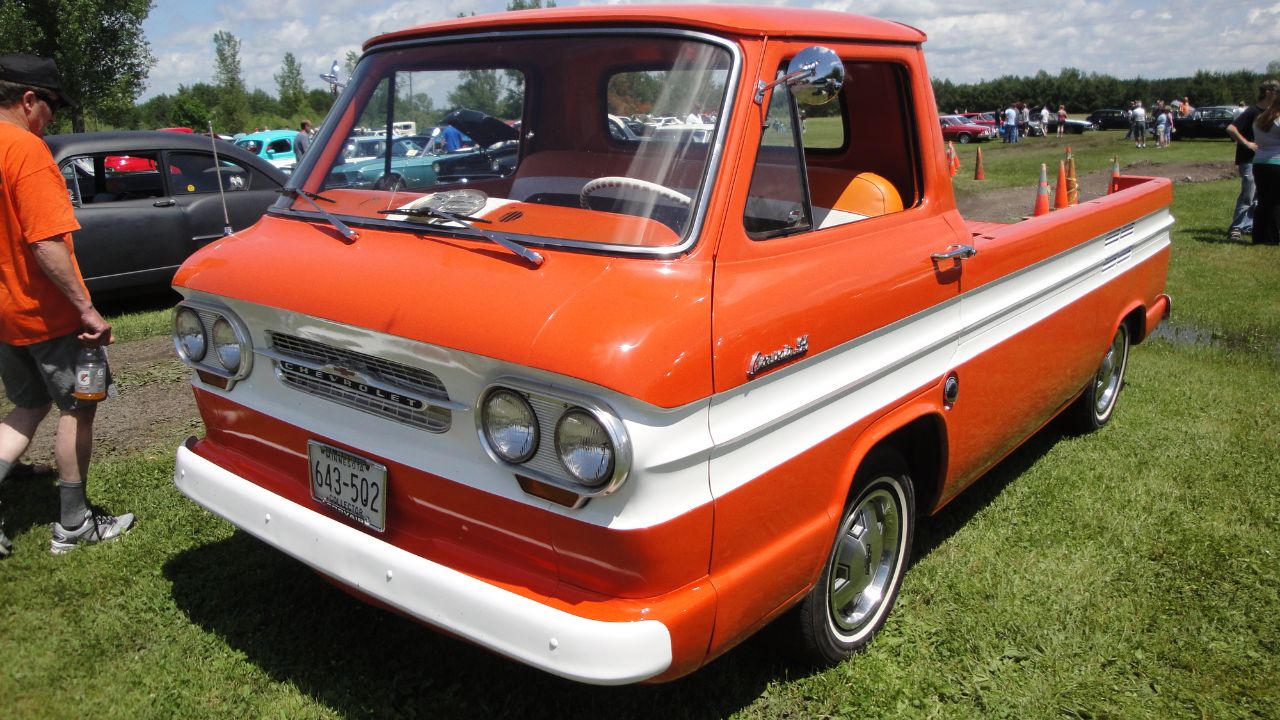
The Chevrolet Corvair 95 Rampside was one of the most unconventional American work trucks ever produced. Its rear-engine layout created a low cargo floor, while the side-mounted ramp made loading equipment easier in situations where a traditional tailgate was inconvenient. The design was particularly useful for tradespeople and delivery work. Its compact size also made it easier to maneuver than larger pickups. Although the Rampside never became a mainstream success, its clever packaging demonstrated that Chevrolet was willing to rethink how a working truck should function.
Jeep FC-150
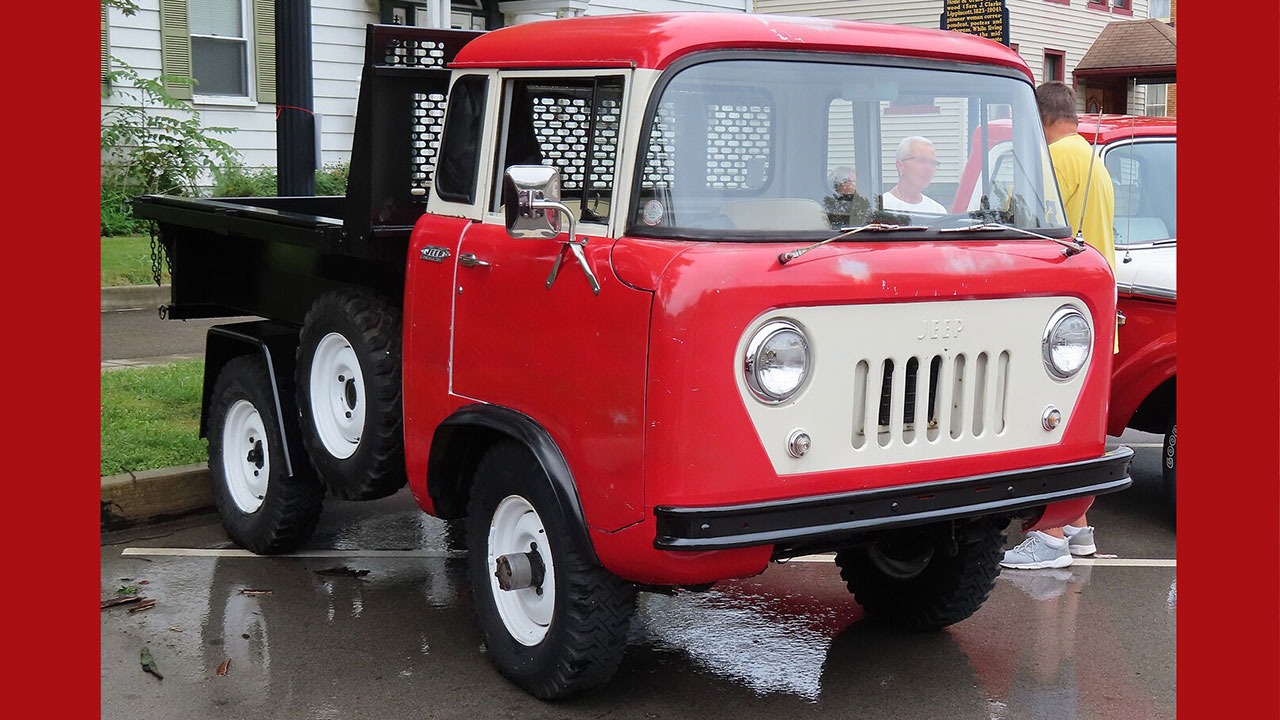
The Jeep FC-150 placed the cab over the front wheels to maximize cargo space while keeping the truck compact. Its short wheelbase and four-wheel-drive capability made it useful for farms, utility work, and rough terrain where a larger truck could be awkward. The cab-forward layout also gave the driver a commanding view of the surroundings. Its unconventional appearance made it easy to overlook, but the design was genuinely practical. It demonstrated how Jeep could adapt its off-road engineering to commercial applications.
Dodge Power Wagon

The Dodge Power Wagon became one of the most capable American utility trucks of its era. Its roots in military transportation gave it a rugged chassis and four-wheel-drive system that made it valuable for farming, forestry, construction, and remote utility work. Unlike many pickups, it was designed around serious off-road capability rather than occasional recreational use. Winches and specialized equipment could turn it into a highly effective working machine. Although its military heritage gets much of the attention, its civilian working career deserves equal recognition.
Studebaker Champ
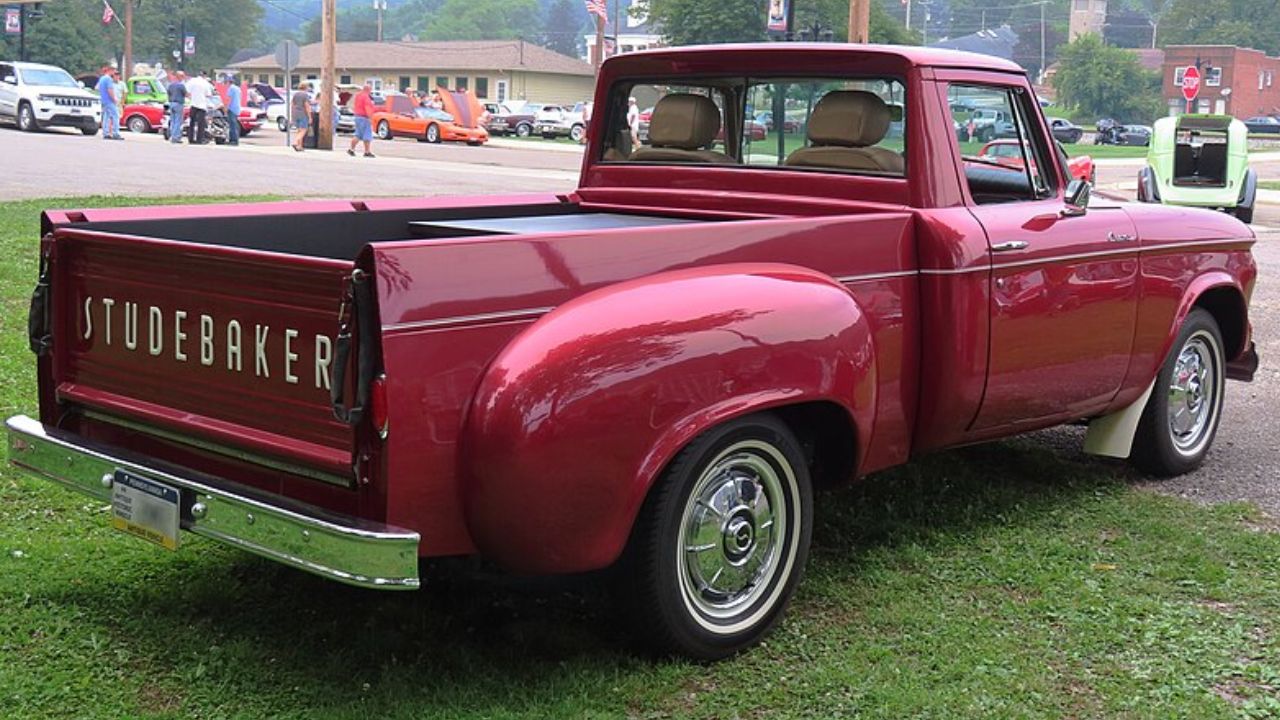
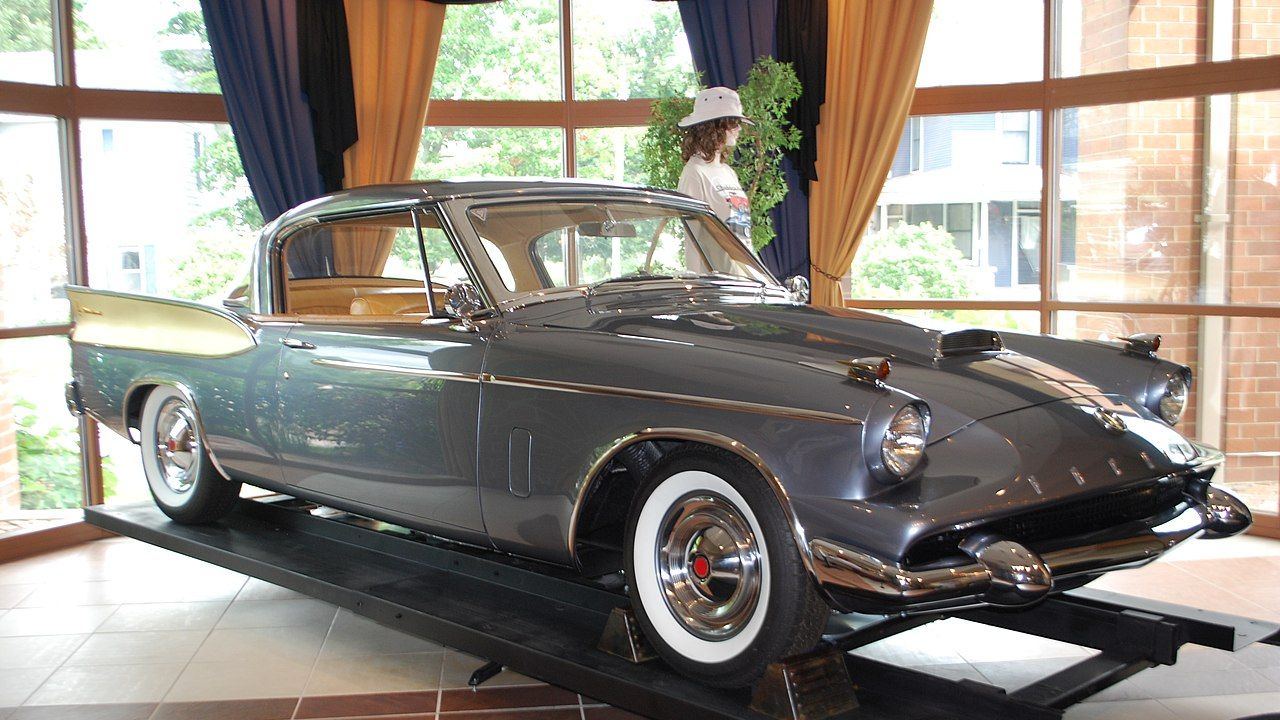
The Studebaker Champ was an interesting attempt to bring a more modern appearance to the traditional American pickup. It offered a relatively car-like cab while retaining the practical cargo bed and sturdy construction expected from a work truck. Buyers could select different engines and configurations depending on their needs. The Champ never achieved the sales volume of Ford or Chevrolet pickups, which pushed it into obscurity. Yet it showed that Studebaker could build a useful truck while experimenting with styling and packaging.
Jeep Gladiator
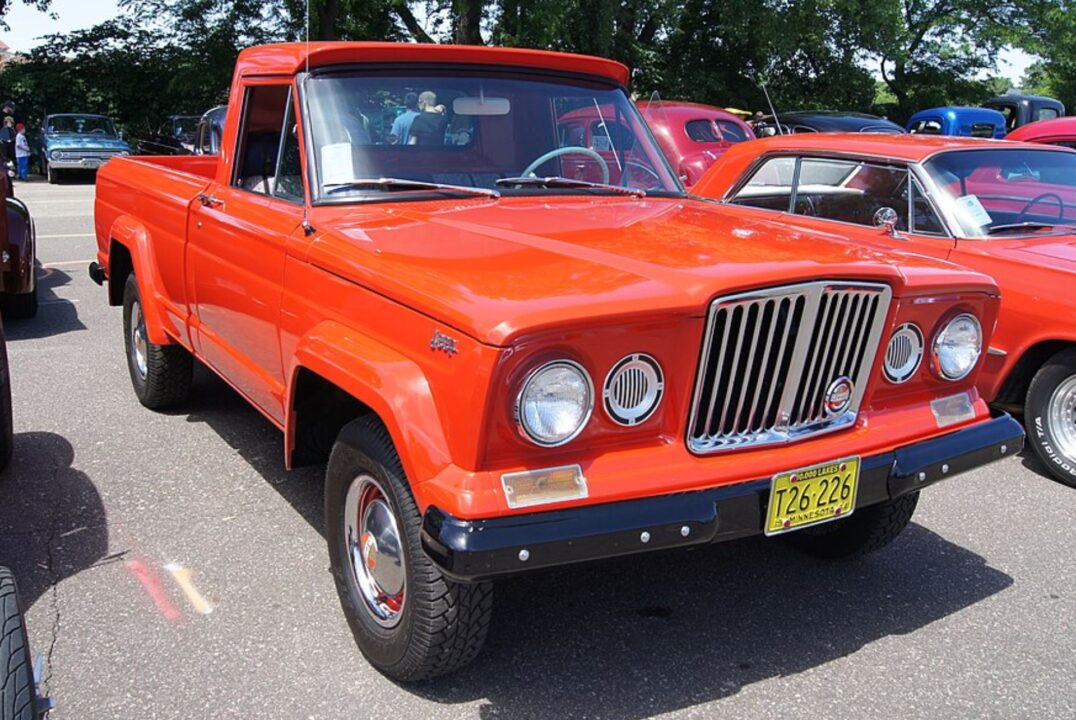
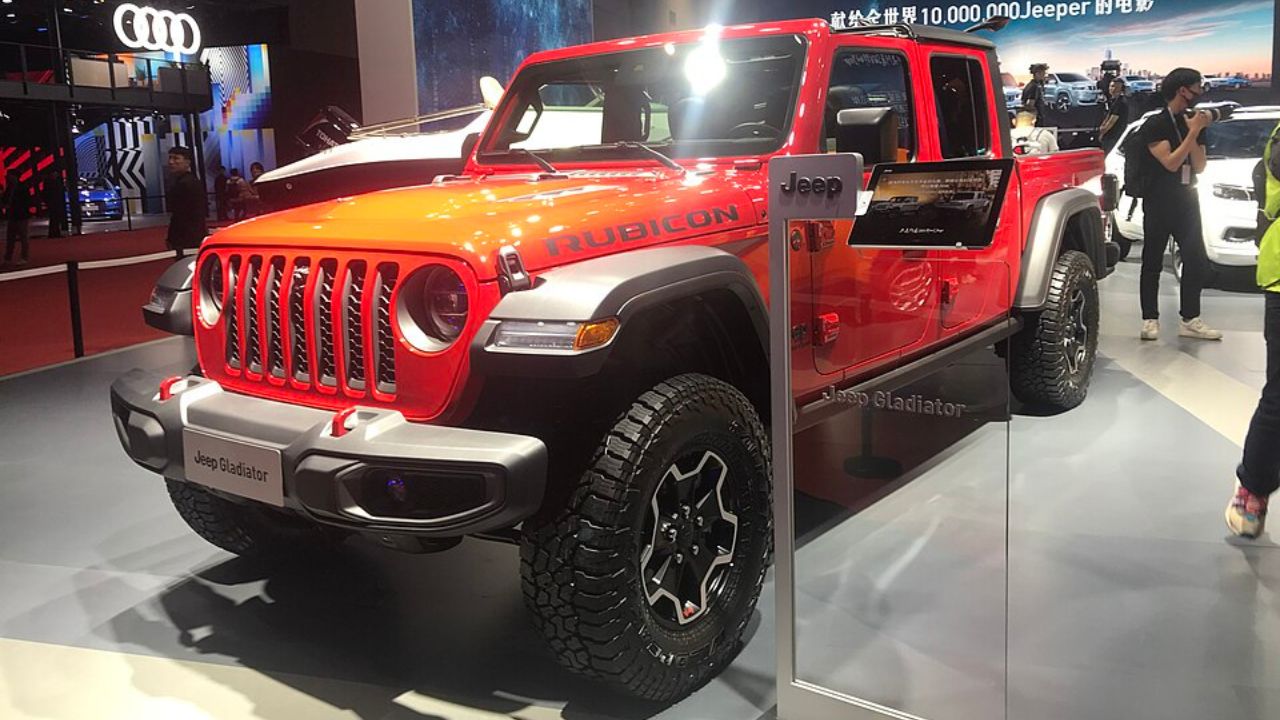
The original Jeep Gladiator brought Jeep’s four-wheel-drive expertise into the pickup market with a more conventional truck format. It offered a substantial range of body styles and configurations, allowing it to serve farmers, businesses, and government agencies. Its rugged construction made it useful in environments where ordinary pickups struggled. The Gladiator was not merely a Jeep with a cargo bed. It was a serious working platform designed for hauling and utility duties. Its historical importance has grown as enthusiasts rediscover Jeep’s early pickup ambitions.
Ford Ranchero
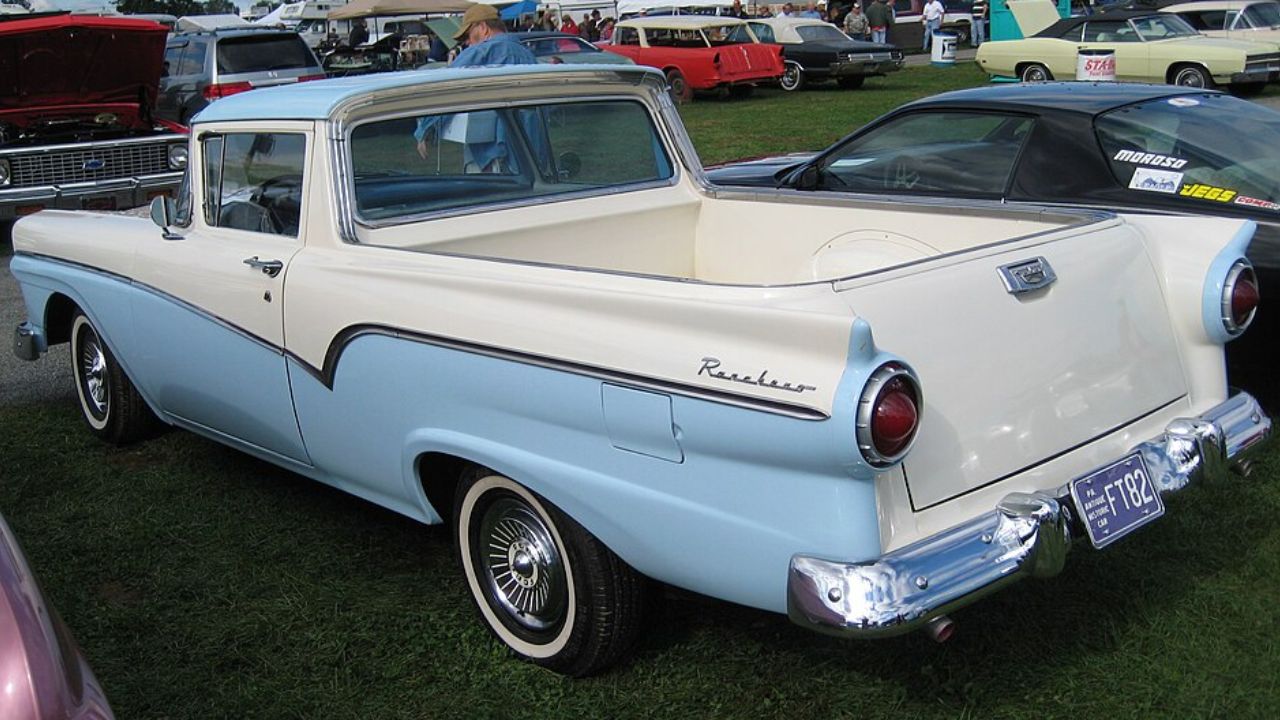
The Ford Ranchero blurred the line between passenger car and pickup truck, but it could still perform useful hauling duties. Its car-based construction gave it a lower driving position and more comfortable road manners than traditional work trucks. That made it attractive to small businesses and owners who needed a cargo bed without the size and ride characteristics of a conventional pickup. The Ranchero was never a heavy-duty workhorse, but its versatility made it surprisingly useful. It also helped establish the car-pickup format in the American market.
Chevrolet LUV
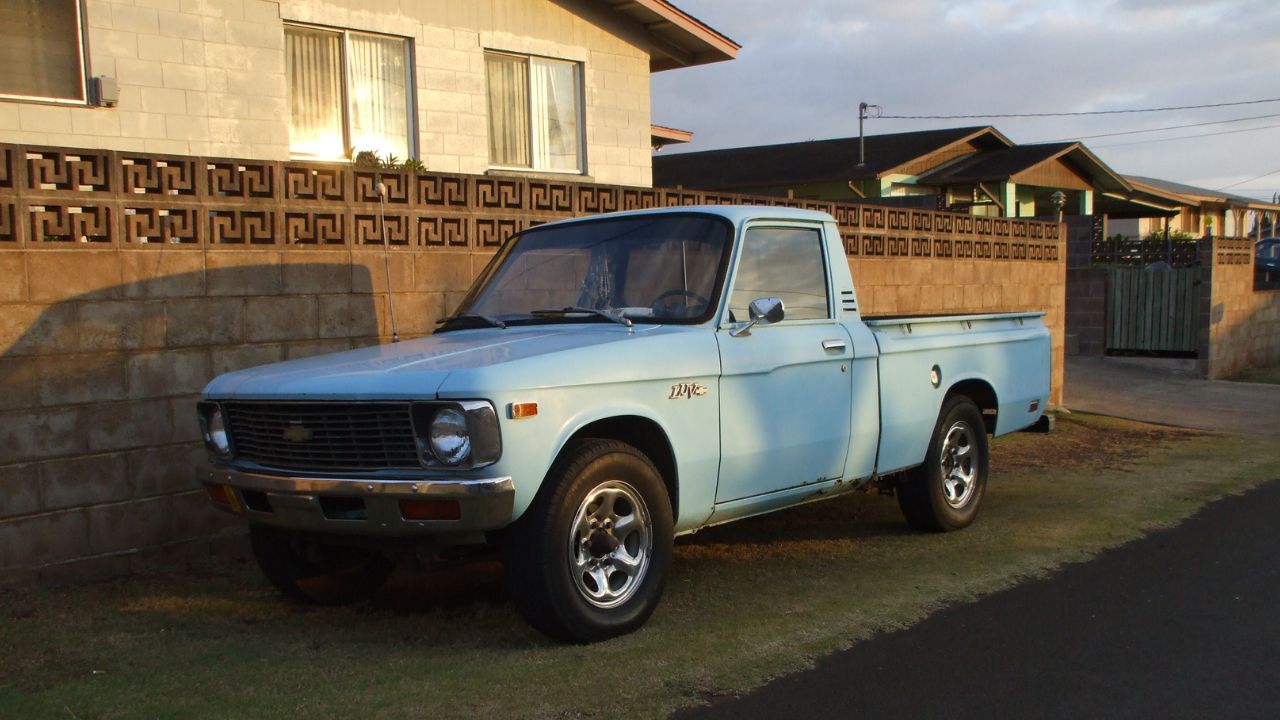
The Chevrolet LUV brought compact pickup practicality to American buyers at a time when smaller trucks were becoming increasingly attractive. Its modest dimensions made it economical and easy to maneuver, while the cargo bed provided useful space for tools, supplies, and recreational equipment. It was especially appealing to buyers who did not need a full-size pickup. The LUV’s importance lies partly in how it helped establish a market for smaller trucks in the United States. Its influence can still be seen in today’s compact and midsize pickups.
Ford Courier
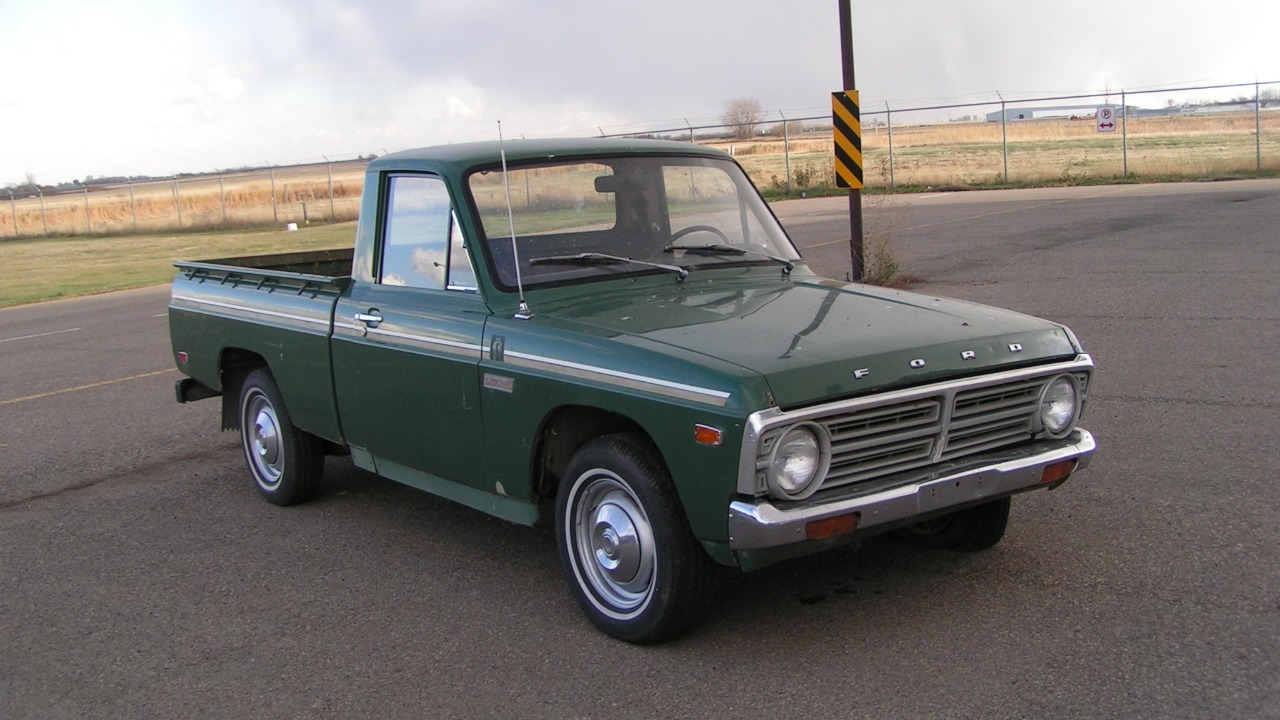
The Ford Courier was another compact pickup that helped change expectations about what a useful American truck needed to be. Its smaller size made it easier to drive and cheaper to operate than full-size domestic pickups, while its bed still provided practical cargo space. It appealed to tradespeople, small businesses, and everyday owners who needed utility without excessive size. The Courier was not designed for massive towing or heavy loads, but within its intended role it could be remarkably effective.
International Harvester Scout II Pickup
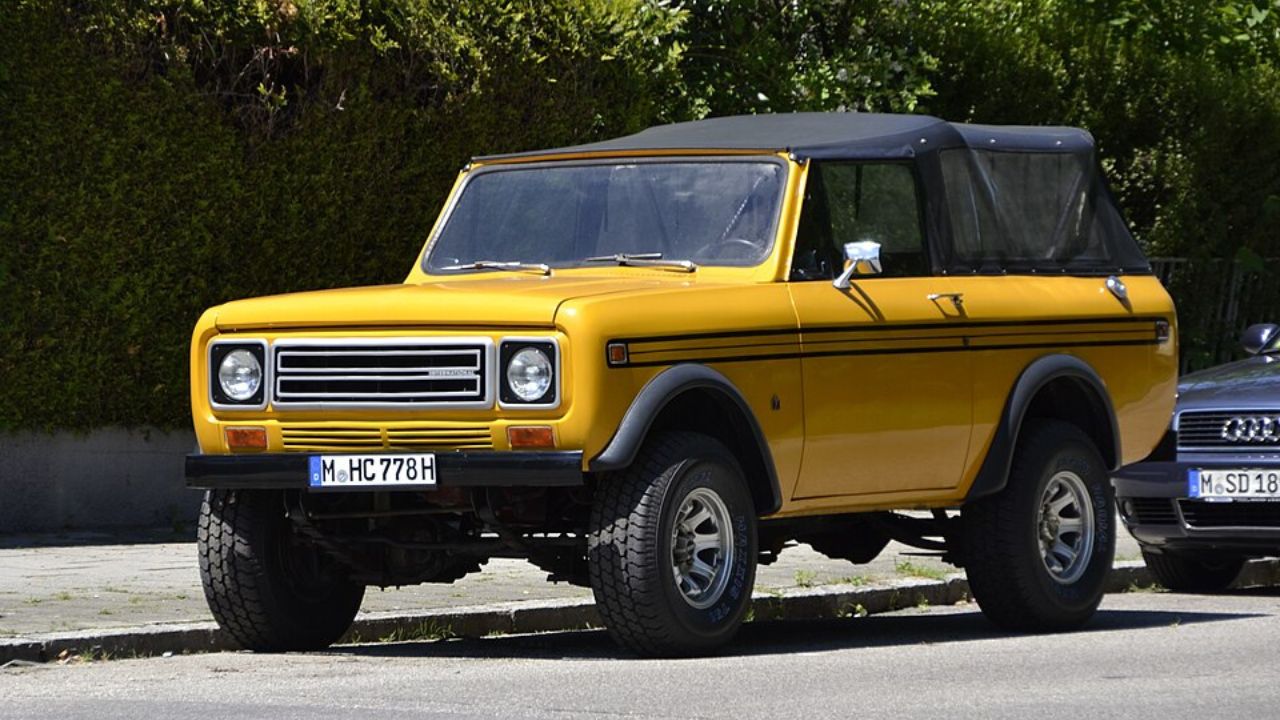
The International Harvester Scout II Pickup combined off-road ability with a useful cargo bed, creating a distinctive alternative to conventional pickups. Its four-wheel-drive system and compact dimensions made it valuable for farms, hunting, utility work, and rough terrain. The pickup configuration was particularly practical for owners who needed open cargo space without moving to a full-size truck. The Scout II is now remembered mostly as an off-road icon, but its working capabilities were a major part of why International Harvester built it in the first place.
More from Fast Lane Only
- Unboxing the WWII Jeep in a Crate
- 15 rare Chevys collectors are quietly buying
- 10 underrated V8s still worth hunting down
- Police notice this before you even roll window down
*Research for this article included AI assistance, with all final content reviewed by human editors.