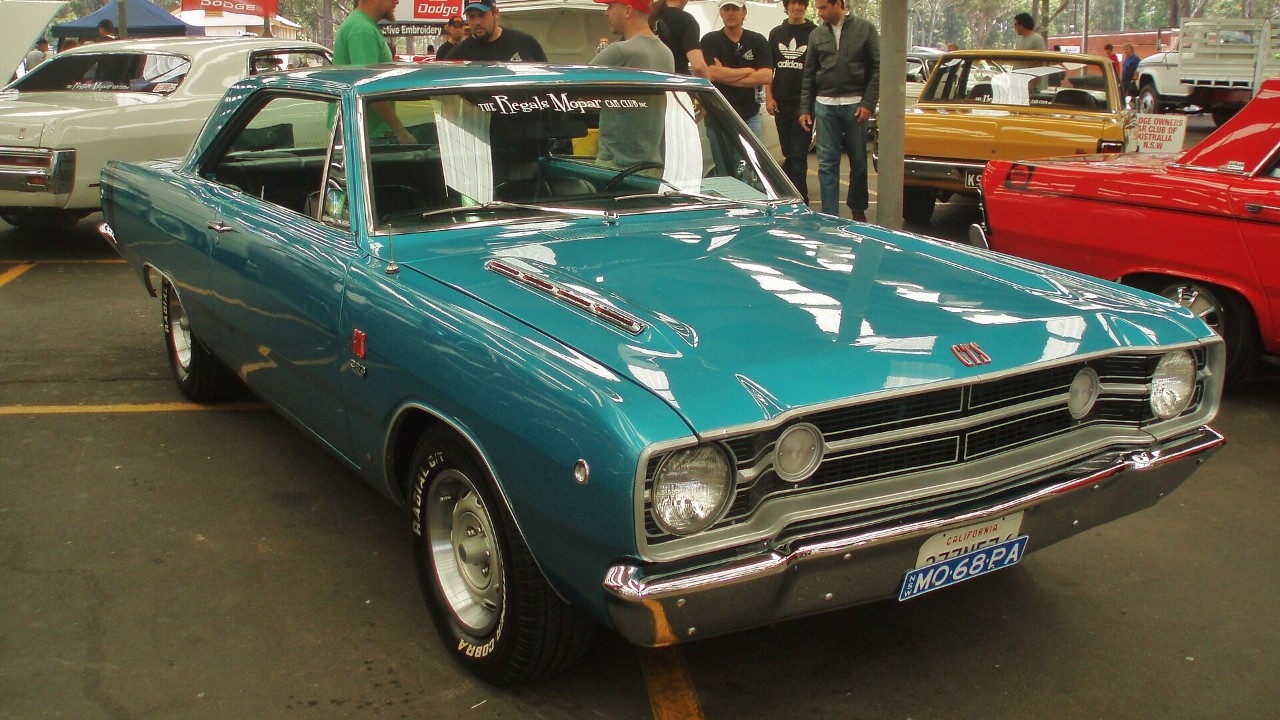
Before digital displays, adaptive driving modes, and advanced driver aids became common, the connection between car and driver depended almost entirely on mechanical feedback. These classic automobiles continue to demonstrate why steering feel, manual gear changes, and balanced chassis dynamics remain so rewarding to enthusiasts.
Lotus Elan
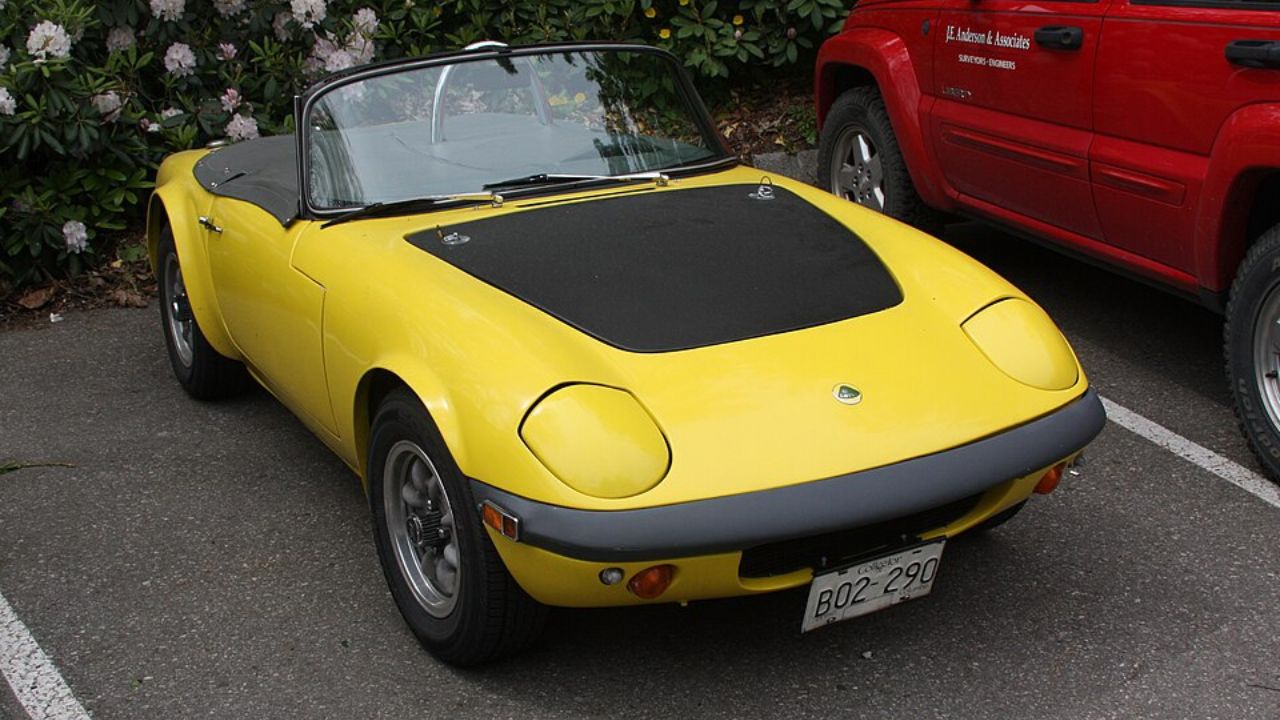
The original Lotus Elan embodied Colin Chapman’s philosophy of lightweight engineering. Its responsive steering, supple suspension, and balanced chassis rewarded smooth, deliberate inputs rather than outright power. Every drive felt engaging because the Elan communicated constantly with its driver, creating a level of connection that remains difficult to replicate.
Alfa Romeo GTV 2000
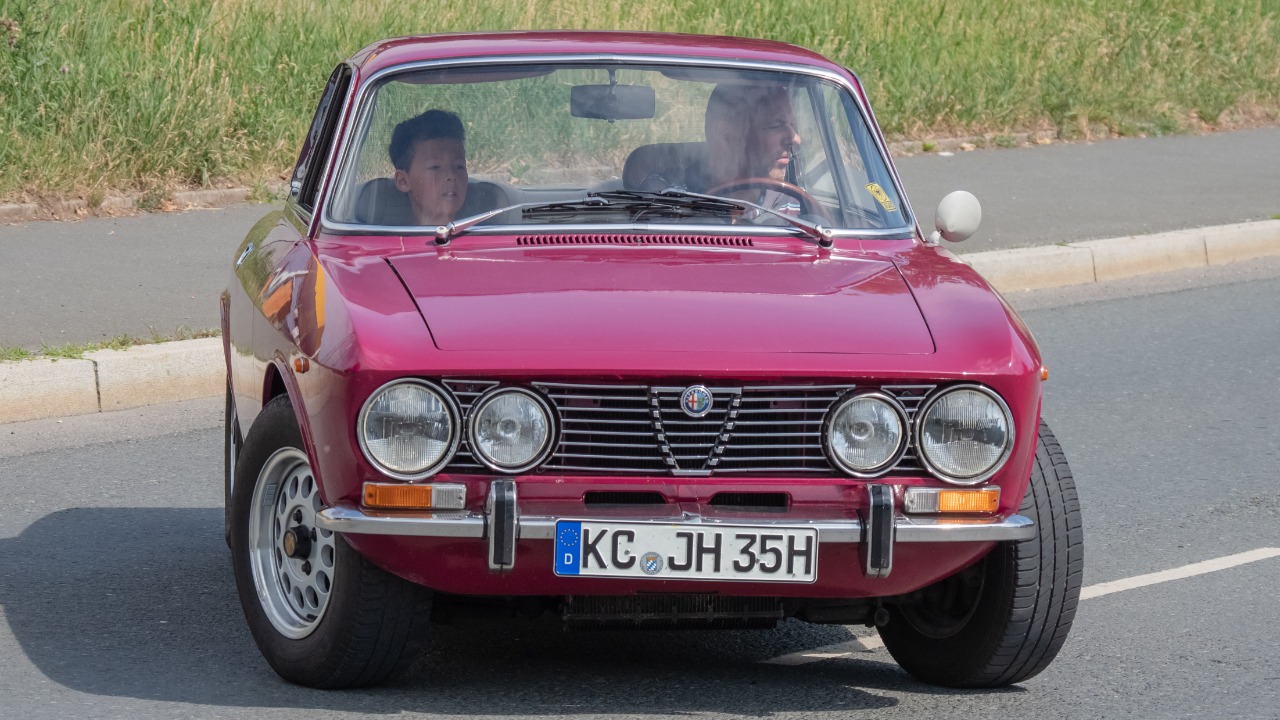
The Alfa Romeo GTV 2000 paired a lively twin-cam engine with crisp handling and beautifully balanced proportions. Its manual gearbox and communicative steering encouraged drivers to become part of the experience rather than simply passengers. The result was a sports coupe that rewarded precision and confidence on every journey.
Porsche 912
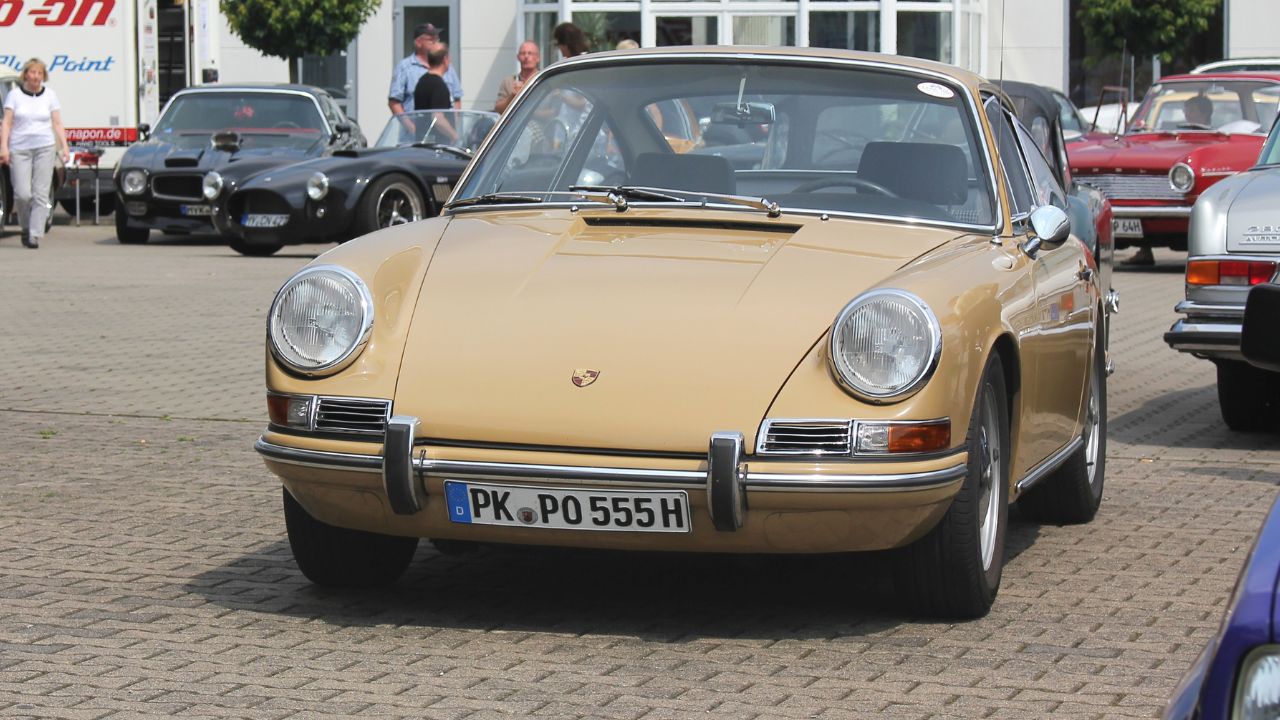
The Porsche 912 demonstrated that driving enjoyment depended on balance more than horsepower. Its lightweight four-cylinder engine gave the car nimble handling and predictable responses, allowing drivers to fully explore its capabilities. The 912 remains a reminder that simplicity can often create the most memorable driving experiences.
Datsun 510
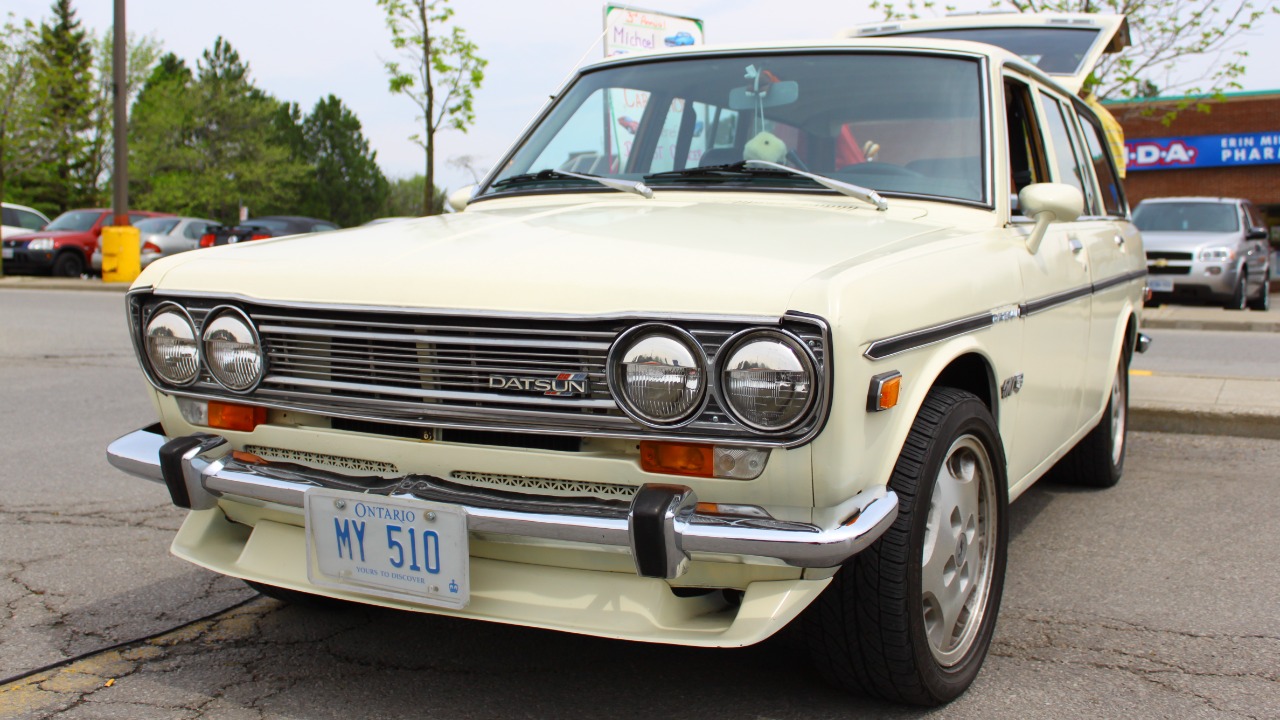
The Datsun 510 earned its reputation through lightweight construction, rear-wheel drive, and remarkably balanced handling. Enthusiasts appreciated how naturally it responded to driver inputs without relying on electronic assistance. Its approachable character made it enjoyable on winding roads while helping establish Datsun’s performance reputation around the world.
BMW 2002tii
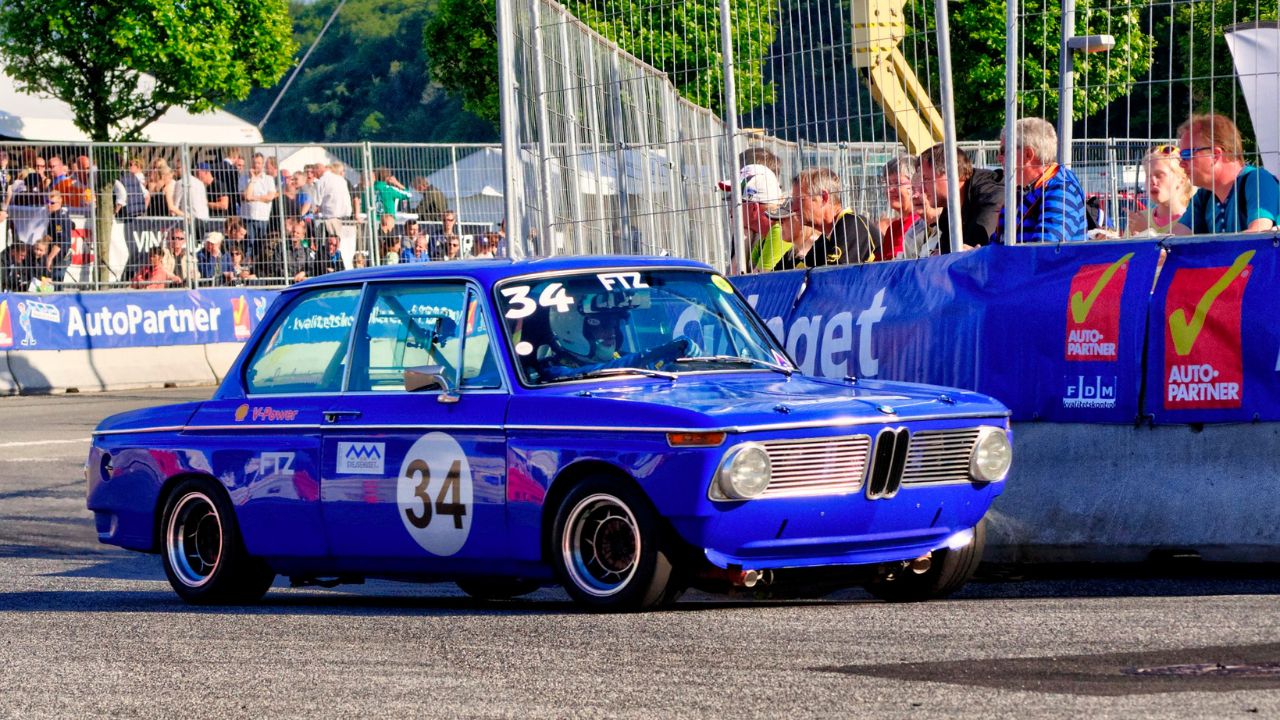
The BMW 2002tii blended practical transportation with exceptional driver involvement. Its precise steering, responsive fuel-injected engine, and balanced chassis encouraged enthusiastic driving without becoming intimidating. The car’s straightforward engineering created an honest connection between driver and machine that still defines the best analog sports sedans.
Triumph Spitfire
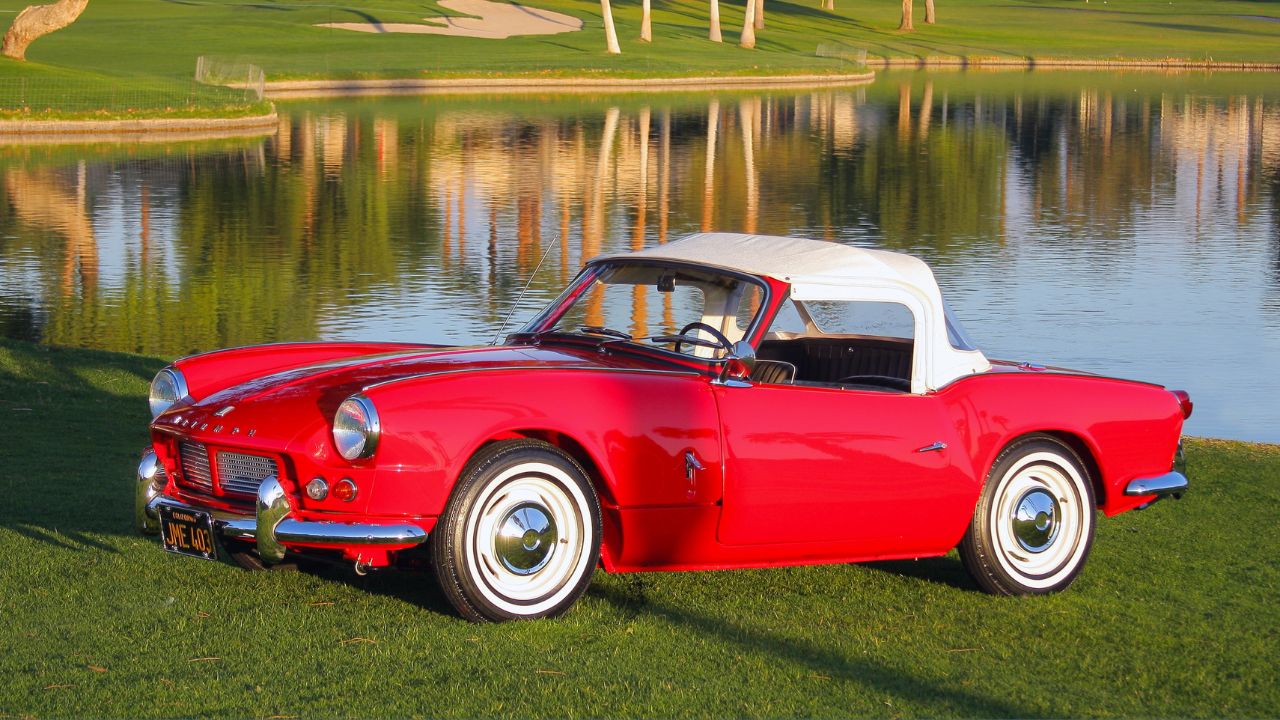
The Triumph Spitfire delivered classic British roadster charm through lightweight construction and uncomplicated mechanical design. Its open cockpit, direct steering, and manual transmission made every drive feel engaging regardless of speed. Owners valued the experience of operating the car as much as reaching the destination.
Toyota MR2 (AW11)
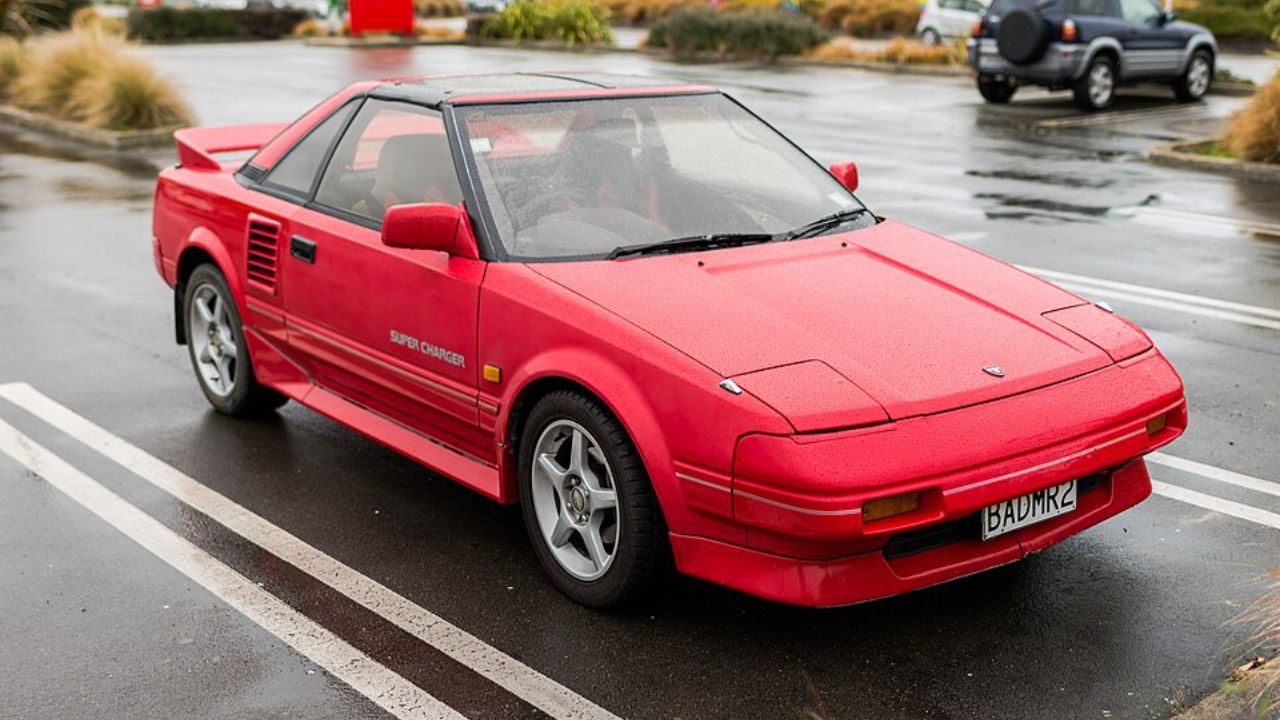
The first-generation Toyota MR2 brought affordable mid-engine balance to everyday enthusiasts. Its compact size, quick steering, and lightweight chassis demanded attentive driving while rewarding smooth technique. Without excessive electronic intervention, the AW11 highlighted how thoughtful engineering could create genuine driver involvement at accessible performance levels.
Honda CRX Si
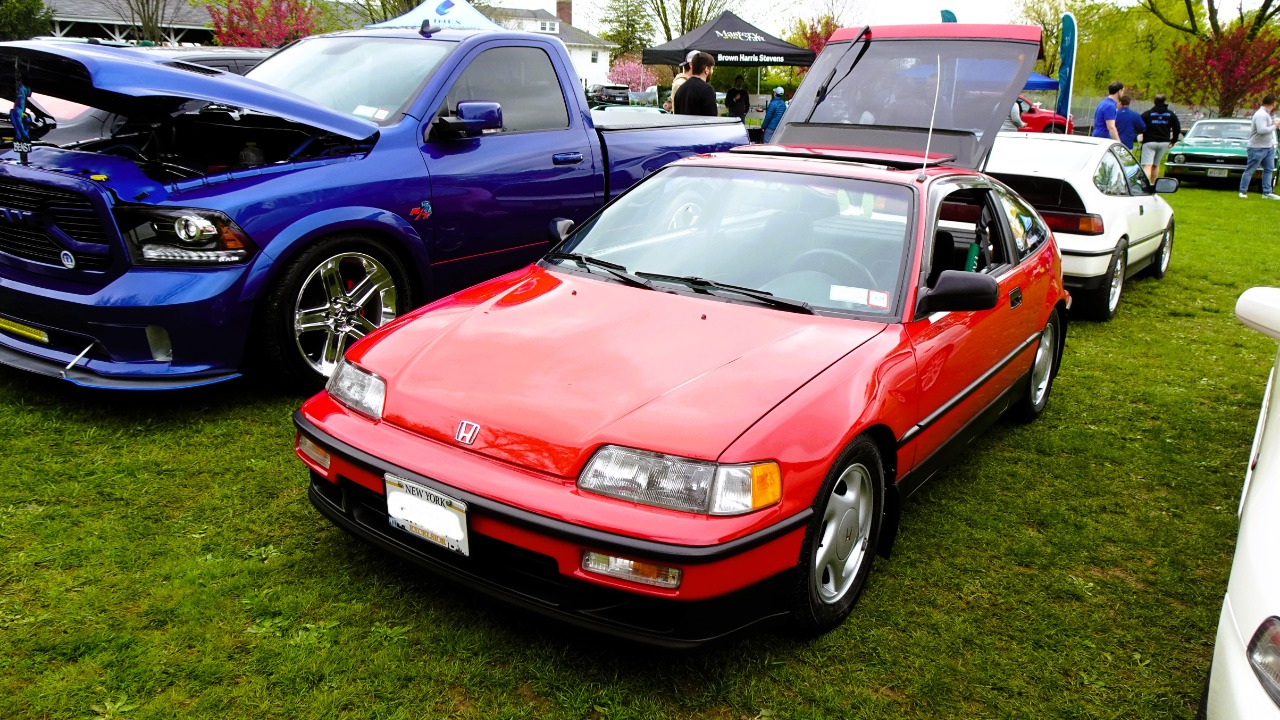
The Honda CRX Si combined low weight, a rev-happy engine, and an excellent manual transmission into a remarkably engaging package. Rather than overwhelming drivers with horsepower, it encouraged momentum, precise gear changes, and careful cornering. Its simple formula continues to inspire enthusiasts who value involvement over outright speed.
Chevrolet Corvette C2
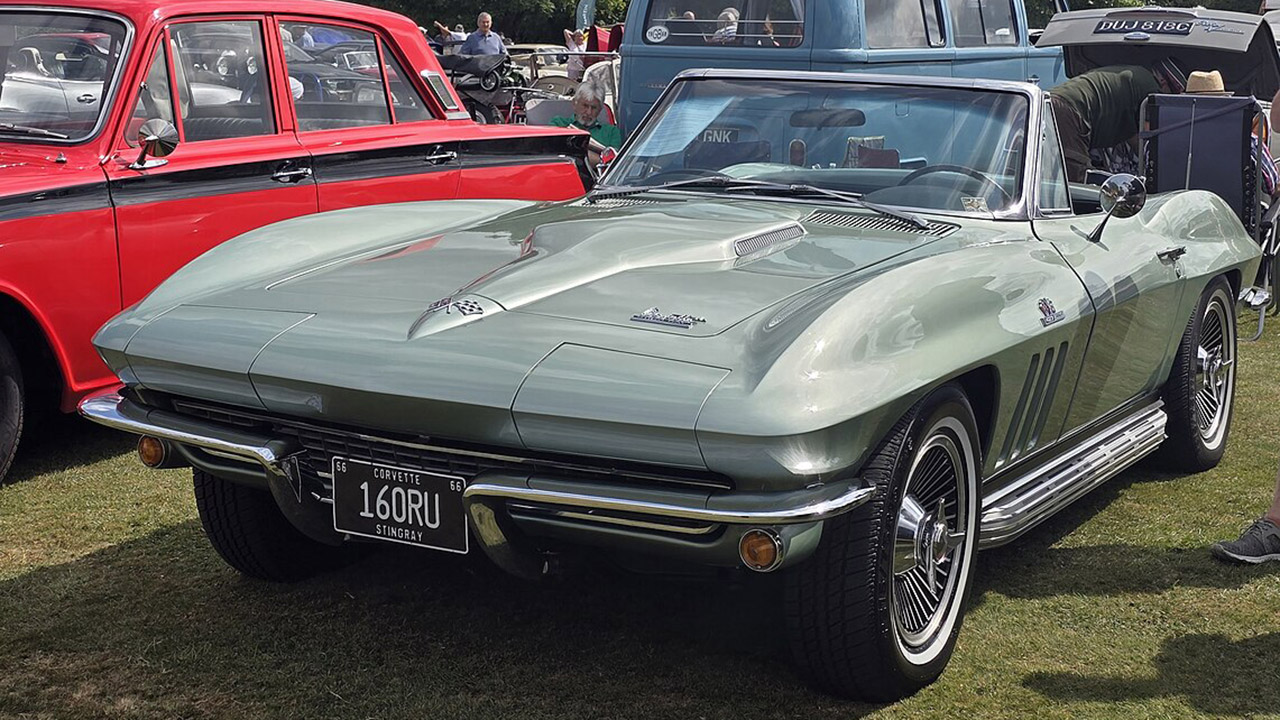
The Chevrolet Corvette C2 balanced muscular V8 power with elegant styling and independent rear suspension, creating a distinctly engaging sports car. Driving one requires attention, skill, and respect for its capabilities, rewarding drivers with an experience that feels authentic and mechanical. It remains a lasting symbol of the analog performance era.
More from Fast Lane Only
- Unboxing the WWII Jeep in a Crate
- 15 rare Chevys collectors are quietly buying
- 10 underrated V8s still worth hunting down
- Police notice this before you even roll window down
*Research for this article included AI assistance, with all final content reviewed by human editors