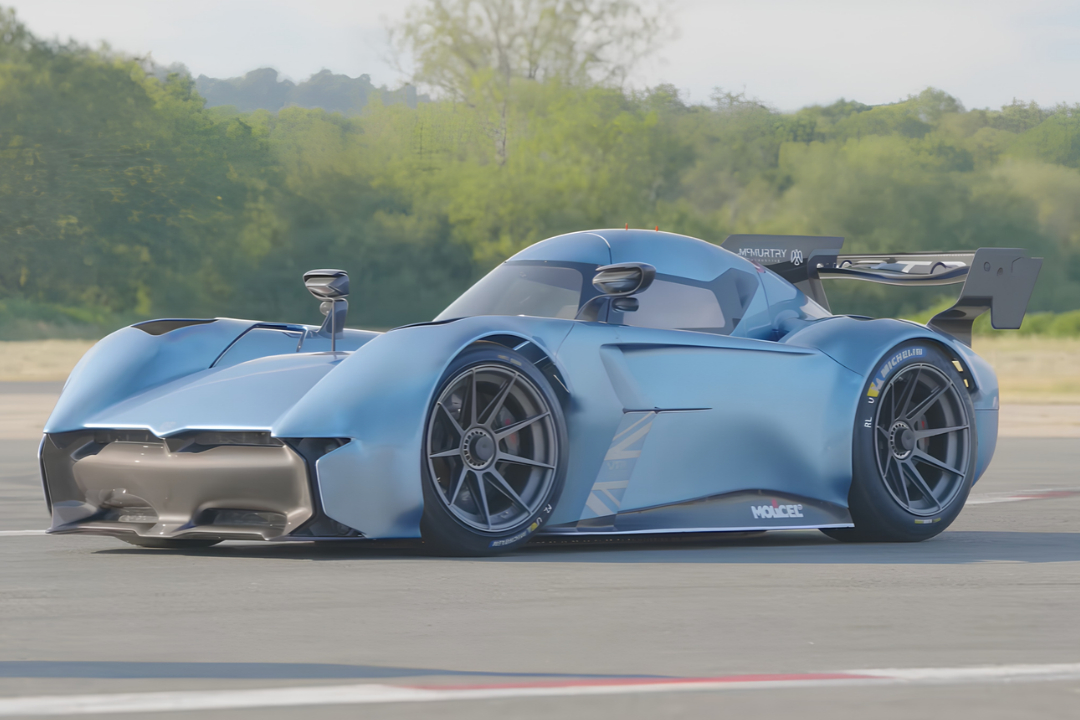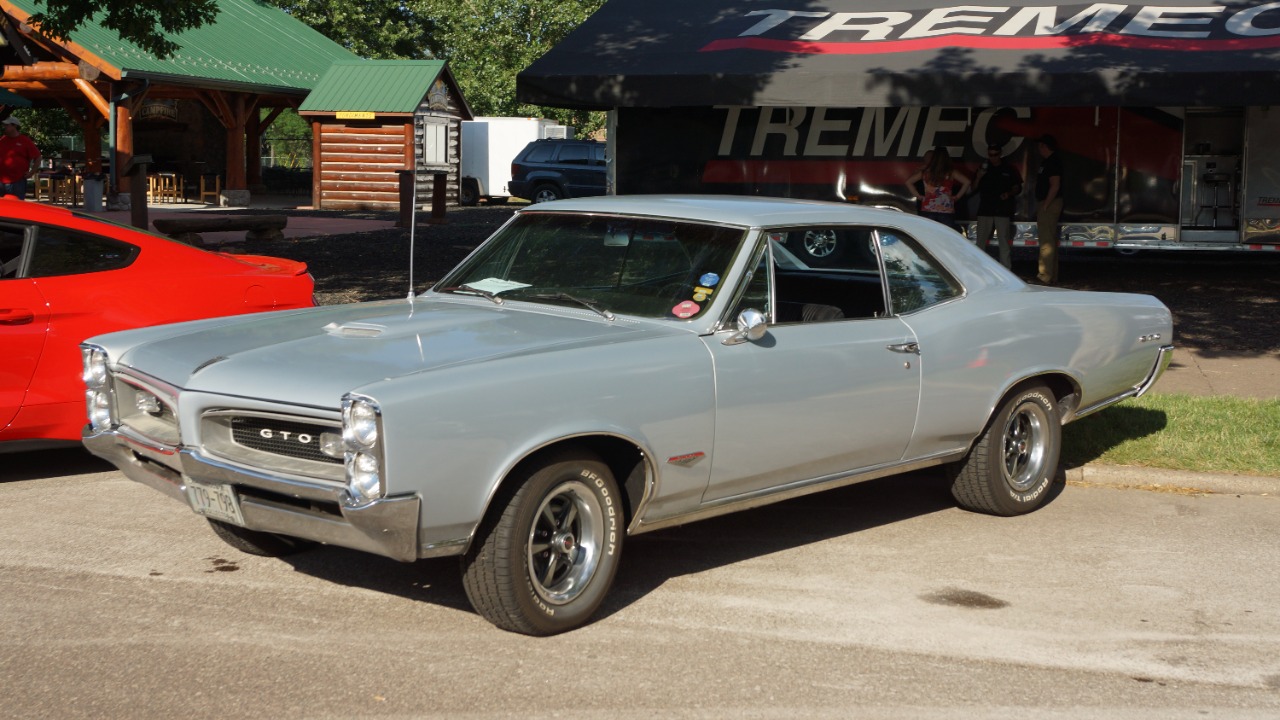
The muscle car era is often characterized by power, style, and a rebellious spirit, and the Pontiac GTO played a pivotal role in shaping this iconic period in automotive history. From its inception in the early 1960s to its evolution through the decades, the GTO became synonymous with performance and performance-driven culture. Here, I’ll highlight eight significant GTO models that not only defined the muscle car genre but also left an indelible mark on American automotive culture.
1964 Pontiac GTO: The Birth of a Legend
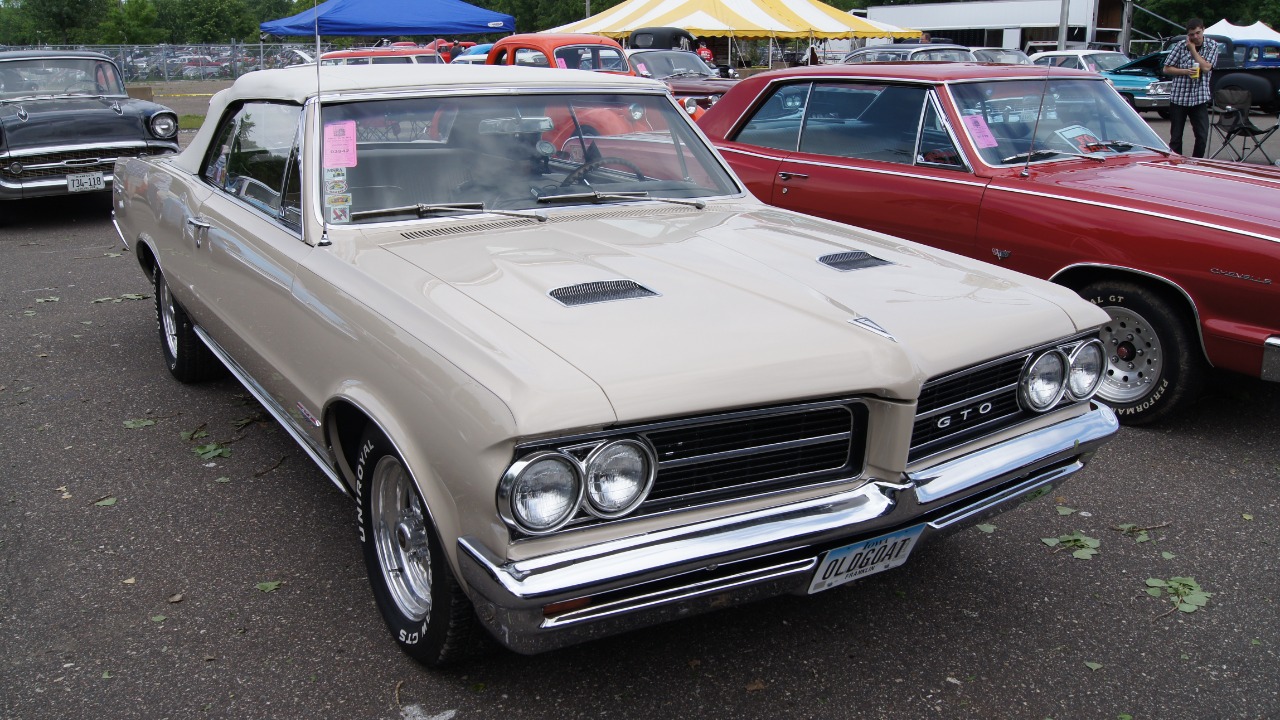
The 1964 Pontiac GTO is widely regarded as the car that ignited the muscle car revolution. Initially offered as an option package for the Pontiac Tempest, it featured a powerful 389-cubic-inch V8 engine, delivering an impressive 325 horsepower. This combination of performance and affordability caught the attention of car enthusiasts and young drivers alike, establishing the GTO as a symbol of American muscle.
With its sleek design and aggressive stance, the 1964 GTO set the tone for future muscle cars. It was not just about speed; it was about a lifestyle. The GTO became a cultural icon, appearing in films and music, representing freedom and the open road. Its launch marked a significant shift in the automotive landscape, paving the way for the high-performance vehicles that followed.
1965 Pontiac GTO: The First True Muscle Car
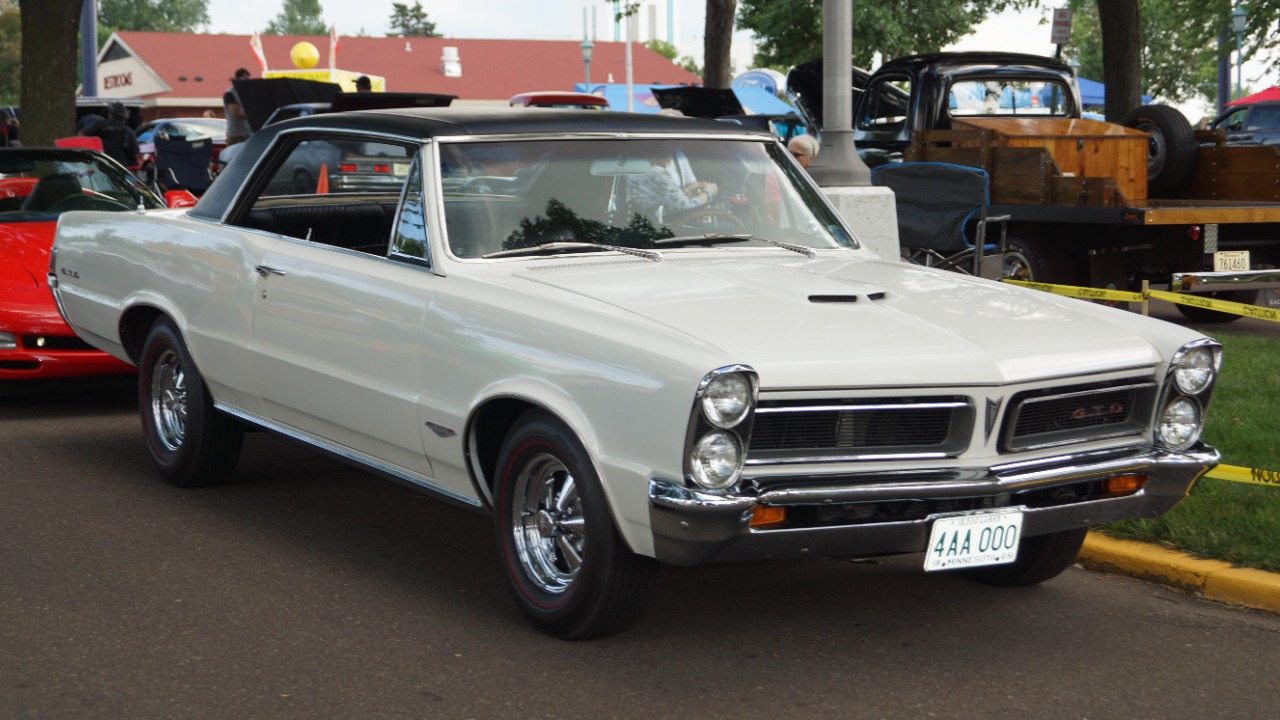
The 1965 Pontiac GTO built upon its predecessor’s success by offering new features and improved performance. With the introduction of a tri-power carburetor option, the horsepower jumped to an impressive 360, making it even more formidable on the road. The styling changes, including a new grille and revised taillights, gave the car a sharper look, appealing to a wider audience. The marketing campaign for the 1965 model emphasized its racing pedigree, showcasing the GTO’s capabilities on both the street and the track.
Also significant was the GTO’s increasing presence in popular culture. It was featured in movies and songs, further cementing its status as a symbol of freedom and rebellion. The 1965 model year solidified the GTO’s place in the muscle car hierarchy, inspiring future generations of automotive enthusiasts to appreciate the power and style it represented.
1966 Pontiac GTO: The Introduction of the Tri-Power
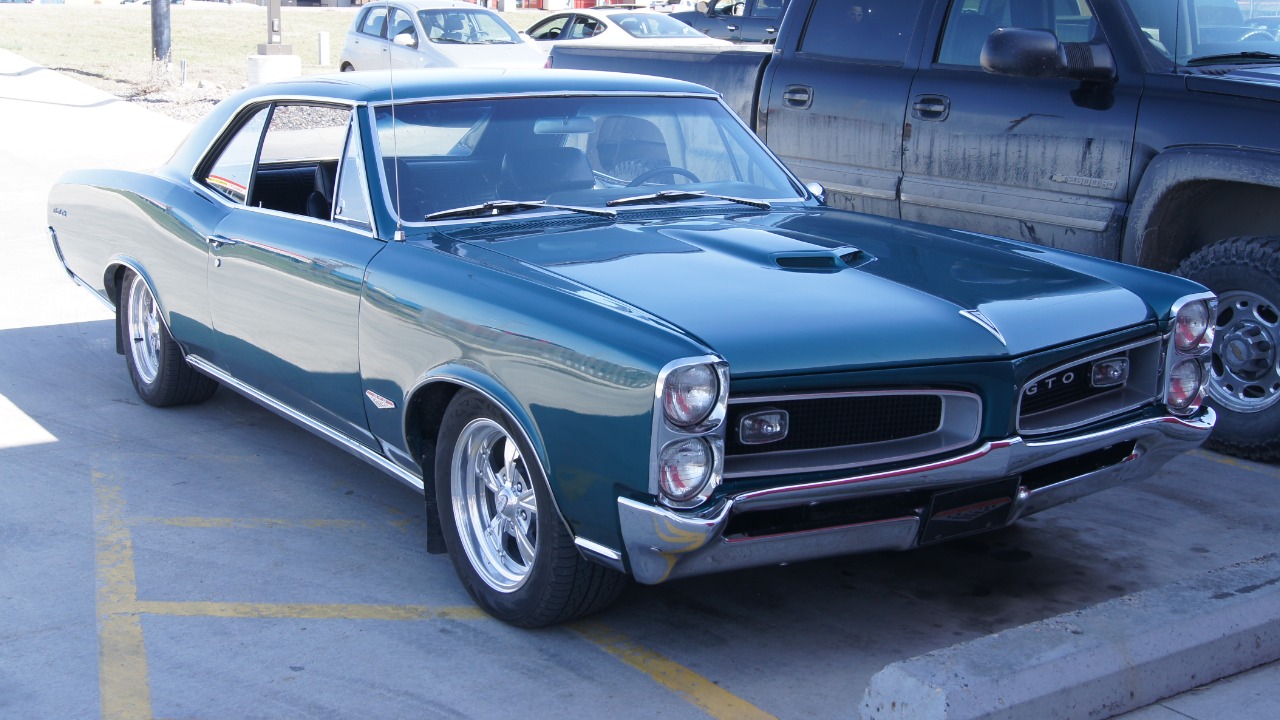
The 1966 Pontiac GTO marked a significant milestone in muscle car history with the introduction of the Tri-Power option. This feature allowed drivers to choose a three-carburetor setup for their 389-cubic-inch V8 engine, boosting horsepower to a staggering 360. This enhancement made the GTO even more appealing to performance aficionados, as it combined raw power with street-friendly drivability.
Additionally, the 1966 model showcased a more refined design, with subtle styling changes that included a new “Coke bottle” shape and updated rear taillights. The GTO continued to gain popularity, becoming a staple in car culture and influencing countless competitors. Its success demonstrated the growing demand for high-performance vehicles and solidified the GTO’s place as a cornerstone of the muscle car era.
1967 Pontiac GTO: The Styling Evolution
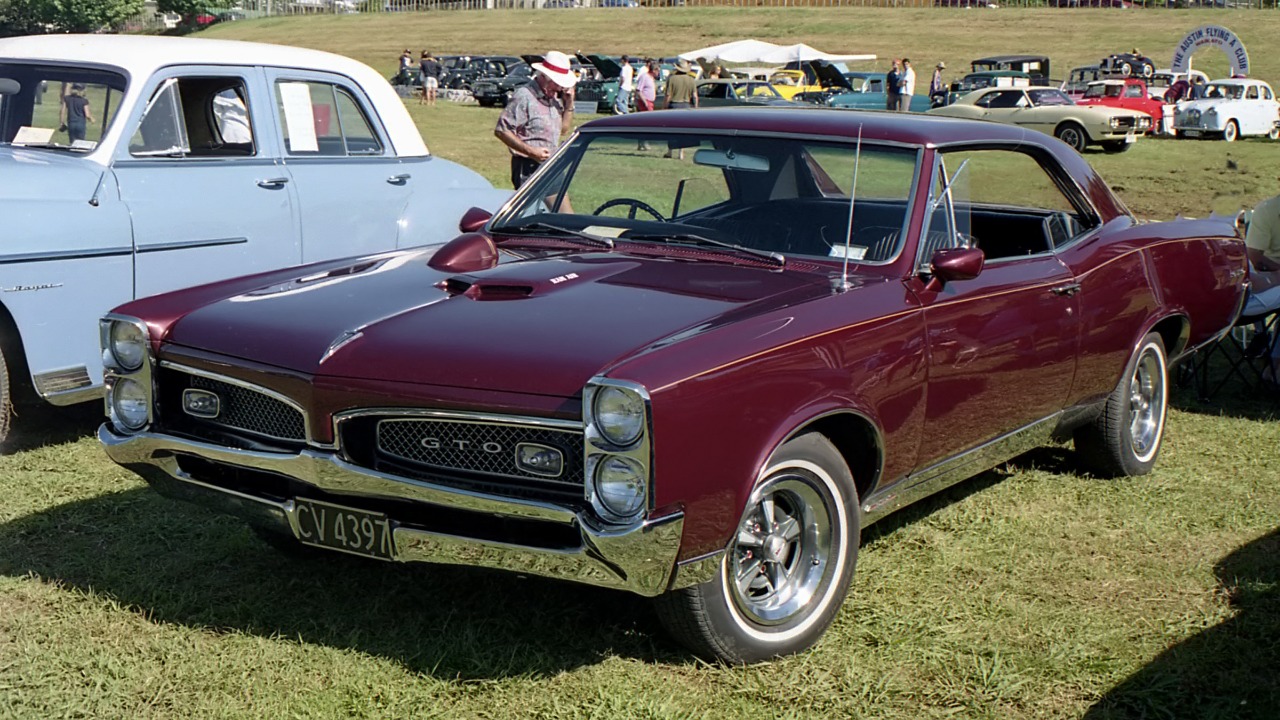
The 1967 Pontiac GTO featured a redesigned body that reflected the evolving tastes of car buyers. With a more aggressive front end, wider stance, and enhanced interior comfort, it appealed to a broader audience while still prioritizing performance. This model year also introduced the option for a 400-cubic-inch engine, pushing horsepower to 360, which made it a formidable player on the road.
Furthermore, the 1967 GTO showcased Pontiac’s commitment to innovation by offering new features like a Rally Gauge package and a more comprehensive selection of colors and interior options. This combination of style and substance helped the GTO maintain its status as a quintessential muscle car, attracting not just young speed demons but also those seeking a stylish daily driver.
1968 Pontiac GTO: The Ram Air Revolution
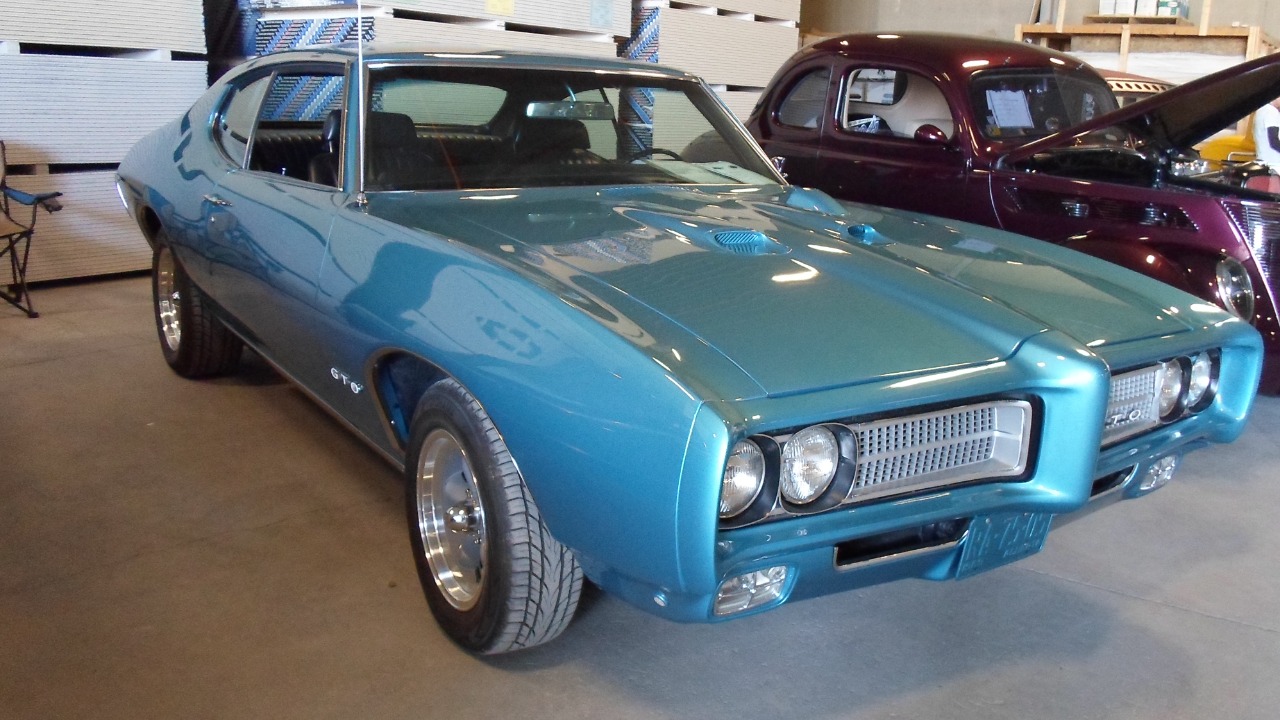
The 1968 Pontiac GTO introduced the revolutionary Ram Air system, which optimized air intake for enhanced performance. This feature was a game-changer, allowing the GTO to reach new heights in horsepower and acceleration. With the 400-cubic-inch V8 engine now offering up to 400 horsepower, the GTO solidified its reputation as one of the most powerful cars on the market. In terms of design, the 1968 model came with a longer body and a more aggressive front grille, further enhancing its road presence.
The addition of new safety features, such as shoulder belts, showed Pontiac’s commitment to driver safety without compromising performance. The combination of power and innovative features kept the GTO at the forefront of the muscle car movement during this transformative period.
1969 Pontiac GTO: The Judge and Its Impact on Pop Culture
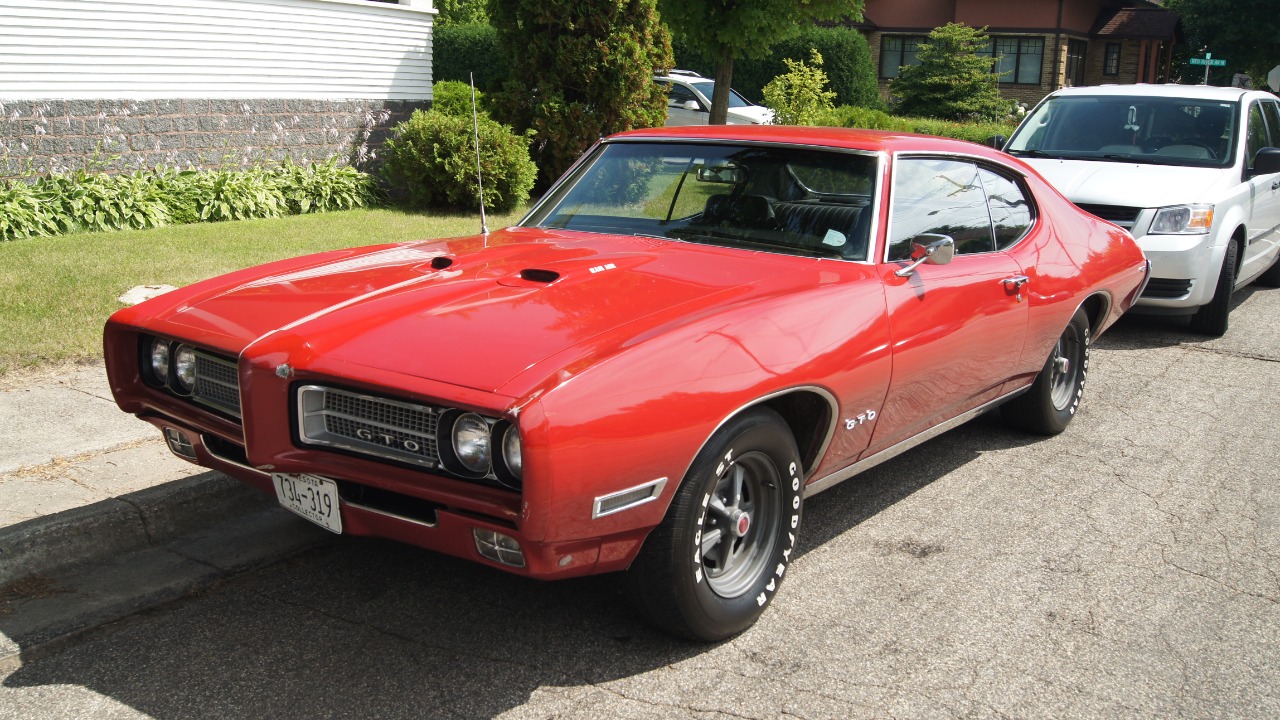
The 1969 Pontiac GTO introduced the iconic “Judge” package, which was a performance-oriented option that included a distinctive rear spoiler, bold graphics, and a powerful engine that could reach up to 370 horsepower. The Judge quickly became a cultural phenomenon, appealing to the youth of the era with its eye-catching design and street credibility.
This model year was also notable for its appearance in popular media, including movies and television shows, further embedding the GTO into the fabric of American culture. The GTO Judge symbolized the peak of the muscle car era, combining style, performance, and a rebellious spirit that resonated with a generation. For more on the impact of the GTO Judge, check out this detailed article.
1970 Pontiac GTO: The Final Performance Years
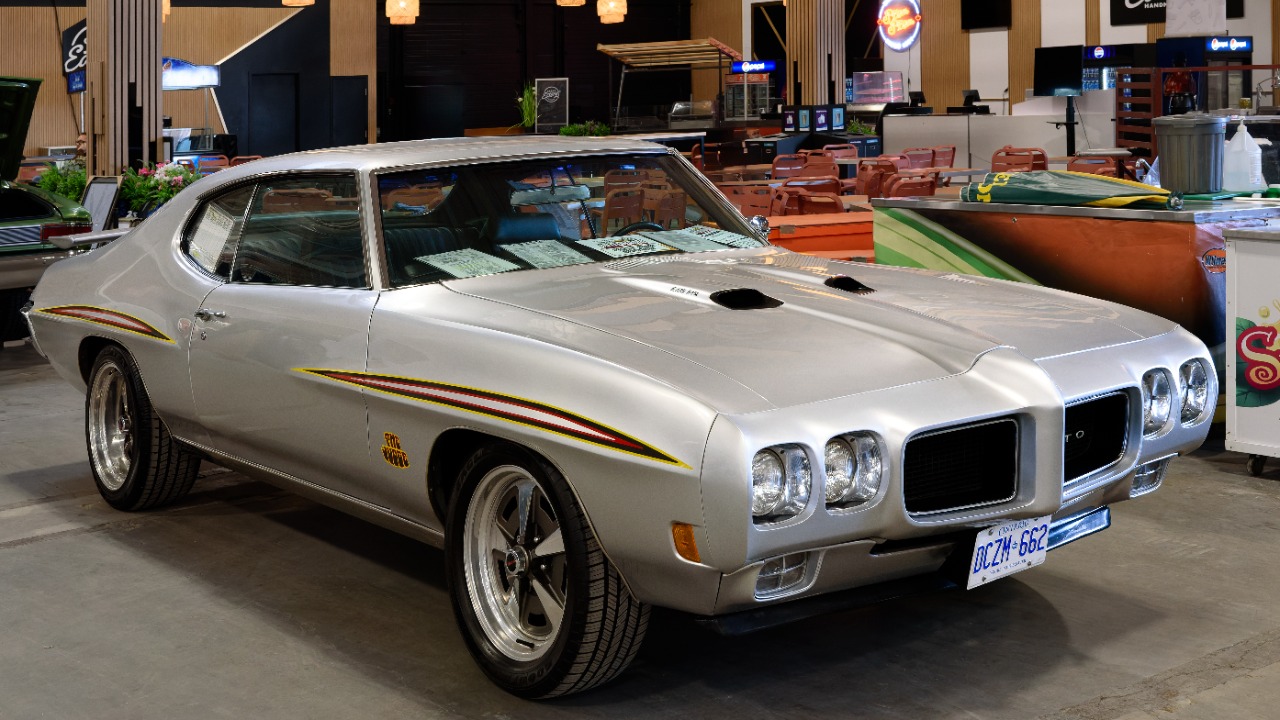
The 1970 Pontiac GTO marked the beginning of the end for the muscle car era. With increasing insurance rates and fuel prices, this model faced challenges that earlier versions did not. However, it still offered impressive performance with a 455-cubic-inch V8 engine capable of producing up to 360 horsepower.
This power allowed the GTO to remain competitive in a changing market. Styling-wise, the 1970 model featured a more aggressive front end and wider wheel options, appealing to loyal fans while also attracting new buyers. Despite the impending malaise era that loomed over American muscle cars, the 1970 GTO remained a symbol of performance and style, leaving a lasting legacy in automotive history.
1971 Pontiac GTO: The End of an Era
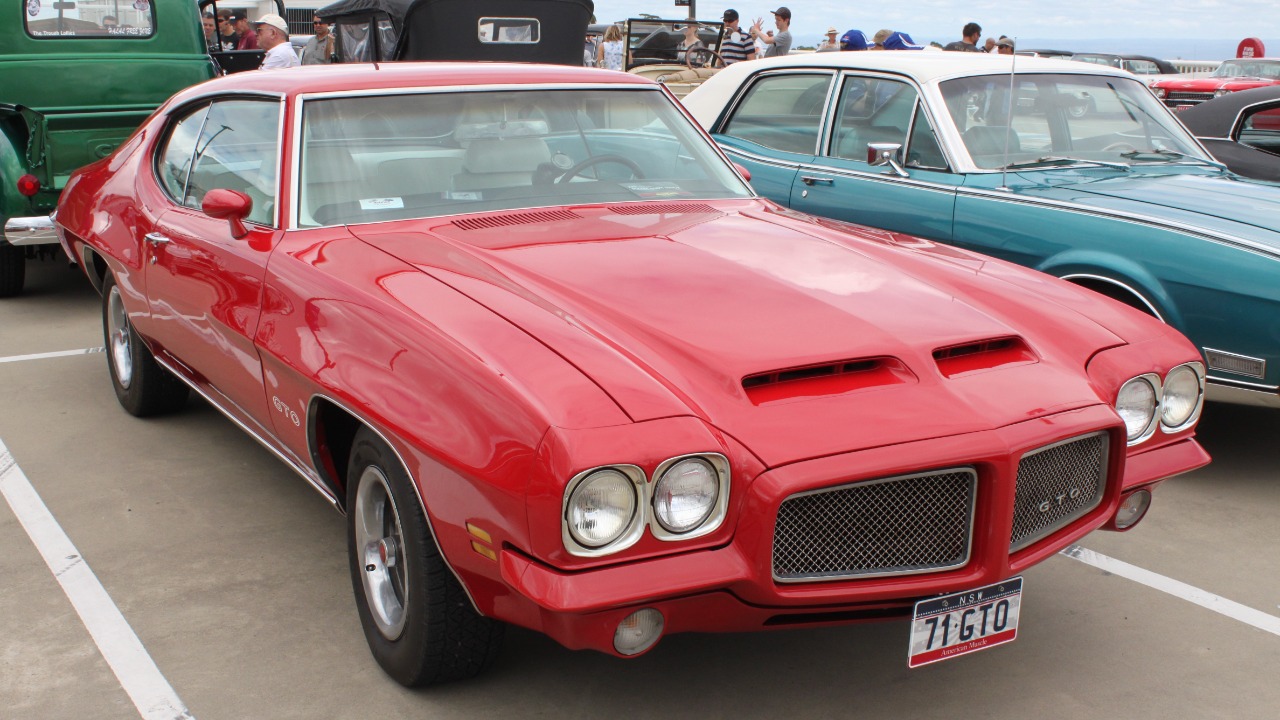
The 1971 Pontiac GTO represented the final chapter in the classic muscle car saga. With stricter emissions regulations and rising fuel prices, the GTO’s performance began to decline. This year saw a reduction in engine options, with the most powerful being a 400-cubic-inch V8 that produced a mere 300 horsepower. While still stylish and recognizable, the GTO struggled to maintain its former glory.
This model featured updated front and rear styling, but the essence of the original muscle car was fading. The 1971 GTO would be the last of the line until its revival decades later. Despite its challenges, the legacy of the GTO endured, influencing future generations of performance cars and continuing to be celebrated by enthusiasts today. For more on the evolution of GTOs, refer to this insightful piece.
More from Fast Lane Only
- Unboxing the WWII Jeep in a Crate
- 15 rare Chevys collectors are quietly buying
- 10 underrated V8s still worth hunting down
- Police notice this before you even roll window down
*Research for this article included AI assistance, with all final content reviewed by human editors.