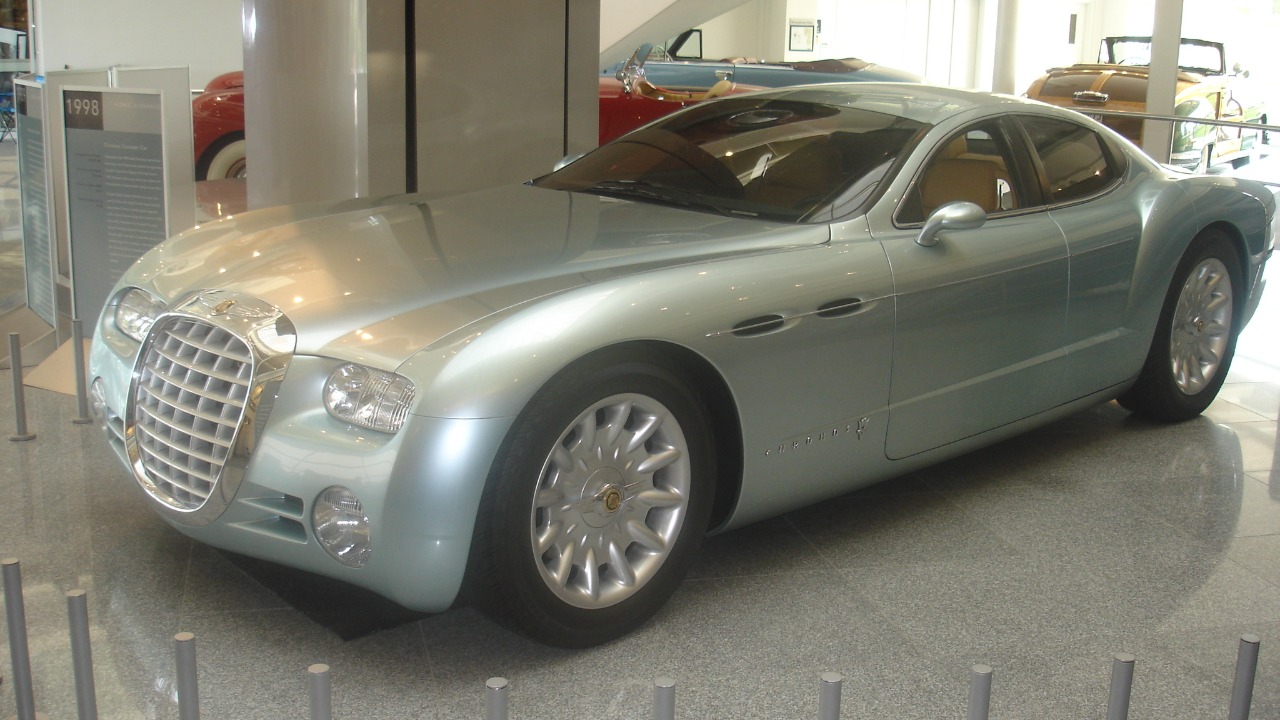
The 1998 Chrysler Chronos concept car represented a bold vision for the future of luxury styling, drawing inspiration from the elegance of classic designs. Despite its innovative features and aesthetic appeal, the Chronos ultimately remained a concept, leaving enthusiasts to ponder what could have been.
Historical Context of Luxury Cars in the Late 1990s
The late 1990s marked a significant turning point in the automotive industry, particularly in the luxury segment. This era saw a revival of retro styling trends, where manufacturers began to borrow design elements from classic cars while incorporating modern performance technologies. Brands like Cadillac and Lincoln were at the forefront, showcasing vehicles that paid homage to their storied pasts while appealing to a new generation of buyers looking for both nostalgia and innovation.
Key competitors in the luxury market, such as the BMW 7 Series and Mercedes-Benz S-Class, were emphasizing sleek lines and high-tech features. However, as consumers began to demand a blend of performance with classic aesthetics, automakers like Chrysler recognized an opportunity to capture a niche market. The Chrysler Chronos was envisioned as a response to this demand, aiming to combine the elegance of vintage luxury cars with the latest advancements in automotive technology.
The Design Philosophy Behind the Chrysler Chronos
The design philosophy behind the Chrysler Chronos was heavily influenced by classic models from Chrysler’s own history, like the 300C, which had set a standard for American luxury cars in the 1950s. The Chronos drew from these iconic designs while aiming to create a vehicle that felt both timeless and contemporary. Designers, including the influential Thomas C. Gale, played a crucial role in shaping the vehicle’s aesthetic, focusing on fluid lines and a commanding presence reminiscent of classic luxury sedans.
Incorporating modern materials and technology was vital to the Chronos’s design. The use of lightweight aluminum and high-strength steel allowed for a sleek and sculptural exterior while ensuring safety and performance. Traditional luxury elements, such as plush leather interiors and real wood accents, were seamlessly integrated with cutting-edge technological features. This melding of old and new was central to the Chronos’s appeal, showcasing how luxury could evolve without losing its roots.
Key Features of the Chrysler Chronos Concept
The Chrysler Chronos boasted several standout design elements that set it apart from its contemporaries. Its exterior shape was characterized by a long hood and a tapered rear, which evoked a sense of motion even when the vehicle was stationary. The grille design was bold yet refined, featuring a modern interpretation of Chrysler’s signature look. Inside, the layout was spacious and luxurious, with a focus on driver comfort and advanced ergonomics.
One of the most innovative aspects of the Chronos was its technology integration. The digital dashboard was a significant leap forward, offering customizable displays that provided real-time information on various aspects of the vehicle’s performance. Additionally, the use of advanced materials, such as synthetic fabrics that resembled suede but were more durable and easier to maintain, showcased Chrysler’s commitment to high-quality luxury without compromising practicality. When compared to other luxury vehicles of the time, the Chronos stood out for its forward-thinking approach and attention to detail.
The Reception of the Chrysler Chronos at Auto Shows
Public interest was palpable, and the Chronos quickly became a talking point among car enthusiasts and industry insiders alike. Its striking appearance and advanced features led many to speculate about the possibility of production. While Chrysler did not move forward with the Chronos as a production model, its influence was seen in later designs, paving the way for future Chrysler concepts that embraced a similar blend of classic and modern styling. Factors Leading to the Chronos’s Lack of Production Despite the excitement surrounding the Chrysler Chronos, several factors contributed to its lack of production. Economic considerations played a significant role, as the automotive market was experiencing a downturn at the turn of the millennium. Consumers were prioritizing fuel efficiency and practicality over luxury, leading many manufacturers to shift their focus accordingly. Chrysler, facing its own set of financial challenges, had to make tough decisions about which vehicles to bring to market. Corporate strategies also influenced the decision to shelve the Chronos. The management at Chrysler, navigating a rapidly changing automotive landscape, opted to invest in more practical models that aligned with consumer demand. The shift in luxury car consumer preferences toward SUVs and crossovers further complicated matters, as traditional sedans struggled to maintain their market share. As a result, the Chronos, despite its promising design and features, fell victim to these shifting tides. The Legacy of the Chrysler Chronos Concept While the Chrysler Chronos never made it to production, its impact on the automotive industry and subsequent Chrysler models cannot be understated. The concept helped to reignite discussions about the importance of design in luxury vehicles, influencing later models like the Chrysler 300, which drew clear inspiration from the Chronos’s aesthetics. Collectors and automotive historians alike recognize the Chronos as a significant moment in Chrysler’s history, representing a bold attempt to bridge the gap between classic elegance and modern technology. Collectors have shown a keen interest in the Chronos, and it has gained a place in automotive history as a symbol of what could have been. The concept car not only showcased Chrysler’s design capabilities but also highlighted the yearning among consumers for a return to luxurious aesthetics. In many ways, the Chronos serves as a reminder of the potential for innovation in automotive design, leaving enthusiasts to wonder how it might have reshaped the luxury car market had it reached production.
More from Fast Lane Only
- Unboxing the WWII Jeep in a Crate
- 15 rare Chevys collectors are quietly buying
- 10 underrated V8s still worth hunting down
- Police notice this before you even roll window down
*Research for this article included AI assistance, with all final content reviewed by human editors.