The 1990s produced a remarkable generation of Japanese performance cars that reshaped how enthusiasts viewed speed, tuning, and driving enjoyment. These machines combined advanced engineering, reliability, and affordability in ways that challenged established sports-car traditions. Their influence extended far beyond sales figures, helping create communities, motorsport movements, and tuning cultures that continue to thrive decades later.
Nissan Skyline GT-R R34

The Nissan Skyline GT-R R34 became a global icon thanks to its advanced technology and extraordinary performance potential. Equipped with the legendary RB26DETT engine and sophisticated all-wheel-drive system, it demonstrated how electronics could enhance speed without sacrificing driver engagement. Mechanics admired its engineering and durability. The R34 helped transform enthusiast culture by becoming one of the most desired tuner cars in automotive history.
Toyota Supra Turbo
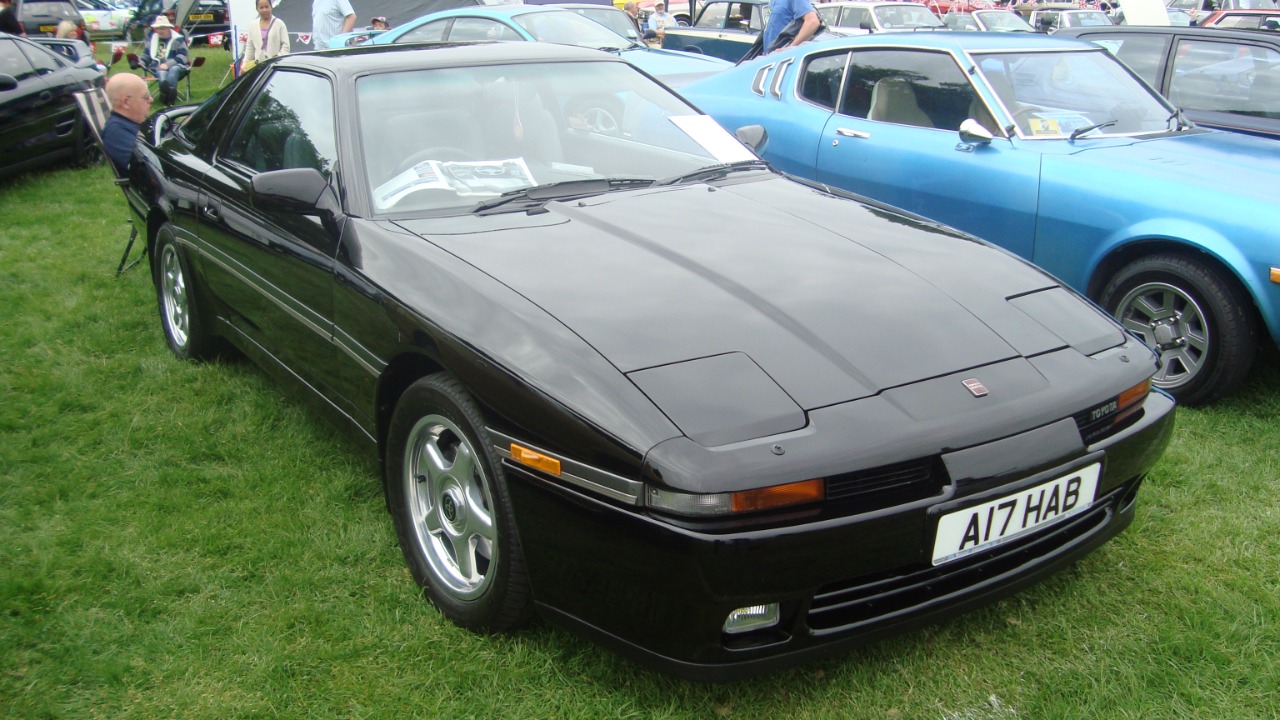
The Toyota Supra Turbo earned legendary status through its twin-turbocharged 2JZ-GTE engine and immense tuning capability. Owners discovered that the engine could reliably handle significant power increases, making it a favorite among performance builders. Mechanics respected its robust design and long-term durability. The Supra changed enthusiast culture by becoming a benchmark for modification potential and helping popularize Japanese performance cars worldwide.
Mazda RX-7 FD
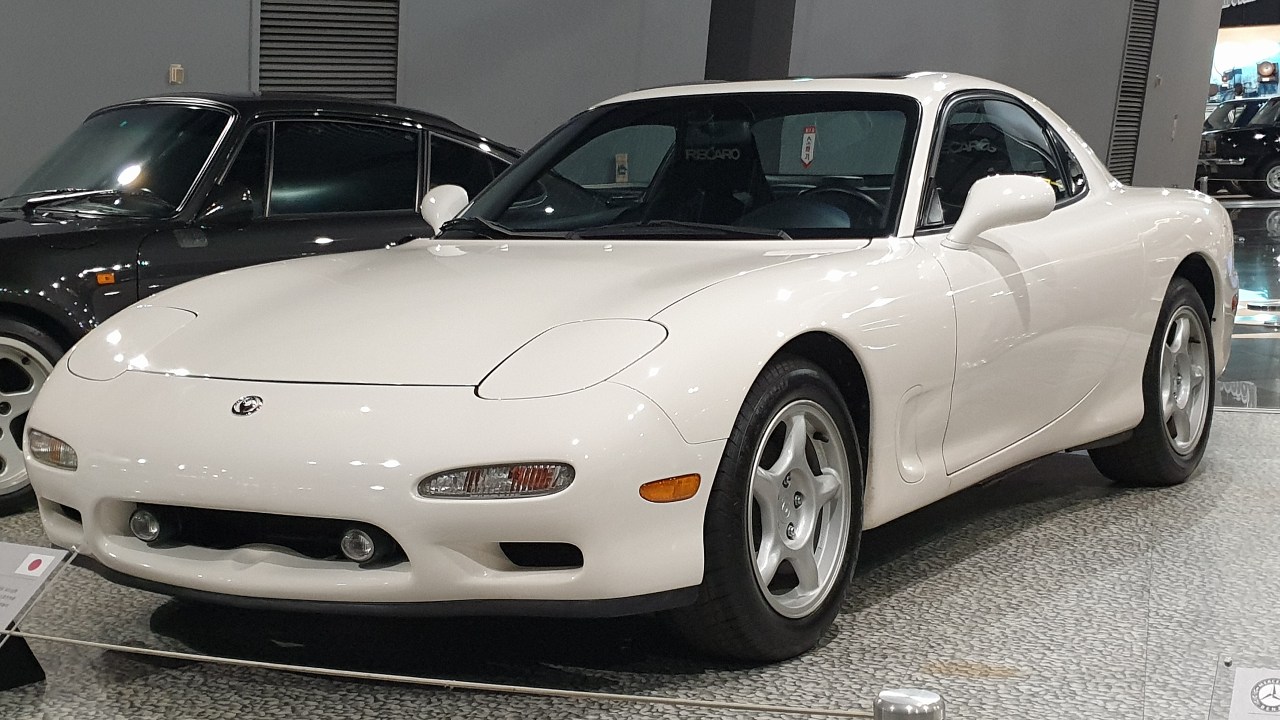
The Mazda RX-7 FD stood apart from rivals with its lightweight chassis and unique twin-turbo rotary engine. Its sharp handling and distinctive power delivery created a driving experience unlike anything else on the market. Mechanics appreciated the engineering ambition behind the rotary design. The RX-7 influenced enthusiast culture by proving that innovative engineering and driver-focused dynamics could be just as appealing as outright horsepower.
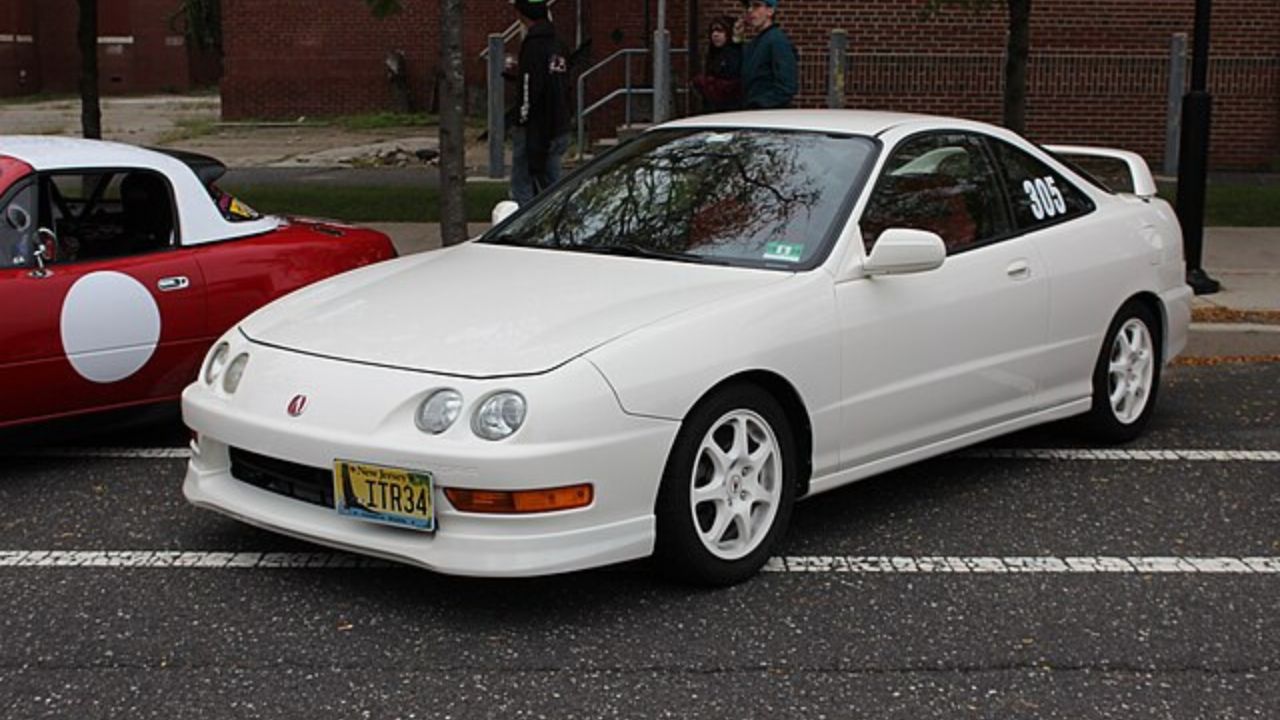
Acura Integra Type R
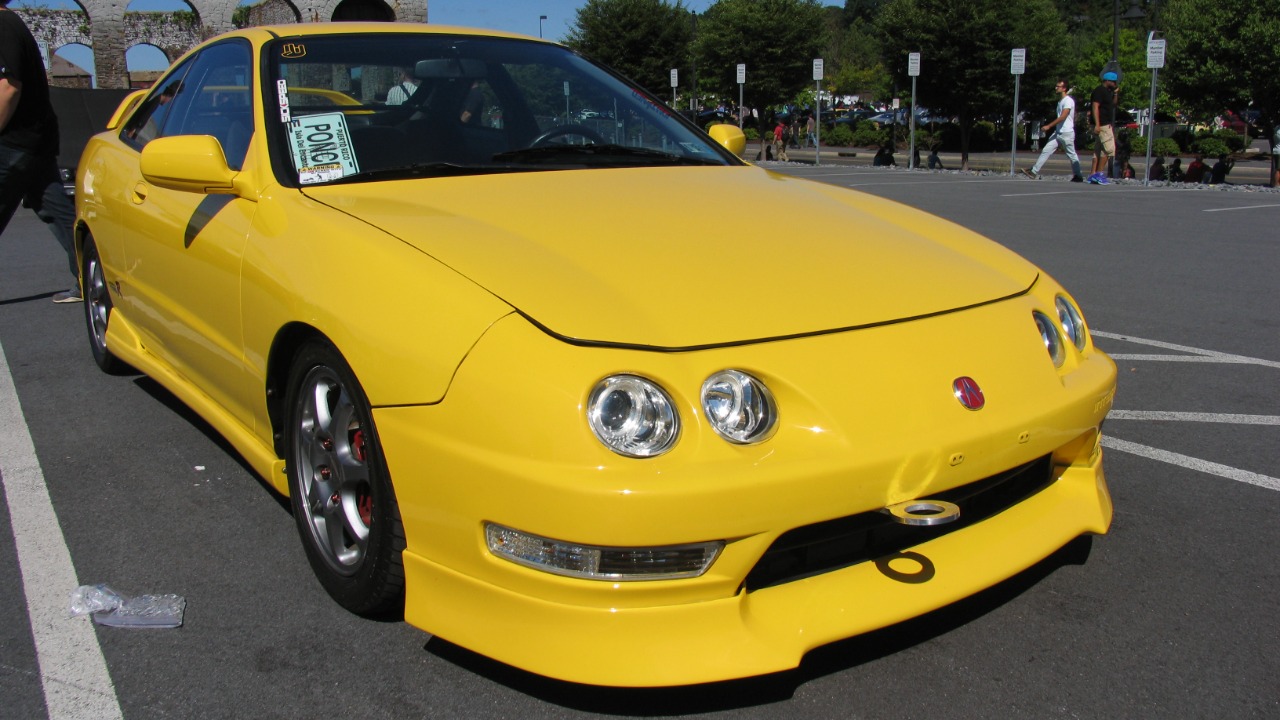
The Acura Integra Type R challenged assumptions about what a front-wheel-drive car could accomplish. Featuring a high-revving engine, lightweight construction, and exceptional chassis tuning, it delivered remarkable precision. Mechanics admired its engineering quality and reliability. The Integra Type R changed enthusiast culture by elevating handling, balance, and driver involvement to the same level of importance as acceleration and top speed.
Mitsubishi Lancer Evolution VI
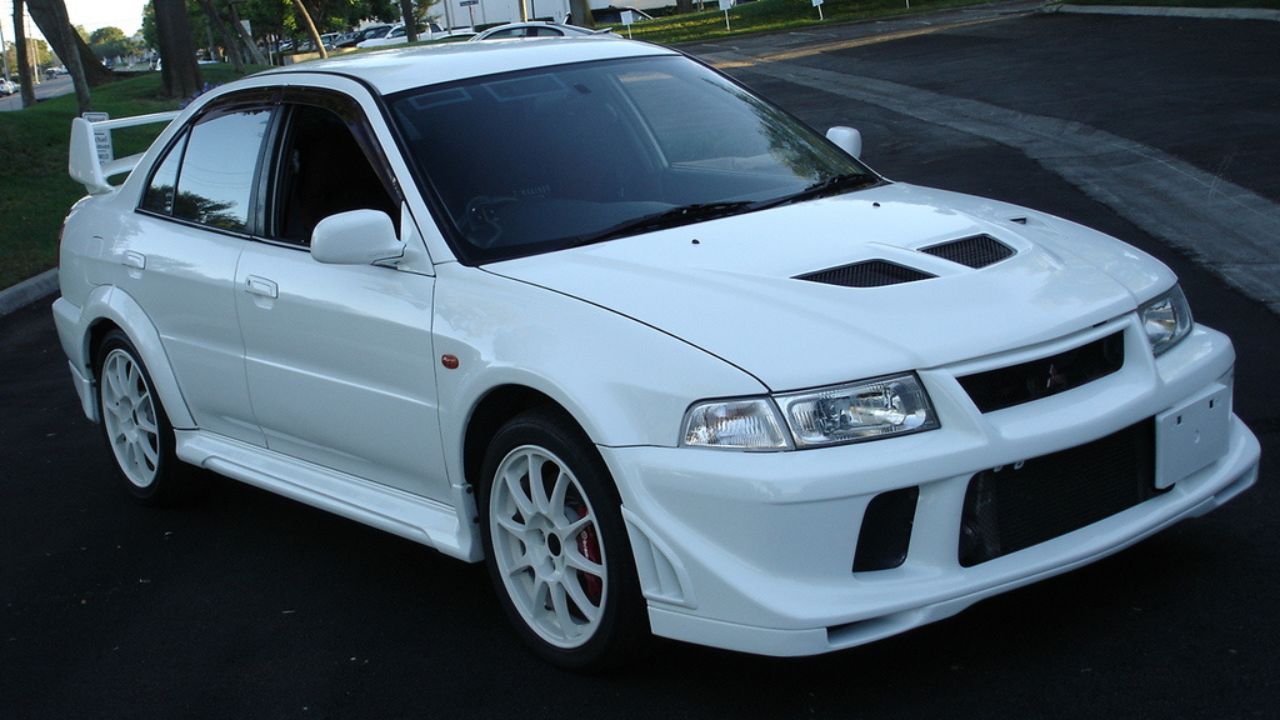
The Mitsubishi Lancer Evolution VI brought World Rally Championship technology to everyday roads. Its turbocharged engine, all-wheel-drive system, and aggressive chassis tuning delivered outstanding performance in varied conditions. Mechanics respected its robust drivetrain and motorsport roots. The Evolution helped shape enthusiast culture by demonstrating how rally engineering could create practical vehicles capable of extraordinary real-world speed.
Subaru Impreza WRX STI
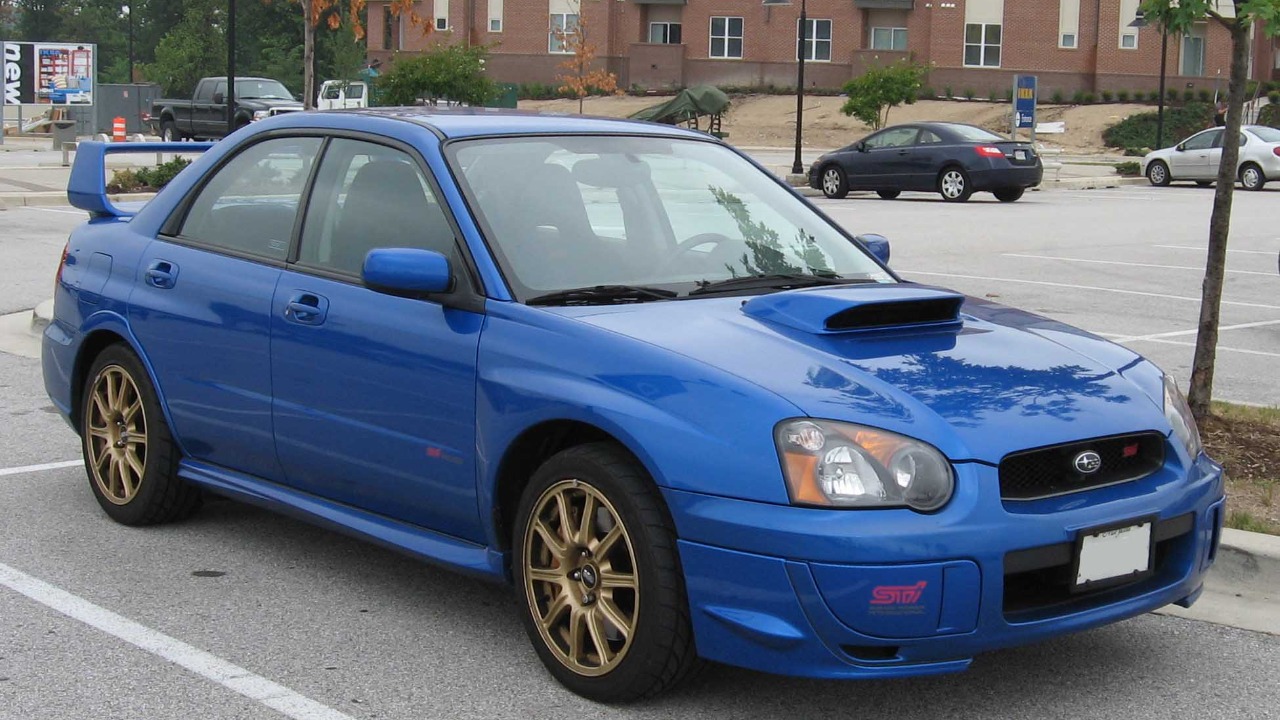
The Subaru Impreza WRX STI became synonymous with accessible performance and rally heritage. Its turbocharged boxer engine and all-wheel-drive traction made it effective on nearly any surface. Mechanics appreciated its distinctive engineering and tuning potential. The WRX STI changed enthusiast culture by introducing many drivers to the excitement of turbocharging, rally-inspired performance, and highly active enthusiast communities.
Honda NSX
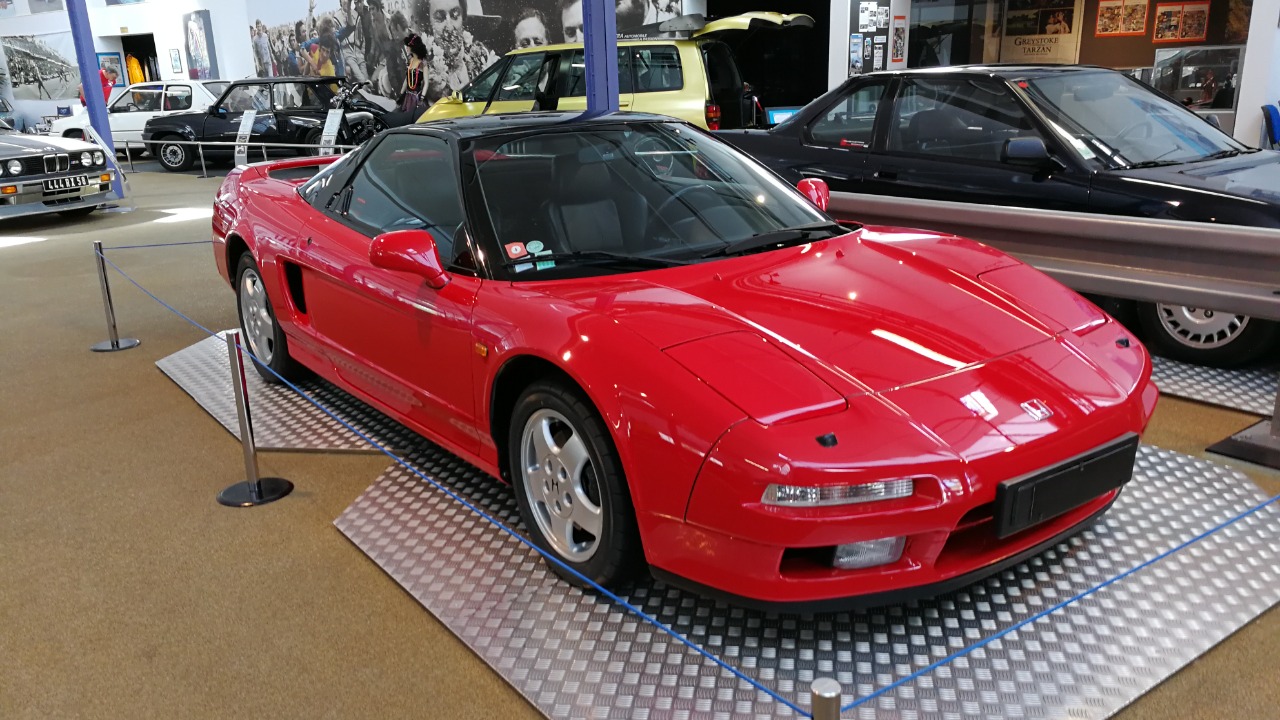
The Honda NSX challenged established European supercar manufacturers by combining exotic performance with everyday reliability. Its aluminum construction, advanced engineering, and driver-friendly behavior set new standards. Mechanics admired its build quality and precision. The NSX changed enthusiast culture by proving that a supercar could be both thrilling and dependable, influencing performance-car development around the world.
Nissan Silvia S14
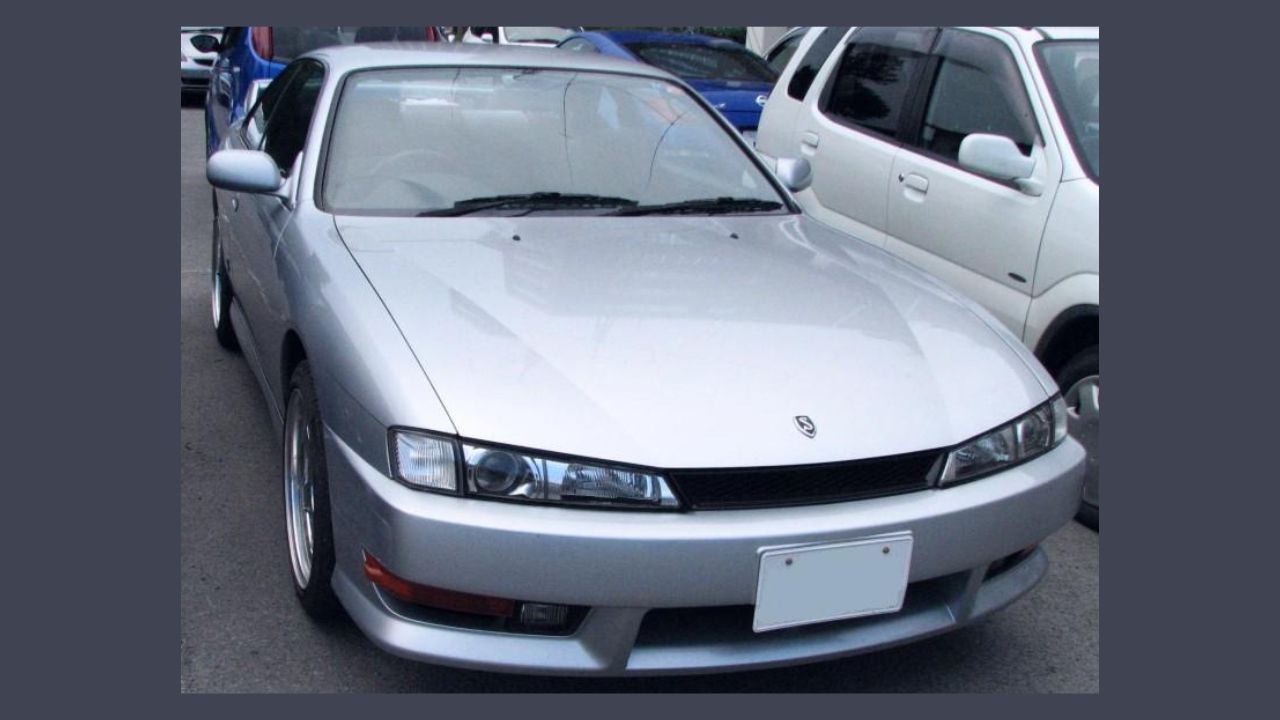
The Nissan Silvia S14 became a cornerstone of drifting and grassroots motorsports thanks to its balanced chassis and tuning-friendly turbocharged engine. Affordable ownership and strong aftermarket support helped it gain a devoted following. Mechanics appreciated its simplicity and versatility. The Silvia changed enthusiast culture by becoming one of the defining platforms of modern drifting and helping grow the global popularity of Japanese tuner cars.
More from Fast Lane Only
- Unboxing the WWII Jeep in a Crate
- 15 rare Chevys collectors are quietly buying
- 10 underrated V8s still worth hunting down
- Police notice this before you even roll window down
*Research for this article included AI assistance, with all final content reviewed by human editors