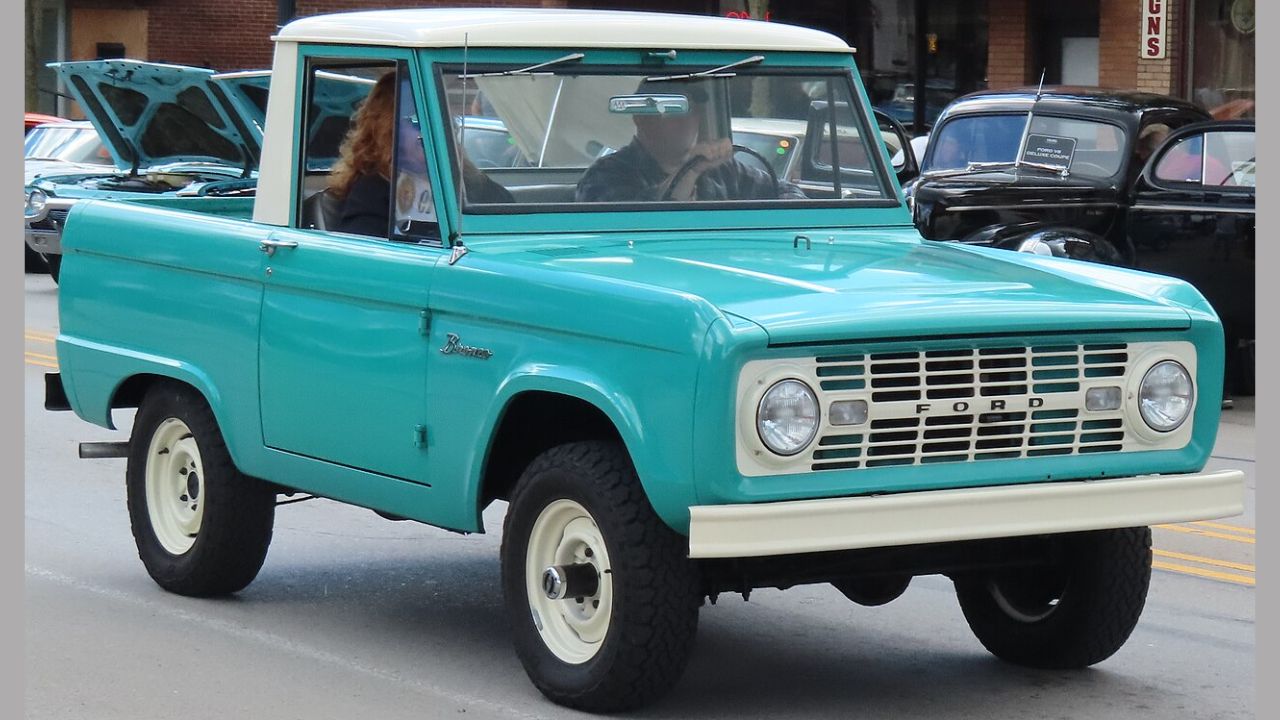
The 1966 Ford Bronco emerged as a pioneering vehicle in the automotive landscape, defying industry trends of its time to carve out a unique niche in the market. Its combination of rugged design, versatility, and innovative features set it apart, turning it into an enduring classic.
Historical Context of the Automotive Industry in the 1960s
The 1960s marked a transformative era for the American automotive industry. The decade witnessed the rise of muscle cars, exemplified by models like the Ford Mustang and Chevrolet Camaro, which captivated consumers with their powerful engines and sporty designs. Family sedans also gained popularity as automakers responded to the post-war baby boom, prioritizing comfort and spacious interiors to cater to growing families. Amid this landscape, larger vehicles began to dominate, reflecting a consumer demand for luxury and comfort.
However, the introduction of the Ford Bronco in 1966 coincided with a shift in consumer preferences towards outdoor lifestyles. As Americans increasingly sought adventure and recreation, there was a burgeoning interest in vehicles that could tackle rough terrain and support active hobbies. This cultural shift created a unique opportunity for the Bronco, positioning it as a compact, durable off-road vehicle that diverged from the prevailing trends of the time.
The Concept and Design of the Ford Bronco
The vision behind the Ford Bronco was clear: create a compact, rugged off-road vehicle that could compete with the likes of Jeep and International Harvester. The design team aimed to develop a vehicle that was not only functional but also visually appealing. Key design elements included a boxy silhouette, high ground clearance, and a wide stance, all of which contributed to its off-road capabilities. The Bronco was built on a short wheelbase, which enhanced maneuverability and made it ideal for navigating tight trails and urban environments.
Additionally, the styling of the Bronco was significant, as it combined rugged aesthetics with practical features. Its removable top and doors made it versatile for various weather conditions and activities, attracting a diverse range of consumers. This focus on functionality, along with its appealing design, helped set the Bronco apart from its contemporaries, which often prioritized comfort over capability.
The Bronco’s Target Audience
The Ford Bronco was strategically marketed towards outdoor enthusiasts and active families. This demographic was seeking a vehicle that could accommodate their adventurous lifestyles while also providing everyday utility. Ford’s marketing strategies emphasized the Bronco’s ability to handle rugged terrains, making it an attractive option for camping trips, off-roading excursions, and other outdoor activities.
Moreover, the Bronco’s appeal extended beyond just outdoor enthusiasts. Urban consumers found value in its compact size and versatility, making it suitable for city driving as well. This dual appeal allowed Ford to target a wider audience, promoting the Bronco as a vehicle that could seamlessly transition from urban streets to off-road adventures. The marketing campaigns often showcased families enjoying the great outdoors, reinforcing the Bronco’s identity as a vehicle for those who sought adventure and freedom.
Innovative Features and Performance
One of the standout features of the Ford Bronco was its four-wheel-drive capability, which significantly enhanced its off-road performance. The Bronco offered two- and four-wheel drive options, allowing drivers to switch between modes depending on their needs. This feature was particularly appealing in an era when many vehicles lacked true off-road capability, making the Bronco a leader in the burgeoning SUV market.
Unique innovations such as removable tops and a modular design further distinguished the Bronco from competitors. The ability to remove the top and doors offered a convertible-like experience, enabling drivers to enjoy the open air while traversing various terrains. In comparison to competitors like the Jeep CJ-5, the Bronco’s combination of comfort, style, and performance provided a well-rounded package that appealed to a broad audience. Its innovative design and features helped solidify its status as a formidable player in the off-road vehicle segment.
Ford’s Marketing Strategy
Ford’s marketing strategy for the Bronco focused heavily on its adventurous spirit and versatility. Advertising campaigns showcased the vehicle in action, demonstrating its capabilities in various outdoor settings. This approach not only appealed to the target demographic but also helped create a strong brand identity around the Bronco. The imagery used in advertisements often featured families and friends enjoying leisure activities, reinforcing the idea that the Bronco was the ideal companion for adventure.
Furthermore, sponsorships and partnerships played a crucial role in promoting the Bronco’s lifestyle image. Collaborations with outdoor events and activities positioned the Bronco as synonymous with exploration and adventure. This strategy effectively shaped public perception, associating the Bronco with freedom and an active lifestyle, which contributed to its popularity and long-lasting appeal.
Challenges Faced by the Bronco
Despite its innovative design and marketing success, the Ford Bronco faced initial skepticism from industry experts. Many questioned the viability of a compact off-road vehicle in a market dominated by larger, more luxurious vehicles. This skepticism was compounded by the challenges of production. Ford had to navigate the complexities of manufacturing a new model while ensuring that it met the high standards for quality and performance that consumers expected.
Additionally, the Bronco faced competition from established players in the off-road segment, including Jeep and International Harvester. However, through strategic marketing and a focus on the Bronco’s unique features, Ford successfully carved out a niche for the vehicle. By emphasizing its rugged capabilities and versatility, the Bronco managed to attract a loyal customer base, ultimately overcoming the initial doubts surrounding its introduction.
The Bronco’s Cultural Impact
The Ford Bronco became a symbol of American freedom and adventure in the late 1960s. It resonated with a generation eager to explore the great outdoors and embrace a lifestyle characterized by mobility and exploration. The Bronco’s presence in media and popular culture further solidified its iconic status. It made notable appearances in films and television shows, often depicted as the vehicle of choice for adventurous characters embarking on thrilling escapades.
Moreover, the Bronco’s influence extended beyond its immediate market. It played a pivotal role in shaping the design and functionality of future SUVs, inspiring countless models that followed. The Bronco’s legacy can be seen in the modern SUV market, where versatility and off-road capability remain integral to vehicle design. As a cultural icon, the Bronco represents not just a vehicle, but a spirit of adventure that continues to resonate with enthusiasts today.
Longevity and Collectability
The Ford Bronco’s status as a classic car is attributed to several factors, including its unique design, robust performance, and enduring popularity among collectors. Vintage Broncos, particularly those from the first generation (1966-1977), have become highly sought after in the collector’s market. Enthusiasts are drawn to the Bronco’s distinctive characteristics, which embody the spirit of off-road adventure and exploration.
The restoration community has also played a significant role in maintaining the Bronco’s legacy. Many collectors invest time and resources into restoring these vehicles to their original glory, further enhancing their appeal. The Bronco’s design and performance continue to resonate with new generations of enthusiasts, ensuring that its status as a classic car remains intact.
The Evolution of the Bronco Brand
The Bronco brand has undergone significant transformations through successive generations, adapting to changing market demands while retaining its core identity. After a brief hiatus, the Bronco was reintroduced in 2020, capturing the attention of both long-time fans and a new audience. Ford’s modern take on the Bronco pays homage to its roots while incorporating contemporary technology and features that appeal to today’s consumers.
The reintroduction of the Bronco signifies a bright future for the brand in a competitive automotive landscape. As the demand for SUVs continues to grow, the Bronco stands poised to reclaim its position as a leader in the off-road segment, blending its rich heritage with innovation. With a renewed focus on adventure and exploration, the Bronco is set to continue its legacy for years to come, appealing to those who seek both performance and style in their vehicles.
More from Fast Lane Only