The 1980s became a turning point for Japanese performance engineering as manufacturers began proving they could compete globally with innovation, reliability, and serious driving excitement. While some cars gained fame immediately, others quietly influenced sports-car design, turbocharging, handling, and technology for decades afterward. These Japanese sports cars helped reshape enthusiast expectations and changed the industry in ways many people underestimated at the time.
Mazda RX-7 FC

The Mazda RX-7 FC helped change perceptions of Japanese sports cars by combining balanced handling with the unique personality of Mazda’s rotary engine technology. Inspired partly by European grand touring cars, the FC-generation RX-7 introduced more refinement while preserving lightweight agility and strong driver engagement. Turbocharged versions proved especially influential by showing Japanese manufacturers could deliver sophisticated performance without massive engines. Its success strengthened Mazda’s reputation for building innovative enthusiast-focused machines.
Toyota MR2 AW11
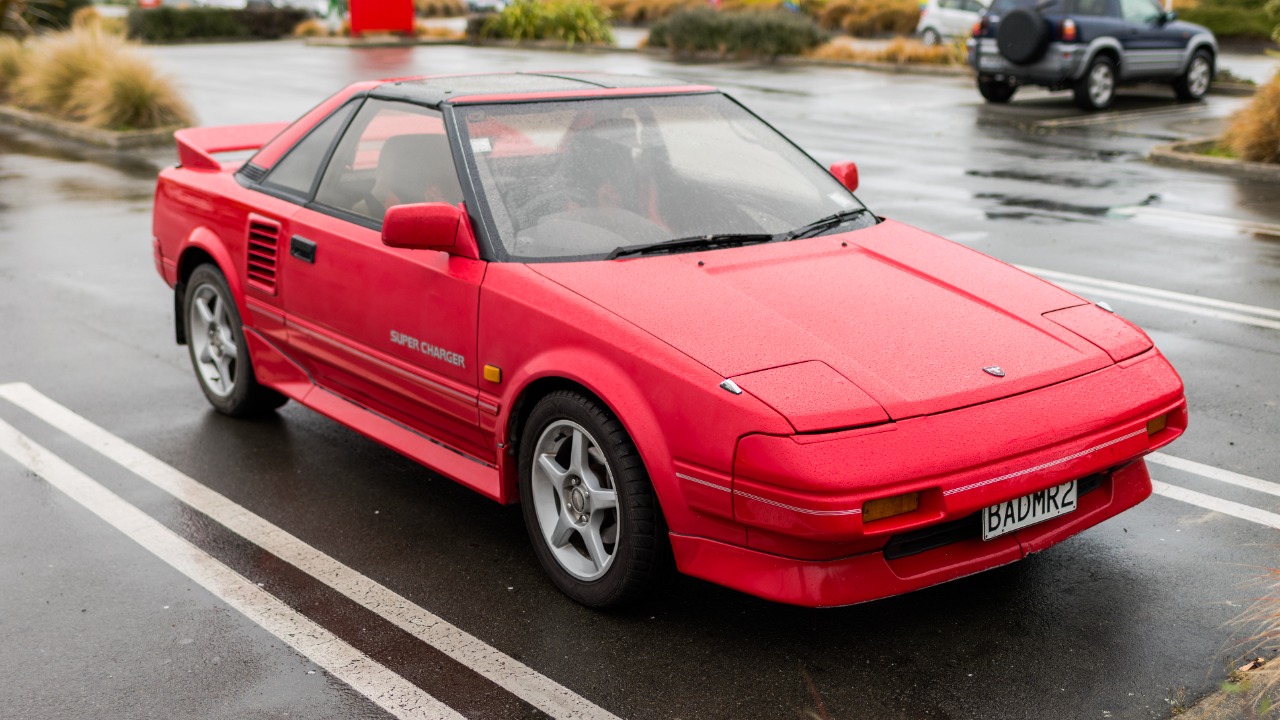
The Toyota MR2 AW11 quietly revolutionized affordable sports-car design by bringing mid-engine balance to ordinary enthusiasts at realistic prices. Before the MR2 arrived, mid-engine layouts were mostly reserved for exotic European supercars. Toyota demonstrated that lightweight engineering and smart chassis tuning could create exceptional handling without excessive horsepower. The car’s playful personality and mechanical simplicity inspired future generations of affordable driver-focused performance cars worldwide.
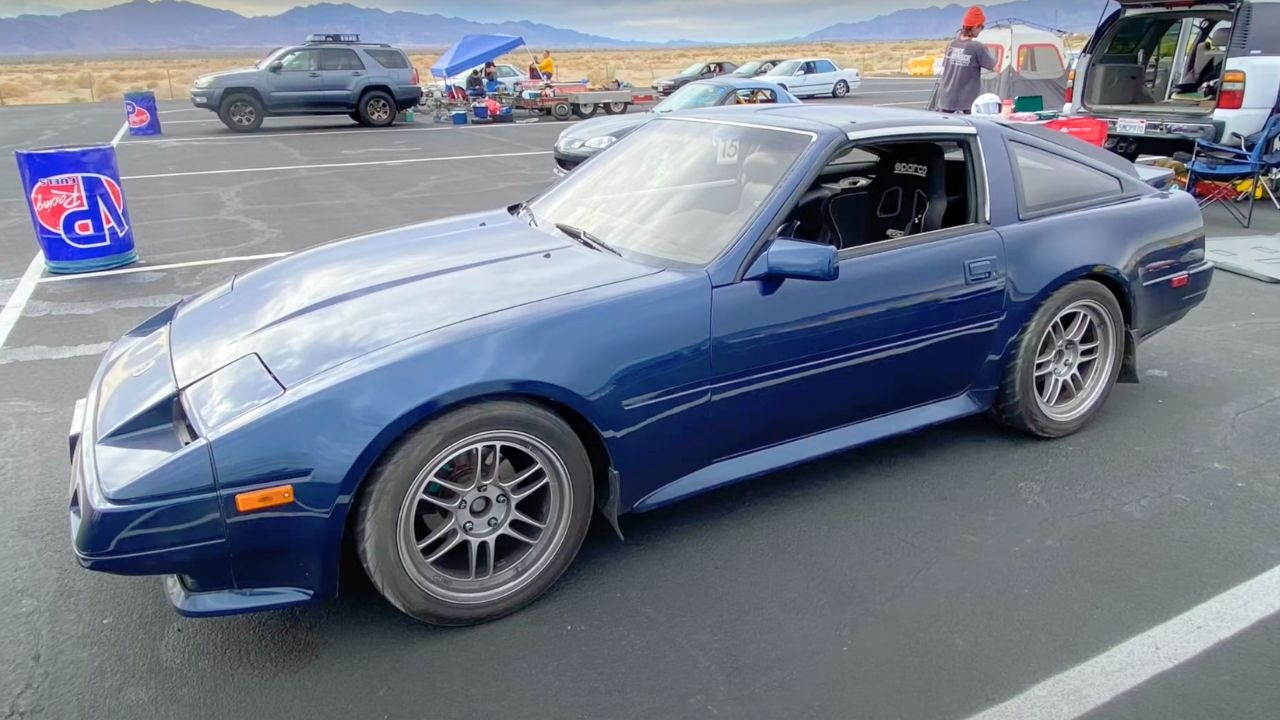
Nissan 300ZX Z31
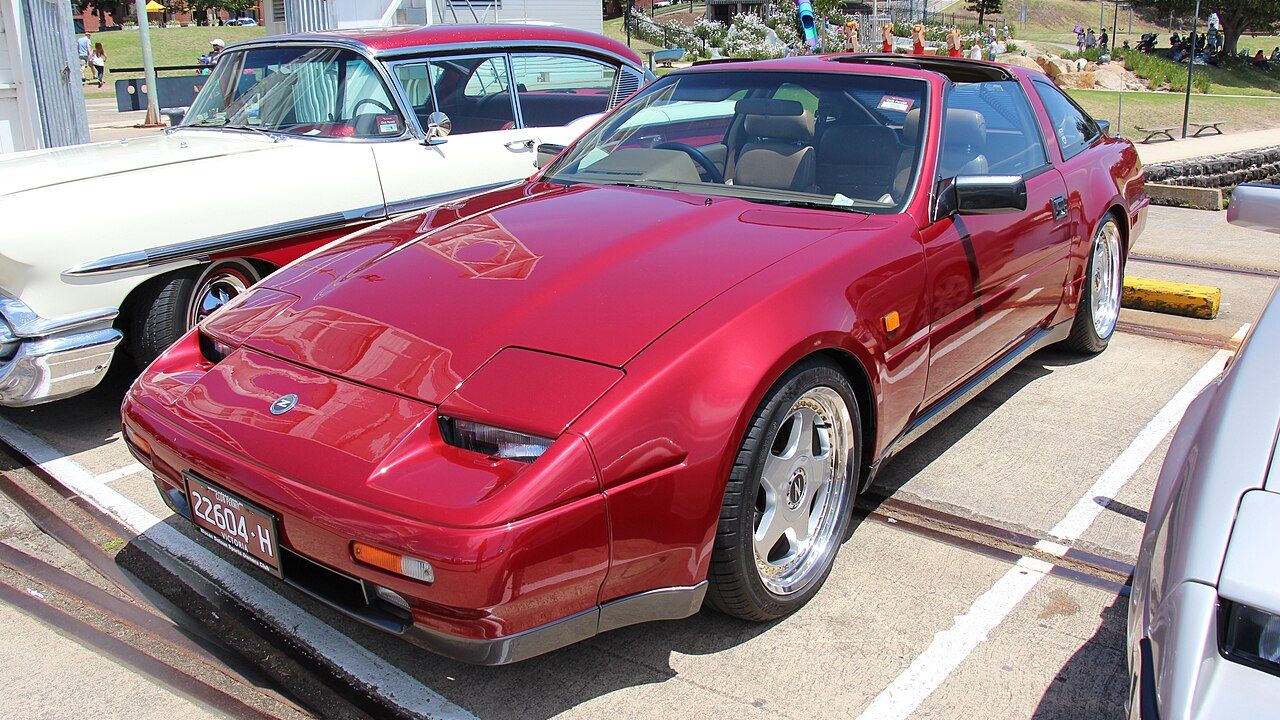
The Nissan 300ZX Z31 helped push Japanese sports cars toward greater technological sophistication during the 1980s. Advanced digital dashboards, turbocharged V6 power, and improved aerodynamics gave the 300ZX a futuristic identity that appealed strongly to enthusiasts. Nissan successfully blended comfort, performance, and reliability in ways many European rivals struggled to match affordably. The Z31 also laid important groundwork for the legendary high-performance Z cars that followed later.
Honda Prelude 4WS
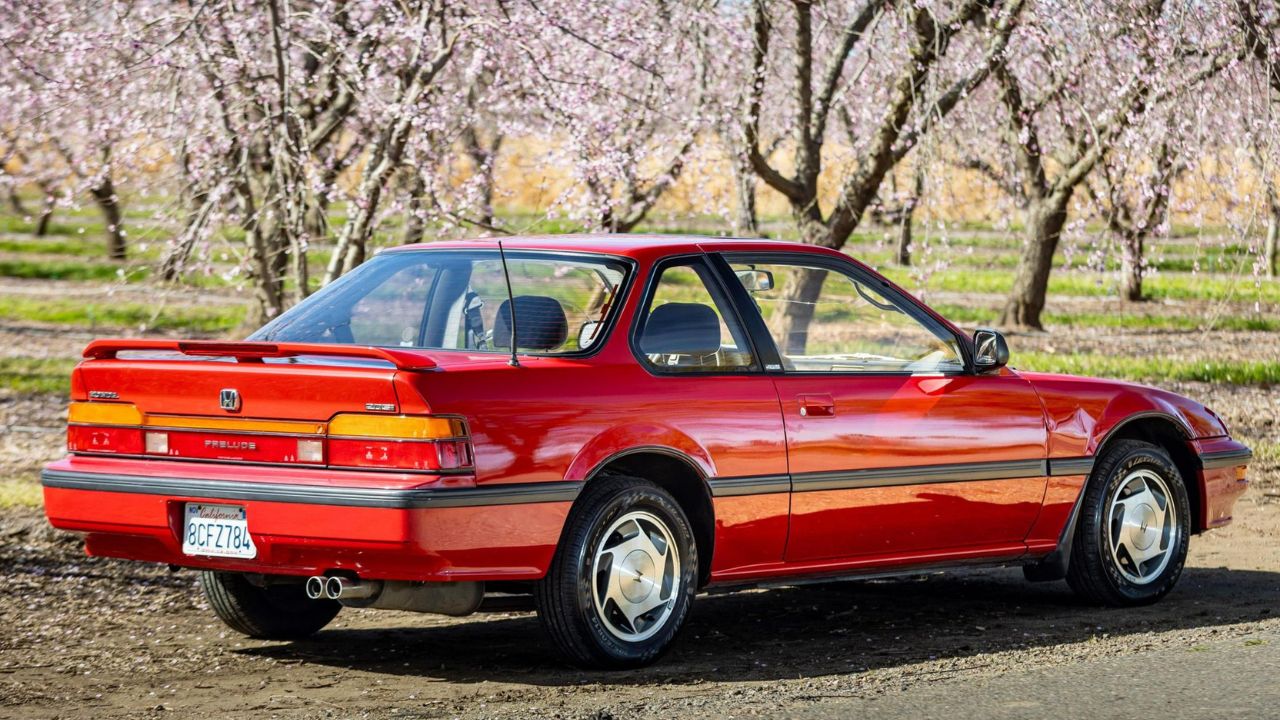
The Honda Prelude 4WS quietly introduced advanced steering technology years before many competitors considered similar systems practical for production cars. Honda’s four-wheel-steering setup dramatically improved agility and high-speed stability, giving the Prelude unusually precise handling characteristics. The car demonstrated Honda’s willingness to experiment with engineering innovation rather than simply chasing horsepower numbers. Many later manufacturers eventually adopted similar steering concepts inspired partly by groundbreaking cars like the Prelude.
Mitsubishi Starion ESI-R
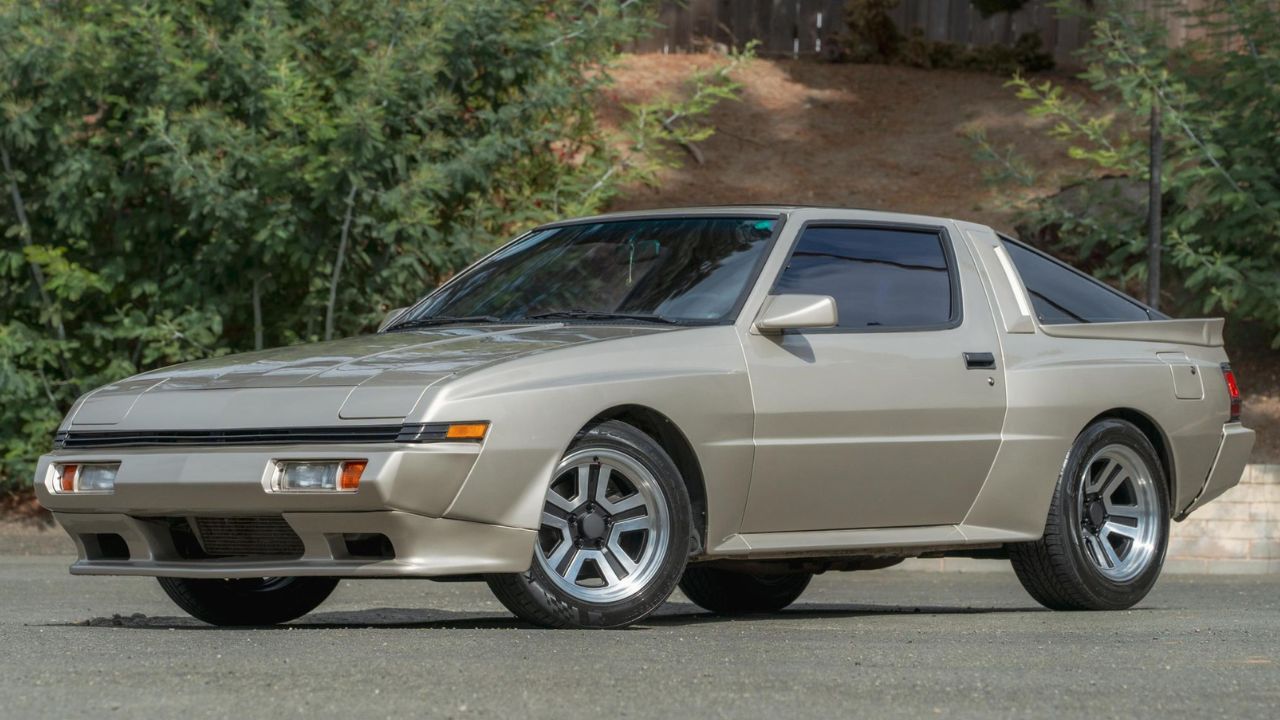
The Mitsubishi Starion ESI-R showed Japanese manufacturers could build aggressive turbocharged performance cars capable of challenging established European rivals directly. Wide-body styling, intercooling technology, and rear-wheel-drive dynamics gave the Starion a serious enthusiast personality during the rise of turbo performance culture. It also helped popularize Japanese forced-induction tuning potential long before the import-performance explosion of the 1990s. The car remains an underrated milestone in Japanese turbocharged sports-car history.
Isuzu Piazza Turbo
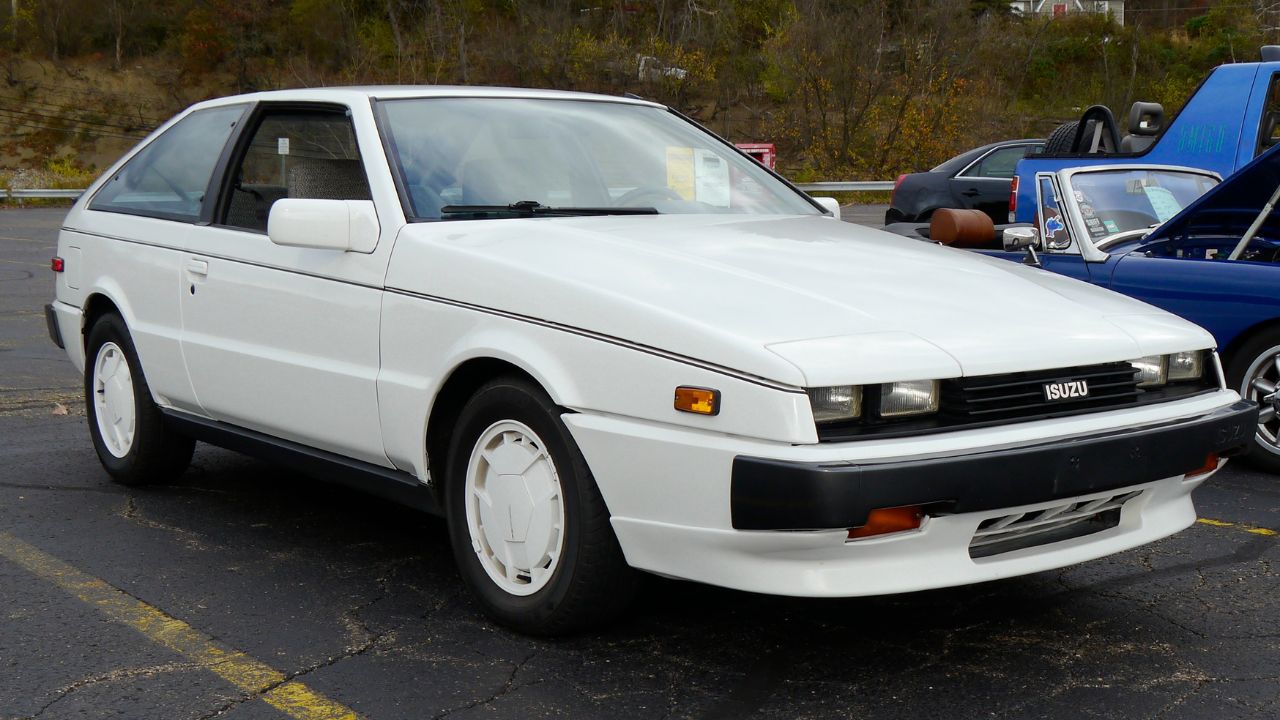
The Isuzu Piazza Turbo quietly influenced sports-car styling and engineering through its futuristic appearance and advanced aerodynamic focus. Designed by Giorgetto Giugiaro, the Piazza introduced sharp wedge-shaped lines and digital-inspired interiors that felt extremely modern for the period. Turbocharged versions delivered respectable performance while emphasizing efficiency and technology simultaneously. Though often overlooked today, the Piazza reflected Japan’s growing confidence in combining international design with domestic engineering innovation.
Toyota Supra A70
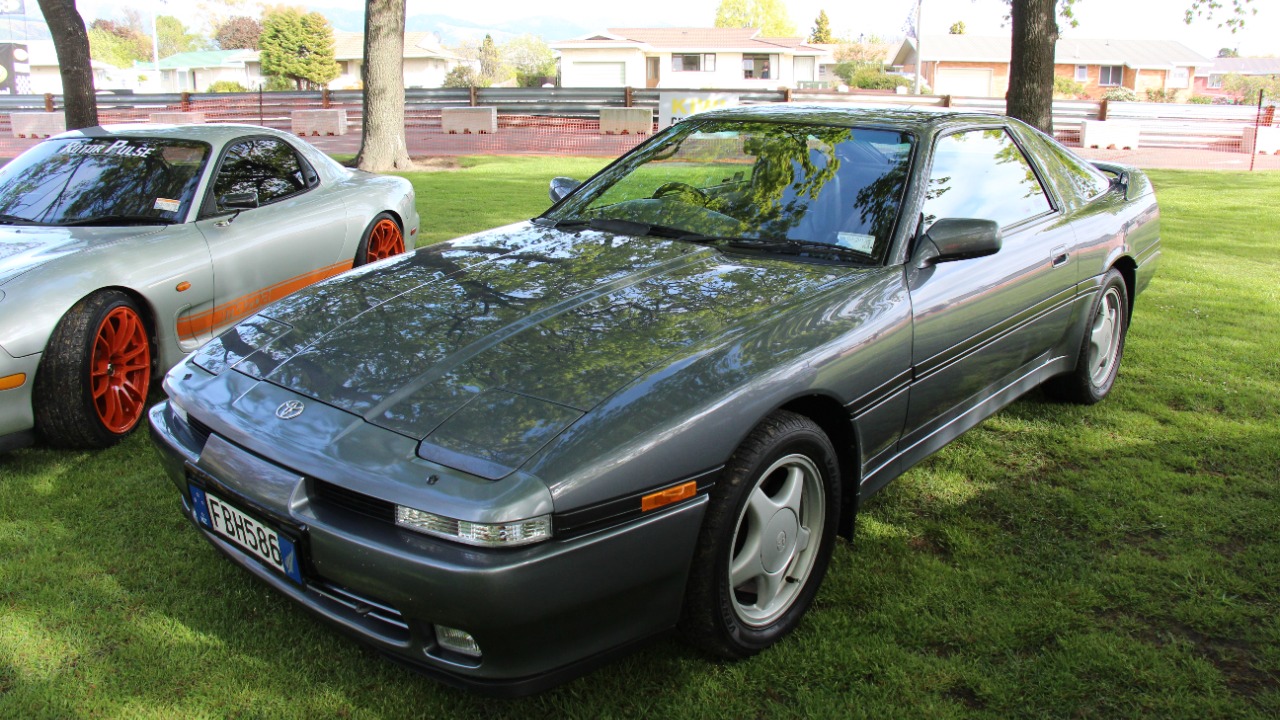
The Toyota Supra A70 helped establish Japan’s reputation for durable high-performance turbocharged engines and sophisticated sports-car engineering. Independent suspension, turbocharging technology, and increasingly advanced electronics made the Supra feel more refined and capable than many earlier Japanese performance cars. Enthusiasts appreciated its tuning potential and long-distance comfort equally. The A70 also created the engineering foundation that eventually led to the globally iconic MK4 Supra of the 1990s.
Subaru XT Turbo
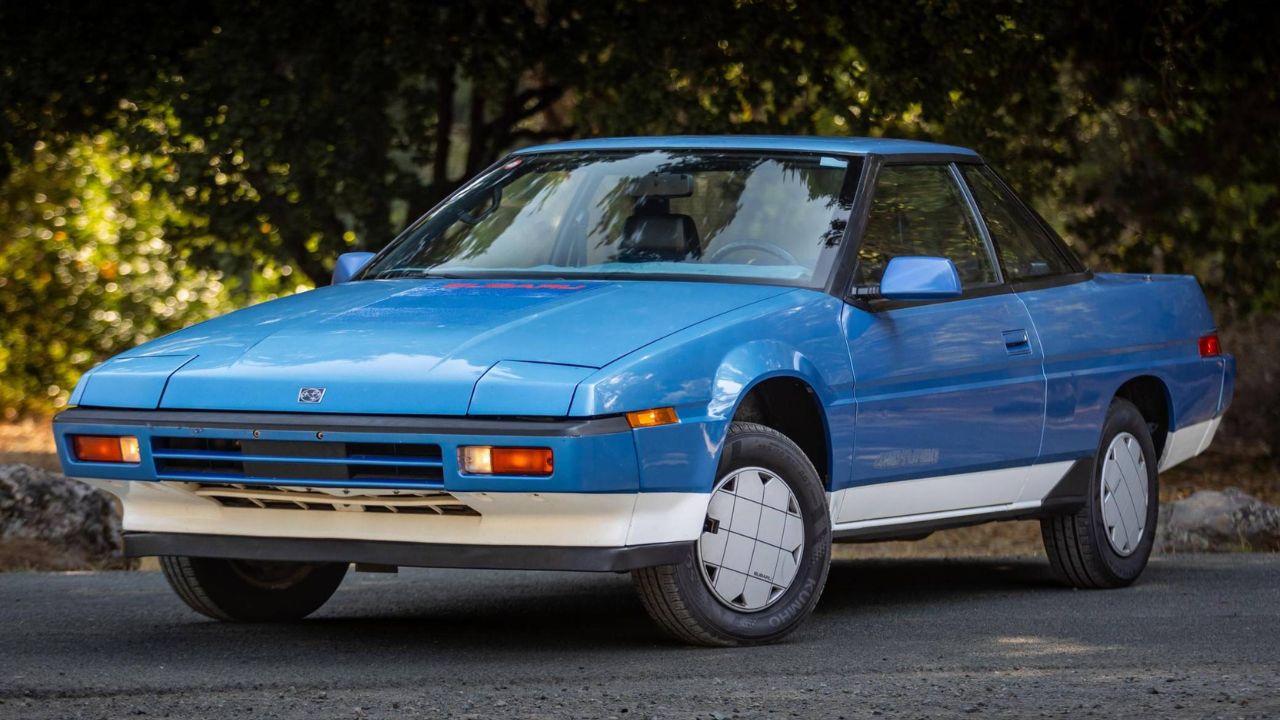
The Subaru XT Turbo pushed Japanese automotive experimentation into bold territory through radical wedge styling and advanced all-wheel-drive engineering. Subaru emphasized aerodynamics, lightweight construction, and turbocharged efficiency rather than traditional muscle-car performance formulas. The XT helped demonstrate how all-wheel-drive systems could improve stability and usability in sporty road cars long before the technology became mainstream. Its unusual design and engineering ideas influenced future generations of Japanese performance development.
More from Fast Lane Only