Some classic muscle cars look like straightforward restoration projects until the work actually begins. Beneath familiar styling can be complicated rust damage, scarce trim, expensive body panels, unusual mechanical components, or difficult-to-find factory equipment. These cars may appear simple at first glance, but bringing one back to authentic condition can require considerable money, patience, research, and specialized knowledge.
Plymouth Barracuda

The Plymouth Barracuda can look like a relatively simple muscle-car restoration, but early examples can become surprisingly demanding projects. Rust commonly affects structural areas, while original trim, glass, interior pieces, and specific body components can be difficult or expensive to source. Fastback models can be particularly challenging because their distinctive rear bodywork and interior details are not interchangeable with ordinary Barracuda parts. Restoring one correctly often requires careful research to identify the proper components for its model year.
Dodge Challenger
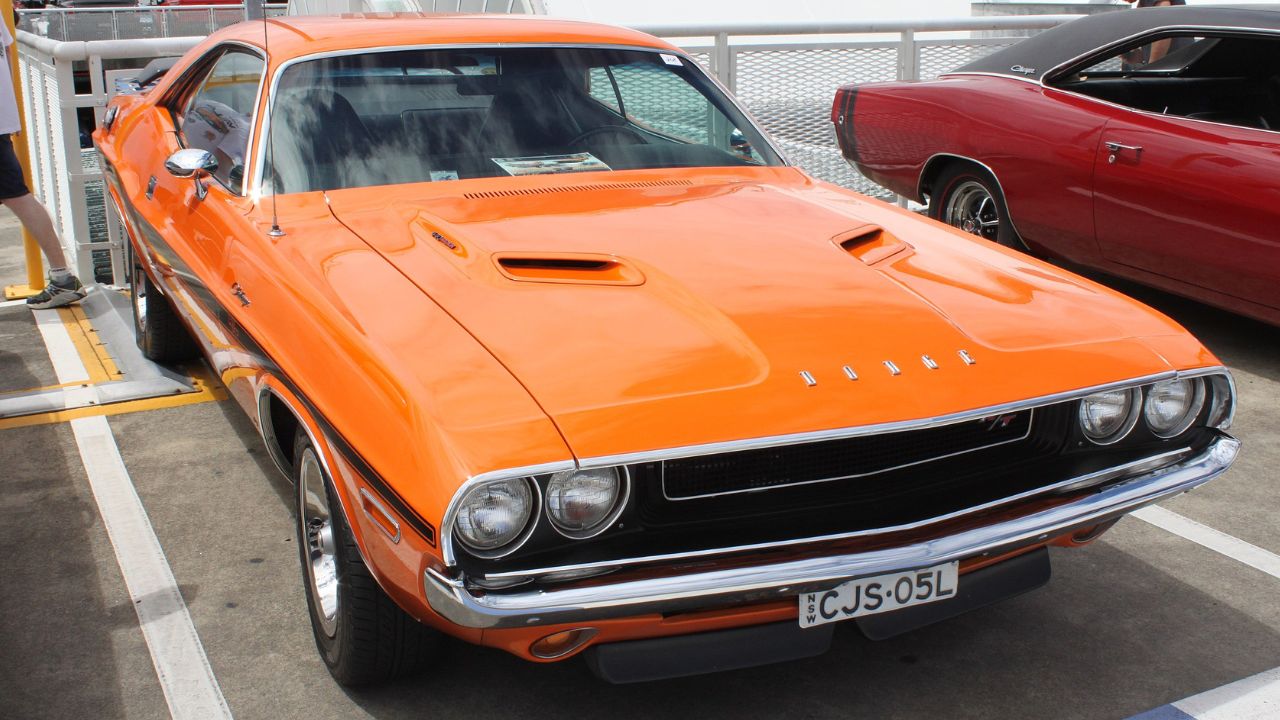
The Dodge Challenger has strong collector appeal, but a seemingly complete project car can hide major restoration problems. Rust around the body, floors, quarters, and structural areas can require extensive metalwork. Correct trim and interior components can also be expensive, particularly on highly optioned cars. Recreating factory specifications becomes even more difficult when a car has been modified repeatedly over decades. A proper restoration therefore requires more than mechanical work; finding the right original details can become a major challenge.
Chevrolet Chevelle
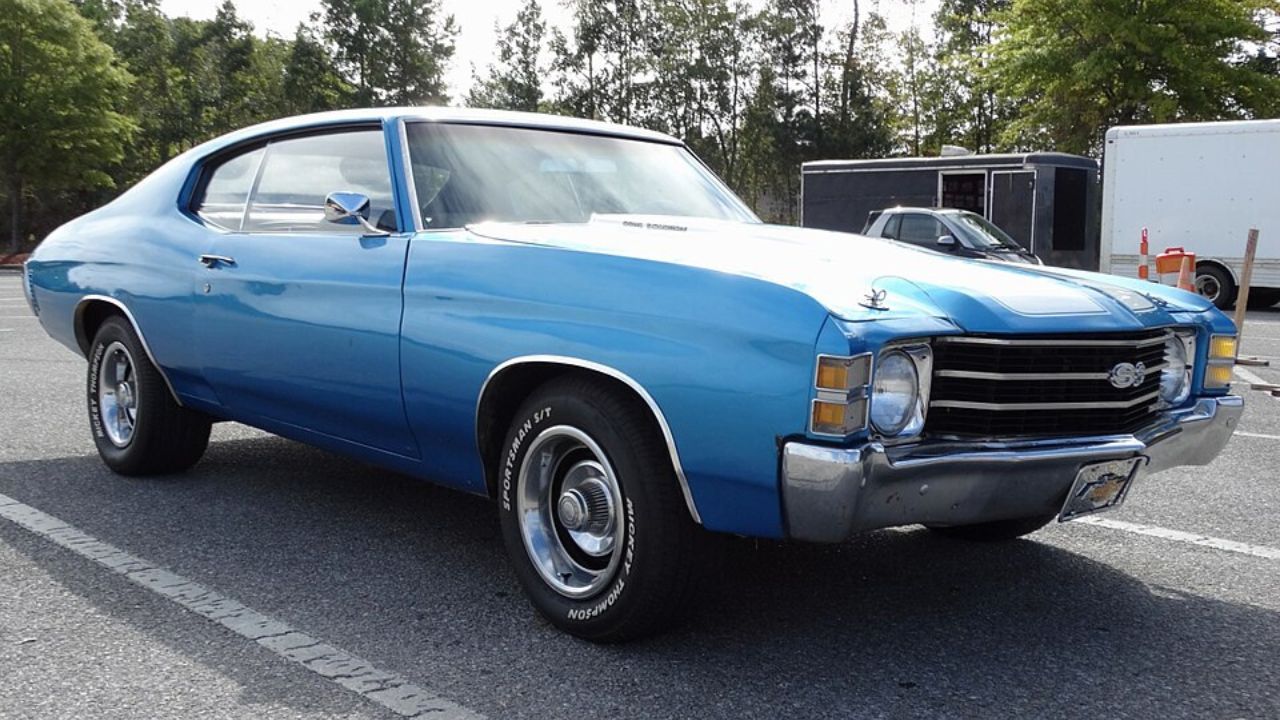
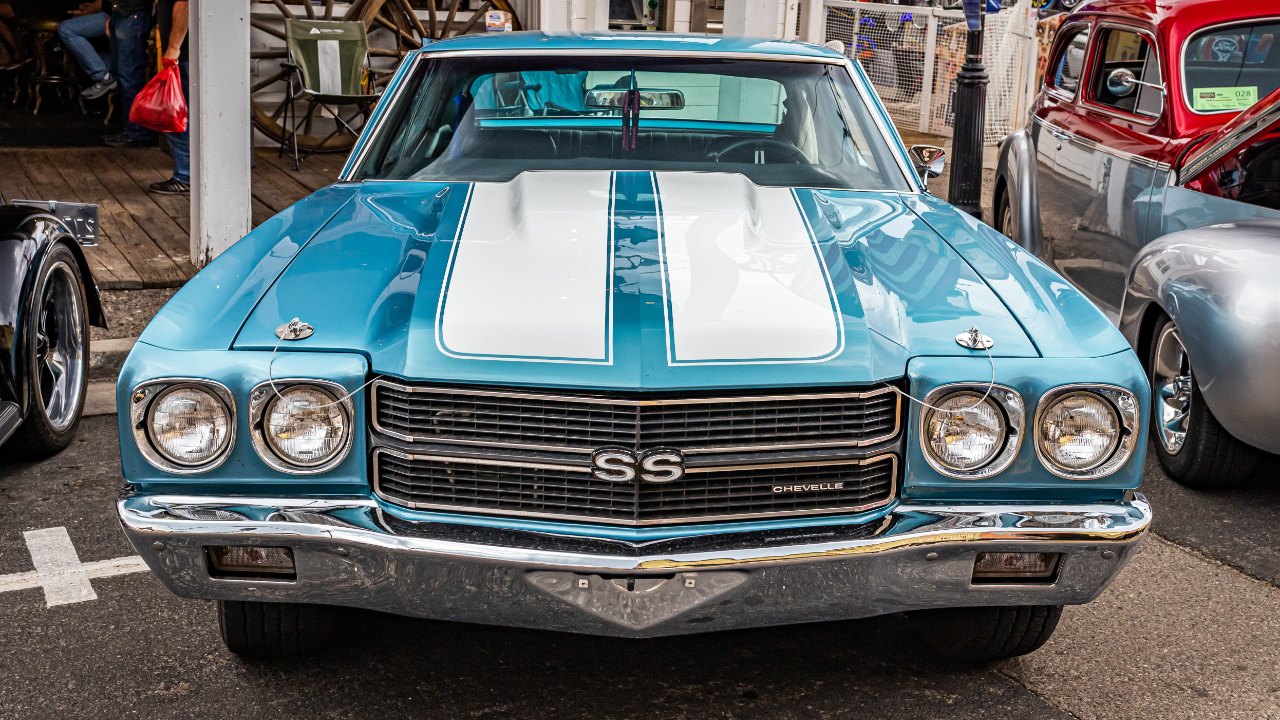
The Chevrolet Chevelle is popular enough that parts availability can create the impression of an easy restoration. However, authentic restorations can become complicated when determining which components originally belonged on a particular car. Multiple engines, transmissions, trim packages, and option combinations were available, making originality difficult to establish. Rust can add another layer of expense, especially around floors, quarters, and body mounts. Restoring a Chevelle correctly often means researching factory specifications instead of simply installing whatever replacement parts are available.
Ford Torino
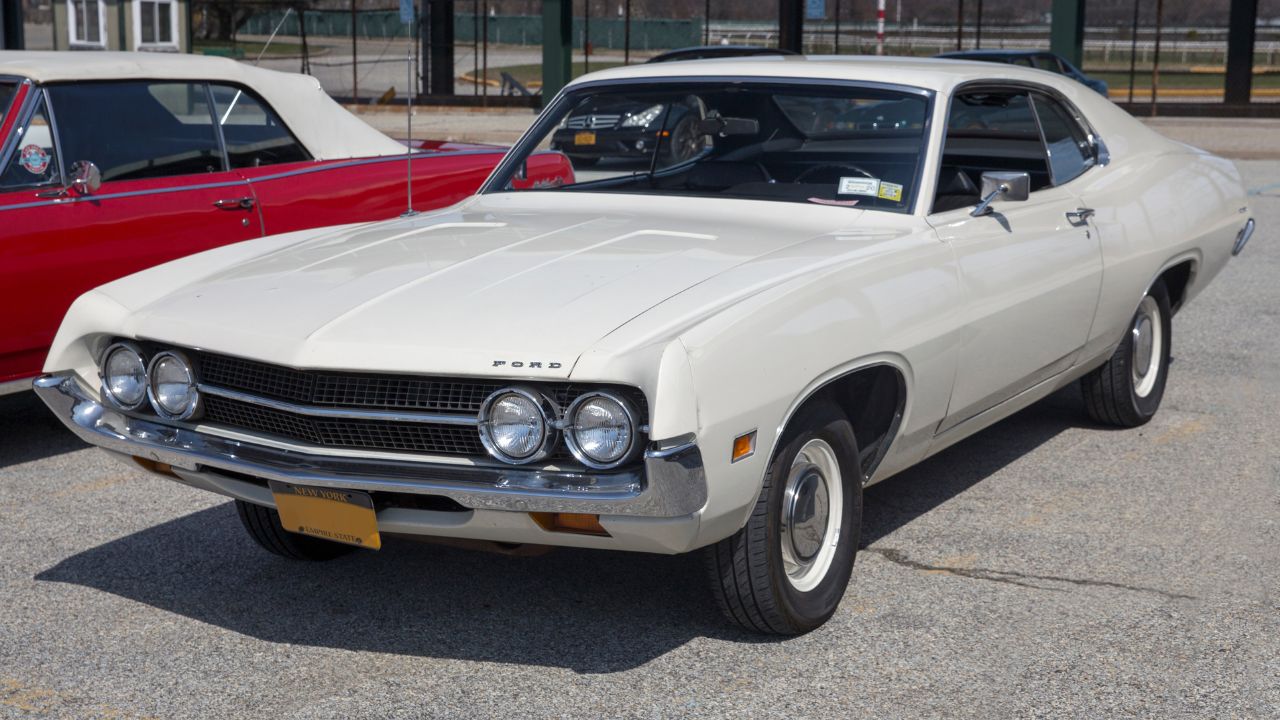
The Ford Torino can be deceptively difficult to restore because different versions shared similar styling while using substantially different mechanical and trim combinations. Rust, worn body panels, missing interior components, and scarce model-specific parts can quickly increase costs. Fastback and performance versions can be especially demanding when original trim or body pieces are missing. Reproductions exist for some components, but achieving factory-correct appearance often requires locating original parts and carefully matching details specific to the car’s production year.
Oldsmobile 442
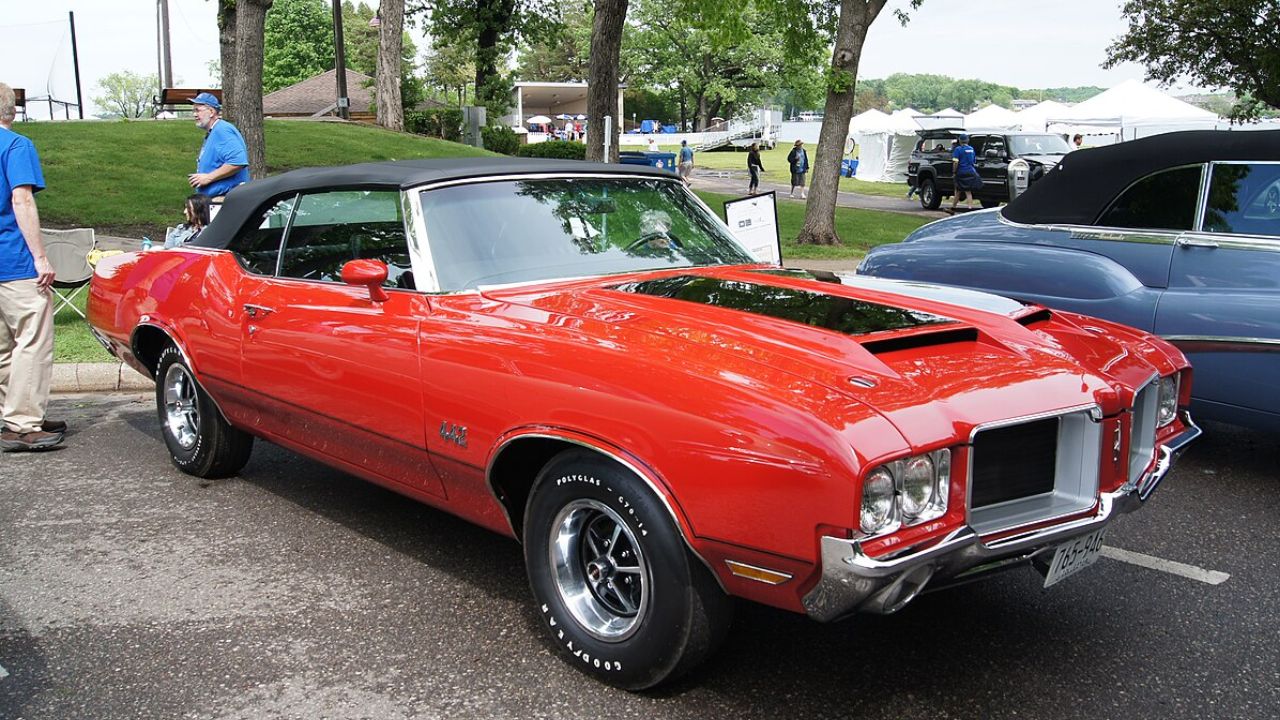
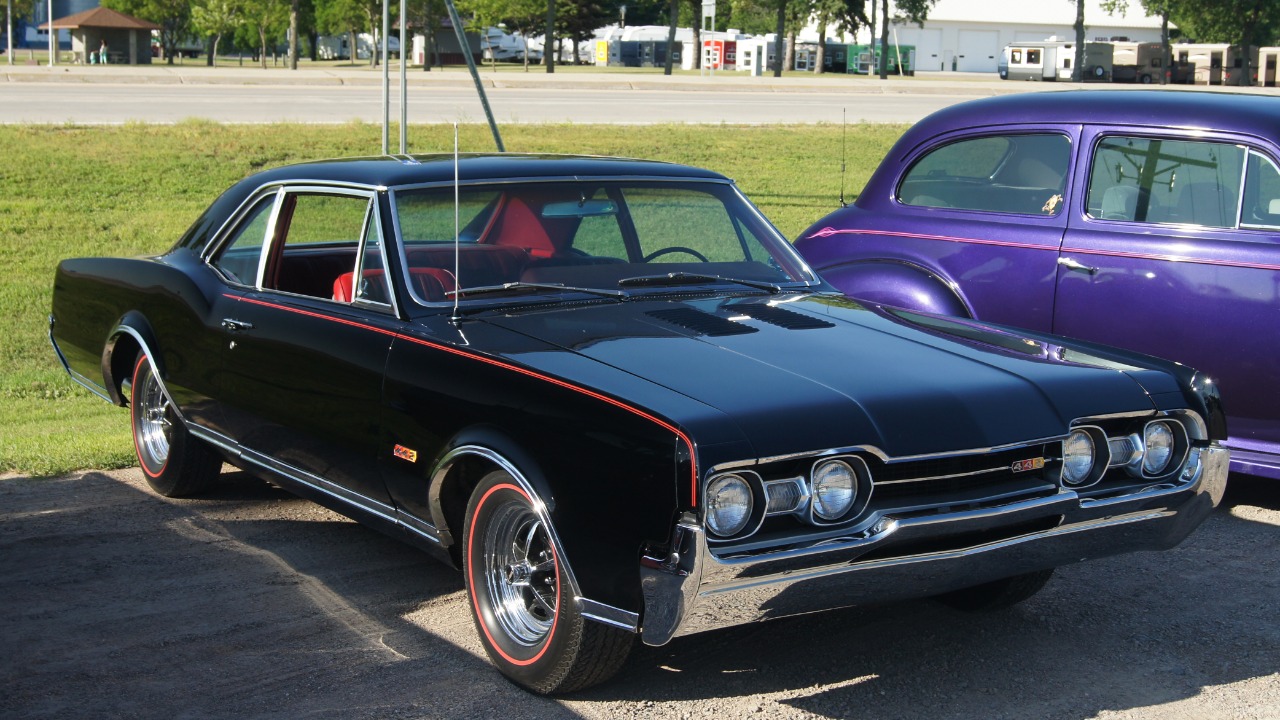
The Oldsmobile 442 can be a challenging restoration because identifying genuine performance equipment is not always straightforward. Over the decades, many cars received replacement engines, transmissions, interiors, and exterior components, making originality difficult to determine. Specific trim and performance parts can also be harder to locate than Chevrolet or Ford equivalents. A serious restoration may therefore require extensive documentation research before parts are purchased. For collectors, proving what the car originally carried can be nearly as important as repairing it.
Pontiac GTO
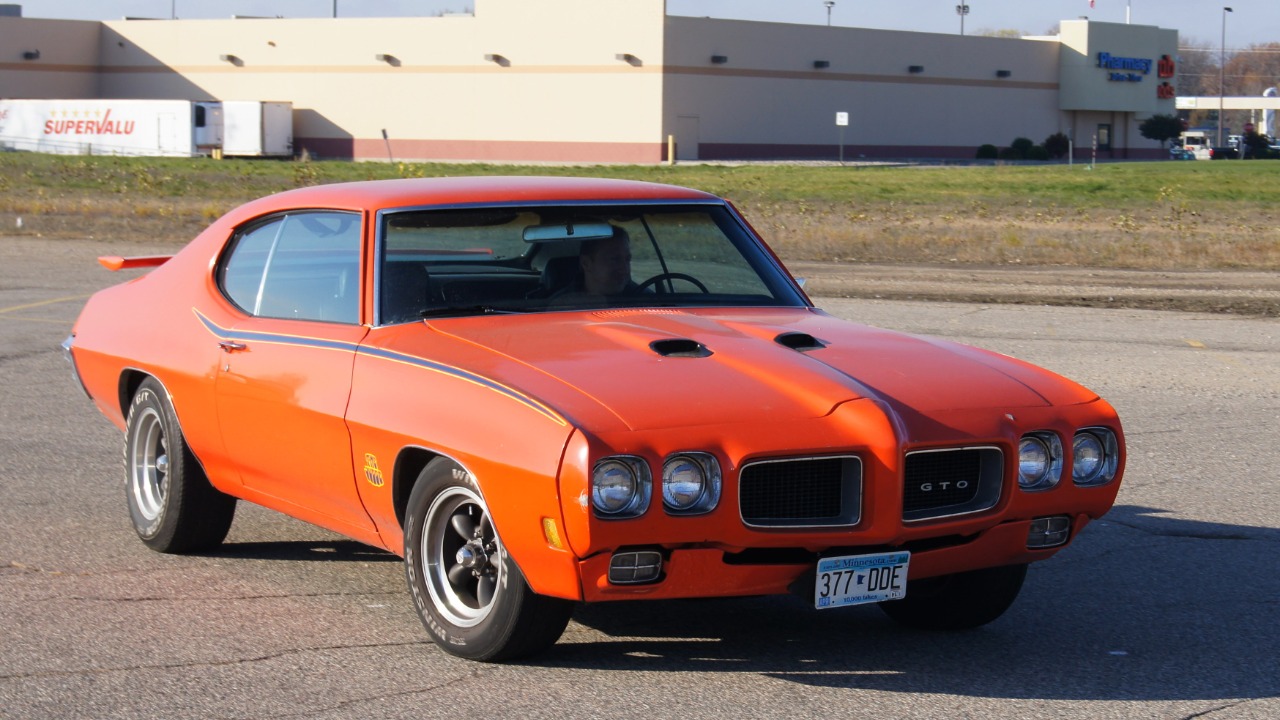
The Pontiac GTO is highly desirable, but its popularity can make restoration surprisingly complicated. Many examples have been modified, cloned, or rebuilt using parts from different Pontiac models, creating uncertainty about their original specifications. Correct engines, transmissions, carburetors, trim, badges, and interior components can be expensive. Rust and previous body repairs add further complications. Restoring a GTO properly requires careful attention to factory details because replacing worn parts with visually similar components may produce a car that looks right without being historically accurate.
Mercury Cougar
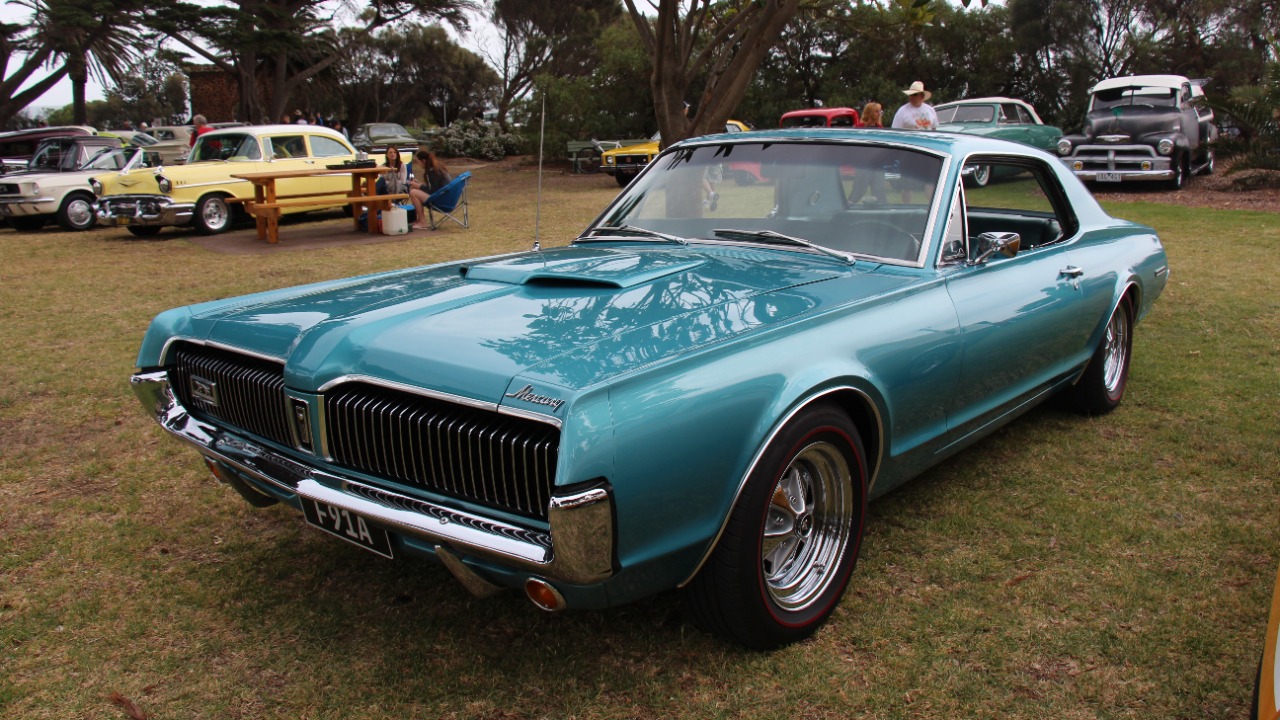
The Mercury Cougar shares some mechanical foundations with the Mustang, but that does not necessarily make it an easy restoration. Cougar-specific trim, grilles, taillights, interior components, and body details can be considerably harder to locate. Eliminating rust and repairing aging bodywork can also become expensive. Factory options add another layer of complexity because correct restoration may require locating equipment that was unique to particular production years or packages. A Cougar can therefore demand substantially more research than its familiar mechanical relatives suggest.
AMC Javelin
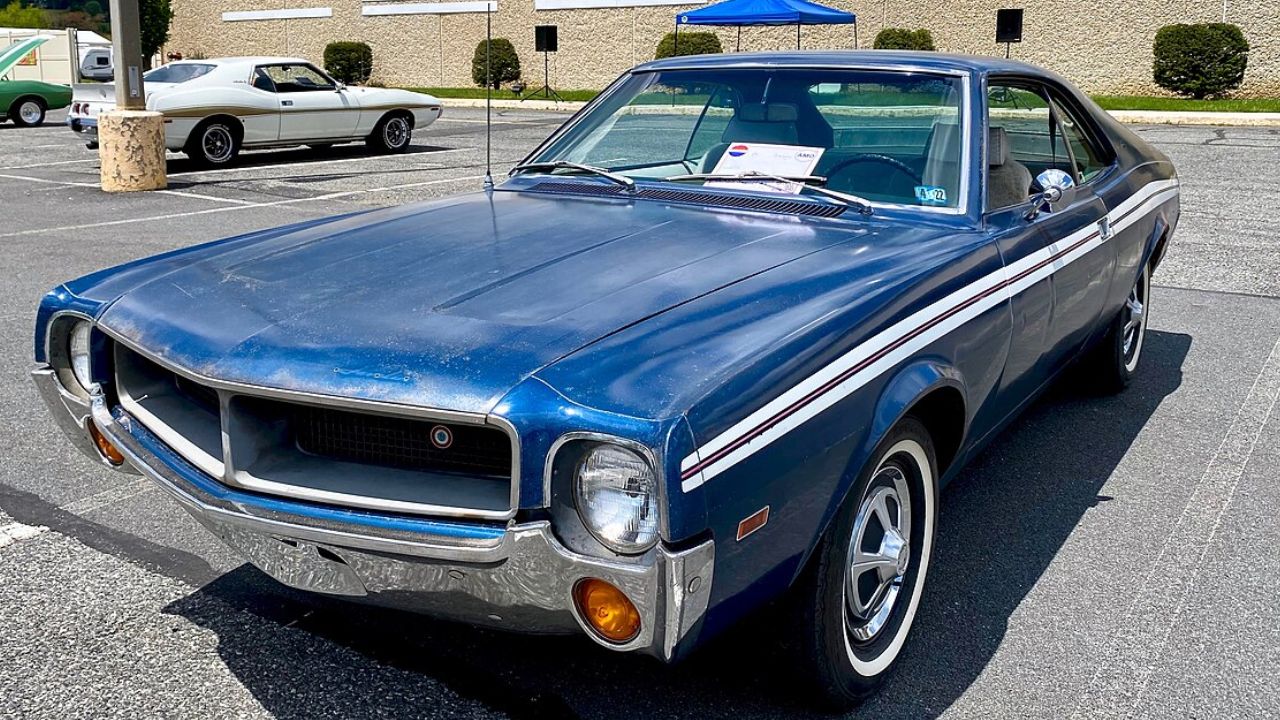
The AMC Javelin can become a difficult restoration because replacement parts are generally less abundant than those available for popular Ford, Chevrolet, and Mopar muscle cars. Rust repair can expose additional structural problems, while original interior pieces, trim, glass, and body components may require considerable searching. Performance versions can be even more demanding because authentic engine and equipment combinations are valuable and increasingly scarce. Restoring a Javelin successfully often requires patience, careful parts hunting, and a willingness to repair rather than replace rare components.
More from Fast Lane Only
- Unboxing the WWII Jeep in a Crate
- 15 rare Chevys collectors are quietly buying
- 10 underrated V8s still worth hunting down
- Police notice this before you even roll window down
*Research for this article included AI assistance, with all final content reviewed by human editors