Packard built some of America’s finest luxury cars, but not every surviving example is a smart buy today. Some models can become extremely expensive restoration projects because of scarce parts, complicated systems, fragile trim, or extensive deterioration. These eight Packards deserve careful inspection before anyone gets tempted by a low asking price.
Packard Twelve
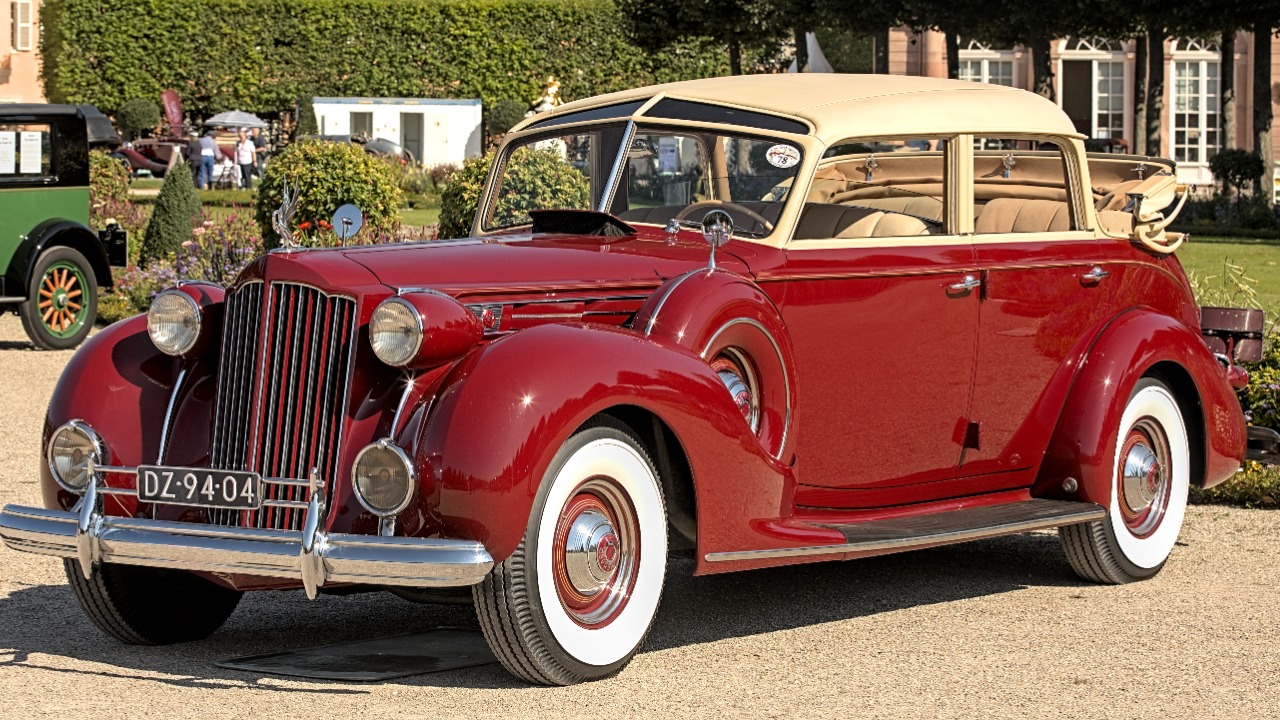
The Packard Twelve is one of the company’s most prestigious cars, but restoring one can be financially overwhelming. Its V12 engine contains considerably more components than Packard’s straight-eights, while specialized parts can be difficult to source. A neglected example may require extensive mechanical and cosmetic work. Unless the car is unusually complete, buyers should approach rough Tweleves with extreme caution.
Packard Super Eight
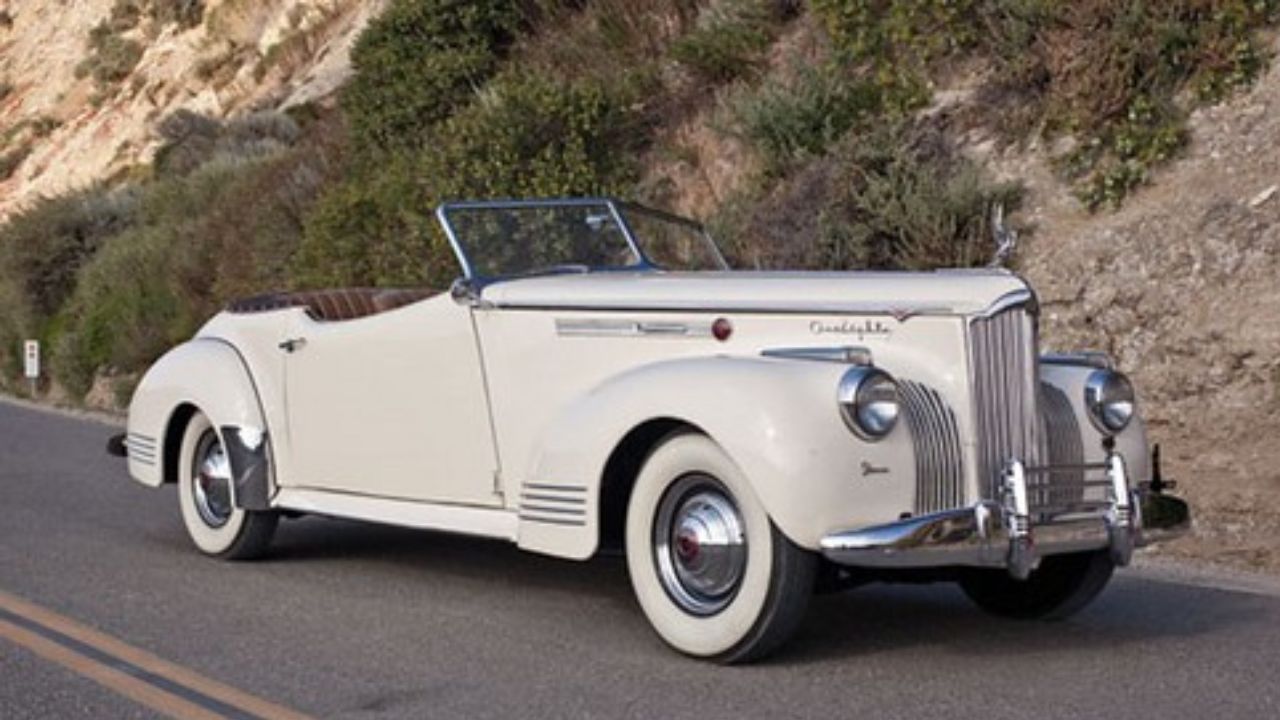
The Super Eight delivered impressive performance and luxury, but its complicated restoration requirements can quickly overwhelm a budget. Large straight-eight engines require specialized knowledge, while original trim and interior materials can be difficult to reproduce correctly. Rust and previous repairs add further concerns. A complete, solid example is desirable, but a cheap project can become extraordinarily expensive.
Packard Caribbean

The Caribbean is highly collectible, which makes rough examples particularly tempting to buyers hoping to find an affordable entry point. Unfortunately, restoring one properly can involve substantial costs. Its distinctive trim, upholstery, chrome, and V8 components are not inexpensive. A car missing important original pieces can quickly consume more money than a finished example would have cost in the first place.
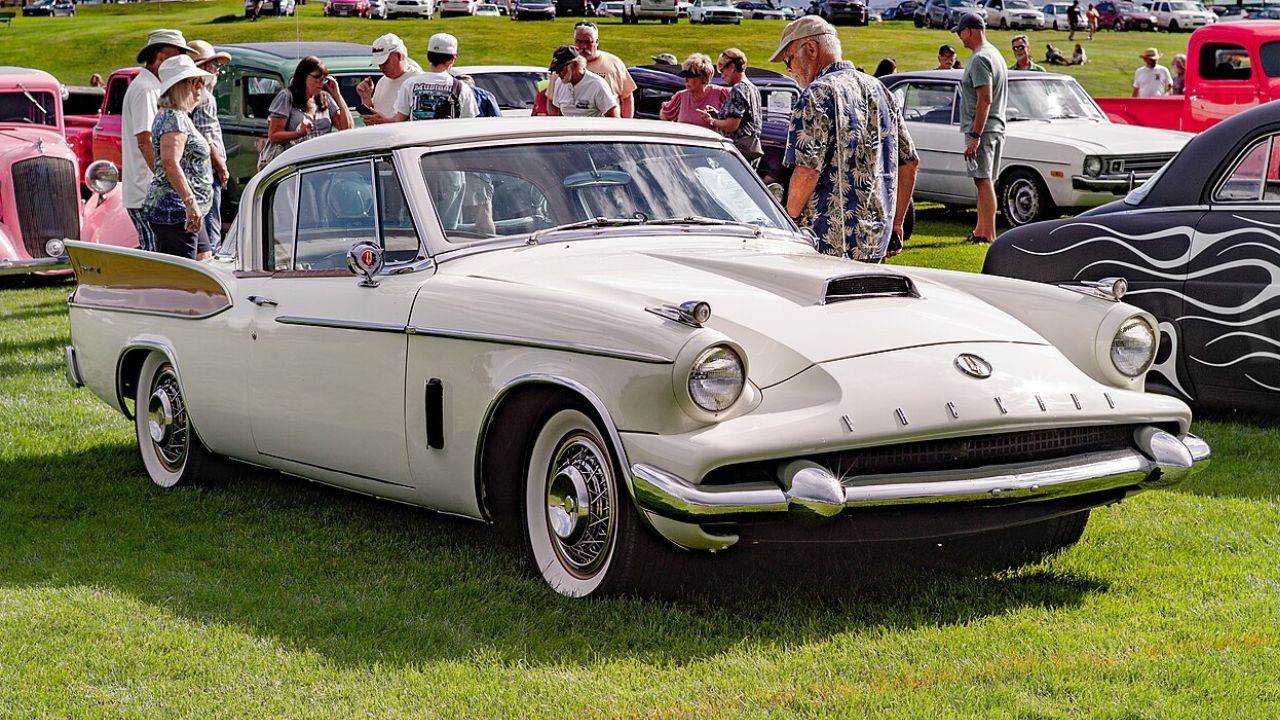
Packard Hawk

The Packard Hawk was produced for only a short period, making its distinctive parts difficult to replace. Its Studebaker-based mechanical foundation helps in some areas, but Packard-specific trim and body components can present serious challenges. Many surviving cars have also been modified over the years. An incomplete Hawk may therefore be far more difficult to restore than its relatively simple appearance suggests.
Packard 400
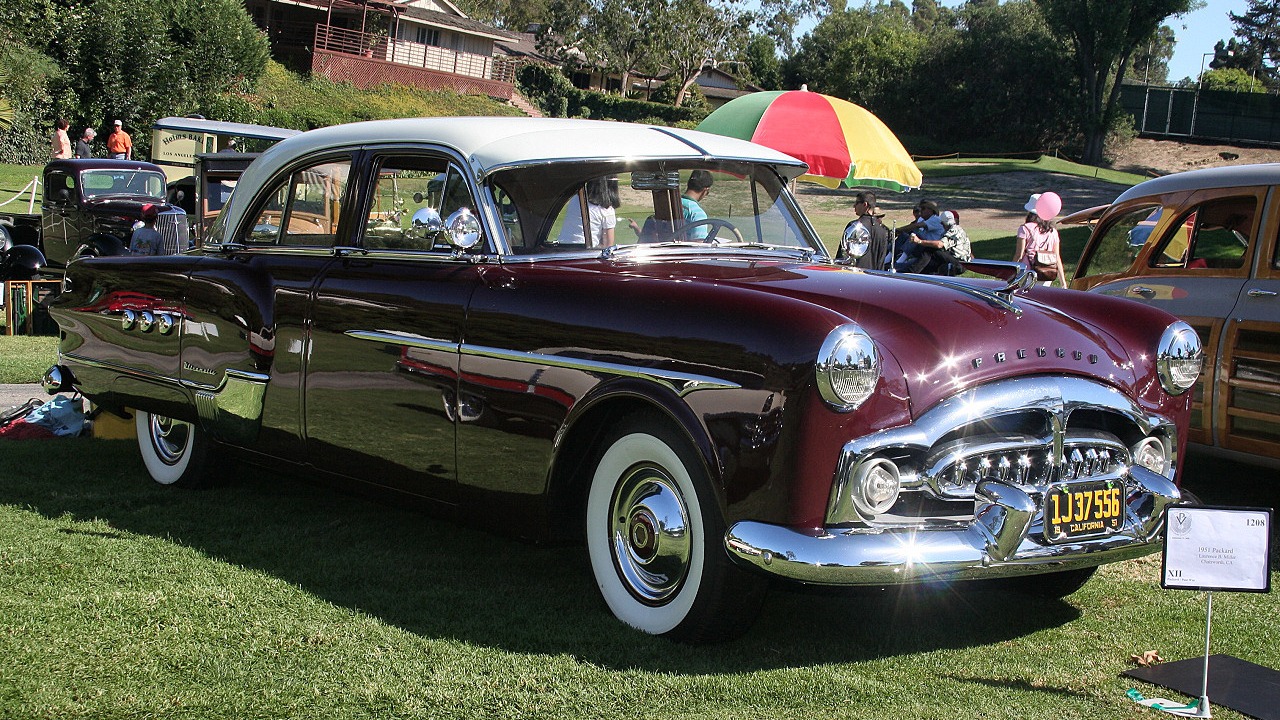
The Packard 400 was a substantial luxury car loaded with period equipment, and age can make that equipment a liability. Power accessories, complicated trim, extensive chrome, and large body panels can all increase restoration costs. Mechanical components are only part of the equation. A neglected 400 can require significant money simply to return its interior and exterior to proper condition.
Packard Clipper

The Clipper is generally easier to approach than some of Packard’s most elaborate models, but badly deteriorated examples can still become money pits. Rust, worn straight-eight engines, damaged interiors, and missing trim can quickly add up. Because many were ordinary transportation when new, some survivors were not preserved carefully. Buyers should prioritize completeness and solid bodywork over a bargain purchase price.
Packard Patrician
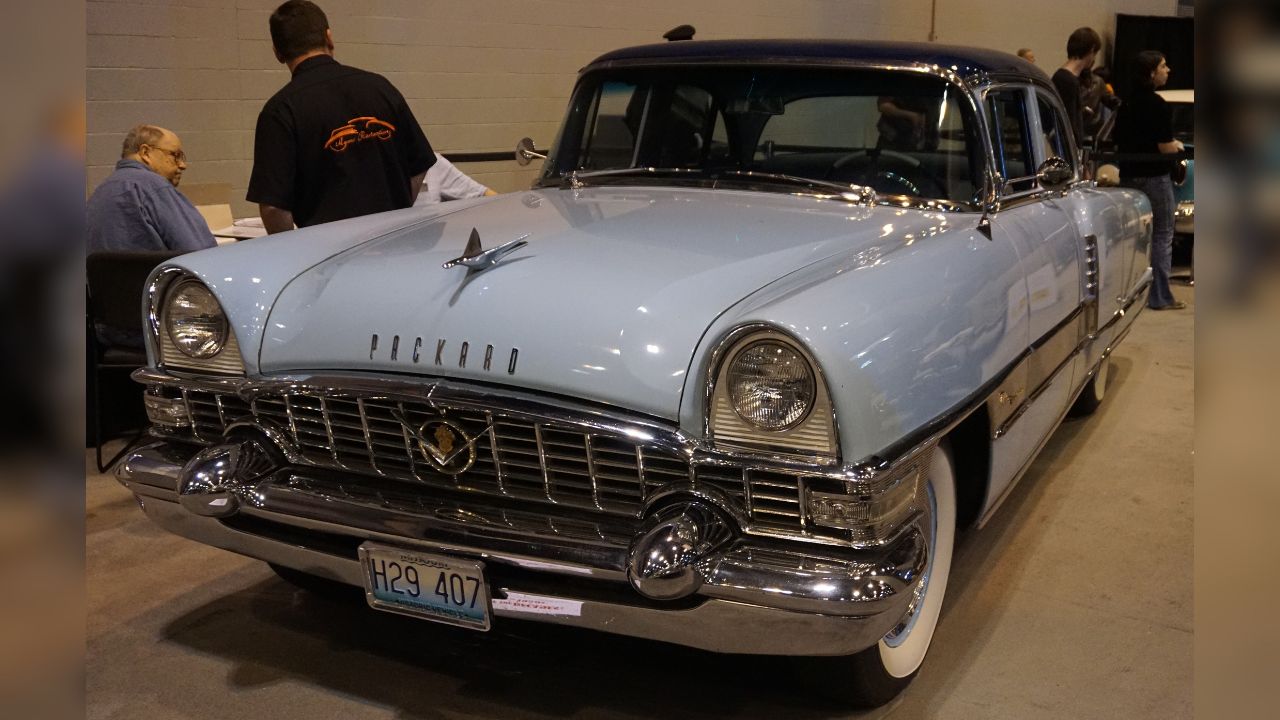
The Patrician represented the upper end of Packard’s postwar sedan lineup, bringing substantial luxury equipment and powerful engines. That equipment becomes considerably less appealing when it needs restoration. Interior materials, chrome, electrical systems, and mechanical components can all require expensive attention. A complete Patrician can be rewarding, but a neglected one may demand far more money than its market value justifies.
Packard 200
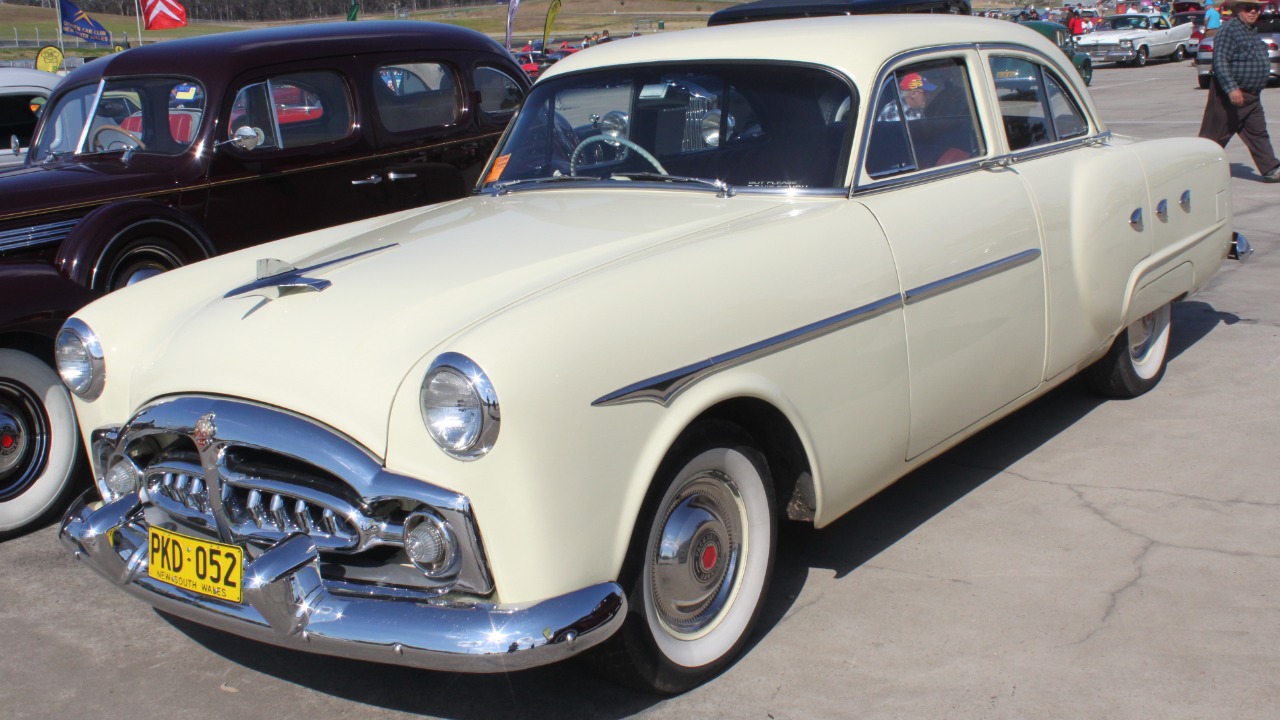
The Packard 200 was positioned below the company’s more luxurious models, making it less intimidating as a restoration project. However, age remains the biggest problem. Rust, deteriorated wiring, worn engines, and missing trim can turn an apparently inexpensive car into a long-term project. Unless the example is unusually solid and complete, buyers should resist assuming that a lower-priced Packard will automatically be cheaper to restore.
More from Fast Lane Only
- Unboxing the WWII Jeep in a Crate
- 15 rare Chevys collectors are quietly buying
- 10 underrated V8s still worth hunting down
- Police notice this before you even roll window down
*Research for this article included AI assistance, with all final content reviewed by human editors