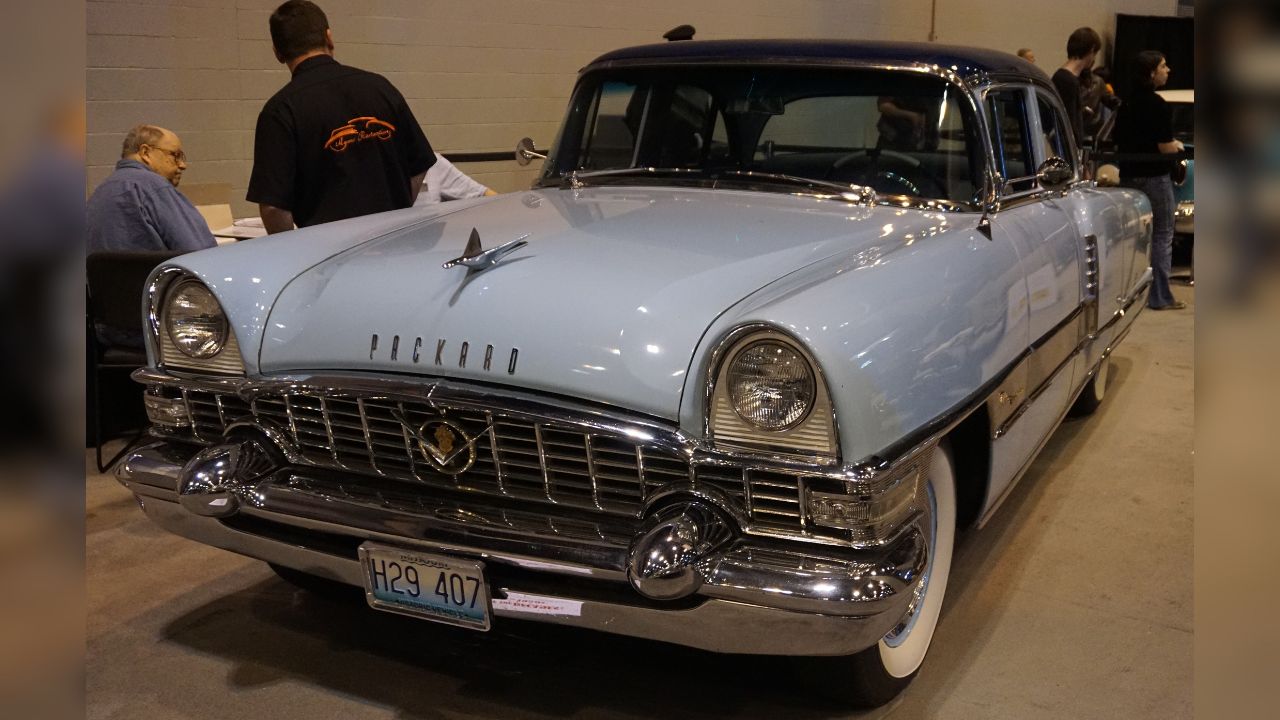
Packard has become one of the most fascinating names in American collector cars, and some models have grown especially difficult to find. Cars that once seemed overlooked are now prized for their styling, engineering, rarity, or place in Packard history. These seven Packards are the kind of cars collectors may regret passing up when they were still easier to find.
Packard Twelve
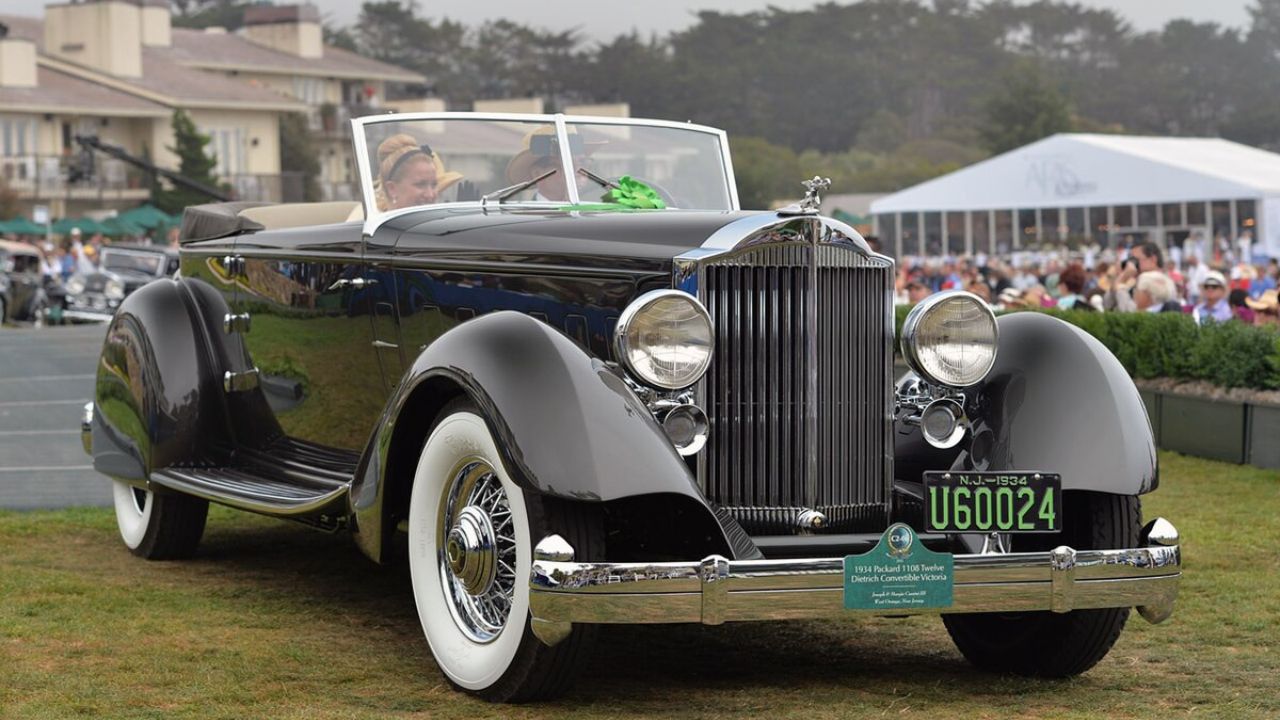
The Packard Twelve represents the company’s engineering at its most prestigious. Its V12 engine, imposing proportions, and beautifully finished interiors placed it among America’s finest luxury cars. Production was limited, and surviving examples have become highly desirable. Collectors who passed on solid Twelve models years ago may now find the cost of acquiring and restoring one considerably higher.
Packard Caribbean
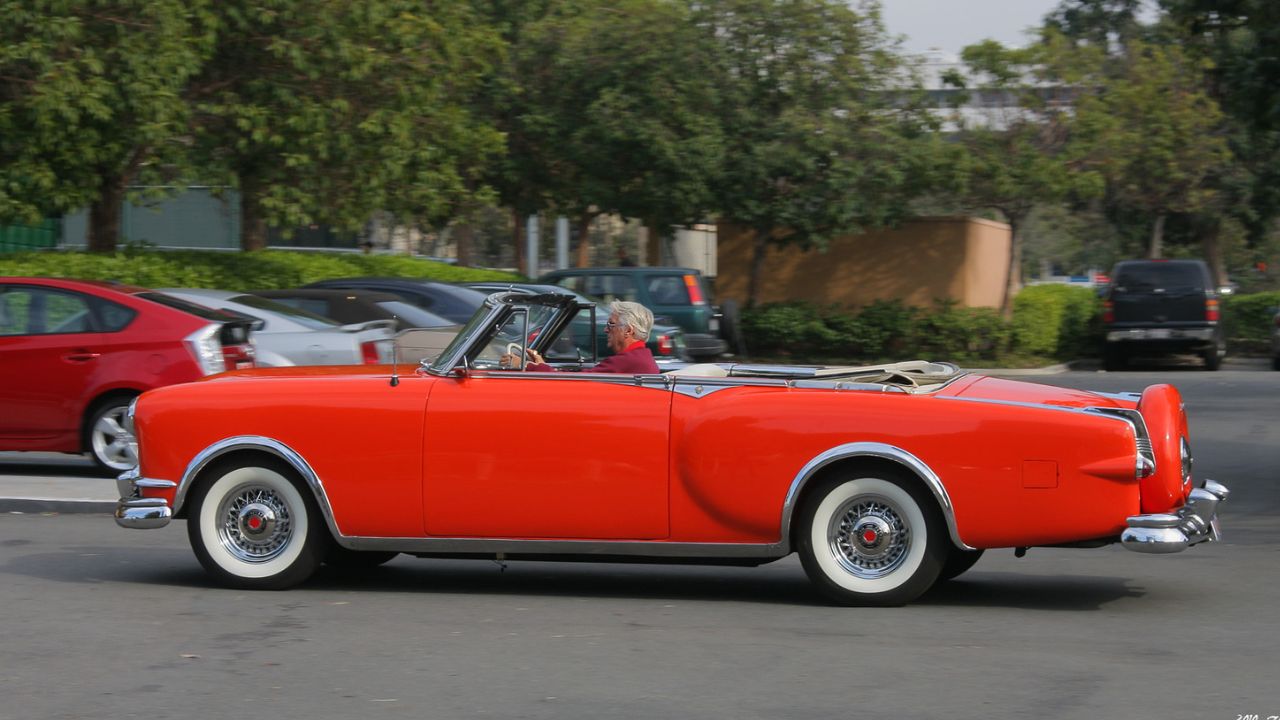
The Caribbean combined dramatic styling with Packard’s most upscale postwar luxury. Its bold colors, powerful V8, and distinctive interior made it stand apart from ordinary American convertibles. Production remained limited, helping surviving examples become increasingly desirable. A well-preserved Caribbean purchased years ago could have represented an excellent addition to a collection before prices and restoration costs climbed.
Packard Super Eight
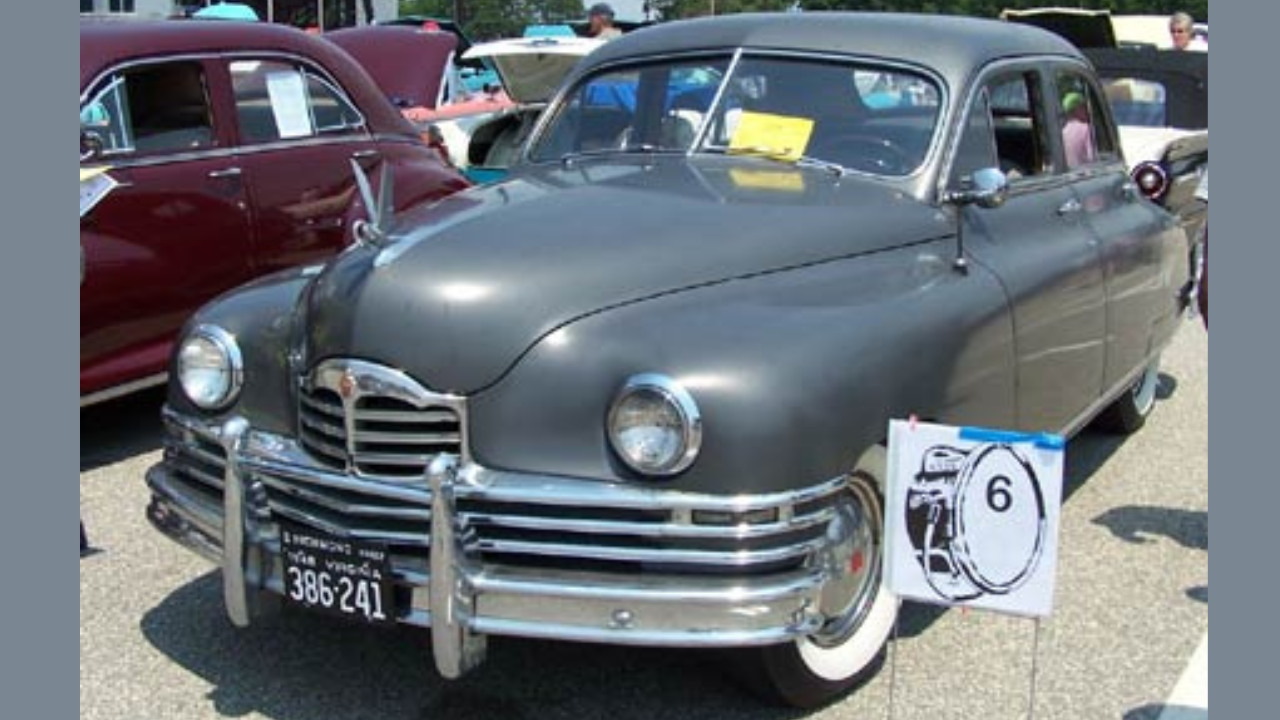
The Super Eight offered smooth straight-eight power, substantial luxury, and the kind of engineering that established Packard’s reputation before World War II. Good examples have become much harder to locate. Collectors appreciate their elegant proportions and mechanical sophistication. Anyone who passed on a solid Super Eight decades ago may now wish they had recognized its long-term significance sooner.
Packard 400

The Packard 400 represented the company’s postwar return to high-end American luxury. Its substantial V8, lavish interior, and impressive road presence made it a compelling alternative to Cadillac and Chrysler. Today, clean examples are increasingly difficult to find. Collectors who bought ordinary cars instead may now wish they had saved one of these distinctive Packards.
Packard Clipper Super
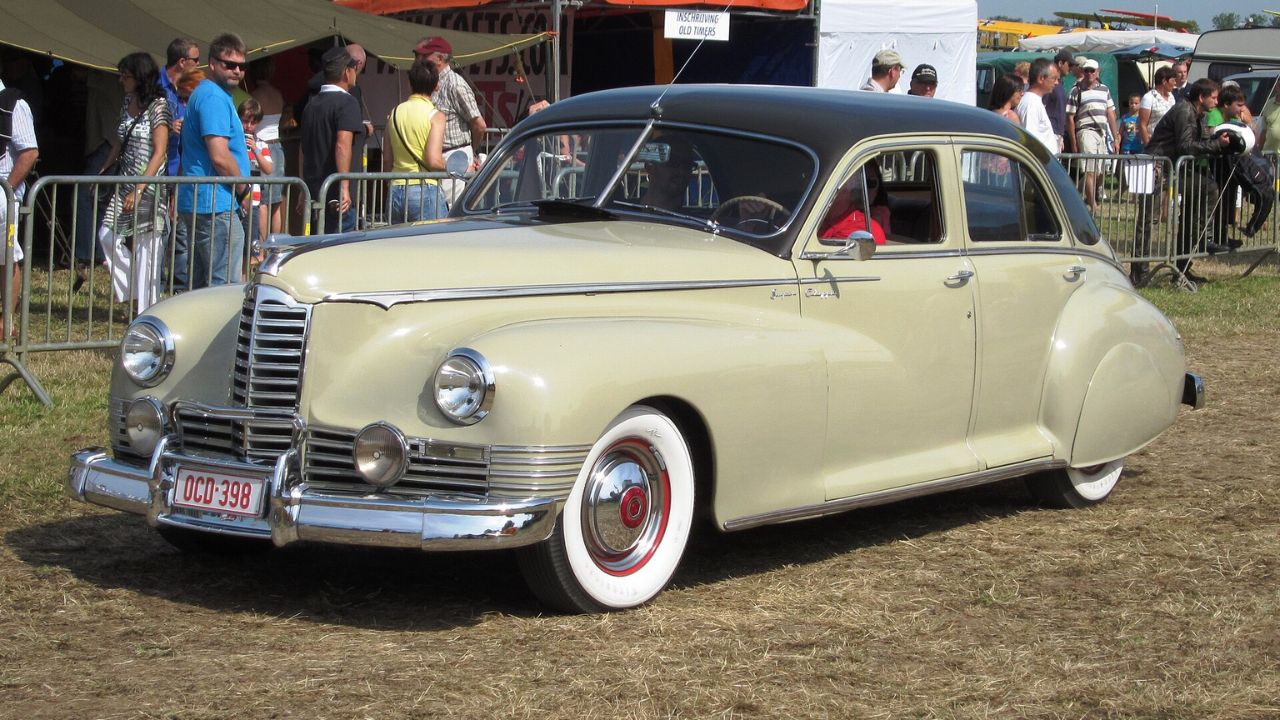
The Clipper Super showcased Packard’s streamlined postwar design while retaining the company’s smooth straight-eight power. Its lower, wider proportions gave it a modern appearance when new, and its mechanical character remains appealing today. Many examples disappeared through decades of ordinary use. A well-preserved Clipper Super is now an attractive addition to collections focused on significant American designs.
Packard Hawk
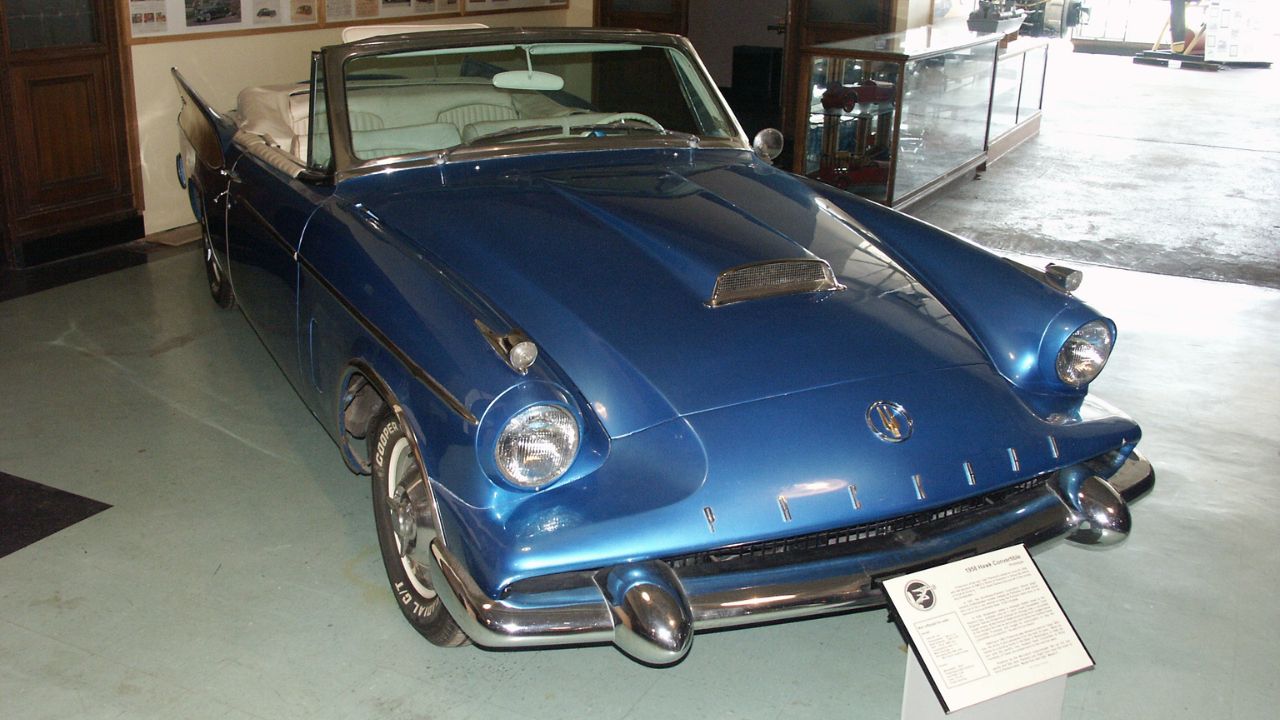
The Packard Hawk was one of the final attempts to keep the Packard name associated with performance. Its Studebaker Hawk foundation was upgraded with Packard styling and a powerful V8. Only a limited number were produced, and surviving examples are increasingly difficult to encounter. Collectors who dismissed them as an awkward final chapter may now appreciate their rarity and historical importance.
Packard Patrician
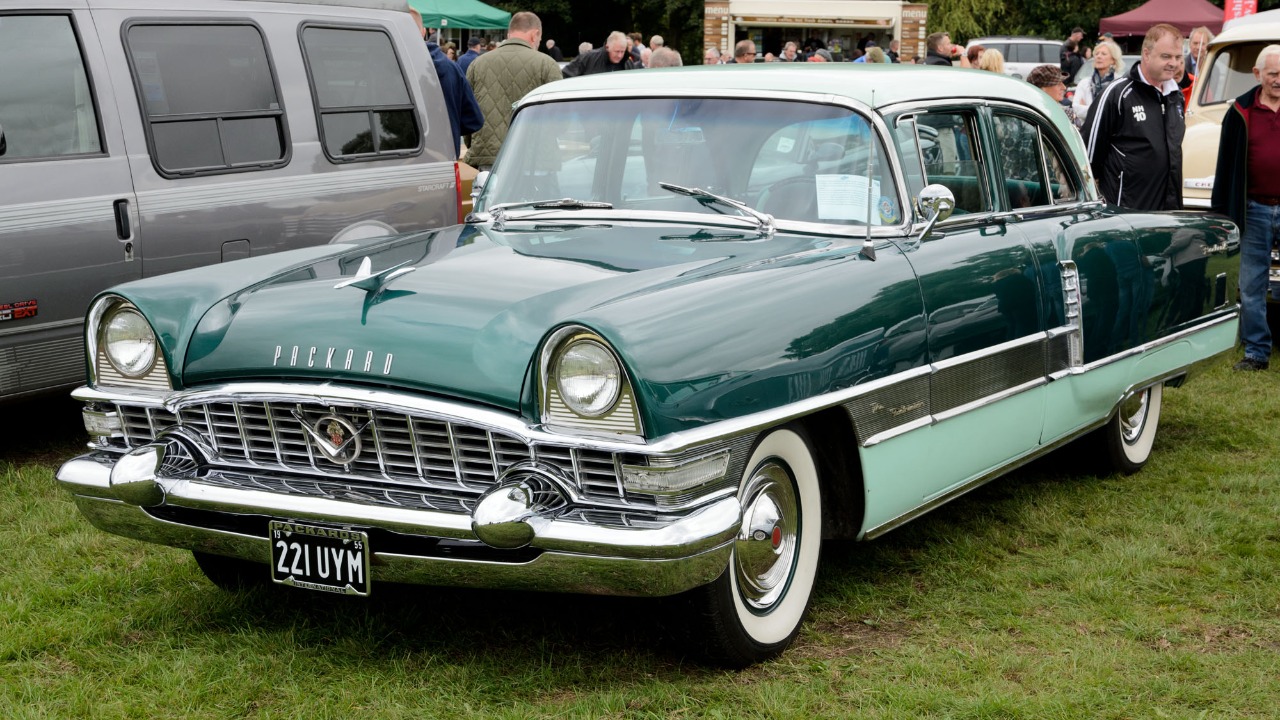
The Patrician represented Packard’s upper-level sedan lineup during the company’s difficult postwar years. It combined a powerful engine with substantial luxury and distinctive styling. While less glamorous than a Caribbean, good examples are becoming increasingly scarce. Collectors looking for historically significant American luxury cars may find the Patrician especially appealing because it represents the final era of Packard’s independent identity.
More from Fast Lane Only
- Unboxing the WWII Jeep in a Crate
- 15 rare Chevys collectors are quietly buying
- 10 underrated V8s still worth hunting down
- Police notice this before you even roll window down
*Research for this article included AI assistance, with all final content reviewed by human editors