Detroit has long been the heart of the American automotive industry, and its performance cars have played a pivotal role in defining what horsepower means. From the birth of the pony car to the evolution of muscle and sports cars, each of these iconic models has significantly influenced automotive engineering and design.
The Ford Mustang: The Birth of the Pony Car

The Ford Mustang debuted in 1964 and instantly became a cultural phenomenon. It was the first car to create the “pony car” segment, combining sporty performance with affordability. With its sleek design and powerful engine options, including the legendary 289 cubic-inch V8, the Mustang appealed to a broad audience. It was not just about speed; it also represented freedom and youthful exuberance. The Mustang’s success led to a wave of competitors, inspiring automakers to innovate and create their own versions of the pony car.
Over the years, the Mustang has evolved, introducing models like the Boss 302 in 1969 and the Shelby GT350. Each iteration has brought advancements in technology and performance, solidifying its status as an American icon. Its influence is evident in the continued popularity of the pony car segment, a testament to the Mustang’s enduring legacy in the automotive world.
The Chevrolet Corvette: American Sports Car Icon
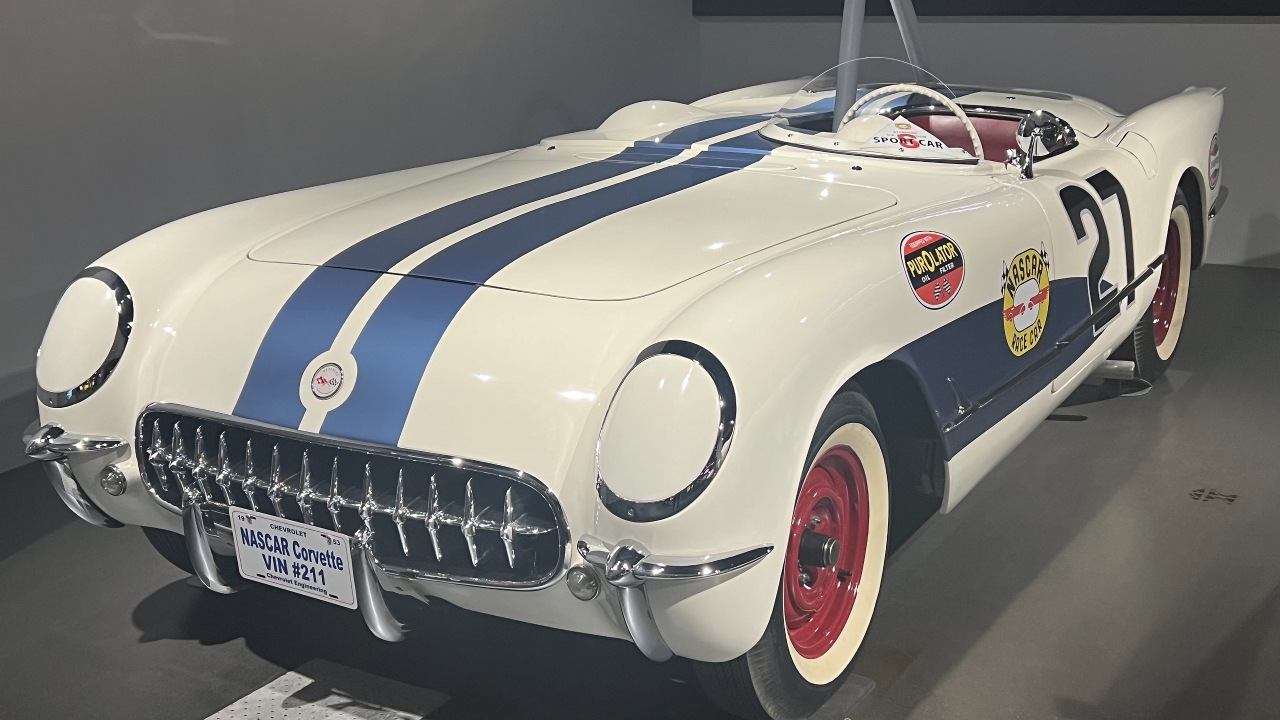
The Chevrolet Corvette, introduced in 1953, has long been regarded as the quintessential American sports car. With its lightweight fiberglass body and powerful V8 engine, the Corvette established a new benchmark for performance. The combination of cutting-edge engineering and sleek aesthetics set it apart from its contemporaries. Over the decades, models like the C2 Sting Ray and the C7 Z06 have showcased the Corvette’s ability to adapt and thrive in an ever-evolving market.
Moreover, the Corvette is often celebrated for its role in motorsports, securing numerous victories in events like the 24 Hours of Le Mans. The dedication to performance and innovation is further exemplified by the involvement of women in its production, as detailed in this article. As a result, the Corvette remains a benchmark against which other sports cars are measured.
The Dodge Charger: Muscle Car Revolution
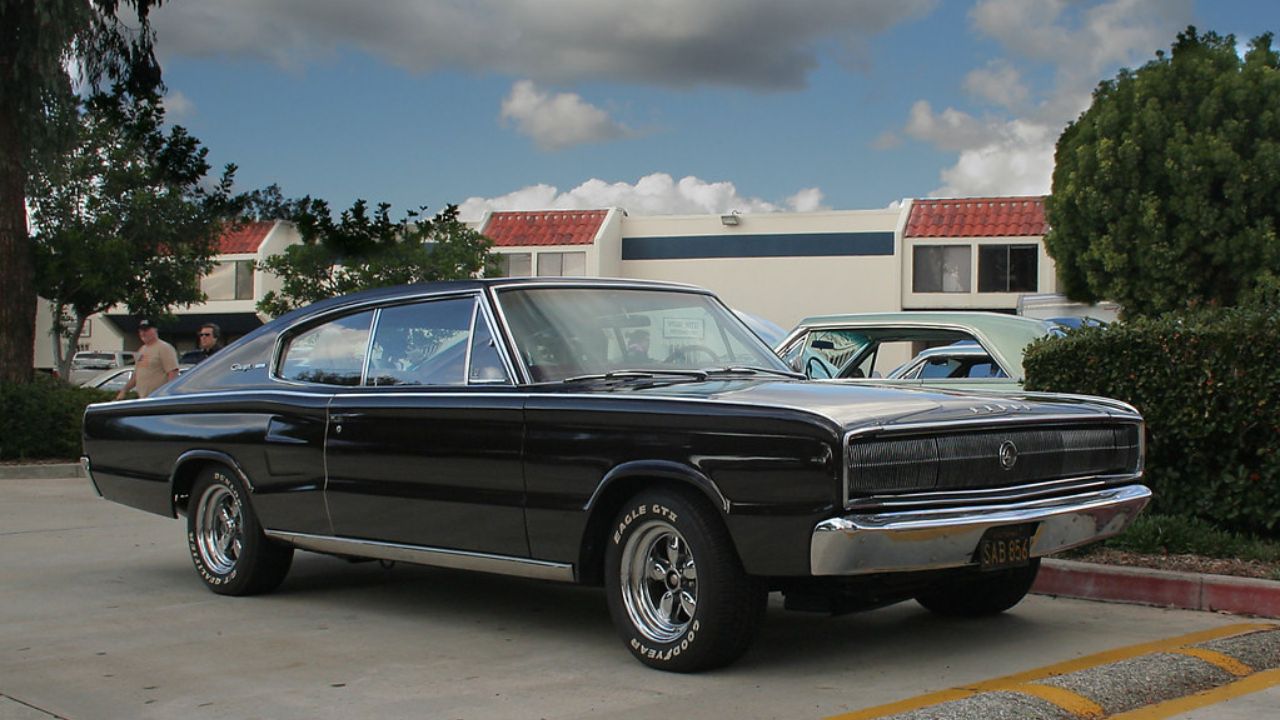
Launched in 1966, the Dodge Charger quickly became synonymous with the muscle car era. Its bold styling and powerful engine options, including the iconic 426 HEMI V8, transformed it into a symbol of raw American power. The Charger’s performance and aggressive design appealed to a generation eager for speed and excitement, leading to its status as a pop culture icon, particularly in films like “Bullitt” and “The Fast and the Furious”.
The Charger has undergone various transformations, but it has maintained its essence as a performance-oriented vehicle. The modern iterations combine advanced technology with classic design elements, showcasing its ability to resonate with both new and loyal fans. The Charger’s enduring legacy is a foundation of the muscle car revolution that continues to influence automotive design today.
The Pontiac GTO: The Original Muscle Car
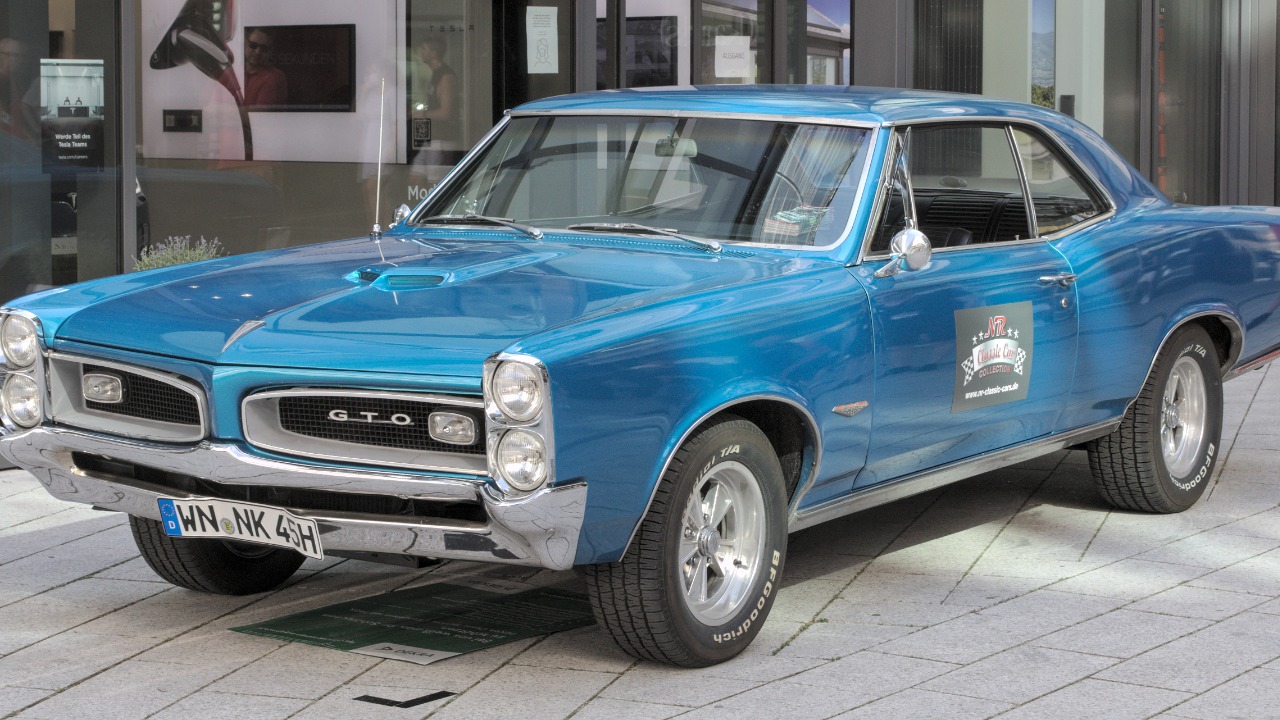
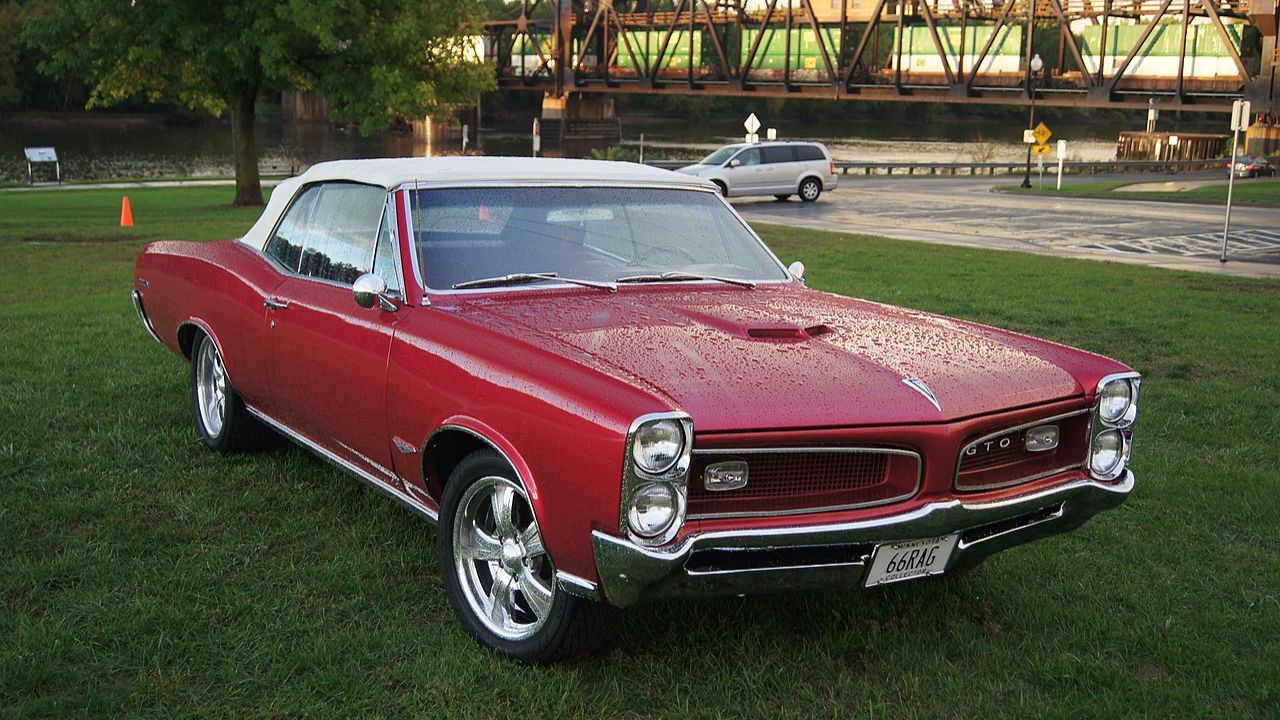
Often hailed as the original muscle car, the Pontiac GTO made its debut in 1964, setting the stage for a new era of performance vehicles. Its combination of a lightweight body and a powerful 389 cubic-inch V8 engine created a recipe for speed that captivated enthusiasts. The GTO’s success sparked a trend among manufacturers to produce high-performance variants of their sedans, effectively changing the landscape of American automotive culture.
The GTO’s influence can still be seen in modern muscle cars, as its formula of power and style has become a standard. Enthusiasts celebrate the GTO not just for its performance but also for its role in defining a generation of car lovers. The legacy of the GTO is a cornerstone of what would eventually develop into a full-fledged muscle car culture.
The Chevrolet Camaro: The Fierce Rival
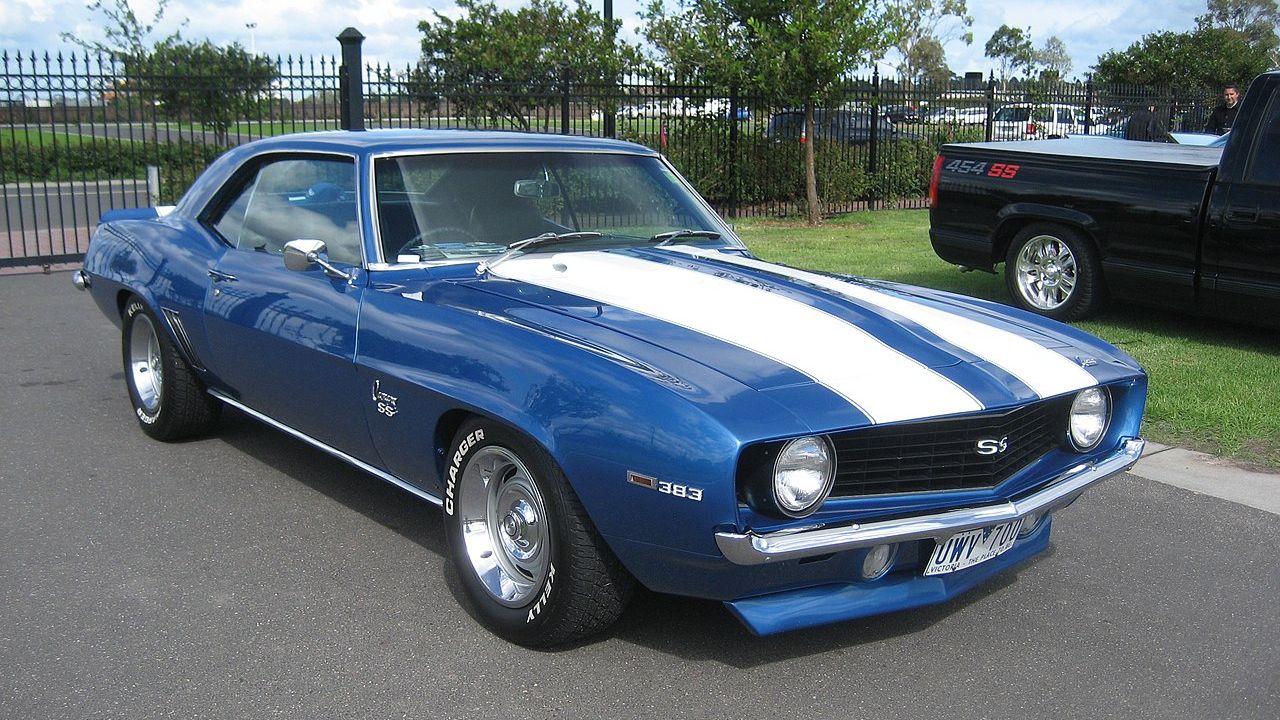
Introduced in 1966 as Chevrolet’s response to the Mustang, the Camaro quickly established itself as a fierce competitor in the pony car segment. Available with a range of powerful engines, including the 396 cubic-inch V8, the Camaro delivered exhilarating performance that appealed to a generation of speed enthusiasts. Its aggressive styling and customizable options allowed buyers to tailor their vehicles to their preferences, further enhancing its allure.
The Camaro’s success not only solidified its place in automotive history but also pushed other manufacturers to innovate. The ongoing rivalry between the Camaro and Mustang has fostered advancements in technology and performance, ensuring that both models remain relevant in today’s evolving market. With each new generation, the Camaro continues to embody the spirit of American performance.
The Ford F-150 Raptor: Performance Meets Utility
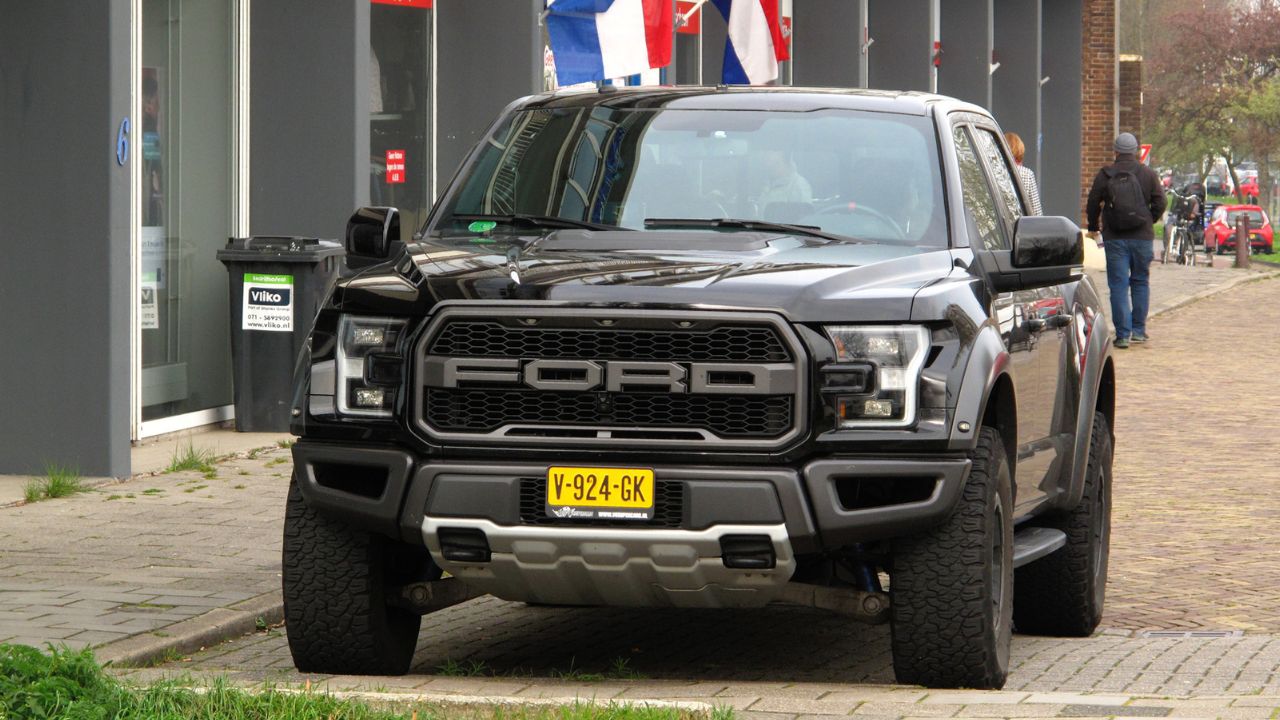
The Ford F-150 Raptor, first introduced in 2010, redefined the pickup truck segment by combining off-road capability with high-performance features. Equipped with a powerful twin-turbo V6 engine, the Raptor is designed to conquer rugged terrains while providing an exhilarating driving experience. Its aggressive styling and advanced suspension system make it a standout in both urban and off-road environments.
The Raptor’s success illustrates how performance can be integrated into practical vehicles, challenging the perception of what a truck can be. This model has inspired other manufacturers to develop performance-oriented trucks, resulting in a new category that balances utility and excitement. The Raptor demonstrates that horsepower isn’t just for sports cars; it can also thrive in the world of trucks.
The Dodge Viper: Uncompromising Power and Style

Launched in 1992, the Dodge Viper took the American sports car scene by storm with its striking design and ferocious performance. With an 8.0-liter V10 engine producing over 400 horsepower, the Viper was all about raw power and minimal electronic aids. This combination created a visceral driving experience that appealed to purists and performance enthusiasts alike, making it a legendary figure in automotive history.
The Viper’s design, characterized by its long hood and wide stance, turned heads on the road and at racetracks. Its racing pedigree, showcased in various competitions, further cemented its status as an icon. Although production ended in 2017, the Viper remains a symbol of unfiltered power and a benchmark for American performance vehicles.
The Chevrolet Silverado: Redefining Performance Trucks
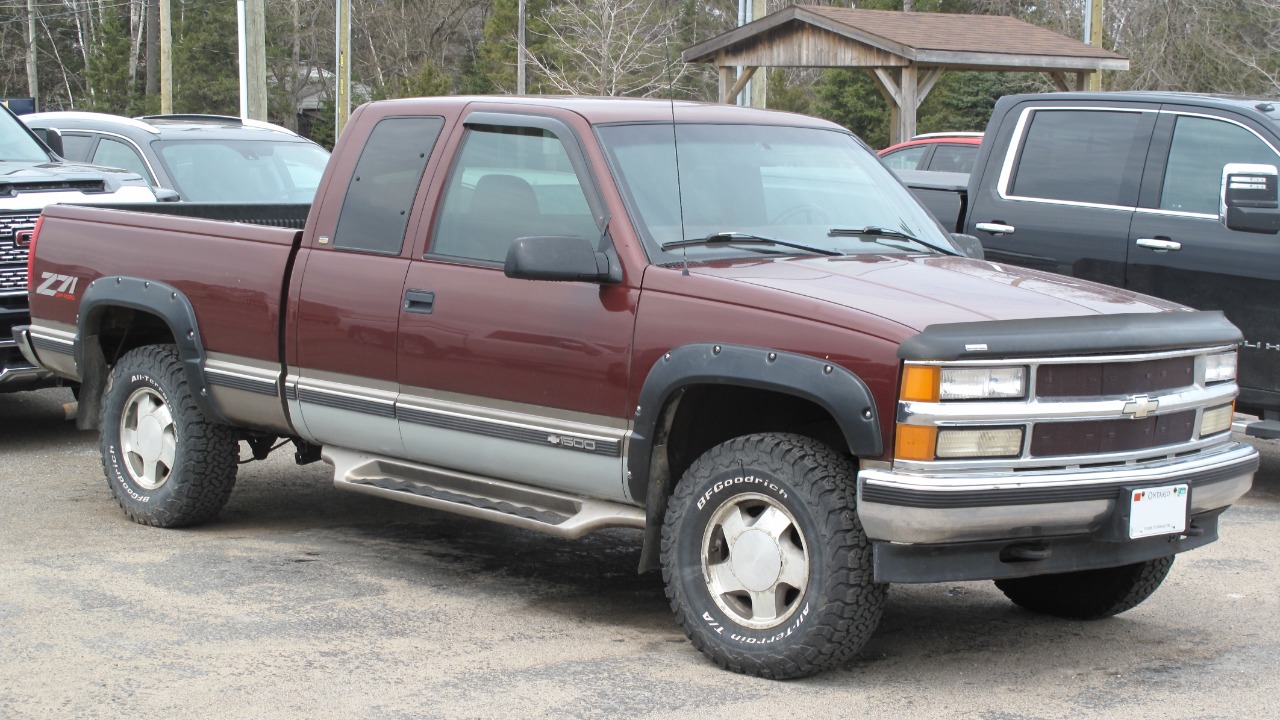
The Chevrolet Silverado has long been a staple in the pickup truck market, but recent generations have redefined its performance capabilities. With powerful engine options, including the 6.2-liter V8, the Silverado combines towing capacity with speed, offering an impressive driving experience that transcends traditional truck performance. The introduction of performance-focused trims, such as the RST, showcases Chevrolet’s commitment to meeting the needs of modern drivers.
As the demand for performance trucks has increased, the Silverado has adapted by incorporating advanced technology and features that enhance both performance and comfort. This evolution reflects a broader trend in the automotive industry, where utility and performance are no longer mutually exclusive. The Silverado exemplifies how a traditional truck can evolve to meet the desires of today’s performance-oriented consumers.
More from Fast Lane Only