Throughout automotive history, a number of vehicles have demonstrated that simple engineering principles can lead to remarkable success. These cars, built on the foundations of reliability, affordability, and practicality, have shaped the industry and remain beloved by consumers. Here are ten vehicles that exemplify how straightforward design can create lasting impact.
Ford Model T: The Birth of Mass Production
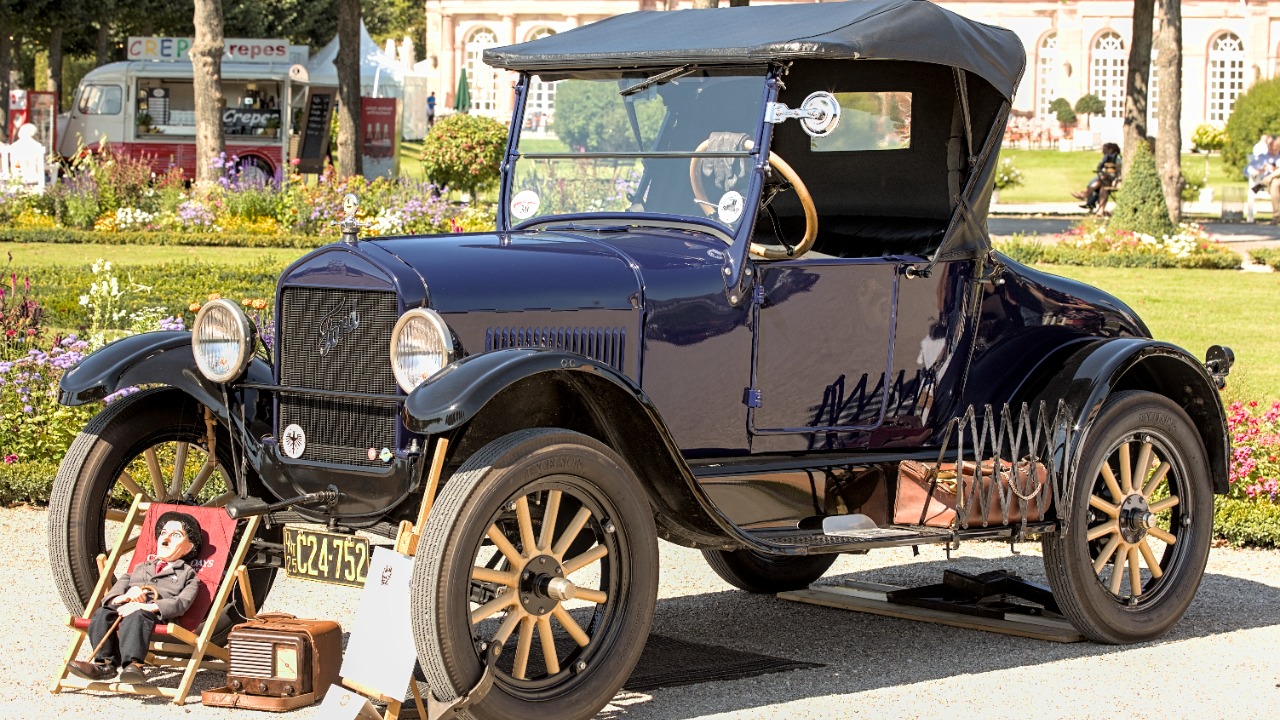
The Ford Model T, introduced in 1908, revolutionized the automotive industry by making cars affordable for the average American. Its assembly line production method significantly reduced manufacturing time and costs, allowing Ford to sell the vehicle at a price point within reach of many households. The Model T was designed with simplicity in mind, featuring a lightweight structure and minimalistic mechanics that made it easy to repair and maintain. This practical approach not only democratized car ownership but also set a precedent for mass production that other manufacturers would follow for decades.
One of the most significant contributions of the Model T was its ability to adapt to various terrains, making it a versatile choice for early drivers. Its rugged construction allowed it to traverse rural roads and rough landscapes, further establishing its appeal. The lasting legacy of the Ford Model T can be seen in the continued emphasis on efficient production techniques in the automotive sector, which is still relevant today. For more information on its impact, check out this resource.
Volkswagen Beetle: Timeless Design and Affordability
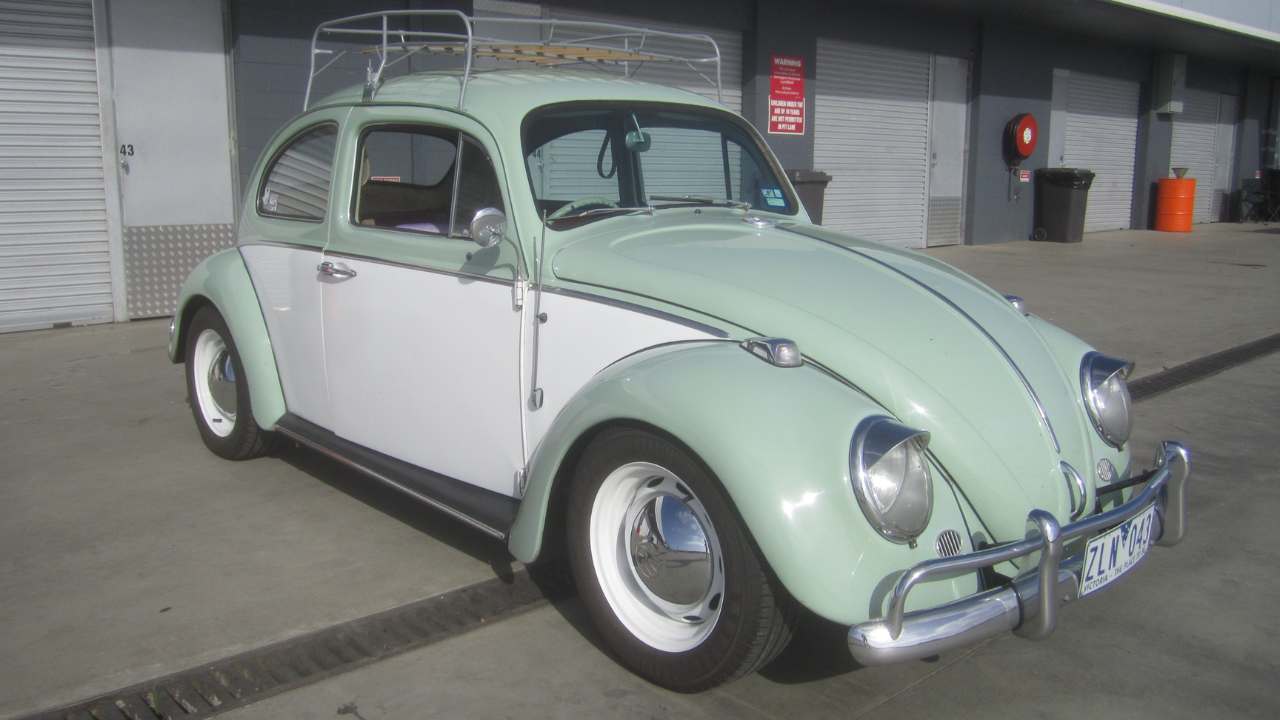
Launched in 1938, the Volkswagen Beetle is a prime example of how simplicity in design can lead to enduring popularity. Its iconic shape, characterized by rounded edges and a compact frame, was not just aesthetically pleasing but also practical for urban environments. The Beetle was engineered for efficiency, featuring an air-cooled engine that reduced complexity and maintenance costs. This focus on straightforward engineering made it an accessible option for consumers worldwide.
The Beetle’s robust construction and reliability contributed to its reputation as a car that could stand the test of time. Over its production run, which lasted several decades, millions of units were sold, making it one of the best-selling cars in history. Its unique design and engineering philosophy have influenced countless vehicles since, and its legacy continues to be celebrated. For more insights into its simplicity, visit this link.
Honda Civic: Reliability Meets Efficiency
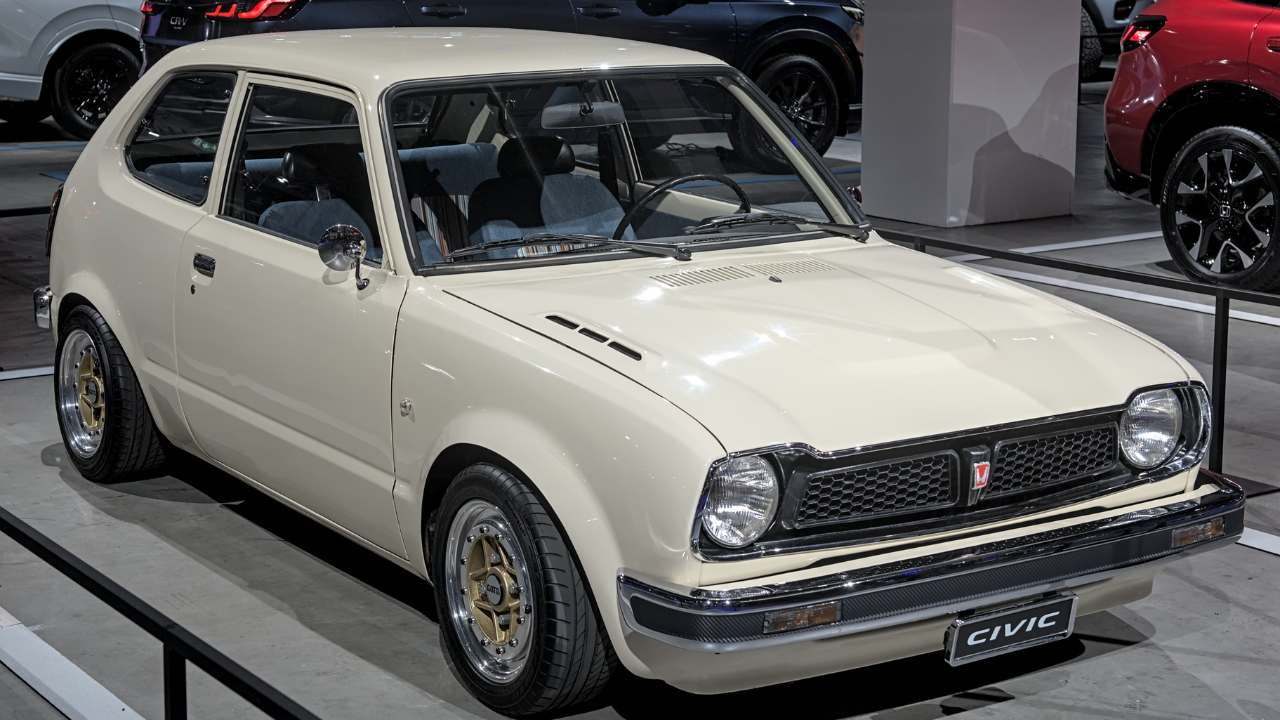
Since its debut in 1972, the Honda Civic has become synonymous with reliability and fuel efficiency. Designed as a compact car, it has consistently offered a straightforward driving experience without unnecessary frills. The Civic’s engineering emphasizes practicality, featuring a simple yet efficient four-cylinder engine that strikes a balance between performance and economy. This focus on essential features has contributed to its reputation as a dependable vehicle.
Over the years, the Honda Civic has evolved, incorporating modern technologies while maintaining its core values. Its straightforward design and engineering have made it a popular choice among consumers seeking an economical and reliable mode of transportation. The Civic has garnered numerous awards for safety and satisfaction, solidifying its place as one of the most trusted vehicles on the market. To learn more about its engineering excellence, refer to this article.
Jeep Wrangler: Rugged Simplicity for Off-Road Adventures

The Jeep Wrangler has long been celebrated for its rugged design and off-road capabilities. Since its introduction in 1986, the Wrangler has remained true to its roots, showcasing simple engineering that prioritizes functionality. Its body-on-frame construction provides durability, while its four-wheel-drive system ensures excellent traction on various terrains. This straightforward approach to design has made the Wrangler a favorite among outdoor enthusiasts and adventurers.
The Wrangler’s modular design allows for easy customization, making it adaptable to the needs of its drivers. Its high ground clearance and short wheelbase enhance maneuverability, enabling it to tackle challenging off-road conditions. The vehicle’s no-nonsense engineering has fostered a loyal following, with many fans appreciating its ability to provide a thrilling driving experience without excessive complexity. More on its legacy can be found in this resource.
Toyota Corolla: The Champion of Dependability
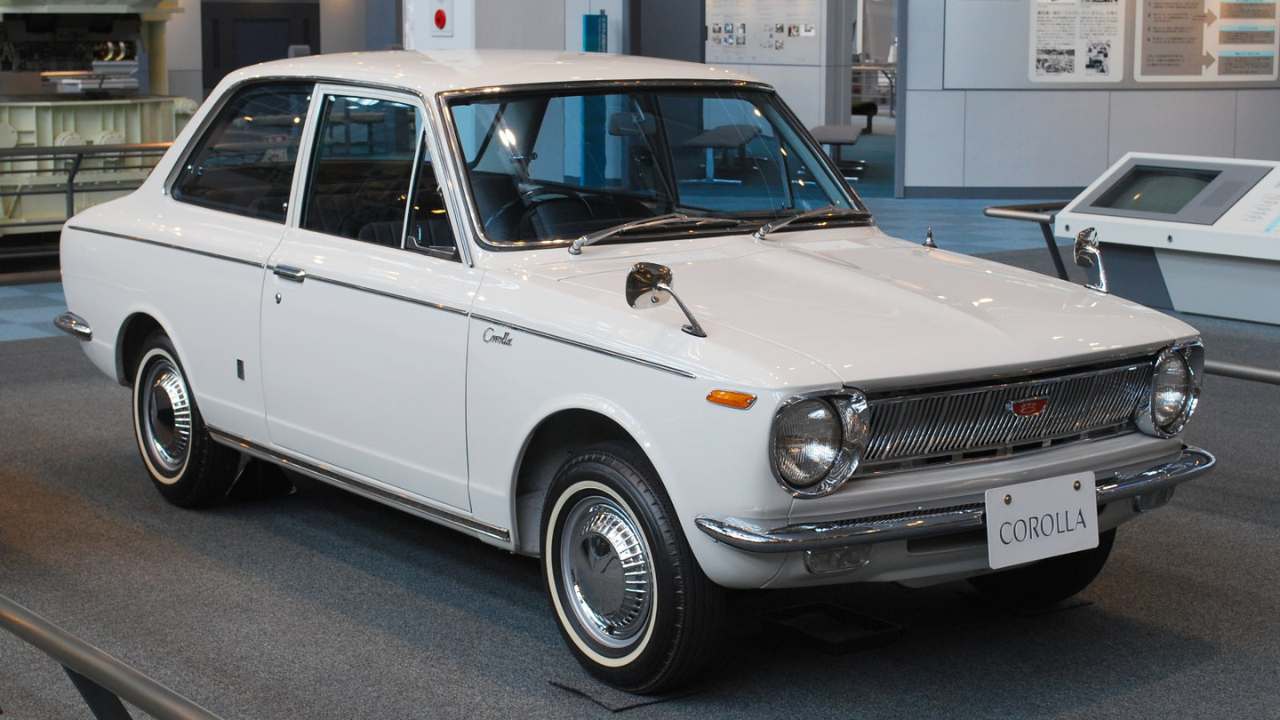
First introduced in 1966, the Toyota Corolla has earned a reputation for being one of the most dependable vehicles on the market. Its straightforward engineering, characterized by a reliable four-cylinder engine and efficient design, has made it a favorite among consumers seeking a no-frills, practical car. The Corolla’s emphasis on reliability has led to an impressive track record of longevity, with many owners enjoying their vehicles for well over a decade.
The Corolla’s simple design is complemented by its fuel efficiency, making it an economical choice for daily commuting. Over the years, it has evolved to include modern technologies while retaining its core attributes of reliability and affordability. The Toyota Corolla continues to be a top-selling vehicle globally, demonstrating that a focus on essential features can lead to widespread consumer satisfaction.
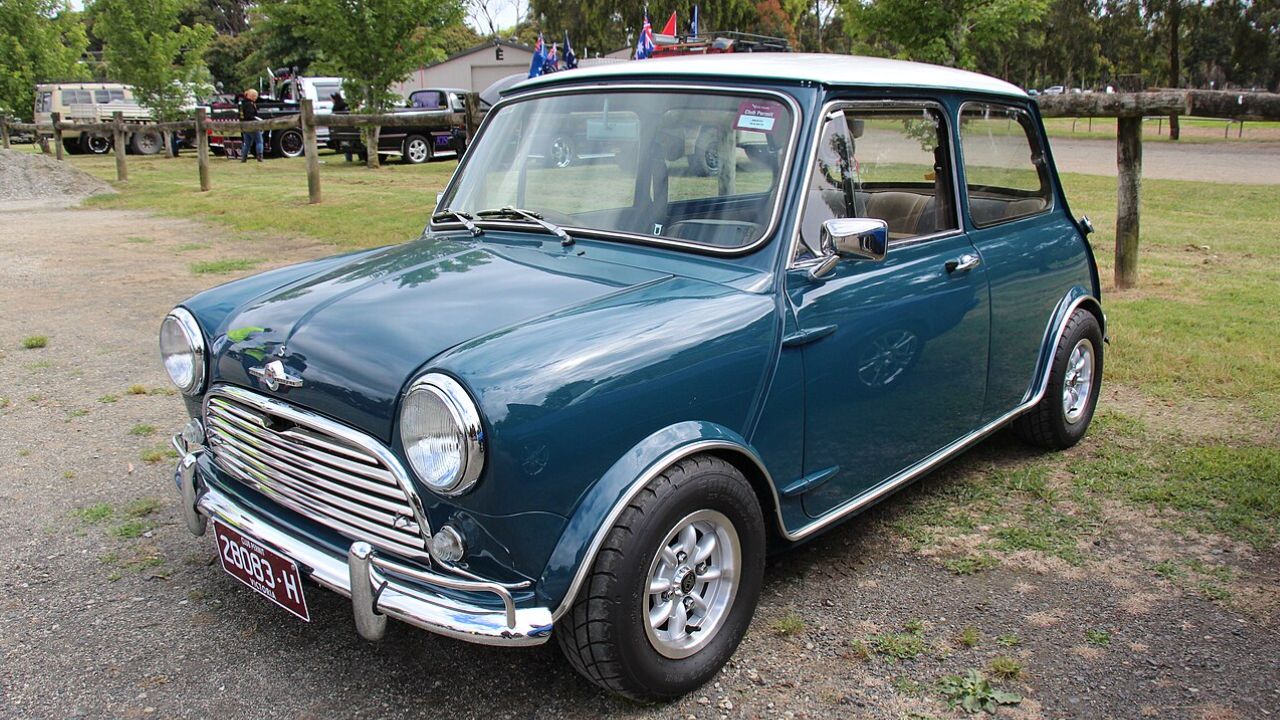
Mini Cooper: Compact Ingenuity and Fun
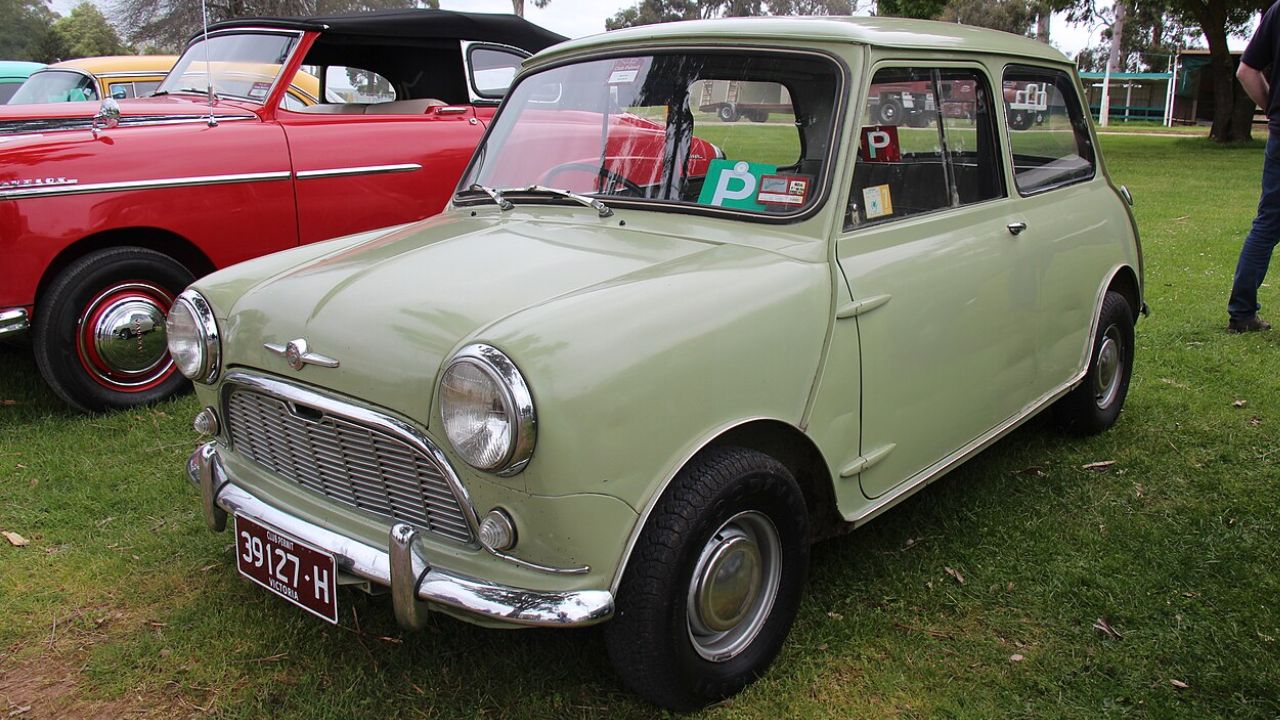
The Mini Cooper, originally launched in 1961, is a testament to the effectiveness of compact design and efficient engineering. Its small stature allows for nimble handling and easy parking in urban environments, while its design is both iconic and playful. The car’s engineering emphasizes simplicity, with a straightforward front-wheel-drive layout that enhances driving dynamics and fuel efficiency.
The Mini Cooper has also embraced modern technology while maintaining its charm, offering a fun driving experience that appeals to a wide audience. Its distinctive design has earned it a place in popular culture, making it not just a car, but a symbol of style and personality. The blend of compactness and ingenuity continues to captivate drivers, proving that simplicity can indeed be exciting.
Subaru Outback: Versatility with Practical Features
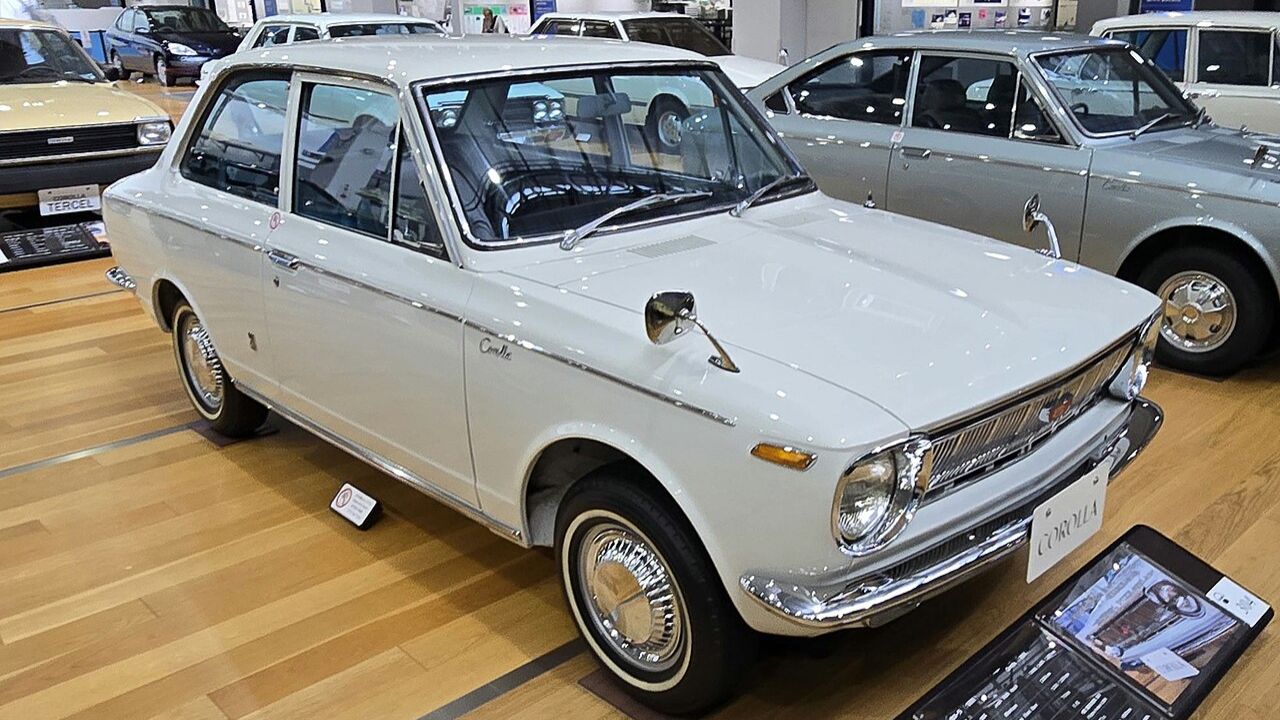
The Subaru Outback has carved out a niche for itself as a versatile vehicle, combining the features of a wagon and an SUV. Since its introduction in 1994, the Outback has been engineered for practicality, offering all-wheel drive as a standard feature. This simple yet effective engineering choice enhances traction and stability, making it suitable for a variety of driving conditions, from snowy roads to rugged trails.
With its spacious interior and ample cargo space, the Outback is designed for families and outdoor enthusiasts alike. The straightforward layout of controls and features ensures that drivers can focus on the road without unnecessary distractions. Subaru’s commitment to safety and reliability has solidified the Outback’s reputation as a dependable choice for those seeking adventure without compromising on comfort.
Morris Minor: Affordable Classic with Character
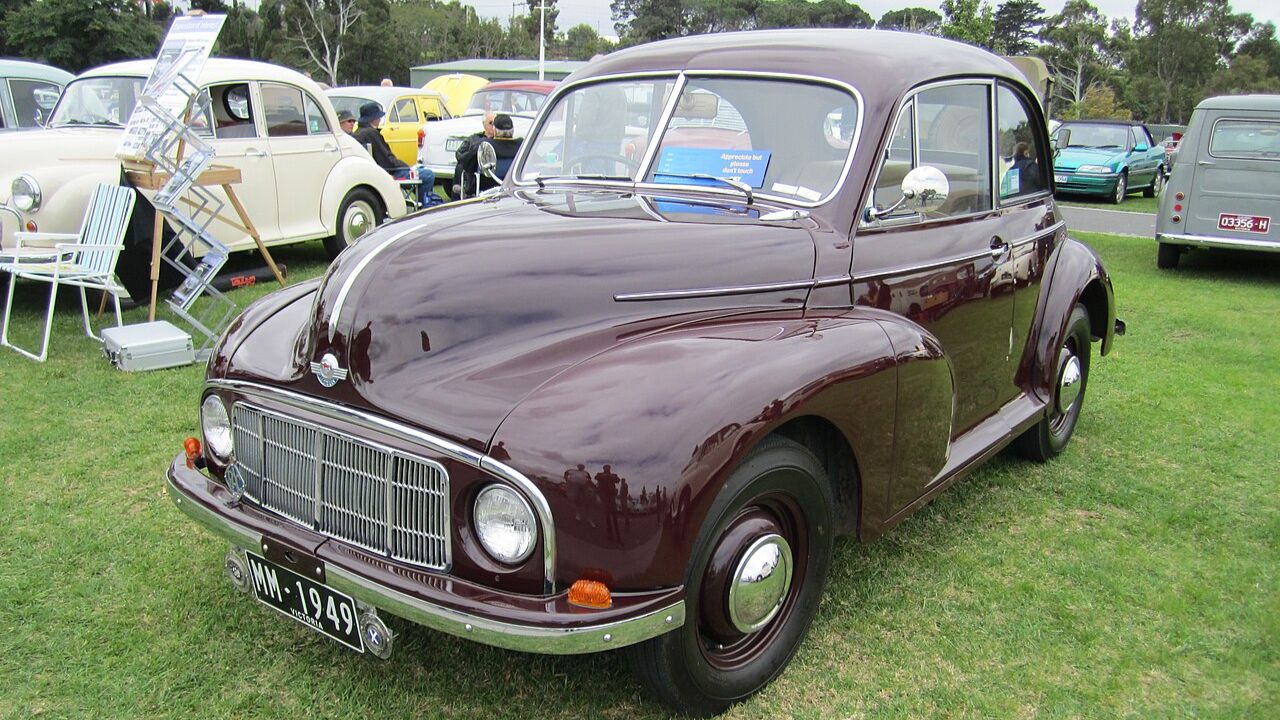
The Morris Minor, produced from 1948 to 1971, is an example of how simple engineering can create a beloved classic. Its charming design, featuring rounded edges and a compact frame, made it an appealing option for post-war consumers in the UK. The Minor was engineered with cost-effectiveness in mind, featuring straightforward mechanics that made it easy to manufacture and maintain.
With its affordable price point, the Morris Minor became a staple of British motoring culture. Its practical features, such as ample trunk space and comfortable seating, contributed to its popularity among families. Today, the Morris Minor is celebrated for its character and simplicity, reminding automotive enthusiasts that even the most basic designs can leave a lasting impression.
Chevrolet Silverado: Workhorse with Proven Durability

Since its debut in 1998, the Chevrolet Silverado has established itself as a reliable workhorse in the pickup truck segment. Its straightforward engineering emphasizes durability, with a robust frame and a powerful engine lineup designed for heavy-duty tasks. The Silverado is built to withstand the rigors of daily use, making it a preferred choice for both professionals and everyday drivers.
The design of the Silverado prioritizes functionality, featuring a spacious interior and versatile cargo options. Its ability to tow heavy loads and navigate challenging terrain underscores its practicality. Over the years, the Silverado has garnered a loyal following, thanks to its reputation for reliability and performance. The continued success of the Silverado exemplifies how simple, effective engineering can meet the needs of a diverse range of consumers.
Tesla Model 3: Minimalist Approach to Electric Vehicles

The Tesla Model 3, introduced in 2017, represents a shift towards electric vehicles with a focus on simplicity and efficiency. Its minimalist design features a clean interior layout dominated by a central touchscreen, eliminating the clutter of traditional buttons and controls. This straightforward approach not only enhances the driving experience but also reflects Tesla’s commitment to innovation.
The Model 3’s engineering emphasizes performance and range, with a powerful electric motor and advanced battery technology that allows it to compete with traditional gasoline vehicles. Its design prioritizes aerodynamics, contributing to energy efficiency and overall driving range. As a result, the Model 3 has become a symbol of the electric vehicle movement, illustrating that simplicity in engineering can lead to significant advancements in sustainability.
More from Fast Lane Only