Muscle cars have always held a special place in the hearts of automotive enthusiasts, especially those rare models that ignite fierce discussions among serious collectors. These vehicles not only represent a unique blend of power and style but also often come with fascinating histories that add to their allure. From limited production runs to legendary performance figures, these muscle cars are the crown jewels of any collection.
The 1970 Plymouth Hemi ‘Cuda
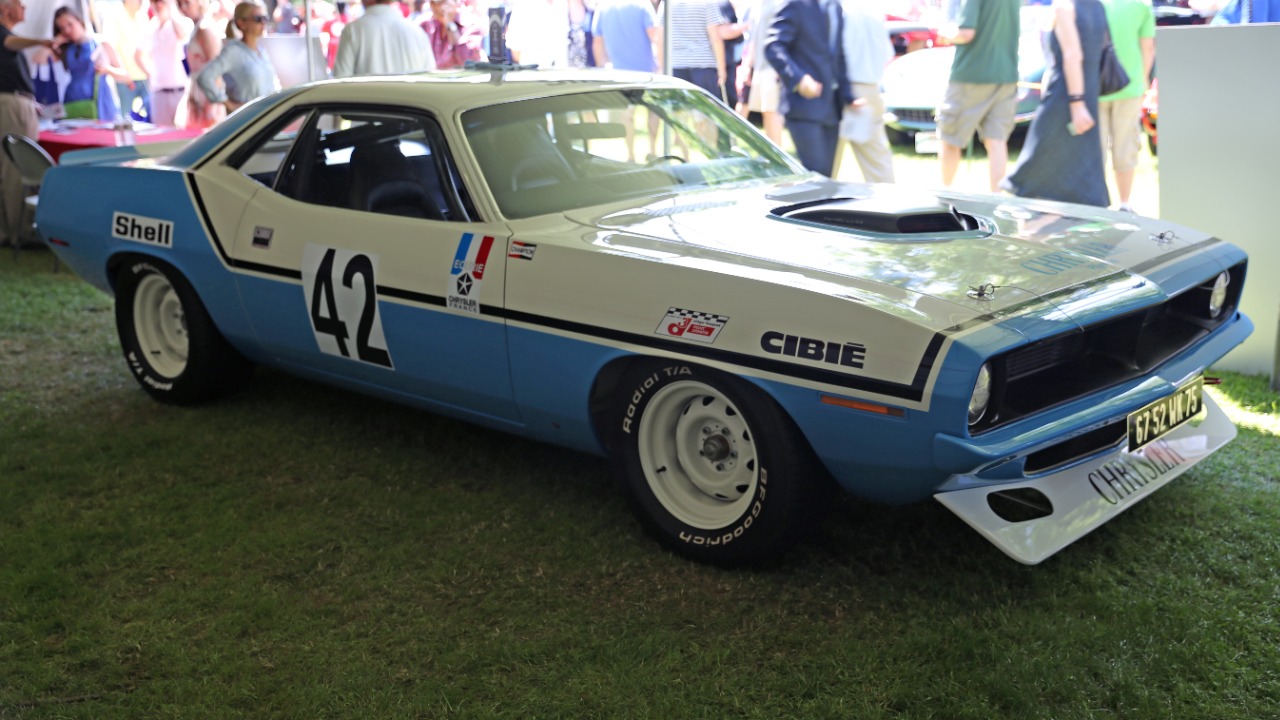
The 1970 Plymouth Hemi ‘Cuda is often regarded as one of the ultimate muscle cars, showcasing a powerful 426 Hemi V8 engine that delivers a staggering 425 horsepower. Only 14 units were produced with this engine, making it incredibly rare and highly sought after. The ‘Cuda’s aggressive styling, featuring wide body lines and a distinctive grille, has made it an icon of the muscle car era. Collectors are drawn not just to its performance but also to its striking looks, often opting for the eye-catching Plum Crazy paint color.
In recent years, the value of the Hemi ‘Cuda has skyrocketed, with some models fetching over $3 million at auction. The rarity and performance of this vehicle are discussed extensively on platforms like Quora. Enthusiasts appreciate not only the raw power but also the engineering that went into making such a formidable machine. It’s no wonder that the Hemi ‘Cuda remains a dream car for many collectors.
The 1969 Chevrolet Camaro ZL1
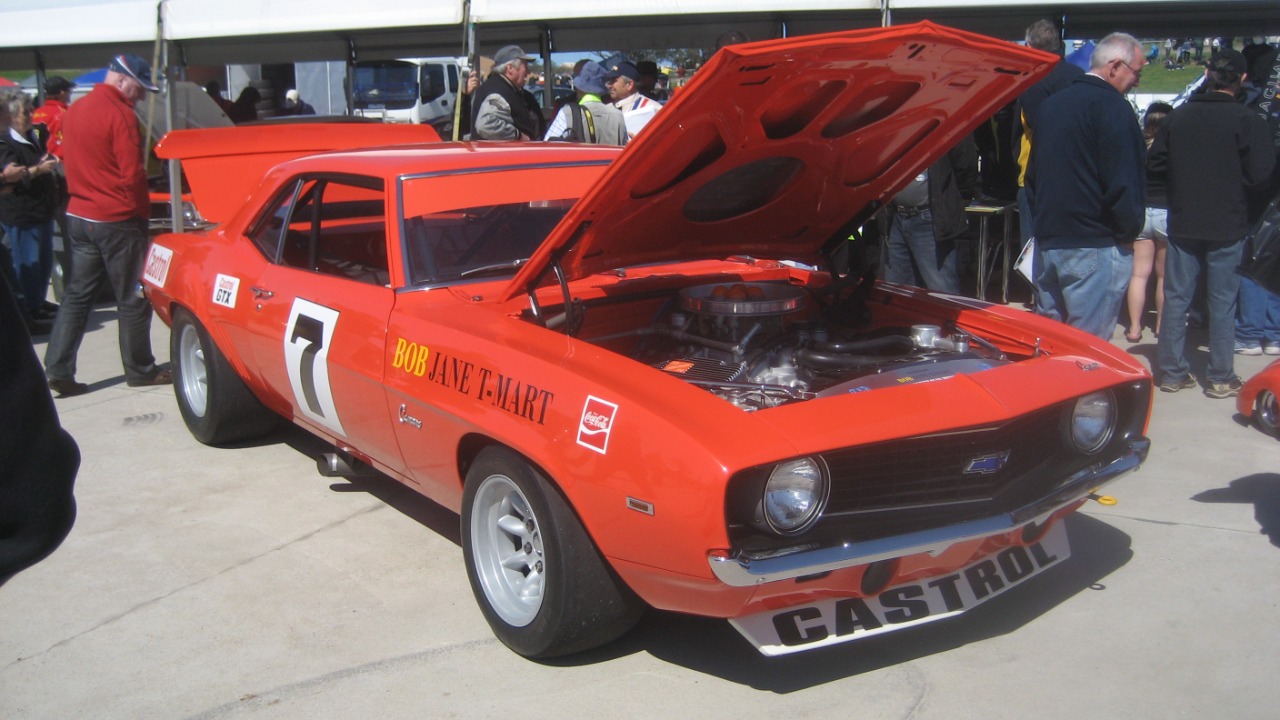
The 1969 Chevrolet Camaro ZL1 is another powerhouse that often flies under the radar compared to its more famous contemporaries. With only 69 units produced, this car is a rare find, featuring a 427 cubic-inch engine that churns out an impressive 430 horsepower. Known for its lightweight aluminum block, the ZL1 was designed for drag racing but retains a level of street usability that keeps collectors interested. It’s a piece of Chevrolet history that exemplifies the brand’s commitment to performance.
The ZL1’s unique blend of rarity and performance makes it a hot topic among collectors, with values often exceeding $1 million at auctions. The car’s racing pedigree is highlighted in various collector circles, showcasing its legacy in the muscle car domain. For those looking to delve deeper into this muscle car’s history, resources like Google Books provide valuable insights into its impact on automotive culture.
The 1971 Jaguar E-Type 4.2
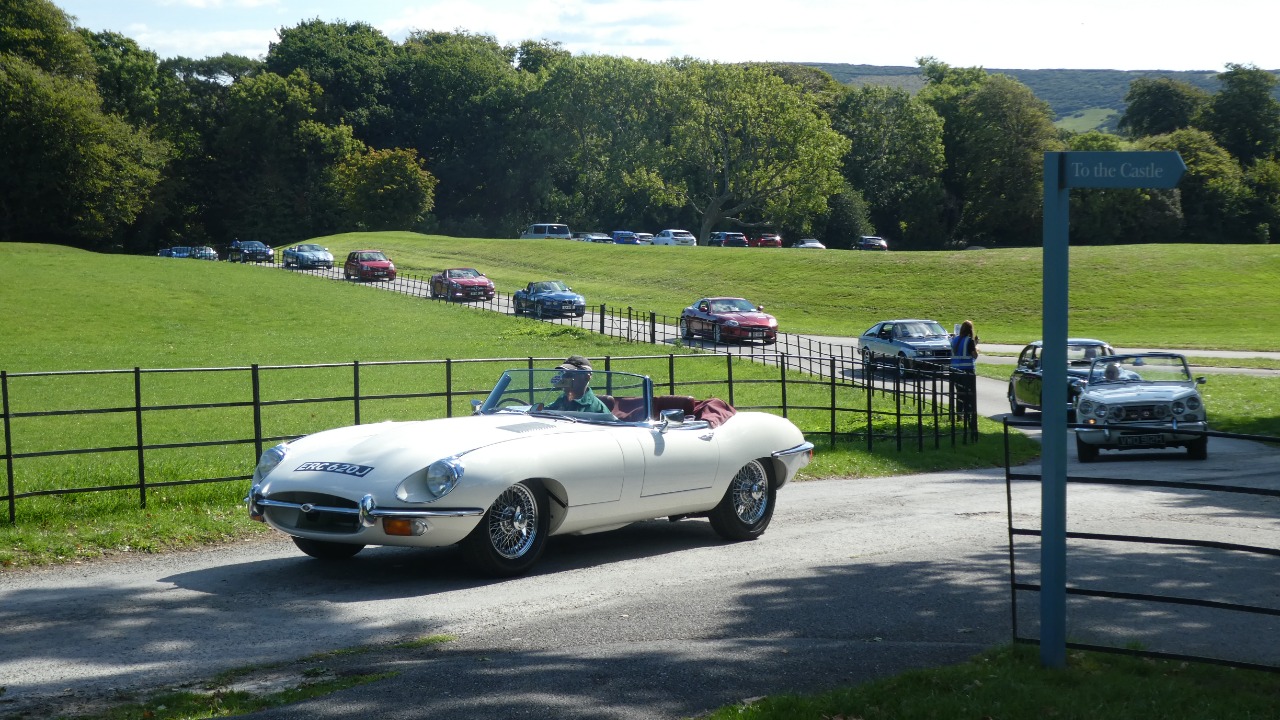
The 1971 Jaguar E-Type 4.2, while often associated with sports cars, has its rightful place in the muscle car discussion due to its impressive performance figures and striking design. Equipped with a 4.2-liter inline-six engine producing 246 horsepower, the E-Type offers a blend of speed and elegance that few cars can match. Its sleek lines and distinctive curves have made it a head-turner, earning it a spot in the hearts of collectors and automotive enthusiasts alike.
What sets the 1971 model apart is its combination of classic British style with the muscle car ethos of raw power. Collectors value these cars not just for their performance but also for their rarity, as fewer than 18,000 units were produced during its run. The E-Type’s place in automotive history is well-documented, and it often appears in discussions about the most influential cars of its time. For more details on its significance, check out the detailed analysis available on JSTOR.
The 1970 Ford Mustang Boss 429

The 1970 Ford Mustang Boss 429 is a true legend in the muscle car world, known for its rarity and powerful engine. Only 1,359 units were produced, each equipped with a massive 429 cubic-inch V8 engine that generates around 375 horsepower. Initially designed for NASCAR, the Boss 429 was engineered to meet racing requirements, which adds to its appeal among collectors. Its aggressive styling, featuring a distinctive hood scoop and wide stance, further enhances its desirability.
The Mustang’s racing heritage contributes to its high auction values, often exceeding $1 million for pristine models. As a result, discussions about the Boss 429 are common among serious collectors, who appreciate its historical significance and performance capabilities. Resources like Yahoo Autos often highlight the Boss 429’s place in muscle car history, making it a must-know for any enthusiast.
The 1966 Shelby GT350
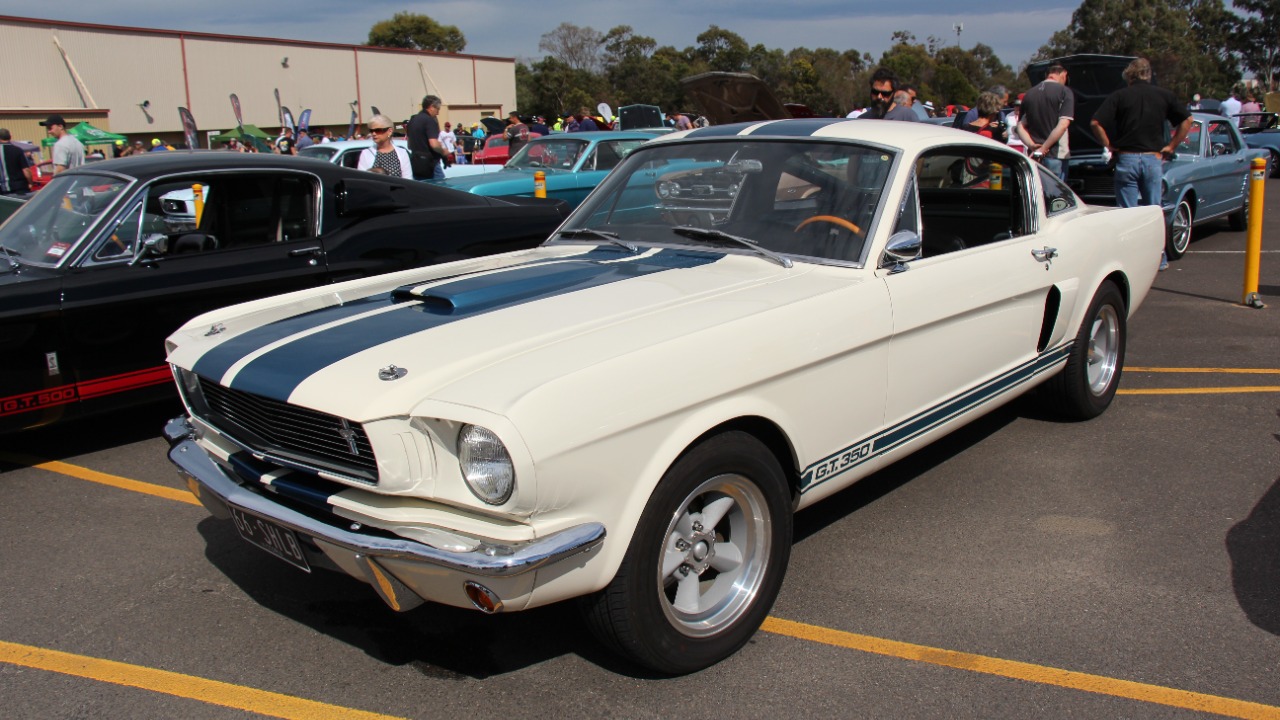
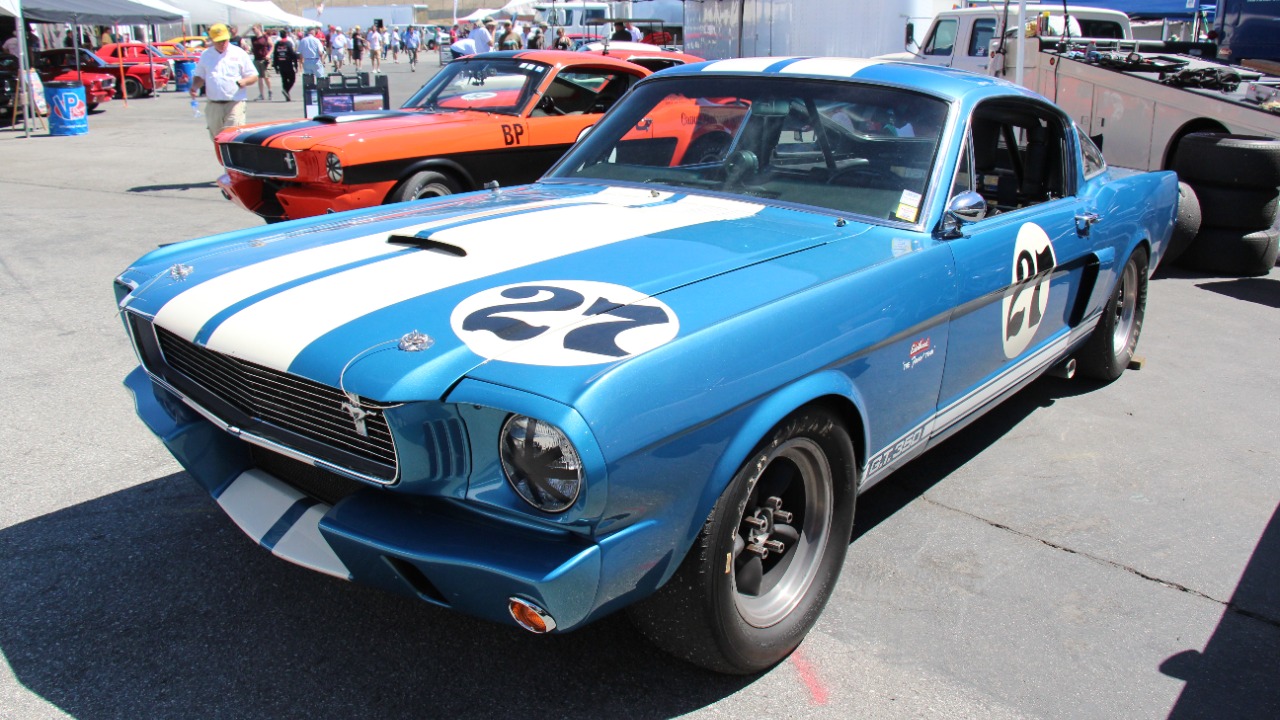
The 1966 Shelby GT350 is a cornerstone of American muscle car history, representing the height of performance and style in its era. Powered by a 289 cubic-inch V8 engine, the GT350 produced 306 horsepower, making it a formidable competitor on the track. With only 2,300 units produced, this model holds a special place in the hearts of collectors and racers alike. Its distinctive racing stripes and Shelby badging set it apart from other Mustangs, making it instantly recognizable.
Collectors are drawn to the GT350 not only for its performance but also for its racing pedigree, as it was designed for competition. The car’s limited production run and historical significance make it one of the most sought-after muscle cars today. Its stories, often shared in collector circles, highlight how it changed the landscape of American performance vehicles. To delve deeper into its legacy, various publications discuss the GT350’s impact on the industry, solidifying its status among muscle car enthusiasts.
The 1971 Dodge Challenger R/T
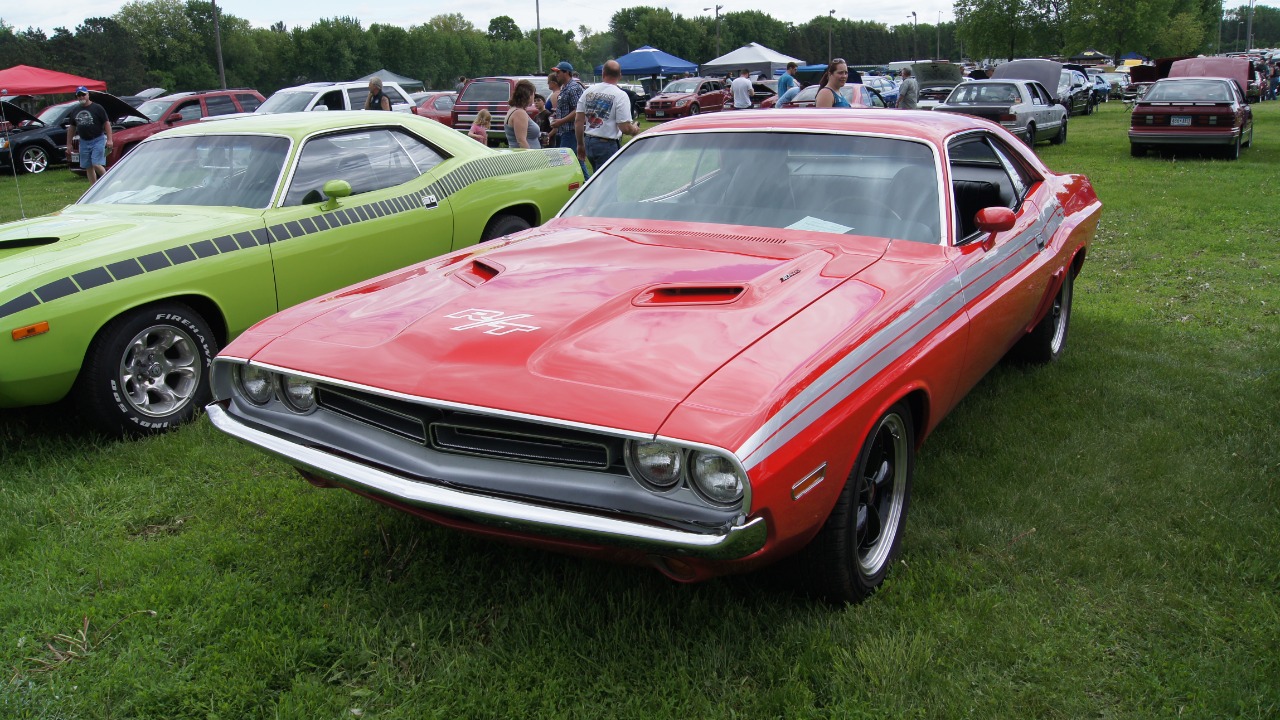
The 1971 Dodge Challenger R/T is another classic that embodies the spirit of muscle cars. Featuring a range of powerful engines, including the legendary 426 Hemi and the 440 Six Pack, the Challenger R/T was designed for performance enthusiasts. Its bold styling and aggressive stance make it a standout on the road, attracting attention wherever it goes. With a production run of just over 11,000 units, this model is a rare find in the collector’s market.
Many collectors appreciate the Challenger R/T for its blend of style and power, often discussing its significant role in the muscle car era. The car’s performance capabilities and unique options, such as the “Shaker” hood, add to its allure. Auction prices for well-preserved models have soared in recent years, making it a hot topic among serious collectors. Resources that detail its specifications and history provide valuable insights into why the Challenger R/T remains a coveted piece of automotive history.
The 1970 Mercury Cougar Eliminator
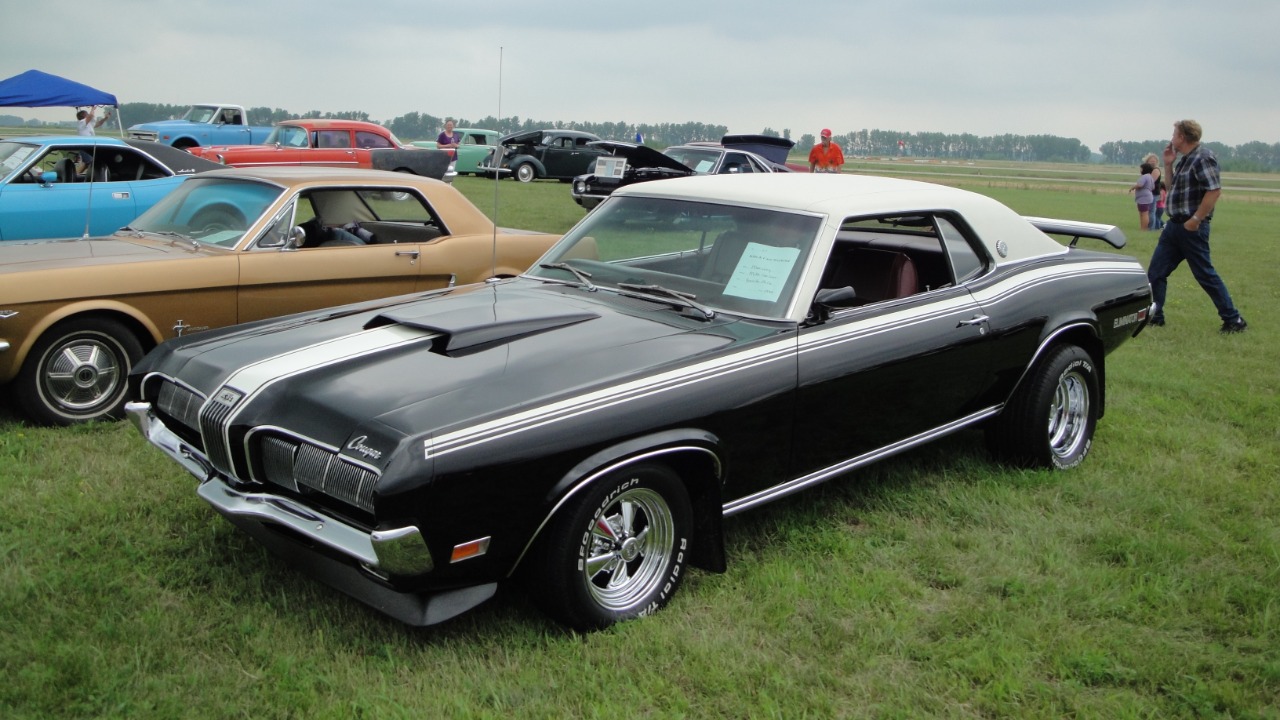
The 1970 Mercury Cougar Eliminator is a lesser-known muscle car that deserves more attention. With a variety of powerful engine options, including the potent 351 Cleveland V8, the Eliminator was designed to compete with the best of its time. Its sleek design and sporty performance make it a unique offering in the muscle car market, as it combines luxury with raw power. Only about 2,200 units were produced, further enhancing its rarity and desirability among collectors.
Collectors are increasingly recognizing the Cougar Eliminator’s value, often discussing it in the context of muscle car history. Its unique styling and features, such as the optional rear spoiler and bold graphics, make it a standout. The growing interest in this model is evident as prices continue to rise, with enthusiasts sharing their restoration projects and experiences online. For those interested in learning more about this hidden gem, various automotive literature explores its significance and performance capabilities.
The 1968 Pontiac Firebird 400
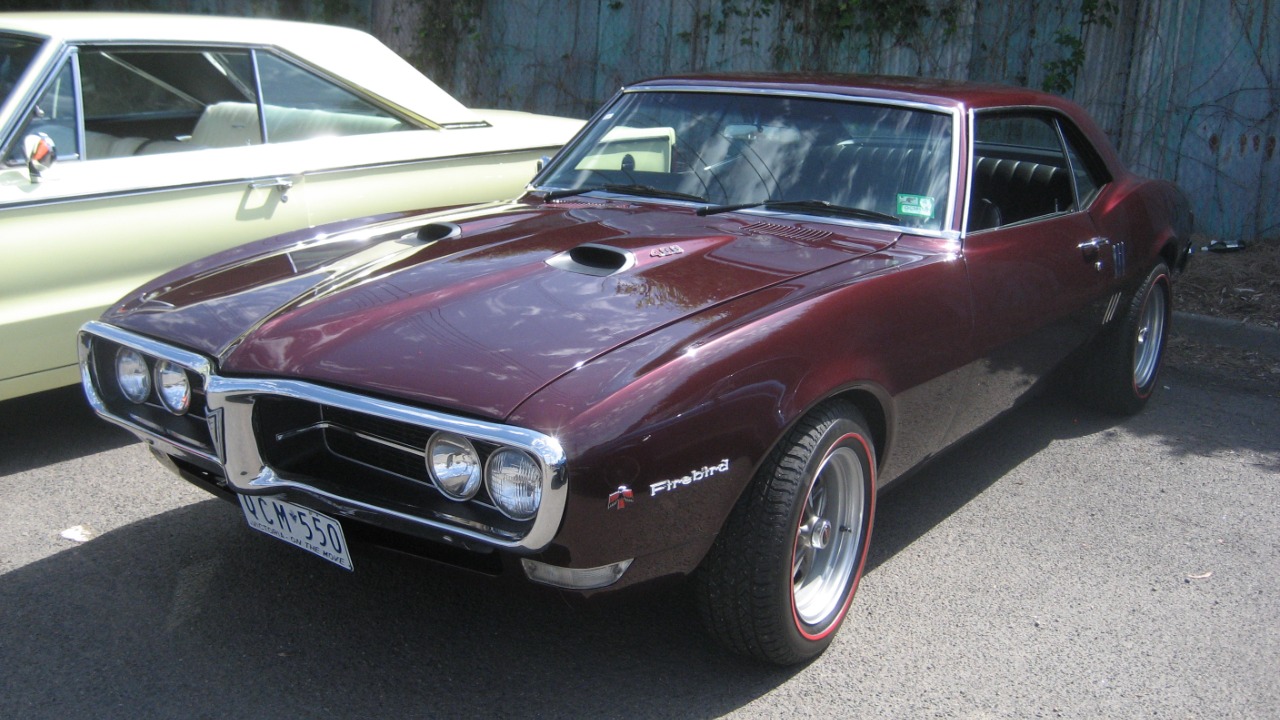
The 1968 Pontiac Firebird 400 is a classic muscle car that has gained a cult following among collectors. With a powerful 400 cubic-inch V8 engine capable of producing 330 horsepower, the Firebird 400 offers an exhilarating driving experience. Its sleek, aggressive design, characterized by a long hood and short rear deck, makes it an attractive option for muscle car enthusiasts. Manufacturing numbers for the 400 were relatively low, which adds to its desirability and rarity in today’s market.
The Firebird 400’s blend of performance and style has earned it a dedicated fan base, with many collectors discussing its significance in the muscle car landscape. The vehicle’s combination of power and aesthetics makes it a standout option for those looking to invest in classic cars. As interest in the Firebird continues to grow, enthusiasts are sharing their restoration stories and experiences, further solidifying its status as a must-have for serious collectors.
More from Fast Lane Only
- Unboxing the WWII Jeep in a Crate
- 15 rare Chevys collectors are quietly buying
- 10 underrated V8s still worth hunting down
- Police notice this before you even roll window down
*Research for this article included AI assistance, with all final content reviewed by human editors.