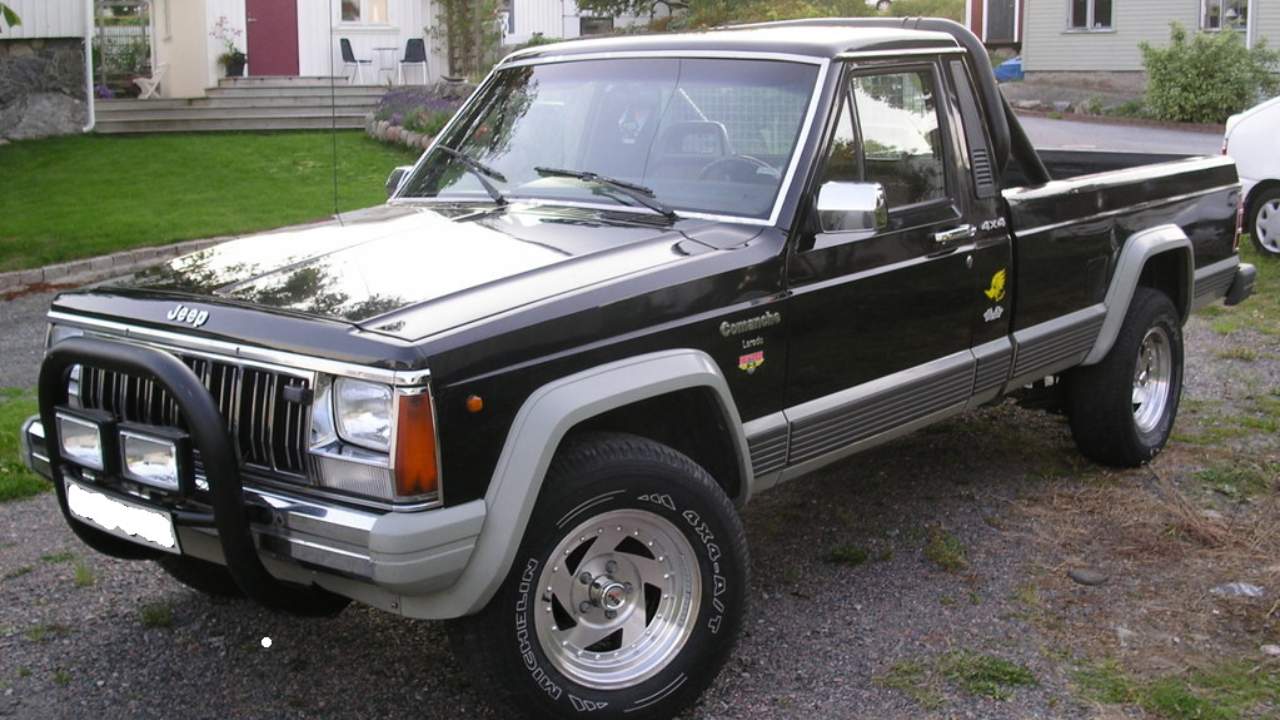
Maintaining a vehicle can often be more challenging than one might anticipate. Certain types of vehicles come with unique demands, high repair costs, and specific service requirements that can make ownership a hassle. Here’s a look at eight vehicles that owners are likely to find difficult to maintain.
Luxury European Sedans
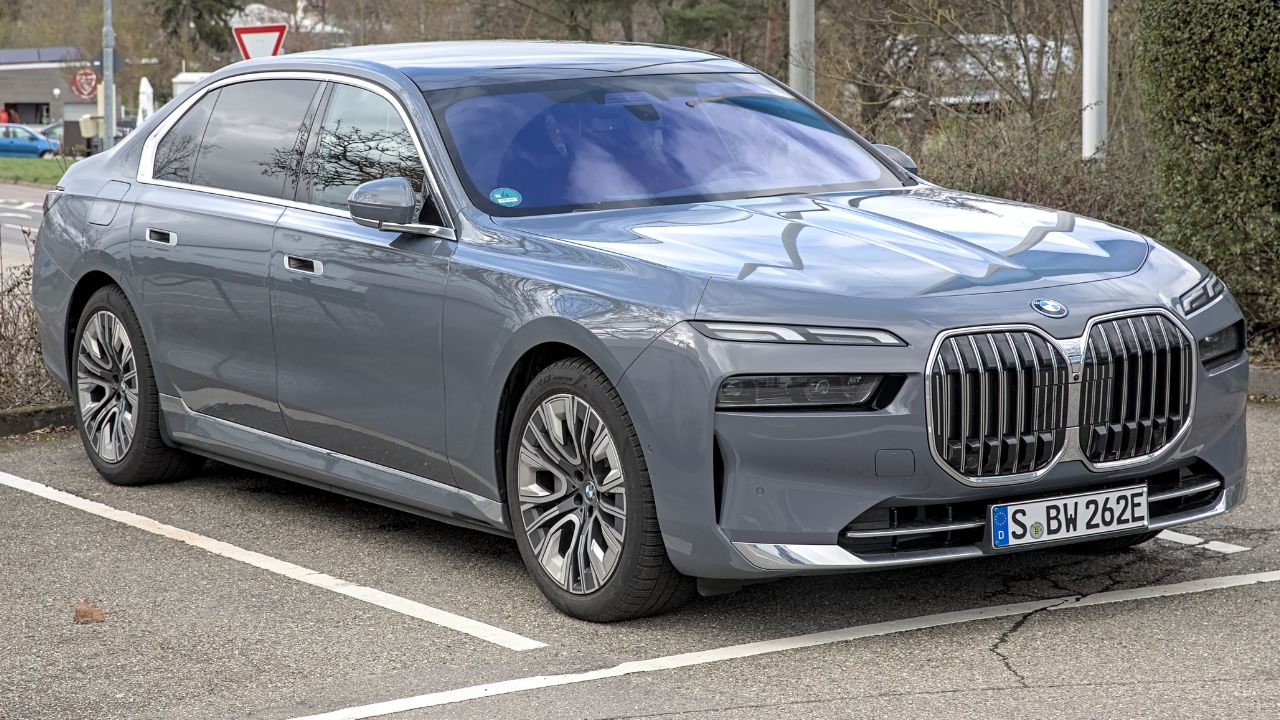
Luxury European sedans, like the BMW 7 Series or the Mercedes-Benz S-Class, are known for their opulent features and powerful performance. However, their maintenance can be a nightmare due to expensive parts and specialized service needs. Routine services often require visits to the dealer, which can be costly and time-consuming. Furthermore, these vehicles are equipped with advanced technology that can malfunction, leading to expensive repairs.
For instance, the electronic systems in these sedans often require proprietary diagnostic tools. This means that local garages may not be able to provide the necessary service, forcing owners to stick with high-priced dealerships. Overall, while these cars deliver luxury and comfort, the maintenance costs can be a significant downside for owners.
High-Performance Sports Cars

High-performance sports cars such as the Ferrari 488 or the Lamborghini Huracán are exhilarating to drive but notoriously expensive to maintain. These vehicles require premium fuel, specialized parts, and frequent servicing to keep them in peak condition. Additionally, their tires wear out more quickly due to aggressive driving styles, adding to the overall upkeep.
Moreover, sports cars often come with limited warranty coverage, leaving owners to foot the bill for any repairs that exceed the warranty period. The high costs associated with both routine maintenance and unexpected repairs make owning a performance vehicle a financial commitment that many owners may regret.
Older Model SUVs
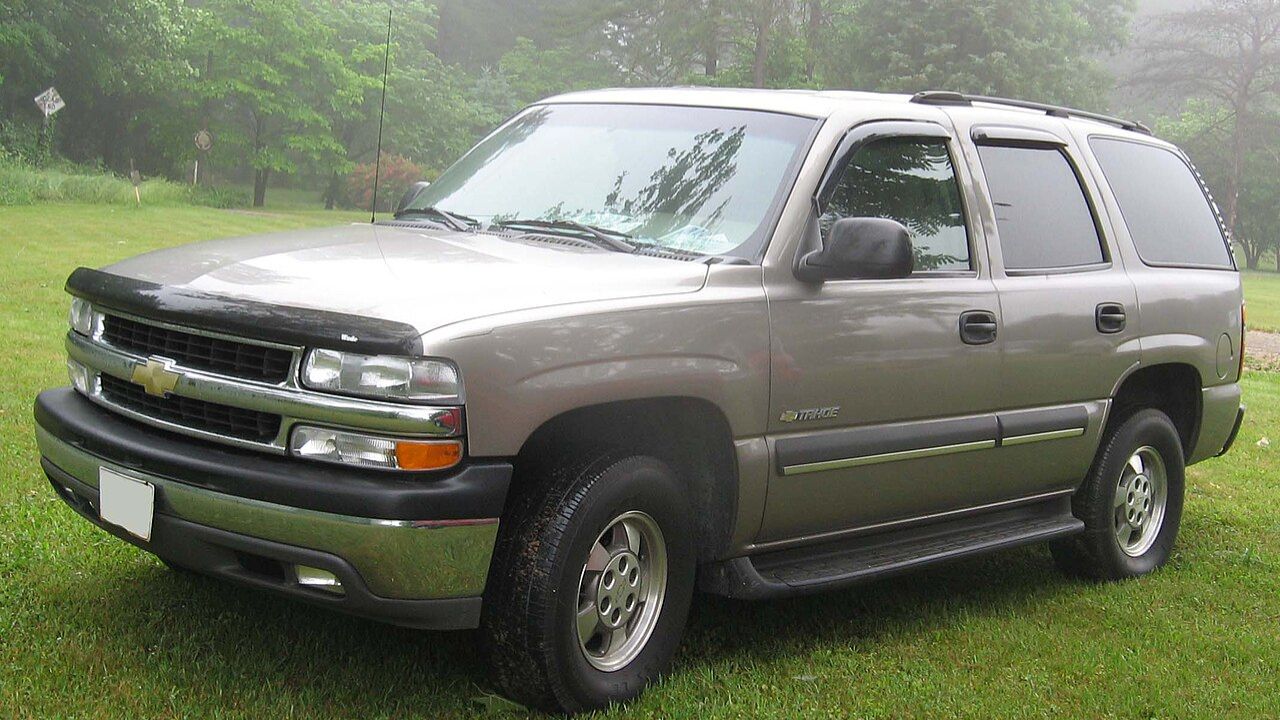
Older model SUVs, particularly those from the late 1990s and early 2000s, such as the Ford Explorer or Chevrolet Tahoe, may seem like a budget-friendly option. However, they can quickly turn into money pits due to aging components and increasing repair needs. Issues like rusting frames, outdated technology, and failing engines can add up, leading to substantial costs for repairs.
Furthermore, finding replacement parts for older models can be challenging, often requiring online searches or visits to junkyards. Many owners find themselves spending more time and money on maintenance than they initially anticipated, making these SUVs less appealing as they age.
Electric Vehicles with Limited Service Options

Electric vehicles (EVs) like the first-generation Nissan Leaf or older Tesla models can be great for the environment but may pose maintenance challenges. While they have fewer moving parts than traditional cars, the technology can be complex, and specialized service centers may be scarce, especially in rural areas. This scarcity can lead to longer wait times for repairs.
Additionally, battery replacement can be incredibly expensive. For instance, Tesla battery replacements can cost several thousand dollars, making EV ownership a financial gamble if the battery degrades significantly. Overall, while EVs offer eco-friendly benefits, their maintenance can be a challenge for many owners.
Classic Cars
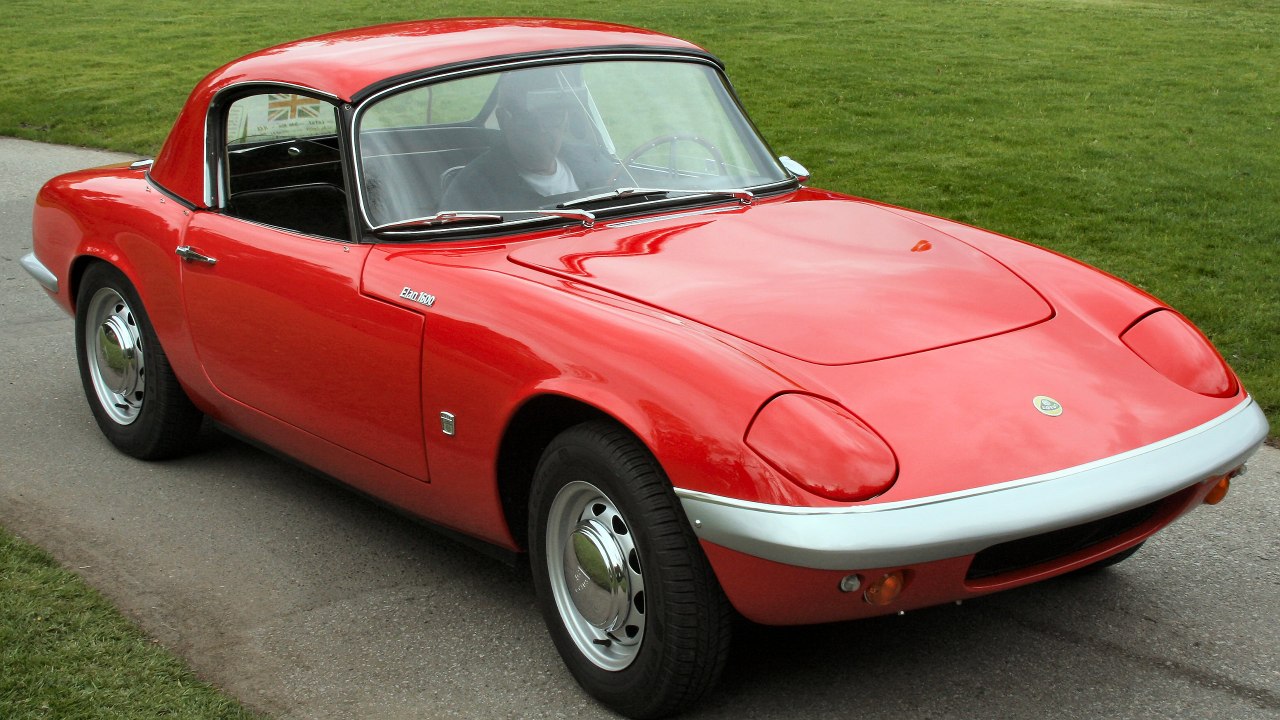
Owning a classic car, like a 1967 Ford Mustang or a 1955 Chevrolet Bel Air, can be a rewarding experience. However, maintaining these vehicles can be quite complex. Parts for classic cars are often hard to find, requiring owners to scour specialty shops and online marketplaces. This can lead to inflated prices for even the smallest components.
Moreover, older vehicles may require more frequent repairs due to aging parts, leading to increased maintenance costs. It’s not uncommon for classic car owners to spend more time and money on upkeep than they anticipated, making the dream of ownership less enjoyable than expected.
Diesel Trucks

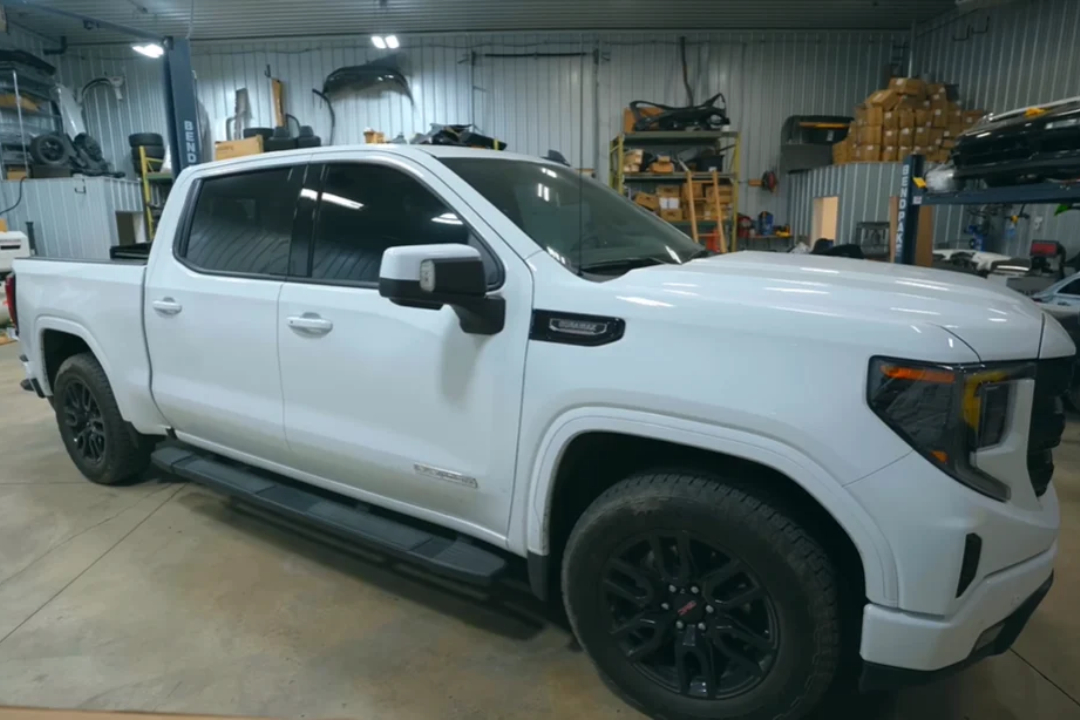
Diesel trucks, such as the Ford Super Duty or Chevrolet Silverado Duramax, are known for their power and towing capacity. However, maintenance can be quite burdensome. Diesel engines require regular maintenance, including oil changes with specialized oil, fuel filter replacements, and exhaust system checks. These can add up quickly.
Additionally, diesel trucks are often more expensive to repair than their gasoline counterparts due to their complex engine systems. Issues such as turbocharger failures or injector problems can lead to hefty repair bills. For many owners, the advantages of owning a diesel truck can be overshadowed by the high cost of maintaining it.
Hybrid Vehicles
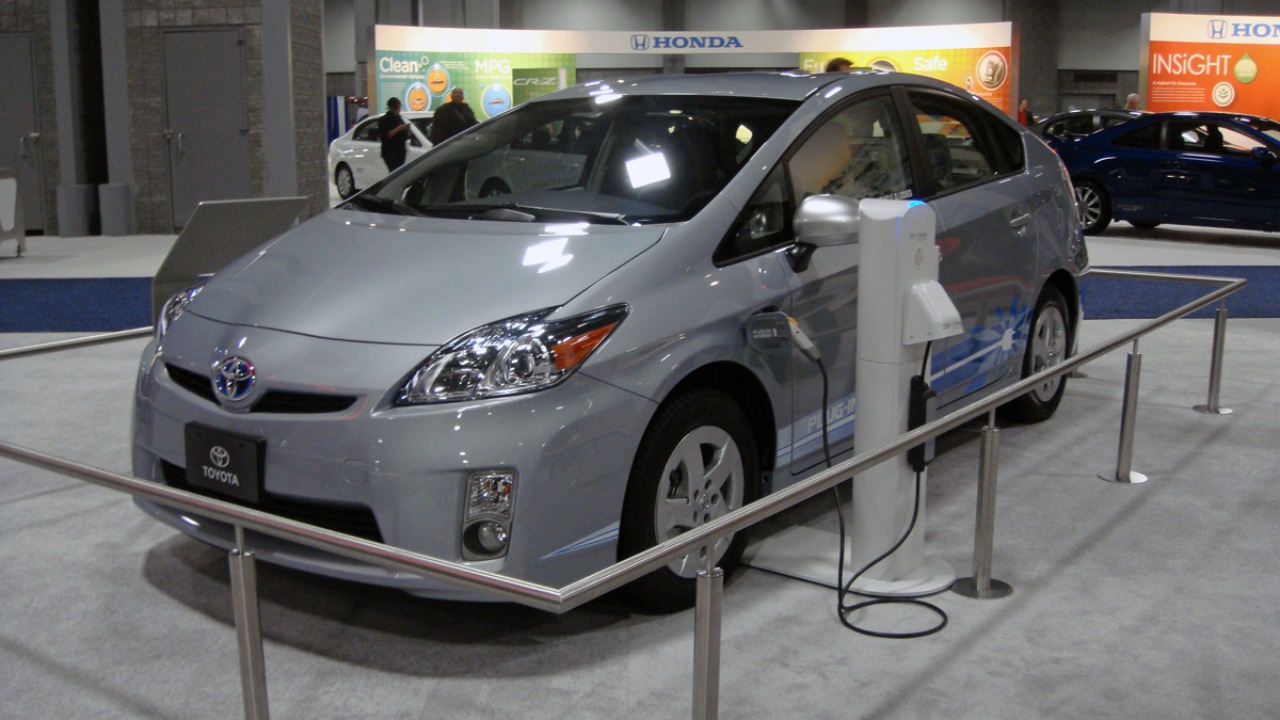
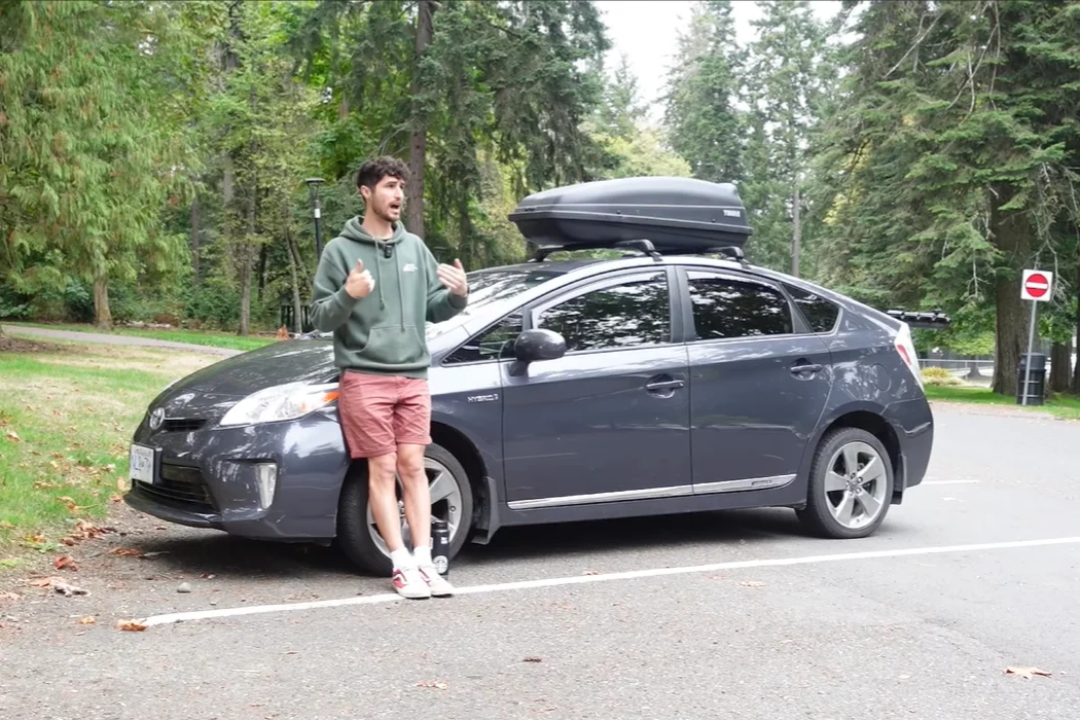
Hybrid vehicles like the Toyota Prius or Honda Insight offer great fuel efficiency but come with their own set of maintenance challenges. The combination of an internal combustion engine and an electric motor means that owners must keep track of two separate powertrains. This can lead to more complex maintenance schedules and higher repair costs.
Additionally, the hybrid battery is one of the most expensive components to replace, often costing several thousand dollars. As these vehicles age, the likelihood of battery degradation increases, leading to costly repairs that many owners may not have anticipated when first purchasing their hybrid car.
Compact City Cars
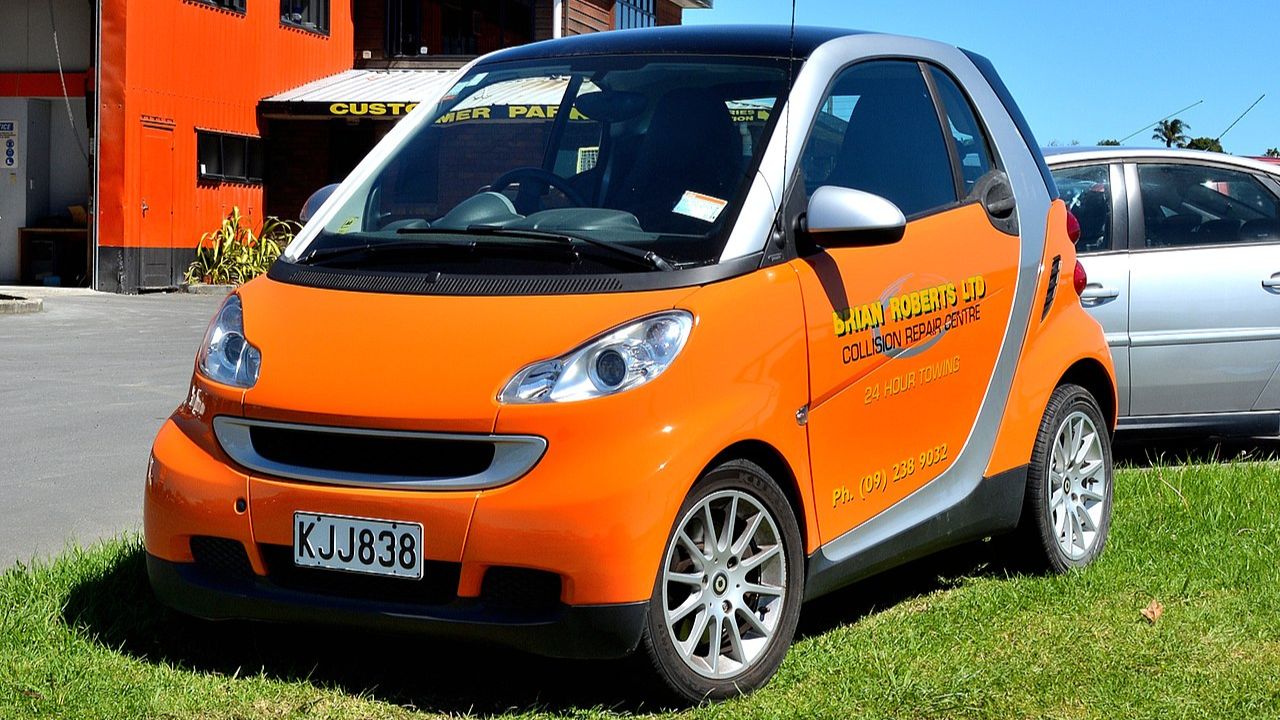
While compact city cars like the Smart Fortwo or Honda Fit are often viewed as economical choices, they can come with their own maintenance headaches. With smaller engines and less robust components, these vehicles may require more frequent repairs. Issues such as transmission problems or electrical system failures can arise, leading to potentially high repair costs.
Moreover, the limited size of these vehicles can make it challenging for owners to conduct DIY repairs. This often necessitates professional service, adding to the overall cost of ownership. Ultimately, while compact cars are designed for efficiency, their maintenance can be surprisingly cumbersome.
More from Fast Lane Only
- Unboxing the WWII Jeep in a Crate
- 15 rare Chevys collectors are quietly buying
- 10 underrated V8s still worth hunting down
- Police notice this before you even roll window down
*Research for this article included AI assistance, with all final content reviewed by human editors.