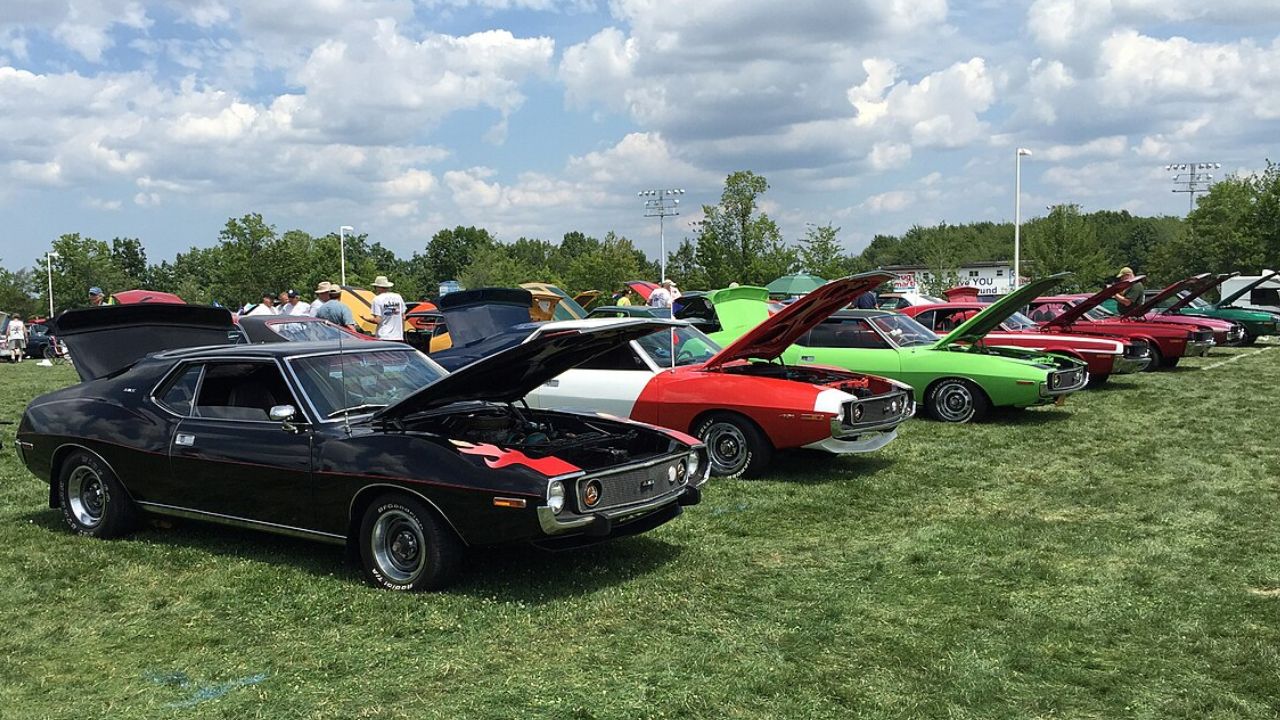
The 1970s were a golden era for American muscle cars, blending raw power with striking designs that captured the spirit of the times. Today, these iconic vehicles continue to turn heads at car shows and on the roads, embodying a nostalgia that appeals to both collectors and enthusiasts alike.
The Legacy of ’70s Muscle Cars
The muscle car phenomenon of the 1970s marked a pivotal moment in American automotive history. This decade saw the rise of high-performance vehicles built for speed, style, and power. Muscle cars became more than just machines; they symbolized freedom and rebellion during a time of social upheaval. The cultural significance of these cars was underscored by their appearances in films and music, making them ingrained in the American consciousness.
Automotive design and engineering during this era pushed boundaries as manufacturers experimented with new technologies and aesthetics. The combination of powerful engines and aggressive styling led to a distinctive look that set muscle cars apart from their competitors. The legacy of these vehicles is not just about the cars themselves but also about the cultural impact they had, influencing everything from fashion to music and even lifestyle choices.
Iconic Models that Defined the Era
Among the legendary models that defined the muscle car era, the Chevrolet Camaro and the Ford Mustang stand out for their enduring popularity and performance. The Camaro, first introduced in 1966, quickly became a fierce competitor in the muscle car market, offering various engine options and styles to suit a diverse audience. The Mustang, on the other hand, has become synonymous with American muscle, continually evolving while retaining its classic appeal.
The Pontiac Trans Am rose to fame during this decade, particularly after its starring role in the film “Smokey and the Bandit.” Its sleek lines and high-performance options made it a favorite among enthusiasts and casual drivers alike. While models like the Dodge Challenger and Plymouth Barracuda may not have achieved the same level of fame, they contributed significantly to the muscle car landscape, showcasing unique designs and powerful engines that captivated car lovers.
Design Features that Captivate Enthusiasts
The bold colors and styling cues that characterized ’70s muscle cars are a major reason they continue to captivate enthusiasts today. From vibrant oranges and greens to deep blues and reds, the color palettes used during this era were designed to attract attention. Iconic design elements such as long hoods, wide stances, and aggressive front grilles set these vehicles apart from standard cars and established a visual language that is still admired.
Additionally, graphics and trims played a crucial role in enhancing the visual appeal of muscle cars. Many models featured distinctive striping, decals, and special badges that conveyed a sense of speed and power. These design features not only showcased the car’s performance capabilities but also made a statement about the owner’s personality and lifestyle. The combination of aesthetic and performance elements solidified the muscle car’s place in automotive history.
Performance Specifications That Inspire Awe
The performance specifications of ’70s muscle cars are impressive by any standard. Many models boasted V8 engines that produced upwards of 300 horsepower, with some even exceeding the 400-horsepower mark. For example, the 1970 Chevrolet Chevelle SS with the LS6 engine was capable of producing 450 horsepower, making it one of the most powerful muscle cars of its time. This raw power allowed muscle cars to dominate the streets and racetracks, creating a legacy of speed and performance.
When comparing muscle car performance to contemporary vehicles, the difference is striking. While modern cars may boast advanced technology and improved handling, the visceral thrill of driving a ’70s muscle car remains unmatched. The allure of aftermarket modifications and restorations further enhances the appeal, allowing enthusiasts to customize their vehicles to meet personal preferences while retaining the classic charm of these iconic cars.
Why They Still Turn Heads Today
The nostalgia factor plays a significant role in the continued popularity of ’70s muscle cars. For many, these vehicles evoke memories of a simpler time when American culture was defined by freedom and exploration. Younger generations are increasingly drawn to these classics, often through family connections or cultural media that celebrate the era. Whether it’s through vintage films or documentaries, the allure of muscle cars continues to capture the imagination of car enthusiasts.
Media and pop culture have also kept ’70s muscle cars relevant. From appearances in blockbuster films to features in popular television series, these vehicles remain iconic symbols of American automotive culture. They are frequently showcased at car shows and events, further solidifying their status as collector’s items and objects of admiration.
Collectability and Market Trends
The market for ’70s muscle cars has seen significant fluctuations over the years, with current values reflecting both popularity and rarity. Models like the Pontiac GTO, Chevrolet Camaro, and Ford Mustang have become highly sought after, often fetching prices in the six-figure range for well-preserved examples. Factors affecting collectability include the car’s condition, originality, and rarity—elements that can greatly influence its market value.
As the interest in classic cars continues to grow, predictions for future trends in muscle car appreciation remain optimistic. Younger collectors are beginning to enter the market, bringing fresh enthusiasm and new perspectives. This new wave of interest may lead to further appreciation in value, particularly for models that resonate with a sense of nostalgia and cultural significance.
Restoration and Preservation Challenges
Owners of vintage muscle cars often face various challenges when it comes to restoration and preservation. Common issues include rust, which can be particularly problematic given the age of these vehicles, and the availability of parts, as many original components are no longer produced. Finding high-quality replacement parts can be both time-consuming and costly, which can deter some from undertaking full restorations.
Tips for successful restoration projects emphasize the importance of maintaining originality while also considering modern upgrades that can enhance performance and reliability. Joining community forums and local car clubs can provide valuable resources and support for enthusiasts looking to restore their vehicles. Engaging with like-minded individuals can lead to shared experiences, advice, and even opportunities to source rare parts.
Car Shows and Community Events
Car shows and community events dedicated to muscle cars provide a platform for enthusiasts to showcase their prized possessions and connect with fellow aficionados. Events such as the Muscle Car and Corvette Nationals attract thousands of visitors, offering a chance to see some of the finest examples of muscle cars from the ’70s. These gatherings foster a sense of community and allow owners to share their passion with others who appreciate the artistry and engineering behind these vehicles.
Car clubs and online communities also play a significant role in promoting the love for muscle cars. By offering forums for discussion, sharing restoration tips, and organizing meetups, these groups help to keep the spirit of ’70s muscle cars alive. Owners often share personal stories and experiences, creating a rich tapestry of narratives that celebrate the history and culture surrounding these iconic vehicles.
The Future of ’70s Muscle Cars
As the automotive industry shifts toward electric and hybrid technology, there is ongoing speculation about the future of classic muscle cars. While some may worry that these iconic vehicles could fade into obscurity, many enthusiasts believe that the essence of muscle cars will endure. Manufacturers often draw inspiration from classic designs, integrating elements of ’70s aesthetics into modern vehicles. This blending of old and new could pave the way for a new generation of muscle cars that pay homage to their roots.
The legacy of ’70s muscle cars is likely to shape future generations of car enthusiasts, ensuring that the passion for these machines continues. As younger enthusiasts enter the market, they bring with them a desire to preserve the stories and experiences associated with these vehicles. The excitement surrounding classic muscle cars will likely remain a vibrant part of the automotive landscape for years to come, as both collectors and casual fans celebrate their enduring appeal.
More from Fast Lane Only