Every era produces vehicles that reflect the tastes, priorities, and innovations of their time. Whether through bold styling, groundbreaking technology, or cultural influence, these automobiles became symbols of the decades in which they debuted. Years later, they remain closely associated with the spirit and identity of their respective generations.
Ford Model A
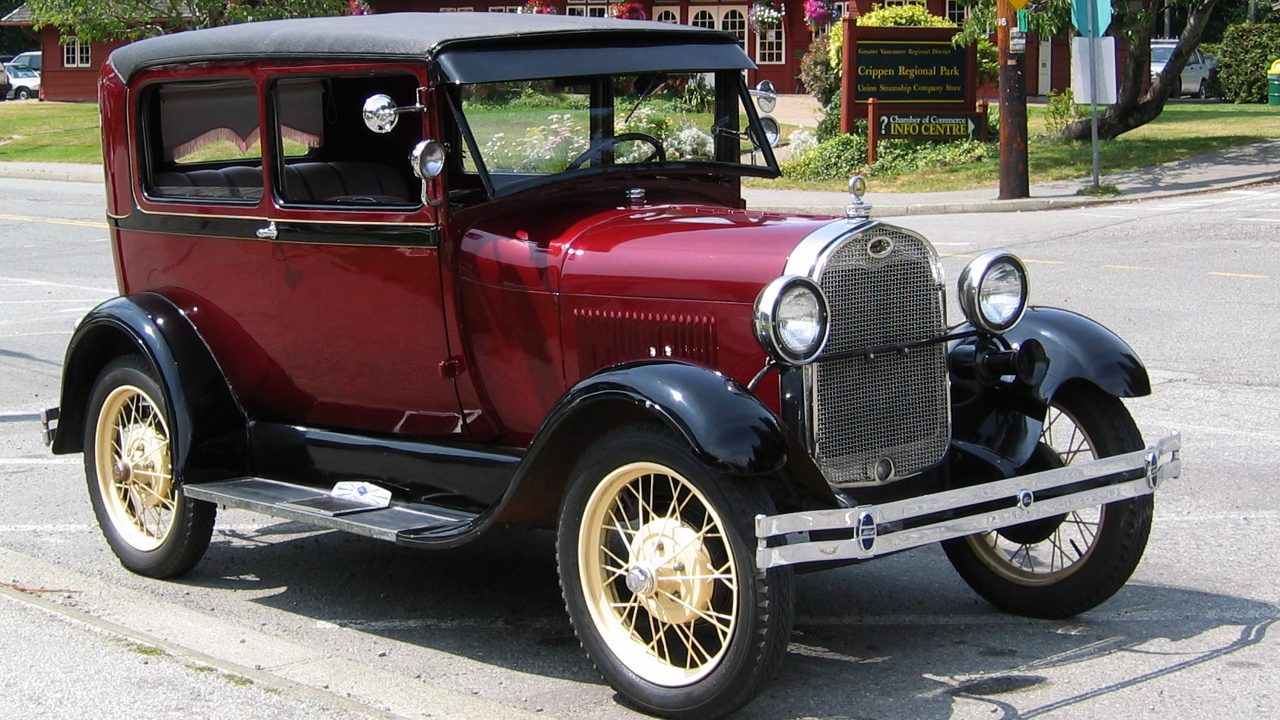
The Ford Model A embodied the optimism of the late 1920s by offering improved performance, comfort, and style over its famous predecessor. As automobile ownership expanded across America, the Model A became a symbol of growing mobility and modern living. Its widespread popularity helped define an era of rapid automotive progress.
Chevrolet Bel Air
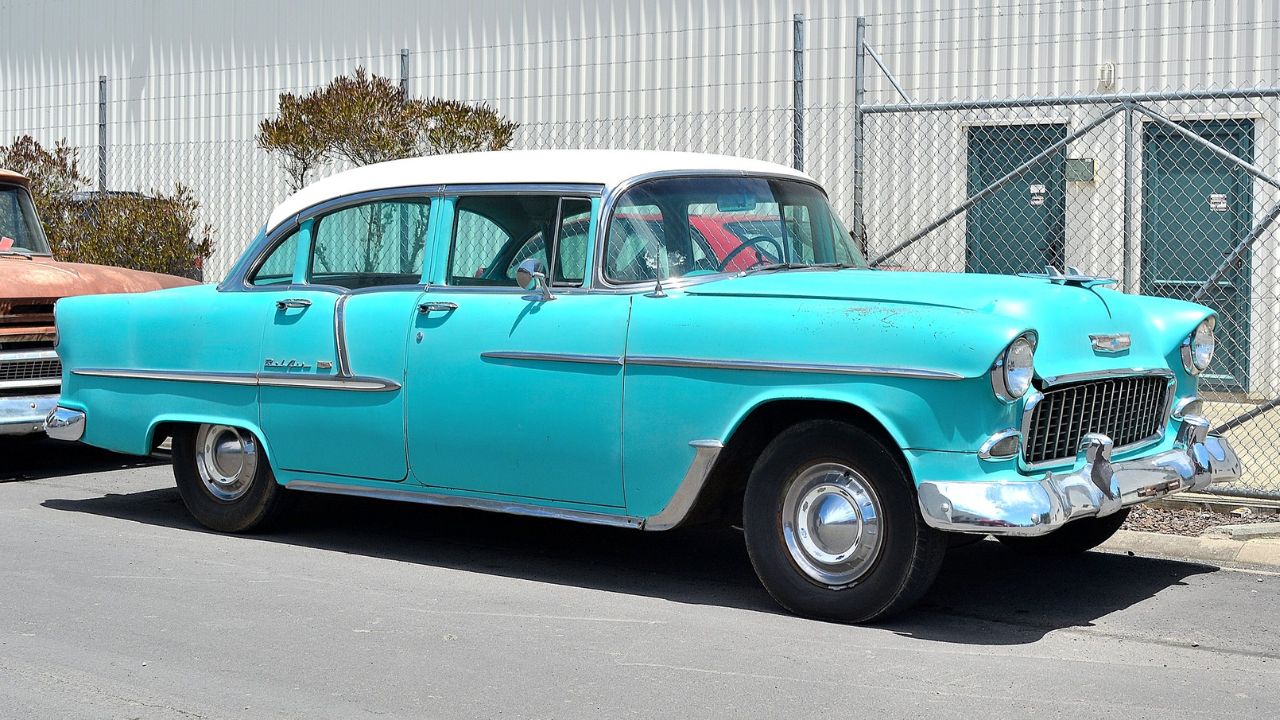
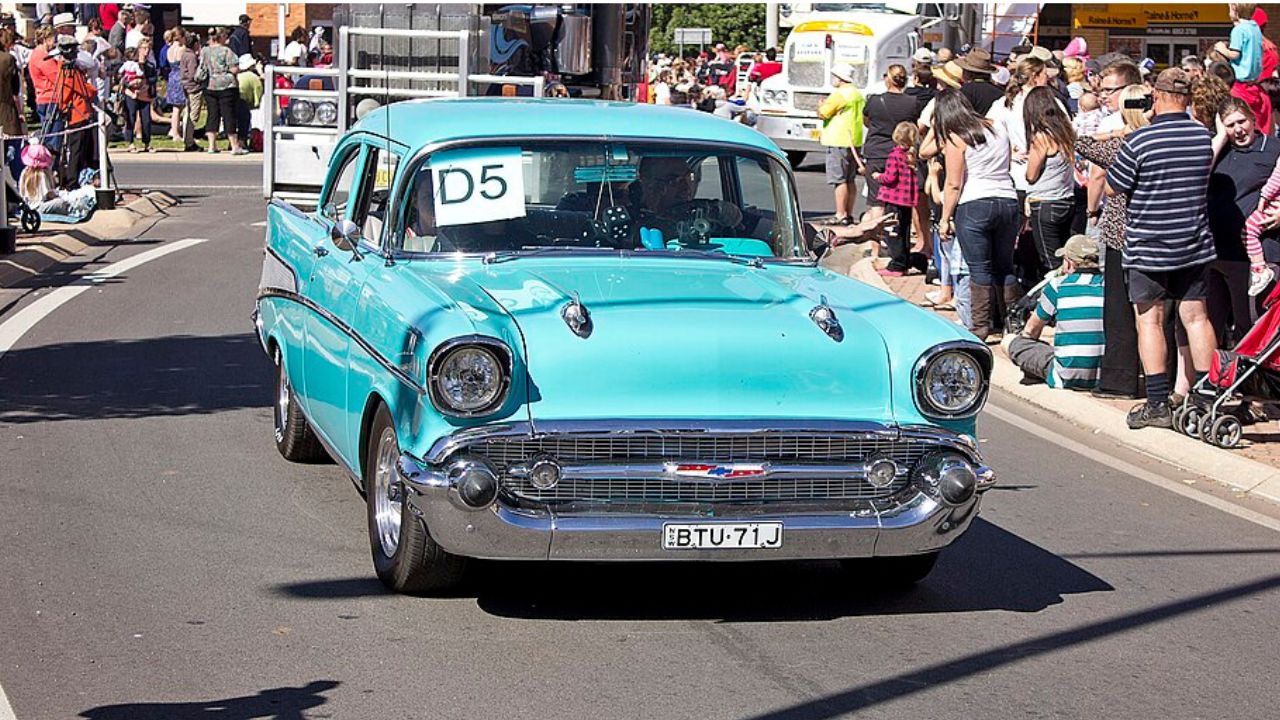
The Chevrolet Bel Air perfectly captured the excitement of the 1950s with its chrome accents, sweeping tailfins, and colorful styling. It reflected postwar prosperity and America’s growing fascination with automobiles as symbols of success. Even today, the Bel Air remains one of the most recognizable icons of the decade.
Ford Mustang
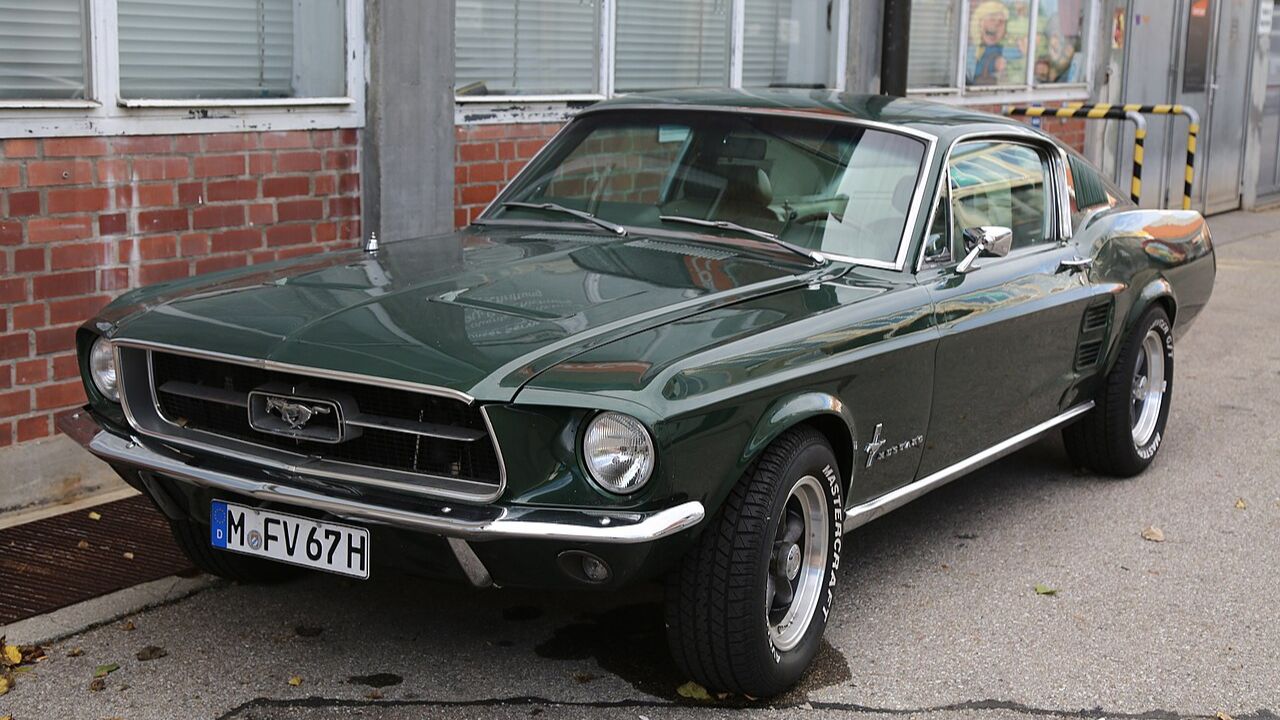
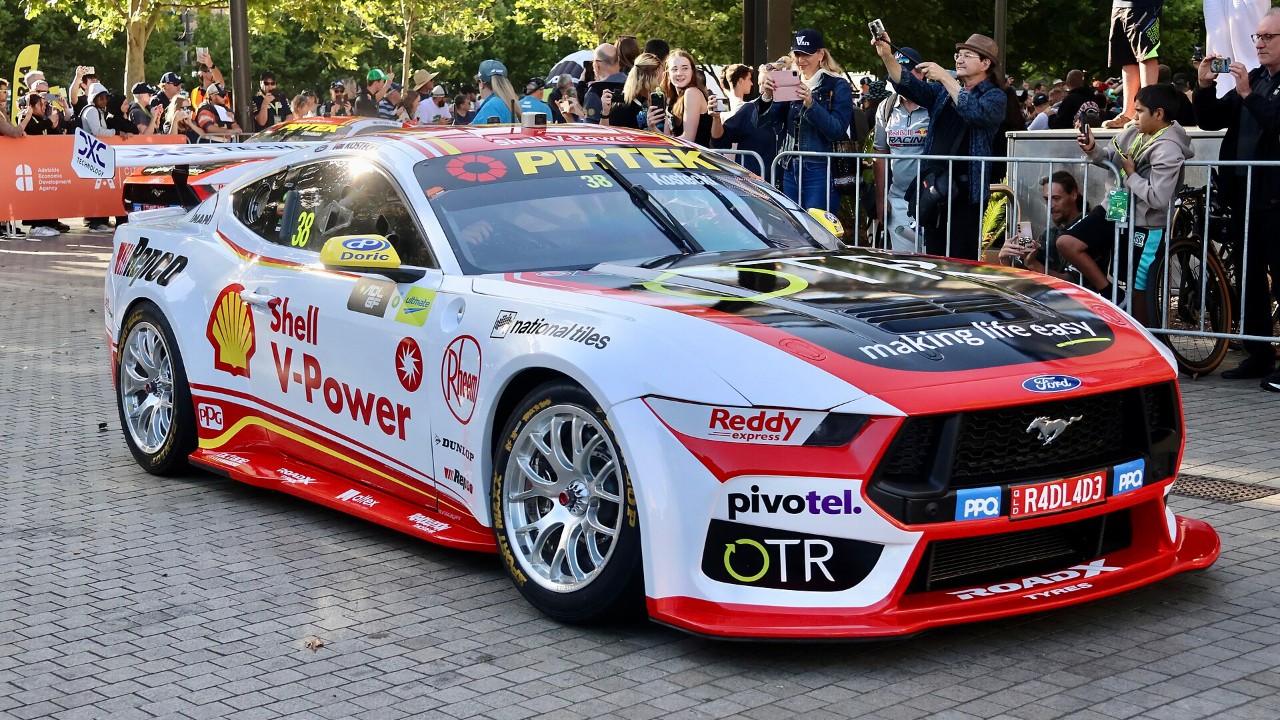
Introduced in 1964, the Ford Mustang became an instant sensation by creating the pony car segment. Affordable performance, sporty styling, and extensive customization options appealed to younger buyers like few cars before it. The Mustang quickly became one of the defining automobiles of the 1960s and remains an enduring American icon.
Dodge Challenger
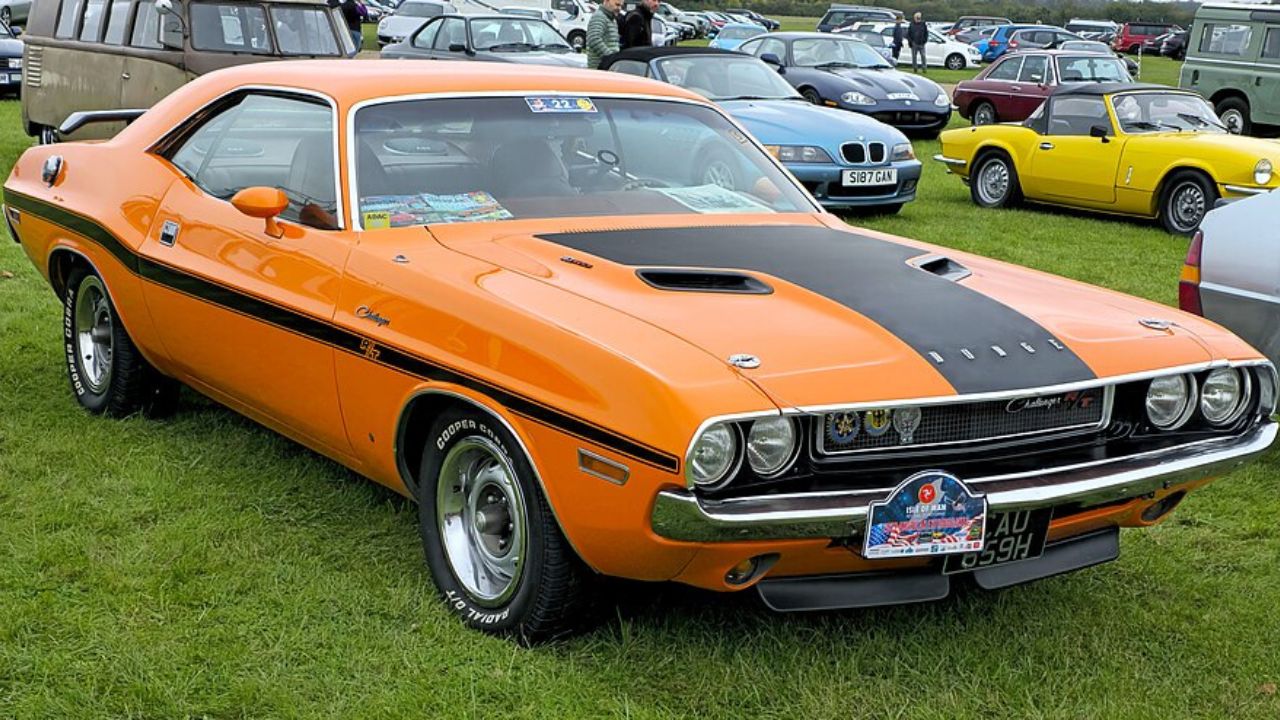
The Dodge Challenger represented the height of the muscle car era during the early 1970s. Large-displacement V8 engines, bold styling, and straight-line performance reflected the decade’s enthusiasm for horsepower. Although production numbers were relatively limited, the Challenger became one of the most memorable symbols of classic American performance.
DeLorean DMC-12

The DeLorean DMC-12 became inseparable from the 1980s thanks to its stainless-steel body, gullwing doors, and futuristic appearance. While its production run was brief, its cultural impact far exceeded its sales. The car continues representing the decade’s fascination with bold technology and futuristic design.
Mazda MX-5 Miata
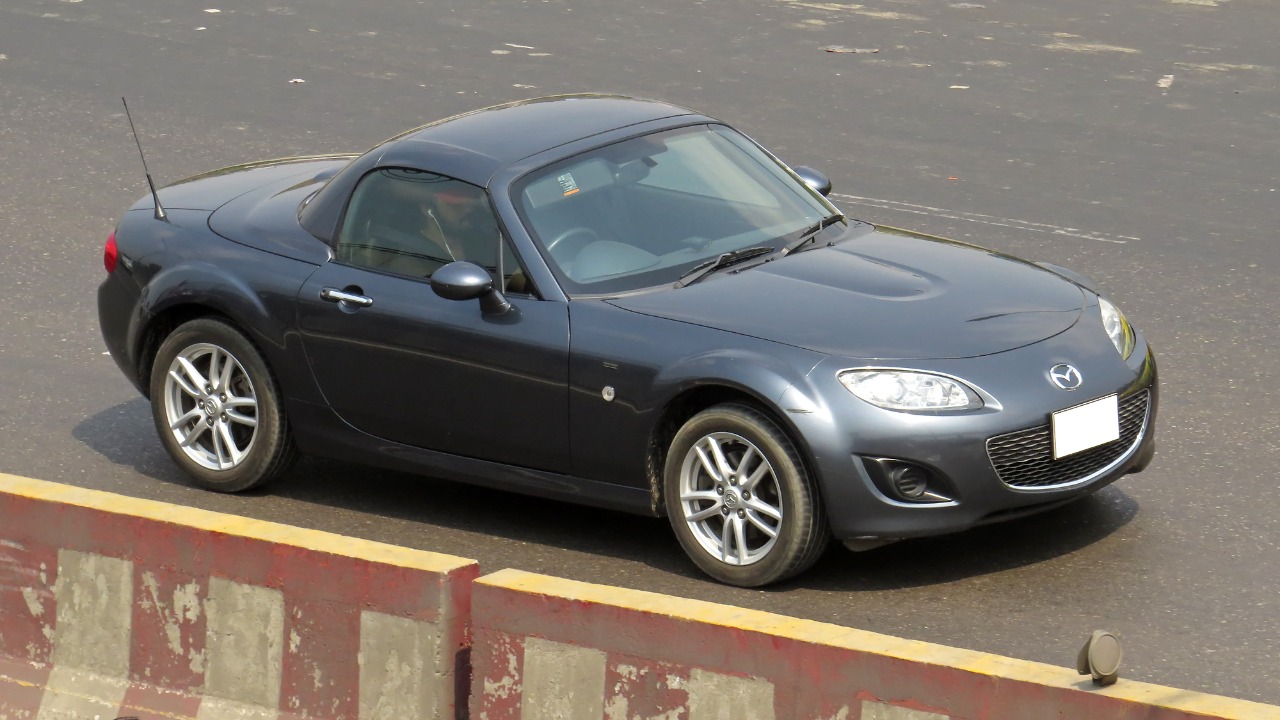
The Mazda MX-5 Miata revived the affordable lightweight roadster during the 1990s. Its simple engineering, balanced handling, and driver-focused design offered a refreshing alternative to increasingly complex sports cars. The Miata captured the decade’s renewed appreciation for pure driving enjoyment and remains one of the world’s most beloved convertibles.
Toyota Prius
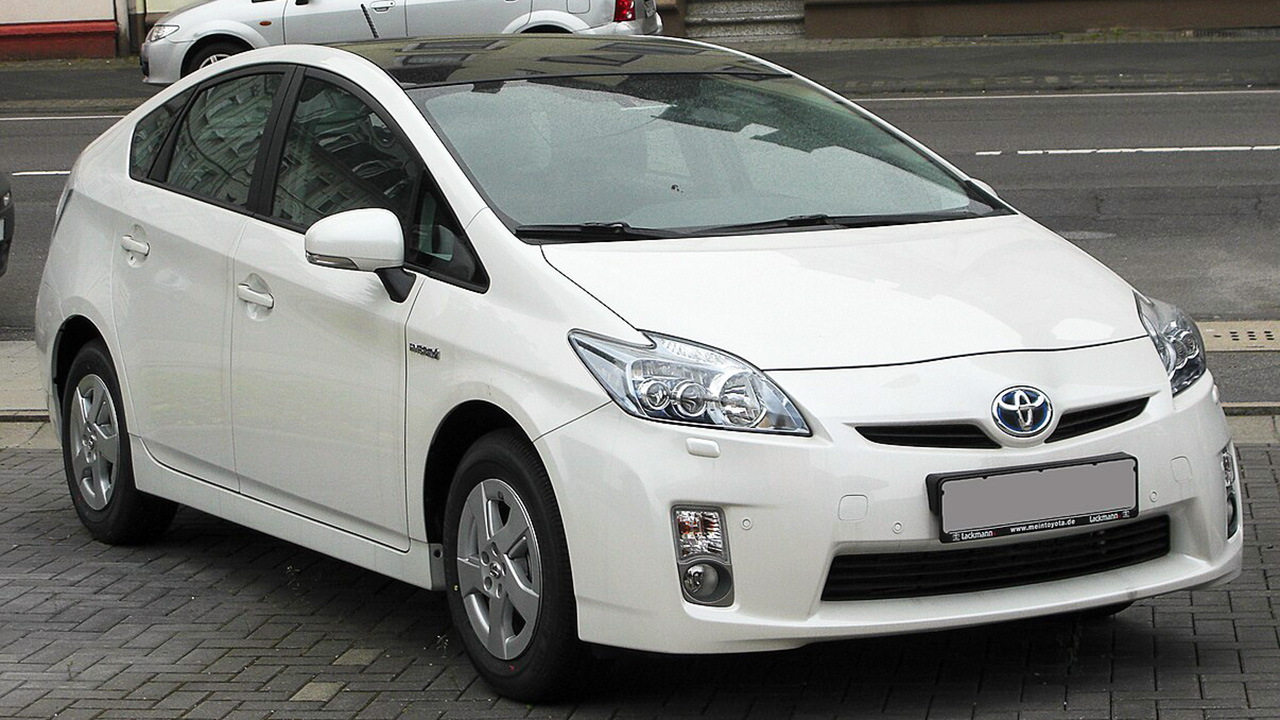
The Toyota Prius became a defining vehicle of the 2000s by bringing hybrid technology into the mainstream. As fuel efficiency and environmental awareness became increasingly important, it demonstrated that practical transportation could embrace new technology. The Prius permanently changed public perception of alternative powertrains and influenced future automotive development.
Tesla Model S
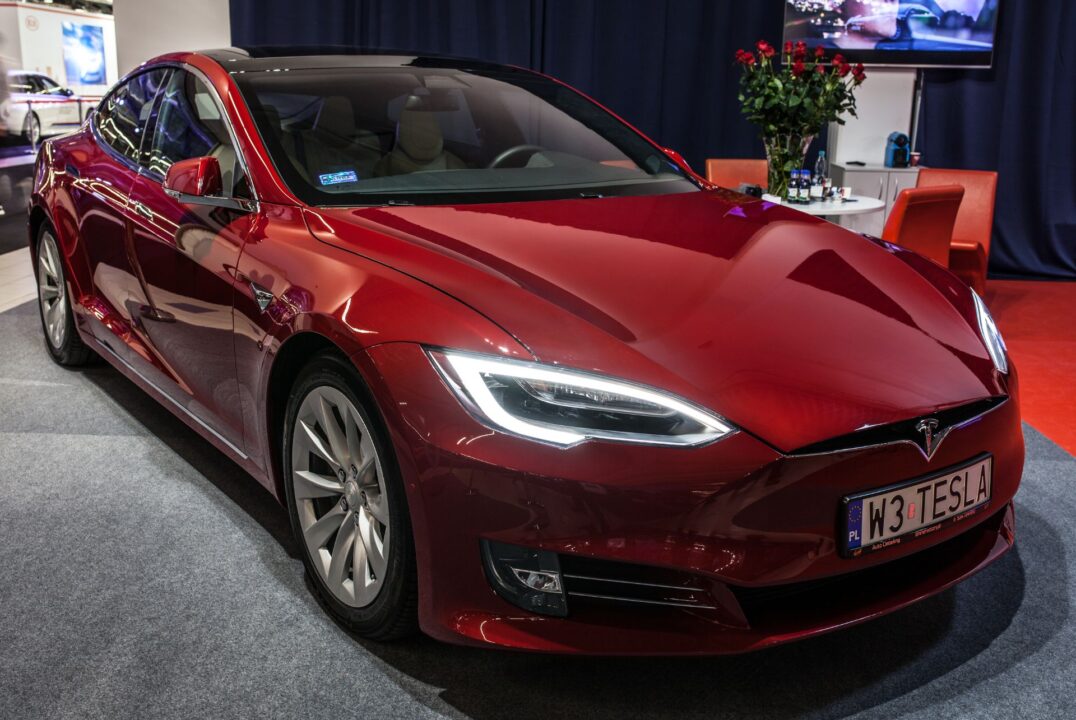
The Tesla Model S symbolized the transformation of the 2010s by proving that electric vehicles could compete with luxury performance sedans. Combining long driving range, rapid acceleration, and advanced software features, it reshaped industry expectations. Its success accelerated the shift toward electrification and made it one of the defining vehicles of its decade.
More from Fast Lane Only
- Unboxing the WWII Jeep in a Crate
- 15 rare Chevys collectors are quietly buying
- 10 underrated V8s still worth hunting down
- Police notice this before you even roll window down
*Research for this article included AI assistance, with all final content reviewed by human editors