Not every influential automobile made headlines or dominated sales charts. Some introduced practical innovations, new vehicle formats, or engineering ideas that gradually reshaped how Americans traveled. Their impact became clear over time as competitors adopted similar concepts. These automobiles quietly transformed American roads in ways that are still visible today.
Ford Model T

The Ford Model T revolutionized personal transportation by making automobile ownership affordable for millions of Americans. Mass production techniques dramatically reduced manufacturing costs while increasing availability. As more families purchased cars, roads expanded, towns became better connected, and the automobile shifted from a luxury item to an everyday necessity across the United States.
Jeep Cherokee XJ
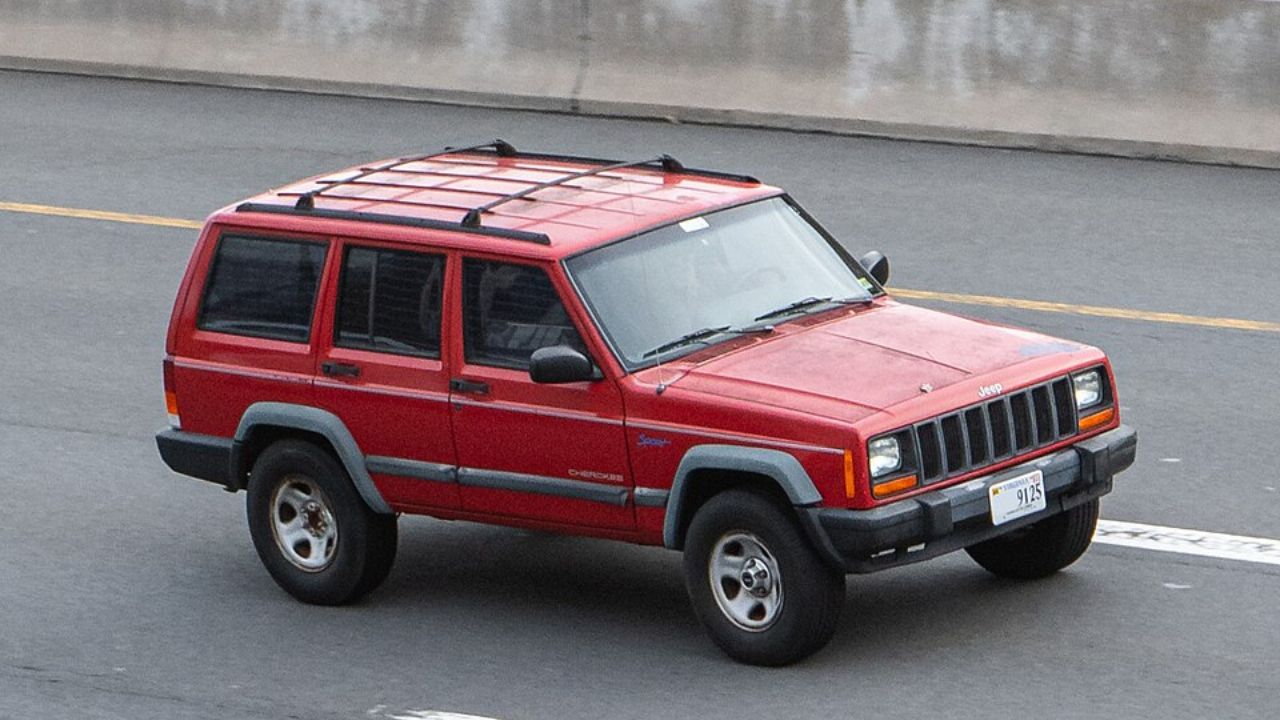
The Jeep Cherokee XJ helped redefine the sport utility vehicle by combining four-wheel-drive capability with the comfort and size of a passenger car. Its unibody construction was revolutionary for an SUV, improving ride quality and efficiency. The formula proved so successful that it influenced the design of countless SUVs that followed.
Chrysler Minivan

The original Chrysler minivan changed family transportation by offering the space of a full-size van in a much more manageable package. Sliding doors, flexible seating, and car-like handling made it practical for everyday life. Its success encouraged nearly every major manufacturer to develop similar family-oriented vehicles during the following decades.
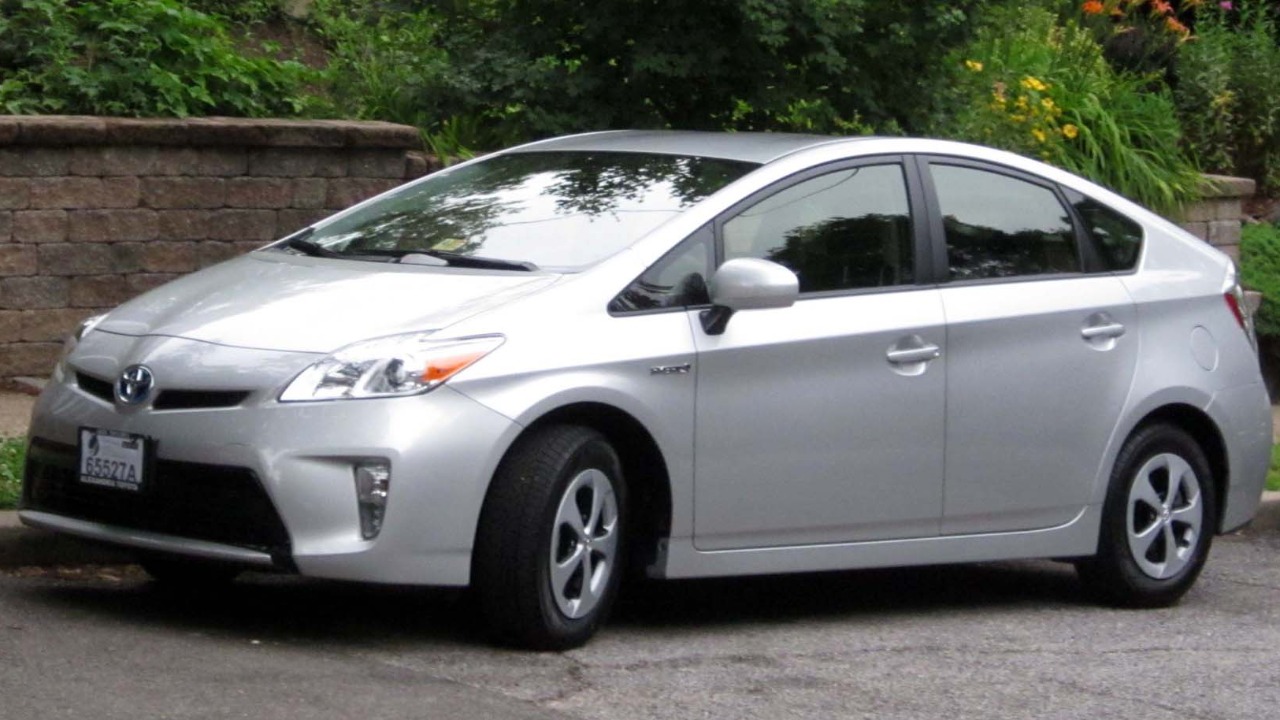
Toyota Prius

The Toyota Prius introduced hybrid technology to the American mainstream by demonstrating that fuel efficiency and everyday practicality could coexist. Its dependable hybrid powertrain encouraged broader acceptance of electrified vehicles. As fuel prices fluctuated and environmental awareness increased, the Prius became a turning point in the evolution of modern transportation.
Ford Explorer
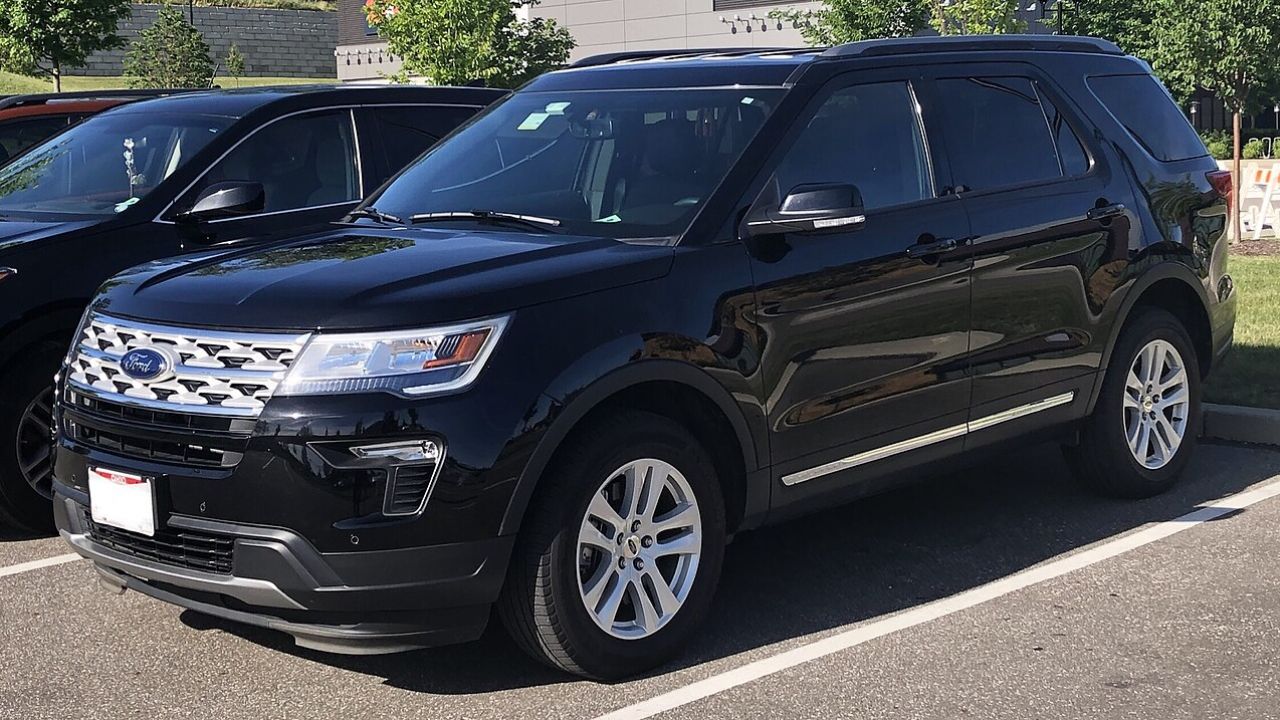
The Ford Explorer played a major role in shifting American buyers away from traditional station wagons and toward sport utility vehicles. It offered generous passenger space, available four-wheel drive, and everyday comfort. Its popularity accelerated the SUV boom, permanently changing the types of vehicles that filled American driveways.
Honda Civic

The Honda Civic quietly reshaped expectations for compact cars through outstanding reliability, fuel economy, and affordability. It demonstrated that small cars could provide long-term durability without sacrificing comfort or practicality. Its influence encouraged American manufacturers to improve the quality and efficiency of their own compact vehicle offerings.
Chevrolet Suburban
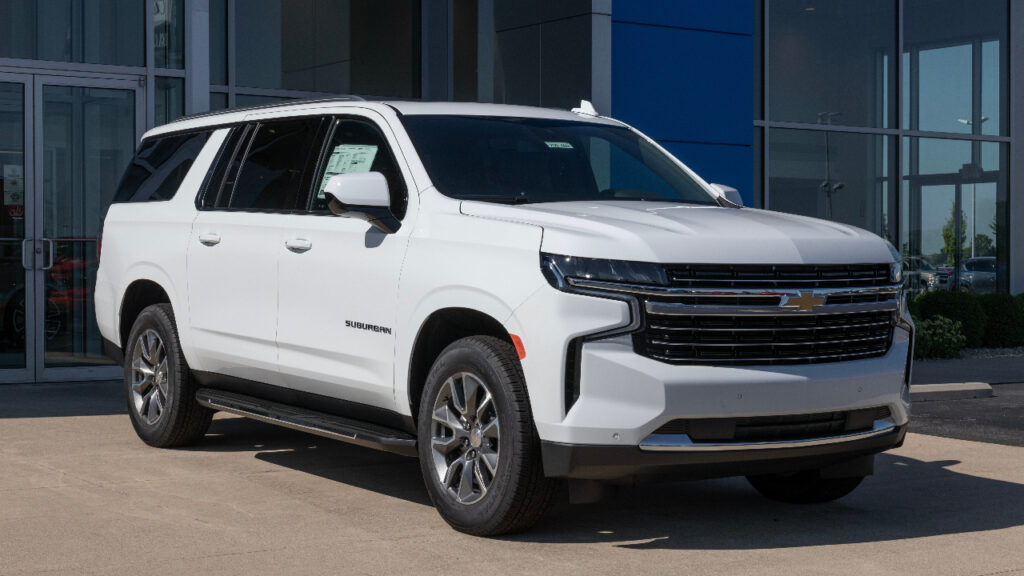
The Chevrolet Suburban established the blueprint for the full-size family SUV long before the segment became mainstream. Its combination of spacious seating, towing capability, and truck-based durability appealed to families, businesses, and emergency services alike. Decades of continuous production helped make it one of the most influential utility vehicles in American history.
Tesla Model S

The Tesla Model S transformed perceptions of electric vehicles by proving they could deliver impressive range, rapid acceleration, and advanced technology. Rather than targeting only environmentally conscious buyers, it attracted performance enthusiasts and luxury customers alike. Its success pushed the automotive industry to accelerate the development of modern electric vehicles.
Subaru Outback
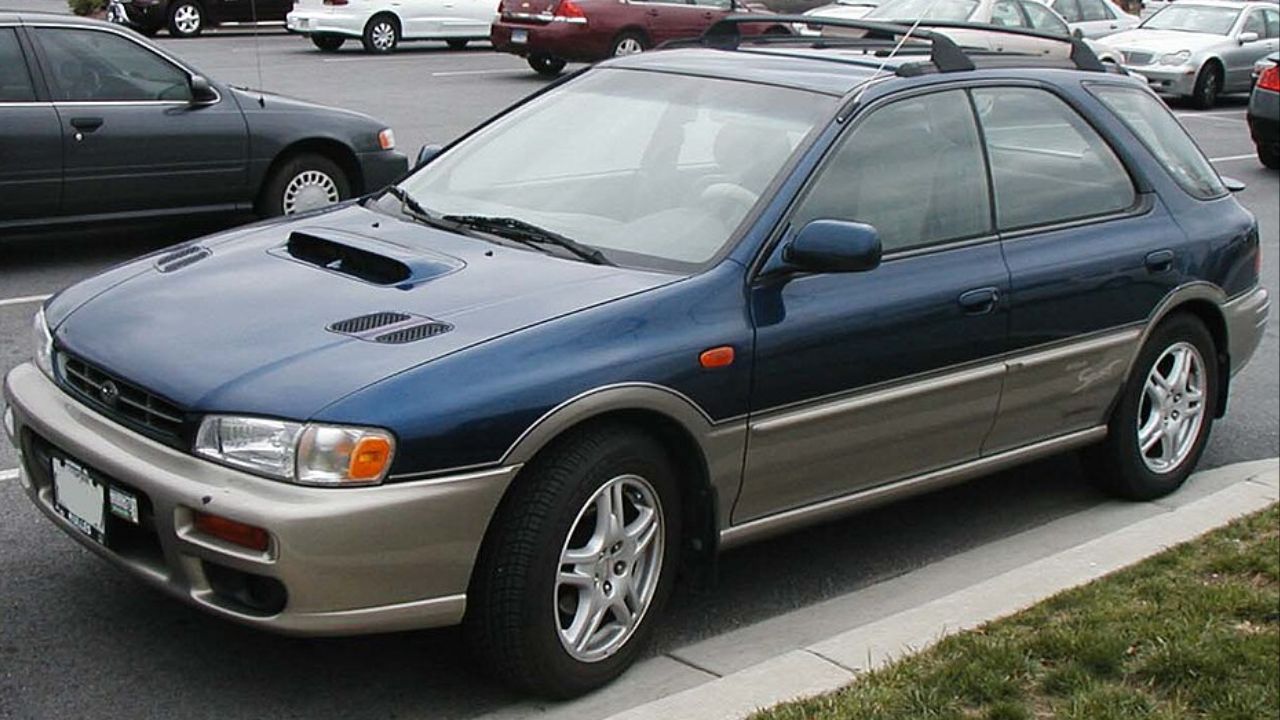
The Subaru Outback blurred the line between station wagon and SUV by combining all-wheel drive with increased ground clearance and everyday practicality. It appealed to drivers seeking adventure without moving to a traditional truck-based utility vehicle. Its success helped establish the crossover philosophy that dominates today’s American automotive market.
More from Fast Lane Only
- Unboxing the WWII Jeep in a Crate
- 15 rare Chevys collectors are quietly buying
- 10 underrated V8s still worth hunting down
- Police notice this before you even roll window down
*Research for this article included AI assistance, with all final content reviewed by human editors