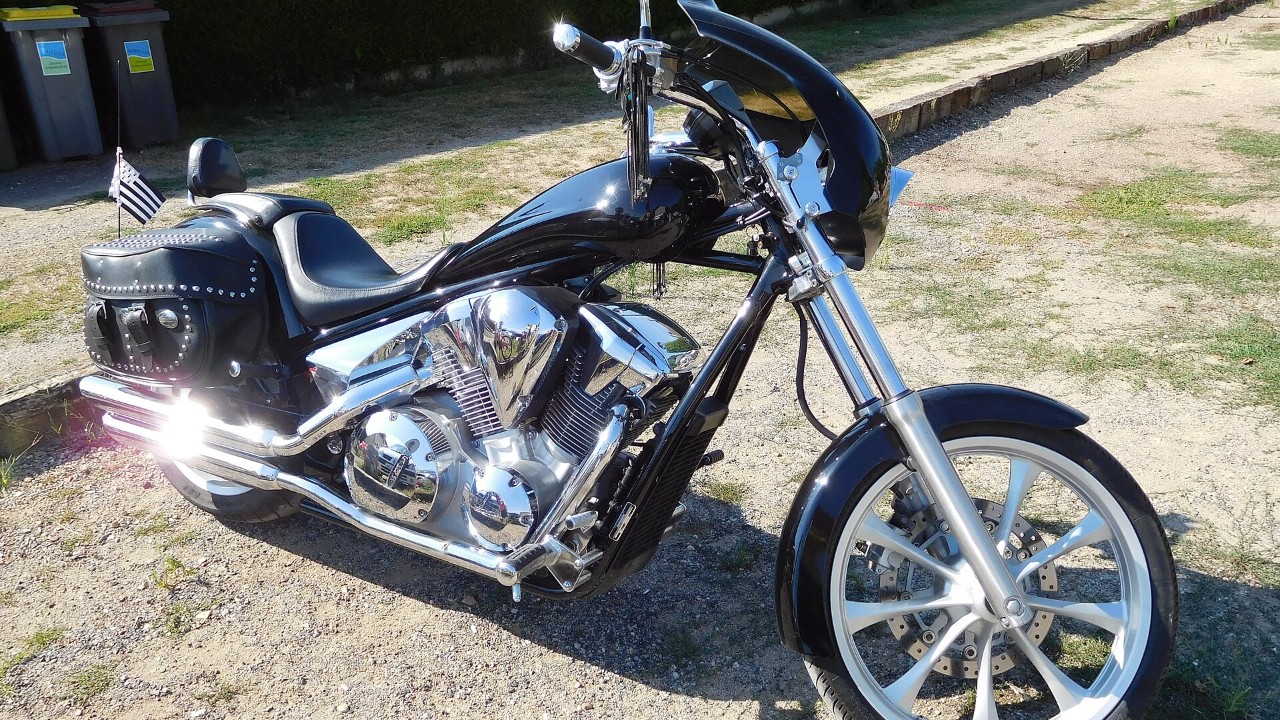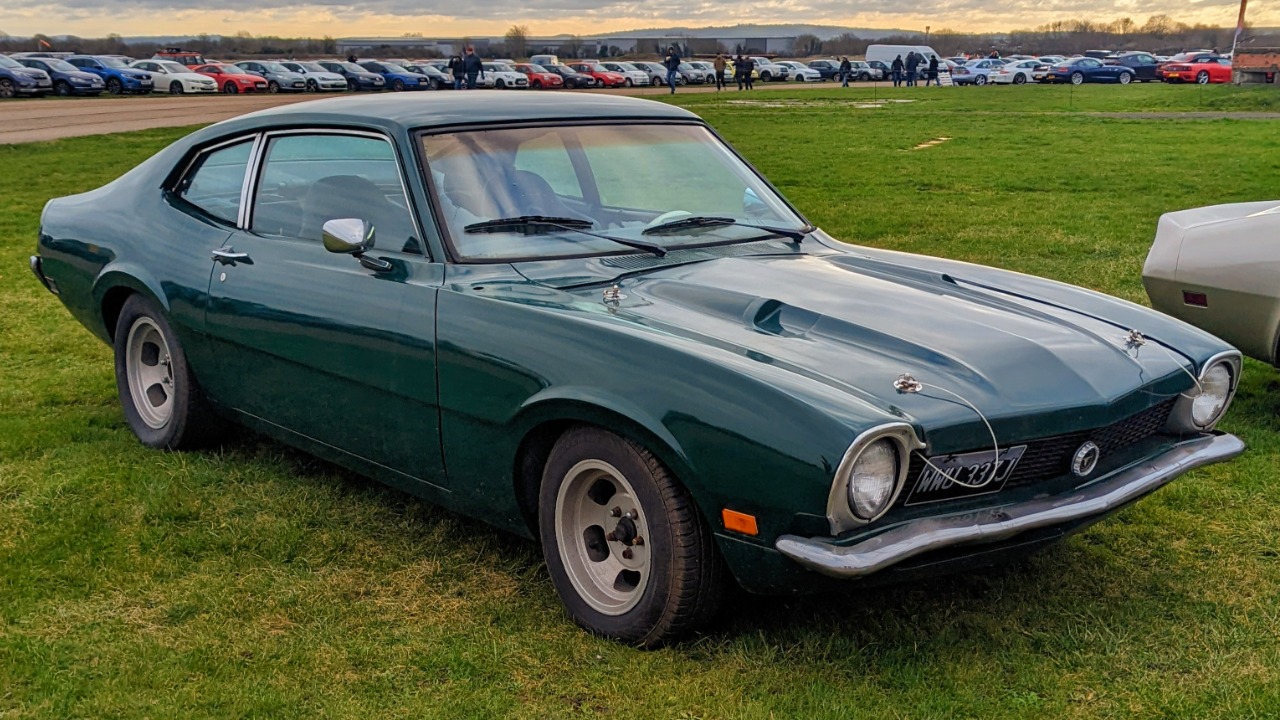
Cars and trucks often become important for reasons that have little to do with horsepower, towing capacity, or sales figures. Certain vehicles arrive at exactly the right moment, capturing shifts in culture, technology, economics, or consumer behavior. Years later, they reveal far more than their manufacturers intended. Viewed through a historical lens, these vehicles help explain how society changed, what people valued, and where entire industries were heading. Their stories extend well beyond the roads they traveled.
AMC Eagle
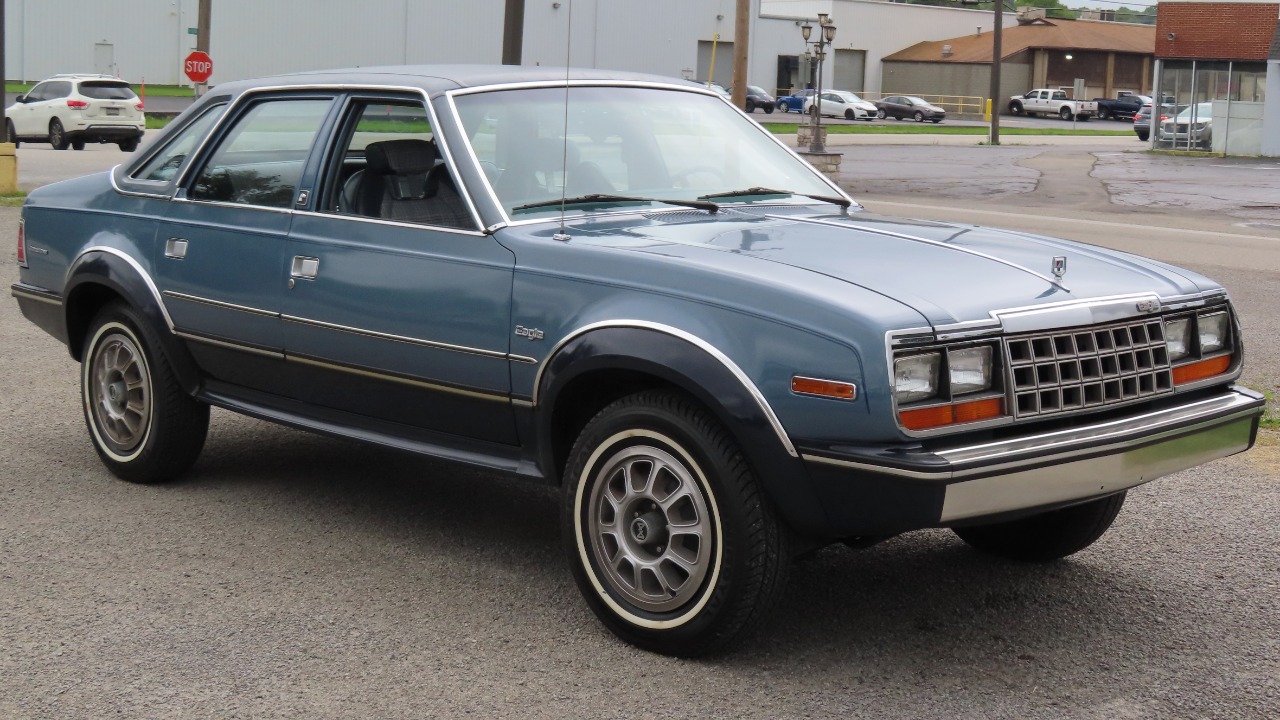
The AMC Eagle is often remembered as an unusual vehicle, but its larger significance lies in what it predicted. By combining passenger-car comfort with all-wheel-drive capability, it anticipated the crossover formula decades before it became mainstream. At the time, many buyers weren’t looking for such a combination. Today, however, the Eagle looks remarkably familiar. Its story highlights how consumer preferences can evolve dramatically, transforming once-niche ideas into industry standards.
Saturn SC2
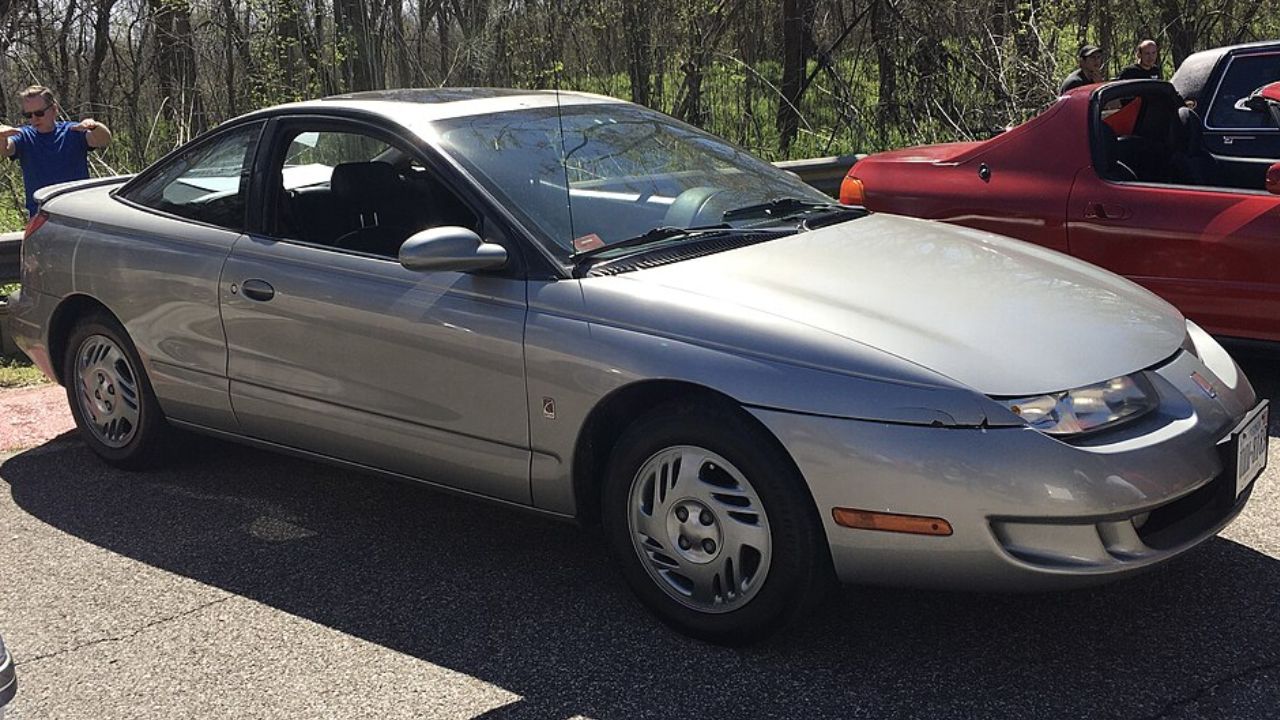
The Saturn SC2 tells the story of an ambitious attempt to rethink how cars were designed, sold, and marketed. Saturn sought to attract younger buyers through innovative manufacturing methods and a different dealership experience. The SC2 became one of the brand’s most recognizable products, reflecting a period when major automakers were searching for new ways to remain competitive. Its story offers insight into an era of experimentation within the American auto industry.
Hummer H2
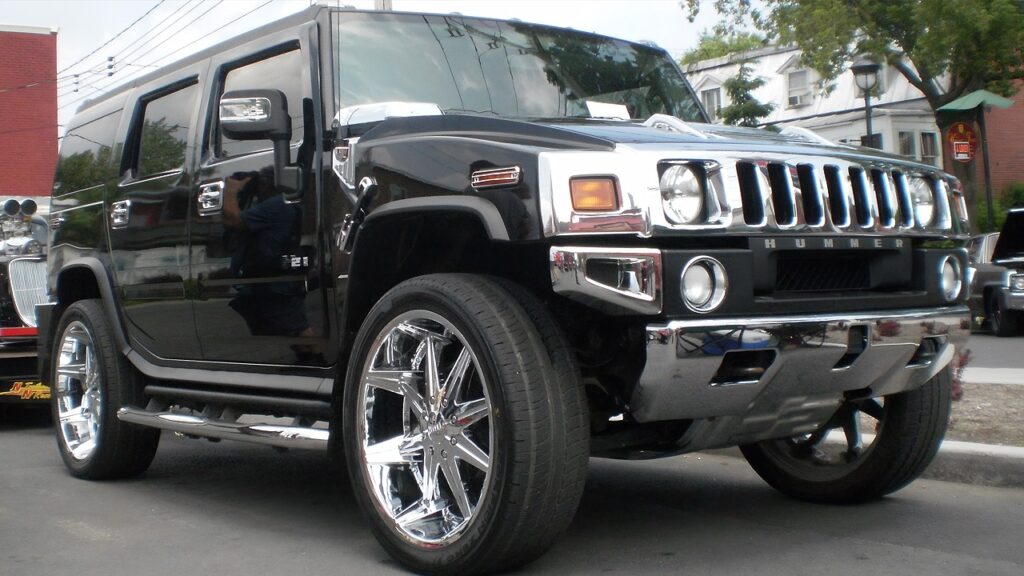
The Hummer H2 became one of the most recognizable vehicles of its era because it embodied prevailing attitudes about size and image. For many buyers, larger vehicles represented success, confidence, and capability. As concerns about efficiency and sustainability grew, public perception shifted dramatically. The H2’s changing reputation reveals how quickly consumer values can evolve and how cultural trends often influence vehicle popularity as much as practical considerations.
Scion xB
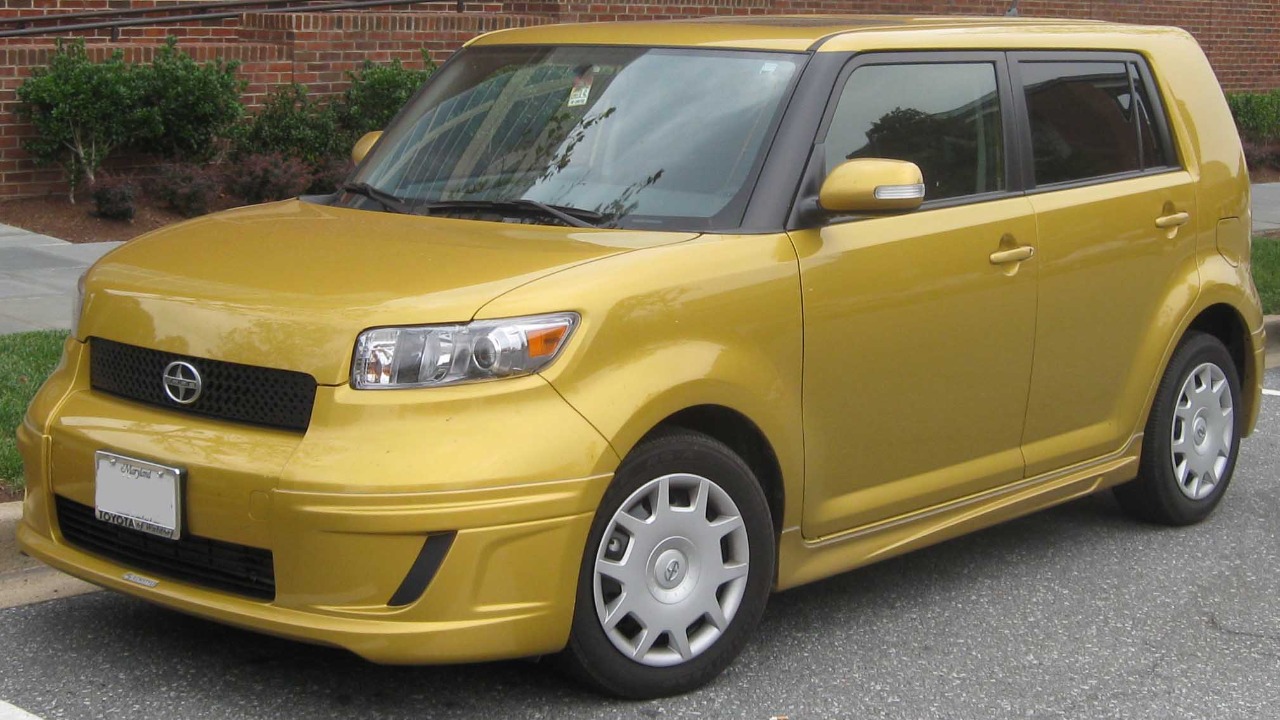
The Scion xB arrived at a time when younger consumers increasingly valued individuality and customization. Its boxy shape stood out from nearly everything else on the road, helping it build a loyal following despite its unconventional appearance. The xB demonstrated that many buyers wanted vehicles that reflected their personalities rather than simply meeting transportation needs. Its success highlighted the growing importance of self-expression in automotive purchasing decisions.
Nissan Leaf
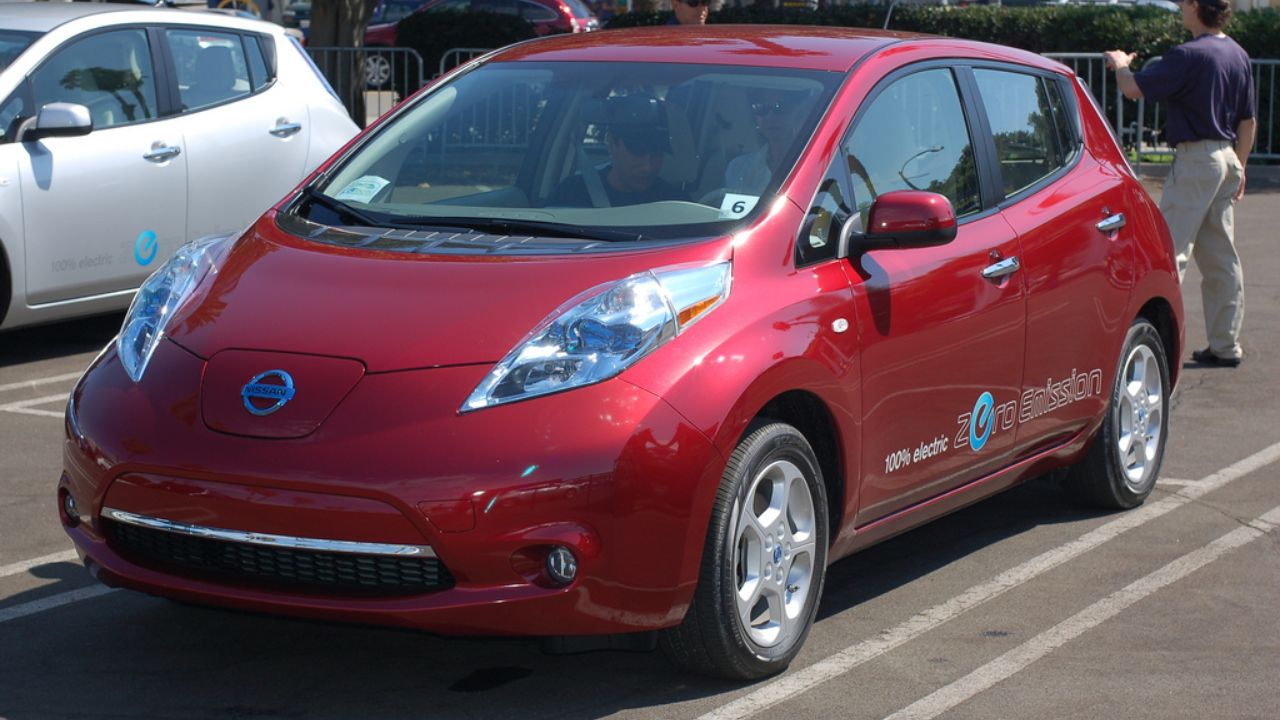
The Nissan Leaf tells a story about changing attitudes toward energy and transportation. When it debuted, electric vehicles remained unfamiliar to many consumers. By offering a practical and relatively accessible electric car, the Leaf helped introduce countless drivers to battery-powered transportation. Its role in normalizing electric vehicles reflects broader shifts in environmental awareness, technological development, and consumer willingness to embrace new ideas.
Ford Maverick
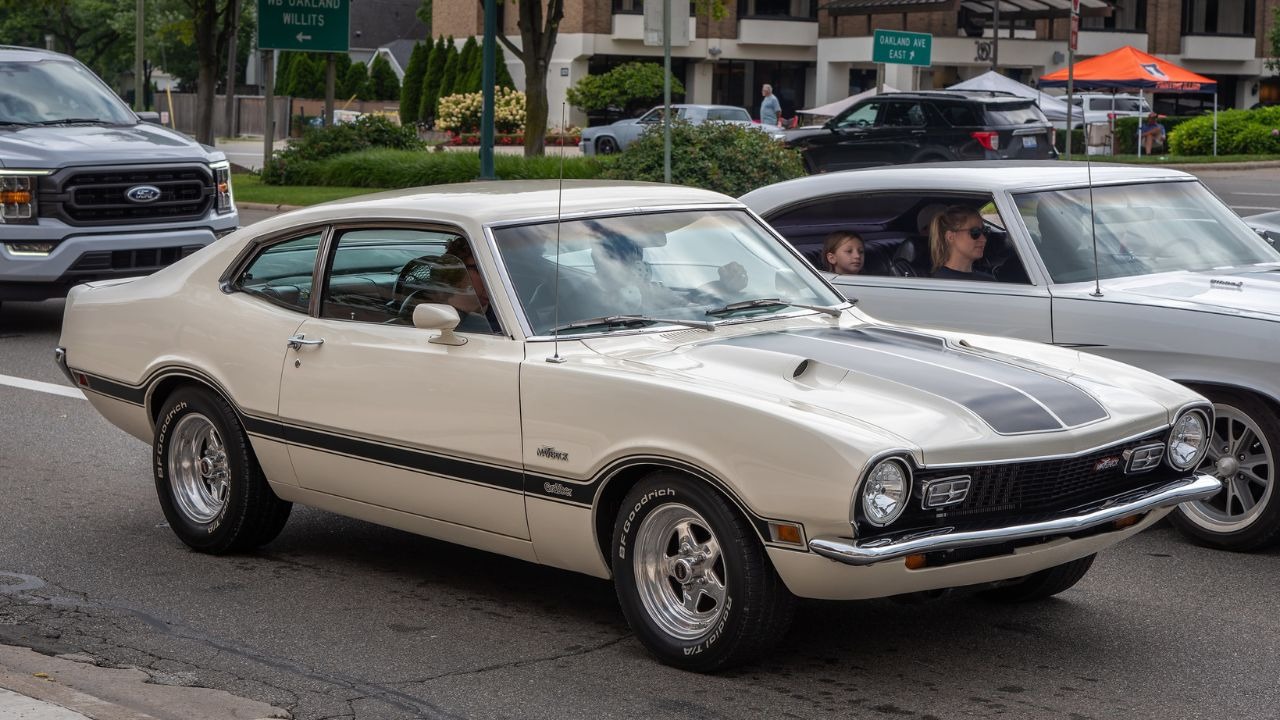
The Ford Maverick reflects a modern shift toward practicality and efficiency. For years, pickup trucks grew larger and more expensive, leaving some buyers underserved. The Maverick’s popularity demonstrated that many consumers wanted utility without excess. Small-business owners, urban drivers, and first-time truck buyers embraced its straightforward approach. The vehicle’s success reveals changing attitudes toward ownership, affordability, and what people truly need from a truck.
BMW i3

The BMW i3 represented an effort to rethink the automobile from the ground up. Its electric powertrain, lightweight construction, and environmentally conscious materials reflected concerns that would become increasingly important throughout the industry. While it never achieved mainstream sales success, the i3 demonstrated how automakers were beginning to prepare for a future shaped by sustainability and new technologies. Its significance extends well beyond production numbers.
Chrysler Minivan
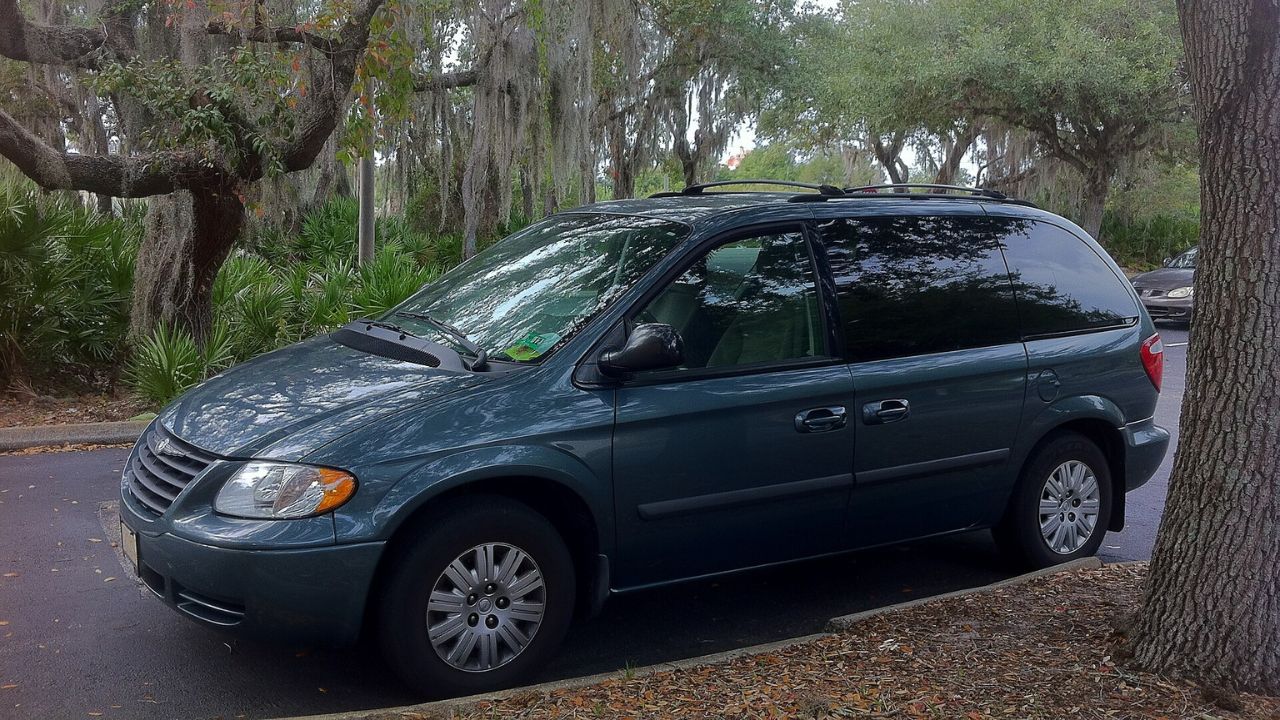
The Chrysler Minivan became a defining vehicle for millions of families, but its larger story involves changing lifestyles. As suburban growth accelerated and households became increasingly busy, buyers needed transportation designed around people rather than cargo. The minivan’s success reflected evolving family structures, commuting habits, and daily routines. More than just a popular vehicle, it became a symbol of how transportation adapted to modern family life.
More from Fast Lane Only