For much of the twentieth century, prestige in the car business could be measured with a tape measure. Longer sheet metal signaled wealth, comfort, and power, and automakers built ever more extravagant land yachts to win status-conscious buyers. That arms race has ended, yet its imprint still shapes how people think about luxury, performance, and what a “proper” car should be.
Now, as electric drivetrains, software, and congestion reshape the industry, the old obsession with overall length looks increasingly out of step. The story of how automakers once chased inches, then walked away from them, helps explain why modern cars look the way they do and where they might be headed next.
The age when inches equaled prestige
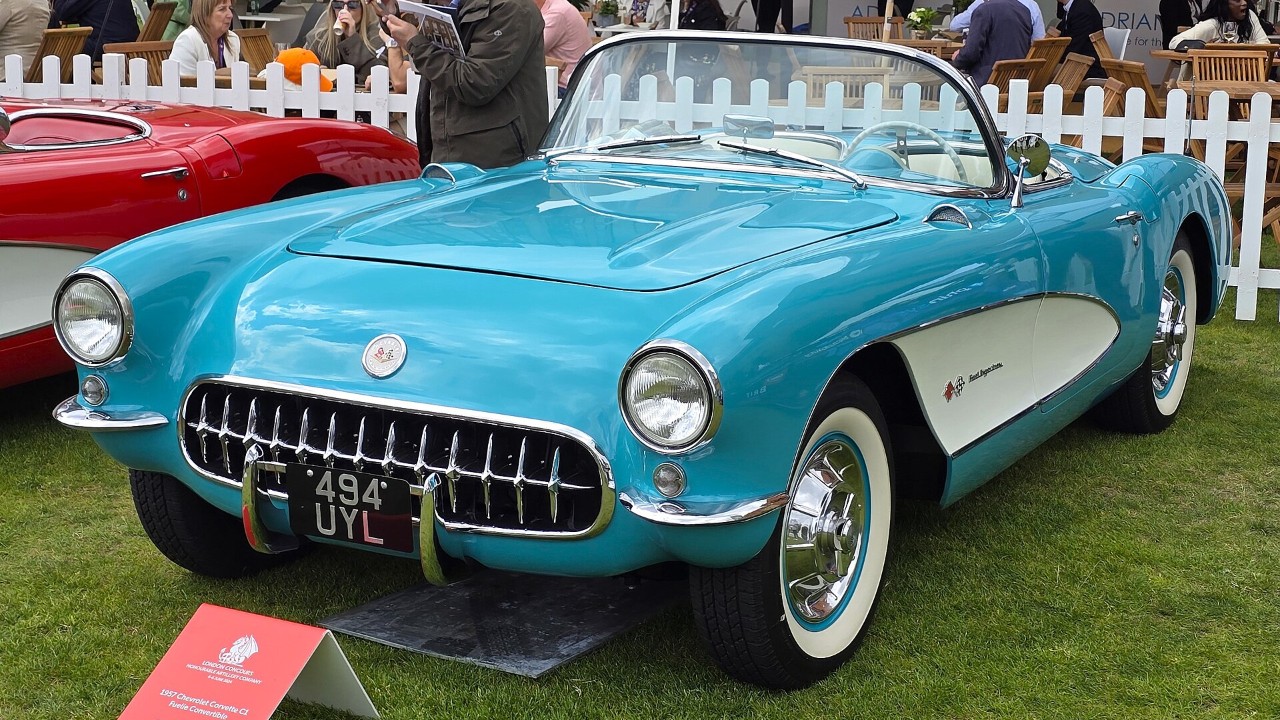
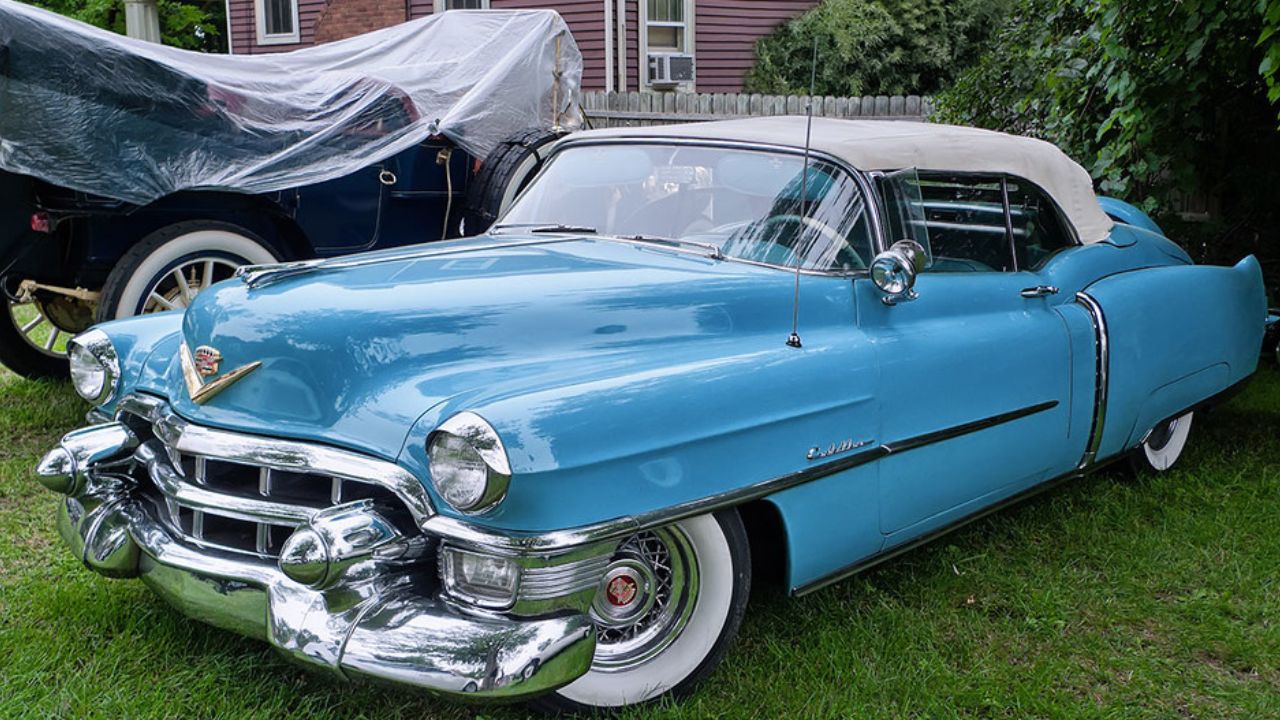
In the postwar boom, especially in North America, car length functioned as a shorthand for success. Big V8 sedans and coupes were rolling living rooms, with long hoods, vast trunks, and rear overhangs that served more as styling statements than practical cargo space. Automakers leaned into this logic because it aligned with their business incentives. Longer cars justified higher sticker prices and created clear visual distance between entry-level and flagship models.
Engineering did not stand in the way. Body-on-frame construction and relatively cheap fuel allowed designers to stretch wheelbases with few compromises. Urban sprawl also played a part. As suburbs grew and parking lots expanded, the penalty for driving a 19-foot car shrank. The result was a culture where the most expensive models were often the longest, even when they shared engines and platforms with smaller siblings.
Racing and performance culture reinforced the idea that more metal meant more capability. Long, low grand tourers projected stability at speed and had room for large displacement engines. That visual language still echoes in modern hypercars. Many of the fastest cars rely on stretched proportions and extended tails to manage airflow and high-speed stability, even as they chase extreme acceleration rather than boulevard cruising.
Regulation, fuel costs and the slow retreat from excess
The first real challenge to the “longer is better” mindset came from outside the design studio. Fuel crises, emissions rules, and safety standards made it harder to justify sheer size. Longer bodies meant more weight, which in turn meant higher fuel consumption and more difficult crash performance. Governments responded with efficiency targets that pushed automakers toward lighter, more compact platforms.
As global markets grew more important, the economics shifted again. Building cars for dense European and Asian cities required tighter footprints and better packaging. Parking space dimensions, urban congestion charges, and customer expectations in places like Tokyo and Paris rewarded clever interior design over sheer length. Automakers that once exported their biggest sedans as halo products had to rethink what luxury looked like in streets where every centimeter mattered.
Manufacturers also discovered they could separate status from size by moving upmarket on technology and materials instead of wheelbase alone. High-end audio, advanced driver assistance, and premium interiors gave buyers reasons to spend more without stretching the car to unwieldy proportions. Length became one variable among many, not the defining feature.
From land yachts to crossovers and software
The modern shift toward crossovers and SUVs finished what fuel crises started. As buyers migrated away from traditional three-box sedans, automakers reoriented their lineups around higher-riding vehicles that promised versatility rather than formal length. Some brands have now exited the sedan market entirely. Companies that once built their reputations on long saloons have turned to crossovers, a trend captured by lists of sedan-free brands that now rely on SUVs for volume and profit.
The change reflects a deeper redefinition of what feels premium. Height and interior space, especially in the second row, matter more to many buyers than an extra ten or twenty centimeters of overall length. The commanding seating position of an SUV signals control and safety, while fold-flat seats and hatchback openings make the vehicle feel more useful than a long trunk ever did.
Software has also become a new status marker. Automakers increasingly talk about “software-defined vehicles” where digital features, connectivity, and driver assistance differentiate models that may share similar hardware. Industry outlooks that track investment in electric platforms and in-car software, such as analyses of the EV and SDV, show how much management attention has moved from sheet metal to code. In that context, length is almost an afterthought compared with battery capacity, computing power, and over-the-air update capability.
Why the old size race still matters in a new era
Even if automakers no longer brag as openly about overall length, the legacy of the size race still shapes traffic, parking, and climate debates. Many modern SUVs and pickups occupy as much space as classic land yachts, and their growth has real-world consequences. Larger footprints complicate urban parking design, reduce visibility for drivers, and increase the severity of collisions with pedestrians and smaller vehicles.
The tension between size and efficiency is especially visible in the transition to electric vehicles. Long EVs with big battery packs can deliver impressive range, but they also require more raw materials and add weight to already crowded roads. Policymakers and city planners are starting to ask whether streets can accommodate a future where every vehicle is both electric and physically large.
Global competition is adding another twist. Chinese manufacturers have become aggressive exporters, often with compact EVs that prioritize efficiency and value over sheer size. Commentators arguing to open markets to point out that many of these models could undercut larger Western vehicles on price and energy use. That pressure may push established automakers to rethink the balance between footprint, cost, and perceived prestige.
Consumer expectations, however, do not change overnight. In markets where long vehicles once signaled success, some buyers still associate bigger with better, especially in luxury segments. That creates a delicate task for designers who must deliver interior comfort and presence without building cars that overwhelm parking spaces or emissions targets.
What might replace length as the next status symbol
As automakers invest heavily in electrification and software, new forms of one-upmanship are emerging. Range, charging speed, and performance metrics already function as bragging rights among EV owners. Hypercars that chase top speed records, like those cataloged in rankings of the quickest production models, show how extreme acceleration and maximum velocity have become a new kind of spec-sheet competition.
For mass-market vehicles, cabin experience and digital features are likely to matter more than exterior dimensions. Large, high-resolution displays, seamless smartphone integration, and advanced driver assistance could become the new visual cues of premium status. Automakers that once stretched cars to convey luxury are now stretching screen diagonals and software feature lists instead.
Industry forecasts that track investment in electric architectures and artificial intelligence, such as the 2026 outlook for, suggest that the next competitive frontier will be less about metal and more about data. Over-the-air updates, subscription features, and personalized driving profiles can all scale without adding physical bulk, which aligns better with urban constraints and climate goals.
Vehicle length will not disappear as a design consideration. Long wheelbases still help ride comfort, and some markets will continue to favor stretched executive cars that offer rear legroom and a sense of occasion. Yet the old race to build the longest possible car looks unlikely to return. The constraints of crowded cities, the economics of batteries, and the rise of software as a status marker all point in another direction.
In that sense, the age of the land yacht serves as a cautionary tale. It shows how an industry can fixate on a single, highly visible metric that flatters its products, only to discover later that the world has moved on. As automakers navigate pressure from regulators, new competitors, and changing tastes, the lesson from the length wars is simple: chasing size for its own sake is a luxury the car business, and the cities that host it, can no longer afford.
More from Fast Lane Only
- Unboxing the WWII Jeep in a Crate
- 15 rare Chevys collectors are quietly buying
- 10 underrated V8s still worth hunting down
- Police notice this before you even roll window down
*Research for this article included AI assistance, with all final content reviewed by human editors