Performance legends are usually born from racing programs, big budgets, and carefully staged marketing campaigns. Occasionally, though, an icon emerges from a mistake, a legal quirk, or a quiet engineering experiment that gets away from its creators. The car that accidentally created a performance legend belongs to that second group, where unintended decisions reshaped what enthusiasts expect from speed.
Accidental greatness is not unique to this one model. From a humble $60 router that turned into a homelab staple to front-wheel-drive sedans that suddenly made more power than their makers planned, history is full of machines that overachieved by surprise. That same pattern now shapes how modern performance cars are tuned, sold, and even regulated.
How a miscalculation turned into a performance benchmark
The pattern often starts with hardware that was never meant to be special. In the networking world, a low-cost router became legendary because a legal requirement forced its manufacturer to ship it with open firmware. Enthusiasts discovered that this $60 box hid far more capability than its marketing suggested, then used that unlocked software to turn it into the most famous homelab device of the 2000s. The story of that accidental router shows how constraints and oversight can create cult hardware.
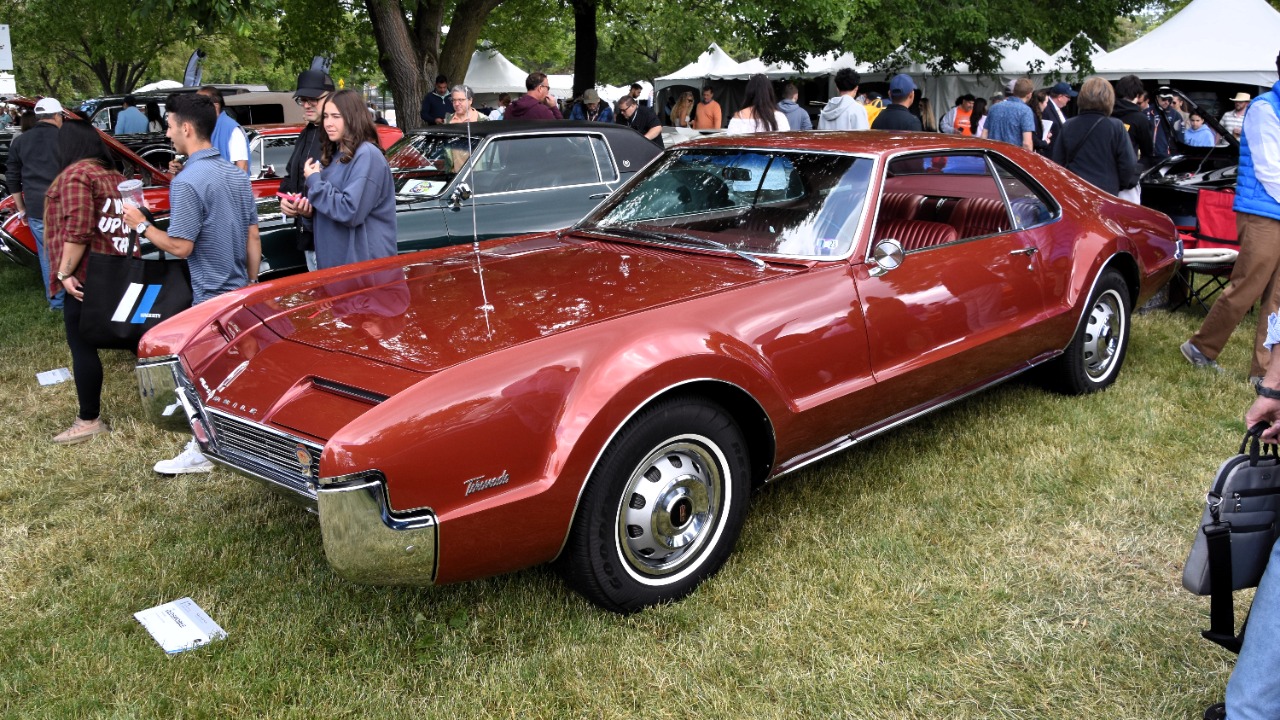
Automakers have followed a similar path, although their accidents tend to involve engines and drivetrains rather than firmware. In the 1960s, Oldsmobile engineers built a front-wheel-drive car that unexpectedly became the most powerful production FWD model of its time. The project aimed to package a big V8 with new efficiency, not to chase records, yet the resulting Oldsmobile Toronado carried so much torque to the front wheels that it set a performance benchmark almost by accident. Reporting on how Oldsmobile created that car shows how an internal engineering target can quietly exceed everything else on the road.
A similar dynamic appears in Japan with Mazda. Engineers developing a lightweight sports car focused on balance, steering feel, and reliability rather than headline power figures. Their modest roadster unexpectedly ignited a global revival of small convertibles and went on to become one of the most recognizable enthusiast cars in history. Accounts of how Mazda accidentally created an icon describe a project pitched as a simple, affordable runabout that evolved into a template other brands still chase.
The car that anchors this story follows the same arc. It began as a practical model meant to fit regulations and market needs, then picked up a stronger engine, a firmer chassis, or a racing program that was supposed to be limited in scope. Instead of a tidy special edition, it became the reference point for a new generation of performance cars, with owners and tuners discovering margins the factory never officially promised.
What changed inside the car that made it legendary
Every accidental legend starts with a specific decision that shifts the hardware from ordinary to exceptional. In Oldsmobile’s case, the choice to pair a large-displacement V8 with a front-wheel-drive layout created a torque figure that eclipsed the rest of the market. Engineers had to redesign suspension geometry and steering components to cope with torque steer and weight distribution, and those changes gave the car an unexpectedly aggressive character. What began as a packaging experiment turned into a muscle car that happened to drive the front wheels.
Mazda’s transformation hinged on restraint. Rather than chasing the highest power output, the team focused on keeping weight low and tuning the suspension for feel. The result was a car that did not dominate spec sheets but delivered a driving experience owners described as more engaging than heavier, faster rivals. Over time, incremental updates to the engine, gearbox, and chassis sharpened that character without losing the original simplicity, which helped cement the car’s reputation.
The modern performance world is watching a similar inflection point with the latest Mustang variants. Ford has teased a Mustang Dark Horse SC that targets track-focused buyers with supercharged power and aggressive aero. Early previews of the Dark Horse SC show how a relatively modest base platform can be pushed into territory once reserved for dedicated race cars. If history repeats, tuners will likely find even more headroom in that package than Ford officially claims.
For the car that accidentally created a legend, the turning point often came when engineers overbuilt key components. A transmission rated for far more torque than the stock engine produced, or a cooling system sized for extreme climates, gave enthusiasts a safety margin for tuning. Once owners realized that simple changes unlocked dramatic gains without sacrificing reliability, the car’s reputation shifted from “good value” to “future classic.”
Why an accidental performance hero matters today
Unplanned legends matter because they expose gaps between what manufacturers think customers want and what enthusiasts actually chase. The router that became a homelab icon showed that buyers valued hackability and control as much as raw speed. The Toronado proved that front-wheel drive could carry serious power when the hardware was strong enough. Mazda’s roadster demonstrated that light weight and feedback could outsell raw horsepower.
For regulators, these stories highlight how rules can shape performance in unexpected ways. The open firmware on that $60 router existed because of legal requirements around source code. Emissions and safety standards pushed Oldsmobile and Mazda toward specific engine sizes and layouts, which then produced distinctive driving experiences. The car at the center of this story likely emerged from similar pressures, such as fleet fuel economy rules or cost targets that forced creative engineering.
Enthusiast culture also plays a central role. Online forums, track days, and social media can turn a modest car into a hero within a few model years. Once tuners share dyno charts, lap times, and reliability reports, a pattern of overbuilt hardware becomes impossible to hide. That feedback loop encourages manufacturers to lean into the car’s strengths with performance packages, special trims, and motorsport programs. The Mustang Dark Horse SC, for example, arrives in a market that has already embraced track-ready pony cars, and its reception will depend heavily on how tuners and racers push the platform.
Used-car markets then amplify the effect. When a model earns a reputation for hidden performance potential, values stabilize or even rise as supply shrinks. The Miata’s long-term resale strength, the cult following around specific Oldsmobile years, and the premium enthusiasts pay for early hardware revisions of that famous router all show how accidental legends become financial assets as well as cultural ones.
What comes next for the car and its unexpected legacy
The future of any accidental performance icon depends on how its maker responds. One path is to formalize the legend with factory-backed performance variants, track packages, and heritage branding. Ford’s strategy with the Dark Horse SC fits this model, as does Mazda’s steady refinement of its roadster into higher-performance trims while preserving the core formula.
Another path is quieter. Some companies choose to let a cult model stand alone, then carry its lessons into mainstream products without direct continuation. In that scenario, the engineering philosophy that created the legend, such as overbuilt components or a focus on driver engagement, spreads across crossovers and electric vehicles. Enthusiasts may never see a direct successor, but they feel echoes of the original in steering calibration, chassis tuning, and software behavior.
Electrification adds a new twist. Electric powertrains can hide enormous tuning potential inside software limits. A car that ships with conservative power settings to meet range and durability targets might later receive factory or third-party updates that unlock more performance. The router story shows how firmware can turn commodity hardware into a high-end tool, and the same principle will increasingly apply to cars as over-the-air updates become routine.
For the car that accidentally created a performance legend, the next chapter will likely involve a mix of nostalgia and experimentation. Collectors will chase clean, unmodified examples of the original specification, while tuners push the platform far beyond what the engineering team envisioned. Automakers watching from the sidelines will study how a miscalculation, a legal requirement, or a conservative design choice produced a halo effect that no marketing plan could have guaranteed.
More from Fast Lane Only
- Unboxing the WWII Jeep in a Crate
- 15 rare Chevys collectors are quietly buying
- 10 underrated V8s still worth hunting down
- Police notice this before you even roll window down
*Research for this article included AI assistance, with all final content reviewed by human editors