Some American cars became more than successful automobiles—they reflected the culture, technology, and aspirations of the time in which they were built. Whether representing postwar optimism, the muscle car boom, or the rise of personal luxury, these vehicles continue serving as lasting symbols of their respective eras.
Ford Model A
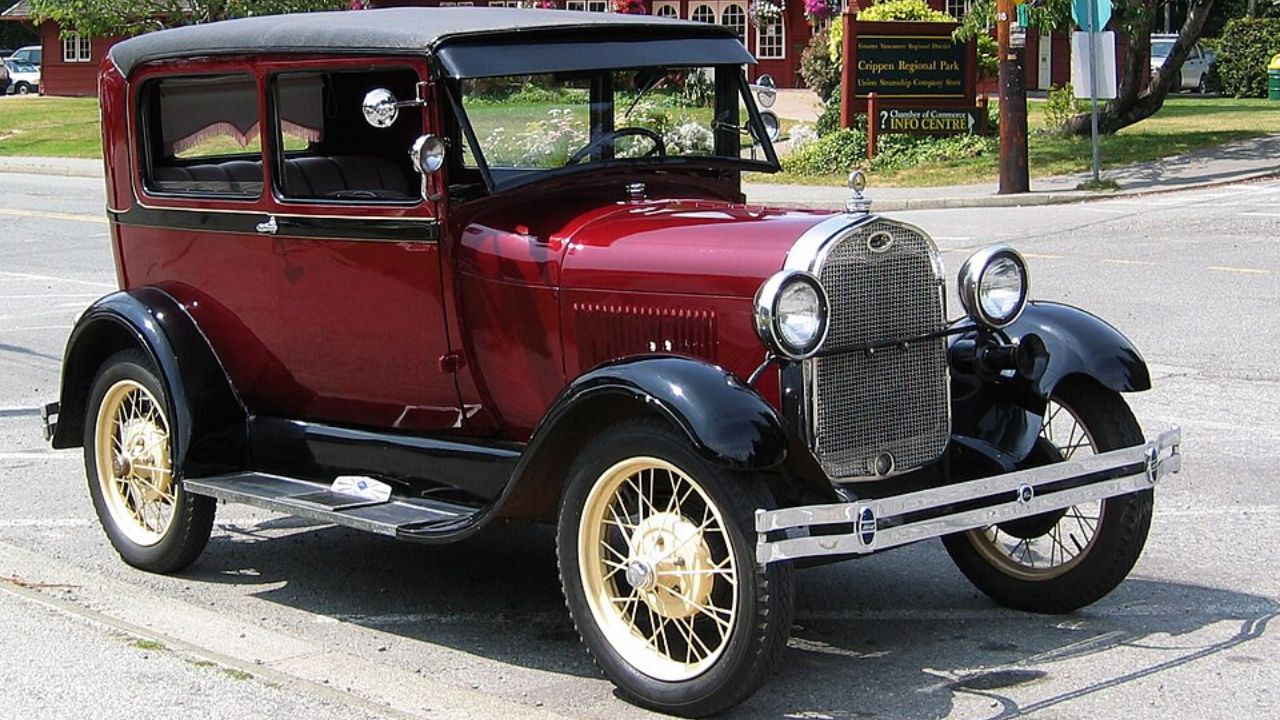
The Ford Model A ushered America into a new era of motoring with improved performance, modern styling, and greater comfort than its predecessor. It helped millions embrace automobile ownership during the late 1920s. Today, it remains an enduring symbol of early American mobility.
Cadillac Series 62
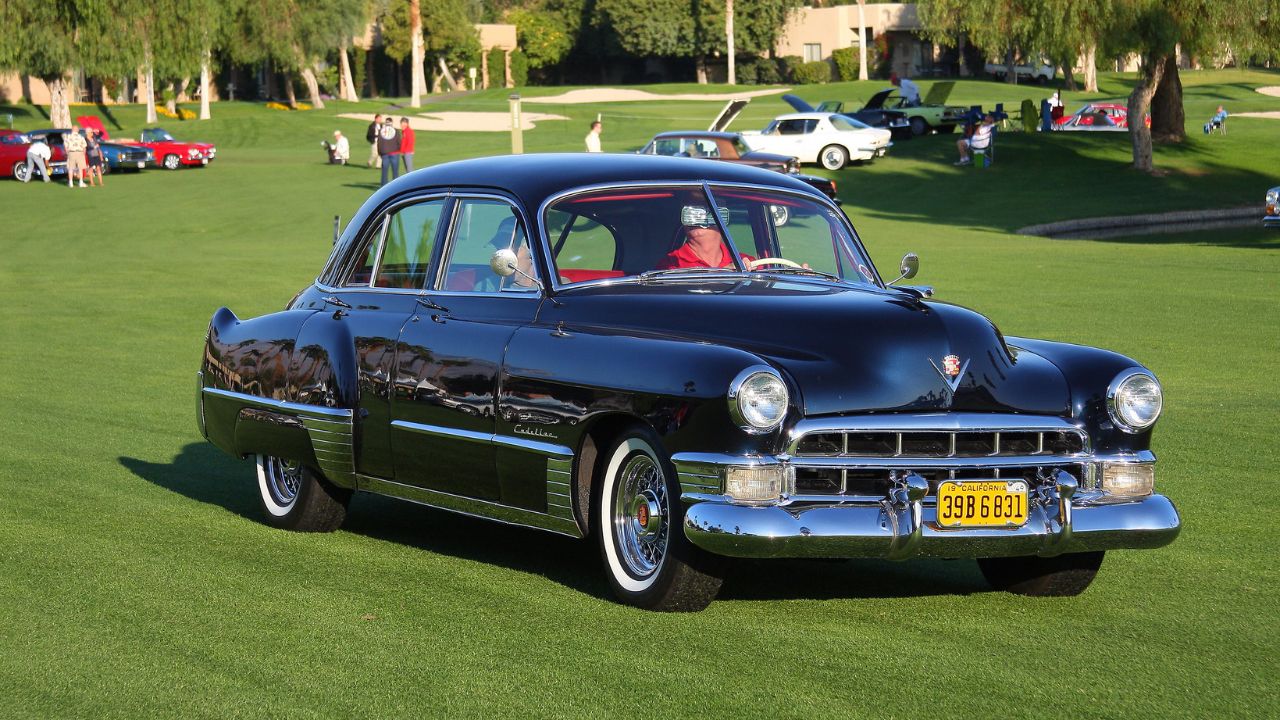
The Cadillac Series 62 embodied postwar prosperity with bold styling, generous chrome, and effortless V8 performance. It became a favorite among buyers seeking prestige and luxury during the 1950s. Its elegant design continues representing America’s golden age of automotive excess.
Chevrolet Tri-Five Bel Air
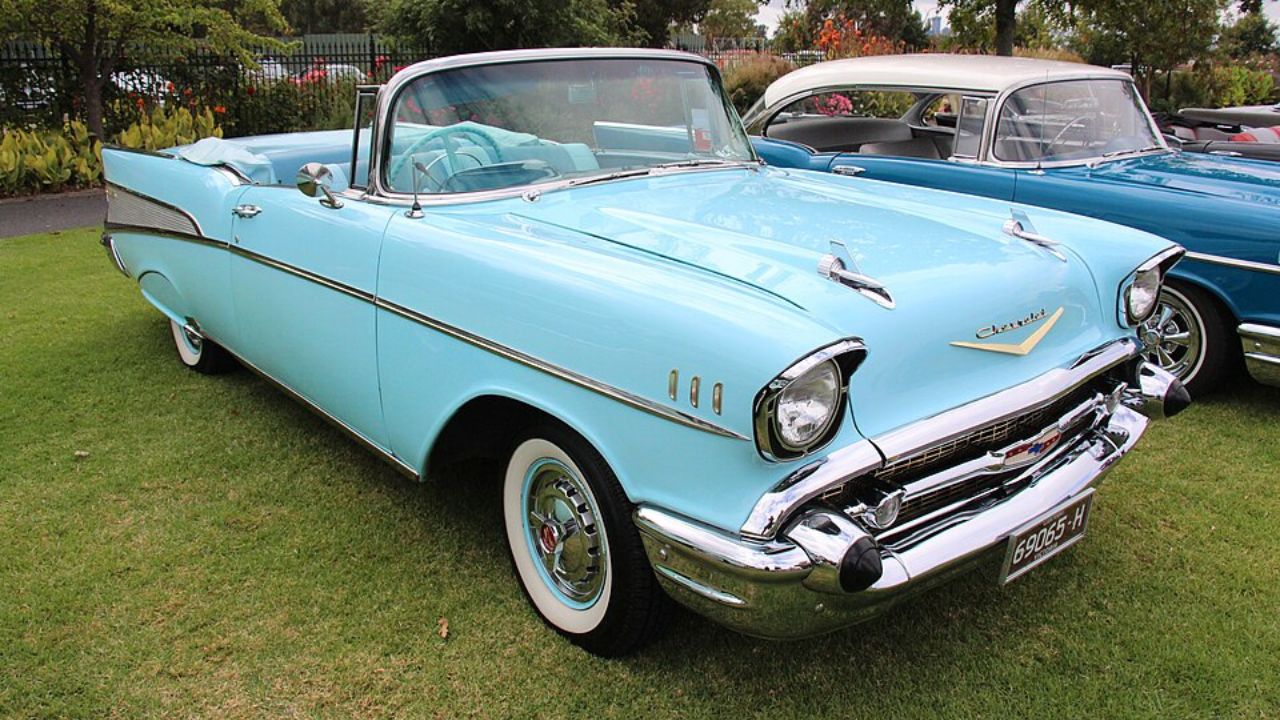
The 1955–1957 Chevrolet Bel Air captured the excitement of the booming 1950s through colorful styling, innovative engineering, and the introduction of the small-block V8. It became a cultural icon almost immediately. Few cars represent mid-century America more completely.
Pontiac GTO
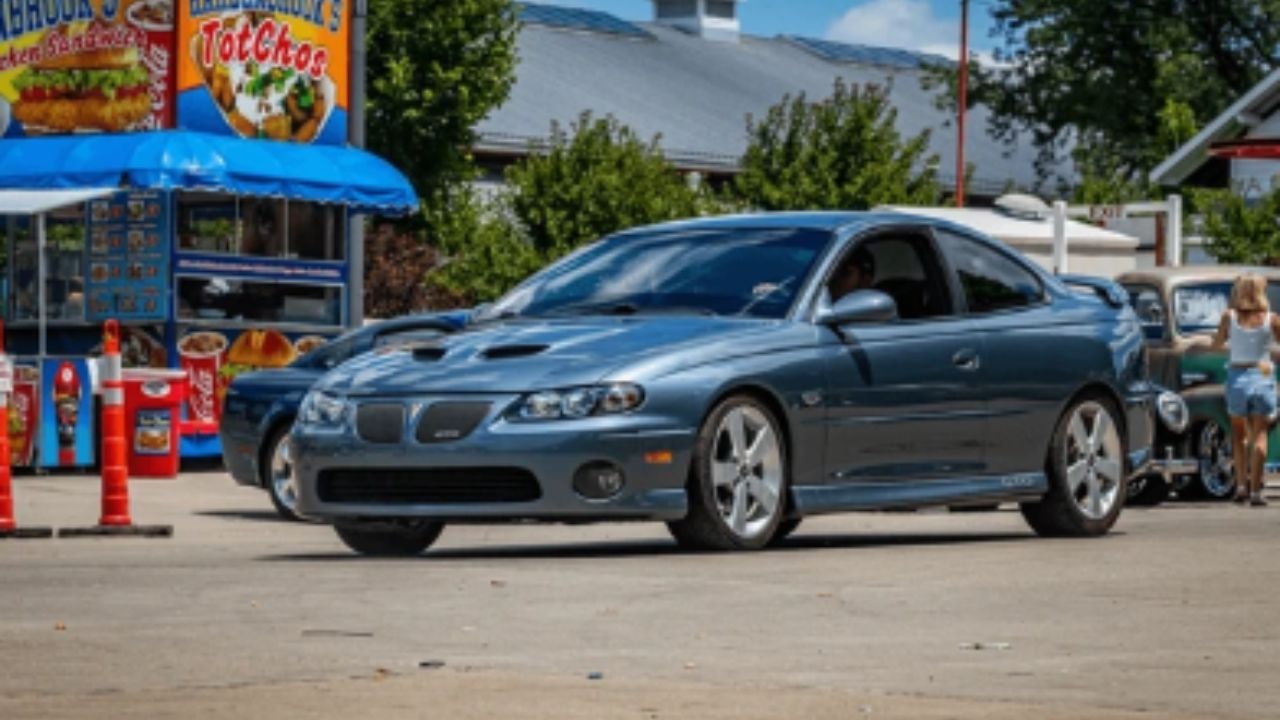
The Pontiac GTO ignited the muscle car movement by delivering big-block performance at an attainable price. It inspired fierce competition among Detroit manufacturers and reshaped American performance culture. The GTO remains the defining symbol of the 1960s muscle car era.
Oldsmobile Toronado
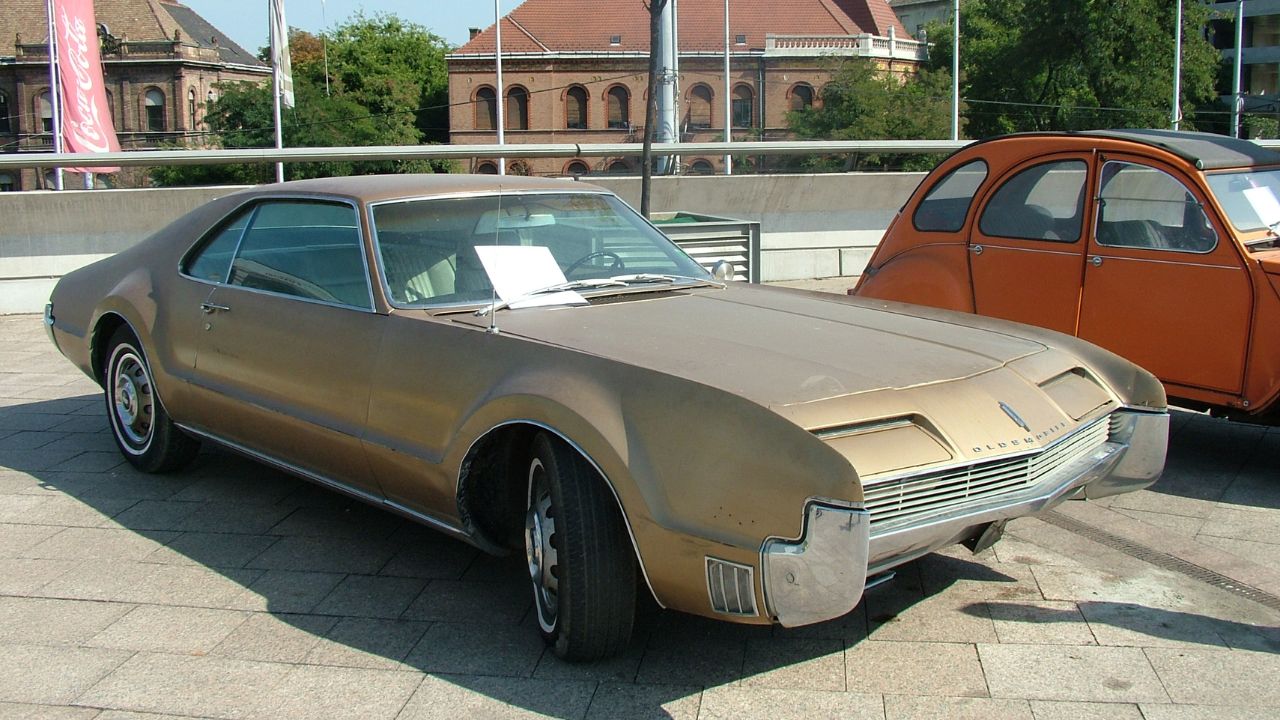
The Oldsmobile Toronado introduced front-wheel drive to the American luxury coupe market with bold styling and advanced engineering. Its futuristic appearance reflected Detroit’s willingness to innovate during the 1960s. It remains one of General Motors’ most influential automobiles.
Ford Mustang Fox Body
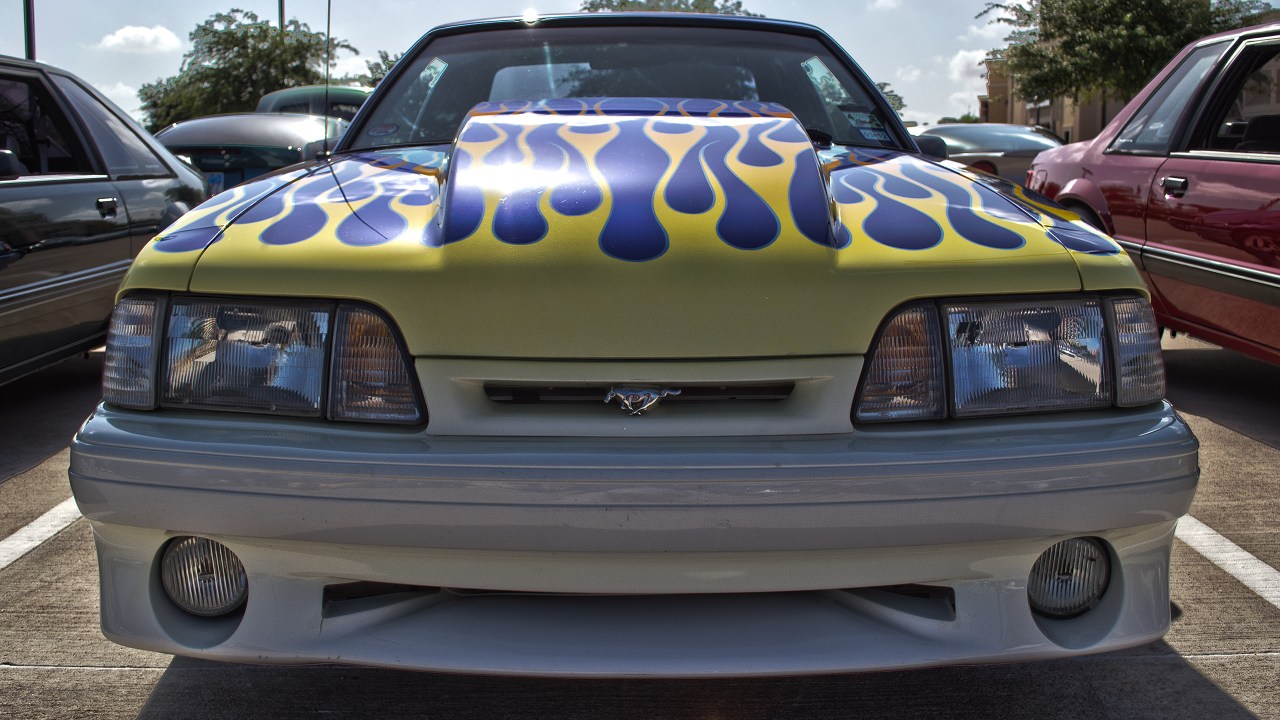
The Fox Body Mustang carried American performance through the 1980s with affordable V8 power, lightweight construction, and endless aftermarket support. It became the performance car of choice for an entire generation. Its popularity continues to grow among collectors.
Jeep Cherokee XJ

The Jeep Cherokee XJ transformed the SUV market by combining unibody construction with genuine off-road capability. It appealed equally to commuters and outdoor enthusiasts, helping redefine the modern sport utility vehicle. Its influence remains visible in today’s SUV designs.
Dodge Viper RT/10

The Dodge Viper RT/10 revived the spirit of raw American performance with a massive V10 engine, minimal electronic aids, and unmistakable styling. It rejected luxury in favor of pure driving excitement. The Viper became one of the boldest automotive statements of the 1990s.
Tesla Model 3

The Tesla Model 3 accelerated the widespread adoption of electric vehicles by making advanced EV technology accessible to a much larger audience. Its combination of performance, range, and software innovation changed expectations for modern automobiles. It has become one of the defining American cars of the 21st century.
More from Fast Lane Only
- Unboxing the WWII Jeep in a Crate
- 15 rare Chevys collectors are quietly buying
- 10 underrated V8s still worth hunting down
- Police notice this before you even roll window down
*Research for this article included AI assistance, with all final content reviewed by human editors