The DeLorean DMC-12 is an icon of automotive history, known for its unique design and cultural significance, especially as a time machine in the “Back to the Future” franchise. Despite its fame, the car was riddled with compromises that contributed to its reputation as a poorly designed vehicle. The journey of the DMC-12 is a fascinating tale of ambition, innovation, and the complexities of bringing a revolutionary product to market.
The Vision Behind the DeLorean DMC-12
John DeLorean, an automotive engineer and executive, had grand aspirations when he founded the DeLorean Motor Company in 1975. He envisioned a sports car that would not only compete with the likes of Ferrari and Porsche but also redefine the automotive landscape. DeLorean’s ambition was fueled by his experience at General Motors, where he played a crucial role in developing successful models like the Pontiac GTO and the Chevrolet Vega. His vision for the DMC-12 was to create a vehicle that combined futuristic aesthetics with performance, targeting a demographic of young, affluent buyers.
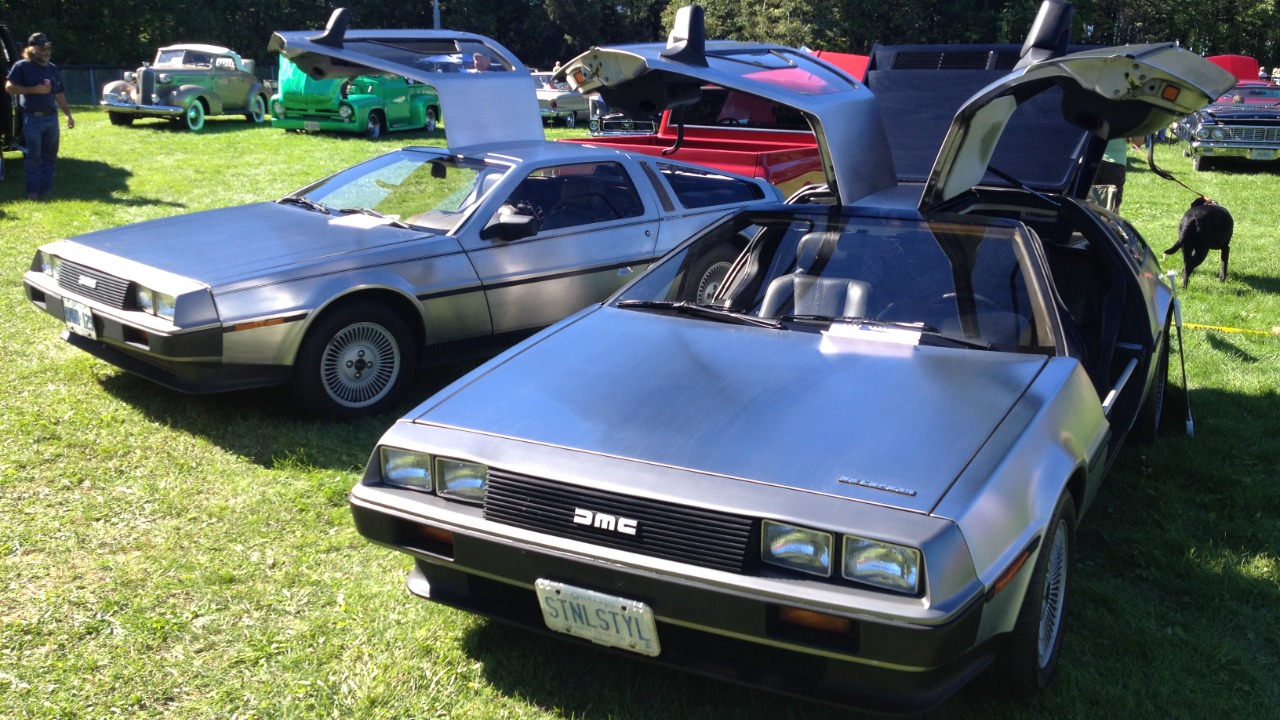
The design of the DMC-12 was nothing short of revolutionary for its time. Featuring a stainless steel body that eliminated the need for paint, the car stood out with its distinctive gull-wing doors. These design choices were not merely for show; they were intended to convey a sense of innovation and luxury. The DMC-12 was marketed as a futuristic vehicle, and its sleek appearance was complemented by features like a rear-mounted V6 engine and a unique chassis design that promised a better driving experience. However, while the vision was compelling, the execution would prove to be fraught with challenges.
Manufacturing and Production Challenges
The journey from concept to reality was marred by significant manufacturing and production challenges. The DeLorean Motor Company faced quality control issues that became apparent soon after production began. Many early models were criticized for inconsistent build quality, including problems with body panel alignment and interior fixtures. According to various reports, owners experienced reliability issues that detracted from the driving experience, leading to a perception that the car was poorly constructed (source).
Additionally, the factory’s location in Northern Ireland presented its own set of complications. The decision to build the factory there was influenced by DeLorean’s desire to create jobs in a region plagued by economic strife. However, the political climate and labor issues in Northern Ireland led to delays in production. These logistical challenges, combined with the ambitious production goals set by DeLorean, resulted in a cascade of setbacks that impacted the company’s financial health. The financial struggles eventually forced the company to make compromises that further affected the car’s quality and reliability.
Reception and Criticism
When the DMC-12 debuted in 1981, it was met with mixed reviews from automotive critics. The car’s striking design initially generated excitement, but many reviewers were quick to point out significant flaws. Performance criticisms included a lack of power and subpar handling, which left some enthusiasts disappointed. The car’s 0-60 mph time was reported to be around 8.8 seconds, a figure that paled in comparison to its competitors at the time. While the car looked the part of a high-performance vehicle, it struggled to deliver on that promise.
Consumer sentiment also evolved over time. Initially, there was a wave of enthusiasm—many were captivated by the car’s unique styling and the aura of innovation surrounding it. However, as more owners reported issues with reliability and performance, skepticism began to set in. The DMC-12 became synonymous with mechanical failures, which only reinforced the perception that it was a poorly designed vehicle. This shift in public perception was captured by various automotive publications, including Hagerty, which noted how the initial excitement turned into disappointment for many buyers.
Cultural Impact and Icon Status
Despite its flaws, the DeLorean DMC-12 achieved a level of cultural significance that few cars can boast. Its portrayal as a time machine in the “Back to the Future” franchise transformed it into a pop culture icon. The films, released in the mid-1980s, featured the DMC-12 as a vehicle capable of time travel, which helped cement its status in the public’s imagination. The car’s unique design and the narrative surrounding it resonated with audiences, making it an unforgettable symbol of adventure and innovation.
The cultural impact of the DMC-12 extended beyond the silver screen. In the years following the films’ release, the car saw a resurgence in interest among collectors and automotive enthusiasts. The DMC-12’s limited production numbers—only about 9,000 units were made—added to its allure. Many collectors began to seek out these vehicles, leading to an increase in market value and a renewed appreciation for the car’s design. As noted by Hagerty, the DMC-12 blazed a path to collector status, demonstrating that even flawed products can gain historical significance.
The DeLorean’s Enduring Appeal
One of the driving forces behind the DMC-12’s enduring appeal is nostalgia. For many fans of the “Back to the Future” franchise, the car evokes a sense of excitement and adventure. Its unique design and association with a beloved film series have contributed to a lasting fascination that transcends generations. Enthusiasts often gather at car shows and conventions, celebrating the DMC-12 not just as a vehicle but as a cultural artifact that represents a specific moment in time.
Moreover, the rise of restoration and modification projects has kept the DMC-12 relevant within automotive communities. A number of dedicated enthusiasts are actively working to restore these cars to their former glory, while others are modifying them to enhance performance and reliability. These projects not only breathe new life into the DMC-12 but also showcase the passion and creativity of its owners. As the automotive landscape evolves, the DMC-12 continues to capture the imagination of those who appreciate its unique design and storied history.
Lessons Learned from the DeLorean Experience
The story of the DeLorean DMC-12 offers valuable lessons about the balance between innovation and practicality in automotive engineering. While John DeLorean’s ambition to create a revolutionary sports car was commendable, the compromises made during production ultimately hampered the car’s success. This highlights the importance of ensuring that innovative designs are backed by sound engineering and manufacturing practices. The DMC-12 serves as a reminder that even the most visionary ideas can falter without careful execution.
Additionally, the impact of visionary leadership cannot be overlooked. John DeLorean’s ambition and charisma helped to generate excitement around the DMC-12, but they also contributed to the company’s downfall. His drive to innovate pushed the boundaries of what was possible, but it also led to decisions that prioritized style over substance. The story of the DMC-12 underscores the need for balance in leadership—where vision must be tempered by a realistic understanding of challenges and limitations.
Finally, the DeLorean experience illustrates the power of branding and cultural relevance. Despite its flaws, the DMC-12 became a symbol of innovation, in part due to its marketing and its association with popular culture. The impact of the “Back to the Future” franchise cannot be overstated; it transformed the DMC-12 from a struggling sports car into a cultural icon. This emphasizes how effective branding can elevate a product’s status, allowing it to resonate with audiences far beyond its original market.
More from Fast Lane Only
- Unboxing the WWII Jeep in a Crate
- 15 rare Chevys collectors are quietly buying
- 10 underrated V8s still worth hunting down
- Police notice this before you even roll window down
*Research for this article included AI assistance, with all final content reviewed by human editors.