The 1950s produced some of America’s most recognizable cars, but beneath the chrome and dramatic styling were machines built for everyday use. Several developed impressive reputations for durability thanks to sturdy engines, simple mechanical systems, and strong construction. These nine classics proved capable of surviving decades beyond the era that created them.
Chevrolet Bel Air
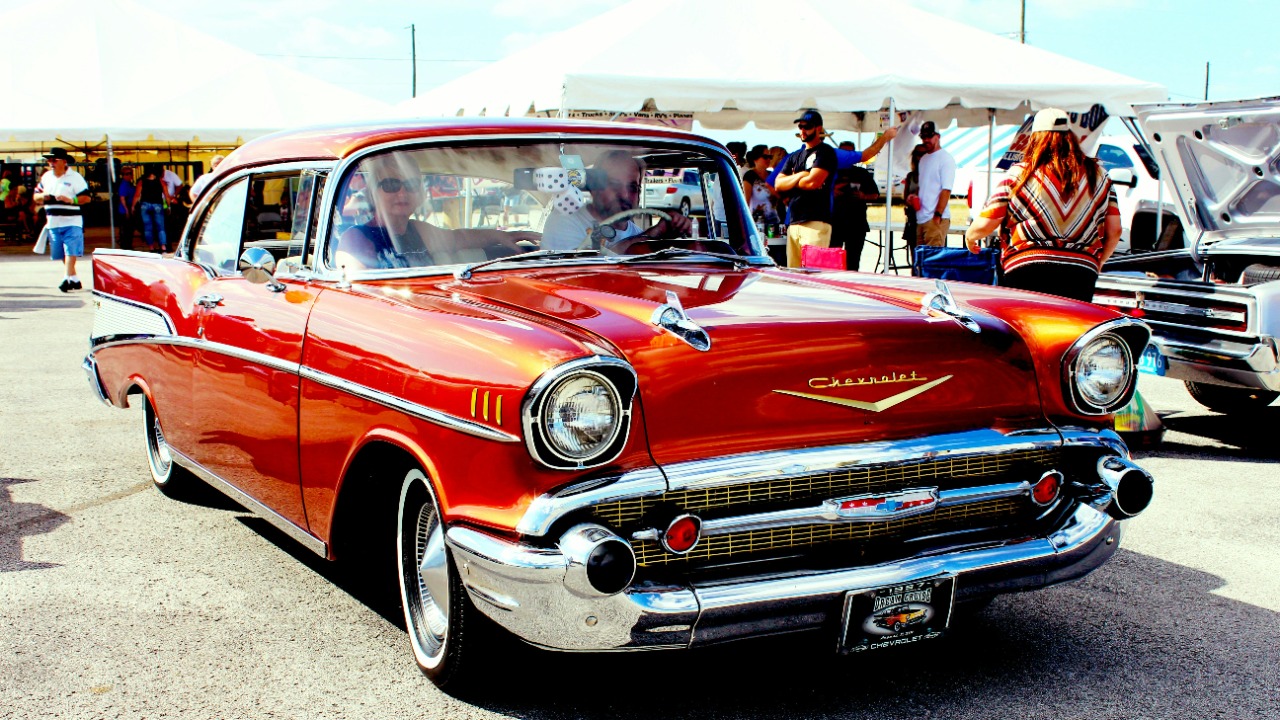
The Chevrolet Bel Air became one of the defining American cars of the 1950s, combining attractive styling with straightforward mechanical engineering. Its small-block V8 options provided useful performance while remaining relatively simple to service. Strong parts availability also helped keep surviving examples on the road. Today, restored Bel Airs remain popular at car shows, demonstrating how effectively these cars survived generations of changing automotive tastes.
Ford Thunderbird
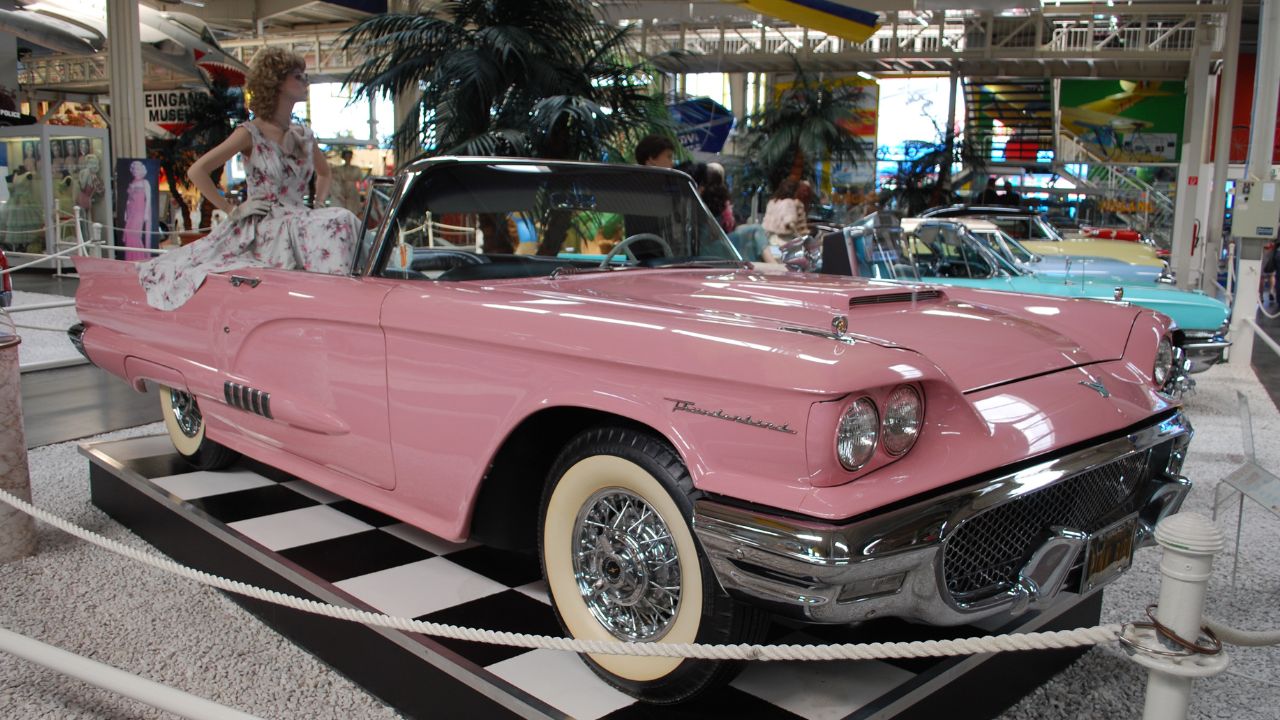
The Ford Thunderbird introduced a new American interpretation of the two-seat personal car, combining sporty styling with V8 power and comfortable equipment. Its relatively simple mechanical foundation made it easier to maintain than many exotic European sports cars. As the Thunderbird evolved, it became increasingly focused on cruising rather than pure performance. Surviving early examples remain highly collectible because their engineering and styling helped establish an entirely new automotive category.
Chrysler New Yorker
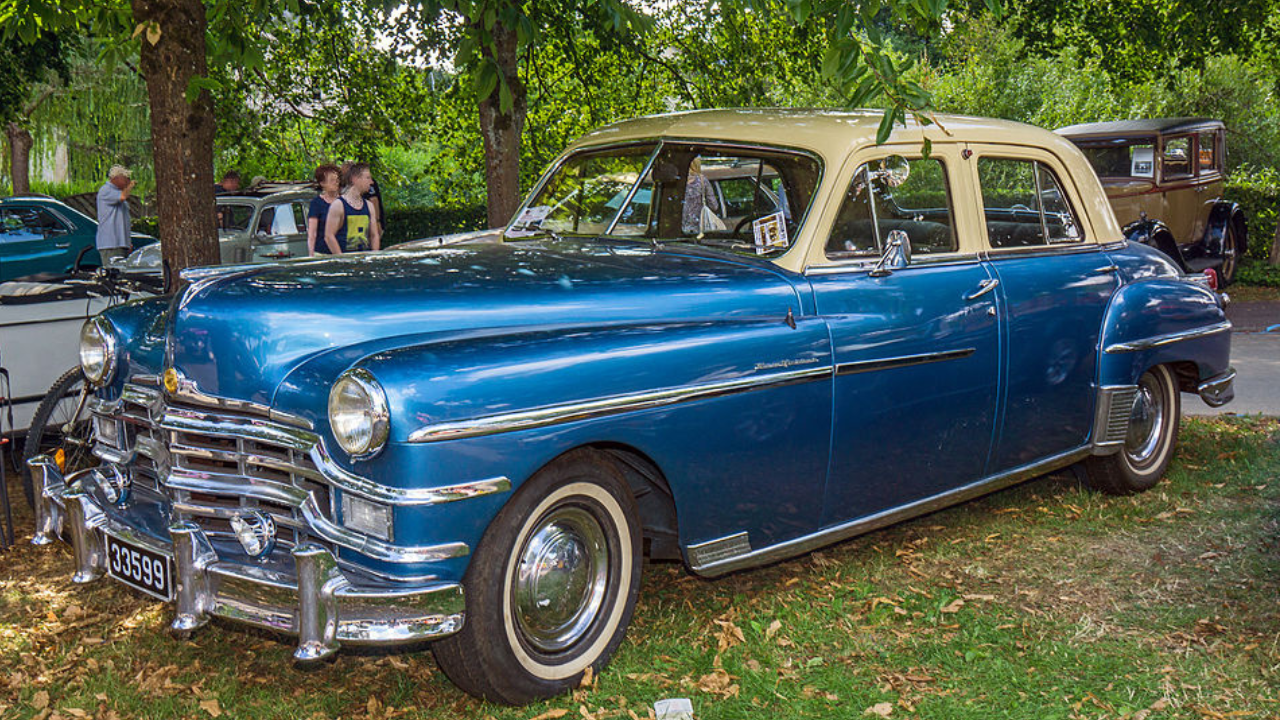
The Chrysler New Yorker represented the upper end of American automotive luxury during the 1950s. Beneath its elaborate styling was a robust V8 drivetrain designed for substantial highway use. Chrysler’s engineering improvements throughout the decade helped make the car more capable and refined. Well-preserved New Yorkers remain interesting today because they demonstrate how durable mechanical systems could coexist with the elaborate styling that defined American luxury during the period.
Pontiac Chieftain
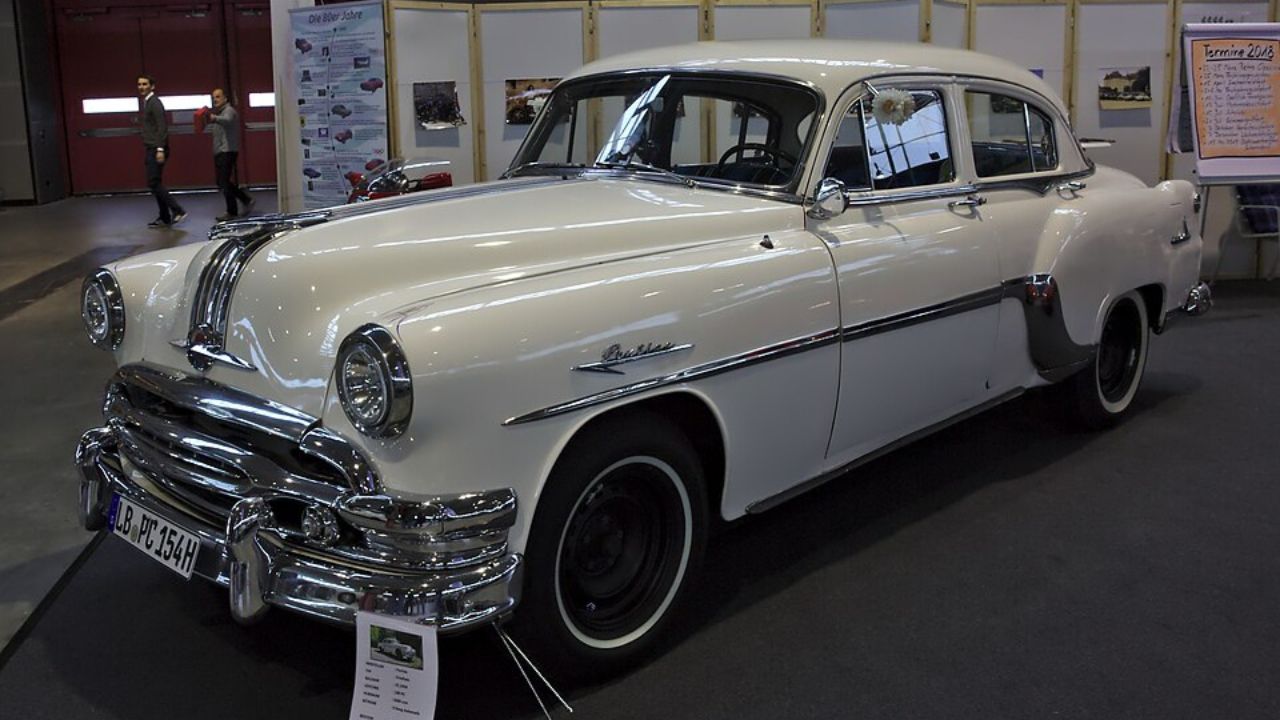
The Pontiac Chieftain combined distinctive 1950s styling with dependable mechanical components and increasingly capable V8 engines. It served as practical transportation for many American families, meaning surviving examples often endured considerable use before becoming collector cars. Its straightforward construction also makes restoration possible when good examples are found. Today, the Chieftain provides a fascinating look at Pontiac before the brand fully developed its later performance identity.
Oldsmobile 88

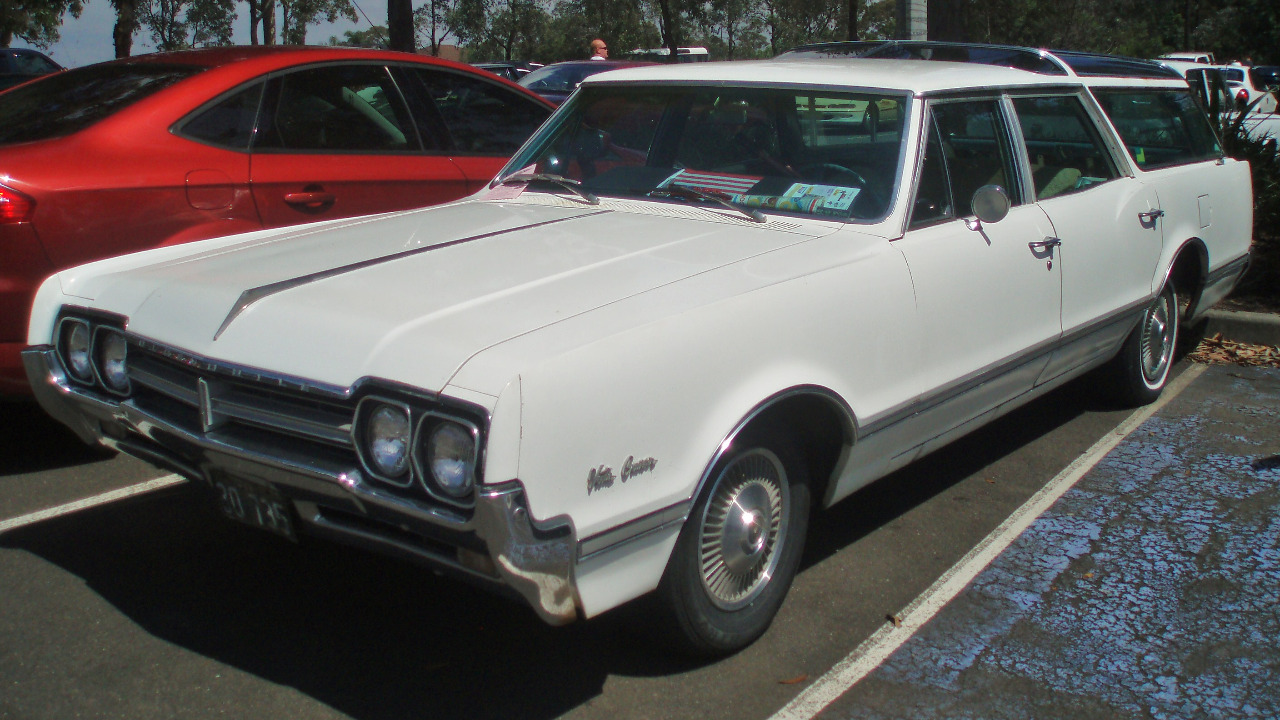
The Oldsmobile 88 became one of the most important performance-oriented full-size cars of the 1950s. Its V8 engine delivered strong power for the period while maintaining the durability expected from an everyday American automobile. The model’s popularity ensured that many examples were produced, and its mechanical design became well understood. Surviving 88s remain attractive to enthusiasts who appreciate the combination of early V8 performance and traditional American styling.
Buick Roadmaster
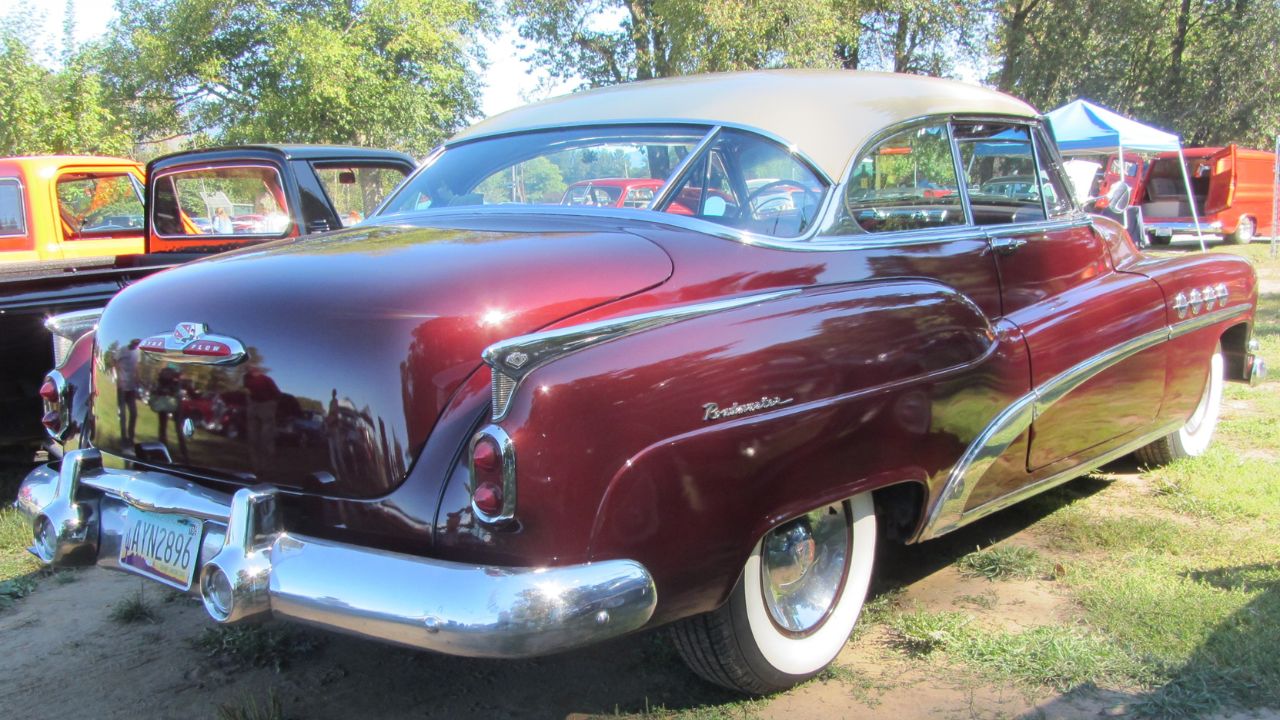
The Buick Roadmaster represented Buick’s premium full-size offering and combined substantial dimensions with powerful V8 engines. Its sturdy construction was designed to provide smooth highway cruising while handling the demands of everyday American driving. Although its elaborate styling attracts much of the attention today, the Roadmaster’s mechanical foundation helped many examples remain serviceable for decades. It remains an important representation of Buick’s engineering and luxury ambitions during the 1950s.
Studebaker Golden Hawk
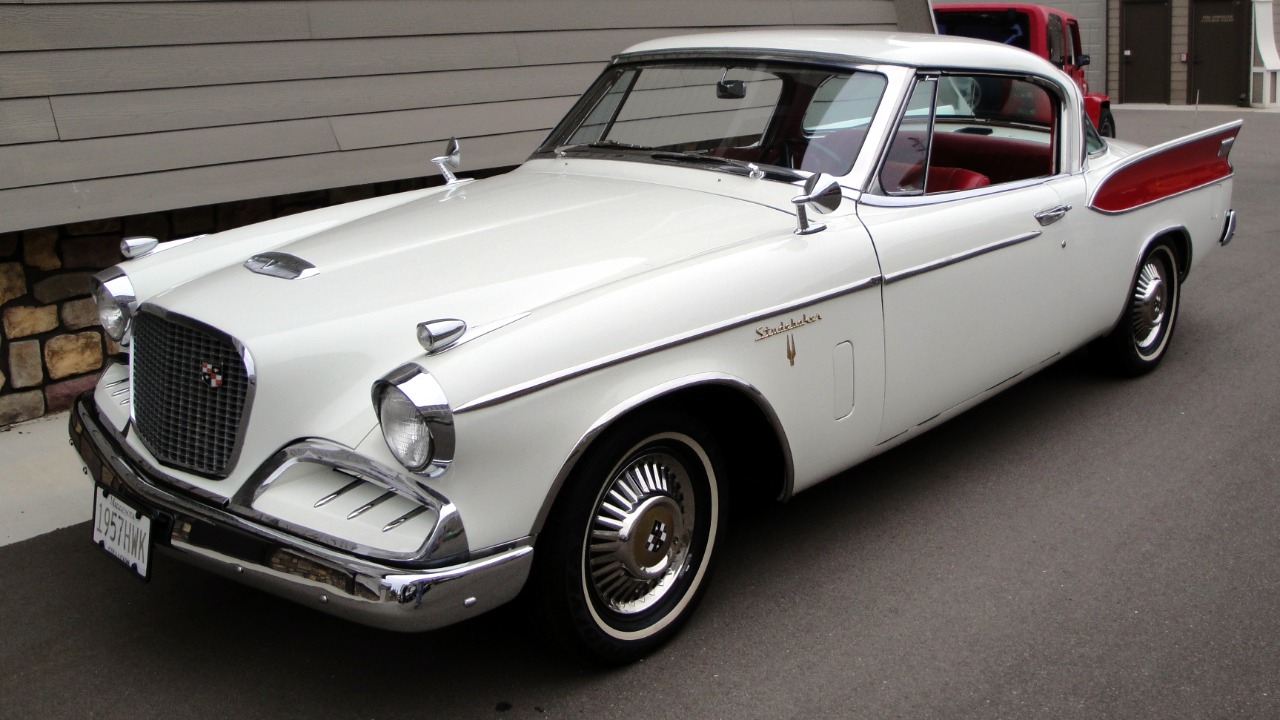
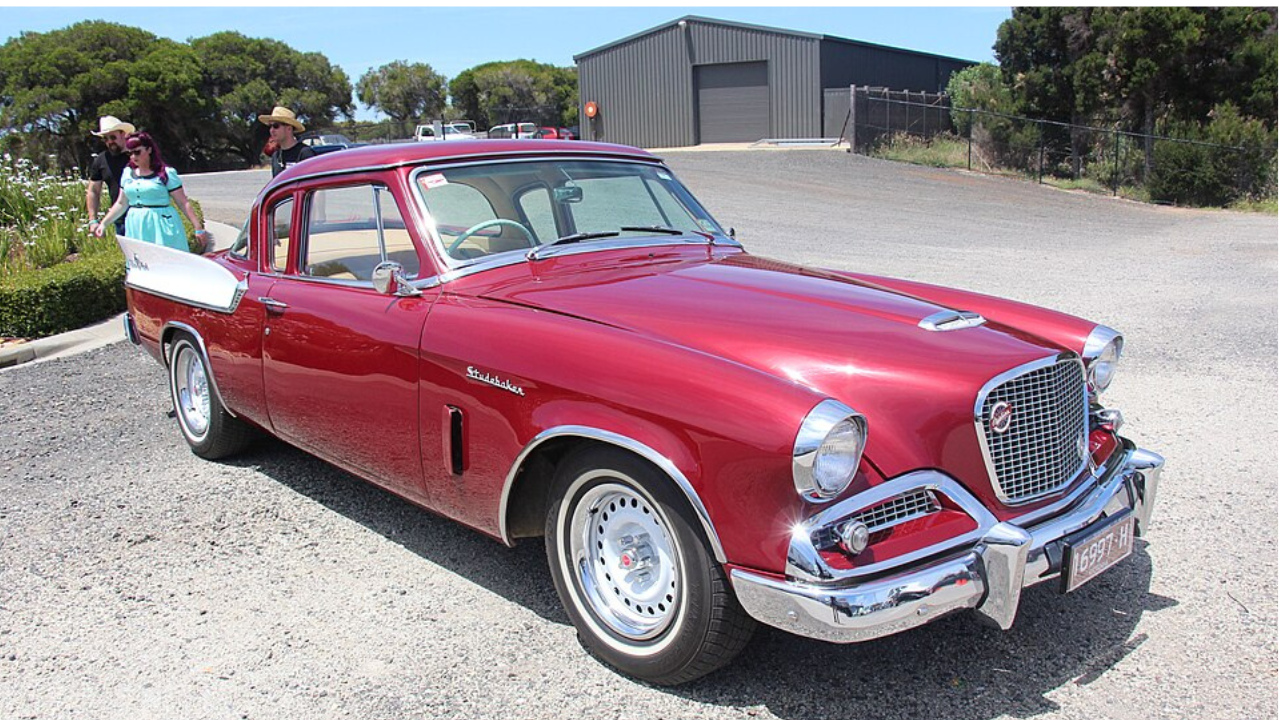
The Studebaker Golden Hawk stood apart from mainstream American cars with its distinctive European-influenced proportions and powerful V8. Its relatively compact body made the car feel different from larger Detroit cruisers, while the engine provided strong performance. Studebaker’s unusual approach helped create a memorable sports-oriented coupe. Surviving Golden Hawks are increasingly appreciated because they combine period performance with styling that remains unmistakably different from contemporary Ford, Chevrolet, and Chrysler products.
Nash Metropolitan
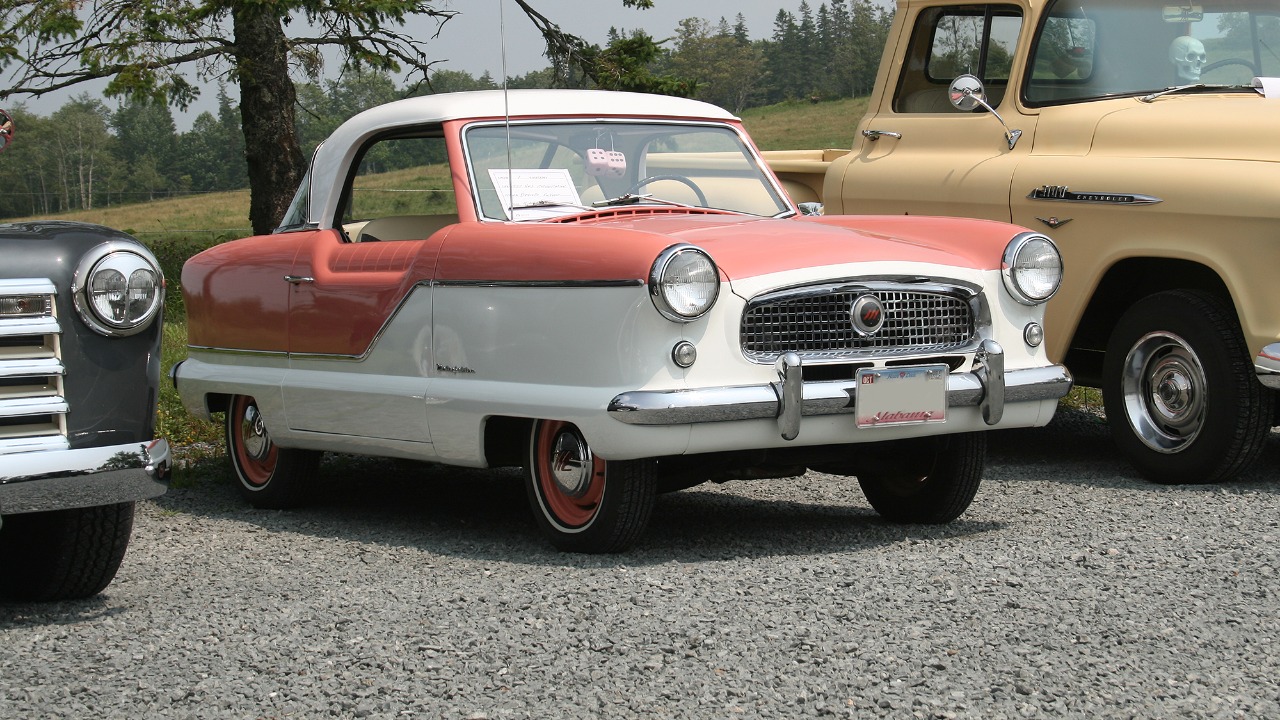
The Nash Metropolitan was dramatically smaller than most American cars of the 1950s, making it an unusual choice during an era of increasingly large automobiles. Its compact dimensions, economical engines, and relatively simple construction gave it a practical character. The Metropolitan was also sold under the Hudson name during part of its production. Today, surviving examples attract collectors because they represent an early American attempt at a genuinely small personal automobile.
Chevrolet Corvette
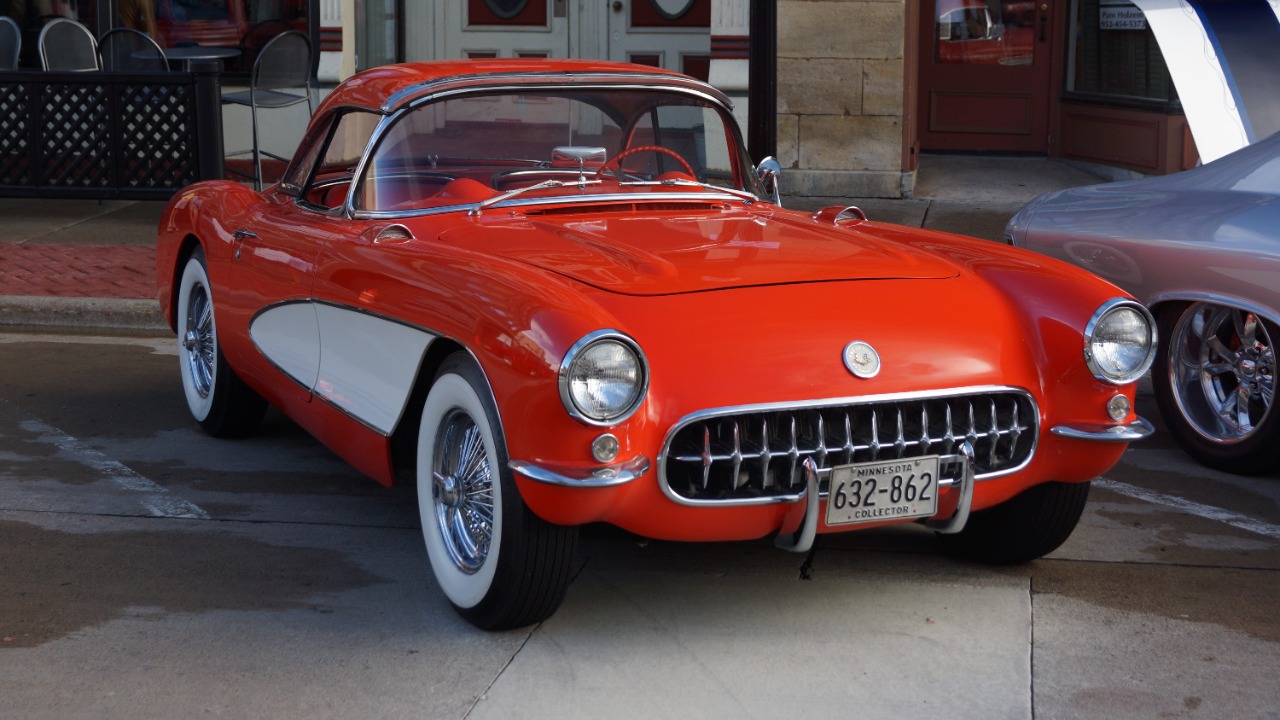
The Chevrolet Corvette began its life as an ambitious American sports car experiment and gradually developed into a lasting performance icon. Its early fiberglass body made it distinctive, while later improvements brought more powerful engines and stronger performance. Although first-generation Corvettes required careful maintenance, their mechanical simplicity compared favorably with many European sports cars. The continued popularity of the Corvette helped ensure that surviving examples received the restoration attention necessary to preserve them.
More from Fast Lane Only
- Unboxing the WWII Jeep in a Crate
- 15 rare Chevys collectors are quietly buying
- 10 underrated V8s still worth hunting down
- Police notice this before you even roll window down
*Research for this article included AI assistance, with all final content reviewed by human editors