The 1970s produced plenty of famous muscle cars, but the decade also created lesser-known classics that are easy to overlook today. Some offered unusual styling, others delivered surprising performance, and several disappeared from public attention as the years passed. These eight cars remain especially interesting to enthusiasts who know the decade beyond its most famous names.
AMC Matador
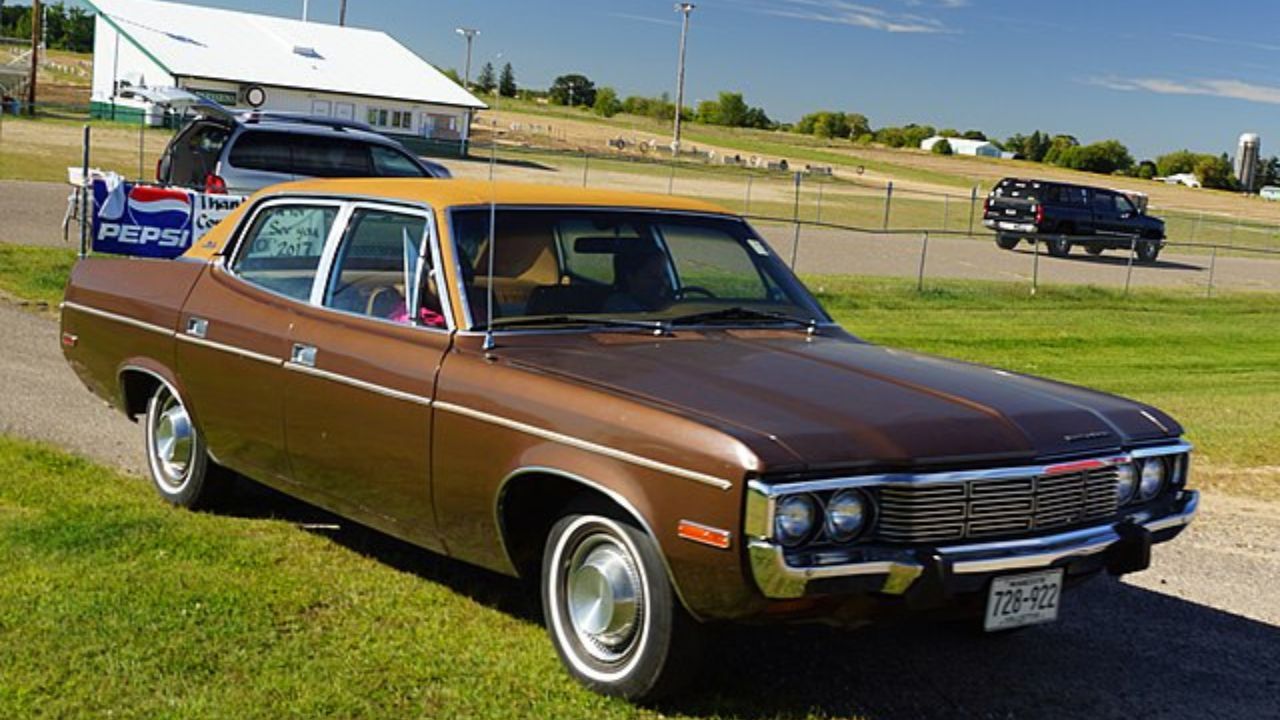
The AMC Matador became one of the more unusual American cars of the 1970s, particularly after receiving its distinctive coupe body. Its dramatic styling separated it from the more conventional shapes offered by Detroit’s major manufacturers. Although it never achieved Mustang-level popularity, the Matador developed a following among enthusiasts who appreciate overlooked American designs. Clean examples today provide an unusual alternative to the better-known muscle cars of the era.
Buick GSX
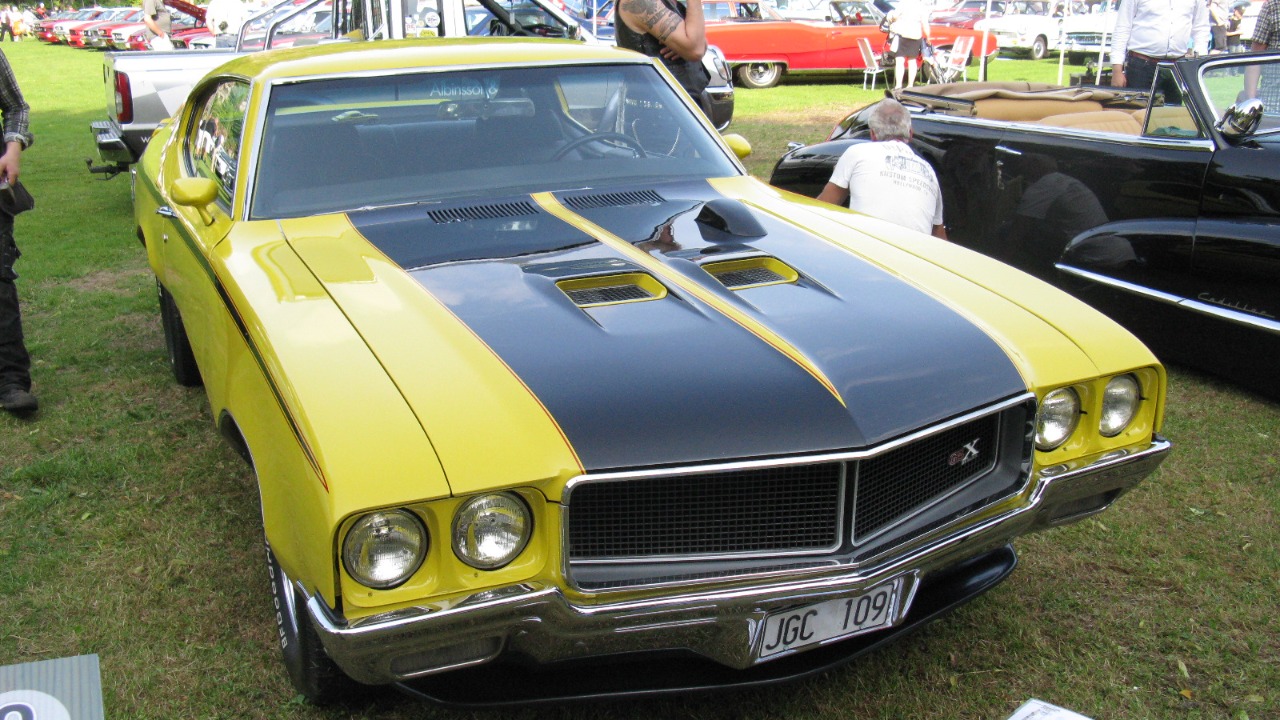
The Buick GSX brought serious performance to a brand better known for comfort and luxury. Its powerful V8, bold graphics, and distinctive hood treatment gave it a more aggressive personality than many expected from Buick. Production numbers were relatively low, which helped make surviving examples increasingly interesting to collectors. Enthusiasts recognize the GSX as one of the most underrated high-performance cars of the classic muscle-car era.
Mercury Cyclone Spoiler
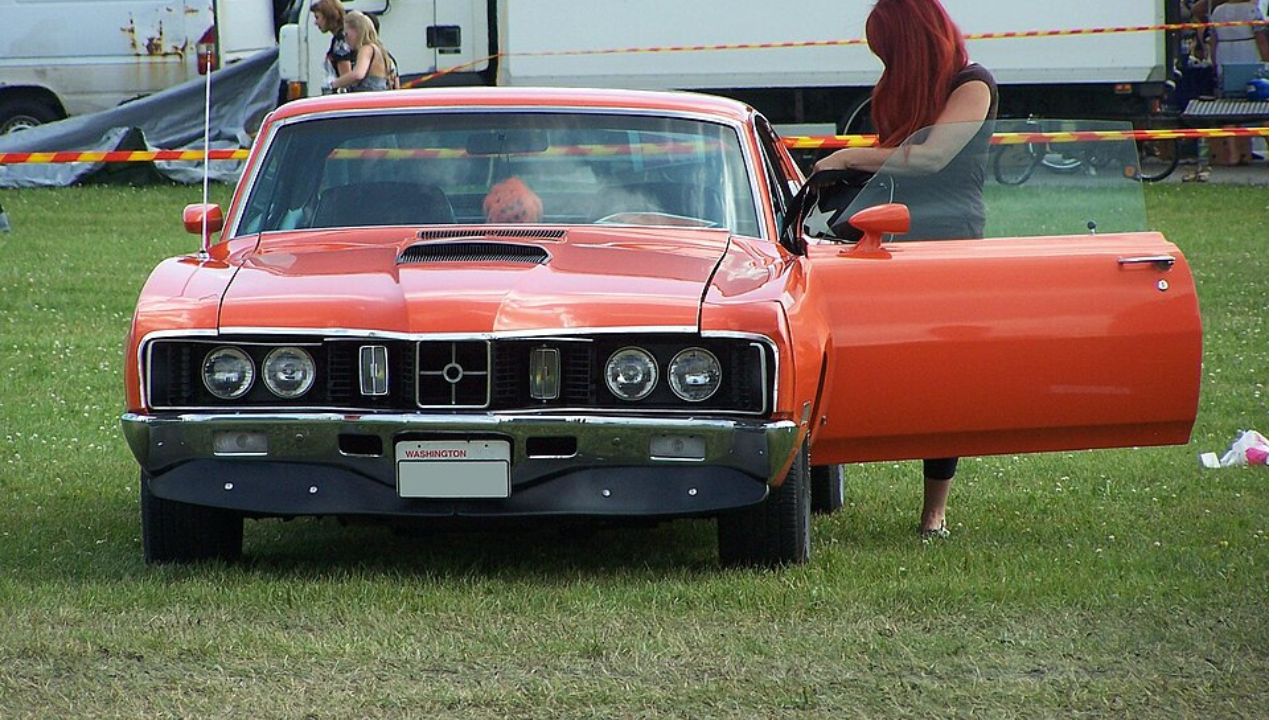
The Mercury Cyclone Spoiler combined a distinctive fastback shape with performance-oriented equipment during the height of America’s muscle-car period. Although it shared some mechanical components with other Ford products, its Mercury styling gave it a separate identity. Many buyers overlooked the model compared with the Mustang and Torino. Today, knowledgeable enthusiasts appreciate the Cyclone Spoiler for its rarity, attractive proportions, and connection to Mercury’s performance history.
Plymouth Duster
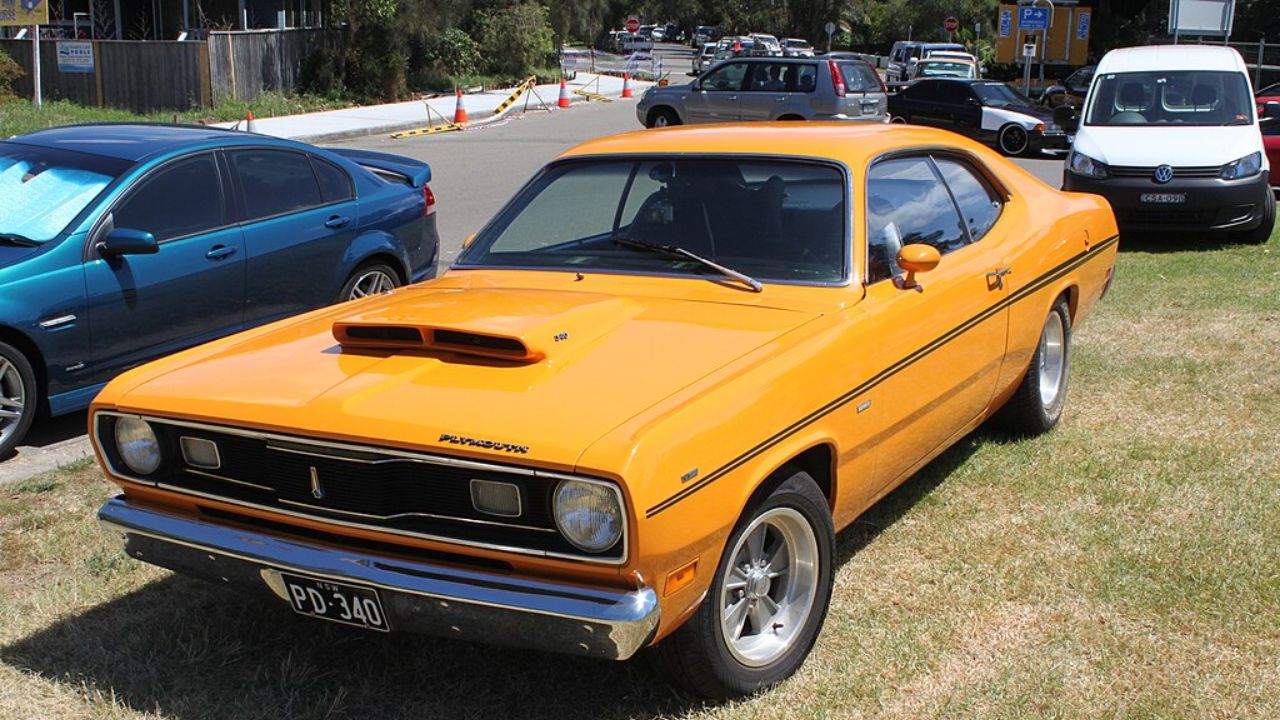
The Plymouth Duster became one of the most recognizable compact performance cars of the 1970s, but it often receives less attention than larger Mopar muscle cars. Its lightweight body allowed relatively modest engines to deliver entertaining performance. Available V8 versions added considerably more excitement without turning the car into an expensive flagship. Enthusiasts appreciate the Duster because it offered an accessible path into Mopar performance during a changing automotive era.
Oldsmobile Omega
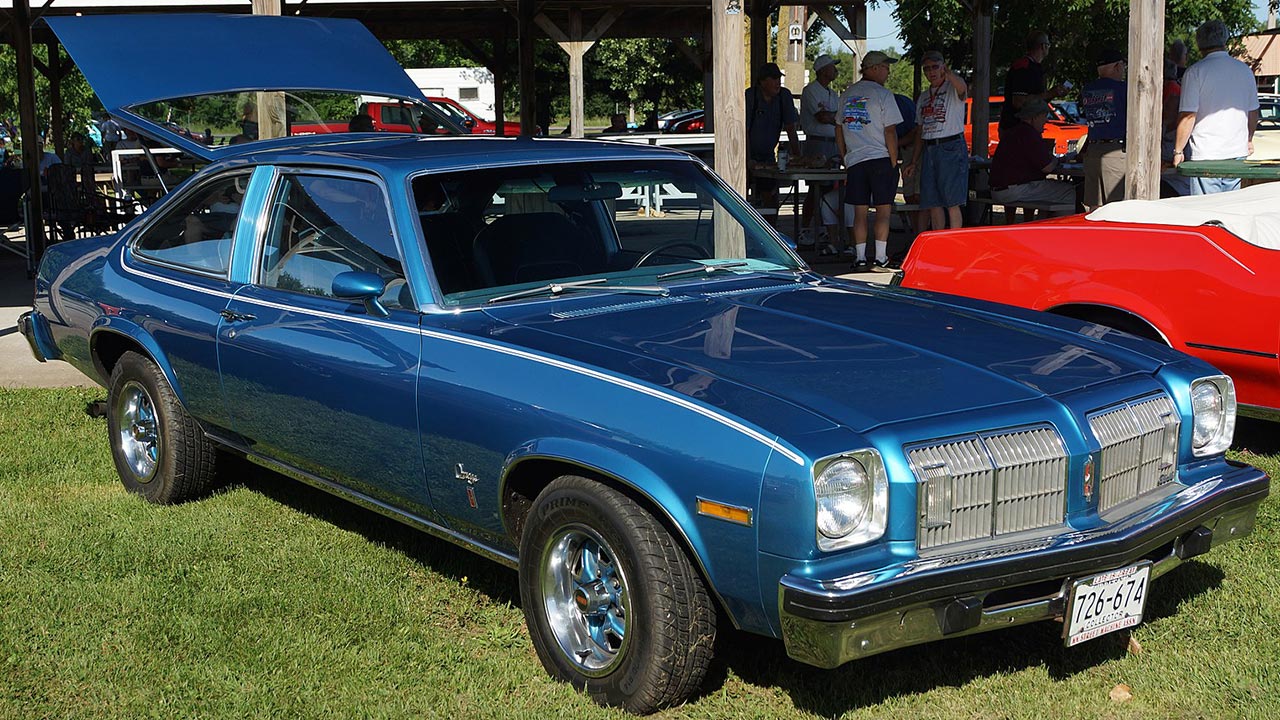
The Oldsmobile Omega represented GM’s move toward smaller cars during a period when compact vehicles were becoming increasingly important. Its lightweight dimensions and rear-wheel-drive architecture gave certain versions more enthusiast potential than their ordinary image suggested. The Omega never achieved the recognition of the Cutlass, but that obscurity makes surviving examples interesting today. Enthusiasts who study lesser-known GM models often appreciate the Omega’s place in Oldsmobile’s history.
Pontiac Grand Prix
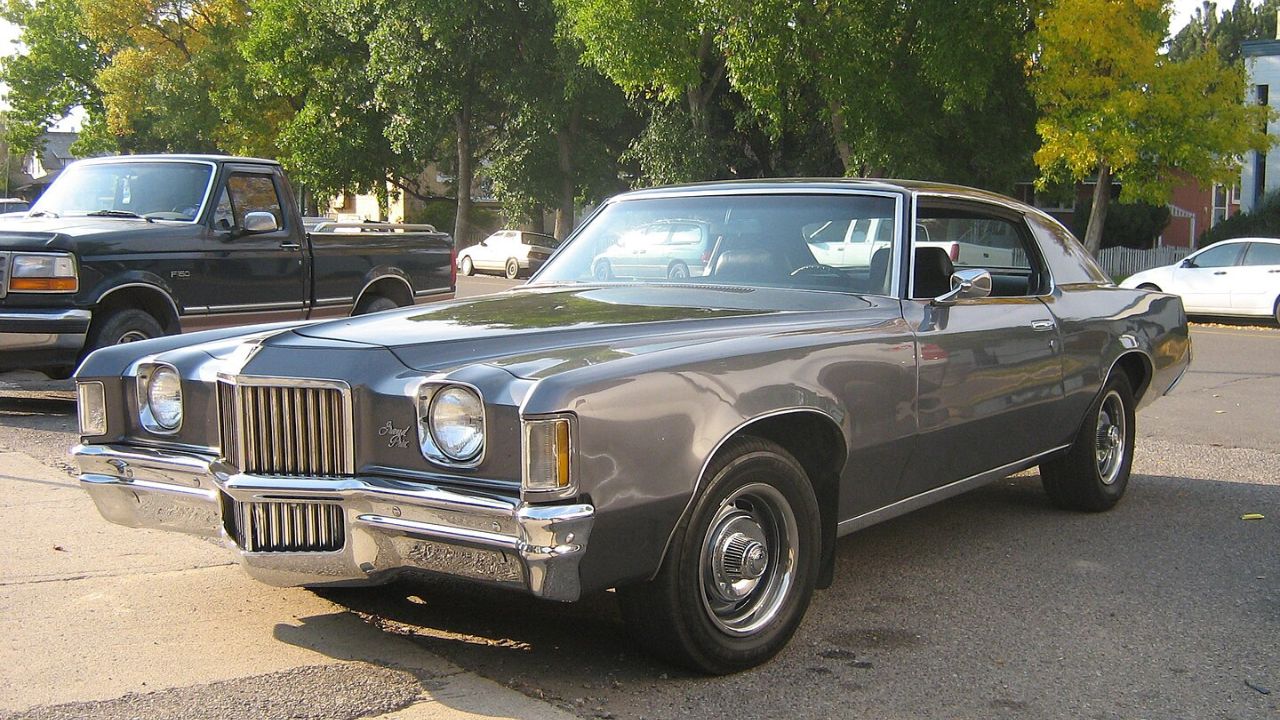
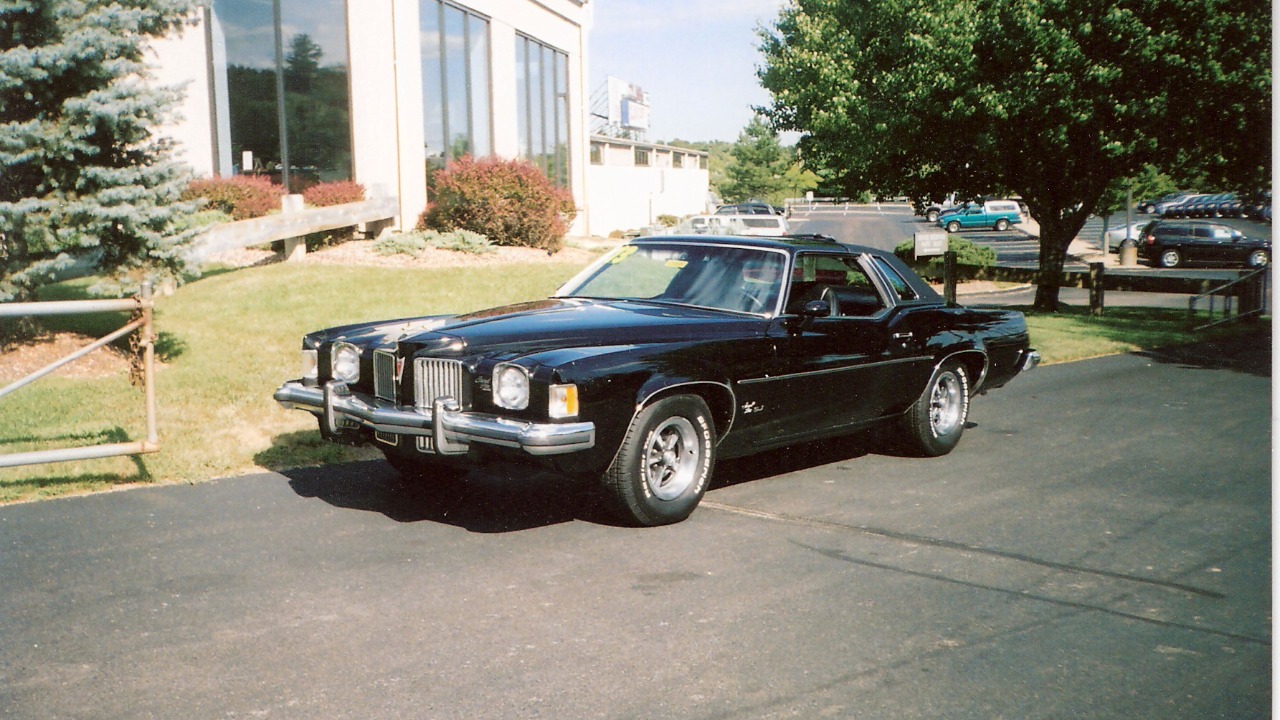
The Pontiac Grand Prix became a distinctive personal-luxury coupe during the 1970s, combining dramatic styling with a comfortable interior and available V8 power. Its long hood and formal design gave it a strong road presence, while Pontiac’s performance heritage remained visible underneath. Although it moved away from the traditional muscle-car formula, the Grand Prix reflected changing American tastes. Collectors now appreciate well-preserved examples as symbols of the decade’s personal-luxury boom.
Ford Maverick
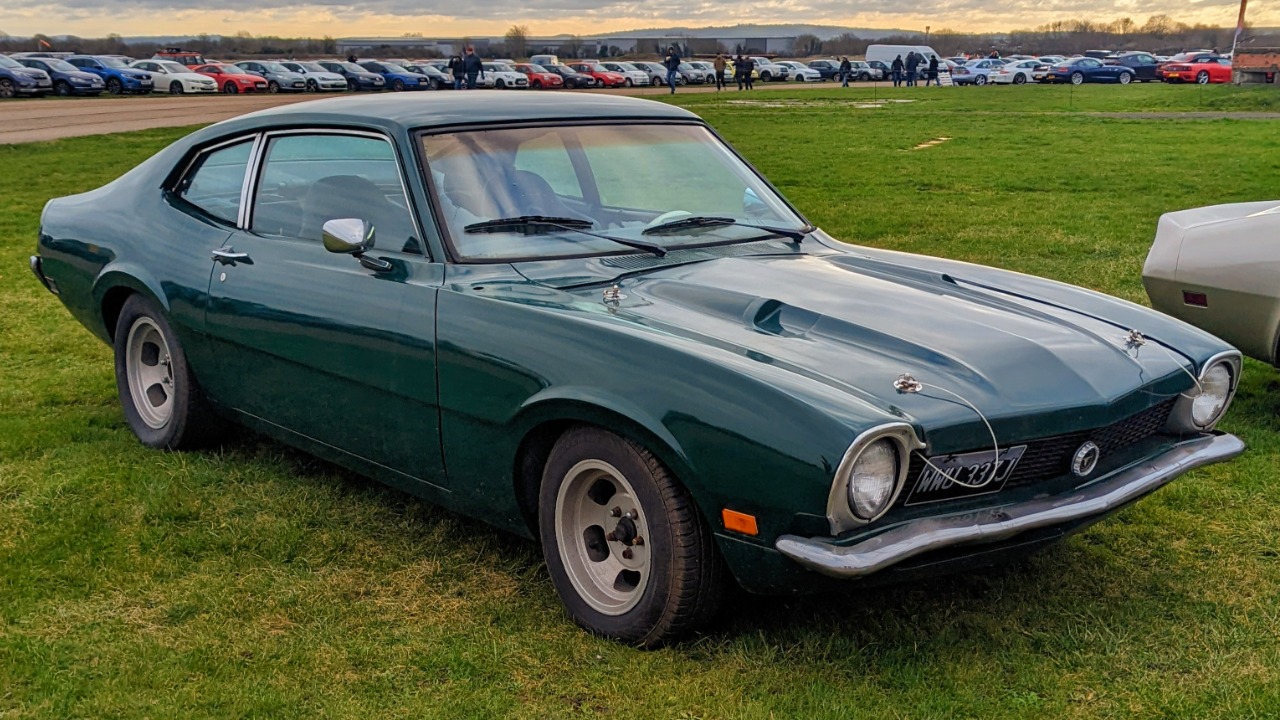
The Ford Maverick was introduced as an affordable compact car, but its simple construction and available V8 power gave enthusiasts more possibilities than its economy-car image suggested. The rear-wheel-drive platform also made it interesting to modifiers and drag-racing enthusiasts. Because many Mavericks were treated as inexpensive transportation, clean survivors have become increasingly appealing. The model represents an overlooked side of Ford’s performance and customization culture during the 1970s.
Chevrolet Monza
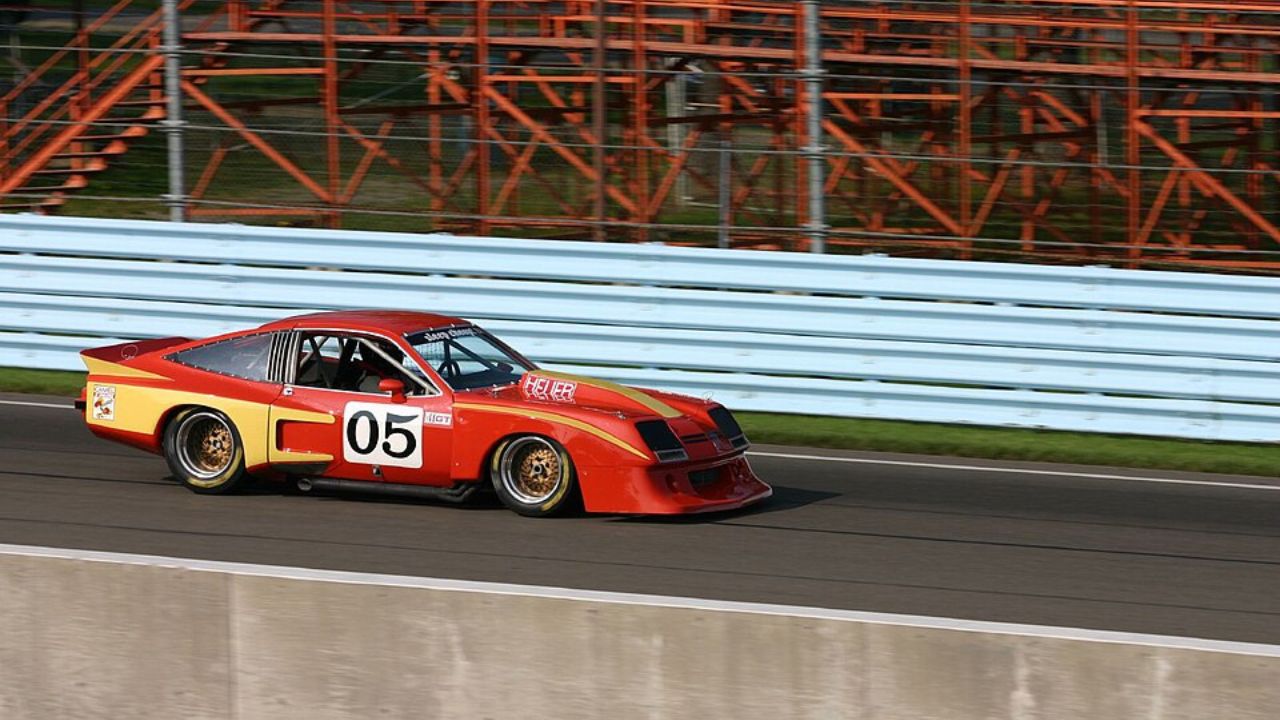
The Chevrolet Monza brought sporty styling and a compact rear-wheel-drive layout to Chevrolet’s lineup during a period of major industry change. Its available V8 made it more interesting to enthusiasts than its small dimensions suggested. The Monza was never as famous as the Camaro, but its distinctive body and performance potential gave it a dedicated following. Today, clean examples attract attention from collectors who appreciate unusual Chevrolet performance cars.
More from Fast Lane Only
- Unboxing the WWII Jeep in a Crate
- 15 rare Chevys collectors are quietly buying
- 10 underrated V8s still worth hunting down
- Police notice this before you even roll window down
*Research for this article included AI assistance, with all final content reviewed by human editors