You rarely know a car’s real job when it is new. Some arrive as curiosities or disappointments, then quietly reshape how you drive, what you expect from technology, or which brands you trust. Here are nine cars that only revealed their true purpose years later, once history, hindsight, and a lot of miles made their impact impossible to ignore.
Ford Model T
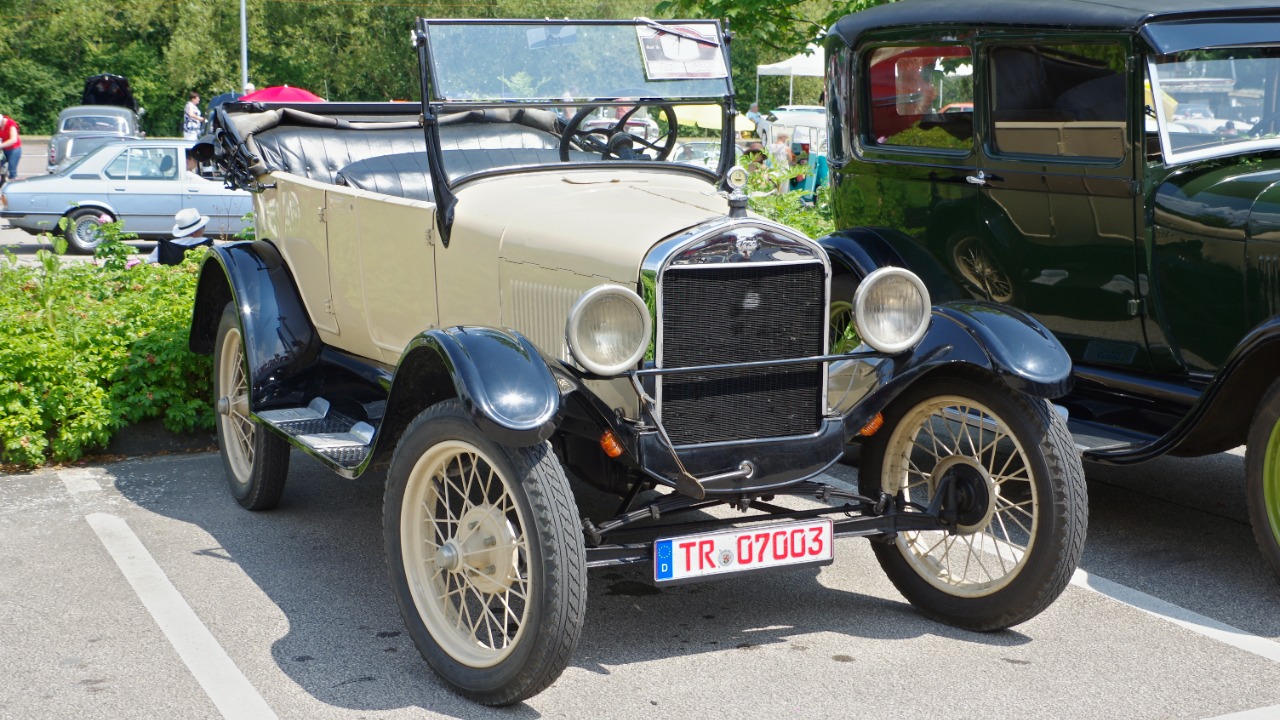
The Ford Model T looked like a simple “car of the masses,” but its deeper purpose only became clear as it rewired everyday life. In lists of the Cars That Made, the OLDSMOBILE MODEL R is often credited as the first practical, reliable, mass-produced American car, yet the Ford Model T scaled that idea to an unprecedented level. It showed you could standardize parts, slash prices, and still build something rugged enough for terrible roads.
Enthusiasts on forums that debate “the cars of the masses” routinely put the Ford Model T alongside the Beetle as a pillar of automotive legacy. Only with time did its real purpose emerge: not just transportation, but a template for industrial scale, dealer networks, and the idea that an ordinary worker could own personal mobility. Every budget car you consider today still lives in its shadow.
Volkswagen Beetle
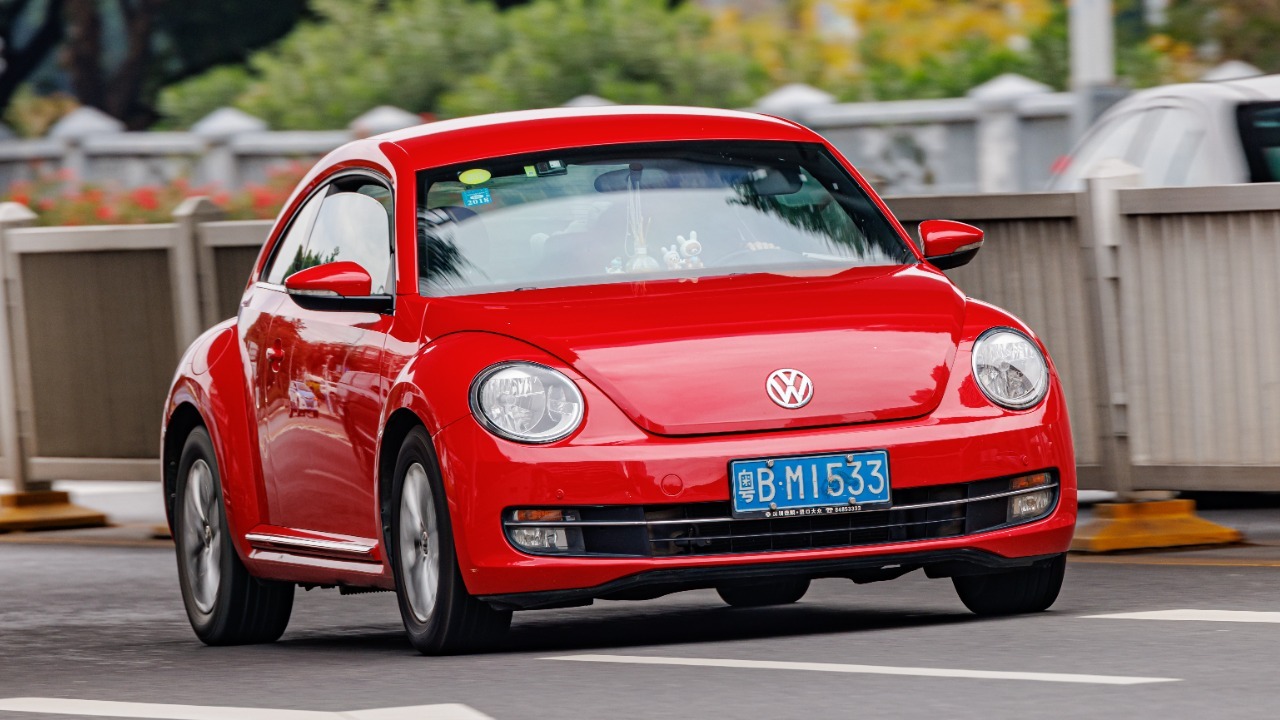
The Volkswagen Beetle began as a political project from the Nazi regime, which makes its later role even more surprising. Early on, it was simply a “people’s car” experiment, but as postwar production ramped up, the Beetle’s true purpose shifted toward global reconciliation and mass motorization. Classic-car fans now talk about the Beetle in the same breath as the Ford Model T, because both turned car ownership into a normal part of life.
Only decades later did you see what the Beetle really did: it made small, efficient, durable cars socially acceptable in markets that once prized size and chrome. Its air-cooled simplicity inspired generations of backyard mechanics, while its global sales proved that character and affordability could beat raw performance. When you look at today’s compact-car culture, from city runabouts to quirky retro designs, you are still seeing the Beetle’s long-delayed mission play out.
Toyota Prius
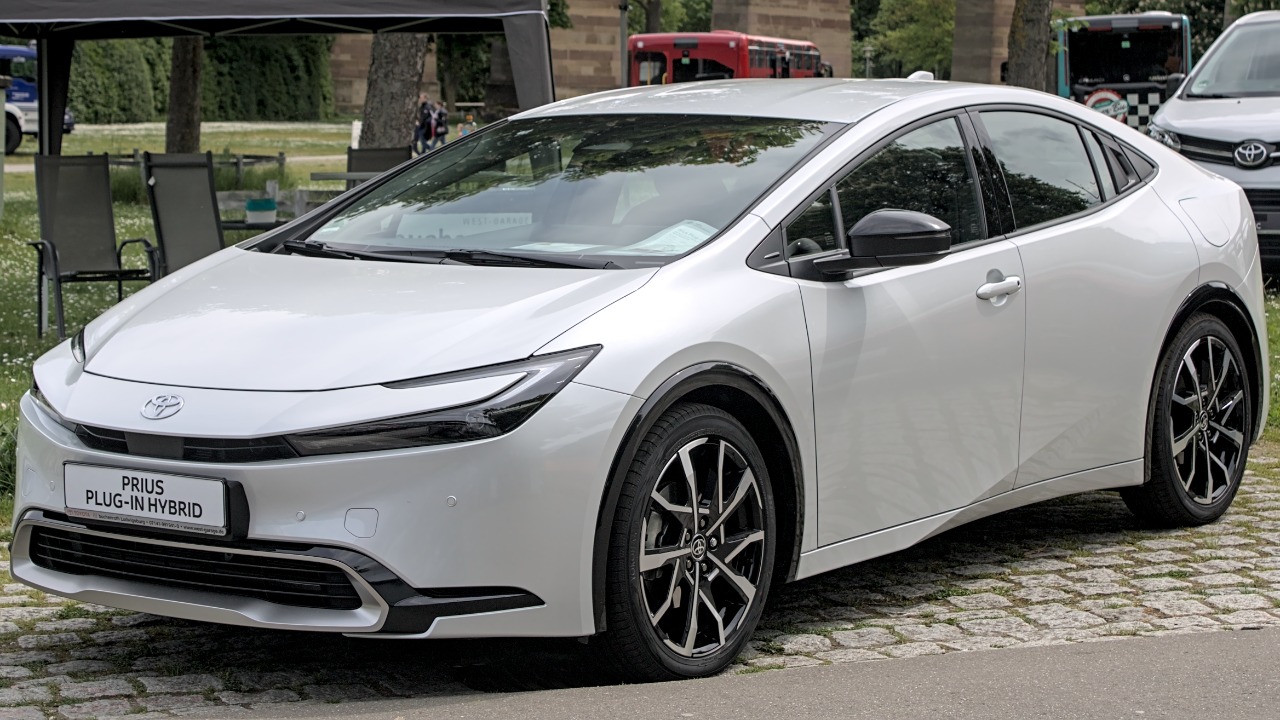
The Toyota Prius arrived as a slightly awkward science project, yet its purpose was never just fuel economy. At first, many drivers dismissed it as slow and strange, but Toyota kept selling these fuel-sipping, diamond-lane “people movers” as fast as it could. Analysts later noted how the Toyota Prius quietly normalized hybrid tech, paving the way for plug-ins and coast-to-coast electric-vehicle travel.
Only with hindsight do you see the Prius as a cultural signal rather than just a car. It turned efficiency into a visible badge of values, influencing policy debates, HOV-lane rules, and how other brands marketed “green” models. If you are cross-shopping EVs and hybrids today, you are living in the world the Prius built, where electrified drivetrains feel inevitable instead of experimental.
Citroën DS
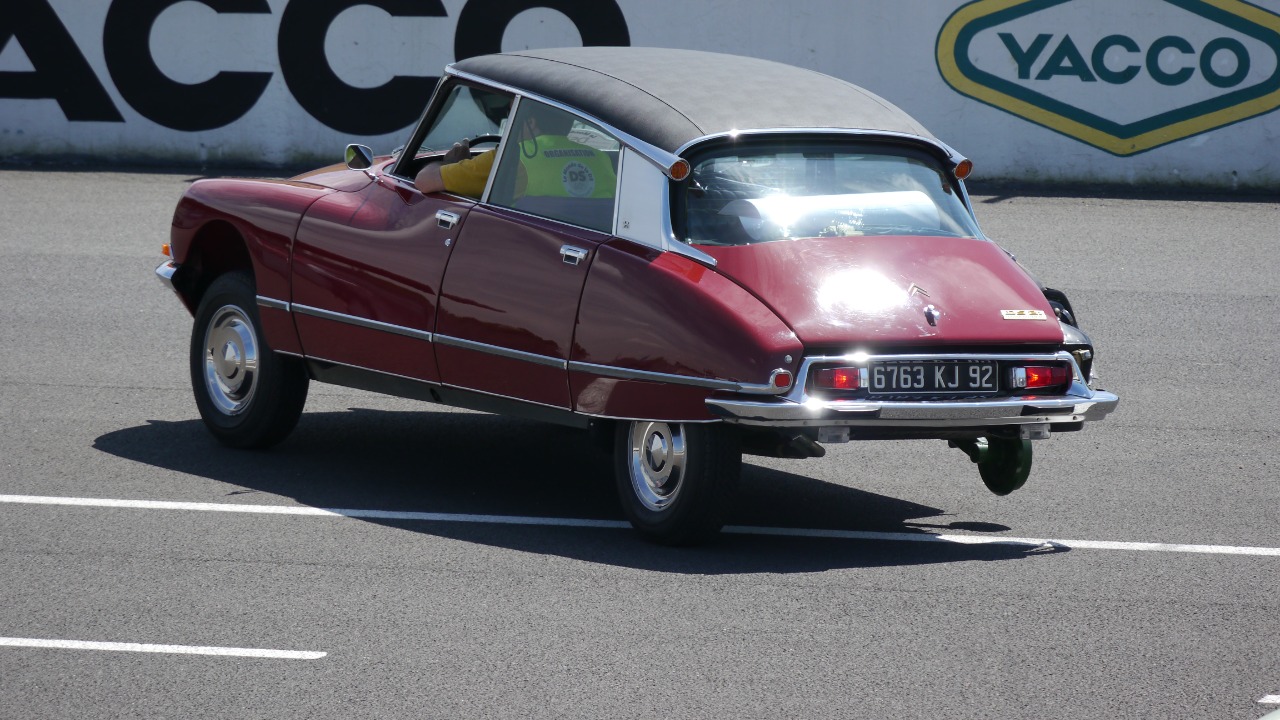
The Citroën DS looked like a UFO when it landed in 1955, but its real purpose was not obvious until much later. Described as French Engineering at Its Finest, the DS paired radical styling with hydropneumatic suspension that let owners average over 100 miles per hour on European highways in comfort that felt smoother than any piston motor. At the time, it seemed like a beautiful outlier.
Years later, you can see the DS as a proof-of-concept for technology-led luxury. Its self-leveling ride, advanced brakes, and aerodynamic body previewed the priorities of modern premium cars, from adaptive dampers to active safety. Even if the DS never sold in Model T numbers, it quietly told the industry that innovation could be a brand’s identity, not just an option on the order sheet.
Ford Crown Victoria

The Ford Crown Victoria the Ford Crown Victoria was never glamorous, yet its long game was durability and trust. In a video on “10 Old Cars That Were Built to Last Forever,” the narrator jokes that the Crown Vic is the car that would not die even if you tried to kill it, highlighting how police departments and taxi fleets leaned on its body-on-frame toughness. That reputation turned the car into rolling infrastructure rather than just another sedan.
When you see a decommissioned Crown Vic still working as a cab or project car, you are seeing its true purpose: to prove that longevity can be a feature, not an accident. The model helped cities and agencies justify big fleet investments, and it shaped expectations that service vehicles should survive abuse for hundreds of thousands of miles. In an era of complex electronics, its simplicity looks more visionary every year.
Buick Roadmaster
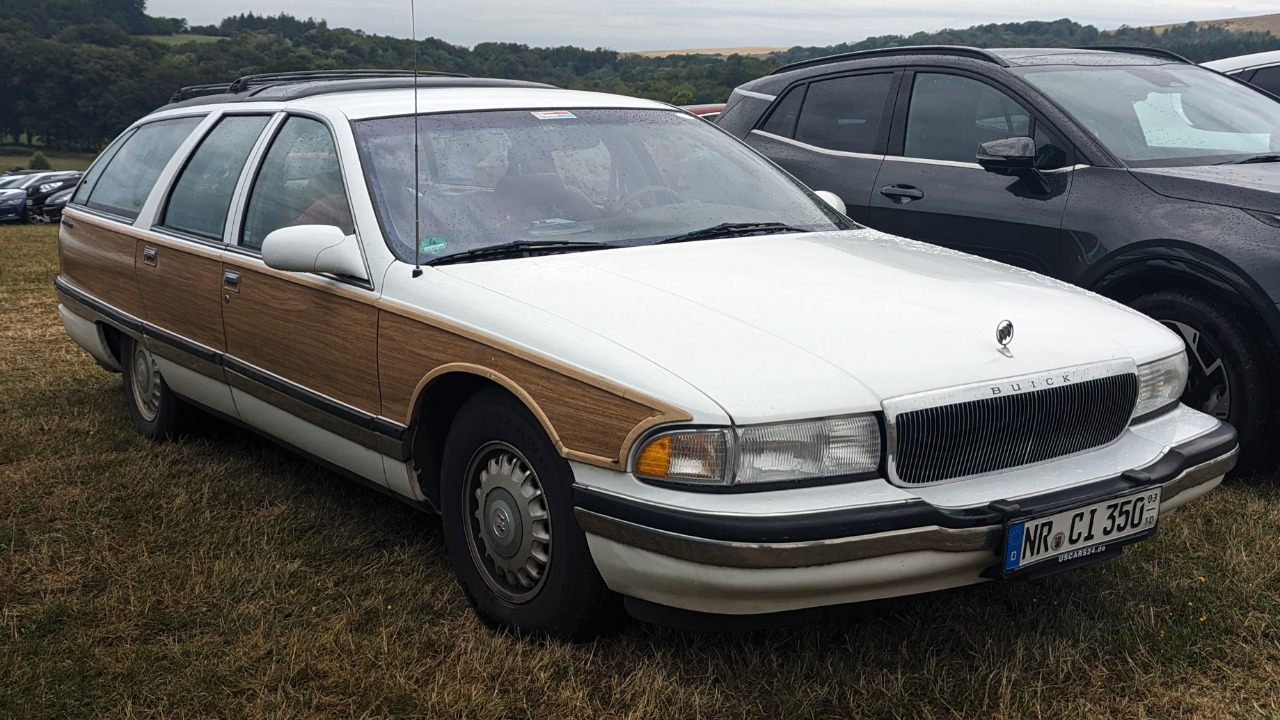
The Buick Roadmaster spent years overshadowed by flashier rivals, but its mission was patience. Commentators who revisit overlooked classics point out that some cars were simply too far ahead of their time, and they often cite the Buick Roadmaster as an example. While others chased short-lived styling trends, it focused on comfort, torque-rich engines, and long-distance ease.
Only in hindsight do you see how that formula anticipated today’s obsession with relaxed, high-torque cruising and quiet cabins. For you as a modern driver, the Roadmaster’s legacy is a reminder that market timing can hide a car’s real purpose. It was building the blueprint for laid-back American luxury that crossovers and full-size SUVs now try to replicate.
Renault/AMC LeCar
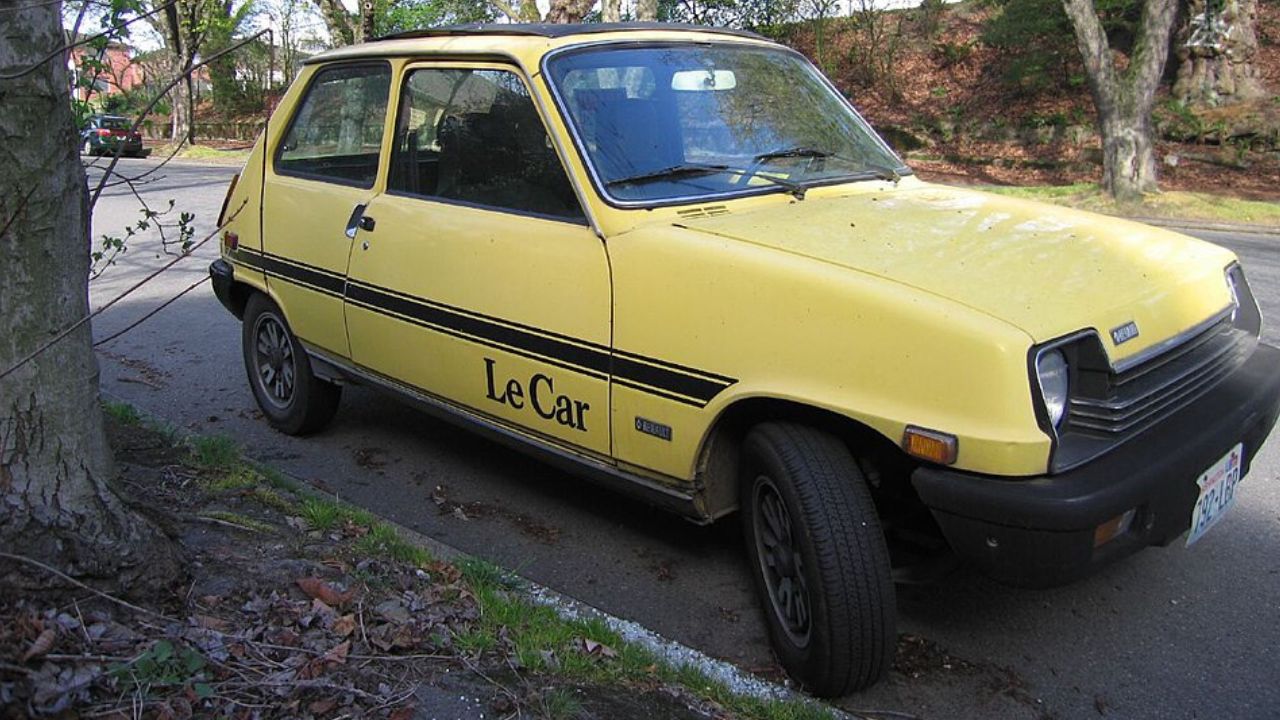
The Renault/AMC LeCar, sold in the United States through American Motors Company, looked like a quirky import that never quite fit in. Contemporary coverage of History Hits on the LeCar notes how There were cultural and regulatory hurdles, from safety perceptions to tariffs on imports. At the time, it seemed like a failed attempt to sell Americans on tiny European hatchbacks.
Looking back, the LeCar’s real purpose was to test how far you could push U.S. buyers toward minimalist, fuel-efficient transportation. It helped map the limits of that experiment, informing later strategies for compact imports and joint ventures. When you see today’s carefully tailored small cars and crossovers, you are seeing lessons learned from the LeCar’s missteps and modest successes.
BMW M5 E60
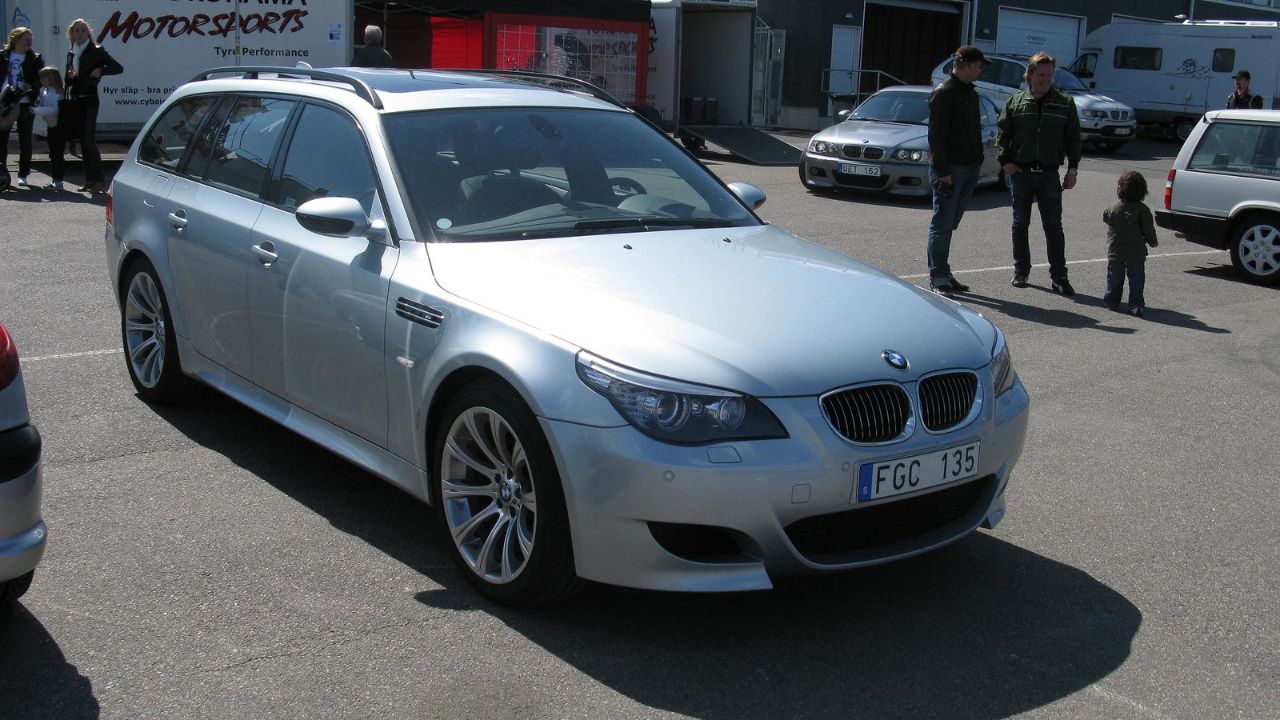
The E60 M5 confused buyers with its complicated electronics and SMG transmission. Its V10 engine seemed excessive for a luxury sedan. Critics questioned its reliability and long-term ownership costs. Many considered it overly complex.
Over time, its screaming V10 became legendary. No other sedan before or since delivered such an exotic engine experience. Enthusiasts now celebrate its outrageous character and performance. It stands as one of BMW’s boldest achievements.
Mazda RX-7 FD
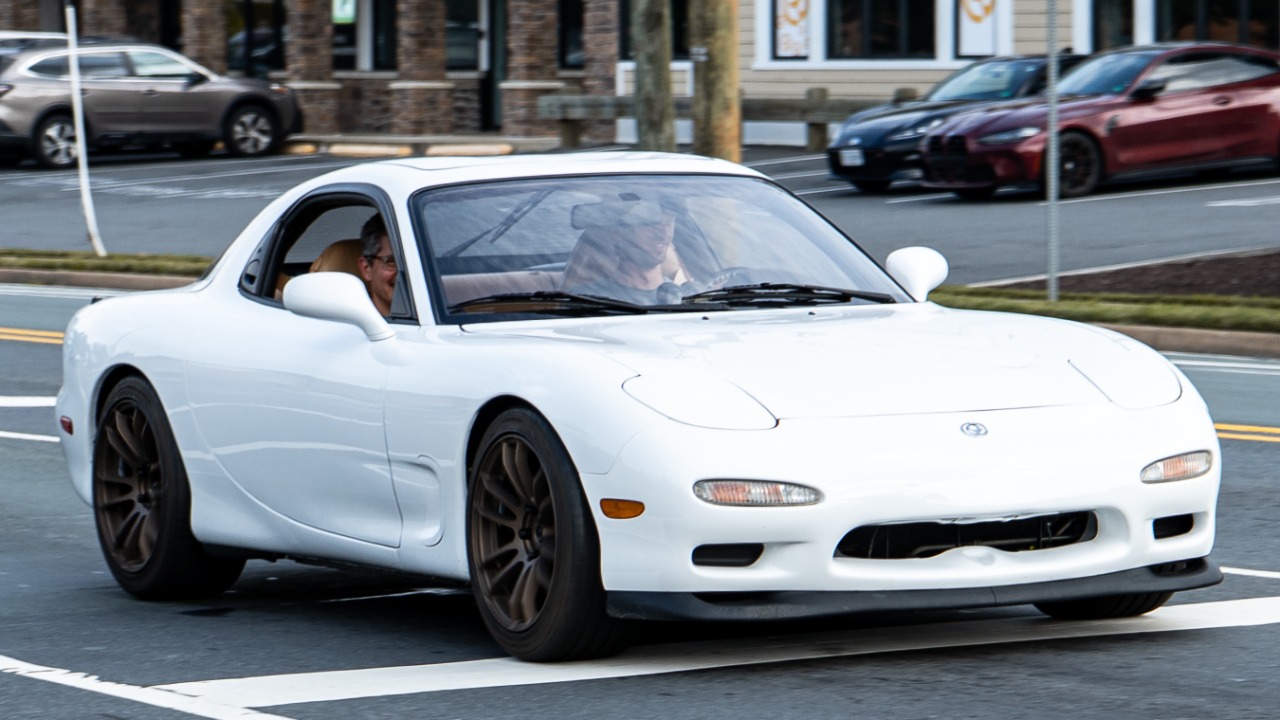
The RX-7 FD arrived as a technologically advanced sports car. Its rotary engine scared off buyers due to reliability concerns. Sales never matched its performance potential. Many were neglected or heavily modified.
Years later, its lightweight design and balanced handling earned legendary status. Its rotary powerplant became a tuning icon. Clean examples skyrocketed in value. The FD now represents one of Japan’s greatest sports cars.
More from Fast Lane Only