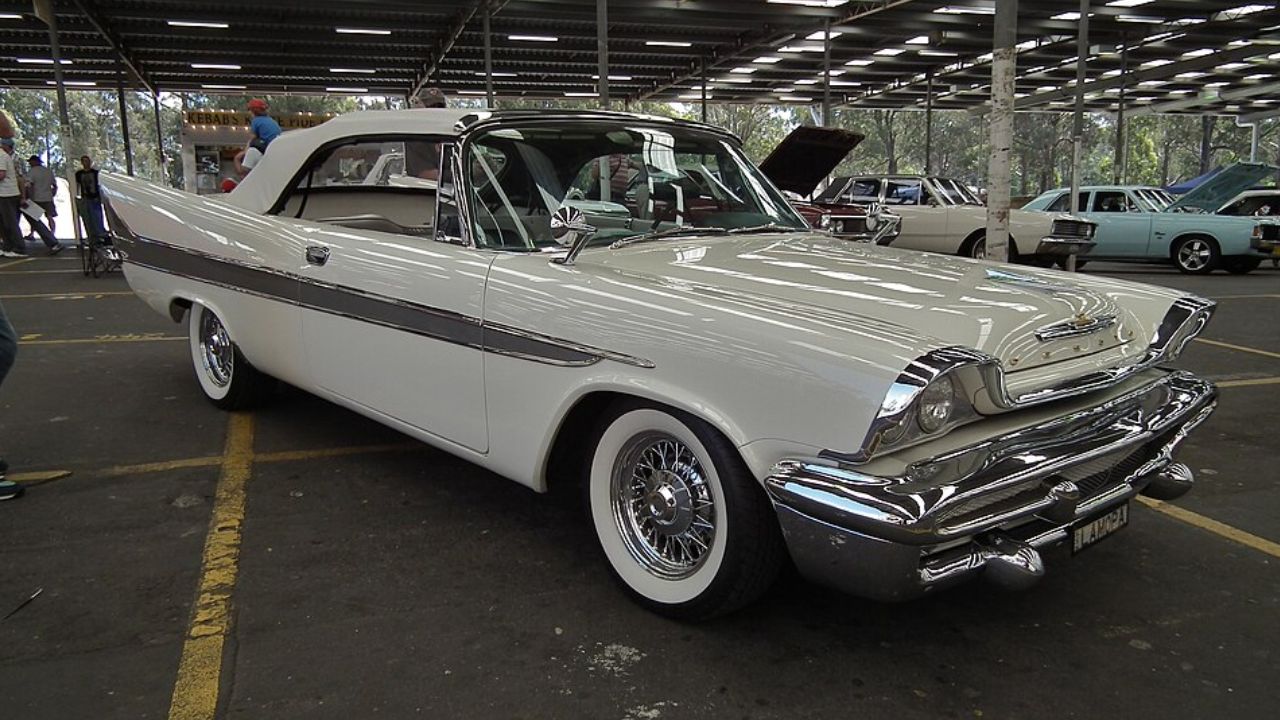
DeSoto may have disappeared decades ago, but some of its cars earned reputations for solid construction, dependable engines, and straightforward mechanicals. Many were used as everyday transportation and driven for years before eventually disappearing. These 9 DeSotos show why the brand deserves more credit for building cars that could withstand plenty of ordinary American road use.
DeSoto Firedome

The Firedome combined a substantial V8 with conventional rear-wheel-drive engineering, giving owners a strong and relatively familiar mechanical package. Its spacious engine compartment made routine maintenance manageable, while the sturdy chassis handled long-distance driving well. Many were used as everyday family cars, which means surviving examples have become increasingly scarce. A solid Firedome remains a great example of traditional DeSoto engineering.
DeSoto Fireflite
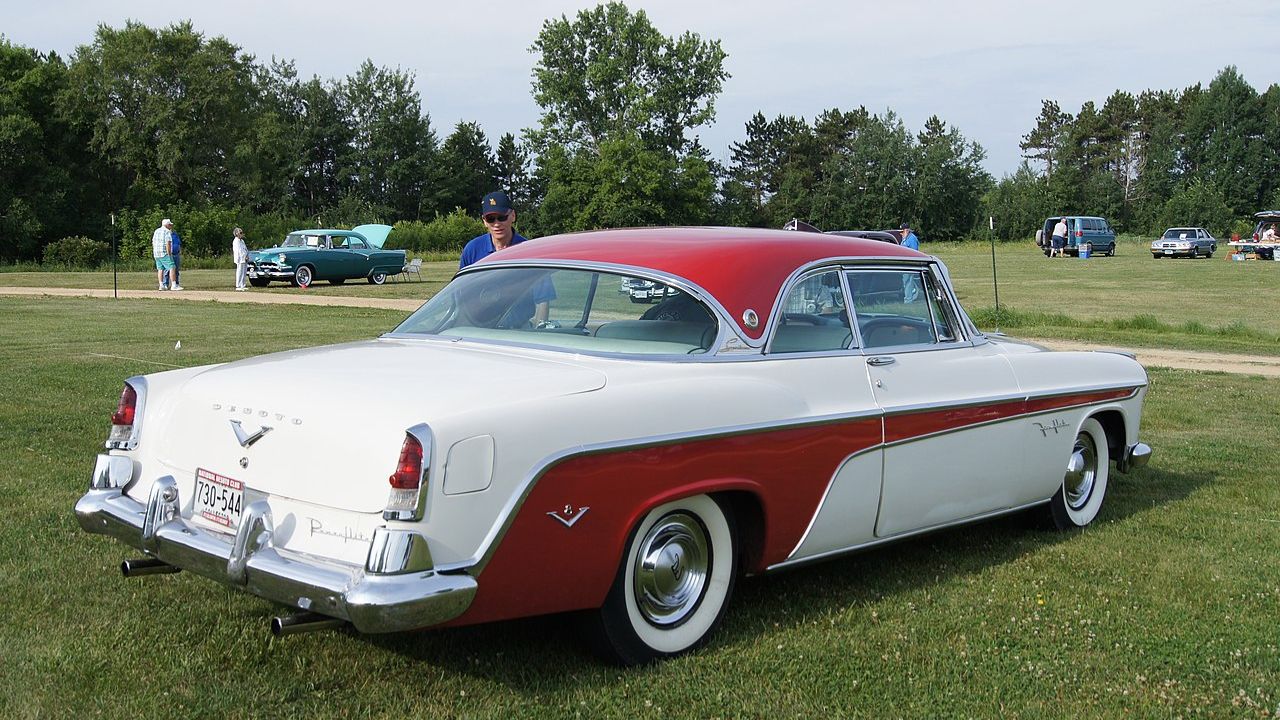
The Fireflite was larger and more luxurious than the Firedome, but it retained the durable mechanical philosophy that defined DeSoto. Its V8 provided strong highway performance, while the conventional drivetrain was easy for experienced mechanics to understand. Many accumulated substantial mileage before retirement. Surviving examples demonstrate how well these big American cars could endure when properly maintained.
DeSoto Firesweep
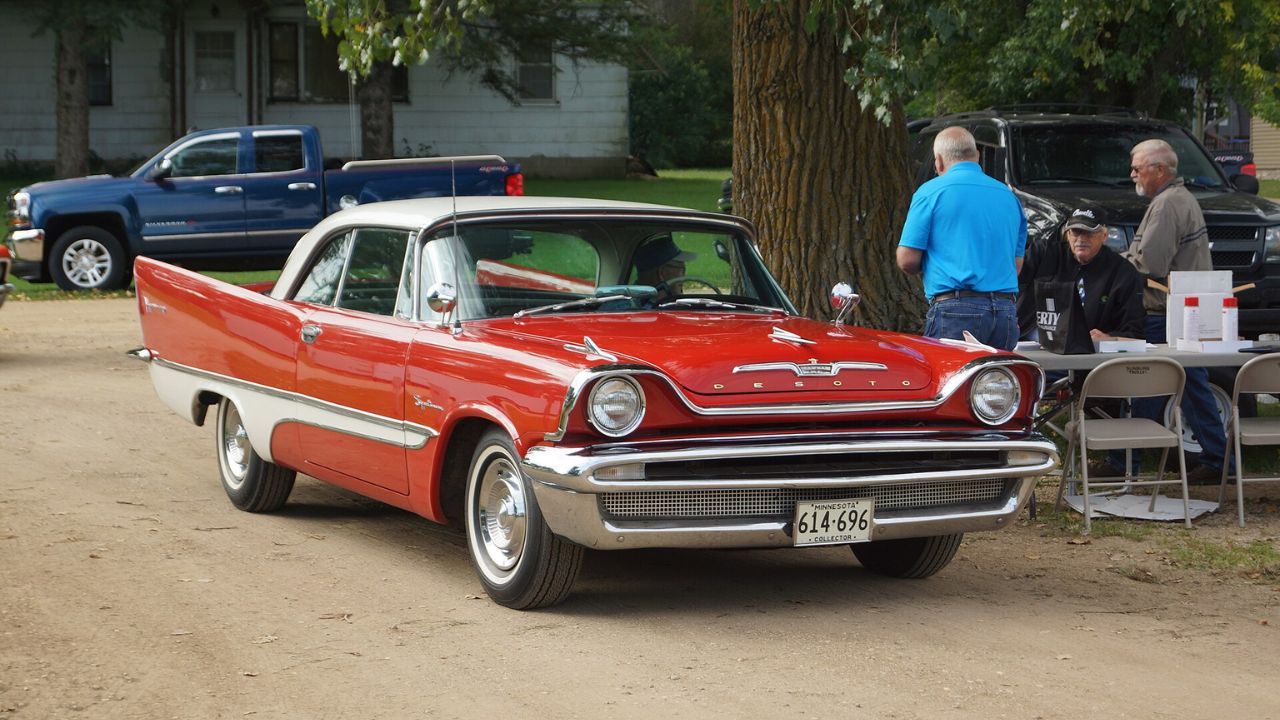
The Firesweep was designed as a more affordable DeSoto, but it still offered substantial American-car construction and dependable mechanical components. Its V8 and rear-wheel-drive layout were familiar technology for the period. Because Firesweeps were often treated as ordinary transportation, few received careful preservation. That makes surviving examples especially interesting today.
DeSoto Adventurer

The Adventurer was DeSoto’s performance-oriented model, combining powerful V8 engines with upscale equipment and distinctive styling. Its mechanical components were designed to handle serious power while remaining suitable for everyday driving. Many examples were eventually modified or neglected. A properly maintained Adventurer demonstrates that DeSoto could combine performance with robust traditional engineering.
DeSoto Custom
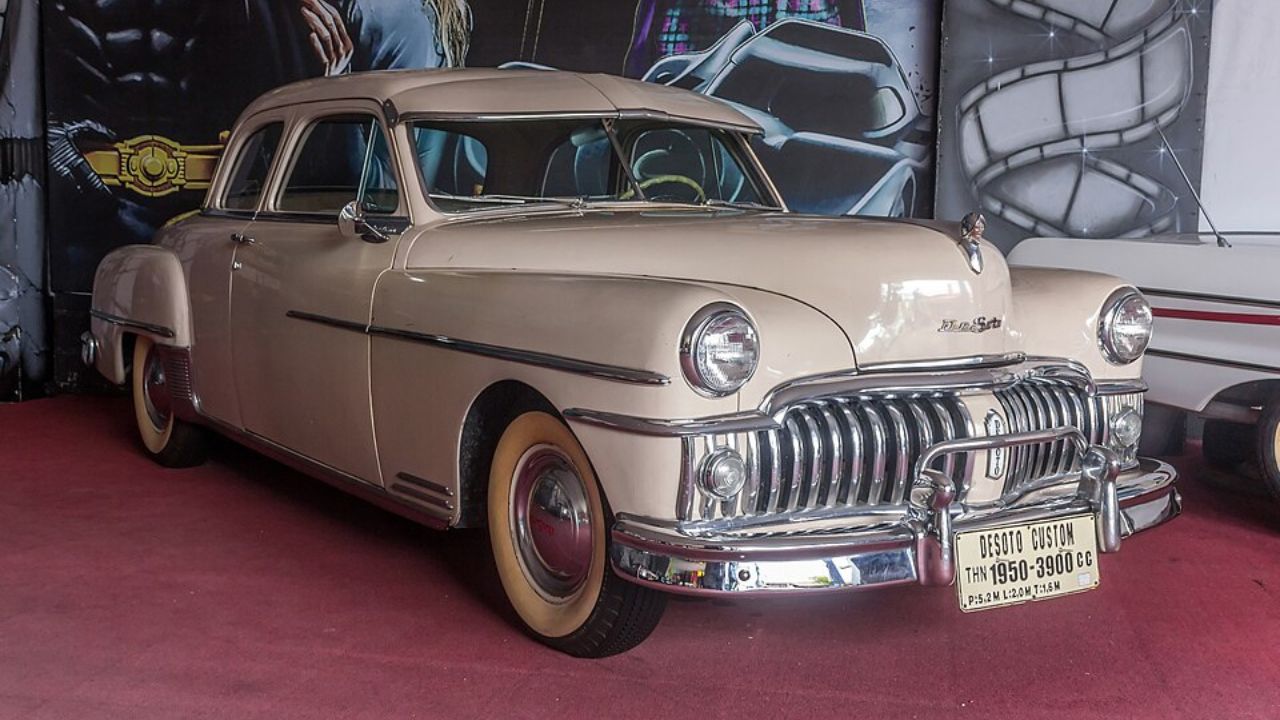
The DeSoto Custom was positioned as a practical entry point into the brand, offering comfortable transportation without the price of the company’s most expensive models. Its straightforward construction made it relatively easy to service. Many were driven for years as family cars. Surviving examples show how durable DeSoto’s basic engineering could be even outside its flagship models.
DeSoto Powermaster
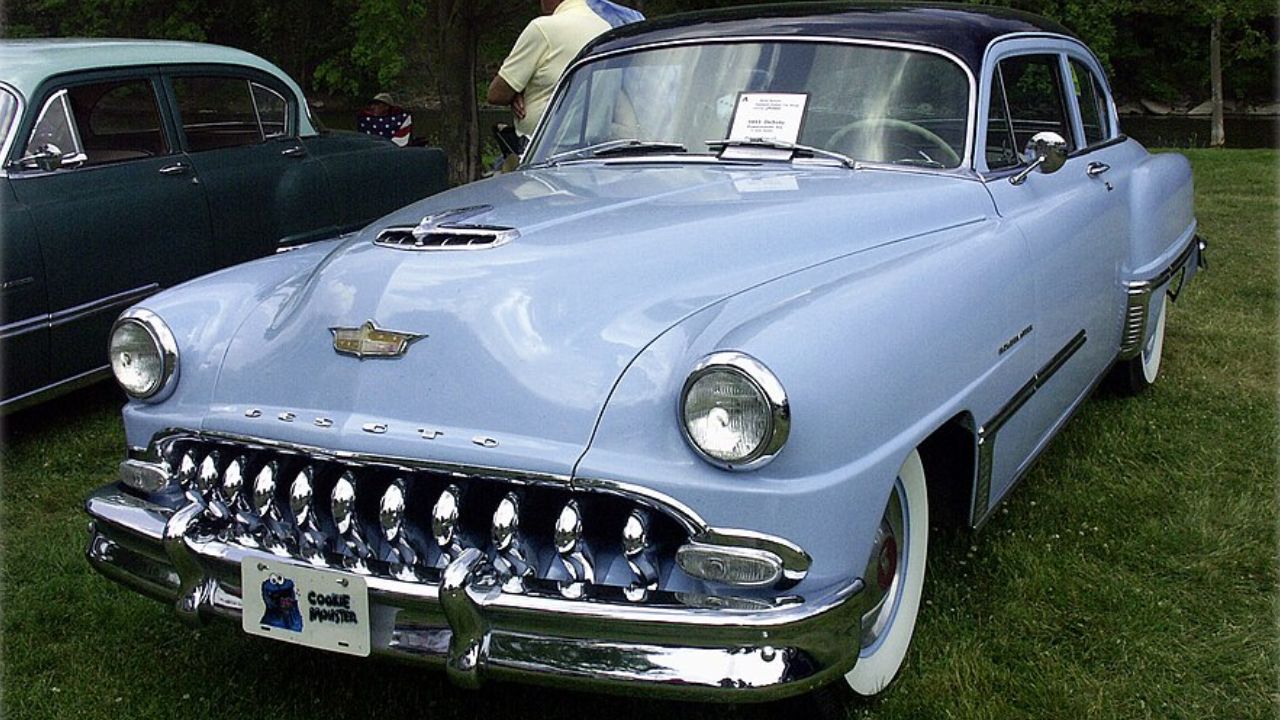
The Powermaster represented DeSoto’s postwar return to more conventional American styling and engineering. Its straight-eight engine was designed for smooth, dependable operation, while the sturdy chassis suited long-distance travel. The model was not preserved in large numbers, making surviving cars increasingly rare. Its simple mechanical character remains appealing to enthusiasts of early postwar automobiles.
DeSoto Airflow
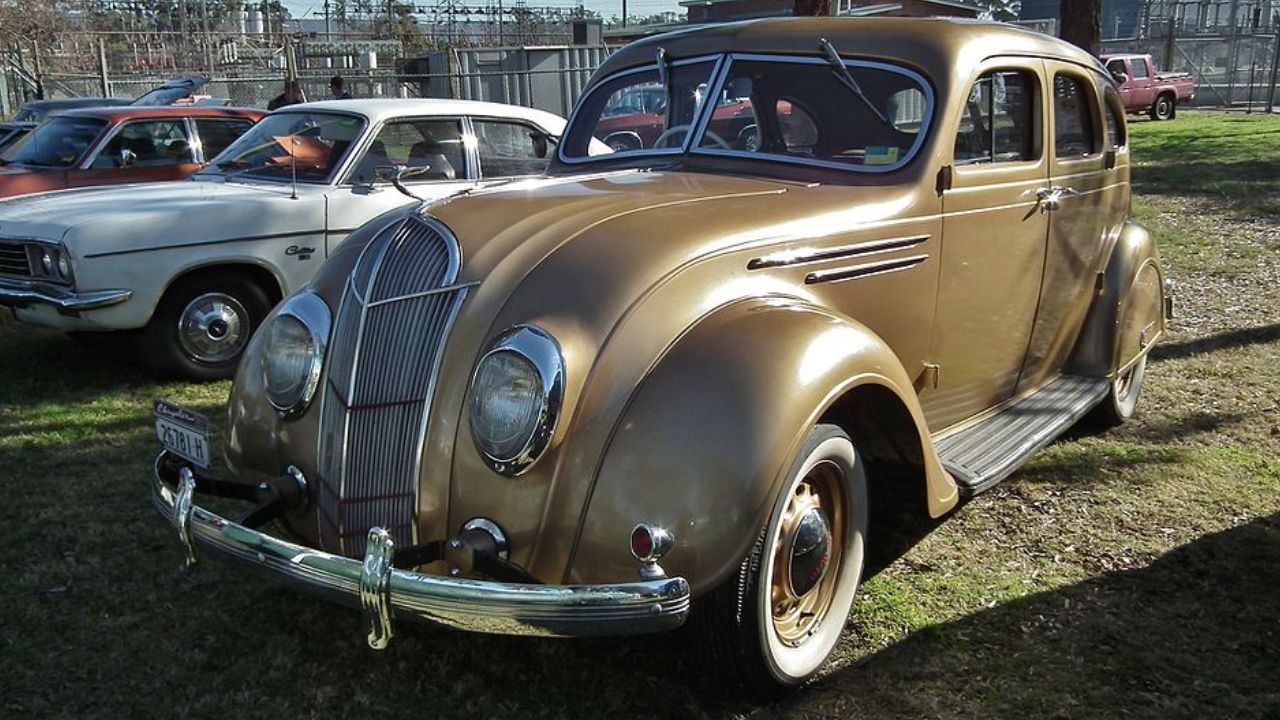
The Airflow was one of DeSoto’s most ambitious engineering experiments, using streamlined construction that differed dramatically from conventional cars. Its innovative body design and balanced proportions were ahead of their time. Although its complexity made it unusual, surviving examples demonstrate impressive engineering ambition. A well-maintained Airflow today is both a historical curiosity and a remarkably distinctive classic.
DeSoto Diplomat
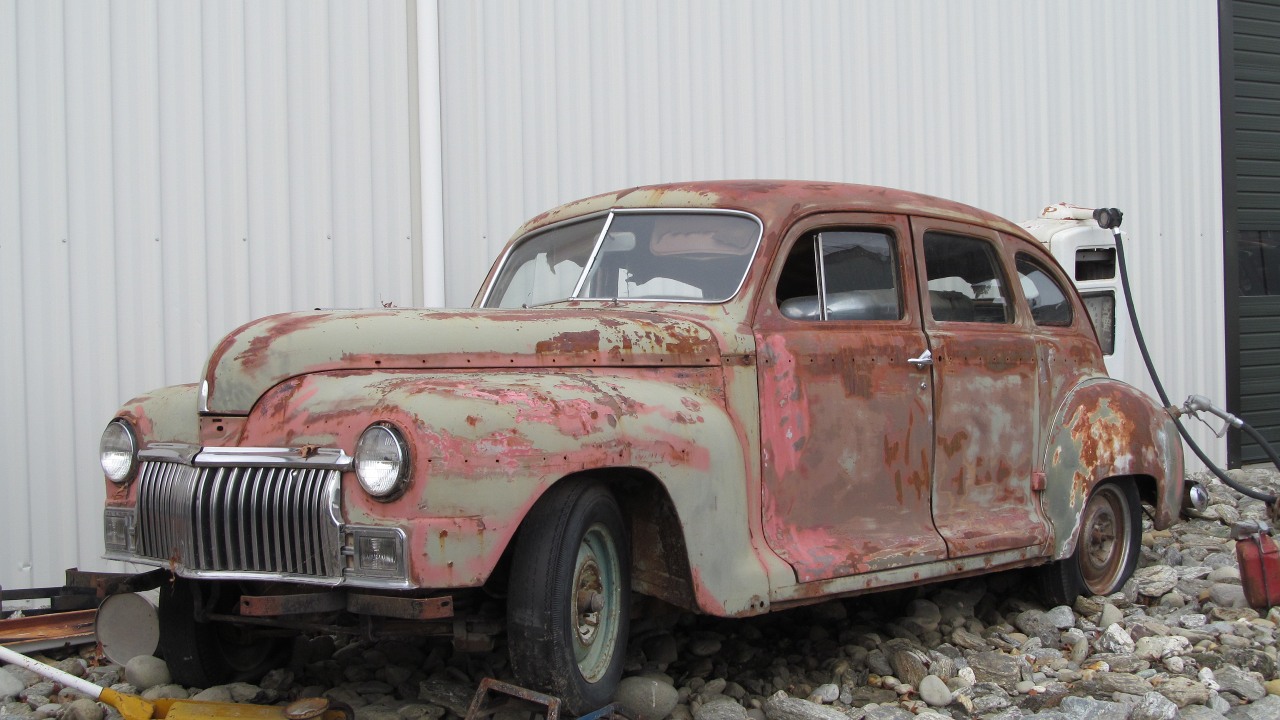
The DeSoto Diplomat was produced primarily for markets outside the United States and adapted Chrysler Corporation engineering for international buyers. Its conventional mechanical components helped make it practical despite its relative rarity. Few survive today, partly because they were used as ordinary transportation. A preserved Diplomat is a fascinating example of DeSoto’s international reach.
DeSoto Suburban
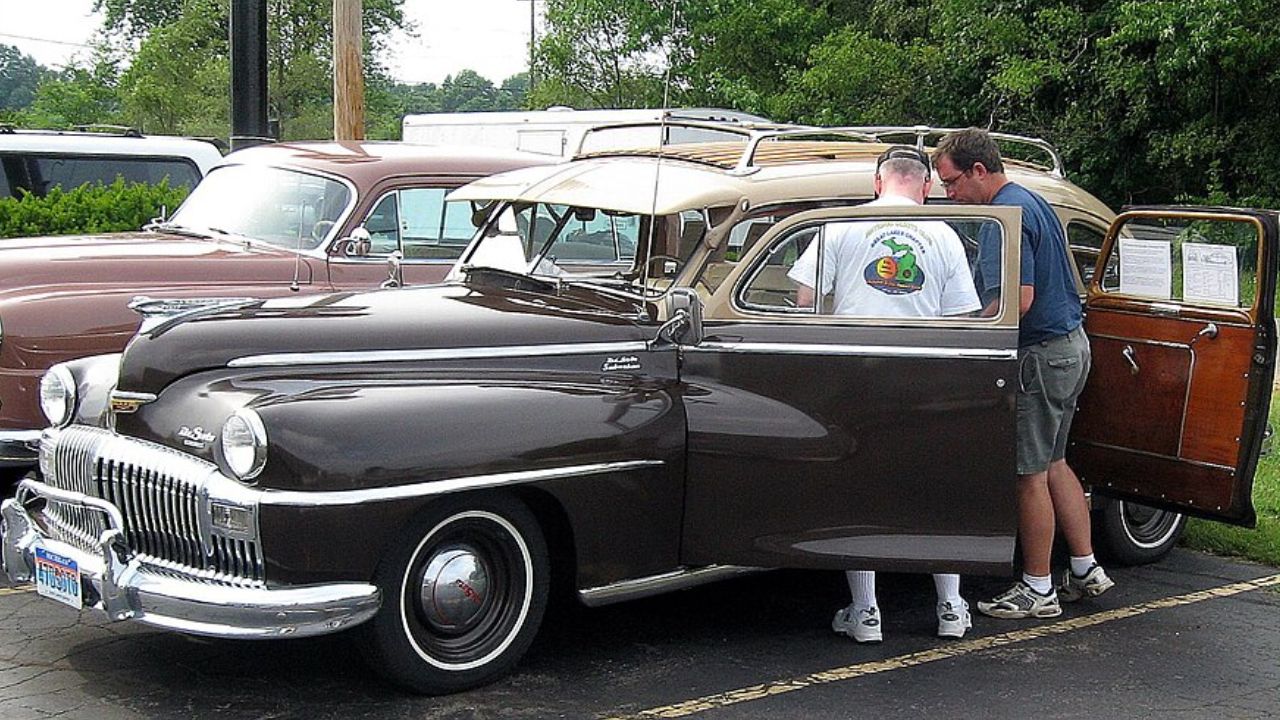
The DeSoto Suburban offered additional passenger and cargo capacity while retaining the brand’s traditional mechanical layout. Its sturdy construction made it suitable for family and commercial use. Station wagons and utility-oriented cars were rarely preserved as carefully as convertibles or coupes, so surviving examples are especially scarce. A complete Suburban today is an impressive reminder of DeSoto’s practical side.
More from Fast Lane Only
- Unboxing the WWII Jeep in a Crate
- 15 rare Chevys collectors are quietly buying
- 10 underrated V8s still worth hunting down
- Police notice this before you even roll window down
*Research for this article included AI assistance, with all final content reviewed by human editors