Not every motorsport legend reached iconic status with dominant factory support or championship-winning machinery. Some drivers earned admiration by outperforming limited equipment, dragging underfunded teams into contention, and delivering unforgettable performances against stronger rivals. Their determination, skill, and resilience turned them into icons even when the odds were stacked heavily against them.
Gilles Villeneuve
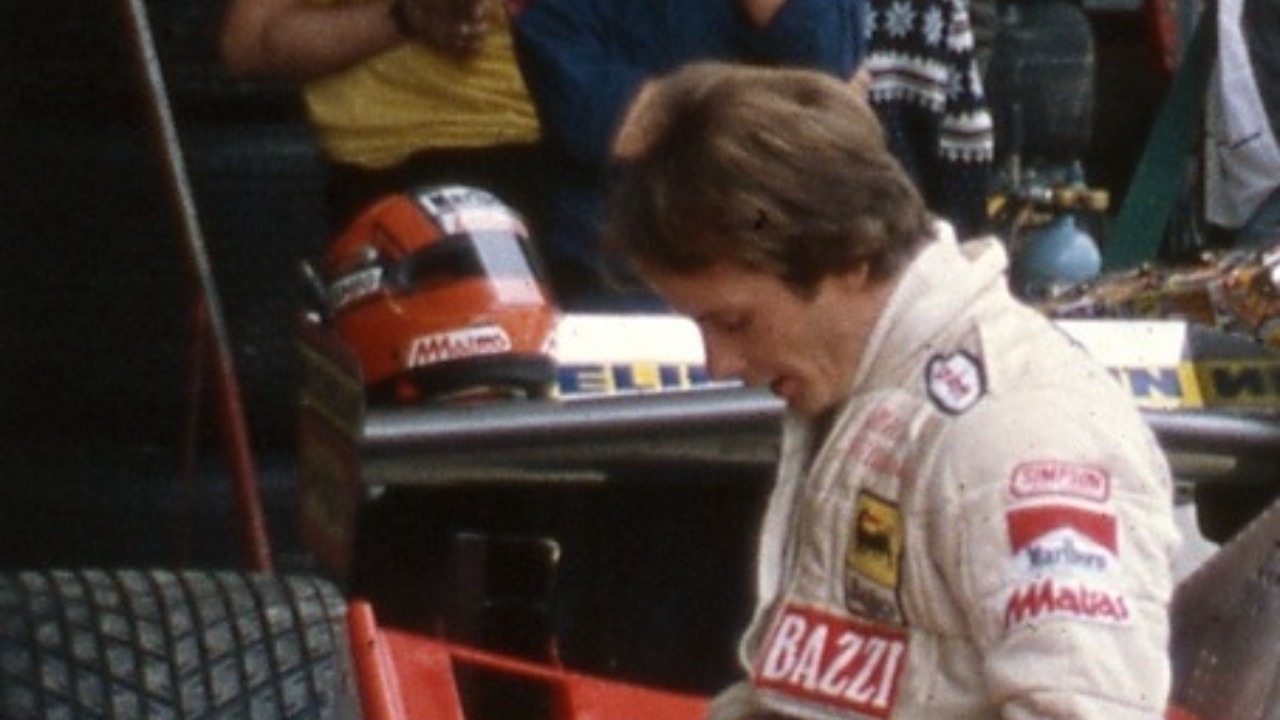
Gilles Villeneuve became one of Formula One’s most beloved figures despite often driving difficult and unreliable machinery. Fans admired his fearless driving style and willingness to push beyond the car’s limits regardless of conditions. Villeneuve frequently delivered spectacular qualifying laps and aggressive overtakes that seemed impossible with the equipment available. His courage and raw commitment made him legendary even without multiple championships.
Sterling Moss
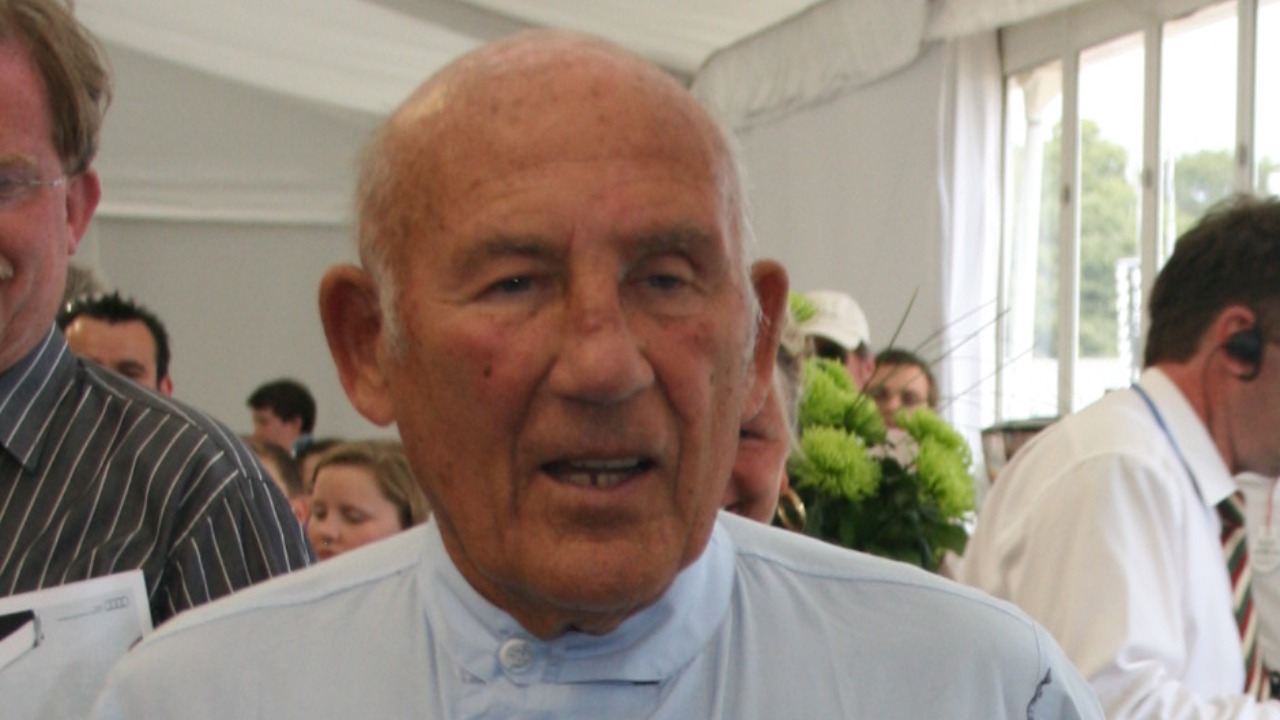
Sterling Moss earned enormous respect because he consistently challenged dominant factory teams while rarely enjoying the strongest machinery himself. Widely considered one of the greatest drivers never to win a Formula One world championship, Moss succeeded through intelligence, adaptability, and extraordinary car control. He won races across numerous categories despite equipment disadvantages. His versatility and sportsmanship helped establish his legendary reputation permanently.
Tony Stewart
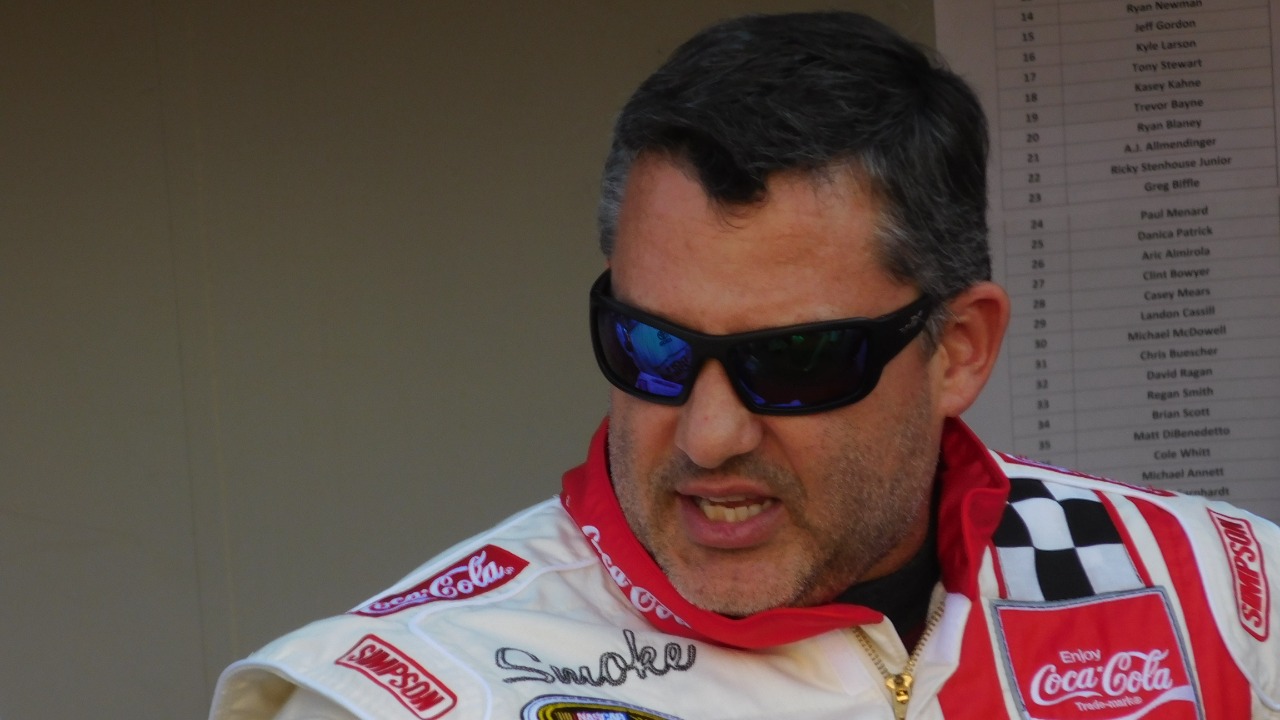
Tony Stewart built his reputation partly through his ability to maximize whatever equipment he drove, especially during difficult seasons with smaller teams. Stewart’s aggressive driving style and relentless competitiveness often allowed him to outperform better-funded rivals. Later in his career, he helped turn Stewart-Haas Racing into a serious NASCAR contender despite intense competition from larger organizations. Fans respected his willingness to fight regardless of resources.
Michele Mouton
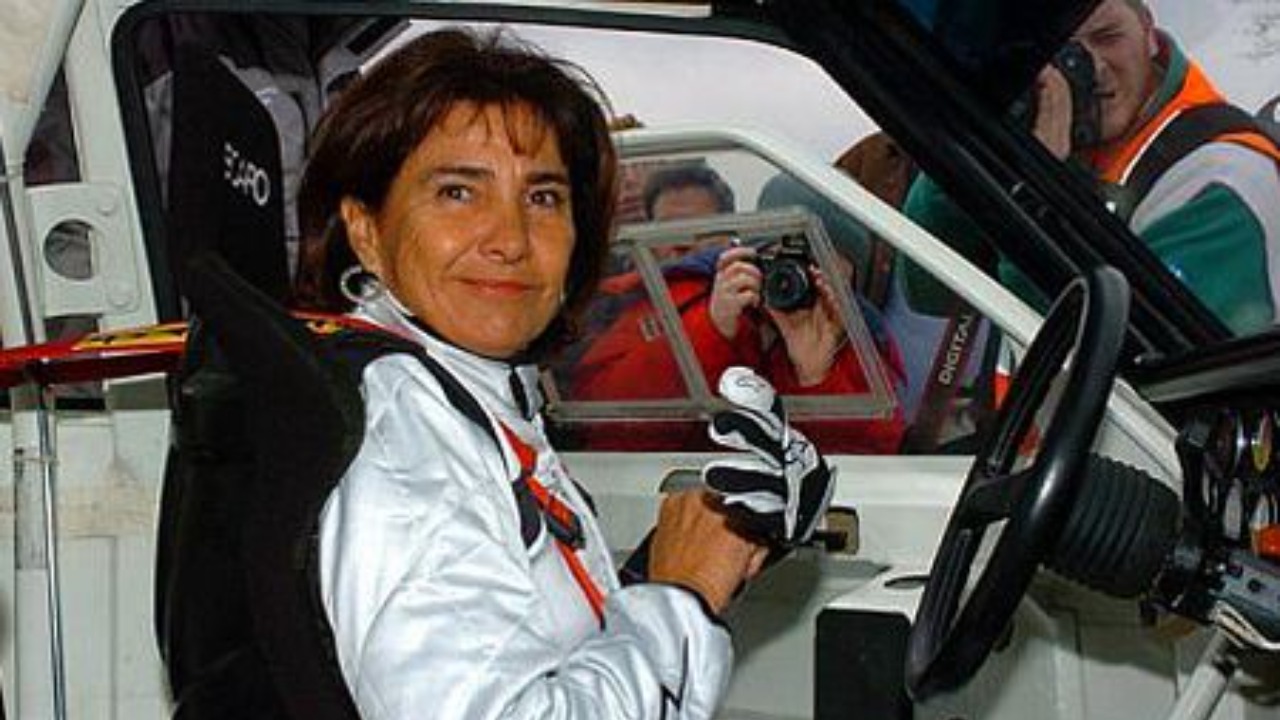
Michele Mouton became a rally icon because she repeatedly challenged elite competition with remarkable bravery and consistency during rallying’s dangerous Group B era. Although factory politics and limited support sometimes created disadvantages, Mouton still secured major victories through fearless driving. Her performances against top male drivers changed perceptions throughout international motorsport. She remains one of rally racing’s most respected pioneers.
Mark Martin

Mark Martin gained legendary status through relentless consistency and professionalism despite spending much of his career competing against larger NASCAR powerhouses. Martin often extracted championship-level performances from teams lacking the overwhelming resources of top rivals. Fans admired his clean driving style and determination during decades of near-misses and difficult seasons. His longevity and work ethic made him one of NASCAR’s most respected veterans.
Jean Rondeau
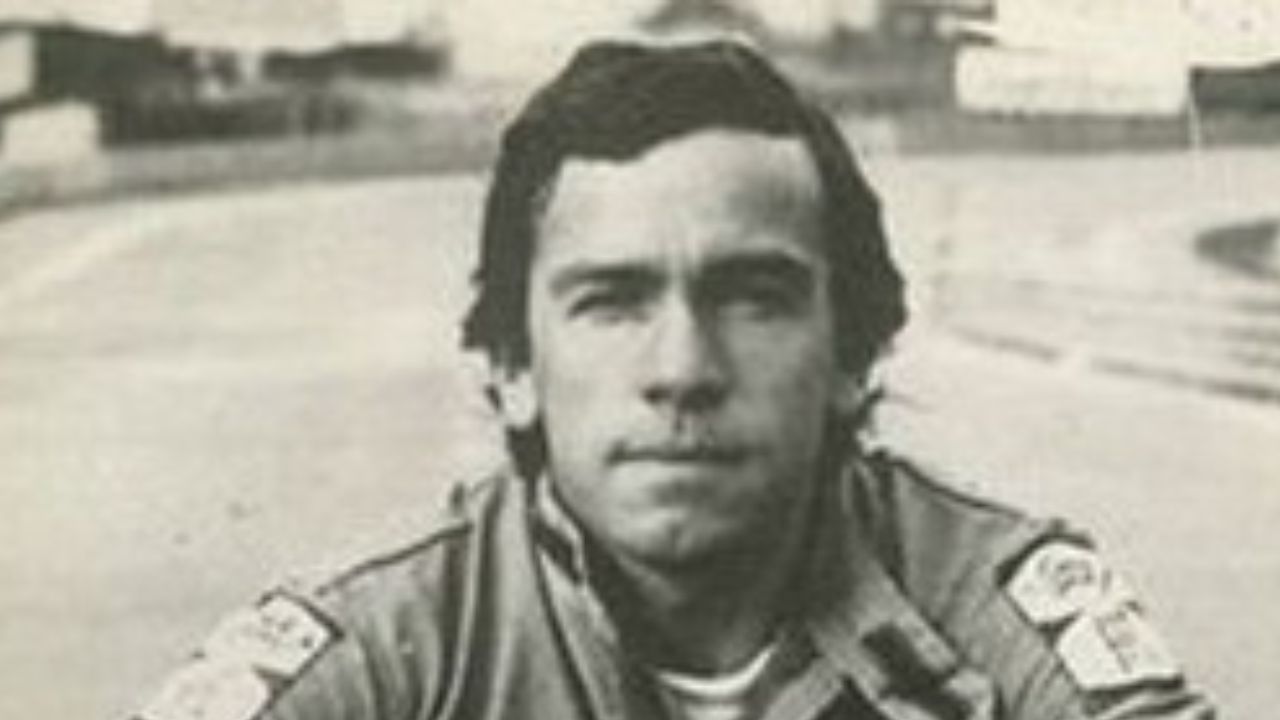
Jean Rondeau achieved something extraordinary by winning the 24 Hours of Le Mans in a car bearing his own name. Competing against larger manufacturers with greater budgets, Rondeau relied heavily on determination and engineering creativity. His success became one of endurance racing’s greatest underdog stories. Fans still admire how he challenged factory-backed giants successfully.
Tazio Nuvolari
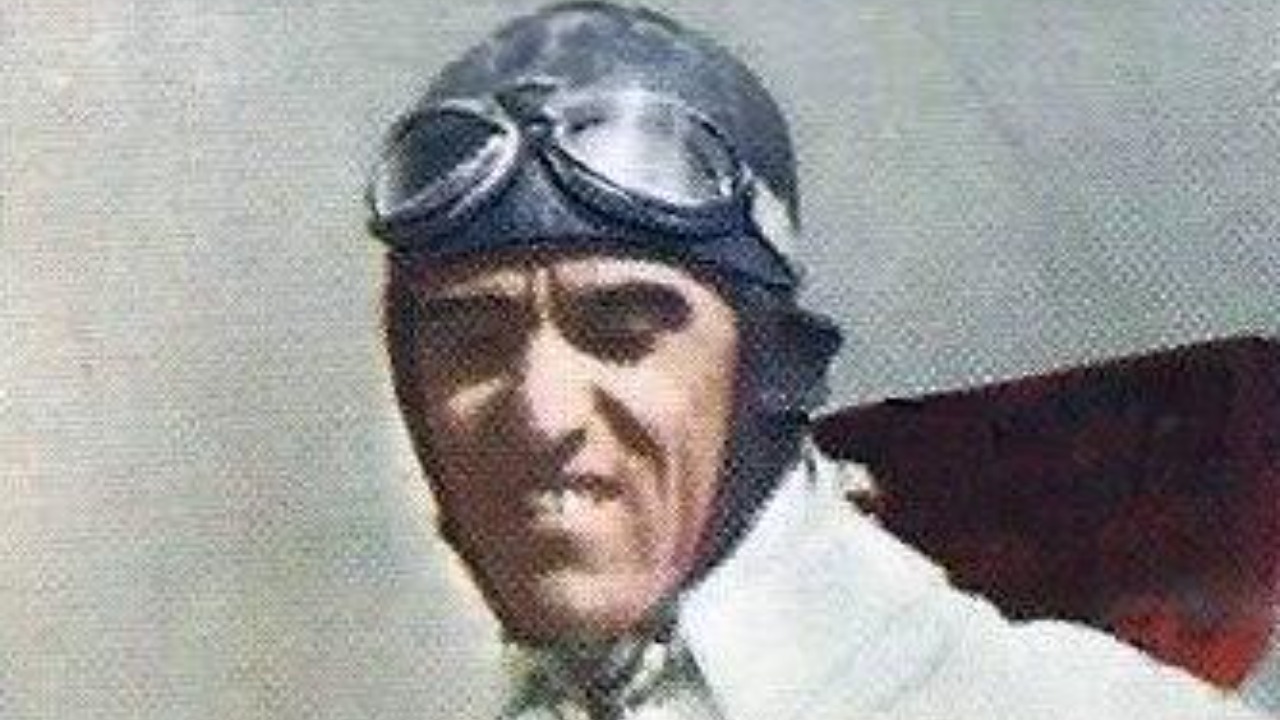
Tazio Nuvolari earned legendary respect because he frequently defeated technically superior rivals through sheer bravery and driving talent. During the early Grand Prix era, Nuvolari became famous for extracting astonishing performances from underpowered Italian machinery against dominant German teams. Spectators admired his willingness to drive aggressively regardless of danger or disadvantage. His fearless style helped shape motorsport mythology itself.
Alex Zanardi

Alex Zanardi became iconic because of both his driving ability and his remarkable resilience during difficult periods of his career. Before his life-changing accident, Zanardi often delivered spectacular overtakes and race wins through pure aggression and creativity rather than overwhelming technical superiority. Fans loved his emotional connection to racing and relentless determination. His comeback story later elevated his reputation even further worldwide.
Johnny Herbert
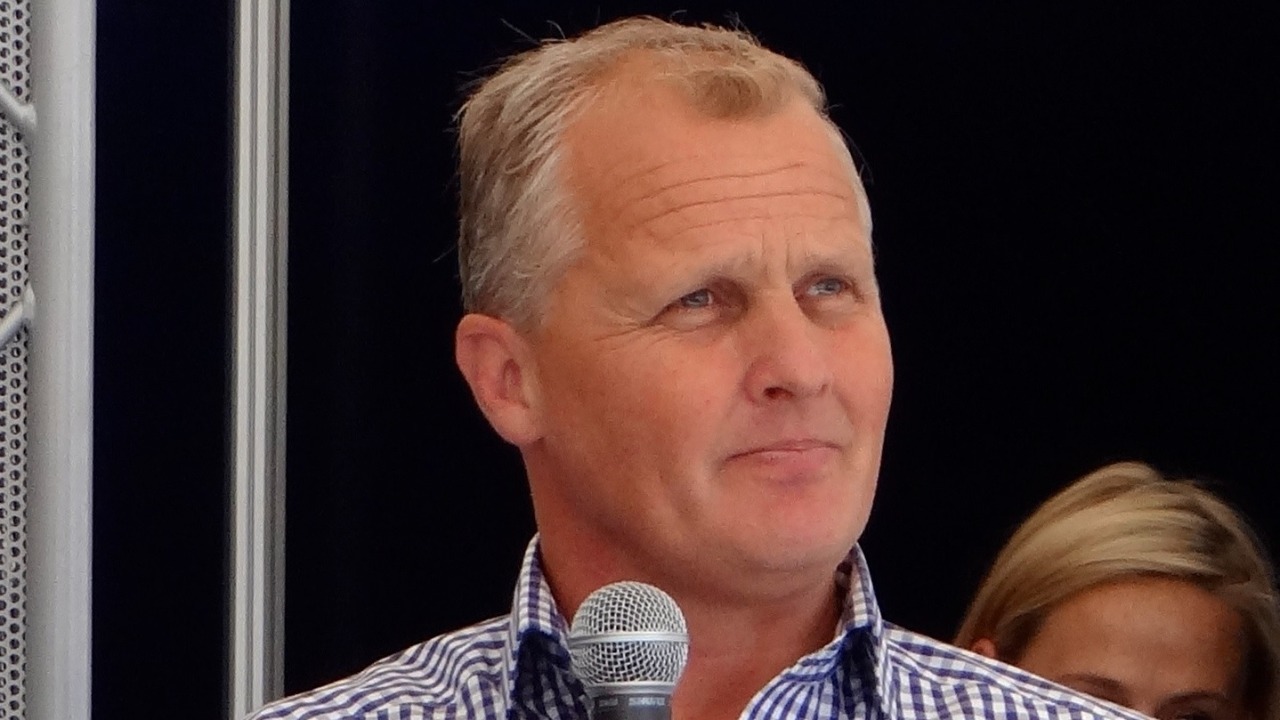
Johnny Herbert earned widespread respect because he rebuilt his career after devastating injuries while often competing in midfield Formula One machinery. Herbert consistently extracted strong performances from cars that rarely matched the pace of dominant teams. His determination and adaptability allowed him to remain competitive through multiple challenging eras of motorsport. Fans admired how hard he fought despite physical and technical obstacles.
More from Fast Lane Only