Some sports cars became legends not because they dominated spec sheets, but because they delivered experiences that felt far greater than their advertised output. Lightweight engineering, turbocharged personalities, chassis balance, and driver engagement helped these machines outperform expectations constantly. Decades later, enthusiasts still respect them because their reputations were built on real-world excitement rather than simple horsepower figures.
Lotus Elise Series 1
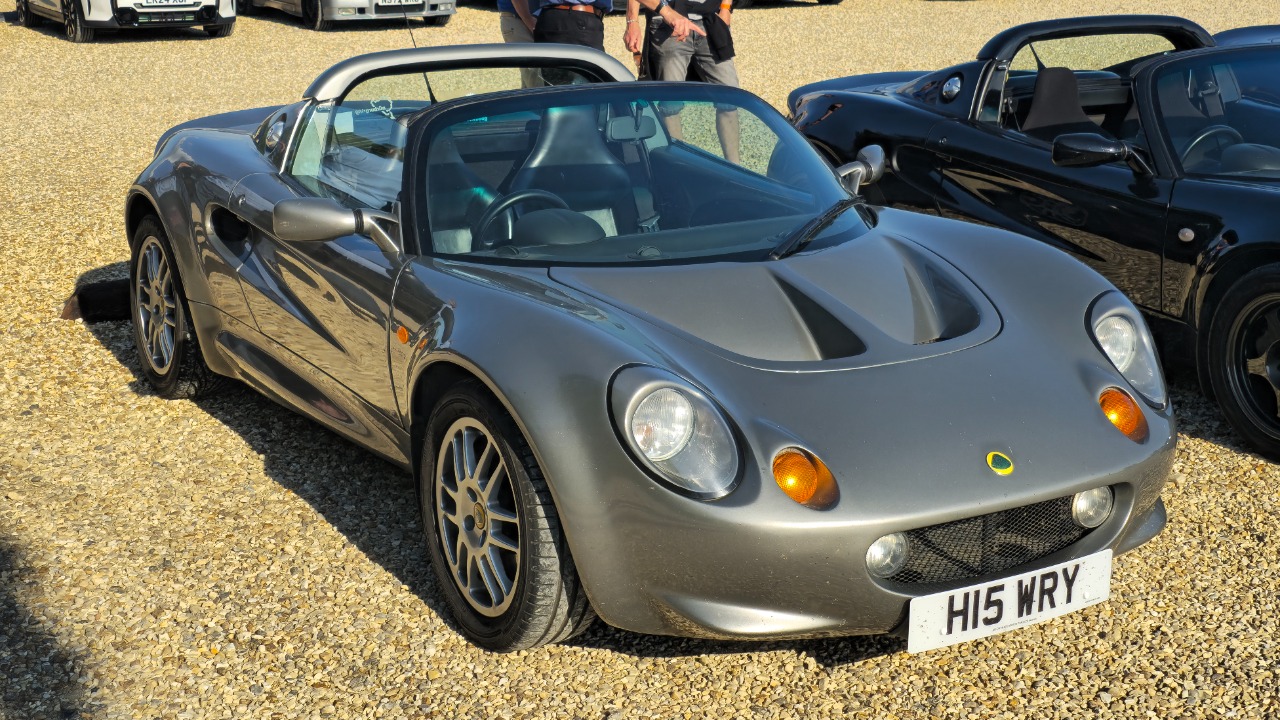
The Lotus Elise Series 1 earned enormous respect despite modest horsepower because its featherweight construction created astonishing agility and steering feel. Instead of chasing massive engine output, Lotus focused on purity and balance, making the Elise feel alive on winding roads. Drivers constantly described it as faster and more engaging than far more powerful rivals. Its reputation proved lightweight engineering could matter more than raw horsepower numbers.
Toyota AE86 Corolla GT-S
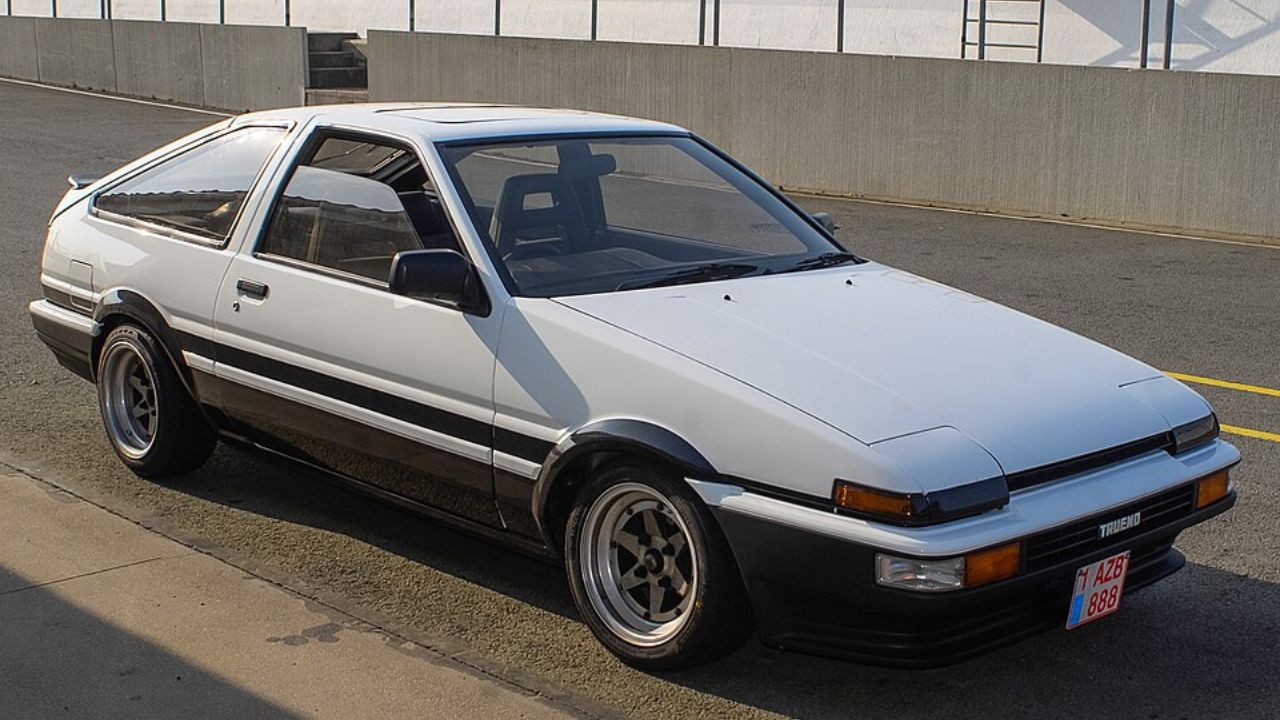
The Toyota AE86 Corolla GT-S became legendary because its balanced chassis and rev-happy twin-cam engine made driving thrilling despite relatively low power output. Lightweight handling characteristics allowed skilled drivers to carry speed through corners effortlessly. The AE86 built a huge following in drifting and grassroots motorsports worldwide. Enthusiasts still admire it because driver skill mattered far more than straight-line acceleration.
Porsche 944 Turbo
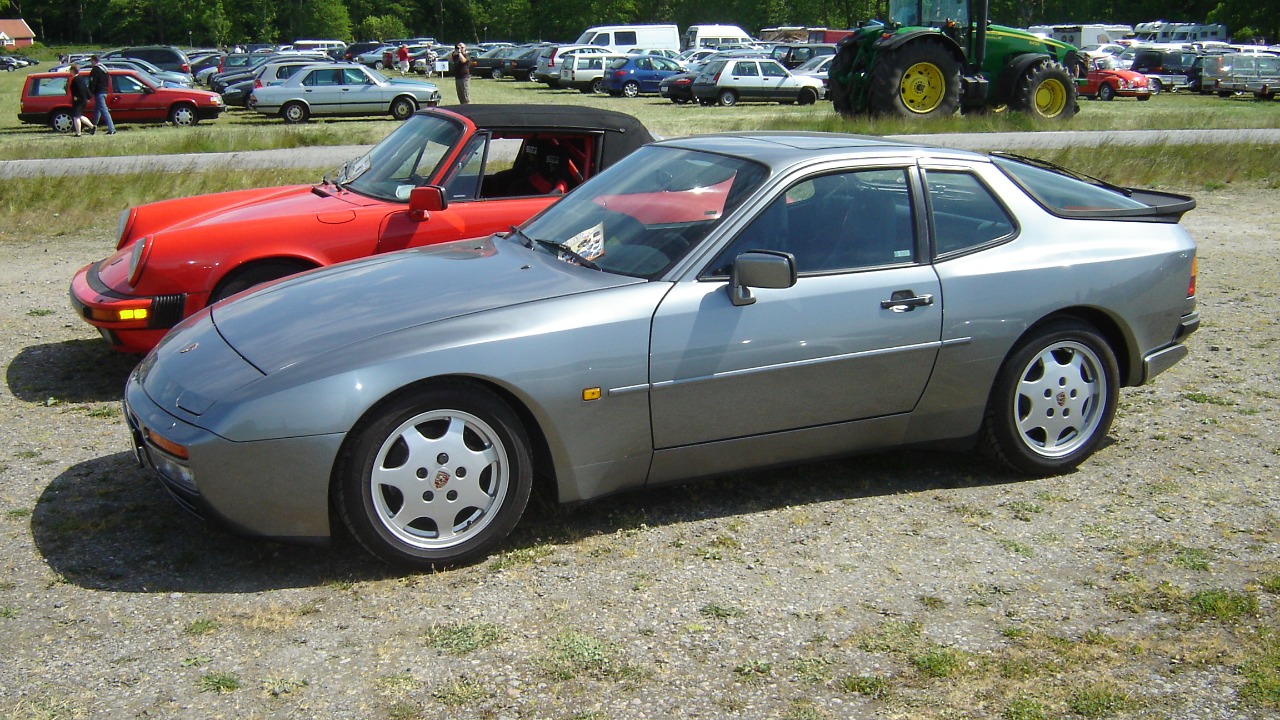
The Porsche 944 Turbo gained a reputation for humiliating more expensive sports cars through exceptional chassis balance and strong turbocharged midrange performance. Official horsepower figures looked modest compared to some exotic rivals, but real-world capability impressed drivers immediately. Excellent handling and predictable power delivery made the 944 Turbo highly effective on both roads and racetracks. Many enthusiasts still consider it one of Porsche’s most underrated performance cars.
Honda Integra Type R DC2
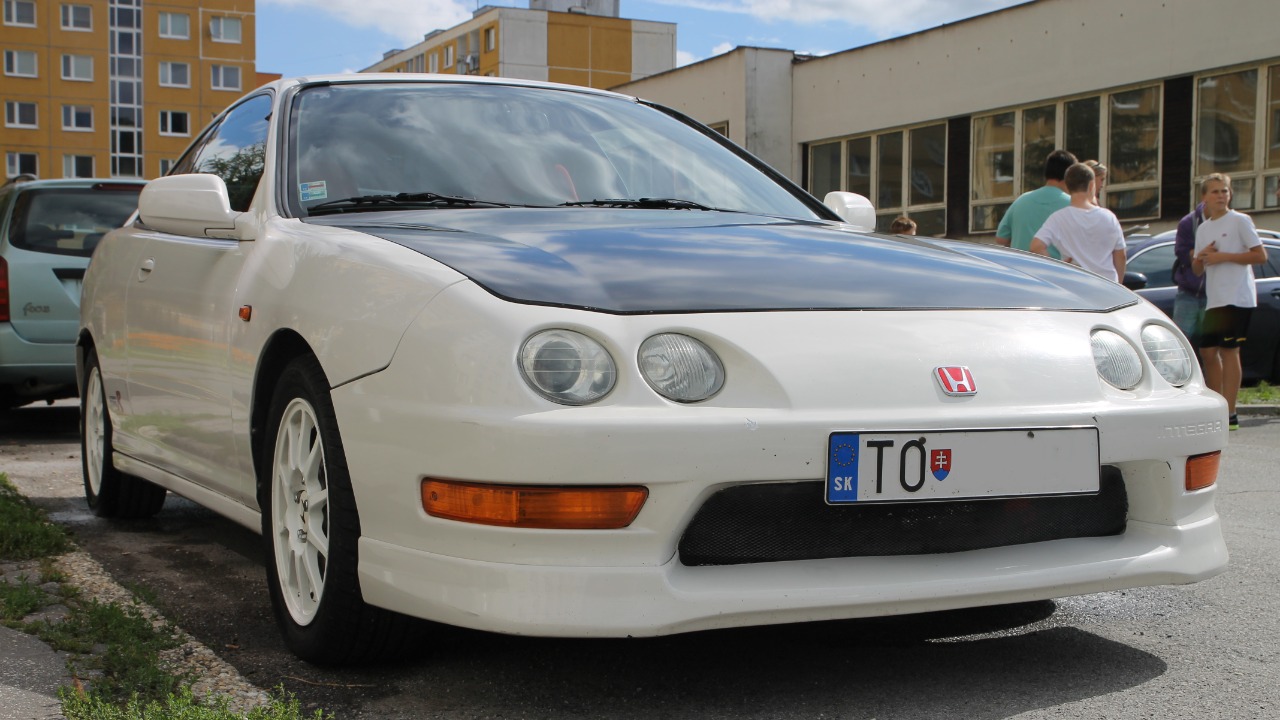
The Honda Integra Type R DC2 shocked enthusiasts because it delivered extraordinary driver engagement without relying on massive horsepower. Lightweight construction, razor-sharp steering, and a screaming VTEC engine created one of the purest front-wheel-drive experiences ever built. The car consistently outperformed stronger competitors on technical roads and circuits through balance and precision. Its reputation became far larger than its modest power figures suggested possible.
Alpine A110 Original
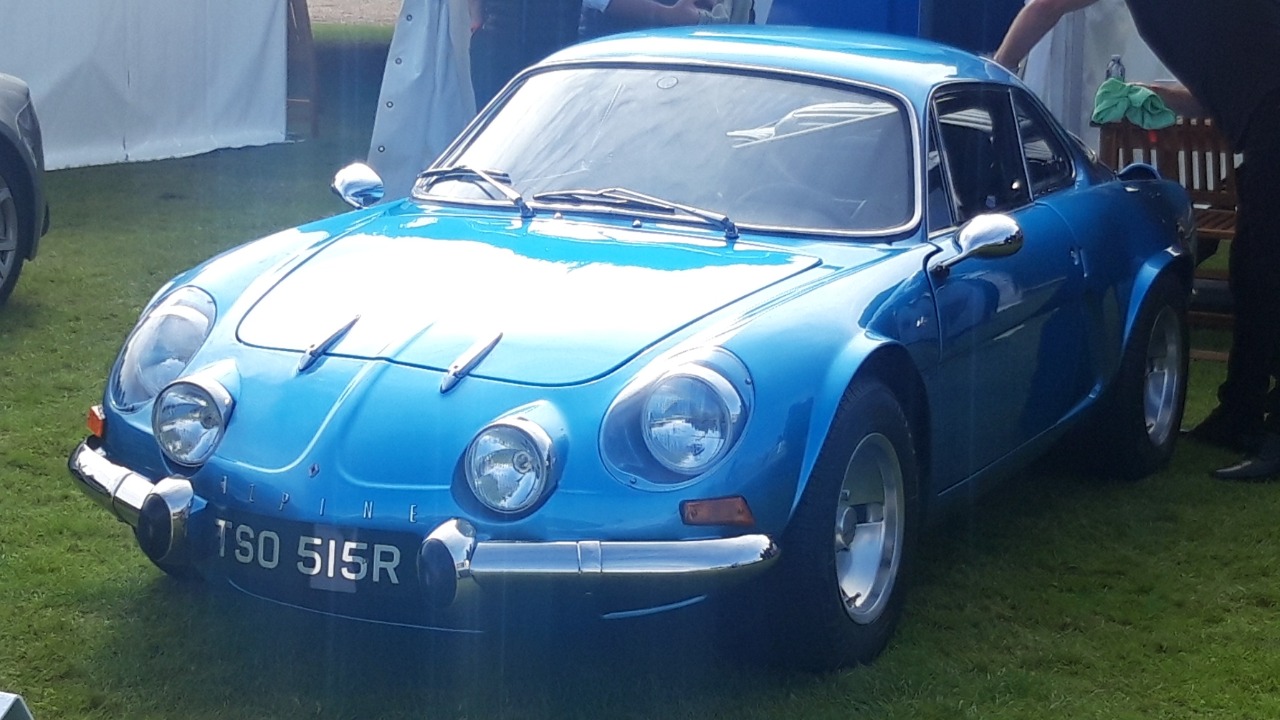
The Alpine A110 became a motorsport icon because its low weight and agility allowed it to challenge far more powerful competitors successfully. Rear-engine traction and nimble handling made the A110 devastatingly effective on rally stages throughout Europe. Drivers trusted momentum and chassis balance rather than overwhelming horsepower. Its success proved intelligent engineering could overcome raw engine disadvantages repeatedly.
Mazda MX-5 Miata NA
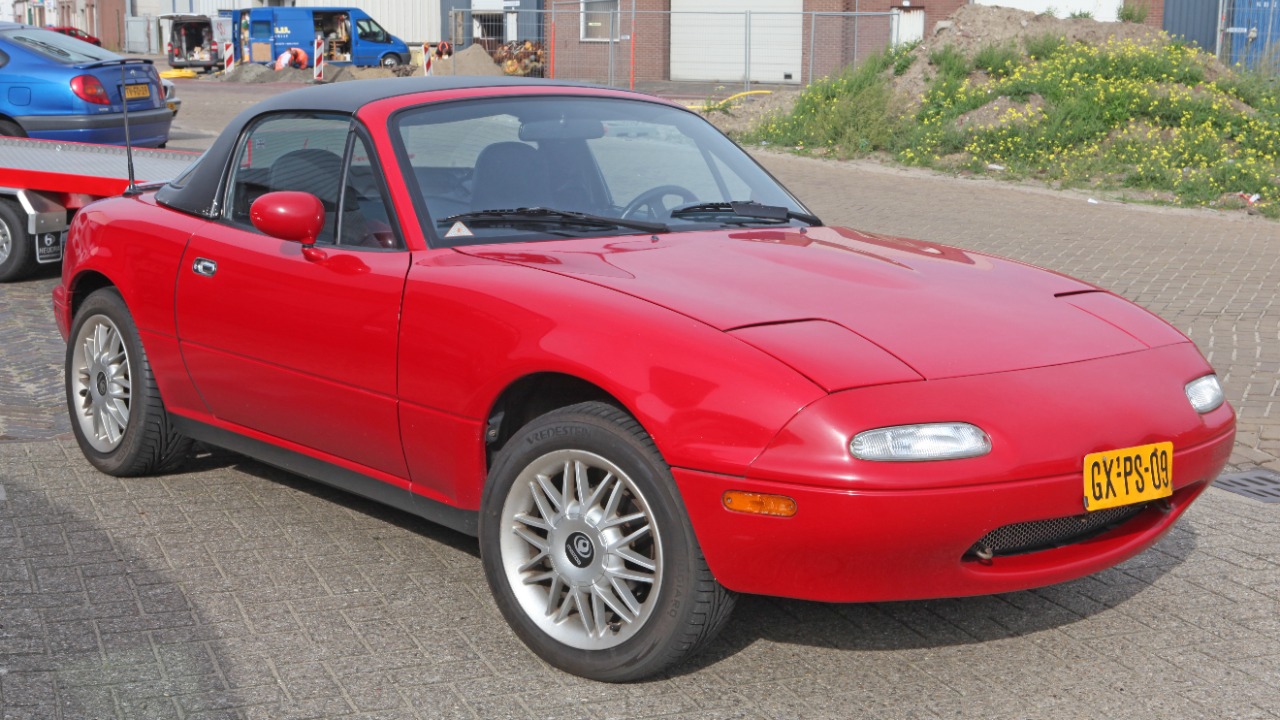
The Mazda MX-5 Miata NA earned worldwide admiration because it transformed modest power into enormous driving enjoyment. Precise steering, excellent balance, and low operating costs made the Miata accessible to countless enthusiasts. Drivers quickly discovered that momentum, handling, and driver confidence mattered more than horsepower alone. Its influence became so strong that the Miata remains one of the best-selling sports cars in history.
Renault Clio V6
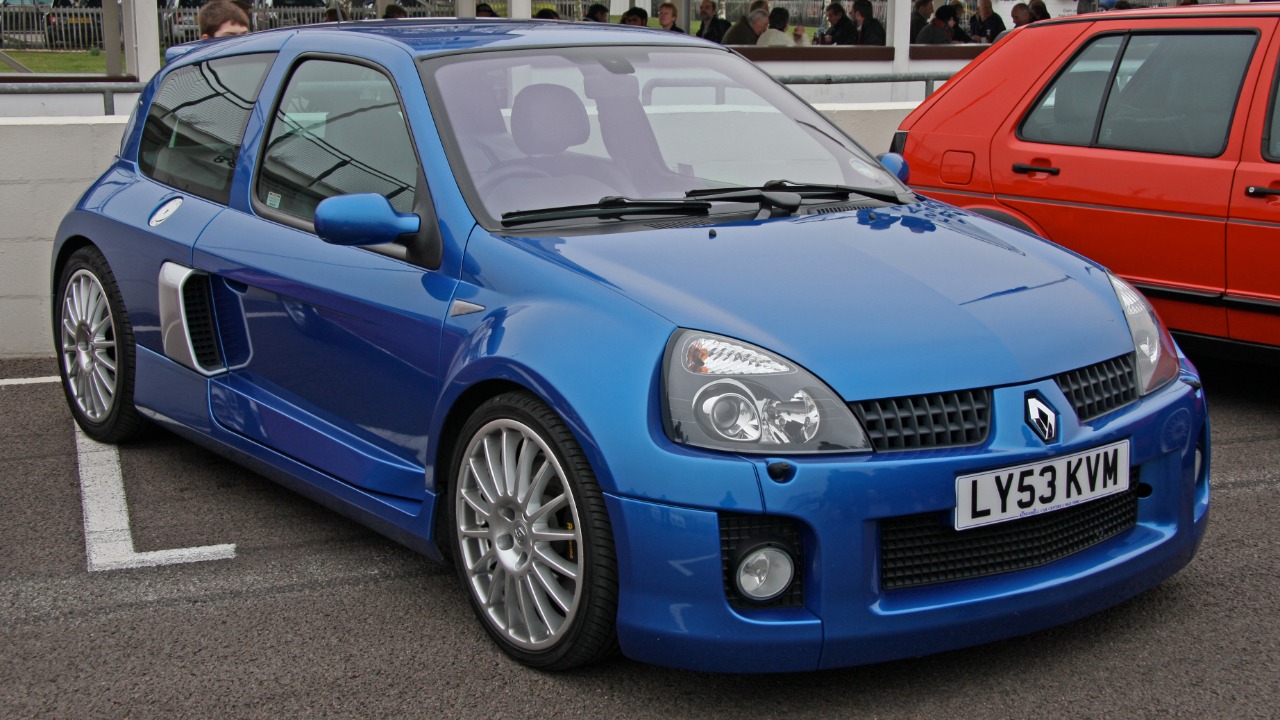
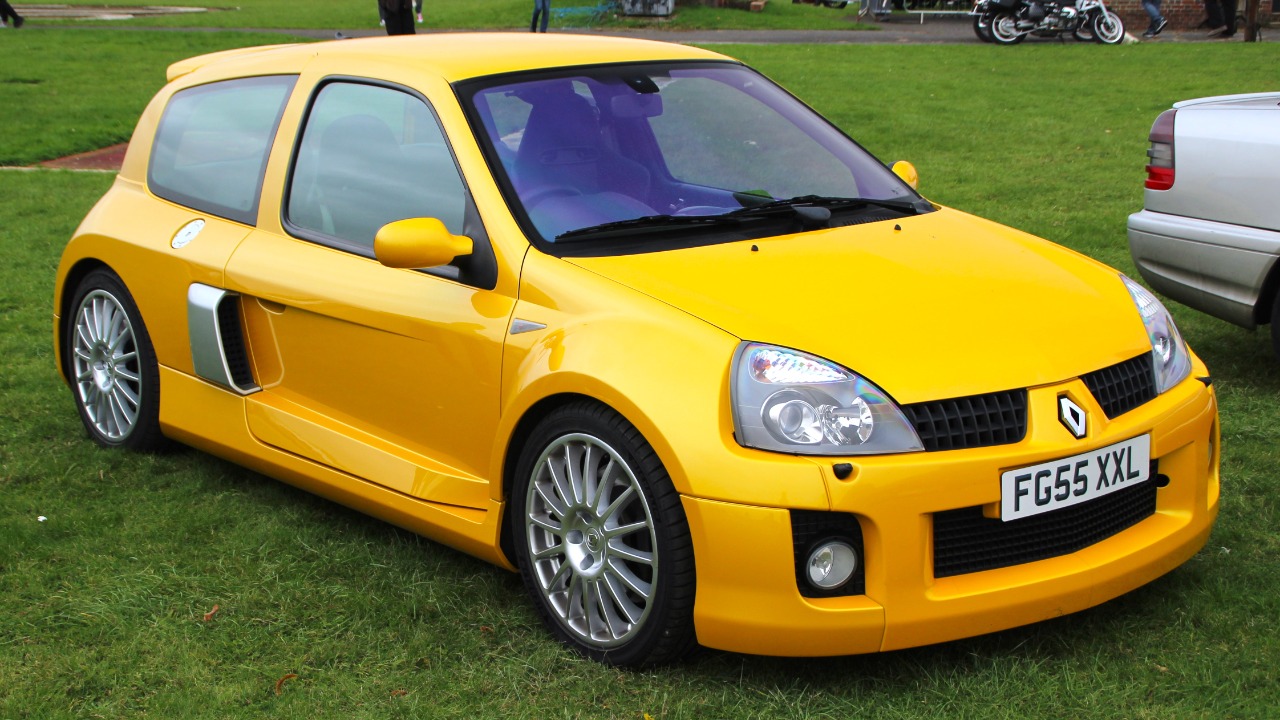
The Renault Clio V6 built a wild reputation because its unusual mid-engine layout created an experience far more dramatic than its official power figures suggested. The compact hatchback looked aggressive and behaved unpredictably at the limit, earning respect from experienced drivers. Its short wheelbase and rear-driven layout gave it a reputation for excitement and danger. Enthusiasts remember it for personality rather than outright speed statistics.
Nissan Silvia S15 Spec-R
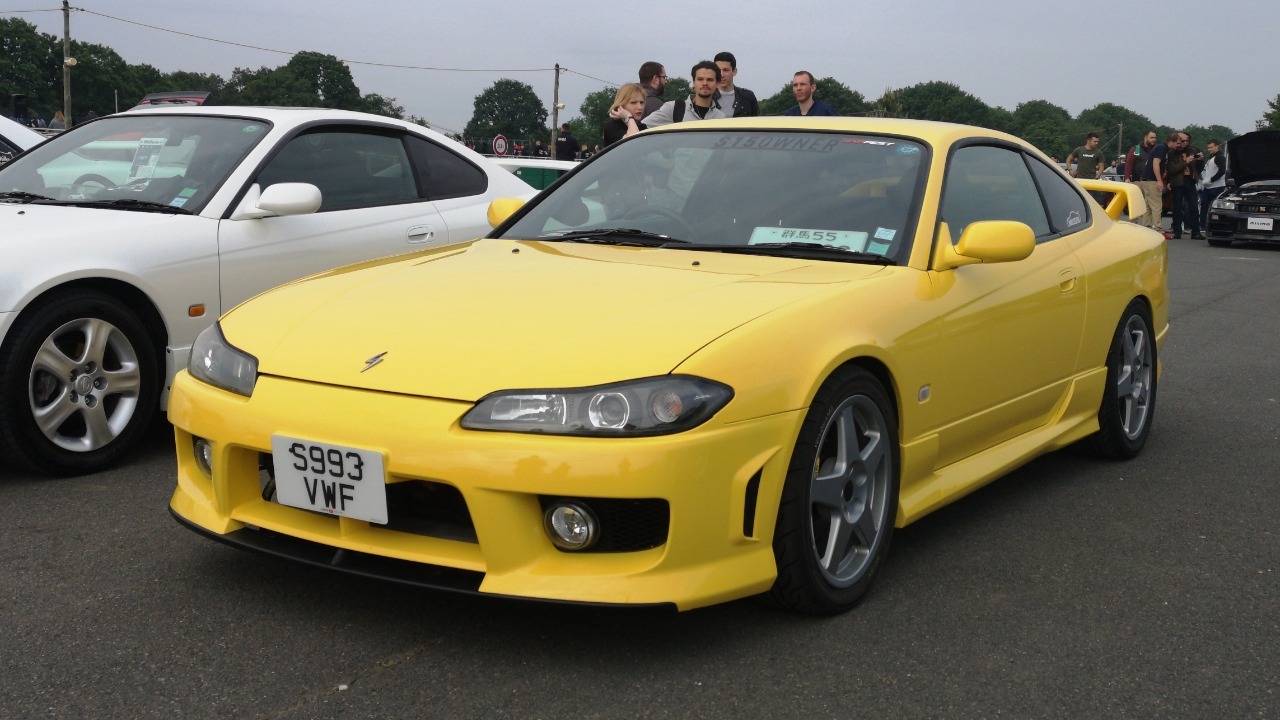
The Nissan Silvia S15 Spec-R became famous because its balanced chassis and responsive turbocharged engine made it exceptionally effective for drifting and street performance. Although horsepower figures remained relatively modest from the factory, tuners discovered enormous aftermarket potential quickly. The S15’s combination of affordability, handling, and tuning flexibility created legendary status worldwide. It became one of the defining cars of modern Japanese enthusiast culture.
BMW E30 M3
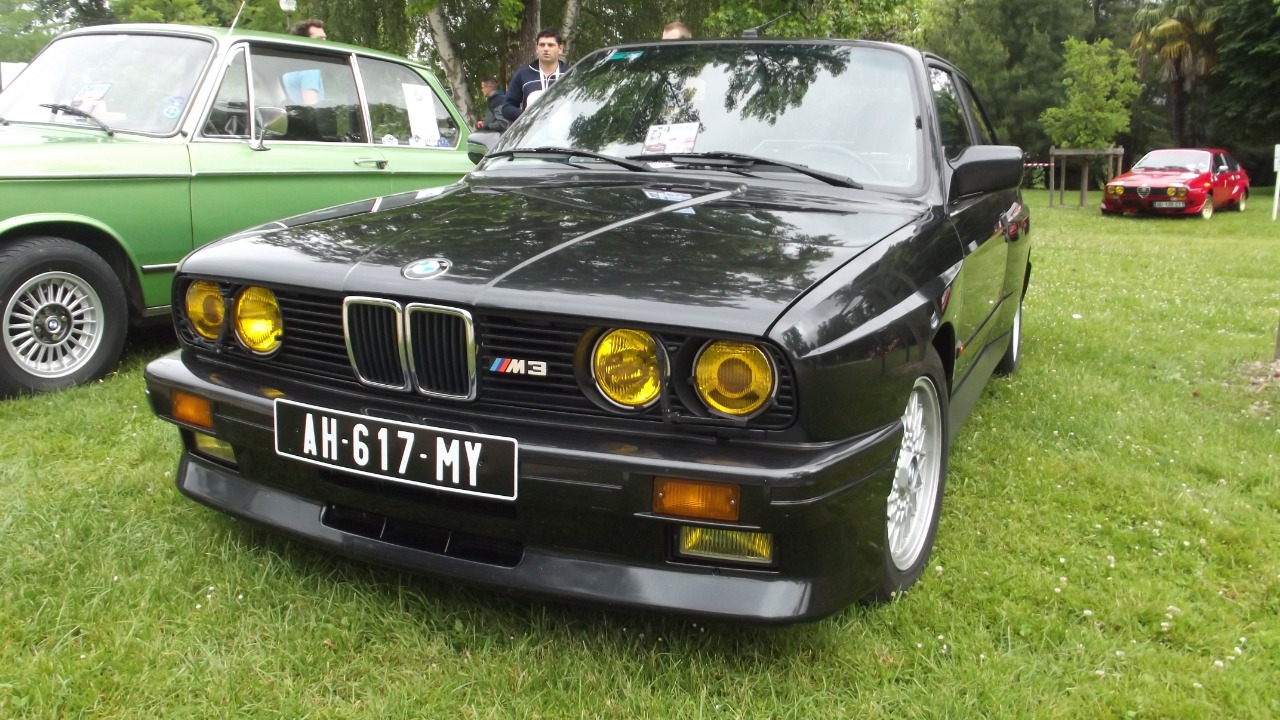
The BMW E30 M3 earned lasting respect because its lightweight body and razor-sharp handling allowed it to dominate touring-car racing despite modest horsepower by modern standards. High-revving engine character and exceptional chassis tuning made the car feel incredibly alive during aggressive driving. Drivers valued communication and balance over brute force. Its racing success transformed the E30 M3 into one of the most admired sports sedans ever built.
Suzuki Cappuccino
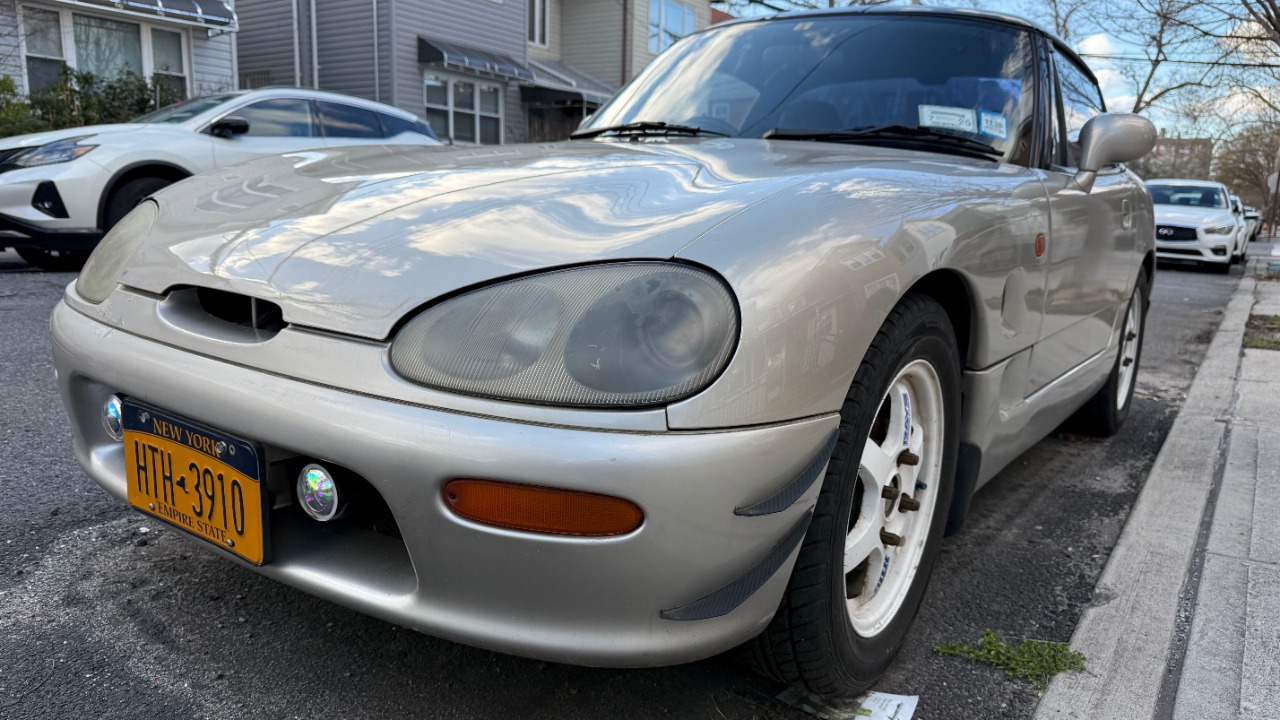
The Suzuki Cappuccino proved tiny sports cars could deliver enormous fun despite strict kei-car power limitations. Turbocharged efficiency, rear-wheel drive, and lightweight engineering gave the Cappuccino playful handling characteristics enthusiasts loved immediately. Drivers appreciated how hard they could push the car without overwhelming speeds. Its charm and personality helped it build a cult following far beyond what its tiny horsepower rating suggested.
More from Fast Lane Only