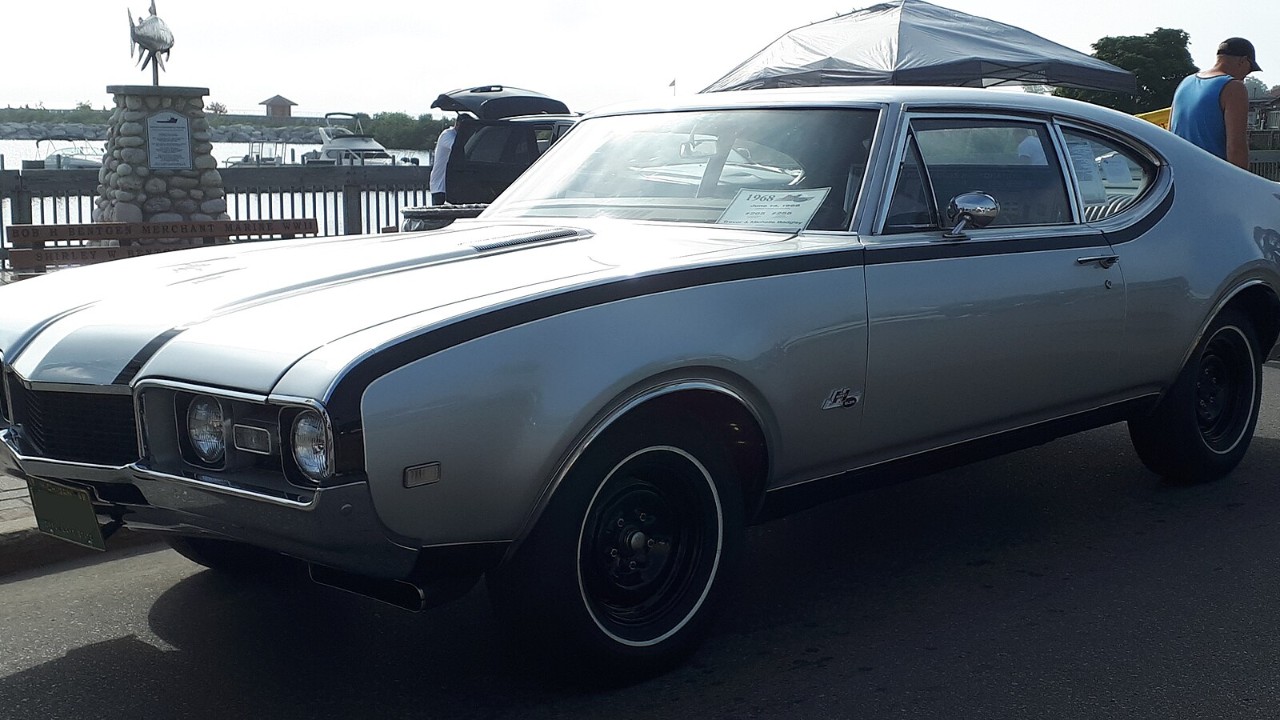
While horsepower figures often dominate headlines, true driving engagement frequently comes from reduced mass and balanced engineering. Several foreign sports cars demonstrated that shaving weight could outperform brute force alone. These machines prioritized agility, responsiveness, and driver connection over sheer output. In doing so, they proved lightweight philosophy never stopped mattering.
Lotus Elise Series 1

The Lotus Elise Series 1 redefined modern minimalist performance by emphasizing bonded aluminum construction and extremely low curb weight. Powered by a modest Rover-sourced inline-four, it relied on agility rather than raw horsepower to generate thrilling acceleration. Its unassisted steering and firm suspension created direct communication between driver and road surface. Many competitors carried significantly more power, yet struggled to match the Elise’s precision through corners. The Series 1 became proof that intelligent engineering and weight reduction could outperform heavier sports cars, reinforcing Lotus founder Colin Chapman’s philosophy of simplification and lightness.
Alpine A110
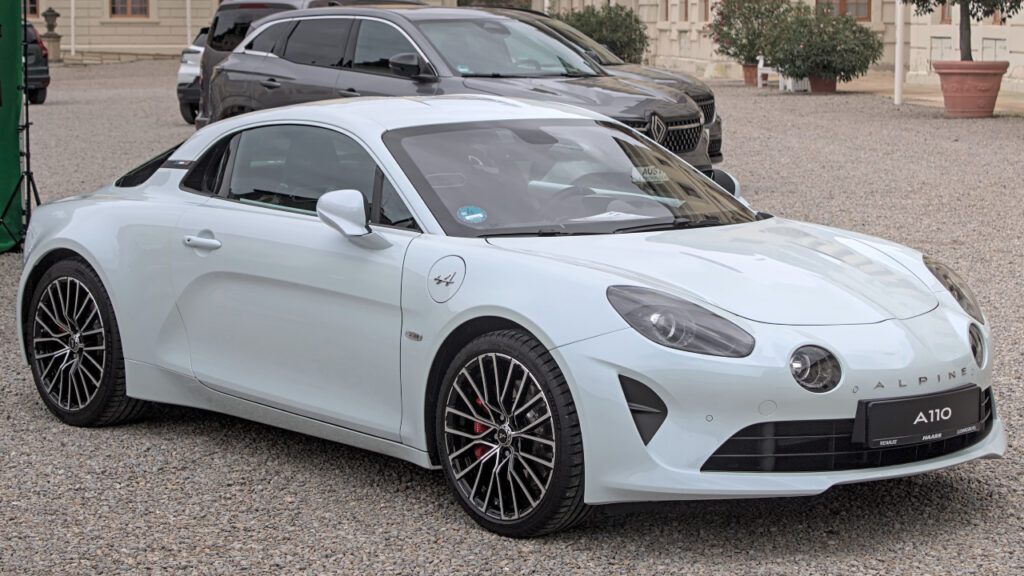
The modern Alpine A110 revived a historic French nameplate with a strict focus on balance and mass reduction. Its aluminum chassis and compact turbocharged engine kept weight impressively low compared to rivals. Rather than chasing extreme horsepower, Alpine tuned the suspension and steering for fluid cornering behavior. Drivers consistently praised its composure and playful rear-wheel-drive dynamics. The A110 demonstrated that contemporary safety and comfort standards could coexist with lightweight principles, offering an engaging alternative to heavier, power-focused sports coupes dominating the segment.
Mazda MX-5 Miata NA
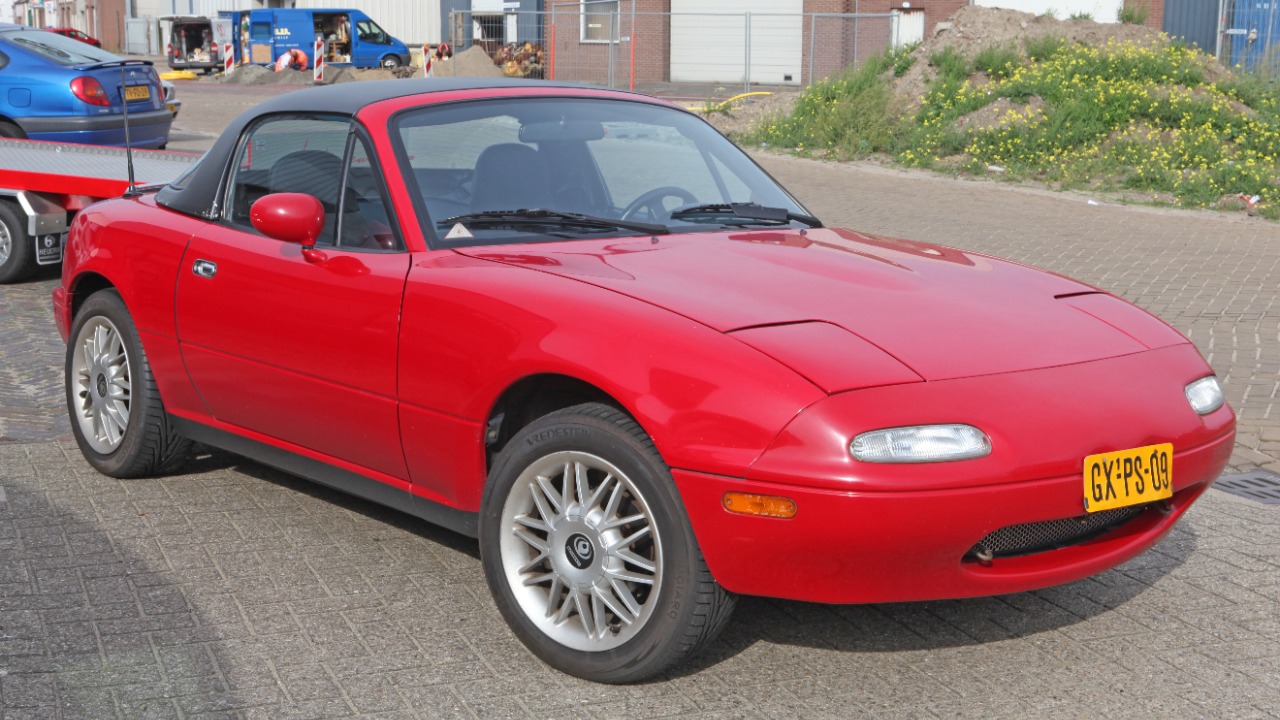
The first-generation Mazda MX-5 Miata resurrected the classic roadster formula at a time when affordable lightweight sports cars were disappearing. With a modest four-cylinder engine and rear-wheel drive, it prioritized balance and accessible handling over brute acceleration. Its low mass allowed drivers to explore limits safely without overwhelming power. The Miata’s success proved that enthusiasts valued responsiveness and simplicity. Decades later, it remains one of the clearest examples of how thoughtful engineering and weight discipline can create lasting performance credibility without extreme output figures.
Porsche 911 Carrera RS 2.7
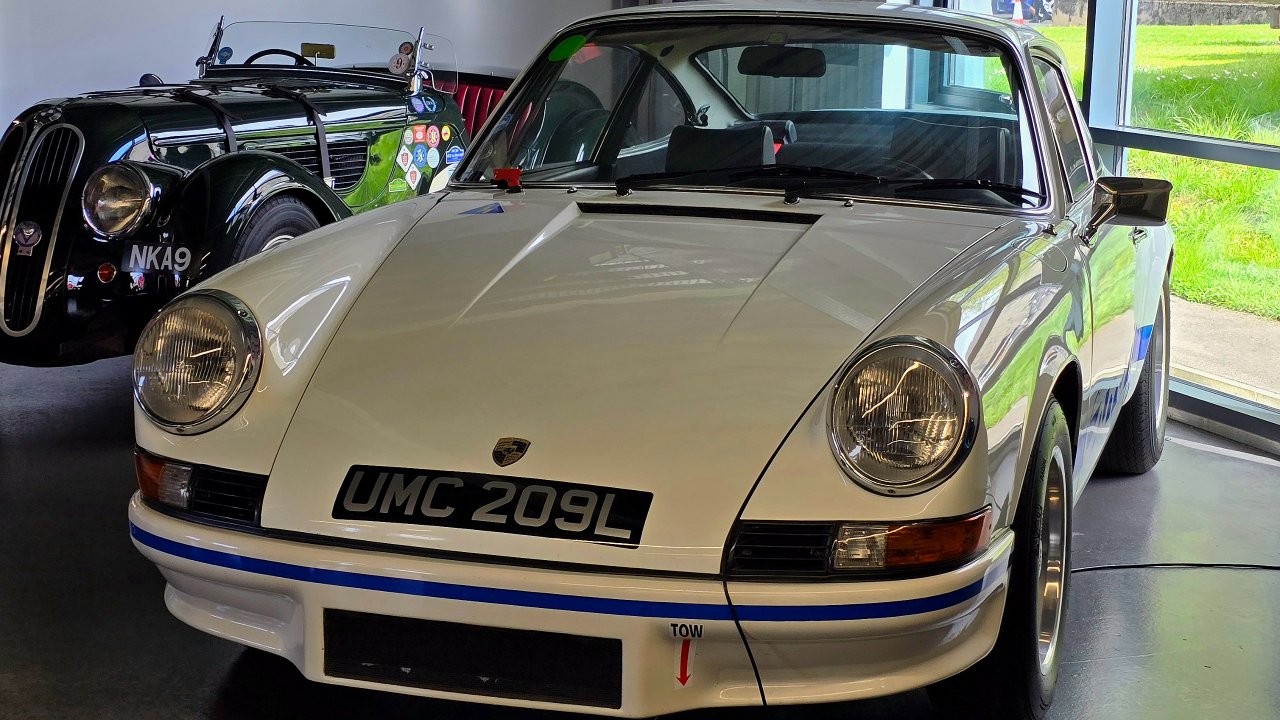
The 1973 Porsche 911 Carrera RS 2.7 became legendary largely because of its weight-saving measures and focused engineering. Thinner glass, reduced sound insulation, and lightweight body panels sharpened its performance dramatically. Its naturally aspirated flat-six delivered strong power, but the car’s reduced mass amplified every horsepower. The distinctive ducktail spoiler added stability without excessive complexity. The RS 2.7 demonstrated that intelligent trimming and racing-inspired tuning could elevate an already capable sports car into an enduring benchmark for lightweight road performance.
Toyota MR2
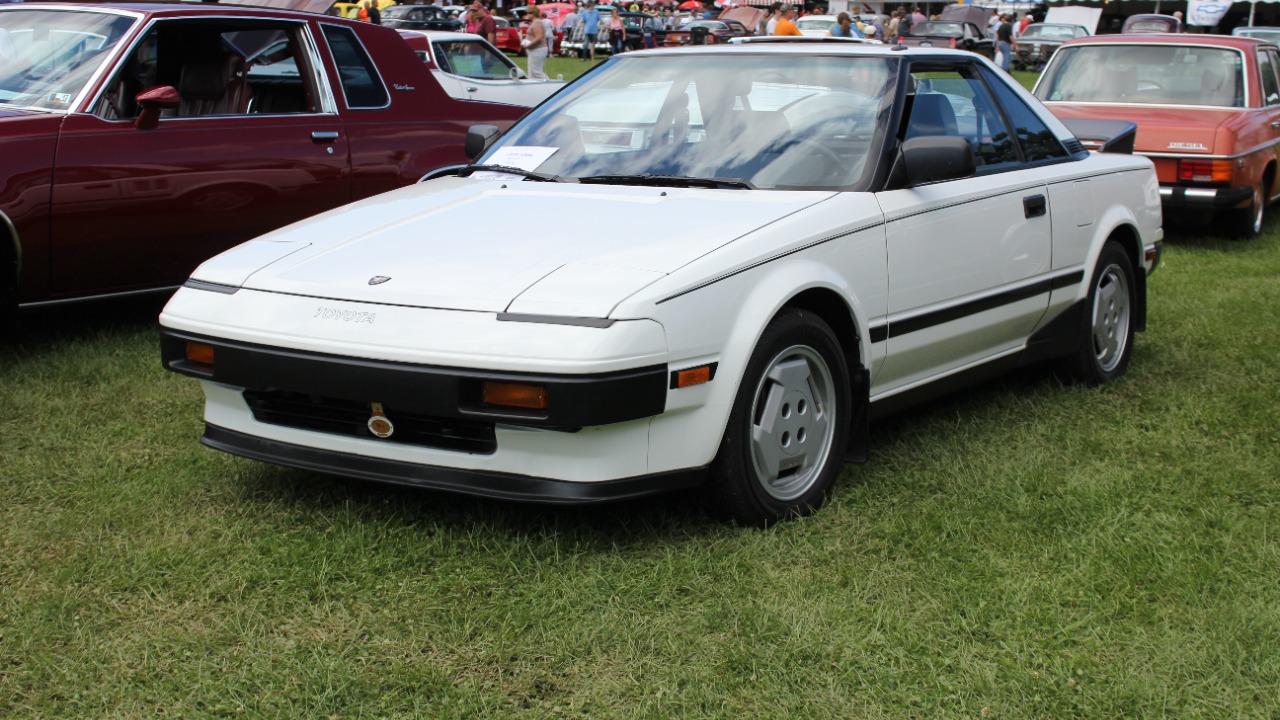
The first-generation Toyota MR2 introduced mid-engine balance to an affordable platform without excessive bulk. Compact dimensions and a lightweight chassis allowed its modest four-cylinder engine to deliver lively acceleration. Sharp turn-in and predictable handling rewarded skilled drivers on tight roads and autocross courses. While more powerful sports cars existed, few matched its nimble responsiveness at similar price points. The AW11 proved that thoughtful packaging and careful weight control could deliver genuine sports car thrills without relying on large displacement or forced induction.
Honda Integra Type R
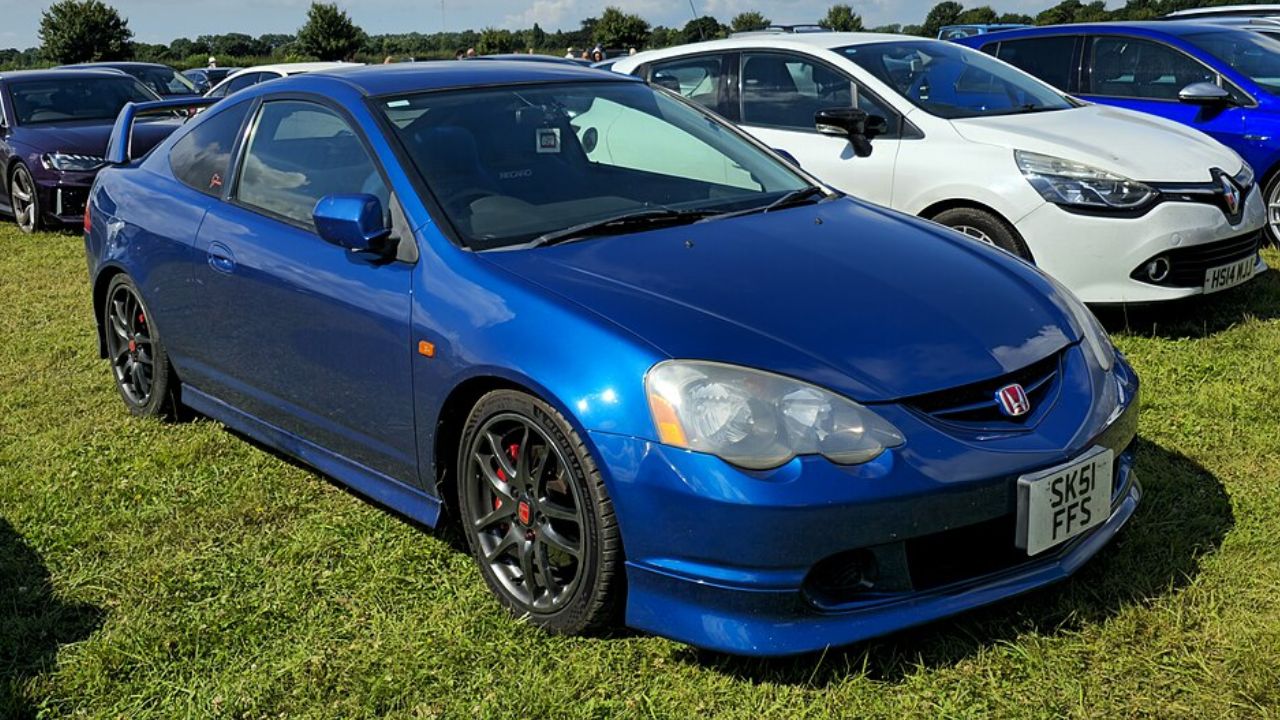
The Honda Integra Type R DC2 became famous for its obsessive attention to weight reduction and chassis tuning. Engineers stripped unnecessary insulation, reinforced structural rigidity, and refined suspension geometry to maximize responsiveness. Its high-revving naturally aspirated engine delivered modest torque but exceptional precision. On twisty roads, the Type R frequently embarrassed heavier competitors with greater power. The DC2 cemented Honda’s reputation for extracting performance through engineering discipline rather than displacement, proving lightweight front-wheel-drive platforms could still dominate through efficiency and balance.
Ferrari 308 GTB

Early fiberglass-bodied Ferrari 308 GTB models demonstrated how material choice directly influenced performance. The lighter composite construction improved acceleration and handling compared to later steel-bodied variants. Paired with a high-revving V8 and mid-engine layout, the reduced mass enhanced balance through corners. Although horsepower figures were competitive for the era, weight savings amplified the driving experience. The fiberglass 308 illustrated that even exotic manufacturers understood the advantages of minimizing mass to preserve agility and driver engagement.
BMW M3 E30
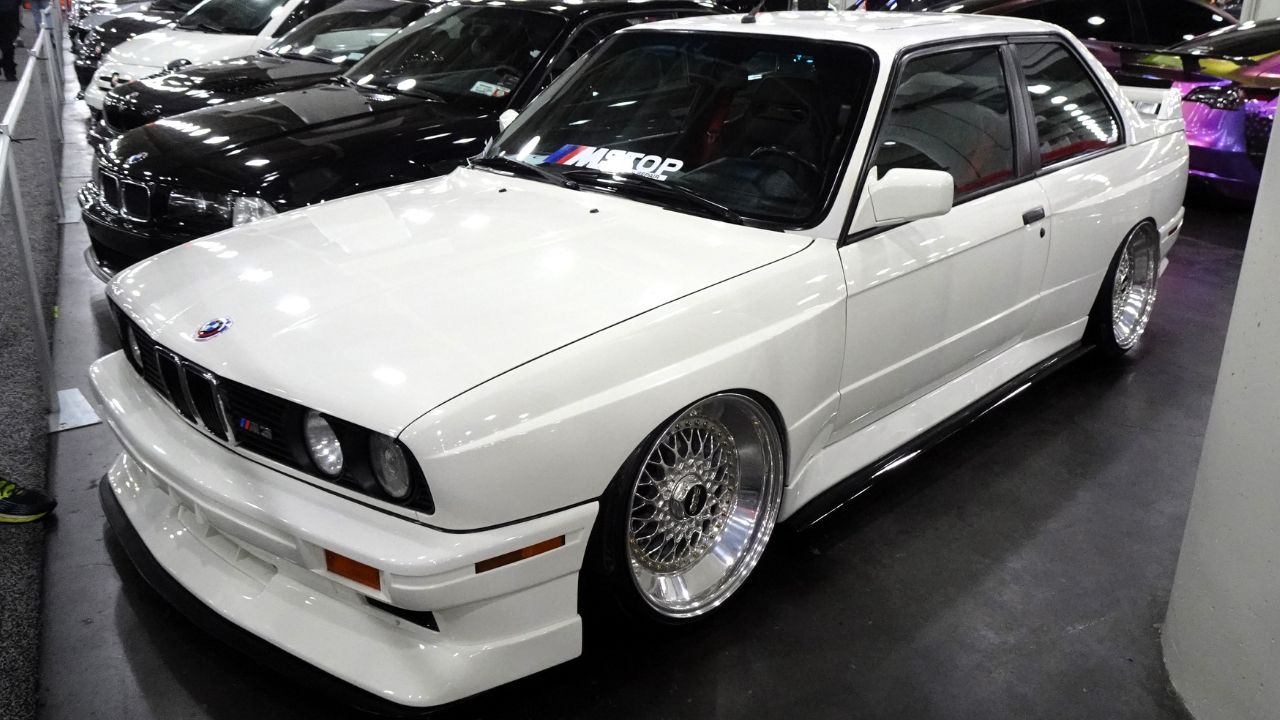
The BMW M3 E30 earned touring car dominance through a compact body and disciplined weight management. Its high-revving four-cylinder engine delivered competitive output, but the chassis balance defined its reputation. Short overhangs and precise steering created immediate driver feedback. While later M3 generations grew in size and power, the E30’s agility remains unmatched in many enthusiasts’ eyes. It proved that racing success and road-going excitement could stem from efficient design rather than escalating horsepower wars.
Suzuki Cappuccino
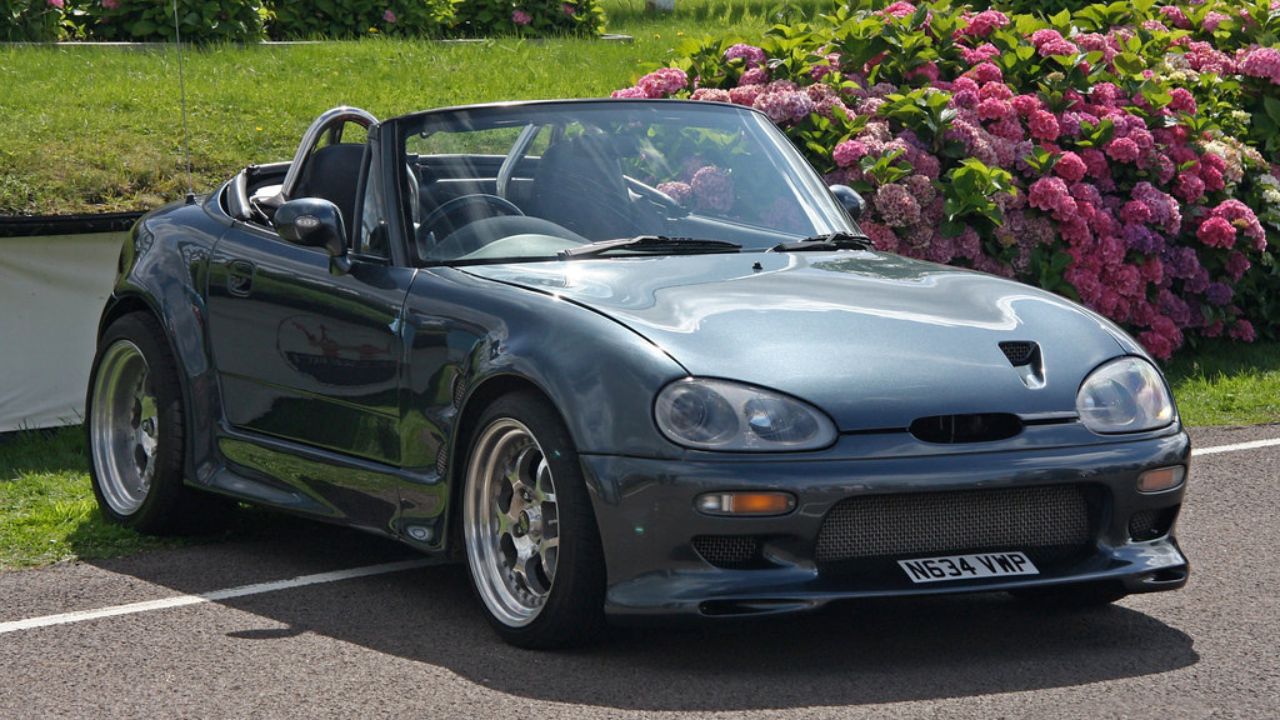
The Suzuki Cappuccino embodied lightweight engineering at an extreme scale, adhering to Japan’s kei car regulations. Its tiny turbocharged engine and featherweight construction created surprising liveliness. Rear-wheel drive and balanced proportions delivered genuine sports car character despite modest output. Though small in stature, it showcased how minimal mass enhances responsiveness and efficiency simultaneously. The Cappuccino reinforced the principle that driving enjoyment depends more on intelligent engineering and low weight than headline horsepower figures alone.
More from Fast Lane Only