Ferrari’s V8 lineage did more than fill a gap beneath the V12 flagships; it reshaped how the world saw the brand. These cars expanded the audience, modernized the engineering, and proved performance could evolve without losing identity. From raw analog thrills to turbocharged precision, each model shifted expectations in its own era. Together, they tell the story of how Ferrari’s V8 became the backbone of the company’s global reputation.
Ferrari 308 GTB
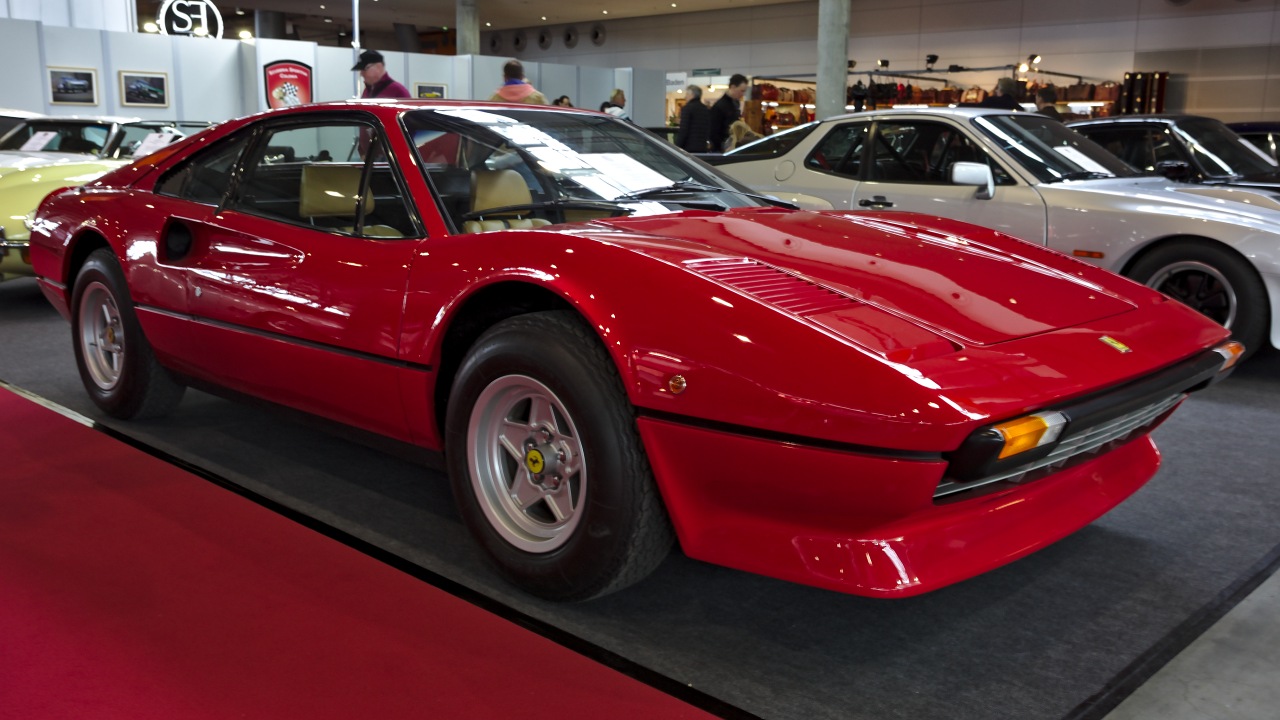
When the 308 GTB debuted in the mid-1970s, it arrived at a time when Ferrari needed broader appeal without sacrificing pedigree. Its 2.9-liter quad-cam V8 delivered sharp throttle response and a distinctive high-revving character, while its Pininfarina styling gave it immediate presence. Appearances in pop culture amplified its reach, but enthusiasts stayed for the balanced chassis and communicative steering. The 308 GTB proved Ferrari could build a smaller-displacement sports car that still felt exotic, helping transform the brand from a niche manufacturer of V12 grand tourers into a company capable of delivering accessible, everyday supercar drama.
Ferrari 328
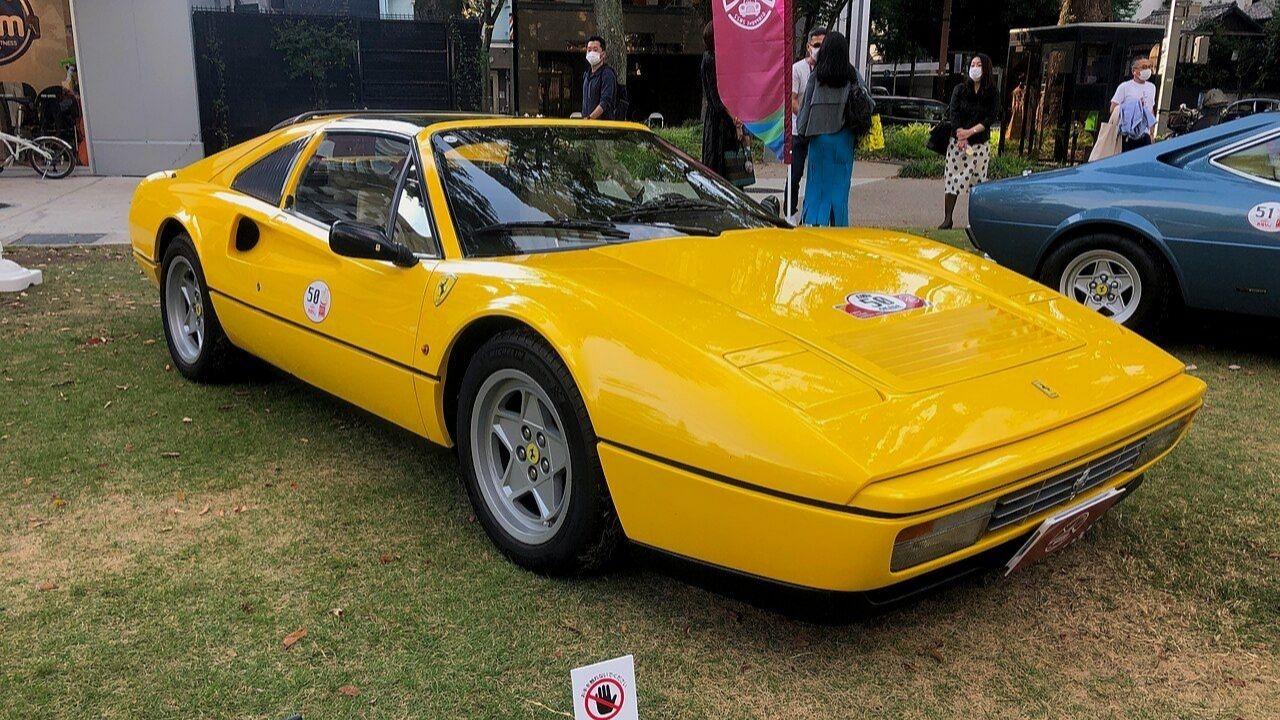
The 328 refined the 308 formula and showed that Ferrari could evolve rather than simply replace. Its 3.2-liter V8 added torque and improved drivability, while subtle styling updates modernized the shape without losing identity. Build quality improved noticeably, addressing criticisms that had followed earlier models. By blending usability, reliability gains, and classic Ferrari sound, the 328 broadened the brand’s appeal to buyers who wanted performance without constant mechanical anxiety. It helped reshape Ferrari’s image from temperamental exotic builder to a manufacturer capable of producing a genuinely usable performance car that still felt special every time the engine climbed toward redline.
Ferrari F355
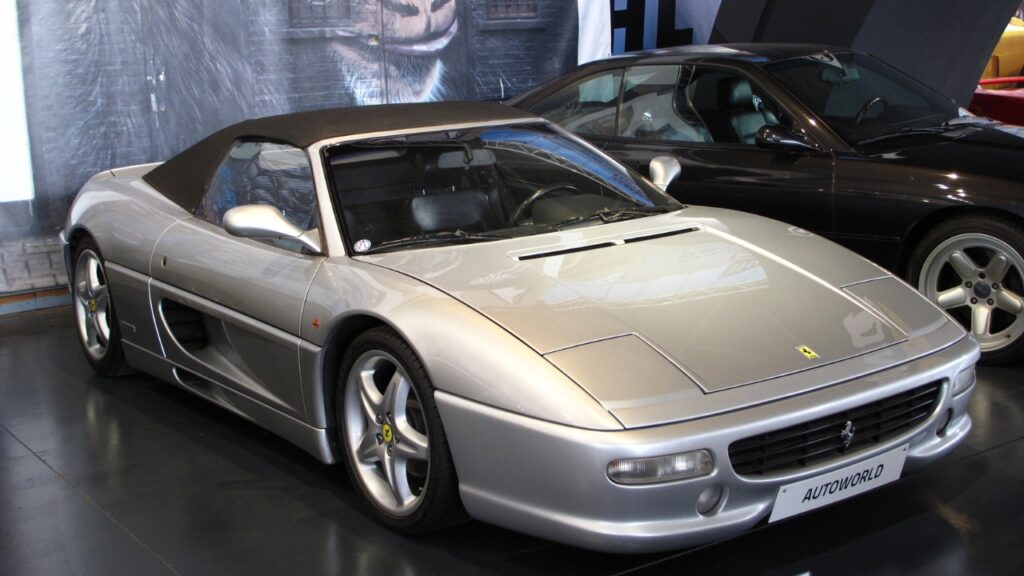
With the F355, Ferrari stepped confidently into the modern era. Its 3.5-liter five-valve-per-cylinder V8 screamed past 8,000 rpm, producing one of the most celebrated exhaust notes of the decade. Advanced aerodynamics and electronically controlled suspension elevated handling to a new level, narrowing the gap to contemporary rivals from Japan and Germany. The F355 showed that Ferrari could blend tradition with cutting-edge engineering, offering sharper performance without abandoning emotional engagement. It transformed perceptions of the V8 line from stylish junior Ferrari to legitimate supercar contender, capable of challenging the best in the world both on road and track.
Ferrari 360 Modena

The 360 Modena marked a structural revolution for Ferrari’s V8 cars. Its all-aluminum spaceframe chassis dramatically reduced weight while increasing rigidity, signaling a clear technological leap. The 3.6-liter V8 delivered strong, linear power, and the available F1-style paddle-shift gearbox introduced a new generation to semi-automatic performance driving. With improved ergonomics and greater reliability, the 360 expanded Ferrari’s global customer base. It shifted the brand’s image toward high-tech sophistication, proving that innovation and daily usability could coexist with Ferrari’s racing DNA, and laying the groundwork for the V8 line’s dominance in the 2000s.
Ferrari F430
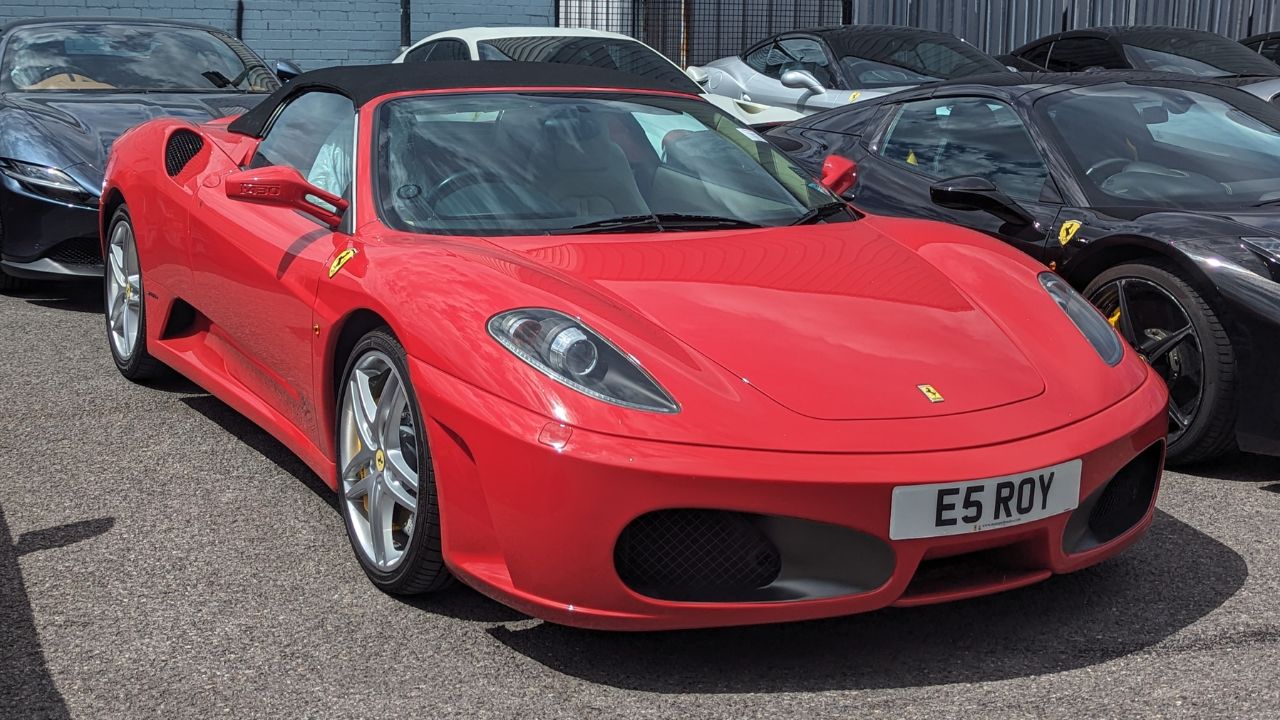
The F430 intensified everything the 360 began. Its 4.3-liter V8, influenced by Ferrari’s Formula 1 expertise, delivered explosive acceleration and razor-sharp throttle response. The introduction of the manettino steering-wheel dial allowed drivers to adjust vehicle dynamics on the fly, bringing race-derived technology directly into the cabin. Aerodynamic refinements improved stability at speed, while the soundtrack remained unmistakably Ferrari. The F430 reinforced the V8’s role as the brand’s performance spearhead, demonstrating that Ferrari could translate its racing knowledge into tangible road-car advancements and further redefining expectations for what a mid-engine sports car could achieve.
Ferrari 458 Italia

The 458 Italia represented the peak of naturally aspirated Ferrari V8 development. Its 4.5-liter engine produced breathtaking power while revving to 9,000 rpm, delivering immediacy that drivers described as electric. Advanced traction systems and a dual-clutch transmission made the car faster and more approachable than its predecessors. Critics and owners alike praised its blend of beauty, precision, and everyday usability. The 458 reshaped Ferrari’s image once again, proving the company could dominate performance benchmarks while maintaining emotional depth, and setting a high-water mark that would influence every V8 model that followed.
Ferrari 488 GTB
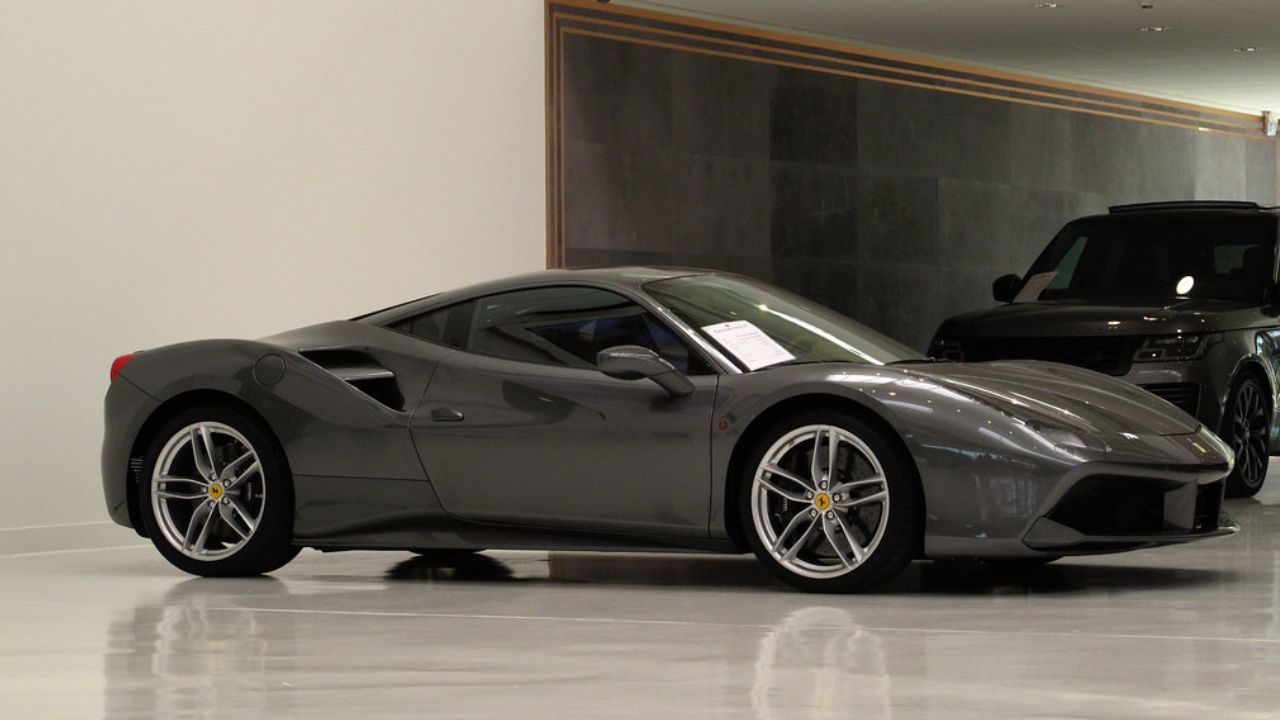
When the 488 GTB introduced turbocharging to Ferrari’s mid-engine V8 line, purists braced for compromise. Instead, the 3.9-liter twin-turbo engine delivered immense torque with minimal lag, outperforming the outgoing 458 in nearly every measurable way. Careful engineering preserved throttle response and sound character, easing concerns about losing Ferrari’s traditional feel. The 488 demonstrated that forced induction could enhance rather than dilute the brand’s identity. By embracing modern efficiency standards without surrendering performance leadership, it transformed Ferrari’s image for a new era, showing that adaptation and innovation were essential to sustaining its legendary status
More from Fast Lane Only