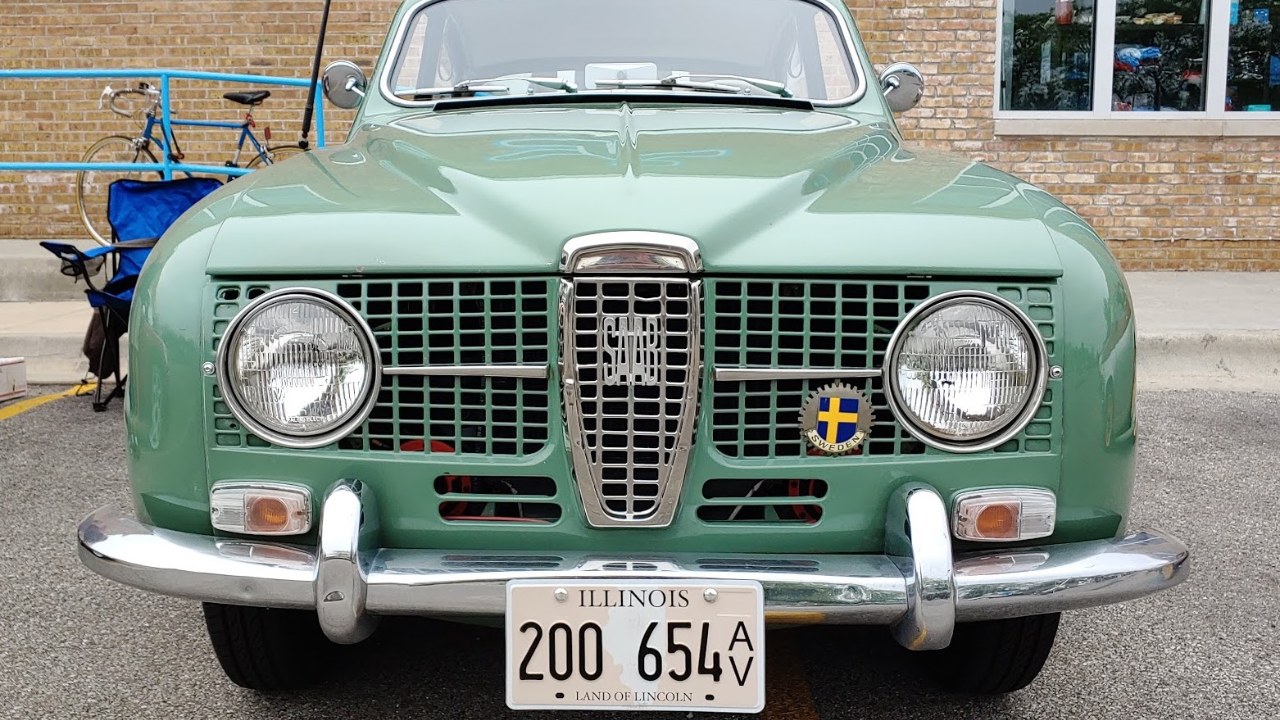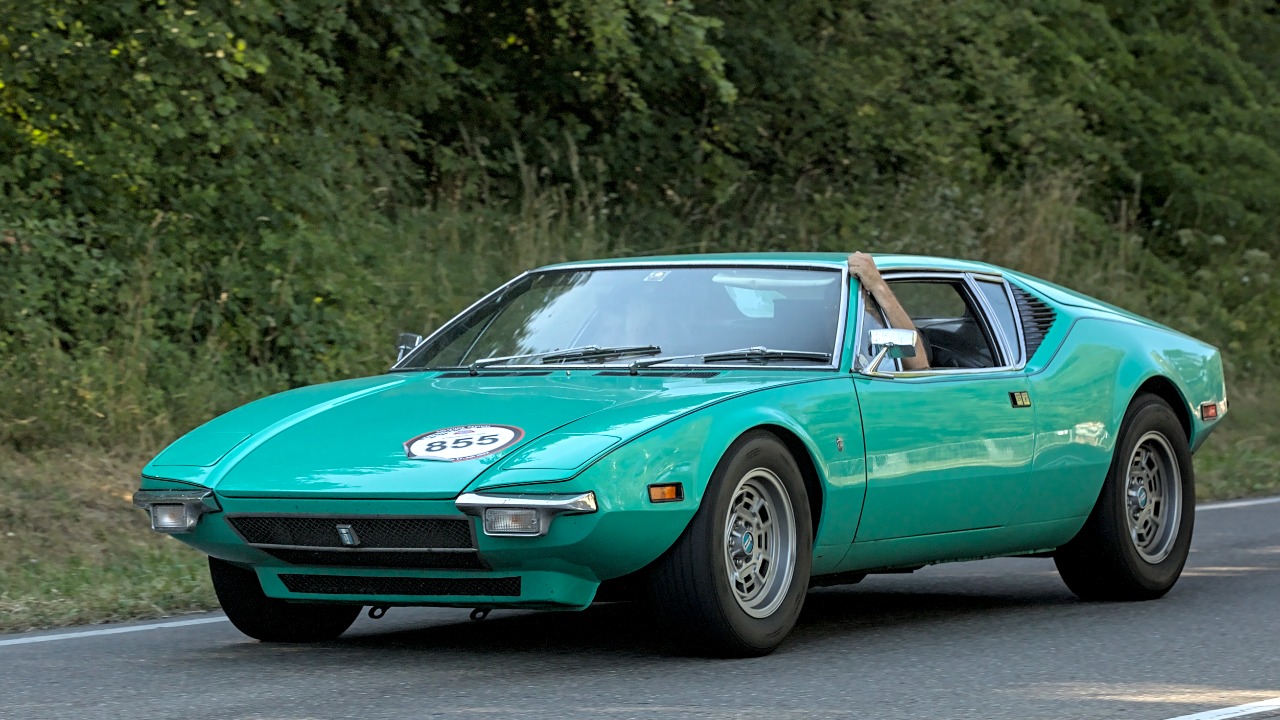
Classic cars have a unique allure, especially models that pushed the boundaries of design and technology during their time. Among these vehicles, some stand out as truly futuristic, yet they have faded from popular memory. Here’s a look at nine forgotten classic cars that looked like they belonged in the future when they first hit the streets.
1970 Ford Mustang Mach 1
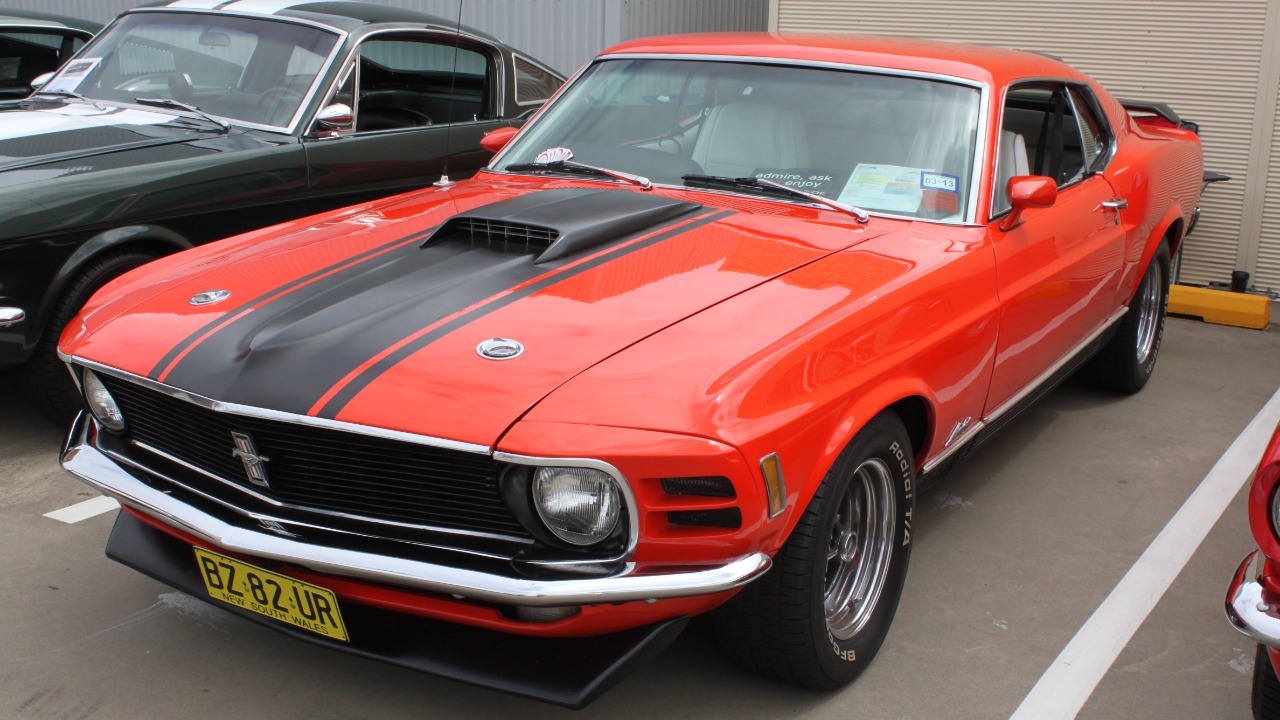
The 1970 Ford Mustang Mach 1 remains an iconic representation of American muscle cars, featuring an aggressive stance and aerodynamic lines that hinted at speed. With a powerful 351 cubic inch V8 engine, it offered thrilling performance, attracting enthusiasts who craved both power and style. The Mach 1’s unique front grille, subtle hood scoop, and distinctive side stripes set it apart from the typical Mustang models of the time. Ford embraced the era’s design ethos by incorporating functional air intakes and a sporty rear spoiler, making it appear more advanced than its predecessors. This car is still celebrated in various car shows, with many enthusiasts hoping it becomes a future classic.
Although it has largely been overshadowed by newer models, the Mach 1 is a reminder of a time when performance and aesthetics were at the forefront of automotive design. Its combination of style and substance makes it a fascinating piece of automotive history. Today, collectors and car aficionados eagerly seek out well-preserved examples, ensuring that the Mach 1 legacy continues to thrive.
1963 Buick Riviera

The 1963 Buick Riviera was a game-changer in the automotive landscape, with its sleek, low-profile design that exuded luxury and performance. The Riviera featured a unique, coupe-like silhouette that was both elegant and sporty, making it a standout in the Buick lineup. Under the hood, it housed a powerful 425 cubic inch V8 engine, providing impressive acceleration and a smooth ride. The interior was equally luxurious, boasting leather seating and a host of innovative features for its time. The Riviera’s unique design elements, such as the hidden headlights and the “sweepspear” side profile, gave it a futuristic appeal that still captivates car enthusiasts today.
Buick aimed to redefine the luxury market with the Riviera, and it succeeded with its blend of style and performance. The Riviera has become a sought-after classic, with many restoration projects dedicated to preserving its legacy. For those interested in classic cars, the Riviera is a prime example of how innovation can create a lasting impression, prompting discussions about its future in the classic car market.
1971 De Tomaso Pantera
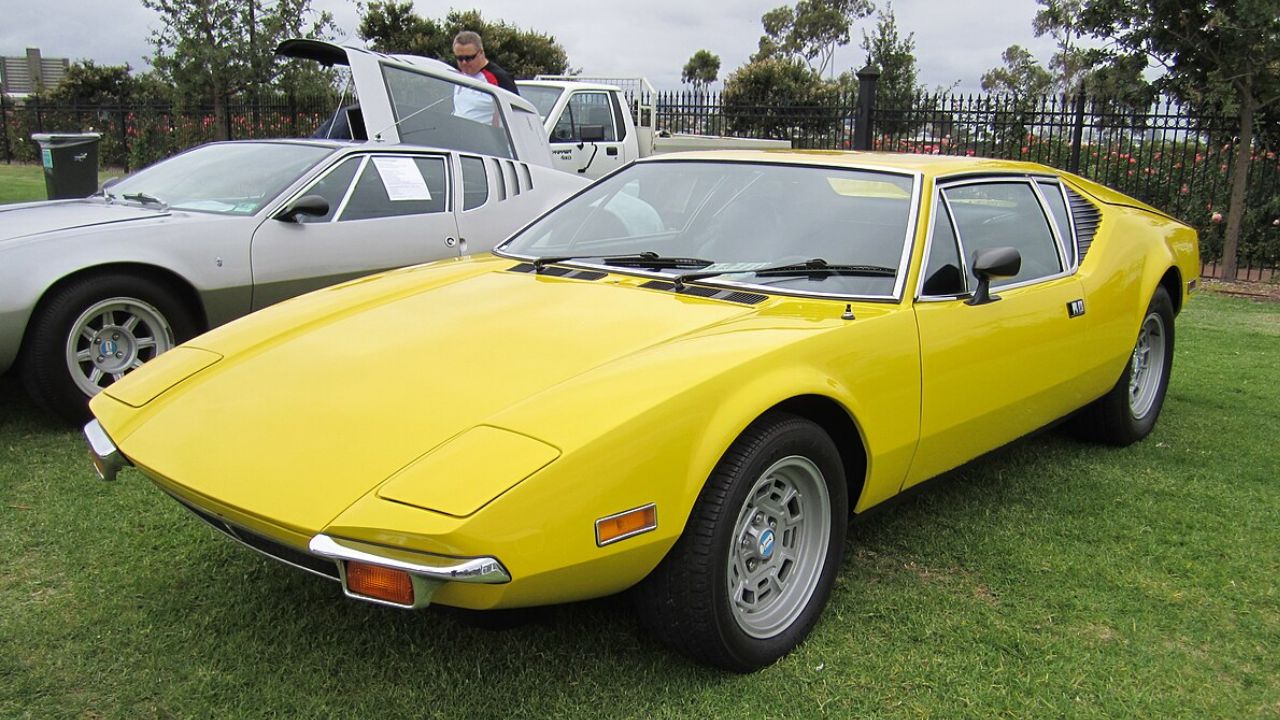
The 1971 De Tomaso Pantera was a striking Italian-American sports car that embodied the spirit of its era. With its mid-engine layout and sleek, angular design, the Pantera looked like something straight out of a science fiction film. Powered by a Ford 351 cubic inch V8 engine, it delivered exhilarating performance and a distinctive growl that turned heads. The Pantera was notable for its combination of Italian styling and American muscle, offering a unique driving experience that appealed to enthusiasts around the globe. It was a car that seemed to promise a glimpse into a high-tech future for automotive design.
Despite its relatively short production run, the Pantera has left a lasting legacy in the world of classic cars. Enthusiasts appreciate its unique blend of performance and design, and many examples have been meticulously restored. The De Tomaso Pantera continues to be a topic of interest among car collectors and is often featured in discussions about the next wave of modern classics. Its futuristic design and performance continue to inspire admiration and respect in the automotive community.
1966 Chevrolet Corvair Monza
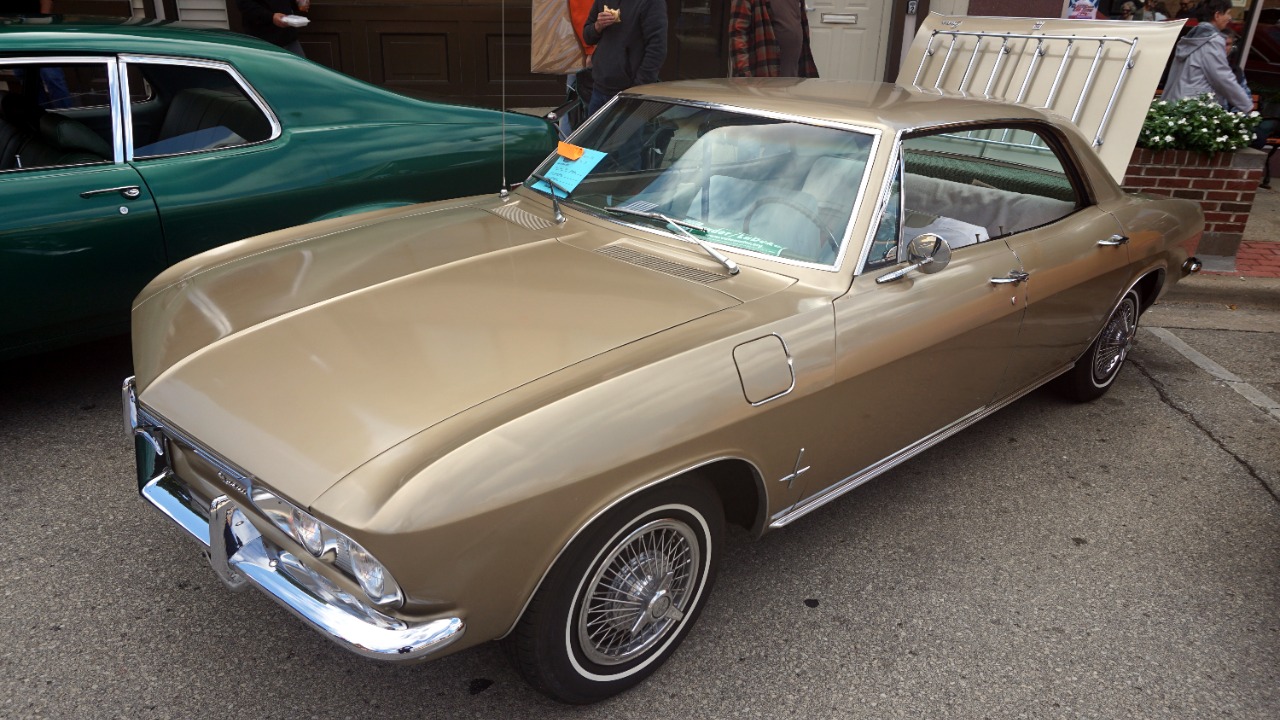
The 1966 Chevrolet Corvair Monza was a distinctive entry in the world of compact cars, featuring a rear-engine layout and a sporty design that set it apart from its contemporaries. With its sleek lines and rounded body, the Corvair Monza had a futuristic look that was both innovative and controversial. It was equipped with a flat-six engine, providing a unique driving experience that was unlike anything else available at the time. The Monza’s interior was designed with comfort in mind, offering a spacious cabin and well-placed controls that enhanced the driving experience.
The Corvair was also notable for its advanced engineering, which included a fully independent suspension and a unique air-cooled engine design. Despite facing criticism and controversy, particularly from consumer advocate Ralph Nader, the Corvair Monza has gained a loyal following among collectors. Today, it represents a fascinating chapter in automotive history, showcasing how design and engineering can come together to create a truly unique vehicle.
1975 Lancia Stratos
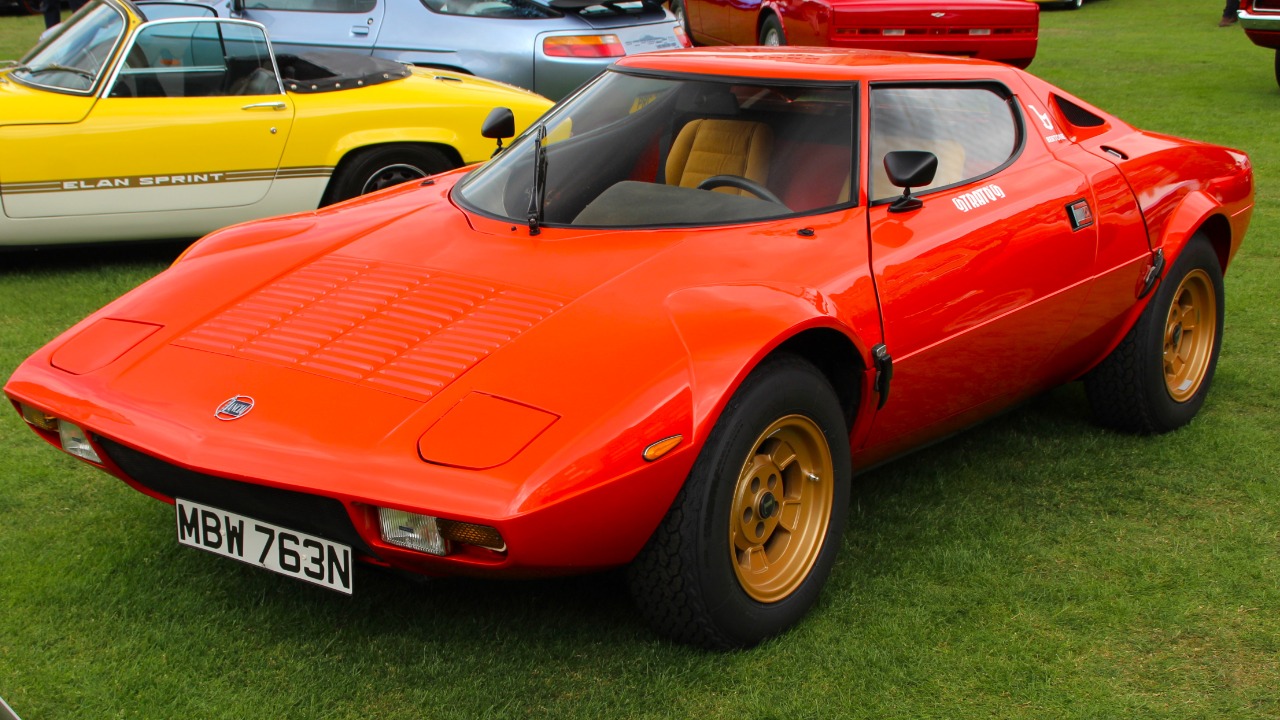
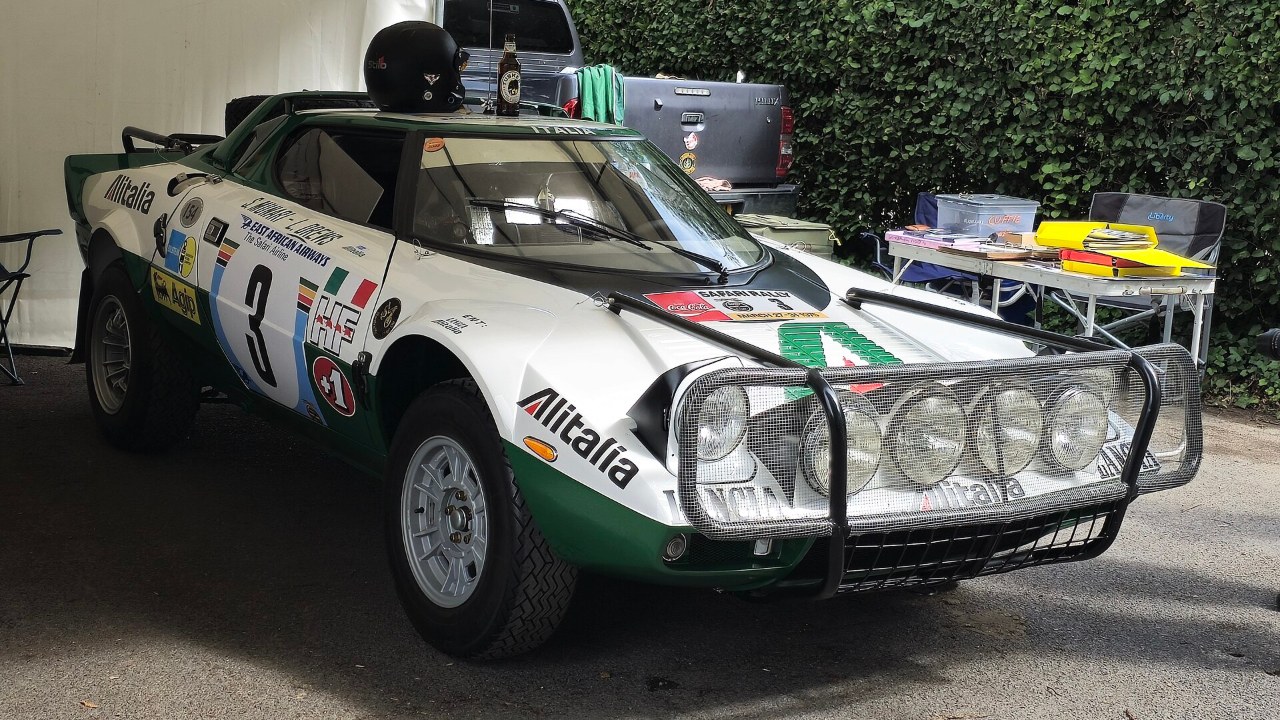
The 1975 Lancia Stratos is often hailed as one of the most revolutionary sports cars of its time, designed specifically for rally racing. Its compact size, wedge-shaped body, and distinctive design elements made it look like a vehicle from the future. Powered by a Ferrari-derived V6 engine, the Stratos offered exhilarating performance and incredible agility on both roads and rally stages. The car’s unique design was not just for aesthetics; it also served a functional purpose, enhancing aerodynamics and handling.
As a rally car, the Stratos achieved remarkable success, including multiple World Rally Championships, cementing its place in automotive history. Its limited production numbers have contributed to its rarity, making it a sought-after classic. Enthusiasts and collectors admire the Stratos for its groundbreaking design and performance capabilities. It’s often discussed in circles that appreciate the evolution of rally cars and their impact on modern automotive engineering. The Stratos remains a symbol of innovation, representing a time when car manufacturers dared to push the limits of design.
1967 Mercedes-Benz 600

The 1967 Mercedes-Benz 600 was a statement of luxury and sophistication, designed for the elite and featuring an imposing presence. This full-size luxury sedan was equipped with a massive V8 engine and an advanced hydraulic suspension system, providing unparalleled comfort and ride quality. The design was characterized by its elegant lines and spacious interior, complete with high-quality materials and cutting-edge technology for its time. The 600 was often favored by celebrities and heads of state, serving as a symbol of wealth and prestige.
Its innovative features included power windows, air conditioning, and a sophisticated audio system, all integrated into a stylish and luxurious package. The Mercedes-Benz 600 has become a classic, appreciated not only for its design but also for the engineering prowess it represented. As we look back at automobiles that seemed to glimpse into the future, the 600 stands out as a testament to what luxury could achieve. Collectors today recognize its significance, making it a valued asset in the realm of classic cars.
1976 BMW 2002 Turbo
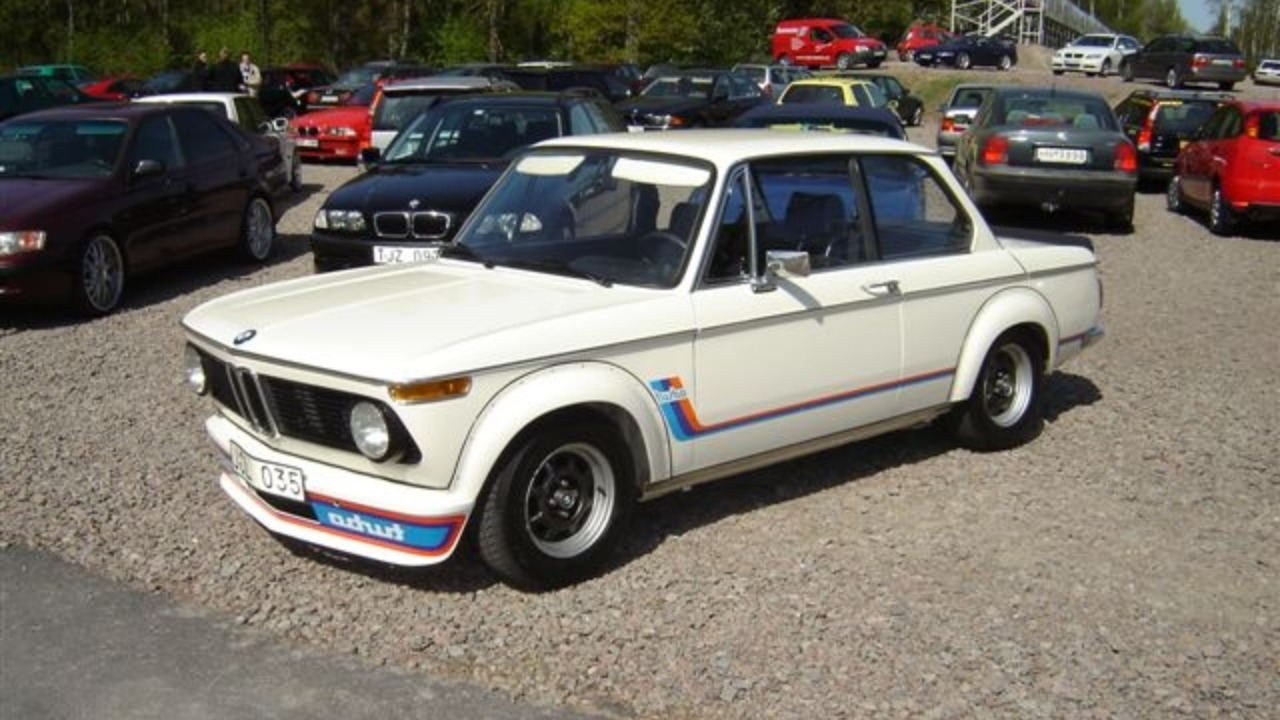
The 1976 BMW 2002 Turbo was a pioneering model in the compact sports car segment, marking the brand’s foray into turbocharging. This car was not just powerful; it was also stylish, featuring a sporty design that caught the eyes of enthusiasts. The 2002 Turbo was powered by a 2.0-liter inline-four engine that produced impressive horsepower, making it one of the fastest cars of its time. Its distinctive graphics and wider stance gave it a racing pedigree, reinforcing its image as a performance-oriented vehicle.
BMW’s commitment to performance and design was evident in the 2002 Turbo, which showcased a blend of engineering excellence and aesthetic appeal. The car’s sporty demeanor and advanced engineering laid the groundwork for future BMW models. Today, the 2002 Turbo is celebrated among collectors and car enthusiasts for its role in shaping the performance car landscape. Its legacy is alive in discussions about the evolution of turbocharged engines and their impact on modern automotive technology.
1968 Citroën DS21
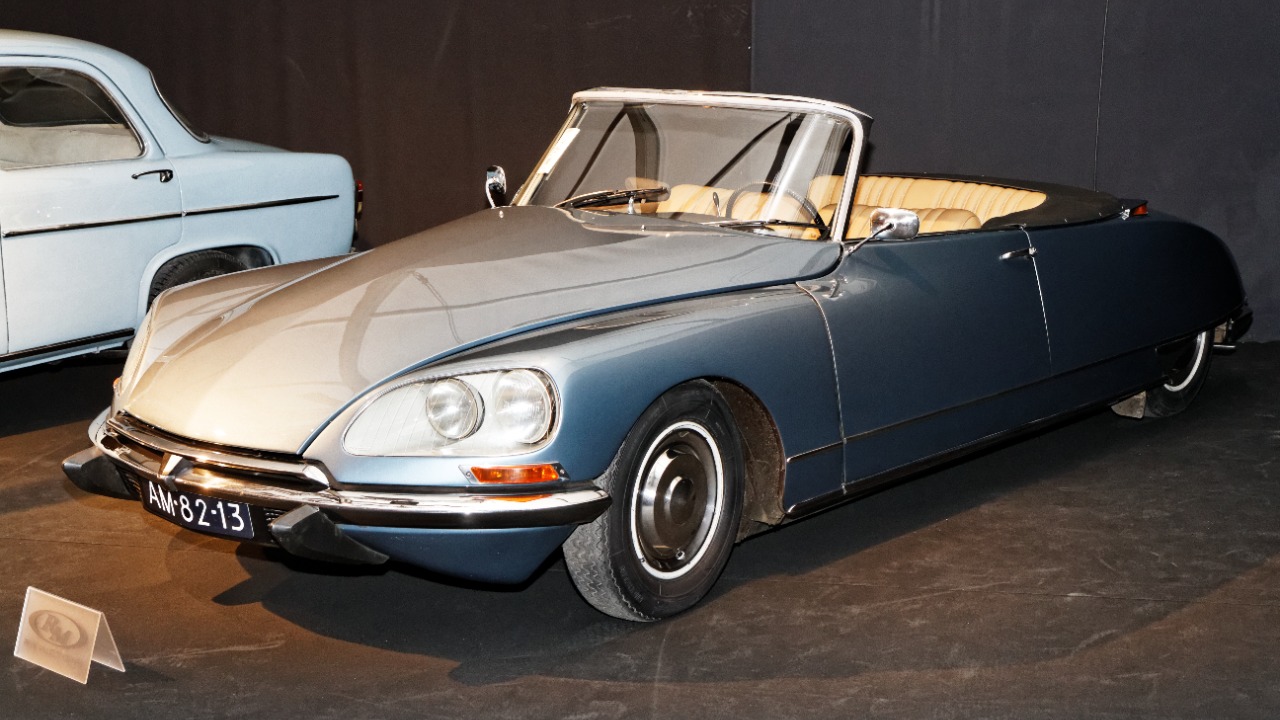
The 1968 Citroën DS21 was a revolutionary vehicle known for its avant-garde design and groundbreaking technology. With its iconic aerodynamic shape and unique features such as hydropneumatic suspension, the DS21 offered a smooth and comfortable ride that was ahead of its time. The car’s distinctive styling, complete with pop-up headlights and a spacious interior, made it a favorite among those who valued innovation. The DS21 was powered by a 2.1-liter engine, providing adequate performance while maintaining a focus on comfort and efficiency.
Citroën’s commitment to pushing boundaries was evident in the DS21, which introduced several features that would become standard in luxury cars. Its innovative design and engineering have made it a sought-after classic, often celebrated in automotive circles for its forward-thinking approach. The DS21 is frequently referenced in discussions about design evolution and has influenced many modern vehicles. As enthusiasts continue to appreciate its unique characteristics, the Citroën DS21 remains a shining example of what the future could hold.
1974 Maserati Bora

The 1974 Maserati Bora is a prime example of Italian sports car design, combining stunning aesthetics with powerful performance. This mid-engine coupe featured a sleek, aerodynamic silhouette that turned heads wherever it went. Powered by a 4.7-liter V8 engine, the Bora offered exhilarating acceleration and a thrilling driving experience. Its interior was designed with luxury in mind, showcasing high-quality materials and advanced technology for its time. The Bora’s unique design, complete with a distinctive rear end and low profile, made it look like a vehicle from the future.
Despite its relatively short production run, the Bora has left a lasting impact on the automotive world. Its combination of style, performance, and advanced engineering has made it a coveted classic among collectors. The Maserati Bora is often discussed in contexts that celebrate the evolution of sports cars and their influence on modern design. As we reflect on cars that once seemed futuristic, the Bora stands out as a timeless example of what happens when artistry meets engineering excellence.
More from Fast Lane Only
- Unboxing the WWII Jeep in a Crate
- 15 rare Chevys collectors are quietly buying
- 10 underrated V8s still worth hunting down
- Police notice this before you even roll window down
*Research for this article included AI assistance, with all final content reviewed by human editors.